

Preventing Equipment Failures: The Critical Role of Steam Exhaust Safety Valves
- 2026-05-29 13:47:22
- admin
- NO COMMENTS
Overview
In many field operations, engineers working in chemical plants often notice that valves handling strong acids or caustic alkalis exhibit early warning signs of stress or failure. For example, during a routine inspection of a chemical processing line, a technician might observe subtle pressure fluctuations when a plastic-lined valve opens on a sulfuric acid feed. Or in a wastewater treatment plant, an actuator’s torque gradually increases as it opens an alkali-resistant valve, hinting at seal erosion from the harsh fluid. These symptoms – fluctuating pressure, increased opening torque, or minor leaks – are classic signs that a valve’s internal components are being attacked by corrosive media. Over time, this corrosion can lead to micro-cracks in valve seats or even pitting on metal parts, which then cause unpredictable drips or full valve failure.
For instance, heavy pH swings in an industrial wash-down system can generate rapid thermal cycling: cold water suddenly hitting a hot, metal valve body leads to thermal stress → micro-fractures in the valve lining → seal failure → fugitive leaks. Likewise, a pressure spike combined with corrosive splash can set up another chain: rapid pressure changes → vibration at the valve disc → accelerated wear of the seat → slower valve response and potential leakage. In practical terms, an engineer might note: “When this valve hesitates around 30–40% open and the operator hears the actuator strain, it often means the aggressive chemical has begun to pit the ball surface.” Left unchecked, these cause-and-effect chains reduce reliability and threaten both safety and product quality.
Key Features of Chemical Resistant Valves
Strength and Longevity: Valves designed for acid or alkali service use specialized materials and constructions to withstand corrosive attack. Modern chemical valves often employ thermoplastics such as PVC, CPVC, polypropylene (PP-H), and PVDF, or fluoropolymer linings like PTFE/FEP, which are nearly immune to corrosion. For example, fluoroplastics exhibit “outstanding resistance to strong acids like hydrochloric and sulfuric acid across broad concentration ranges,” enabling continuous service where metal valves would rapidly fail. Similarly, engineered alloys are chosen carefully: the common 316L stainless steel (with added molybdenum) or Duplex/Super-Duplex steels offer much better resistance in many acidic environments. In ultra-demanding cases (such as hot chlorinated brines), nickel-based alloys or even titanium valves are used despite higher cost, because their long life justifies the investment. These high-performance materials ensure that acid-alkali valves can operate years longer than ordinary valves under the same conditions.
From a design perspective, acid-resistant valves often feature minimal trapped fluid volumes and smooth internals. For instance, full-port ball valves made from PP-H or PVDF allow aggressive fluids to flow with little stagnation. Some plastic diaphragm valves use PTFE-faced diaphragms so that the fluid never contacts the valve’s metal parts. The result is that a chemical-resistant valve maintains its sealing tightness and calibration far longer. Customers seeking reliable shutoff might choose a PVC or PP-H plastic ball valve because these units are “lightweight, corrosion-resistant, and have excellent aging resistance,” making them ideal for PCB etching, electroplating, and chlor-alkali lines. YNTO’s plastic valve line, for example, offers double-union PPH ball valves with EPDM or FKM seals that combine chemical durability with industrial-grade pressure capacity.
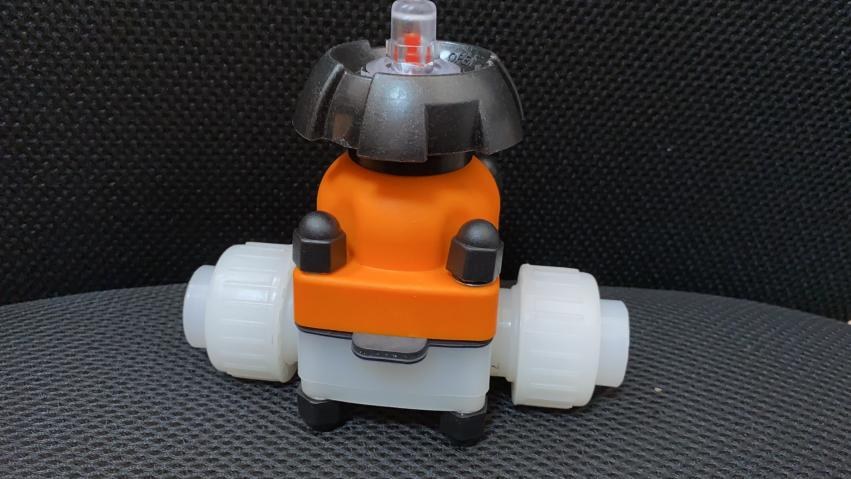
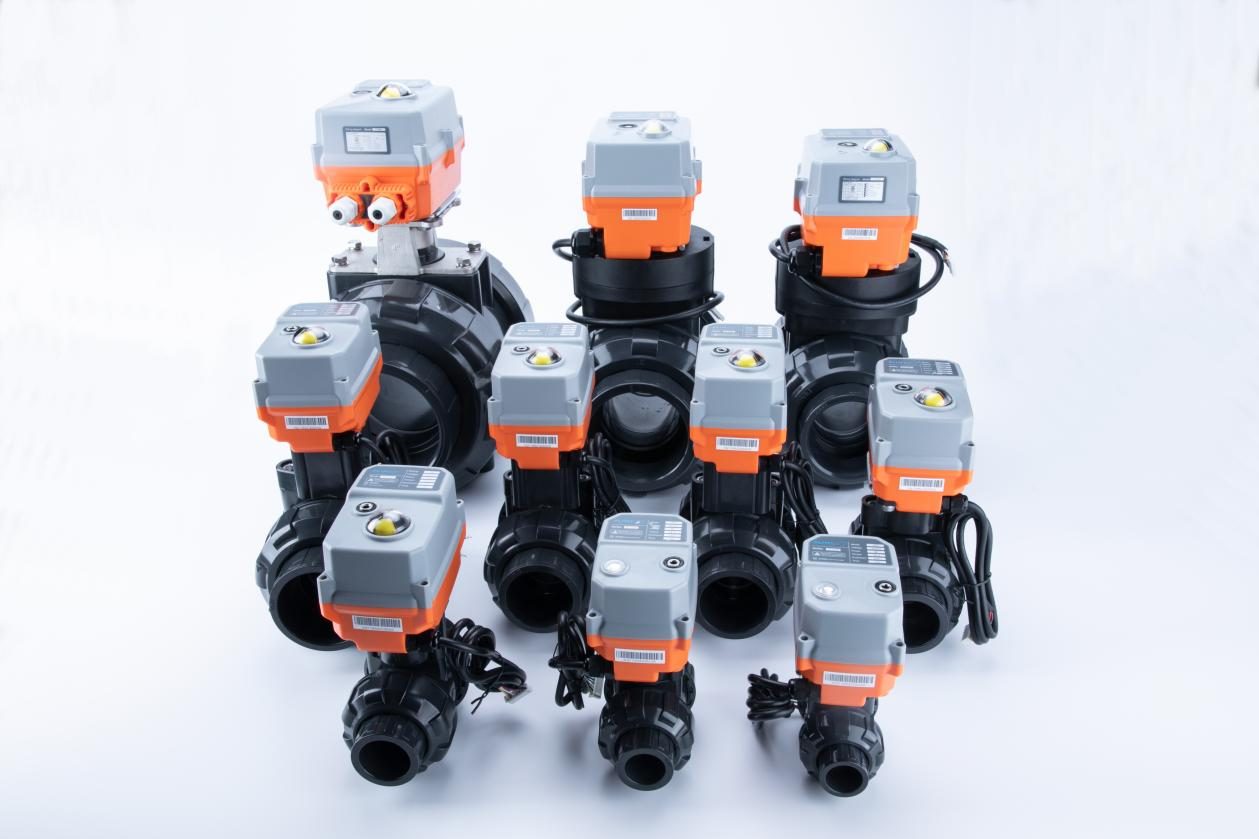
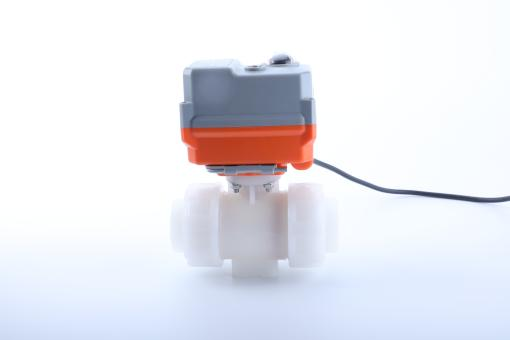
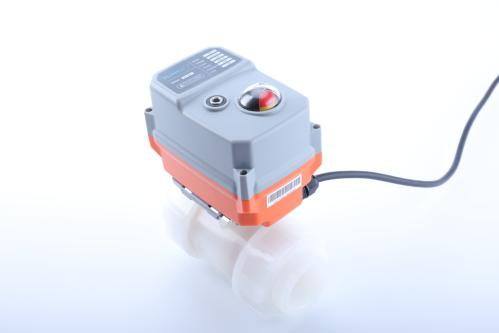
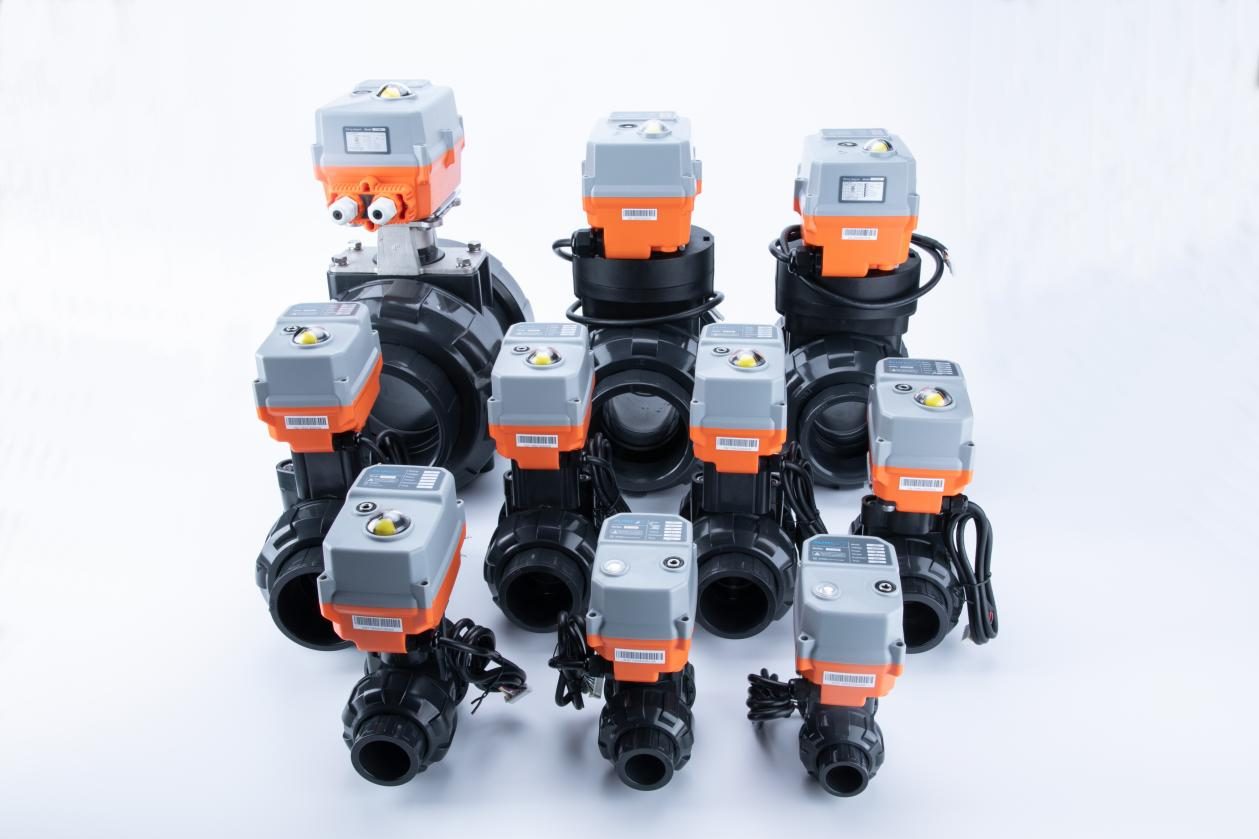
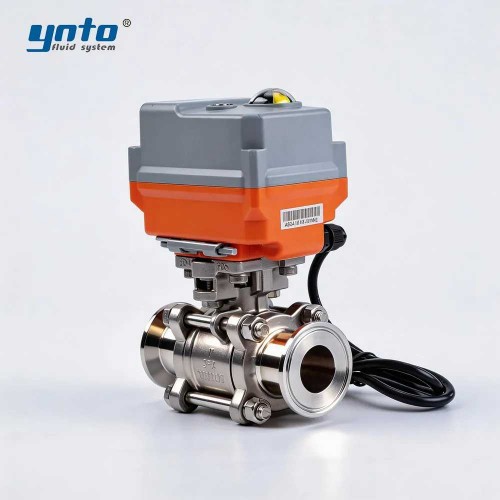
Integration with Chemical Process Equipment: Modern acid/alkali valves don’t just survive harsh media; they integrate with automation and control systems seamlessly. Models like electric ball valves or pneumatic diaphragm valves come with certified actuators rated for corrosive environments. The actuators themselves use stainless steel or coated cases, and often include position feedback for tight control. When selecting a valve for a caustic service, engineers consider the whole package: for example, coupling a plastic ball valve with a YT-series electric actuator can maintain precise valve positioning despite any slight swelling of plastics at high temperature. Control systems view these valves much like any other: a diaphragm valve with PVDF construction can be fitted with solenoid valves and instrument signals just as easily as a steel globe valve, ensuring that environmental safety (such as automatic venting on high pressure) is preserved.
Understanding Corrosion Resistance
Types of Corrosion and Their Effects: In chemical environments, valves face many attack modes. Acidic fluids often promote pitting corrosion and stress cracking, whereas alkali (caustic) media can cause caustic stress corrosion cracking and accelerated metal fatigue. In practice, this means stainless steel valves might last for years in neutral water, but only weeks if exposed to hot sulfuric or hydrochloric acid. Salts and slurry particles compound the issue: mechanical friction and pressure swings encourage tiny stress points that become focal for corrosion. Over time, a normally smooth ball or seat becomes scalloped, and a once-metallic glaze turns rough. The result is corrosive degradation → seal wear → minor leaks → operational downtime. For example, a concentration of ferric chloride in a pipeline can cause Fe^3+ ions → aggressive oxygen attack → stainless valves crack unexpectedly, which eventually triggers a slow leak and forces a plant shutdown.
How Resistant Valves Mitigate Risks: Acid/alkali resistant valves combat these issues primarily through material and seal selection. For instance, EPDM rubber seals and gaskets are known to handle many acids and alkalis at moderate temperature. EPDM has an excellent hydrolytic stability, so a valve with an EPDM seal sees far less swelling or cracking in a chemical wash than one with standard nitrile rubber. FKM (Viton) seals provide even broader resistance, tolerating strong organic acids and higher temperature streams. Additionally, valves can be surface-treated: a carbon steel ball valve, for example, might be coated in Fluoropolymer (FBE/Halar) to repel corrosives entirely. The adoption of fluoropolymer-lined valves is common in industry; a metal body (for strength under pressure) is lined internally with PTFE, combining durability with chemical immunity.
Selecting the right type of valve also helps. In a corrosive slurry line, some engineers prefer diaphragm valves because their PTFE-lined diaphragm completely isolates the stem from the fluid. Others use control valves with specialized trim: a globe valve might have a ceramic or nickel-alloy plug to resist wear and corrosion. The key is matching construction to chemistry. Often, vendors will supply chemical compatibility charts – for example, a PVDF ball valve might be recommended for hydrochloric acid up to 80°C, while a stainless valve (with Hastelloy trim) might be specified for hot sodium hydroxide service. As YNTO notes, “no single material is best for all corrosives – the choice depends on the specific chemicals, concentrations, and temperatures”.
Applications Across Industries
Relevant Industries: Acid- and alkali-resistant valves are used wherever aggressive fluids are handled. In chemical processing, they are ubiquitous: reactors, distillation columns, and corrosive reagent lines all use specialty valves. A typical example is a chlor-alkali plant where PVC or PP-H valves feed caustic soda and chlorine solutions. In pharmaceuticals, PTFE-lined diaphragm valves manage concentrated acids in active ingredient synthesis with zero contamination. Water/wastewater treatment plants rely on coated or plastic valves for flocculant and dechlorination feed. In semiconductor manufacturing, ultra-pure PVC or PFA valves transport pure chemicals without releasing particulates. Even food & beverage uses alkali-resistant valves for caustic cleaning solutions during CIP (clean-in-place) cycles. Across these industries, the requirement is clear: valves must endure harsh chemistry while maintaining tight control.
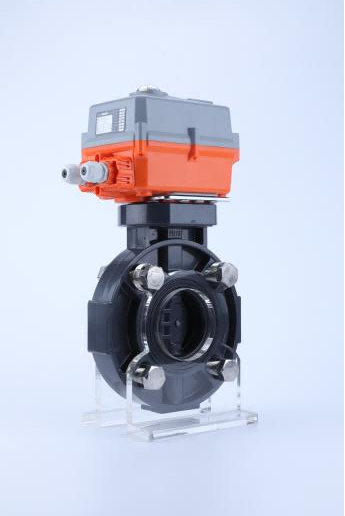
Case Studies Demonstrating Effectiveness: Case studies highlight these benefits. For instance, a PCB manufacturing facility switched to YNTO UPVC electric butterfly valves for the inner-layer board etching process. The new valves handled the acid etchant without pinhole leaks and held tight shutoff, whereas older metal valves corroded quickly. Likewise, in a coal-tar processing plant, replacing old carbon steel valves with PP-H ball valves (plus electric actuators) prevented recurrent sulfuric acid leaks at high temperature – a change that paid for itself in reduced maintenance. Across the board, engineers report that using true acid/alkali valves avoids unscheduled shutdowns: “Our high-performance PTFE-lined valves maintain seat integrity for years, eliminating the microbial growth and leaks we saw with plain steel valves,” notes one plant manager. Each example reinforces that the right valve technology can improve uptime and safety.
Conclusion
Recap of Features and Benefits: Acid and alkali resistant valves incorporate advanced materials and designs to meet the challenges of corrosive service. From fluoropolymer diaphragms to heavy-duty alloy bodies, these valves prevent the cause→effect→impact chains that plague ordinary valves. By choosing valves made of 316L/Duplex stainless steel, PP-H, PVDF, or PTFE-lined constructions, engineers can stop chemical attack → internal pitting → seal failure → leaks before it starts. High-performance seals (EPDM, FKM) and compliant coatings (FBE, Halar) further block fugitive emissions and enhance safety. In short, low-emission valve solutions for acidic/alkaline environments lead to longer service life, better control stability, and conformance with industry standards (ANSI/ASME, API, ISO) for pressure equipment.
Final Thoughts on Choosing the Right Valve: For industries that handle harsh fluids, focusing on specialized valve technology is essential. YNTO’s range of chemical-resistant valves – from electric ball valves to PVDF diaphragm valves and pneumatic actuators – illustrates the choices available. When designing a fluid handling system, engineers should consider safety requirements (pressure ratings, leak containment) and regulatory guidelines (ANSI/ASME B31.3, API 622 for fugitive emissions, etc.) alongside corrosion data. Consulting with manufacturers and reviewing chemical compatibility charts ensures the valve material matches the service. Ultimately, investing in the right acid/alkali resistant valve solutions delivers a safer, more efficient process and peace of mind for plant operators.
- 2026-10-09 14:26:55
.png?imageMogr2/format/webp)
- 2026-09-30 08:25:23
- 2026-09-28 10:28:43