News

Our world-class
NEWS
TOTAL
47
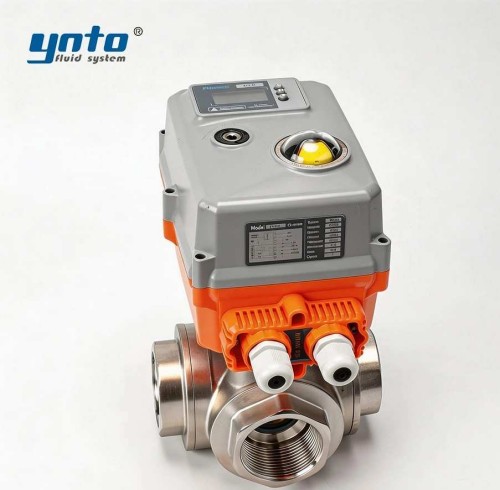
Unlocking Efficiency: Smart Valves in Industry 4.0 Factories
At a large dairy processing plant, stainless steel pipelines crisscross a sterile production floor. During a midnight Clean-in-Place (CIP) cycle, an automation engineer notices a sudden pressure drop and hears a faint rattling in a valve on the hot water line. Moments later, a few drops of scalding water seep from a flange. In many field operations, engineers often witness pressure oscillations or slight leaks like this during rapid temperature swings. Here, repeated thermal shock – scalding wash followed by cold rinse – is fatiguing an old valve’s seal. The cause is clear: intense temperature cycling causes the PTFE gasket to harden and shrink, and the result is a weakened seal. The impact is a small leak that could contaminate product or burn someone checking the line. The on-site team also notes that the valve’s actuator seems sluggish, requiring extra torque to reopen after the hot wash – a sign of wear in the valve’s stem from years of service.
2026-01-20 12:00:00
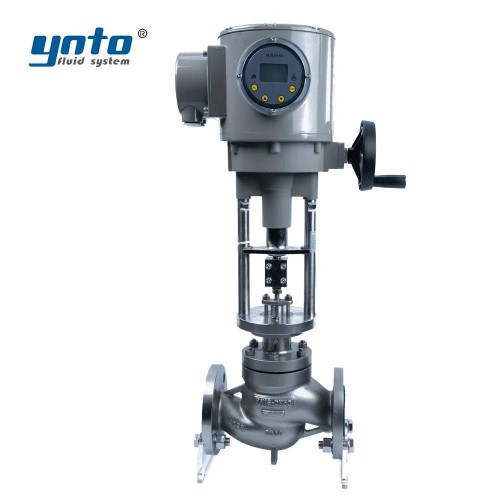
Understanding Pneumatic Control Valve Working: A Complete Guide
Inside a dairy plant’s clean-in-place (CIP) system, stainless pipelines weave through processing equipment as engineers prepare for a cleaning cycle. A pneumatic diaphragm valve – a type of automated valve often used in sanitary systems – is supposed to shut tight to isolate a circuit. Today, however, Technician Aria notices two problems. First, one valve isn’t closing fully: a minor leak of hot caustic cleaning solution drips from its outlet, a telltale sign the diaphragm seal may be worn. Second, on a supply line, a control valve’s pressure gauge needle oscillates instead of holding steady. Each adjustment command from the controller makes the valve actuator jerk and the downstream pressure fluctuate, indicating possible sticking or tuning issues. In the noisy utility room, these subtle symptoms might go overlooked, but an experienced engineer recognizes the patterns. Over time such irregularities tend to escalate – for example, pressure fluctuations → valve stem vibration → gradual
2026-01-14 12:00:00
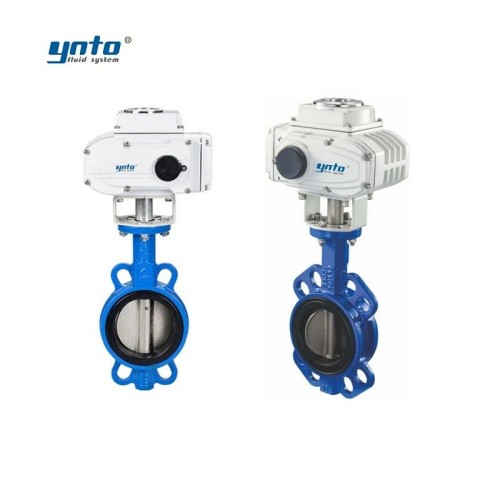
Top 7 Features to Look for in a Pneumatic Valve for Water
In the control room of a large municipal water treatment plant, veteran engineer Chen Wei furrows his brow at a pressure gauge. He’s monitoring a pneumatic butterfly valve on a main line feeding the distribution network. Years of experience have taught him that not all valves are created equal. As water demand fluctuates through the day, valves without the right features can cause pressure surges or leaks – headaches that Chen has dealt with too often. With 15+ years in water management solutions, he knows exactly what to inspect when evaluating a pneumatic valve for a water supply system. From corrosion resistance to smart controls, the following are the top seven features that an engineer like Chen looks for to ensure reliable, efficient, and sustainable water solutions.
2026-01-12 12:00:00