

Understanding the Intake/Exhaust Pipe Anti-Vacuum Valve: A Comprehensive Guide
- 2026-06-01 15:04:50
- admin
- NO COMMENTS
During shutdown on a vacuum-assisted exhaust line, the first warning is rarely dramatic. A gauge drops faster than expected. A thin-wall duct gives a dull metallic pop. On another line, the pump stops and the exhaust pipe gives a brief backward shudder before settling. Engineers working around intake and exhaust piping know those signs well: unstable negative pressure, reverse flow at shutdown, and valve chatter at low differential pressure are often the earliest clues that the system is missing a proper anti-vacuum function or that the existing device is already wearing out. Spirax Sarco notes that vacuum breakers are specifically used to protect plant and process equipment from vacuum conditions, especially during cooling, while YNTO’s own field guidance describes gauge swings, header chatter, and faint leakage odors as familiar symptoms of negative-pressure instability.
That is why the intake/exhaust pipe anti-vacuum valve deserves more attention than it usually gets. In buyer language, this term often covers several related devices: a one-way air-admittance valve that opens under negative pressure, a vacuum breaker that admits air before equipment is damaged, or an anti-reverse valve mounted on a vacuum-pump exhaust to stop backspin at shutdown. Those are not identical products, but they solve the same operational problem: preventing unwanted sub-atmospheric conditions or reverse movement from turning into equipment stress, contamination, or control instability. 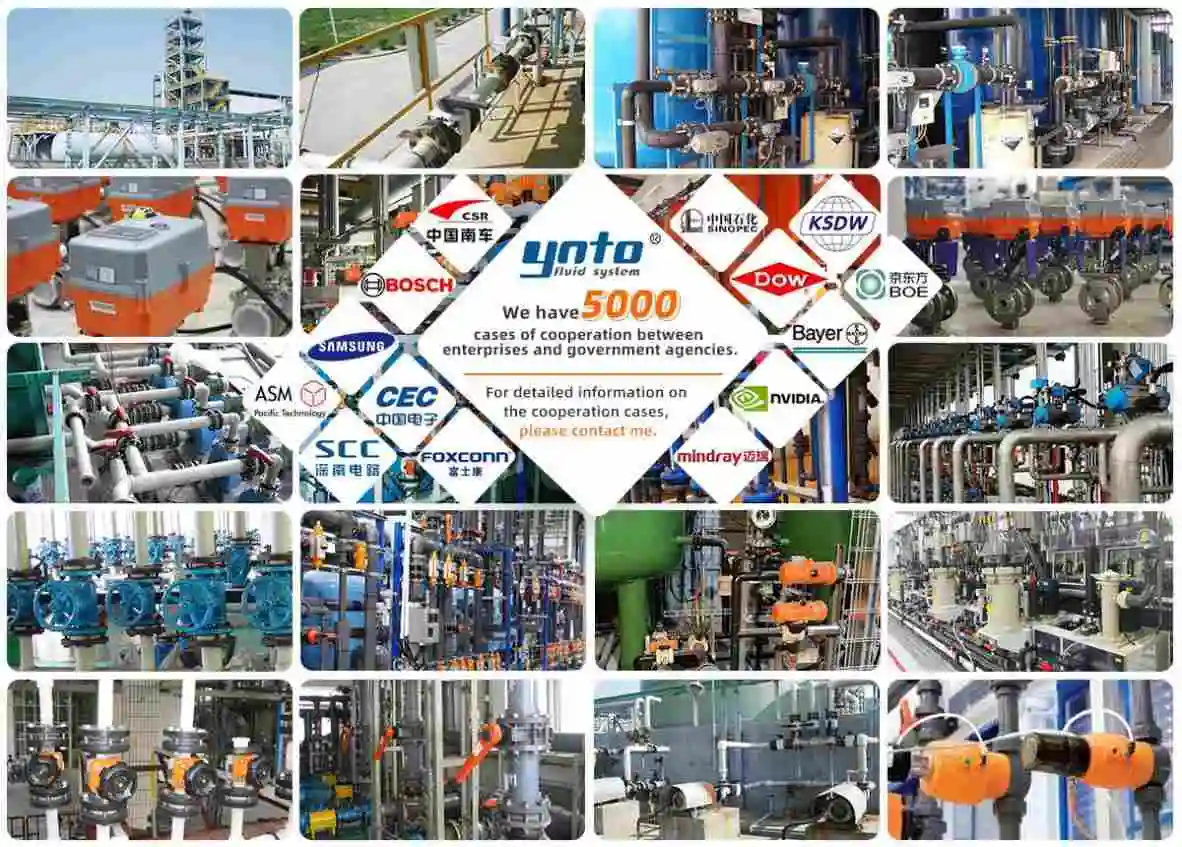
Overview of Anti-Vacuum Valves
In practical engineering terms, an anti-vacuum valve is less a single catalog item than a functional category. In drainage and vent systems, an air admittance valve opens one way when negative pressure forms and lets clean air enter to rebalance the pipe. In steam and process service, a vacuum breaker lifts off its seat at the point of vacuum and admits air so vessels, pans, heat exchangers, and pipework do not collapse or stall. In vacuum-pump exhaust service, an anti-reverse valve on the pipe outlet prevents the pump from “going backwards” when shutdown occurs. Each version is built around the same core logic: pressure wants equilibrium, and the valve decides how that equilibrium is restored.
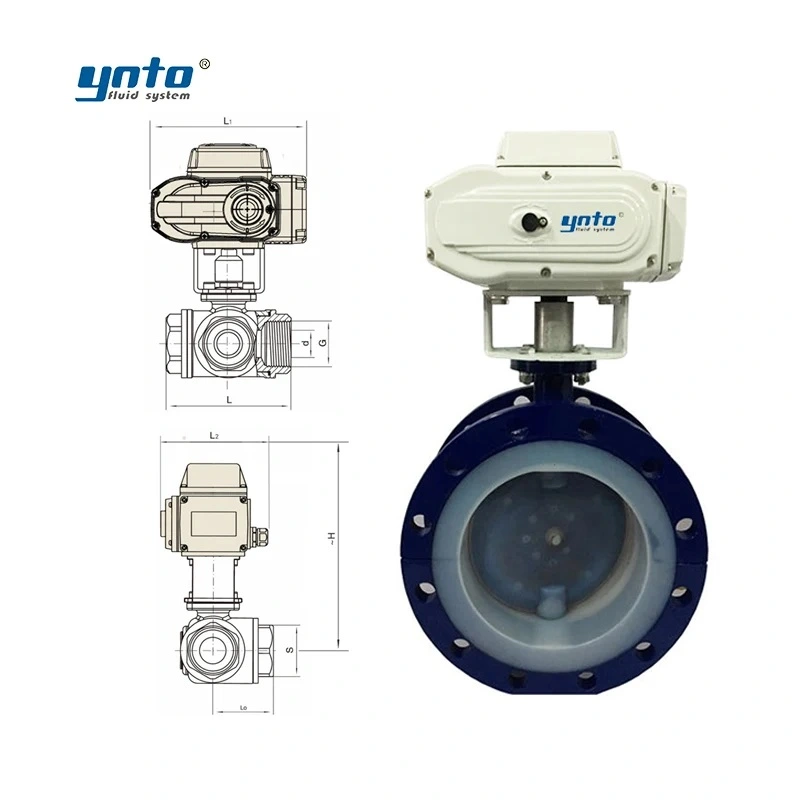
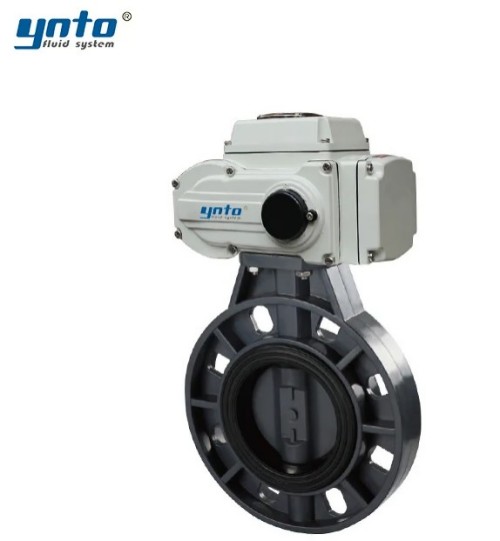
For industrial buyers, that distinction matters because the correct hardware depends on the duty. If the goal is controlled vacuum throttling rather than simple protection, a self-operated pressure control valve is often a better fit than a simple breaker. If the line also needs automated shutoff, YNTO’s electric vacuum butterfly valve is designed for dusty gas, hot air, cold air, and low-pressure or vacuum conditions in chemical, paper, glass, and environmental-duty pipelines. YNTO also presents a broad automation portfolio—electric valves, actuators, control valves, diaphragm valves, check valves, and accessories—and states that it has more than 25 years of valve automation experience, service in 159+ countries and regions, and supply history with 4,000+ companies and factories. 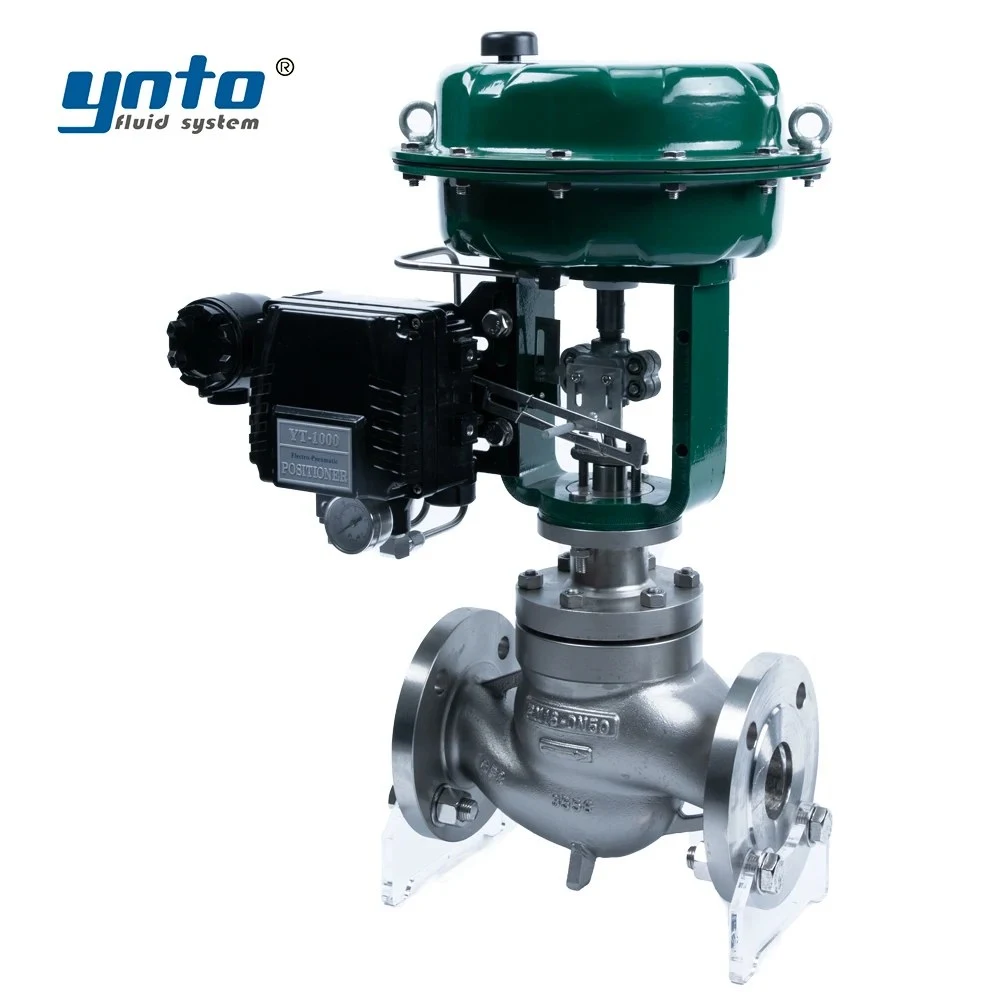
Mechanism of Action
How They Manage Airflow
The operating principle is simple to explain but critical to size correctly. When negative pressure builds inside a pipe or vessel, the anti-vacuum element opens in a controlled direction. In an air admittance valve, a one-way mechanism lets air in but does not allow foul or process air to escape back into the environment. In a vacuum breaker, the seat lifts when vacuum develops, and outside air enters the system to stop the pressure from falling further. In an anti-reverse exhaust device, the valve does not necessarily admit outside air; instead, it blocks reverse movement so the pump and exhaust line do not rotate or surge backward when power is removed.
This is where field failures usually start to look very mechanical. A rapid shutdown or a fast thermal drop causes pressure to collapse below the intended band; repeated disc or plug movement follows; then wear begins at the seat or seal. YNTO’s engineering note on negative-pressure service describes the chain clearly: pressure fluctuation leads to plug micro-vibration, then seat wear, then slower response. A second chain appears when temperature cycles are severe: thermal cycling leads to seal fatigue, then micro-leakage, then higher fan or pump energy demand because the system can no longer hold its target pressure cleanly. Those are not theoretical chains. They are the patterns engineers see during commissioning and troubleshooting.
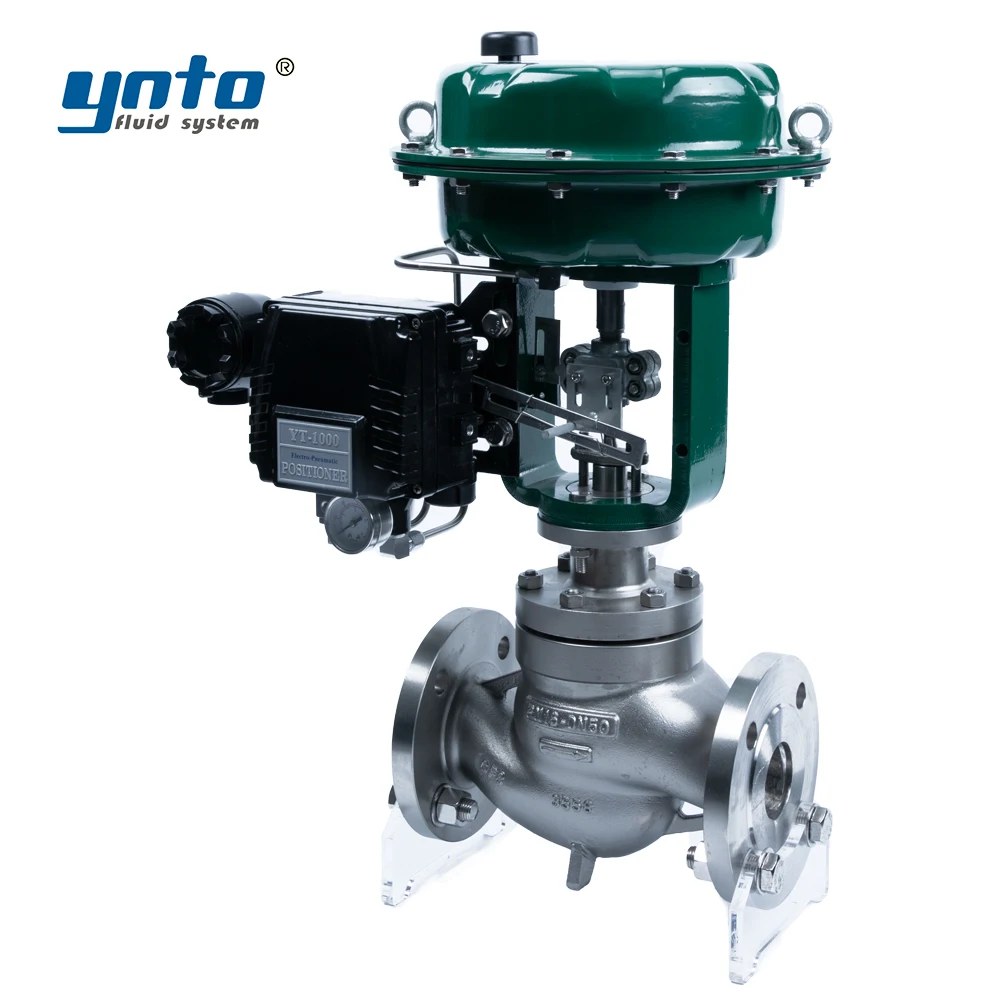
In automated intake and exhaust skids, the anti-vacuum element is often paired with a check valve to stop reverse flow and an electric control valve to regulate the process more precisely. That combination is common when a plant wants both passive protection and active pressure regulation instead of relying on one device to do everything. YNTO’s product range reflects that logic, with dedicated check-valve lines, electric control valves, and vacuum-rated butterfly valves built as separate components rather than compromise hybrids. 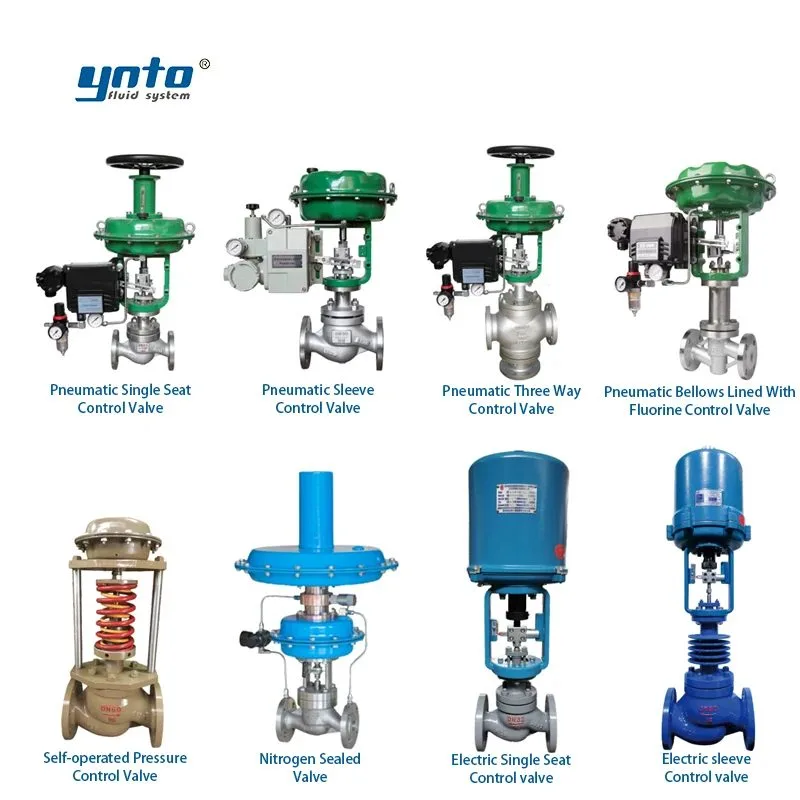
Interaction with Intake Manifold Pressure
The same pressure logic appears in engine and air-path systems. A manifold absolute pressure sensor measures absolute pressure in the intake tract, and the ECU uses that value to estimate air density and air mass for fuel metering and diagnostic functions. Research on diesel air-path control shows that intake manifold pressure and EGR targets are actively regulated by manipulating actuators such as the EGR valve and variable geometry turbine. In other words, intake pressure is not passive background data; it is a controlled variable with direct influence on combustion stability and emissions behavior.
That is why uncontrolled false air matters so much. If an anti-vacuum device leaks too early, opens too late, or sticks near its cracking point, manifold or intake-side pressure tracking becomes noisy. The result is familiar to commissioning engineers: low-opening instability, hunting, or delayed correction around the setpoint. Cause becomes effect very quickly—pressure oscillation leads to valve hunting, hunting increases mechanical wear, and wear makes pressure tracking even worse. In systems where emissions are tied to intake pressure and EGR behavior, that loop does not just reduce performance; it can also compromise emissions consistency.
Benefits of Using Anti-Vacuum Valves
Enhancing Performance in Air Intake Systems
A correctly selected anti-vacuum valve improves more than safety. First, it protects hardware. Spirax explicitly notes that vacuum breakers are used to prevent damage when steam condenses and vacuum develops in equipment such as jacketed pans and heat exchangers. The same protection logic applies to thin-wall intake ducting, filter housings, separators, storage tanks, and shared vacuum headers. Second, it stabilizes operation. YNTO’s negative-pressure guidance explains that shared systems are vulnerable when one branch or machine upsets the rest of the header, which is exactly why a local regulator or vacuum-rated shutoff device is often installed close to the process.
Third, it improves energy use. Traditional plants often let a pump pull harder than necessary and then bleed air back into the line to correct the vacuum level. That approach works, but badly. Over-pulled vacuum leads to unnecessary bleed or recycle flow, then to extra pump work, then to wasted power and unstable control. A properly sized anti-vacuum device or regulator stops that waste by holding the pressure closer to the real operating target. Pairing the valve with a fast-acting electric valve actuator or a modulating actuated valve gives buyers a much tighter control envelope than a simple fixed bleed arrangement. 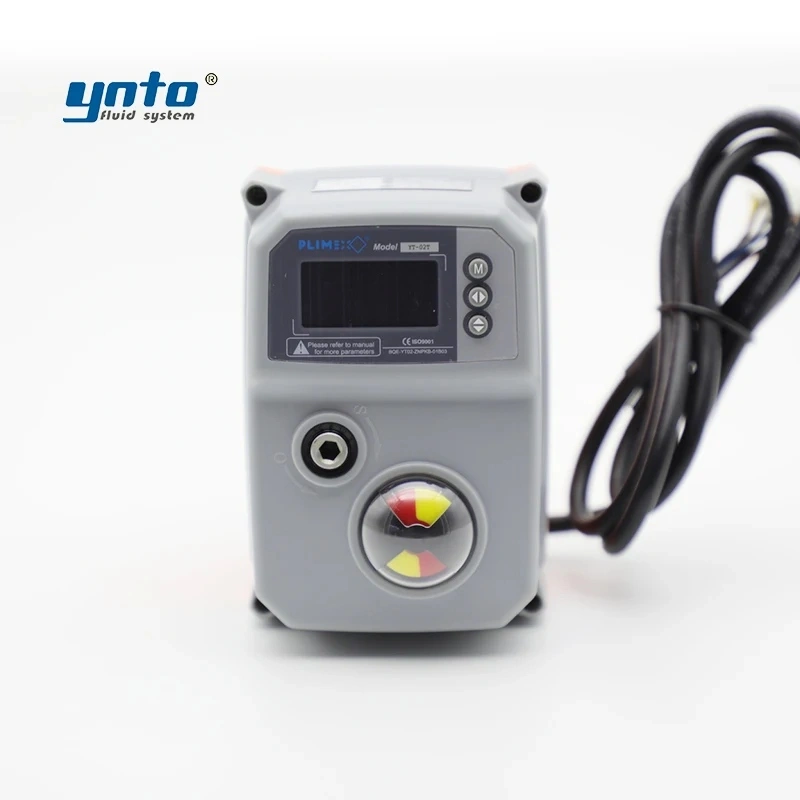
Role in Vacuum Leak Detection
Engineers rarely discover leaks by accident. More often, the first clue is behavioral: the line will not hold setpoint, the anti-vacuum valve cycles more often than before, or the exhaust side drifts after shutdown. That is why anti-vacuum components are useful not only as protective devices but also as diagnostic indicators. If the device is doing more work than the process profile suggests, the system may be compensating for leakage elsewhere. YNTO’s field notes use exactly that kind of observation—gauge swing, chatter, odor, or uneven draw—as early warning signs of declining system integrity.
Once suspicion exists, modern leak-confirmation methods are far more precise than soap-bubble improvisation. Recent vacuum-system research shows that tracer-gas detection using hydrogen sensors can identify even small leaks caused by imperfect seals, and helium mass spectrometer leak detection remains a standard method for locating very small leaks in vacuum equipment. In practice, procurement teams should think about anti-vacuum valves together with monitoring strategy: a solenoid valve for pilot logic, position feedback from an actuator, and digital control on a smart valve can turn a passive protection point into a useful system-integrity monitoring node. 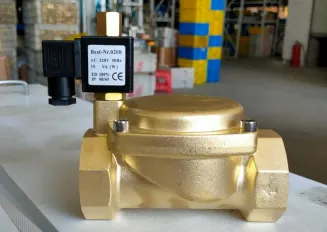
Regulatory Standards
Emission Control Devices Overview
An anti-vacuum valve is usually not the primary emissions-control device, but it is often a supporting device that helps the primary system work the way it was designed to work. In intake-manifold control, pressure data influences fueling and EGR diagnostics; in storage and process exhaust systems, keeping air out or allowing controlled air in affects oxidation, volatilization, and fugitive release. YNTO’s nitrogen sealed valve, for example, is intended to maintain protective gas pressure on tanks so contents are kept away from direct air contact and volatilization or oxidation is reduced. That makes it an emissions-reduction strategy in industrial service even though it is not a catalytic or filtration device. 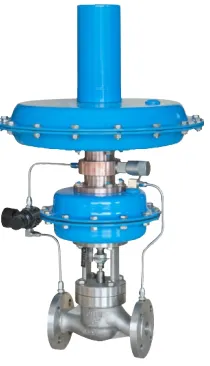
Automotive and engine regulations show the same sensitivity to pressure-managed emissions hardware. The EU definition of a defeat device, as summarized in coverage of Regulation 715/2007, explicitly includes systems that sense parameters such as manifold vacuum in order to reduce the effectiveness of the emissions-control system under normal use conditions. That is a useful reminder for buyers: pressure-regulating hardware around intake and exhaust lines may look secondary, but regulators increasingly treat its real-world function as part of emissions compliance, not as a decorative accessory.
Compliance with Emission Reduction Strategies
For industrial purchasers, standards selection is part of risk management. YNTO’s own technical guidance for negative-pressure systems ties vacuum-relief philosophy to API 2000, valve leakage philosophy to API 527, and actuator attachment compatibility to ISO 5211 and DIN-aligned interfaces. The broader standards landscape supports that approach: the ASME Boiler and Pressure Vessel Code provides design, fabrication, inspection, testing, and certification rules for boilers and pressure vessels, while the ASME B16 family covers valves, flanges, fittings, gaskets, and valve actuators used in pressure service. ISO 5211 standardizes part-turn actuator attachments, which is one reason actuator interchangeability matters so much in procurement specifications.
In practical purchasing language, this means the anti-vacuum device must be selected as part of the whole compliance chain. The body rating, leakage behavior, attachment interface, shutdown philosophy, and maintenance access all need to line up with the code basis of the skid or vessel. That is one reason buyers increasingly prefer integrated supply partners rather than mixing unrelated commodity parts from several catalogs.
Selecting the Right Anti-Vacuum Valve
Factors to Consider
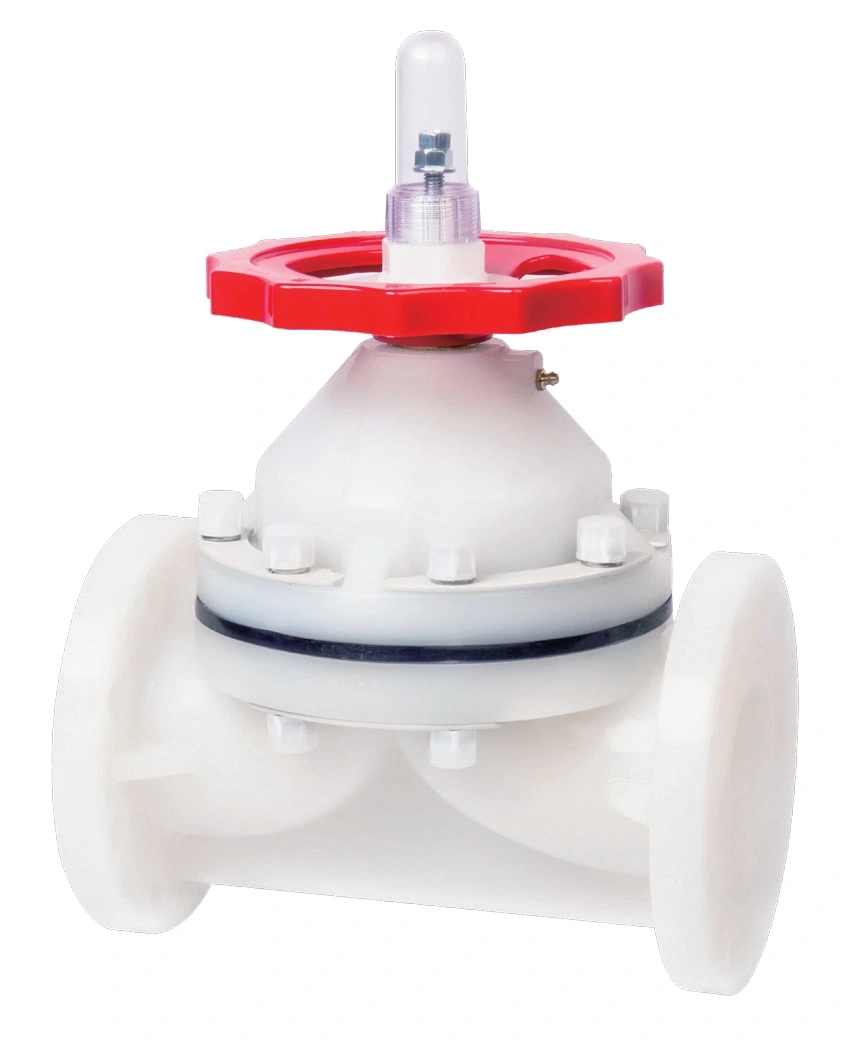
The right choice starts with the real duty, not the purchase order description. Ask what the valve is actually preventing: vessel collapse, reverse pump rotation, unwanted air ingress, or loss of vacuum stability. Then ask what kind of medium it will see. YNTO’s vacuum butterfly valve is aimed at gas media, including dusty cold or hot air lines. Its fluorine-lined diaphragm valve is positioned for abrasive or dangerous media where standard stainless constructions do not resist corrosion well enough, while its PVDF diaphragm valve is aimed at corrosive and ultra-high-purity service in chemical and semiconductor applications. That is already three very different anti-vacuum contexts, and each requires a different material and sealing strategy.
Material choice is where many systems quietly fail. For clean and mildly corrosive gas or condensate, 316L remains a practical default. Where chlorides are present and pitting or stress-corrosion cracking is the real enemy, Duplex or Super Duplex can offer higher strength and better chloride resistance than standard austenitic grades. For aggressive chemicals or high-purity lines, PTFE-lined and fluorine-lined diaphragm valve designs, as well as PVDF diaphragm valve constructions, make more sense than bare-metal trim. EPDM seats remain common in utility and water-based service, while FKM is frequently chosen where heat and hydrocarbon resistance are more important. Carbon steel or alloy steel still has a place in dry-gas headers and structural bodies when corrosion is controlled and temperature margins are understood. If the material is wrong, the failure chain is predictable: corrosive condensate or incompatible vapor attacks the seat or body, then micro-leaks start, then pressure regulation loses repeatability.
Valve Actuator Types Explained
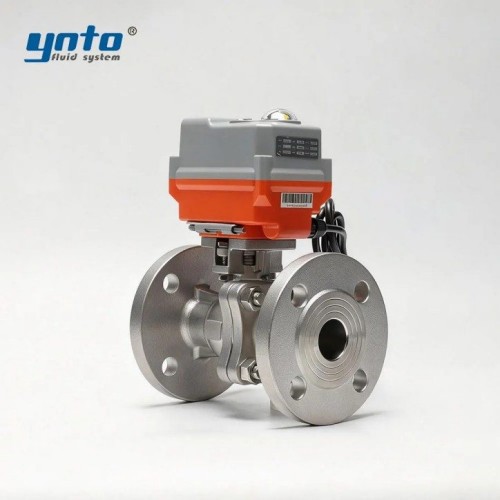
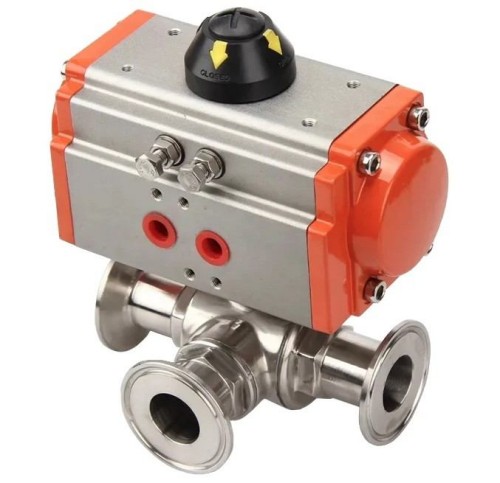
Actuation should match the control philosophy. A self-operated regulator uses process pressure as its power source and is excellent when buyers want passive stability without external utilities. Pneumatic solutions are still strong candidates where compressed air is already available and fast response is required. Electric actuation makes more sense when remote control, bus communication, smart diagnostics, or modulating service is important. YNTO’s fast-acting electric actuator lineup includes on-off, smart switch, smart adjustable, bus-controller, and wireless LoRa options, with wide voltage capability and stated lifespans of 30,000 to 50,000 cycles. Its electric control valve line includes sleeve and single-seat options, while its electric ball valve and butterfly-valve families provide automated shutoff and throttling around intake/exhaust branches.

For procurement teams, the best choice is usually the one that reduces unplanned intervention. If the line is simple, passive, and relatively stable, a self-operated device may be ideal. If the system is part of a PLC or DCS and the process needs trend data, alarms, and remote reset, an electric actuated architecture is usually worth the extra capital. This is where a supplier with a full automation stack matters, because the anti-vacuum logic may eventually need to interact with shutoff, bleed, relief, and monitoring functions rather than act alone.
Conclusion
The anti-vacuum valve is one of those components that looks minor until the day it prevents a collapsed duct, a contaminated manifold, or a shutdown-induced reverse-flow event. In intake and exhaust piping, its job is fundamentally simple: keep pressure from moving outside the range the system can survive. But in the field, that simple job touches safety, emissions stability, leak detection, equipment life, and energy performance all at once. The engineering evidence from vacuum breakers, air-admittance devices, vacuum-pump exhaust valves, and intake-manifold control research all points the same way: pressure integrity is not optional.
The direction of travel is also clear. Buyers are moving toward smarter anti-vacuum architectures built around connected actuators, modulating control, and better integrity monitoring. YNTO already positions itself in that direction through electric actuators, vacuum-rated butterfly valves, control valves, diaphragm valves, and intelligent automation hardware. If you are reviewing an intake or exhaust skid that still depends on manual bleed-off and reactive maintenance, now is the right time to redesign the pressure-protection layer—not after the next unexplained gauge swing. 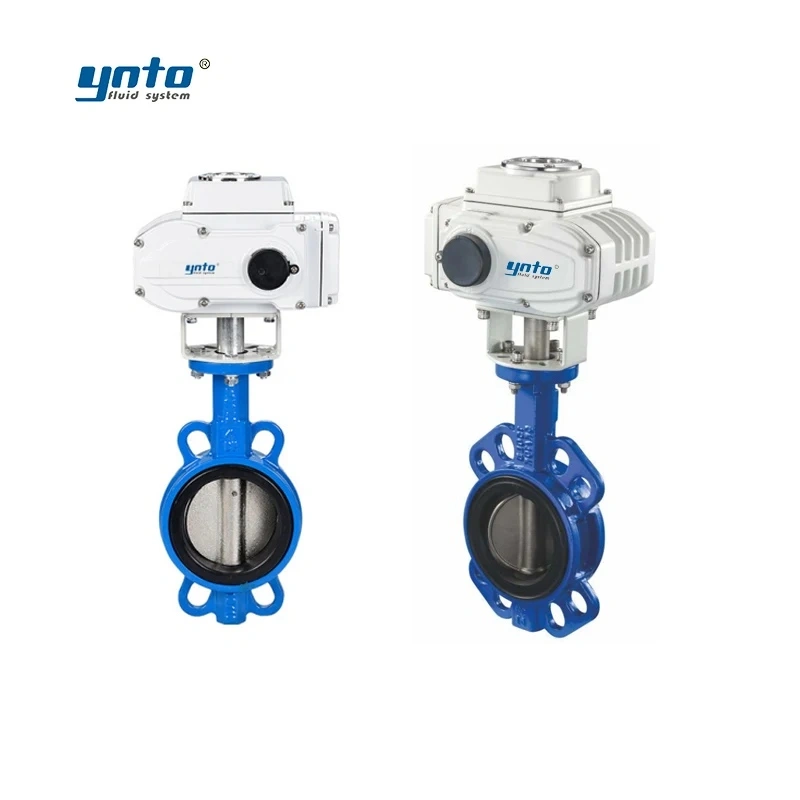
- 2026-10-16 10:48:59
- 2026-10-15 14:23:43
- 2026-10-12 15:56:29