

How to Choose the Right Pigging Valves for Your Application
- 2026-07-15 11:50:13
- admin
- NO COMMENTS
Introduction
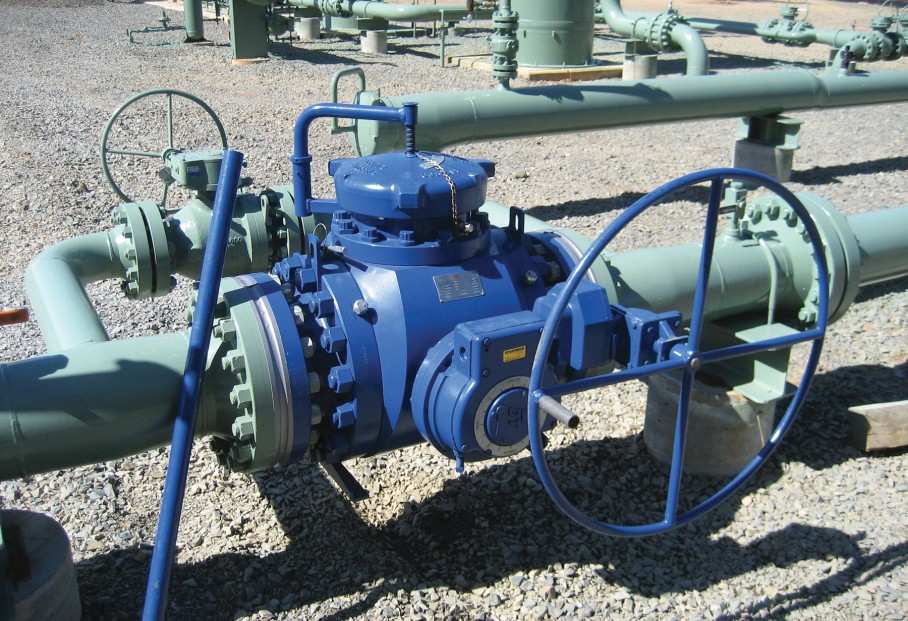
Selecting the right pigging valves begins with understanding piggable valve design. Piggable valves are specially engineered to allow cleaning and inspection pigs to pass through the pipeline without obstruction. In practice, a piggable valve must have the same bore size as the pipeline and no internal intrusions when fully open. Most commonly, this means using full-bore ball valves or full-opening gate valves in pigging circuits. These valves provide a clear, straight-through path so that the pig—a foam or mechanical device—can travel smoothly during pipeline cleaning and inspection tasks. In contrast, a reduced-bore valve would trap or damage a pig. Understanding this difference is critical: choosing a non-piggable valve in a pigging run can cause the pig to get stuck, leading to blockages and costly delays. On the other hand, a properly chosen piggable valve improves pipeline integrity by allowing routine maintenance without line disassembly and ensures flow assurance by facilitating complete pig pass-through.
The Role of Pigging Valves in Pipeline Systems
Enhancing Pipeline Integrity
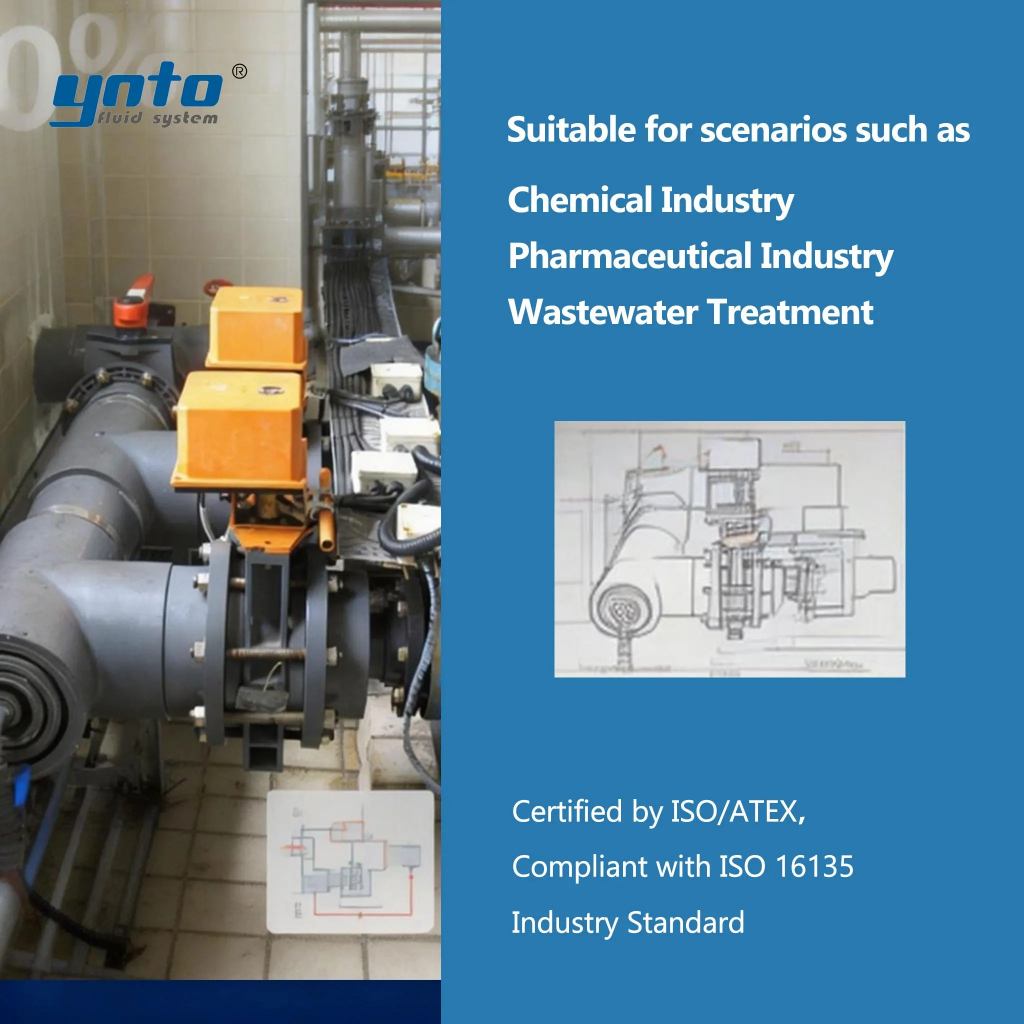
Pipelines accumulate sediment, scale, and other contaminants over time. These deposits lead to increased friction, higher pressure losses, and can create corrosion hotspots. Pigging valves play a crucial role in addressing these issues. By allowing pigs to clean the line, piggable valves help remove harmful buildup. Removing sediment improves flow and greatly reduces the risk of costly blockages. In effect, the cleaning pig restores the original pipeline geometry, preventing the “flow choking” that can otherwise shorten the pipeline’s service life. As one industry expert notes, pigging “improves the flow of material and reduces the risk of costly blockages,” and it “helps extend pipeline life by preventing corrosion and other damage.”. Thus, pigging valves are fundamental to maintaining pipeline integrity—they ensure that the line can be cleaned in-place and inspected regularly, catching issues before they lead to failures.
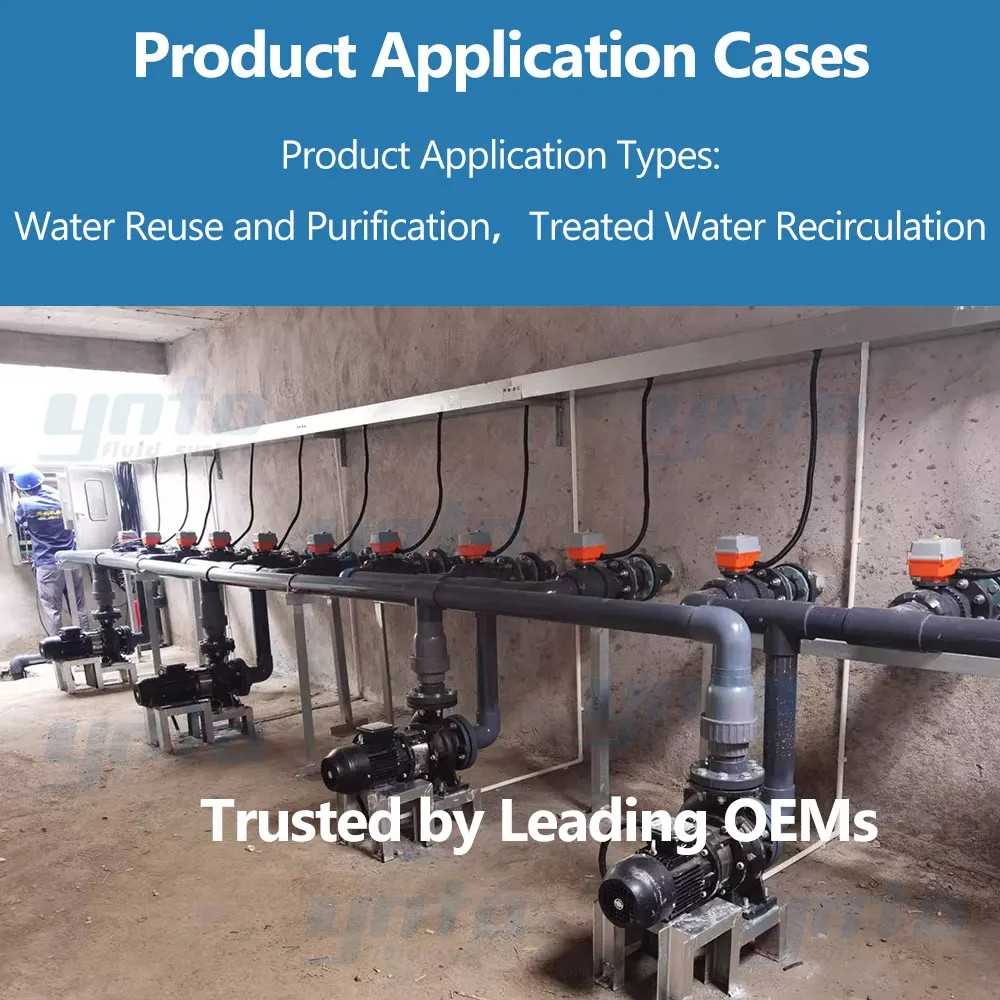
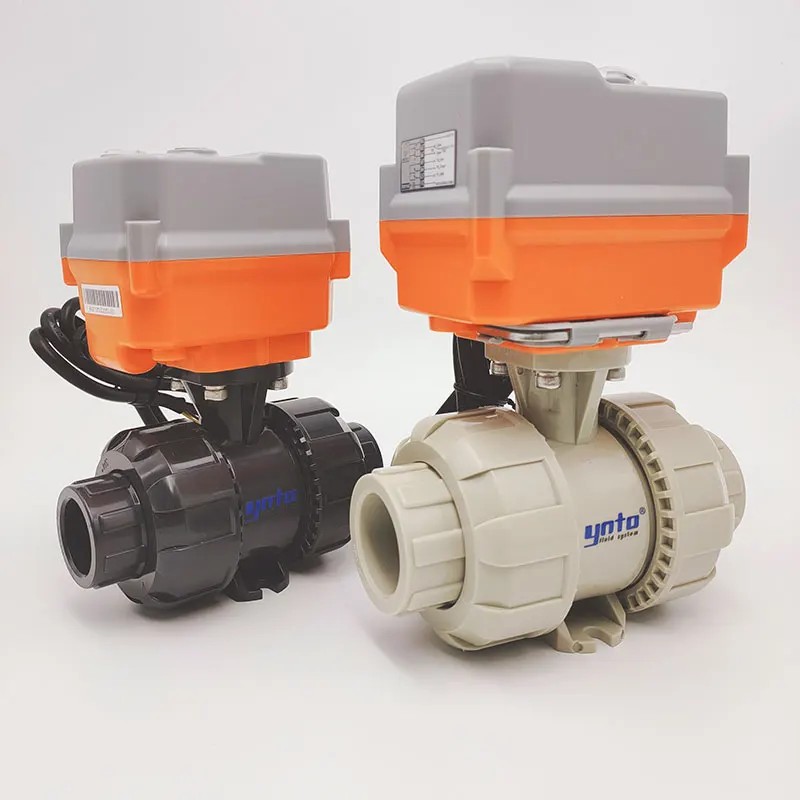
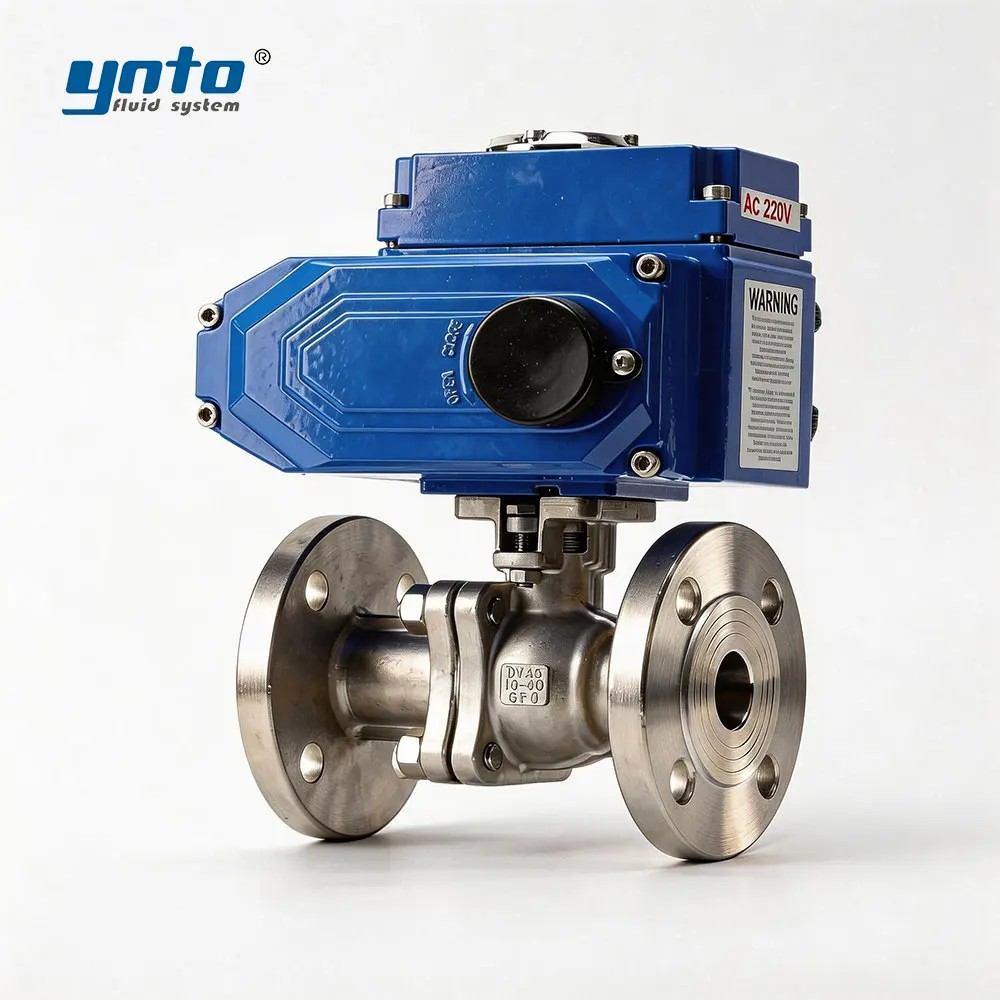
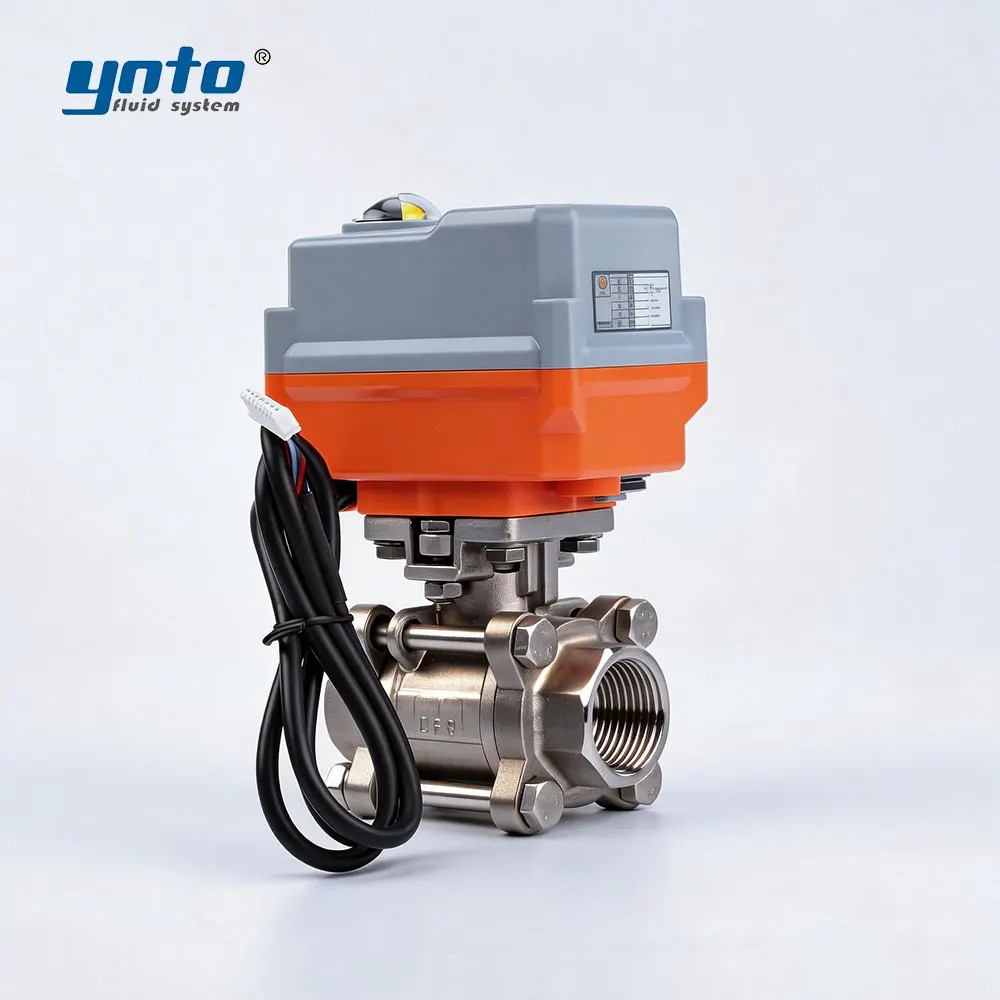
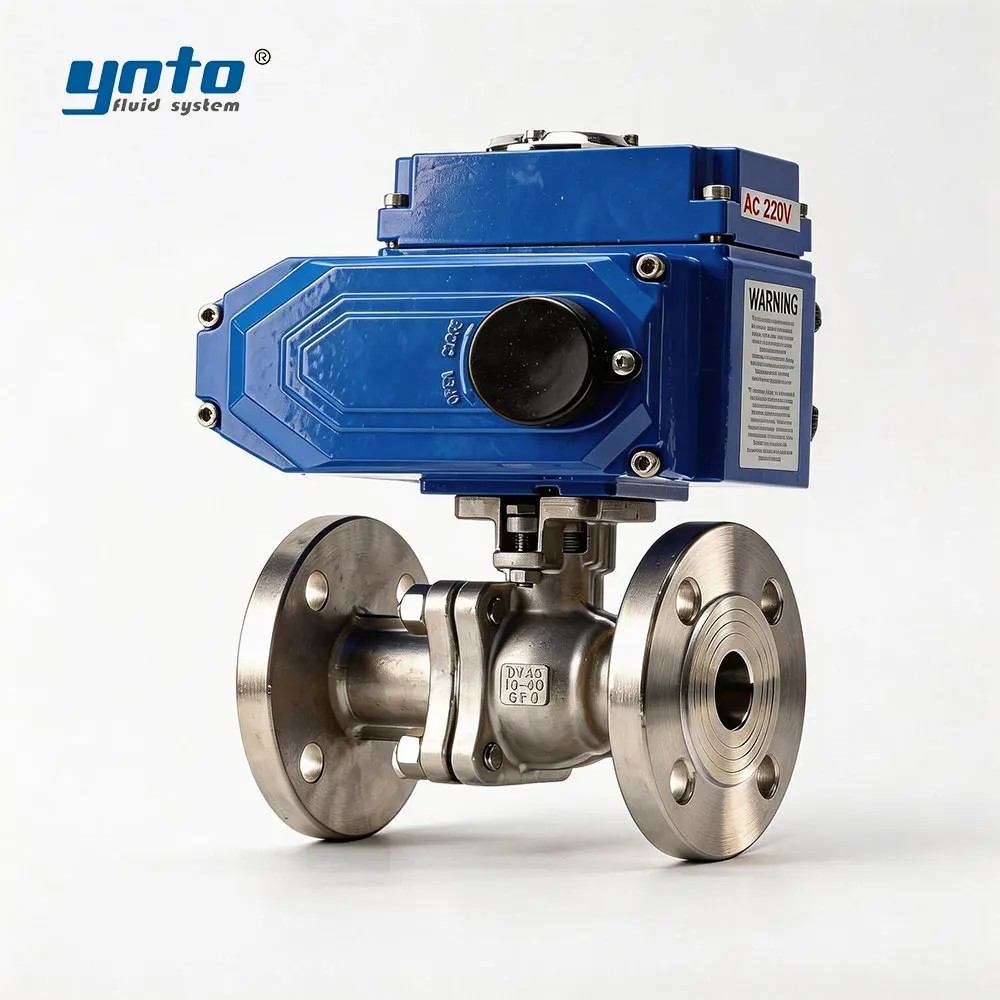
In practice, a common engineering observation is that even a small pressure drop anomaly can signal the need for pigging. For example, an engineer might see a gradually rising pressure difference across a control valve indicating the accumulation of debris downstream. If not addressed, this could cause uneven flow distribution or a sudden pressure spike when the pig finally breaks through—a phenomenon the team has noticed as sharp pressure surges during pig entry. A high-quality [electric ball valve] (full-port design) is often used in such systems because of its ability to allow an in-line pigging operation and its excellent sealing. One YNTO valve example explicitly notes: “Its simple structure, light weight, and excellent sealing performance make it particularly suitable for pipeline systems with high leak-proof requirements,” and it even “allows for inline pigging operations.”. By using such robust valves, pipeline engineers can safely pig the line and immediately restore integrity without removing the valve from service.
Ensuring Flow Assurance
Flow assurance is about making sure the pipeline can continually deliver product at the required rate. In piggable systems, valves must not only permit pig passage but also minimize flow disturbances. When a pig moves, it generates a flushing action that dislodges wax or debris. The valves in these systems need to withstand these transient dynamics. For example, during pigging, the differential pressure upstream and downstream of a piggable valve can fluctuate quickly, and if the valve is poorly sized or has high internal friction, it may begin to vibrate or seize at low flow. Over time, such repeated strain could worsen the valve’s sealing surfaces. By contrast, a full-port, full-bore ball valve ensures the pig never abrades against the seating—the pig simply glides through the open bore. This preserves the valve’s sealing surfaces and helps maintain steady flow rates after pigging. In essence, pigging valves directly contribute to flow assurance by clearing the pipeline so that subsequent fluid flow is unimpeded.
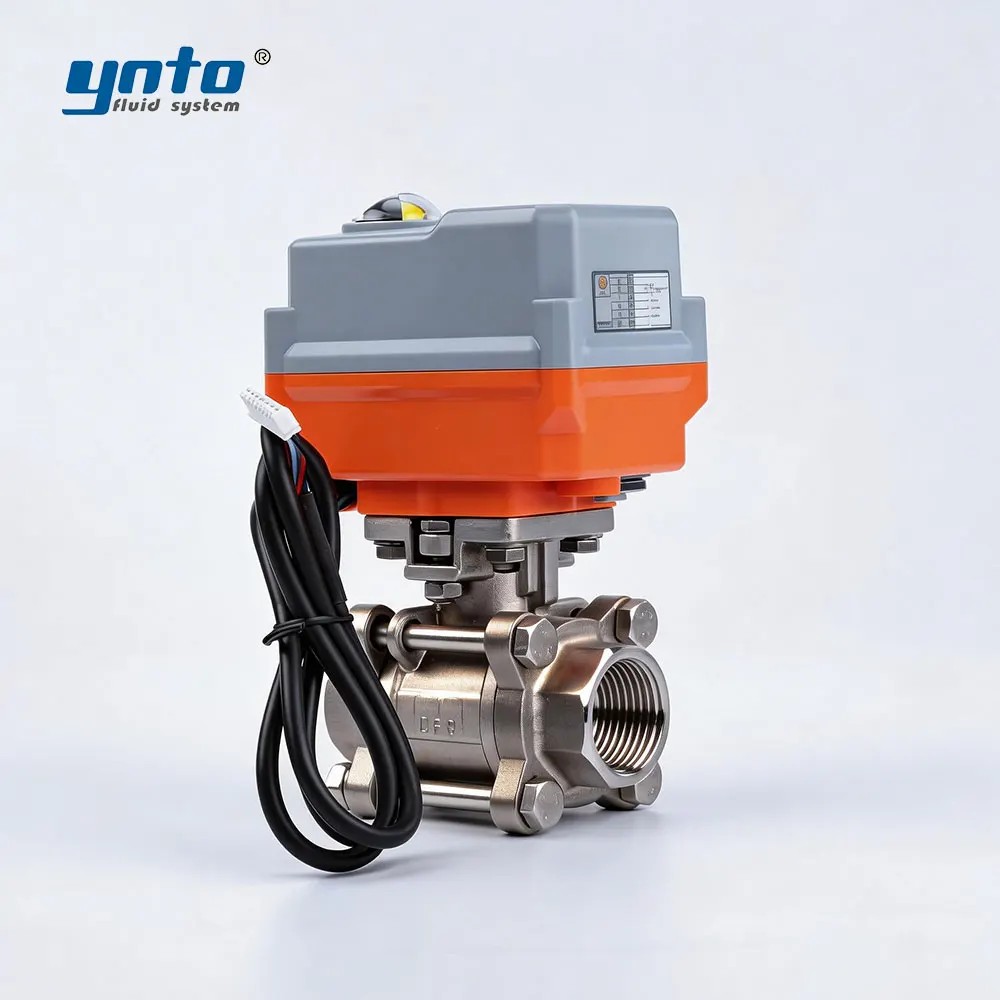
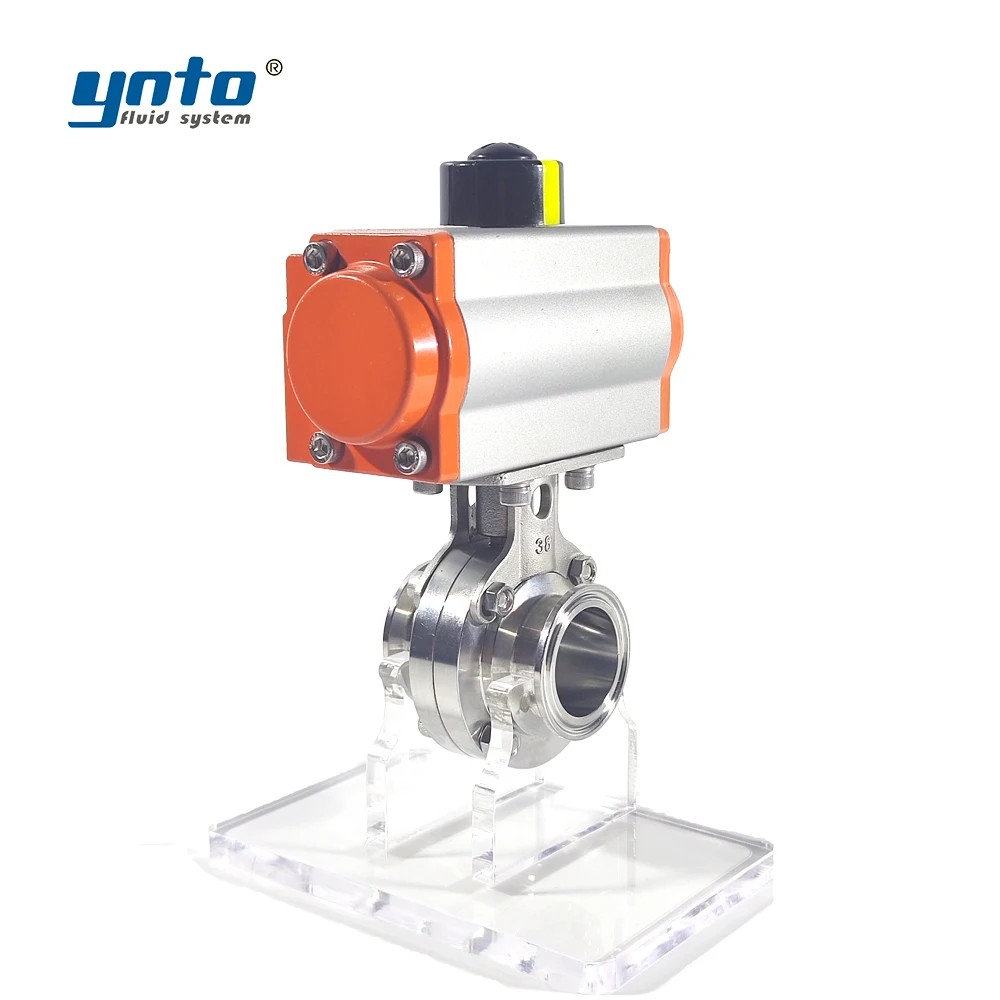
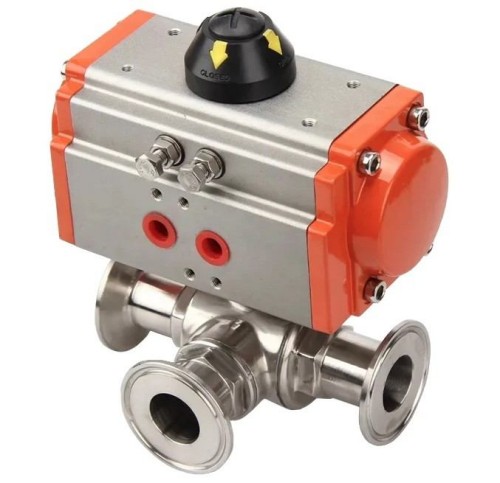
Moreover, piggable systems often incorporate automation for flow control. For instance, an automated [pneumatic butterfly valve] might be used downstream to throttle flow when launching or receiving pigs. Such valves are designed with quick-opening and robust seats (as noted in product features), so that they can adjust rapidly to process pigging sequences without undue wear. The low operating torque and durable sealing materials of these valves (as described in) mean they can handle frequent cycling. This is critical for flow assurance: valves must reliably open or close as needed during pig launch/reception cycles. In summary, by permitting pigs to sweep the line and by precisely controlling flow around pigging operations, pigging valves keep the pipeline flowing reliably.
Key Considerations in Valve Selection
Pipeline Cleaning Needs
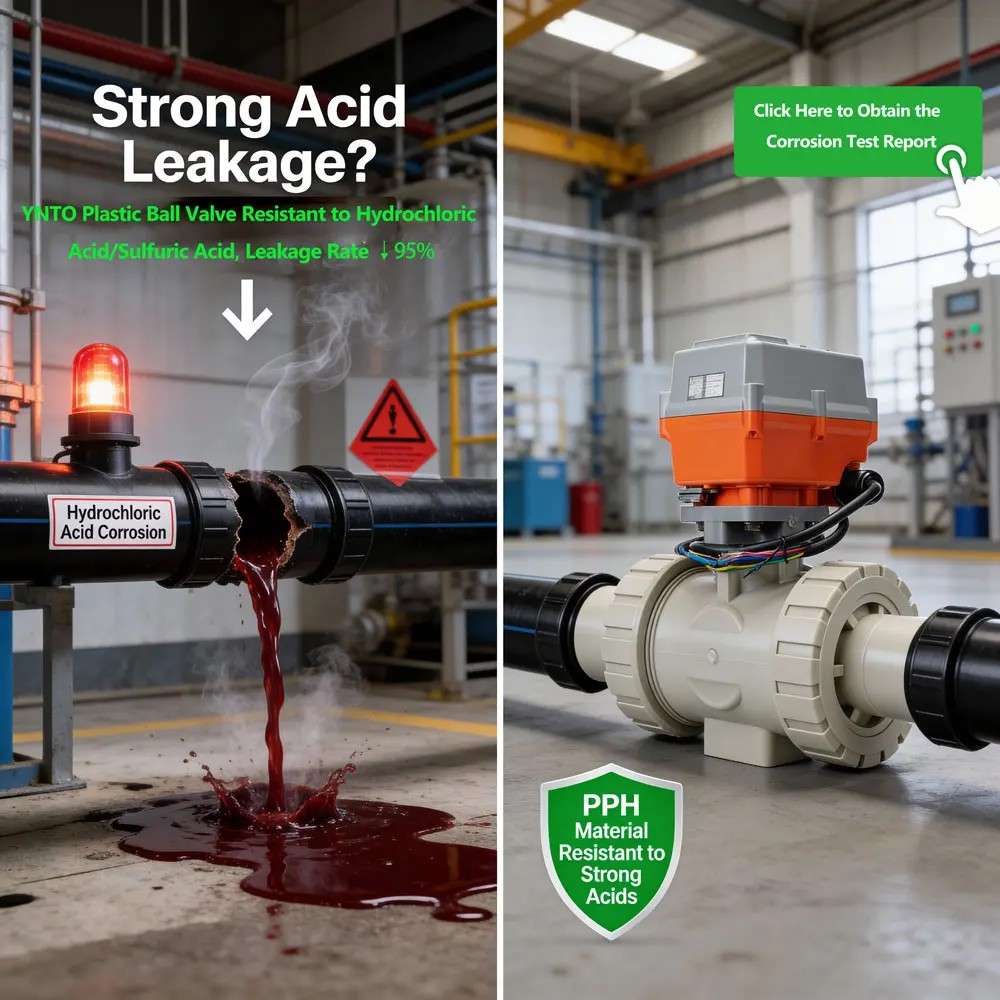
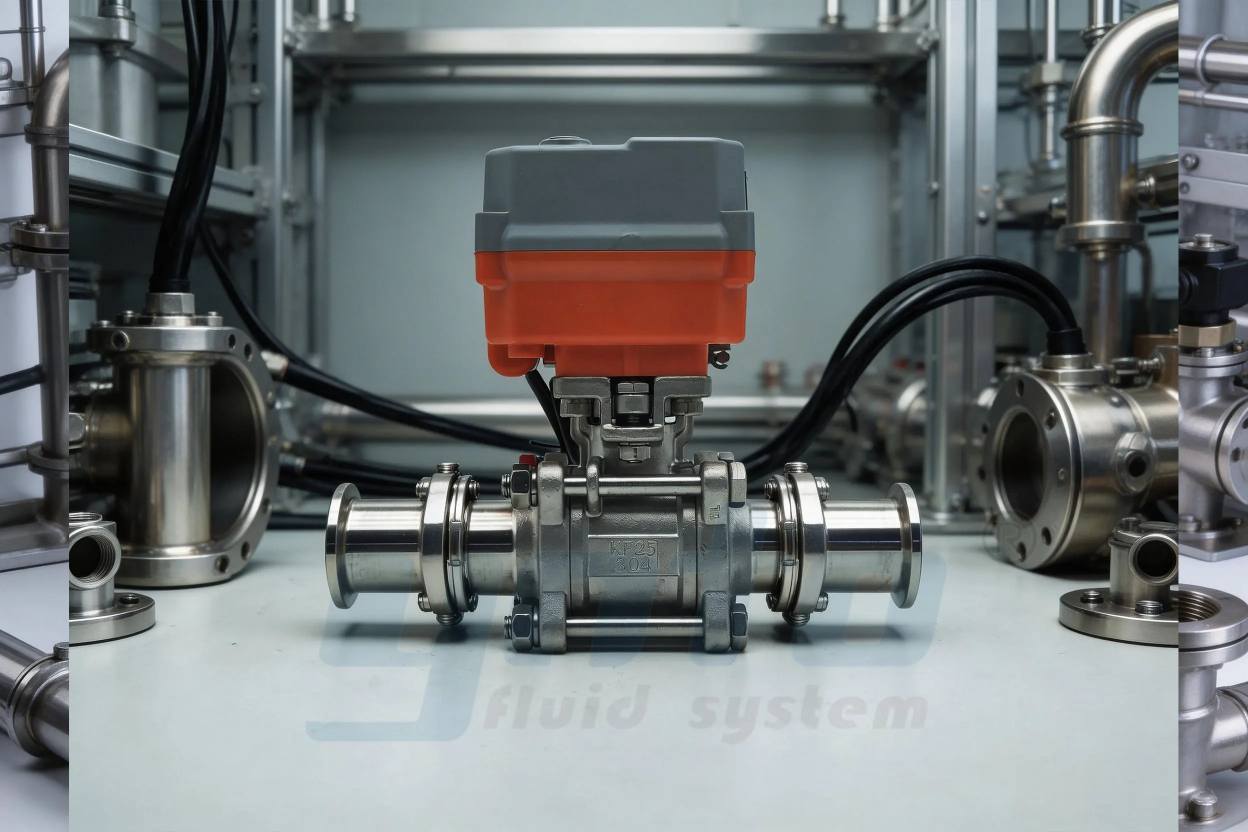
When selecting pigging valves, one primary consideration is the nature of the products and debris in the pipeline. In food, pharmaceutical, or chemical lines, pigs might carry fine powders, viscous fluids, or abrasive sediments. Valves must be compatible with these media. Materials like 316L or Duplex stainless steel are often used for valve bodies to resist corrosion and abrasion. For example, YNTO’s electric valves use high-quality 304 stainless-steel bodies precisely for this reason: “Renowned for its outstanding corrosion resistance, 304 stainless steel can effectively withstand the erosion of various chemicals, humid environments, and common corrosive media.” This means the valve remains reliable even after pigging abrasive or corrosive products.
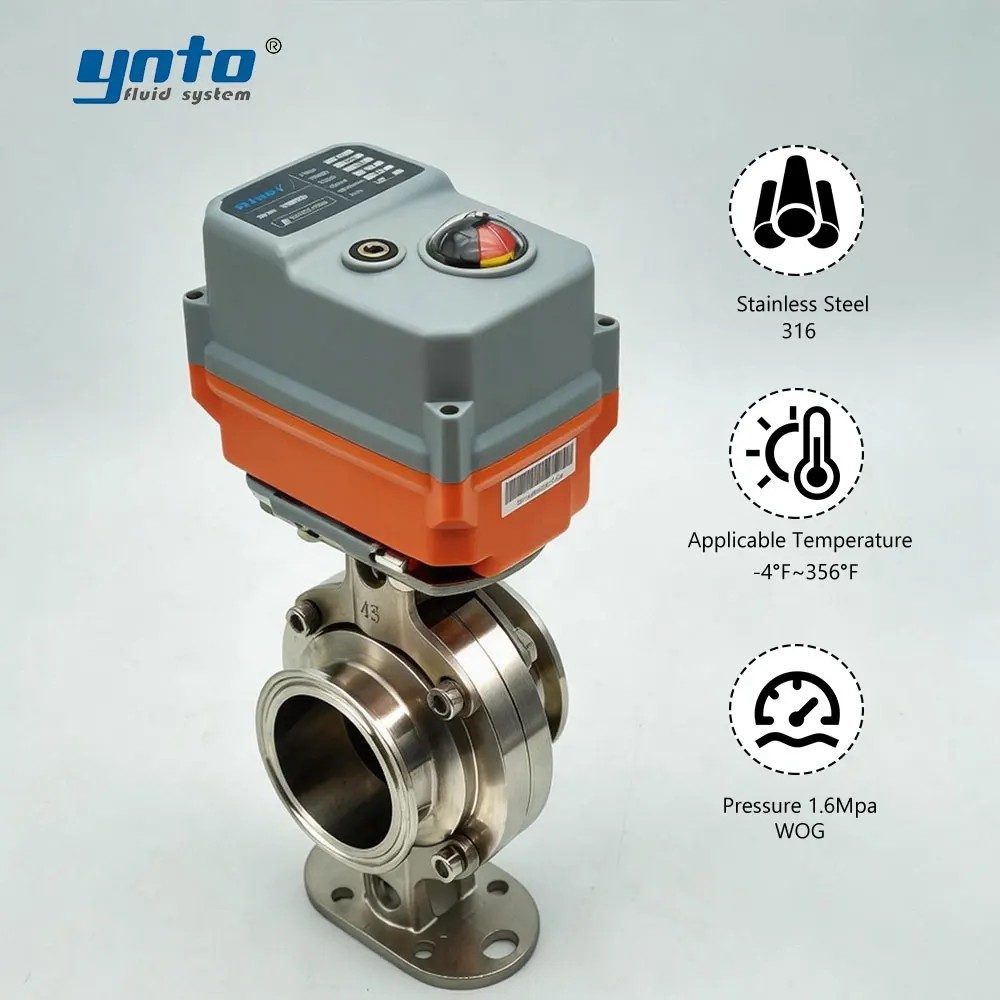
Another aspect is the product changeover frequency. In multiproduct lines, operators want to “recover” one product when switching to another. Pigs can push residual fluid out of the line. Therefore, selecting valves that seal tightly to prevent leaks during pigging is important. The valves should handle rapid flow changes without leaking—features like full-port design and reinforced seals help achieve this. In high hygiene applications, sanitary pig valves (often full-bore ball or butterfly types with polished surfaces) are used. The anchor-linked [304 stainless steel valve body] example shows one approach: such valves can be cleaned between batches, minimizing cross-contamination.
Maintenance and Inspection Requirements
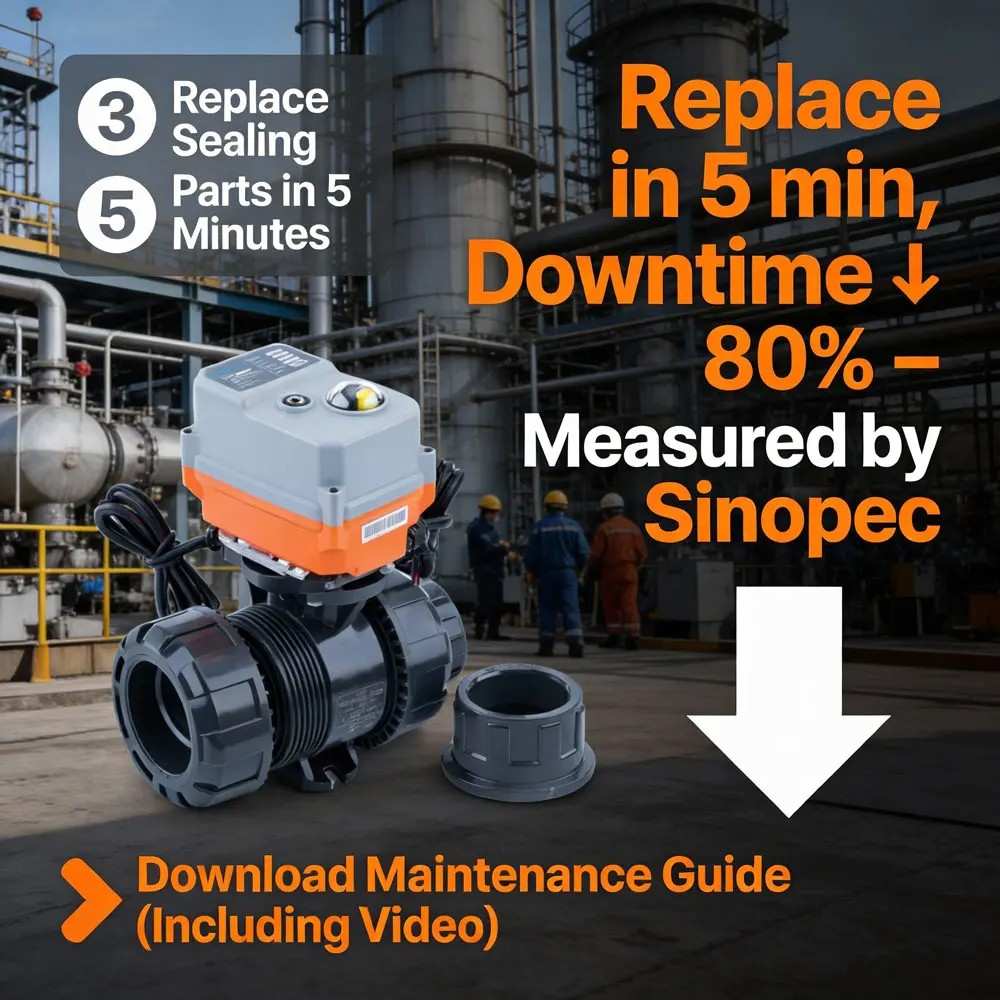
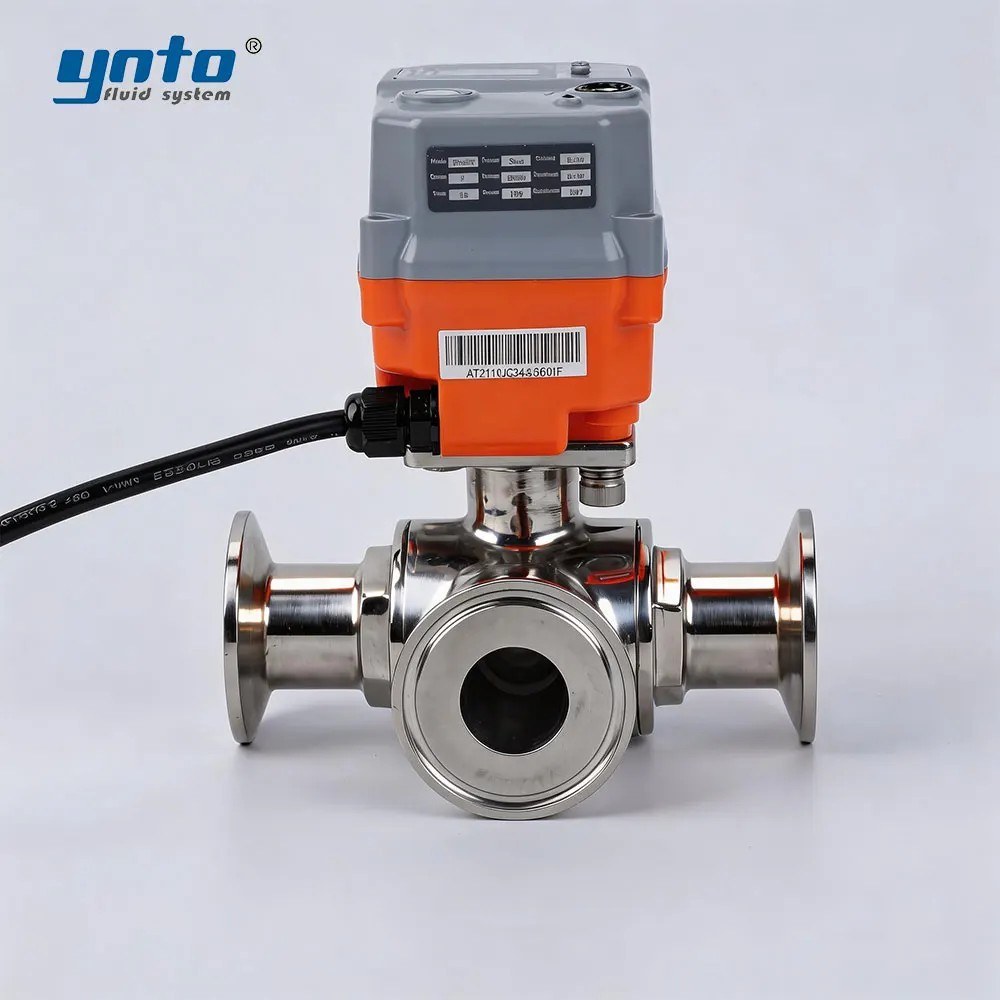
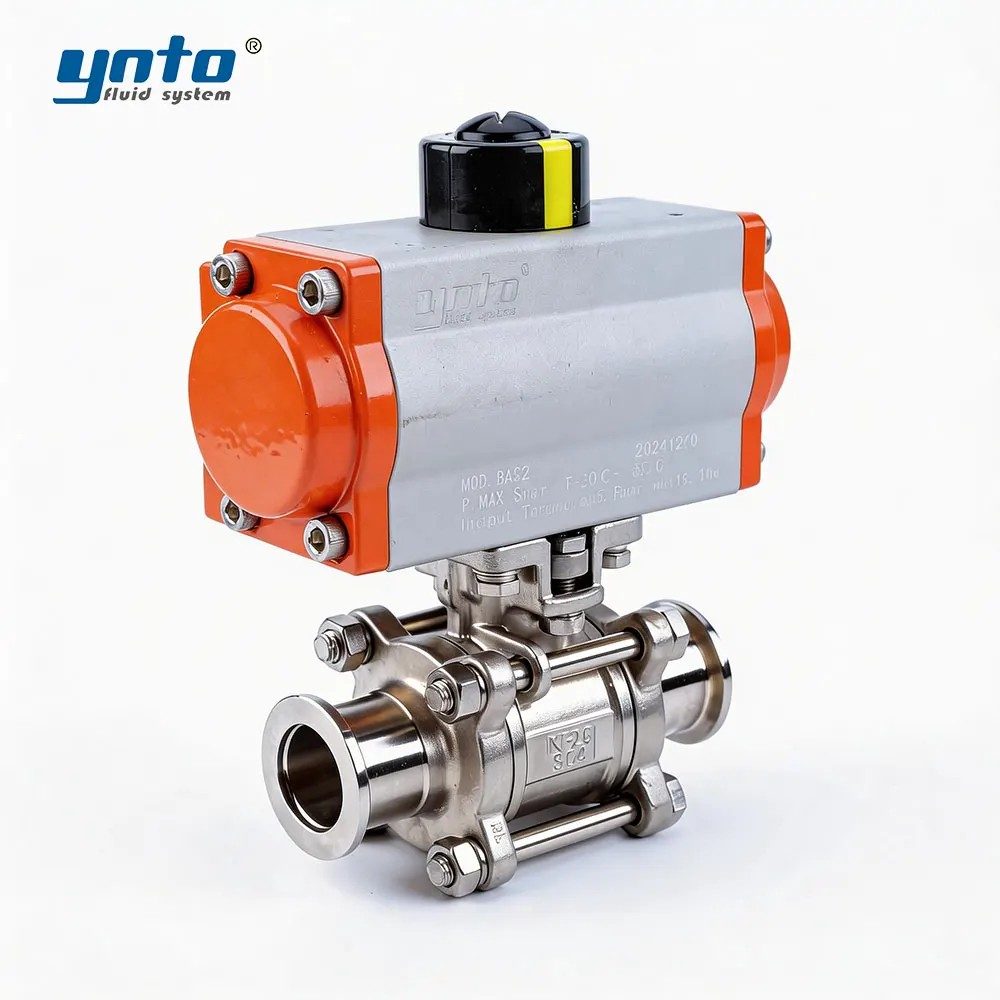
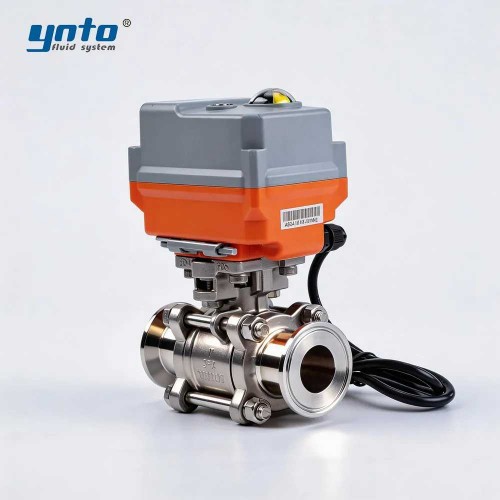
Valves in pigging service see heavy use. Choosing a design that simplifies maintenance is crucial. Engineers often schedule routine inspections of pig valves themselves: checking seat wear, lubrication of actuators, and verifying that no foreign objects are lodged. The valve should be easy to disassemble if necessary (e.g., three-piece ball valves with clamp connections or threaded ports). As one product note indicates, a clamp-type ball valve “features a compact structure, small size, lightweight design, and easy installation. The valve seat utilizes an elastic sealing structure, ensuring reliable sealing and easy operation.”. Such features facilitate quick cleaning or replacement during scheduled downtime.
Valve actuation is another key factor. In automated pigging systems, pneumatic or electric actuators are common. Reliability of these actuators affects maintenance cycles. Many engineers therefore prefer actuators with sealed enclosures (e.g. IP67-rated boxes) to keep out dust and moisture, since pig launches can stir up debris. For instance, the YNTO electric ball valve mentioned earlier includes an IP67-rated actuator housing. When checking compliance with safety and environmental standards, one must ensure valves meet the required certifications (ANSI/ASME pressure ratings, ISO leak-tightness, etc.). For pigging in hazardous areas, explosion-proof actuators can be used. The key is choosing valves with robust materials and simple actuation to minimize maintenance interventions.
Types of Pigging Valves and Their Uses
Automated Piggable Valves
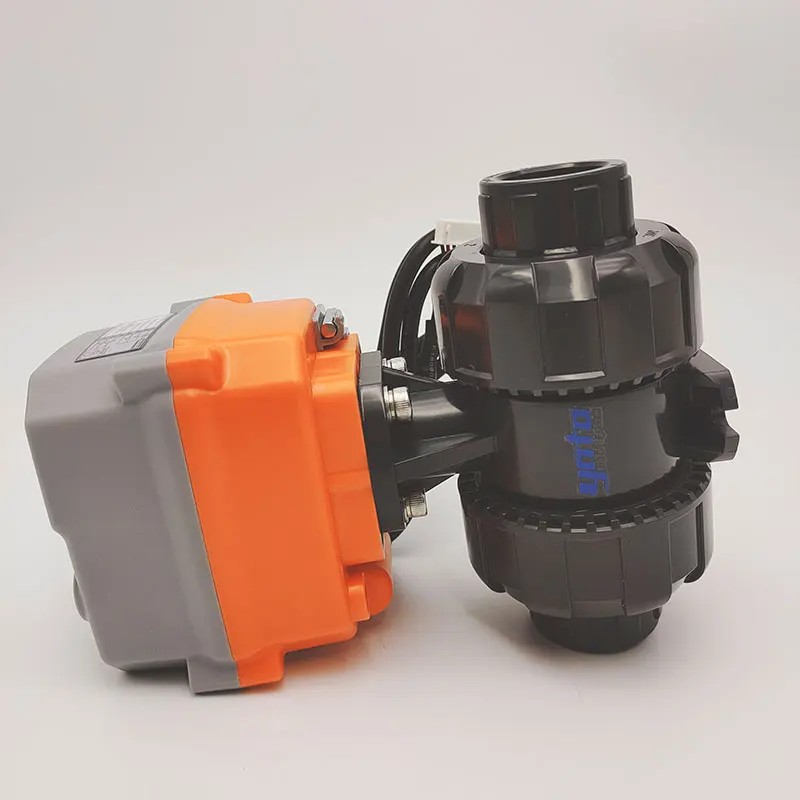
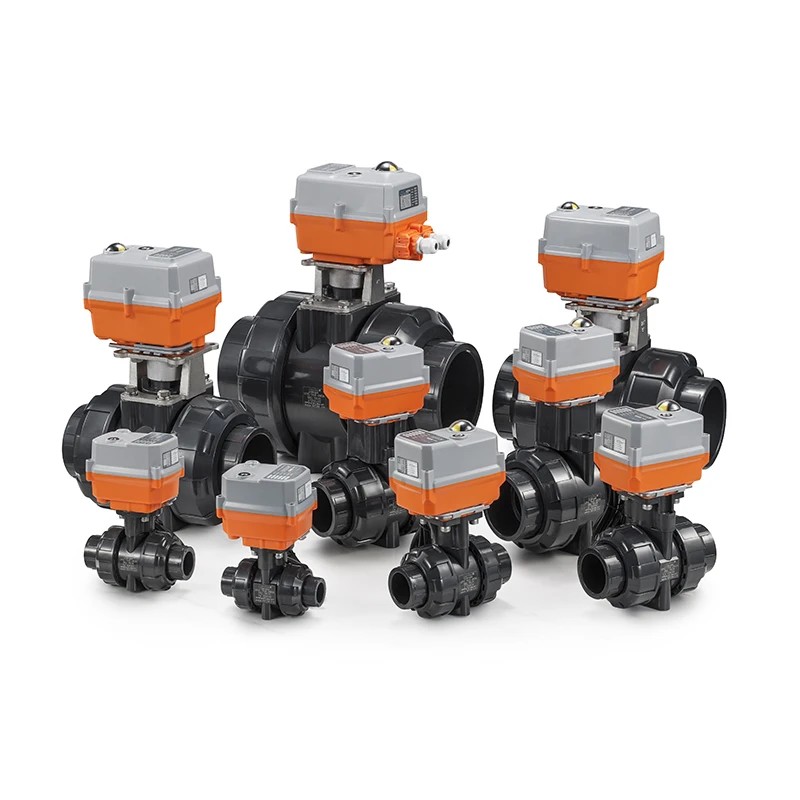
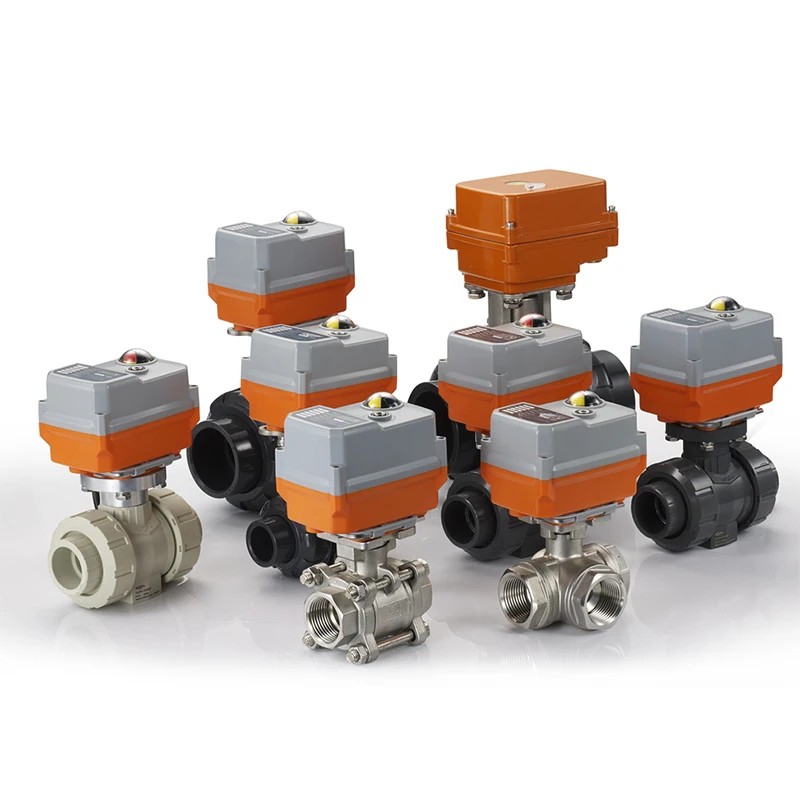
In modern facilities, pigging stations may be highly automated. Automated piggable valves include electrically or pneumatically actuated ball or gate valves that integrate with control systems. A full-port electric ball valve is often used, since it can be remotely operated to insert or receive pigs without manual intervention. For example, when a pigging run is complete, the controller can send the valve to a fail-safe position. Some valves even include a power-off reset feature, so that in a loss-of-power event, the valve automatically moves to a safe (typically closed) position. This protects against backflow and helps manage pressure transients during pigging. Actuated gate valves are also used for large-diameter pipelines where ball valves would be impractically large, but their slower operation must be accounted for in the pigging sequence.
Manual Piggable Valves
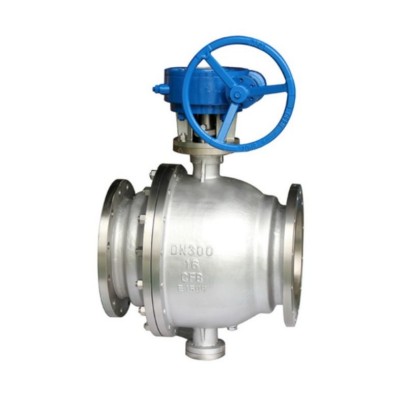
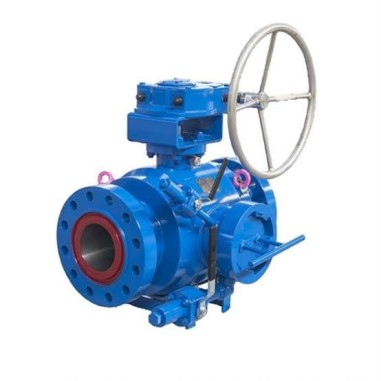
Smaller or less critical pigging lines may use manual piggable valves. These are often full-port ball valves with manual levers or gear operators. The advantage is simplicity: they are cost-effective and require no power. A manual ball valve with a polished bore can be used for pig cleaning in smaller pipelines. One CNYTO product, for instance, highlights a manual stainless steel ball valve designed for harsh conditions. Like its automated counterpart, it offers a full-port through-flow to allow pig passage. The drawback is that operator presence is needed to open/close it, so it’s best suited to infrequent pigging schedules. Even so, the basic valve technology—a ball with a full-through hole—is the same. When specifying a manual piggable valve, be sure it is clearly marked, easy to lock out, and rated for the line’s pressure.
Maintenance and Optimization
Regular Maintenance Practices
Regular inspection of pigging valves is essential. Engineers should check valve seats and seals for wear after each pigging cycle, especially if abrasive solids were present. Over time, an eroded seat can start leaking, which compromises cleaning efficiency. A helpful practice is to include a routine actuator and valve stroke test. For example, cycling a pneumatic butterfly or ball valve through its range with compressed air (while holding pressure on one side) can reveal seal issues. Calibration of position feedback (if fitted) ensures that a valve reported as “open” truly provides a full bore. Many facilities implement pressure drop checks across valves as part of maintenance—if the ΔP unexpectedly changes, it may indicate an internal obstruction or wear.
Optimizing Valve Performance
To optimize valve performance in pigging service, it helps to fine-tune valve sizing and actuation timing. Undersized valves can cause severe pressure drops during pig launches. Conversely, oversizing can make the valve cumbersome and slower to actuate. Engineers often perform a flow study: calculating the pig’s volume and desired sweep velocity to select an appropriate bore. The use of smooth, low-friction coatings inside valves (such as PTFE or FKM seat materials) can also reduce the force needed to move the pig. Additionally, integrating smart positioners or sensors (as described in) can allow the control system to manage valve opening gradually, reducing water-hammer effects. In short, proactive maintenance and proper valve tuning prevent the cause→result chains (e.g., debris build-up → inefficient cleaning → pipeline downtime) from repeating, thereby optimizing uptime.
Conclusion
Effective pigging valve selection is key to maintaining pipeline integrity and flow assurance. Throughout this discussion, we’ve seen that the right piggable valve must provide an unobstructed, full-bore path for pigs while also meeting process safety requirements. Full-port ball valves—whether electric ball valves or pneumatic models—are the industry standard for pigging because of their clear flow path and robust sealing. Valves built with high-grade materials (316L or Duplex stainless steel) resist corrosion from residual product or cleaning chemicals, as shown by examples like the [304 stainless steel valve body] ball valve. Properly configured actuation (fail-safe positions, IP-rated enclosures) ensures reliable pigging cycles. Regular maintenance and inspection of these valves (inspecting for leaks and verifying position feedback) keep pigging operations smooth.
Recap of Best Practices
· Full-Bore Design: Use full-port ball or gate valves so pigs pass freely.
· Material Selection: Choose materials like 316L, Duplex stainless, or corrosion-resistant coatings for fluid compatibility.
· Automation and Safety: Where possible, use automated actuators with safety features (power-off reset, high IP rating).
· Routine Checks: Inspect seats and actuators after pig runs; adjust flow as needed to prevent undue wear.
· Standards Compliance: Ensure valves meet ANSI/ASME pressure classes and ISO leakage standards for safety and longevity.
Further Resources for Pipeline Professionals
For more information on piggable valves and valve solutions, see CNYTO’s product pages, such as their electric ball valves, pneumatic ball valves, and pneumatic butterfly valves. These technical resources and product data sheets can help you match valve specifications to your pigging requirements, completing the picture for efficient, safe pipeline operations.
- 2026-10-12 15:56:29
- 2026-10-09 14:26:55
.png?imageMogr2/format/webp)
- 2026-09-30 08:25:23