

Custom Corrosion-Resistant Valve Solutions
- 2026-09-18 09:42:46
- admin
- NO COMMENTS
The acid-transfer skid is quiet after a batch, yet the valve tells a different story. A pale stain has formed below the packing gland, the handwheel needs more force through its last quarter-turn, and downstream pressure drifts even though the line is isolated. At the nearby washdown station, an actuator hesitates as salt deposits collect around its fasteners. None of these signs looks dramatic. Together, they show corrosion changing how the system behaves.
Engineers often see operating symptoms before damaged metal: unstable differential pressure, rising breakaway torque, low-flow vibration, or a slight leak that returns after packing adjustment. The cause may be an incompatible body alloy, but it may also be the seat, stem, fasteners, coating, or actuator enclosure. Customized corrosion-resistant valves work because they treat the valve as one pressure-containing, sealing, and operating system—not simply as stainless steel substituted for carbon steel.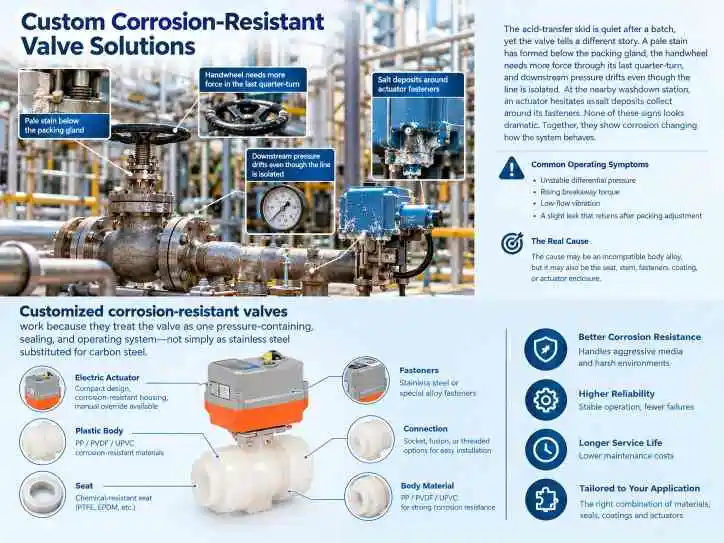
Customized Solutions for Corrosion-Resistant Valves: Overcoming Common Challenges
The Impact of Corrosion in Industrial Applications
Cost Implications of Corroded Valves
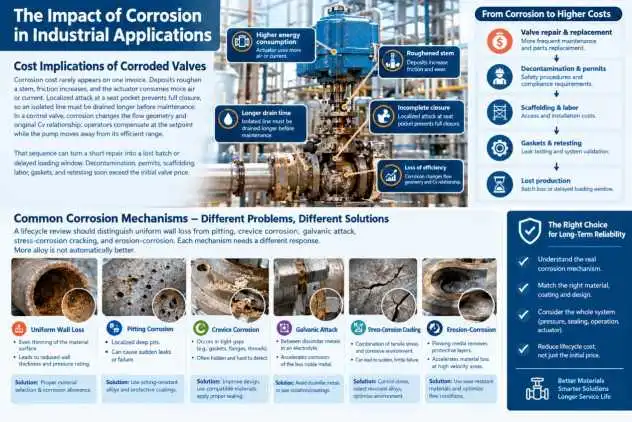
Corrosion cost rarely appears on one invoice. Deposits roughen a stem, friction increases, and the actuator consumes more air or current. Localized attack at a seat pocket prevents full closure, so an isolated line must be drained longer before maintenance. In a control valve, corrosion changes the flow geometry and original Cv relationship; operators compensate at the setpoint while the pump moves away from its efficient range.
That sequence can turn a short repair into a lost batch or delayed loading window. Decontamination, permits, scaffolding, labor, gaskets, and retesting soon exceed the initial valve price. A lifecycle review should distinguish uniform wall loss from pitting, crevice corrosion, galvanic attack, stress-corrosion cracking, and erosion-corrosion. Each mechanism needs a different response. More alloy is not automatically better.
Safety Risks Associated with Corrosion
The most serious damage is often hidden. Pitting beneath a seat ring can leave the body exterior looking sound while the pressure boundary thins locally. Chloride trapped under a washer may attack the stem or bolting. A trace packing leak at ambient conditions can increase sharply when temperature rises and the fluid becomes less viscous.
Before inspection, operators should lock out the actuator, isolate energy, depressurize trapped cavities, drain and neutralize hazardous media, and verify zero pressure. Hot acid, high-pressure brine, chlorine-bearing water, and aggressive solvents may justify remote operation, guarded drains, or leak detection after a process hazard review.
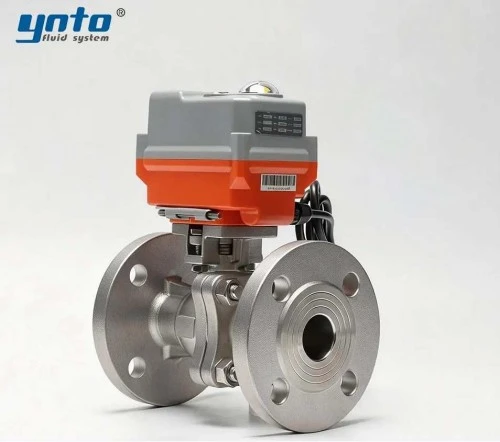
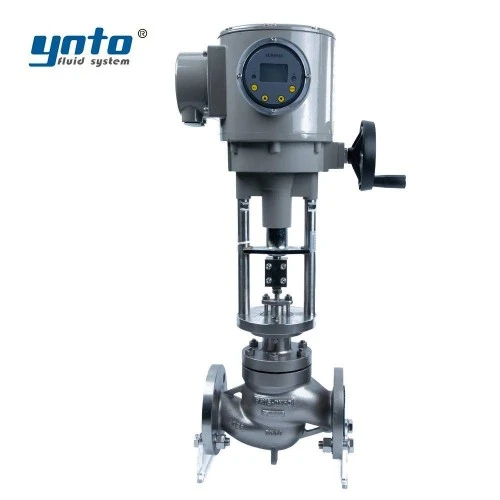
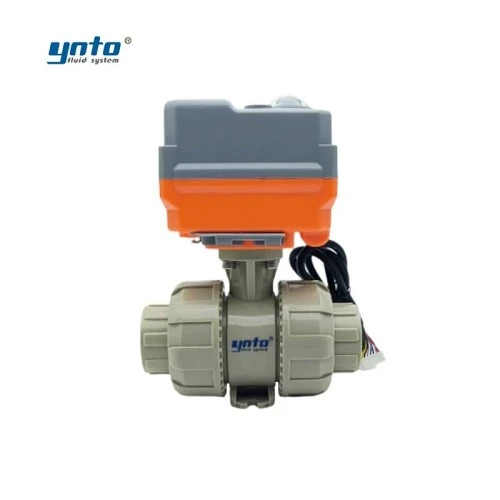
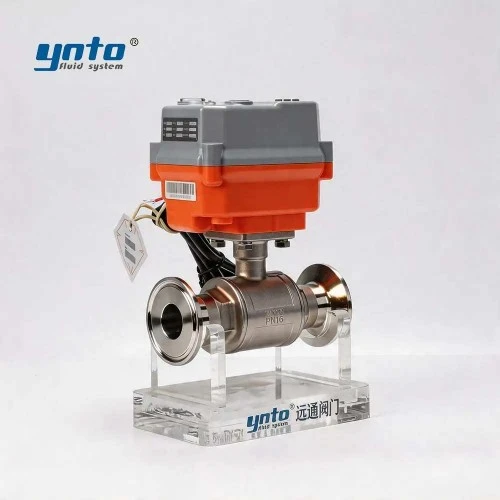
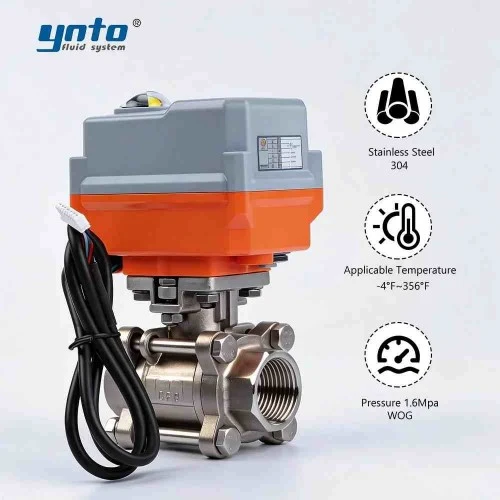
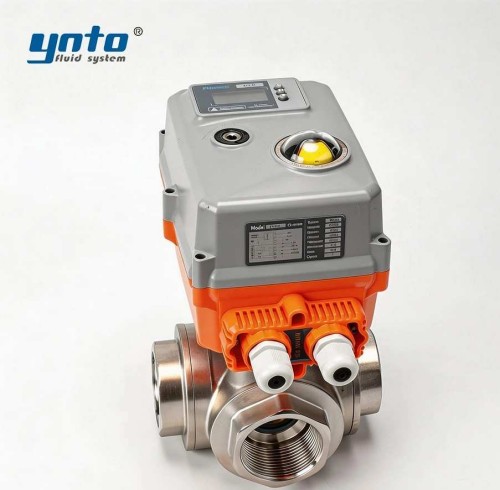
Where metal construction is appropriate, a configurable SUS304/316 electric flanged ball valve can support automated isolation. The selected grade, pressure class, seat, actuator torque, and leakage acceptance must still match the medium. “Stainless steel” alone establishes neither corrosion life nor safe shutoff.
Exploring Customized Valve Solutions
Tailoring to Specific Environments
Customization starts by locating the corrosion. Wetted parts face the process chemistry; external parts may face salt fog, acidic washdown, fertilizer dust, coastal humidity, or immersion. An internally suitable valve can still fail when a bare actuator, carbon-steel bracket, limit-switch shaft, or ordinary fastener corrodes from outside.
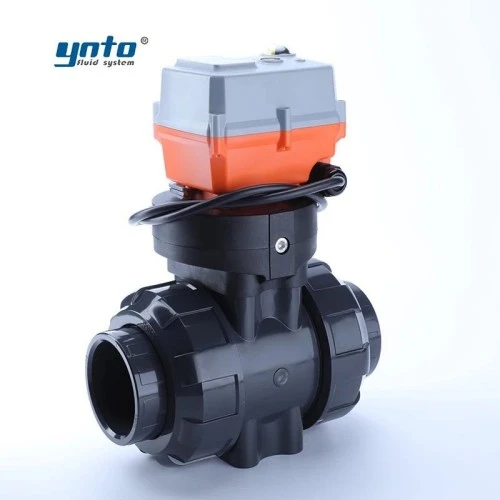
Valve type changes the available defense. A full-port ball valve limits pressure loss in clean isolation service. A diaphragm valve separates its operating mechanism from aggressive or high-purity fluid. A control valve needs stable trim geometry and sufficient actuator force without gross oversizing. Electric valves help where instrument air is unavailable; pneumatic actuators suit rapid fail action. None is universally corrosion-proof.
Lined construction may cost less than a solid high-alloy body when the lining is continuous and protected. A bellows arrangement can also reduce reliance on dynamic stem packing. Both choices require checks for permeation, liner damage, cycle life, temperature, pressure, and maintenance access.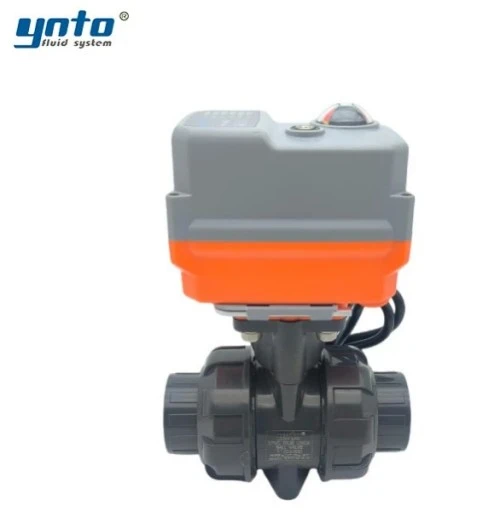
Identifying Key Requirements for Customization
A useful request for quotation describes an operating envelope, not merely a fluid name. “Sulfuric acid” is incomplete without concentration, temperature, water content, contaminants, solids, and cleaning chemicals. Seawater data should include chlorides, oxygenation, velocity, stagnation, and splash-zone exposure. A trace oxidizer or halide can reverse an otherwise reasonable material choice.
Engineers also need normal and design pressure, differential pressure in each direction, temperature cycles, flow range, velocity, cycle frequency, closing time, and cavitation or flashing potential. State the shutoff direction, allowable seat leakage, fail position, power or air supply, hazardous-area classification, connections, face-to-face dimension, and documentation.
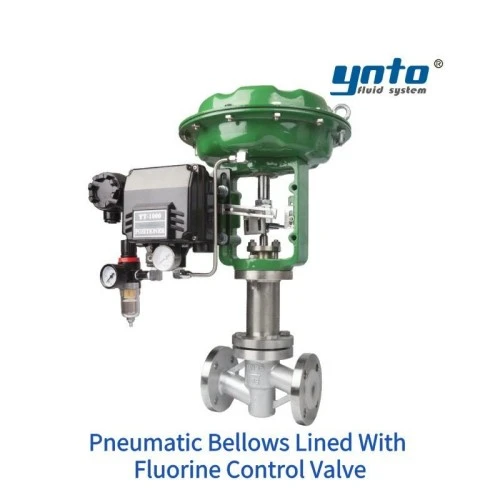
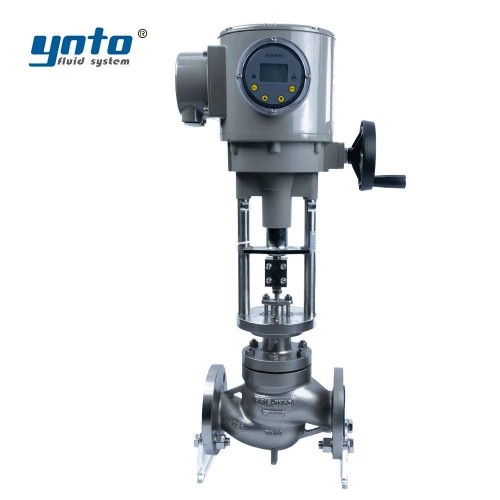
For modulating corrosive or toxic media, a fluorine-lined pneumatic bellows control valve is one configuration to evaluate. Its proposed lining and stem-sealing arrangement should be verified against the actual chemistry, differential pressure, temperature, permeation risk, operating cycles, and project leakage test rather than accepted from a general product label.
Selecting the Right Chemical-Resistant Materials
Overview of Chemical-Resistant Materials
316L performs well in many water, food, pharmaceutical, and moderately corrosive duties, and its low carbon content helps control sensitization after proper welding. It is not immune to warm chlorides, reducing acids, or crevices. Duplex and Super Duplex offer higher strength and improved resistance to chloride pitting and stress-corrosion cracking, provided fabrication, filler metal, heat treatment, and phase balance are controlled.
PVDF and PPH resist many chemicals without a metallic wetted body, while PTFE or PFA linings suit selected aggressive services. Elastomers need separate review. EPDM works in many water and dilute-chemical duties but not many hydrocarbons; FKM suits numerous oils and chemicals yet can struggle in some hot-water or amine services. Concentration and temperature change swelling, hardening, and permeation.
Carbon or alloy steel remains practical where pressure, temperature, impact, or cost rules out plastics. FBE or Halar coatings can isolate the substrate, but surface preparation, edge coverage, thickness, cure, holiday testing, and repairs determine whether the barrier lasts.
Importance of Acid-Resistant Valves
There is no universal acid-resistant valve. Hydrochloric acid can attack stainless steel aggressively; sulfuric acid behavior changes with concentration, temperature, and velocity. Nitric acid is oxidizing and may favor another alloy. Mixed streams are harder because a small contaminant can alter the mechanism or attack the seal before the body.
Acid service also requires attention to trapped liquid. A closed ball valve can retain fluid in its cavity. Heating expands that liquid and may generate pressure above the line condition, requiring a reviewed vent, relief path, or operating sequence that remains consistent with the isolation philosophy.
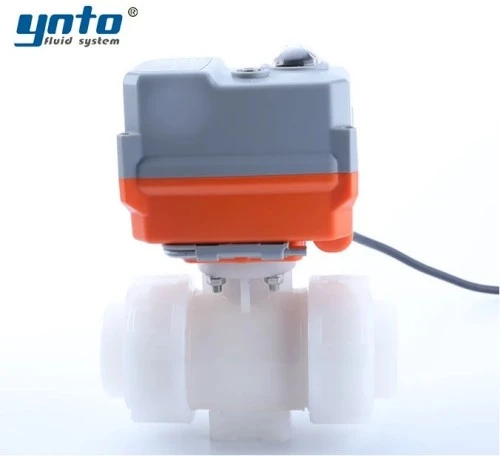
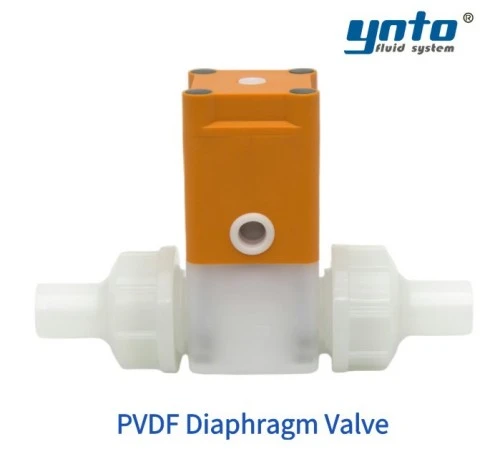
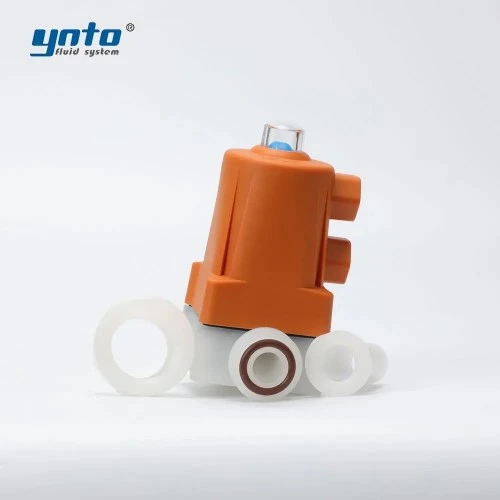
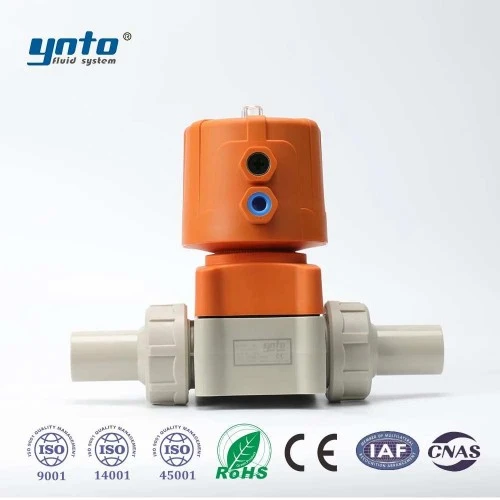
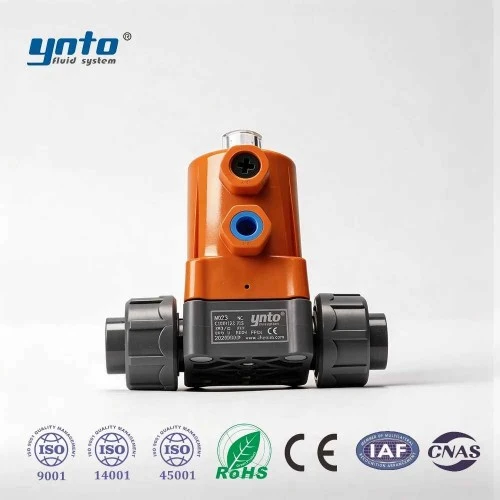
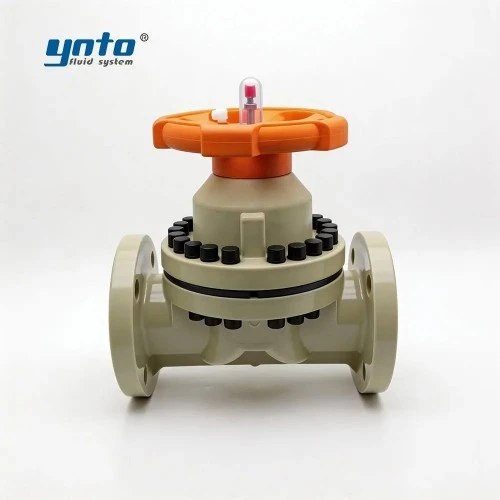
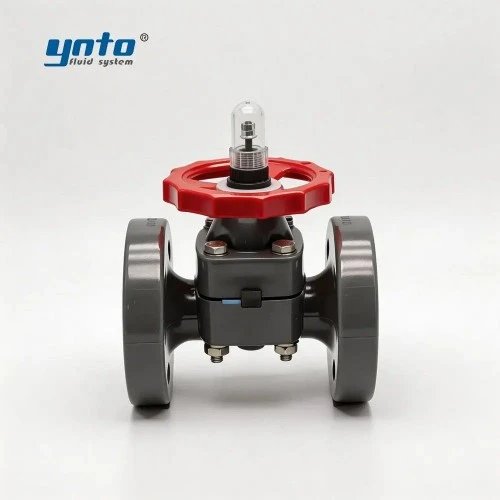
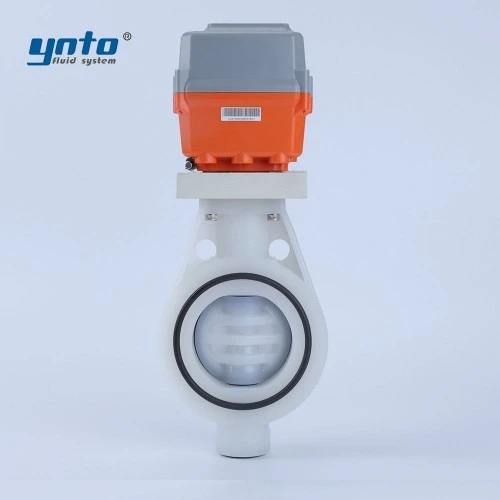
Within a verified pressure-temperature envelope, a PVDF diaphragm valve for corrosive fluids can isolate the stem mechanism and eliminate a dynamic packing path. The diaphragm remains a wear part. Chemical exposure, pressure cycling, temperature change, and closing compression gradually fatigue it; stiffness then rises, actuator load increases, and slight seat leakage may follow.
Benefits of Marine-Grade Materials
Marine-grade valves must survive more than seawater inside the pipe. Exterior salt deposits create wet, oxygen-rich crevices around bolting and brackets. Dissimilar metals establish galvanic cells. Intermittent splash can be especially aggressive because drying concentrates chlorides.
316L may serve controlled seawater duties, but Duplex, Super Duplex, aluminum bronze, nickel alloy, or lined polymer may be preferable for severe exposure. Selection depends on velocity, temperature, oxygen, biofouling, crevice geometry, and cathodic-protection interaction. Bolting and actuator hardware must be compatible with the body, or a durable flow path can be stranded by an actuator that no longer moves.
Testing for Corrosion Resistance
Common Corrosion Testing Methods
Good corrosion testing answers a defined question. Laboratory immersion testing compares coupons under controlled composition, temperature, aeration, movement, and time, then uses mass loss and surface examination to assess attack. Ferric-chloride pitting and crevice tests can rank stainless and nickel alloys under severe conditions. Salt-spray testing can expose pores, coating defects, and weaknesses in external finishes.
These methods are not interchangeable, and test hours do not translate directly into field years. A static coupon may miss slurry erosion-corrosion; a salt-fog cabinet does not reproduce an acidic process. Elastomer immersion should measure mass, volume, hardness, strength, and cracking because a metal coupon says nothing about seat life.
Standards for Evaluating Valve Durability
ASTM G31 guides laboratory immersion corrosion testing, while ASTM G48 covers pitting and crevice-corrosion tests for stainless steels and related alloys. ISO 9227 defines salt-spray atmospheres; the project must still set specimen preparation, exposure duration, and acceptance criteria.
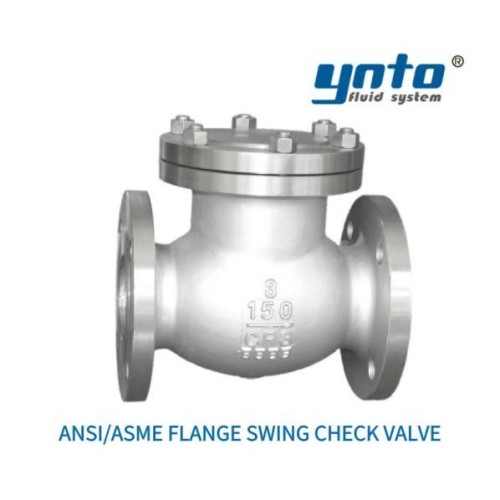
Valve pressure standards answer different questions. ANSI/ASME specifications may invoke ASME B16.34 for applicable metal-valve ratings, materials, examination, testing, and marking. API 598 and ISO 5208 provide shell and closure test frameworks. They demonstrate pressure-boundary integrity and seat tightness at specified conditions, not long-term chemical resistance. DIN EN 558 addresses face-to-face dimensions for many flanged metal valves, supporting piping interchangeability rather than corrosion qualification.
Best Practices in Corrosion Testing
Representative testing should include base material, welds, heat-affected zones, lining seams, coating edges, and crevice geometry. Test fluid should reflect the worst credible concentration, contaminants, temperature, oxygen, and flow. Hot cleaning fluid may govern the selection even when the normal process is mild.
Set acceptance criteria before testing: maximum corrosion rate or pit depth, coating thickness and holiday limits, permitted elastomer change, and required shell and seat leakage. Material certificates, positive material identification, coating records, dimensional checks, and traceable test reports connect the laboratory conclusion to the delivered valve. For a proposed stainless pneumatic lugged butterfly valve, that review should cover the complete wetted-material list, liner, shaft seals, fasteners, coating, pressure-temperature rating, and test direction—not the body designation alone.
Enhancing Valve Performance and Service Life
Strategies for Valve Performance Optimization
Valve performance optimization begins with sizing. An oversized control valve works near its seat, where small movements create large flow changes and unstable low-flow vibration. Repeated trim motion removes passive films and accelerates wear. An undersized valve increases velocity and differential pressure, raising erosion, cavitation, noise, and actuator demand. A chemically compatible material can still fail because the hydraulic regime is wrong.
Actuator sizing should include process differential, clean breakaway torque, deposits, packing load, minimum supply, and a justified margin. Excess seating force can cold-flow PTFE, damage a diaphragm, or bend a stem. Position feedback, motor current, travel time, and pneumatic signatures can reveal rising friction before the valve sticks.
Implementing Corrosion Mitigation Strategies
Effective corrosion mitigation strategies combine design, operation, and inspection. Drainable piping limits stagnant pockets. Flushing removes deposits before they establish oxygen-depleted crevices. Controlled closing speed reduces surge and seat impact. Insulating kits can interrupt galvanic couples, while suitable coatings protect external carbon-steel parts. Cathodic protection may help buried or immersed systems, but its interaction with coatings and mixed alloys needs specialist review.
Inspection should follow evidence rather than appearance alone. Ultrasonic thickness readings show wall-loss trends; coupons or probes indicate process severity; leakage logs and actuator-torque trends reveal functional deterioration. Recording pit location, deposits, seal condition, and as-found torque makes the next material decision better than simply installing the same valve again.
Case Studies of Successful Custom Solutions
Consider two representative engineering scenarios, not universal performance claims. On a chloride wash-water header, recurring stem corrosion and high breakaway torque may be addressed by upgrading the wetted alloy, removing an exterior crevice, selecting compatible fasteners, improving drainage, and protecting the actuator. Internal and atmospheric exposure are treated together.
On an acid dosing skid, packing seepage may point toward lined or diaphragm construction after concentration, temperature, permeation, cycle rate, and fail action are confirmed. Where the full duty fits its published envelope, an electric PVDF butterfly valve for corrosive service may support remote isolation. The final selection still needs the specified seat, control signal, ingress protection, safe override, and witnessed pressure and leakage tests.
Conclusion
The Future of Corrosion-Resistant Valves
Future corrosion-resistant valves will combine better materials with better evidence. Digital positioners, motor-current monitoring, acoustic leak detection, and online probes can reveal drift before containment is lost. Improved fluoropolymers, high-alloy manufacturing, and coating systems may expand design freedom, but each still needs qualified production, inspection, and traceable testing.
The direction is clear: replace labels such as “chemical proof” or “marine grade” with a documented operating envelope covering materials, pressure, temperature, leakage, test direction, actuator data, coatings, and spare parts.
Call to Action for Customization
For a productive quotation, send the medium and concentration, contaminants, solids, pressure, differential pressure, temperature range, flow, cycle rate, connection, fail position, leakage limit, hazardous-area needs, and applicable ANSI/ASME, API, ISO, or DIN requirements. Include photographs and failed-part observations when replacing an existing valve. YNTO can then evaluate ball, butterfly, diaphragm, control, electric, or pneumatic industrial valves against the real corrosion mechanism and prepare a testable configuration.

- 2026-09-18 09:42:46
- 2026-09-14 15:59:43