

Common Challenges in Industrial Wastewater Treatment Valves and Their Solutions
- 2026-04-06 12:00:00
- admin
- NO COMMENTS
Introduction to Industrial Wastewater Treatment
During routine inspection of a chemical wastewater pipeline, operators often notice subtle yet alarming behaviors in the valves lining the system. For example, an engineer might observe that a valve controlling flow to a neutralization tank hesitates about halfway open before fully actuating, causing a brief pressure hump downstream. Likewise, slight pop-offs or drips may appear around the seals of aging gate valves during normal operation. These real-world snapshots—clanging actuator motors, minute leaks, and quirky pressure spikes—paint a vivid scene. Industrial wastewater lines carry abrasive slurries, corrosive chemicals, and varying temperatures. In that environment, valves are constantly exposed to challenging conditions: abrasive solids that scour interiors, chemical attacks on metals and elastomers, and temperature cycles that fatigue seals. It’s not unusual, for instance, to witness pressure oscillations whenever a check valve snaps open on startup, or to feel that a gate valve takes extra torque to close after a few years of service. These symptoms speak to common underlying issues in wastewater treatment valve systems: unexpected variability, wear-induced leakage, and sluggish performance when precise control is needed. Engineers on site see these firsthand: “During commissioning, engineers often observe that a valve hesitates briefly around 40–50% opening before completing its stroke,” as a rule of thumb in process control troubleshooting.
Overview of Wastewater Management Solutions
Wastewater treatment facilities use a suite of processes to clean water: primary filtration, biological reactors, chemical dosing, and more. Each stage relies on a network of process control valves, pumps, and sensors. For example, an aeration basin may use fine-bubble diffusers with control valves to regulate airflow to bacteria cultures, while a chlorine contact tank uses valves to modulate disinfectant dosage. In many plants, automated industrial fluid handling systems govern flows of sewage, sludge, and treatment chemicals based on sensors. Effective management solutions integrate these controls with operations software, but their reliability hinges on hardware—especially valves.
Significance of Reliable Valve Systems
Reliable valves are at the heart of any wastewater management solution. They isolate pumps, throttle flow, and prevent backflow. For instance, backflow prevention valves ensure that contaminated water does not re-enter clean mains. A malfunction here could allow toxic backflow into potable systems, an unacceptable risk. Similarly, sludge pipelines often incorporate heavy-duty diaphragm valves to resist abrasive solids. If a diaphragm valve’s seal degrades, sludge can escape or a reactor can overflow. In filtration systems, precise flow meters and control valves must stay accurate to meet discharge regulations. An unreliable valve (one that drifts in opening or leaks under pressure) can throw off the entire control loop. That’s why manufacturers emphasize “control valve” performance for wastewater: the valve may be the last thing in the loop that adjusts process variables. Ultimately, an efficient wastewater plant depends on valves that hold up under stress—without these, even advanced industrial filtration systems and treatment technologies can falter.
Challenges Faced by Wastewater Treatment Valves
Wear and Tear in Industrial Fluid Handling
The harsh fluids in wastewater lead to rapid wear and tear on valves. Sludge and grit swirl through lines, abrading seats and discs. We often see this chain in action: corrosive or abrasive sludge → gradual erosion of valve internals → tiny leaks or gritty operation. For example, in a grit removal line, a ball valve may gradually develop surface grooves on its ball due to suspended particles. Over time, these grooves let small amounts of slurry bypass the closed valve seat, causing continuous leakage. Another scenario: fluctuating temperatures stress seals – for instance, hot effluent followed by cold rinse water. That thermal cycling causes PTFE or rubber seals to expand and contract repetitively. Eventually, the seals fatigue (temperature cycling → seal micro-cracks → slow leakage). In many plants, engineers have noted that small leaks at high-pressure points often originate from such thermal-fatigue cracks, leading to water traces on the floor despite a valve appearing shut.
Even under normal conditions, friction causes components to wear. A large flanged gate valve might show increasing stem torque over months as the stem threads wear or anti-friction packing degrades. The typical cause-effect chain here is: regular cycling under load → abrasive wear on stem/packing → tighter friction and increased torque → risk of motor burnout or inability to open under high differential pressure. These conditions are particularly acute in industrial fluid handling because plants often operate valves automatically far more frequently than in other industries, accelerating wear.
Issues with Backflow Prevention Valves
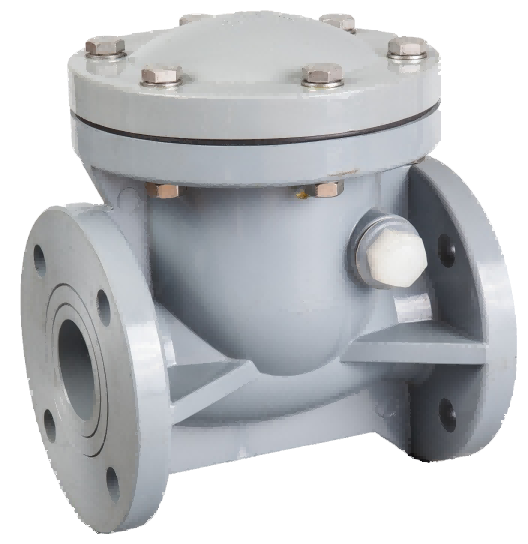
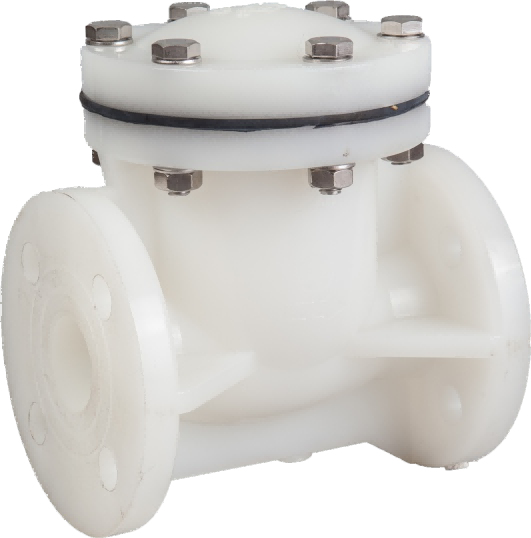
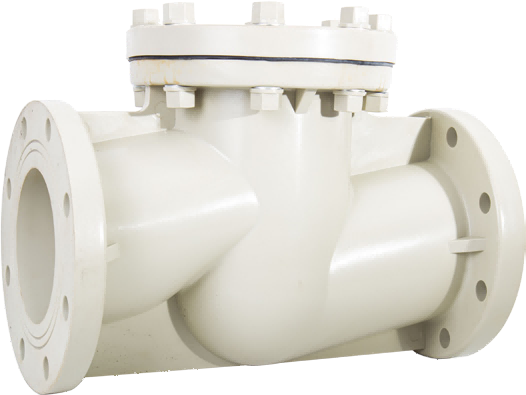
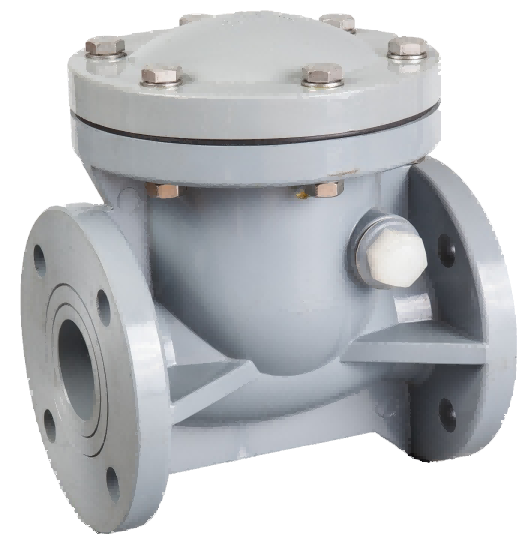
Backflow prevention devices (like check valves or vacuum breakers) are critical but vulnerable points. A common field observation is that a check valve held open slightly (due to debris) can create a chronic pressure unbalance: pump A works harder to push fluid, while pump B has no flow due to the partially open check valve on its discharge. Engineers might find that one pump is overheating while the other is underutilized, hinting that “check valves are not snapping shut properly under reversed flow.” Debris or misalignment can cause a check valve’s seat to not seal fully (misalignment → seat abrasion → leak path). The result is water hammer: when the main pump stops, the still-flowing water slams into the partially closed check valve, sending a pressure spike back through the pipes. This scenario is not just theoretical – it can bend flanges or even burst thin-walled equipment. Another risk is stagnant fluid pockets. In a backflow preventer that fails, contaminated water from a raw inlet might flow back into a treated effluent line, mixing waters improperly. When we’ve investigated such events, it often traces to a check valve whose spring tension weakened (spring fatigue → valve stuck slightly open → reversed flow pathway) or a swing check whose hinge welded by mineral deposits.
Difficulty in Achieving Optimal Performance
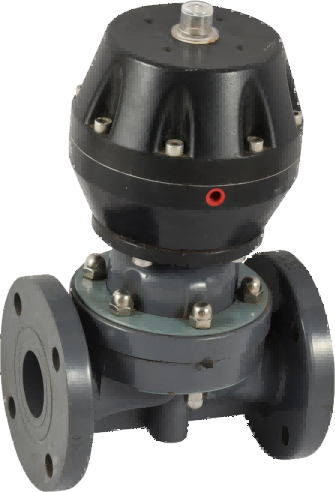
Achieving fine control with aging valves is challenging. In chemical dosing stations, a miniature solenoid valve might cycle on/off rapidly to maintain exact pH. If that solenoid’s response time drifts (due to coil heating or sticking plunger), the pH fluctuates. Operators describe this as “bang-bang” control oscillation, where the tank’s pH swings around the setpoint. The sequence is like: coil overheating → delayed actuation → control loop oscillation → product quality deviation. Even non-electrical valves can underperform: a pneumatically actuated diaphragm valve might oscillate at low flows if the air supply pressure is marginal or the valve’s spring is weak. Over time, as seals age, the precise flow-versus-position characteristic of a valve changes – controlling a plant’s process becomes like trying to aim with a wobbly joystick.
Another performance issue is leakage under slight overpressure. With water treatment processes often running to environmental pressure limits, it’s disconcerting when a control valve that should hold back 150 psi leaks at 20 psi. Typically, this means the valve’s soft seat material has worn or deformed (seat bulge → micro-gap → leak path). The impact is hidden wastage of treated water, but over time it can also import untreated incoming water. This failure mode is common: high-pressure test → weakened seal → micro-leak at low pressure → contamination risk. The natural slip through valves that only meet older standards (ANSI Class III vs Class VI for shutoff) can leave water compliance stacks vulnerable.
Solutions for Overcoming Valve Challenges
Best Practices in Maintenance and Inspection
Effective maintenance is our first defense. In many plants, valves are placed on a proactive inspection schedule. At each turnaround, we open and close critical valves manually, feeling for any roughness or binding. If a ball valve starts to feel gritty or if a lever requires extra force, we’re likely seeing early erosion or seal degradation. Lubrication of stems (with compatible grease), packing adjustments, and replacement of O-rings become routine tasks. When we find small stem drips, we pack-nipple-tighten to stop it immediately. For submerged valves (in buried flumes or tanks), we install test points so we can pressurize them and check for leaks without draining the system.
Backflow preventers are often fitted with “hygroscopic” upgrades: mesh screens on inlets to keep debris out, and crush-proof springs in swing checks that resist sticking. We check these annually by reversing flow at low pressure and watching the closing response with a pressure gauge. For valve actuators, we calibrate limit switches and pressure controllers regularly to ensure full open/closed travel. If an electric actuator’s motor draws increasing current (a sign of binding), it’s preventive maintenance time. We document these actions in CMMS records to spot trends. In short, careful valve maintenance and inspection catches deterioration before failure: minor leaks lead to immediate seals replacement rather than to serious flooding.
Upgrading to Modern Valve Technologies
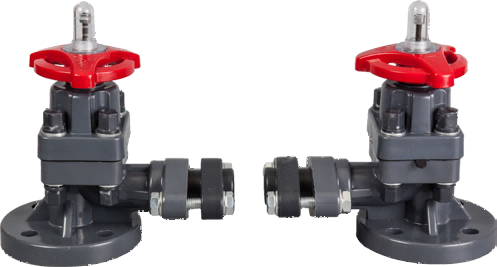
Where maintenance isn’t enough, modern valves can offer a fresh solution. The latest control valves and electric valves provide tighter control and more durable materials. For instance, a high-performance globe control valve with a stainless trim and low-friction seat can handle solids in suspension with less wear. Equipping it with a fail-safe electric actuator adds quick response to automations. Similarly, replacing a worn gate valve with a diaphragm valve solves erosion issues: the diaphragm flexes and isolates fluid from the valve hardware entirely, ideal for slurry and wastewater. We’ve seen duplex steel butterfly valves withstand chlorinated flows far better than plain carbon steel flanges, lasting multiple years where old valves rusted shut. When retrofitting, we often add position-sensing actuators or solenoid pilots so that every valve’s state is monitored. This addresses not just valve wear, but also automation – giving us alarm alerts if a valve doesn’t move as commanded.
The Importance of Valve Material Selection
Analyzing Material Properties for Wastewater Applications
The harsh nature of wastewater dictates heavy-duty materials. 316L stainless steel is a go-to because it resists both acids and chlorides. It won’t pit in the presence of common disinfectants. But when sulfide-laden effluent is present, even 316L can suffer. That’s where Duplex or Super Duplex stainless steels come in, offering twice the strength and far better corrosion resistance. When exposure to sulfur or high chlorides is expected, we specify duplex valves to avoid pitting and stress corrosion cracks. For economical line valves, carbon steel bodies with Fusion Bonded Epoxy (FBE) interior coatings or Halar (ECTFE) linings are options. These polymers shield the steel from corrosive fluids; for example, an FBE-coated check valve body won't rust even after years of submerged use, provided the coating isn’t damaged.
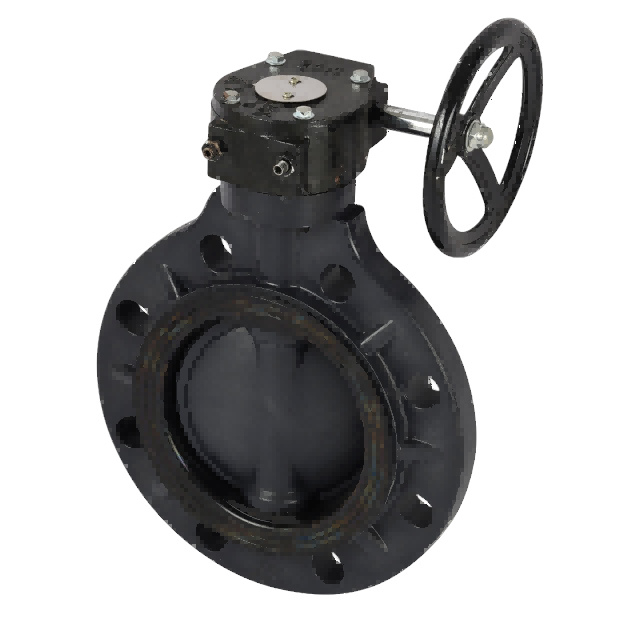
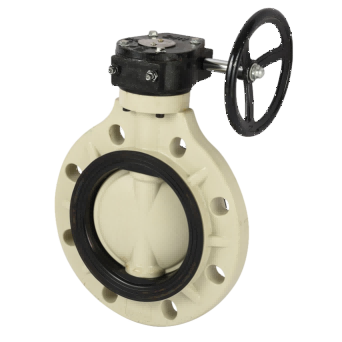
The valve’s seals and seats need matching toughness. PTFE seats are extremely chemical-resistant and allow zero-leak closure, but they can creep under load, so they pair PTFE with reinforced back-up rings. EPDM (a rubber) is great for water and mild chemicals; FKM (Viton) handles oils and higher temperatures better. In valve materials, an engineer’s mantra is “match the fluid”: hydrogen sulfide and hydrocarbons will degrade EPDM, so use FKM or PTFE in those streams. Many wastewater valves now come standard with dual-material seats (PTFE backing with an EPDM or FKM face) to cover a broad pH range. For example, we once replaced EPDM O-rings in a chlorinated water system with FKM on the spot, eliminating a daily leak from halogen attack.
Recommendations for Material Choices
Based on experience, here are some material guidelines: - Use 316L stainless bodies and internals for general chemical exposure and dechlorination systems. - In severe chemical or high-temperature cases, upgrade to Duplex or Super Duplex stainless for valves (especially ball and butterfly valves that see full pressure loads). - For seating, PTFE and carbon-filled PTFE provide tight sealing in nearly all environments. In high abrasion lines (sludge drains), consider EPDM or FKM rubber-lined gates or pinch valves which handle particulates. - For acid feeds (pH <2), use alloy materials (alloy 20, Hastelloy) or ceramic-lined valves if extreme. - Always specify non-sparking/bronze materials (like bronze or brass valves) for flammable vapor service (though in wastewater plants, flame risk is lower). - Don’t forget coatings: e.g., an FBE-coated plug valve in a digester can vastly outlast an uncoated one because it eliminates localized metal attack. Choosing the right materials cuts to the heart of preventing the cause-effect failures mentioned. For instance, using Duplex instead of mild steel as the body material breaks the chain (corrosive media → incompatible carbon steel → localized corrosion → leak).
Safety Requirements and Compliance
Valve safety extends beyond just materials. There are pressure ratings and regulations to consider. Wastewater plants often operate under ASME B31.3 or similar pressure piping codes. Valves must meet or exceed the pipeline design pressure; an ANSI 150 class valve on a system rated for 150 psi ensures margin. Safety also involves leak containment: any valve that could spill hazardous fluids must be within bunds or have drip trays per regulations. For gas lines (like biogas scrubber vents), explosion-proof enclosures and electrically-actuated valves (with certified wiring) are required by safety codes. Environmental safety protocols require that all critical valves are lockout-tagout capable, and that pressure relief devices (even vacuum breakers on storage tanks) are installed and tested annually per API or OSHA standards.
Standards and certifications are cornerstones. Valves should comply with API standards relevant to wastewater: API 600/602 for steel valves, API 609 for butterfly valves, API 598 for valve inspection/testing protocols. ISO 5208 outlines pressure testing, which many plants adopt for in-house hydrotests. For product quality, ISO 9001 or CE (PED) certifications are nice signals. As long-time engineers note, a valve without traceable material test certificates (MTCs) is a risk; MTCs allow you to verify alloy composition for corrosion resistance. Ultimately, staying within ANSI/ASME pressure-temperature ratings and testing per API/ISO procedures ensures safe design margins.
Solutions: Valve Technology in Wastewater Treatment
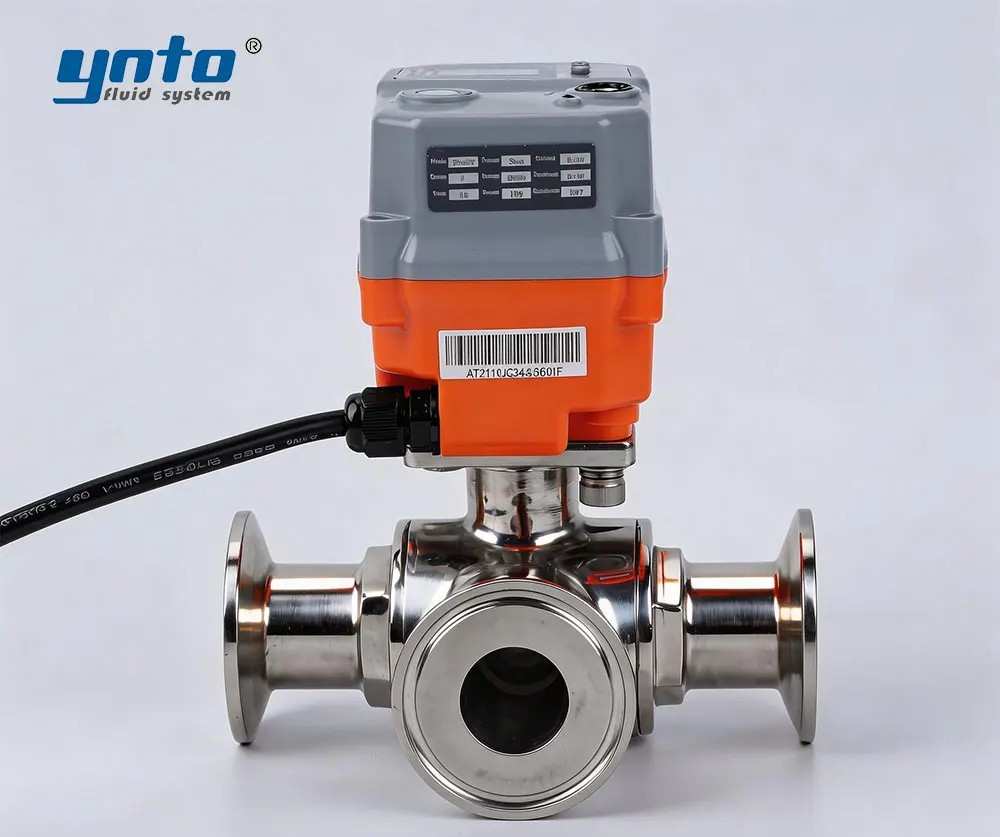
Electric Control Valves: Converting manual valves to electrically actuated ones dramatically improves response time and control. For example, replacing a handwheel valve with an electric butterfly valve means PLCs can throttle flows on the fly, maintaining setpoints precisely. The actuator eliminates issues of torque creep – if a diaphragm stiffens slightly, the motor simply supplies more torque to complete travel. The control systems can even monitor actuator current draw; a sudden change can indicate impending valve hang-ups, enabling predictive maintenance.
Diaphragm Valves: These are ideal for sludge and viscous streams because their elastomer diaphragms flex without trapping solids, unlike gate or plug valves that have crevices. Switching from a globe or gate valve to a diaphragm valve instantly ups sealing performance: the process fluid only ever contacts the diaphragm, so material compatibility is perfect (just choose a diaphragm rated for the chemistry). We often install diaphragm valves (for example, PTFE-lined ones) on grit removal lines. Their flexibility also compensates for vibration, so a settle-out pipeline no longer causes seating issues.
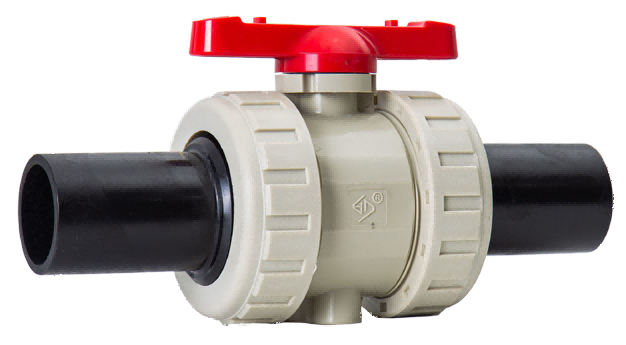
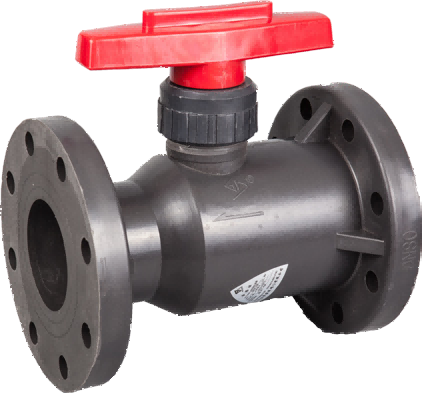
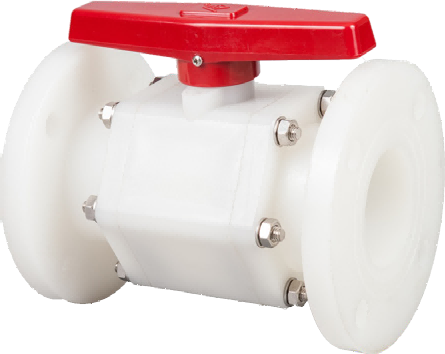
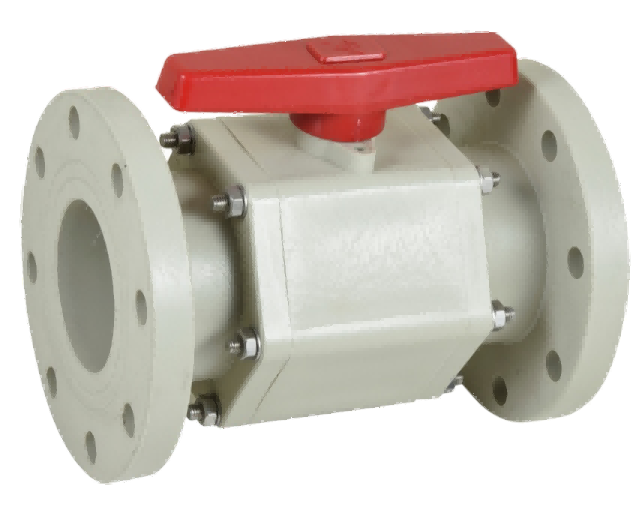
Ball Valves: When simple on/off is needed for corrosive fluids, stainless steel ball valves are effective. A 316L ball valve closed tightly by a PTFE seat will not leak even years of intermittent use. For highly abrasive streams, hardened ball and seats may be used, or ceramic balls. Ball valves added to chemical feed lines on dosing pumps ensure zero leakage when the pumps are off. Their fast quarter-turn action avoids pressure surges (instant open vs slow sliding gate), solving the cavitation problem we observed in slower valves.
Butterfly Valves: As mentioned, modern triple-offset butterfly valves offer bubble-tight shutoff. We find these useful on large pipes where gate valves were causing alignment headaches after replacement. A stainless triple-offset butterfly with grease injection bushings stays lubricated and retains seal life far longer. Even HVAC-sized sections of treatment plants now use these for bulk isolation, benefiting from their light weight and fast operation.
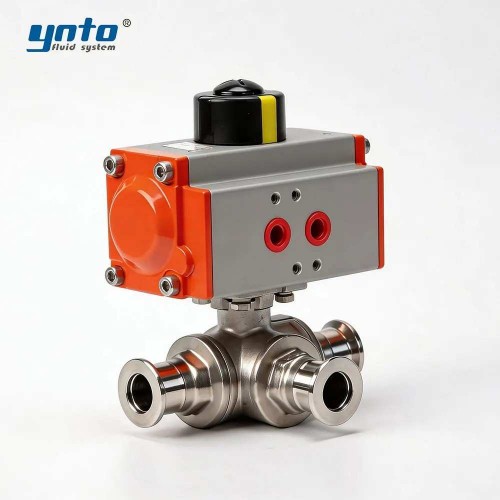
Actuators: Choosing the right actuator reduces torque woes. For many valves, we’ve transitioned from pneumatic cylinders to electric actuators, eliminating the dependency on air supply and allowing precise modulating control. Electric actuators can be integrated with smart positioners (like the YT1000 electro-pneumatic positioner) that accept 4–20mA signals to modulate valve position exactly. For wastewater plants adding distributed control systems, this means a single valve assembly can provide fine control and feedback (position, limit switches) to the DCS, rather than relying on analog pneumatics.
In all cases, upgrading to these technologies addresses earlier issues: by improving material choices and actuation, we enhance seal performance, reaction speed, and corrosion resistance. For instance, a solenoid valve used for dosing corrosive chemicals is usually made of alloys like Hastelloy or lined plastics, and they can switch on and off in milliseconds for precise pulses of reagent. Each upgrade is an investment: material and actuation changes stop the threads of cause-effect from advancing (e.g. more corrosion-resistant alloy → no pitting → no leak).
Conclusion and Future Directions
Industrial wastewater treatment will continue advancing in valve technology. Innovations such as smart valves with embedded sensors (temperature, vibration) are emerging, letting maintenance know how a valve behaves in real time. The future will see even more automation: AI-driven control loops optimizing valve sequences for energy savings and pollutant removal. And materials science continues to deliver new alloys and coatings, like ceramic-clad valves that virtually never corrode.
For now, addressing challenges with a blend of experienced engineering and modern products makes all the difference. By understanding field issues — from leak paths to torque spikes — and applying solutions (improved valve designs and materials, electric actuation, thorough maintenance), wastewater plants keep running efficiently and safely. In the end, each upgraded valve and smarter control strategy helps ensure cleaner water discharge and smoother operations in these critical facilities.
.png?imageMogr2/format/webp)
- 2026-09-30 08:25:23
- 2026-09-28 10:28:43
- 2026-09-21 15:23:44