

Metallurgical and Mining Valve Solutions Guide: Types & Applications
- 2026-09-14 15:59:43
- admin
- NO COMMENTS
A Comprehensive Guide to Metallurgical and Mining Valve Solutions for Your Projects
At the cyclone feed station, the pump note changes before the control room alarm arrives. The discharge gauge begins to hunt, a slurry valve that moved freely last month now hesitates near 20% open, and the actuator current climbs with every stroke. Around the stem, a dark wet ring gathers fine mineral particles. Nothing has failed outright, yet the line is already explaining what is wrong: solids are packing into the sealing area, the throttling point is unstable, or the selected trim is losing its fight with abrasion.
The same clues appear farther downstream in tailings, dewatering, leach, and metallurgical utility circuits. Engineers on inspection rounds often notice rising torque, erratic differential pressure, low-flow vibration, or a faint chemical leak before production notices lost capacity. A useful valve solution starts with those field observations. It does not start with a familiar valve name.
Overview of Metallurgical and Mining Valve Solutions
Key Characteristics of Effective Valves
An effective mining valve has to survive the actual medium, not merely the line pressure on a piping diagram. Slurry density, particle shape, solids percentage, velocity, chemistry, temperature cycles, and operating frequency all change the load on the seat, stem, and actuator. Particles may settle during a stoppage and lock the closure member. Breakaway torque then rises, an undersized actuator stalls, and repeated starts overheat the motor or damage the drive train.
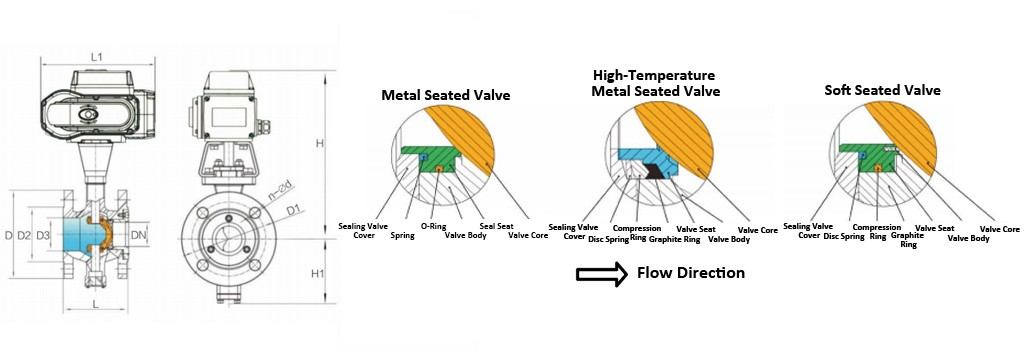
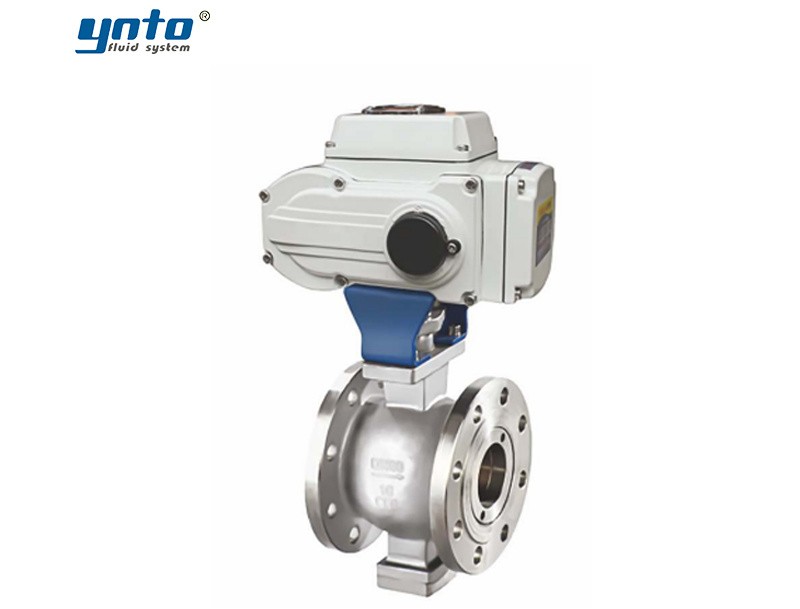
Geometry matters just as much as metallurgy. Full-bore passages reduce settling pockets, replaceable sleeves move wear into serviceable parts, and protected stems keep abrasive material away from bearings and packing. For controlled slurry duties, a flanged electric V-port ball valve for slurry and fibrous media can provide shearing action and a characterized opening. Specify it only after confirming particle size, hardness, concentration, required Cv, seat material, shutoff direction, and worst-case actuator torque.
Materials must be selected as a system. 316L suits many wet, mildly corrosive services; Duplex or Super Duplex can improve strength and chloride resistance. Carbon or alloy steel remains practical when corrosion allowance and FBE coating are defined. PTFE, EPDM, and FKM respond differently to chemicals, heat, and abrasive fines. Chemical compatibility alone does not prevent solids from cutting an elastomer.
Relevance to Mining Equipment
Valve performance affects crushers, grinding circuits, flotation cells, thickeners, filters, pumps, autoclaves, and tailings systems because each item depends on predictable flow or isolation. A valve that cannot close against settled solids may prevent safe pump maintenance. A control valve with excessive pressure loss may starve a cyclone and disturb separation. In many field operations, the cheapest component becomes expensive when it holds an entire train offline at a remote site.
There is also an important boundary around the term mining equipment. Mobile drills, loaders, roof supports, and haul systems use compact hydraulic valves inside oil-power circuits; mineral-processing plants use larger industrial valves for water, air, slurry, reagents, steam, and gas. Their symbols may look similar, but contamination tolerance, response time, connection standards, and failure modes are different. Purchasing them from one generic specification invites trouble.
Types of Valves Used in Mining Operations
Hydraulic Valves
Hydraulic valves direct, stop, and regulate pressurized oil that moves cylinders, brakes, steering systems, and clamps. Commissioning engineers watch response time, spool position, pilot pressure, oil temperature, filtration level, and pressure decay. When fine contamination scores a spool, internal leakage increases; the actuator then drifts, the pump cycles more often, and oil temperature rises. Higher temperature reduces viscosity, which increases leakage again. That loop can continue until motion becomes slow or unpredictable.
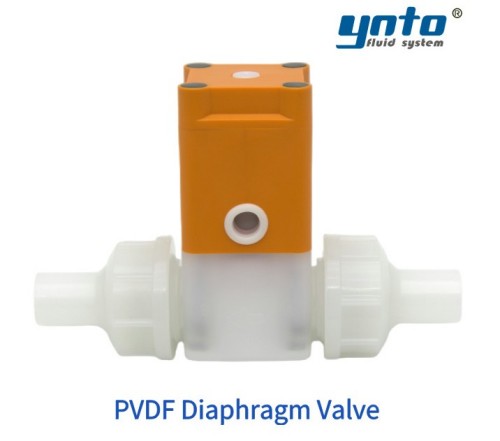
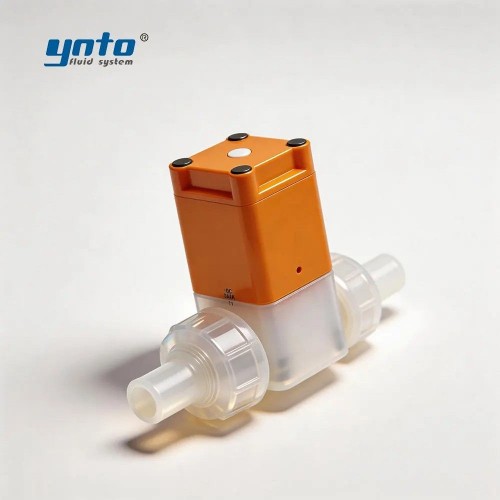
Directional, proportional, counterbalance, relief, and flow-control functions should therefore be selected from a hydraulic circuit analysis, not by port size alone. Cleanliness targets, fluid compatibility, maximum transient pressure, fail-safe behavior, and diagnostic access belong in the purchase data. YNTO process valves should not be represented as replacements for purpose-designed hydraulic cartridge or spool valves. On a separate corrosive reagent or water-treatment branch, however, a PVDF diaphragm valve for corrosive fluid service may be evaluated where its pressure, temperature, chemical compatibility, diaphragm material, and connection design match the duty.
Industrial Valves
Industrial valves handle the plant’s process streams. Pinch and knife-gate valves are common candidates for abrasive slurry isolation because their flow paths can tolerate solids and their wear parts can be replaced. Ball valves provide compact quarter-turn isolation and, with appropriate V-port trim, regulation. Butterfly valves suit many larger utility and metallurgical lines. Diaphragm valves separate the operating mechanism from corrosive fluid, while check valves protect pumps from reverse flow. No one design is best across all mining operations.
The cause-and-effect pattern is usually visible. High-velocity particles strike a partially open trim, local material loss changes the flow jet, and the new jet concentrates wear on an even smaller area. Control accuracy deteriorates before external leakage appears. For that reason, a valve expected to throttle should have a defined operating range and wear-resistant trim; a shutoff valve should not be parked at a damaging intermediate position simply because it is already installed.
Pressure Control Valves
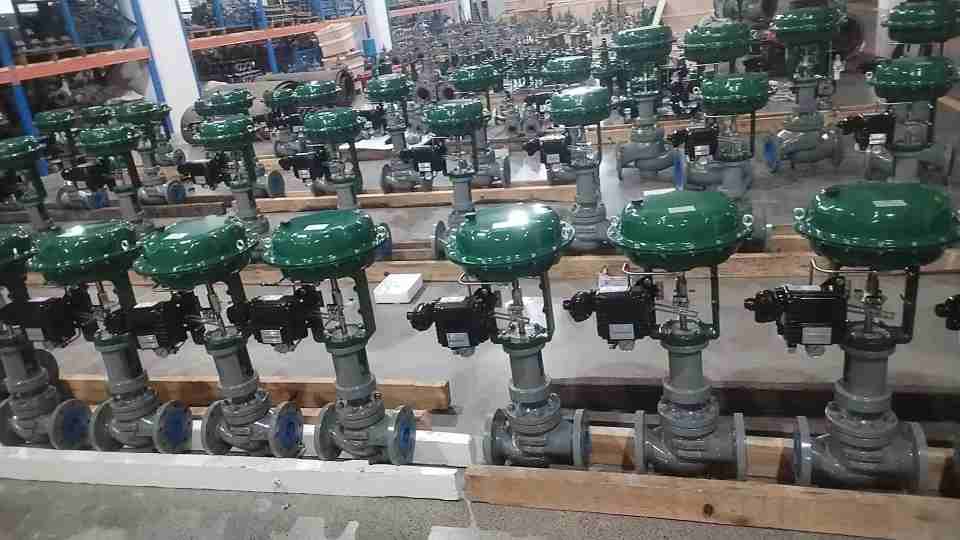
Pressure control valves protect equipment and stabilize the process, but their functions must not be blurred. A regulator or modulating valve maintains a process condition. A pressure-relief valve protects against overpressure and requires code-based sizing, controlled set pressure, certified capacity where applicable, and safe discharge. An ordinary control valve is not a safety relief device.
At low flow, an oversized valve operates close to its seat. Rapidly changing forces make position hunt, and vibration wears the guiding and sealing surfaces. Cavitation in water or flashing in hot liquor accelerates the damage. Engineers review Cv, rangeability, pressure, vapor pressure, noise, velocity, and minimum controllable flow before choosing trim.
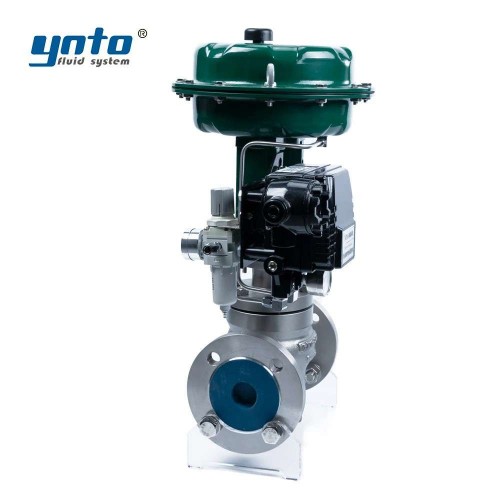
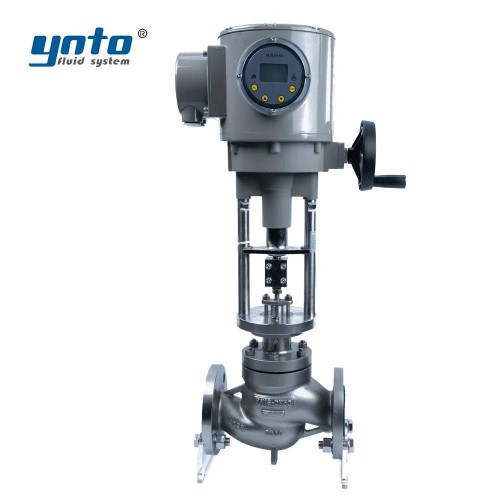
A pneumatic sleeve control valve for pressure and flow regulation can be considered for compatible clean liquids or gases where guided trim fits the process. Do not assume thick-slurry suitability. Before confirming a configuration, the supplier needs fluid state, solids data, differential pressure, fail position, air supply, signal, leakage class, and flow characteristic.
Selecting the Right Valves for Your Project
Factors to Consider
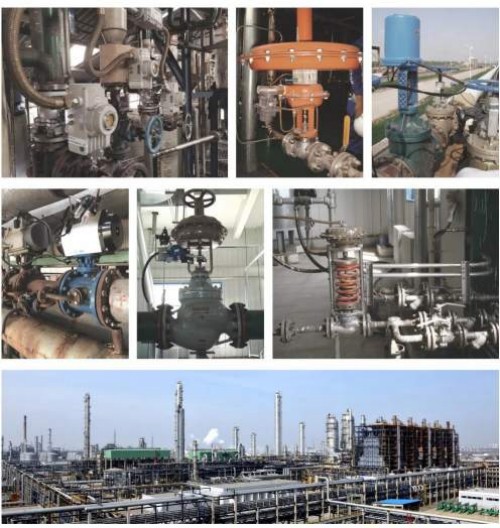
Start with a duty sheet that separates normal operation from startup, flushing, shutdown, blocked discharge, reverse pressure, and utility failure. Record the flow range, upstream and downstream pressure, design temperature, chemistry, solids distribution, specific gravity, and cycles per hour. Then define the function: isolate, throttle, divert, prevent reversal, or relieve pressure. That distinction eliminates many selection errors.
Material selection comes next, but a grade name is not enough. Confirm product form, heat treatment, hardness, welding, corrosion allowance, and traceability. 316L may resist a reagent yet wear rapidly in coarse slurry. Duplex needs correct heat treatment to retain its corrosion resistance. Hardened alloy, ceramic, tungsten carbide, urethane, or replaceable sleeves can improve abrasion life if brittleness, temperature, and chemistry remain acceptable. Halar or FBE coatings also need specified thickness, holiday testing, and repair procedures.
Safety belongs in the valve package. Pressure-containing parts need the correct rating at design temperature; hazardous leakage may require live-loaded packing, remote actuation, guards, or controlled drainage. Before maintenance, plant procedures should isolate energy, lock out the actuator, depressurize cavities, flush hazardous media, and verify zero pressure. A closed signal does not prove that the line is depressurized.
Standards turn expectations into testable requirements. ANSI/ASME B16.34 can govern ratings, materials, examination, testing, and marking for applicable metal valves. API 598 and ISO 5208 provide inspection and pressure-test frameworks, yet the order must identify test medium, duration, direction, and allowable leakage. DIN EN 558 defines face-to-face series for relevant flanged metal valves. ISO 5211 standardizes part-turn actuator interfaces; it does not prove adequate torque.
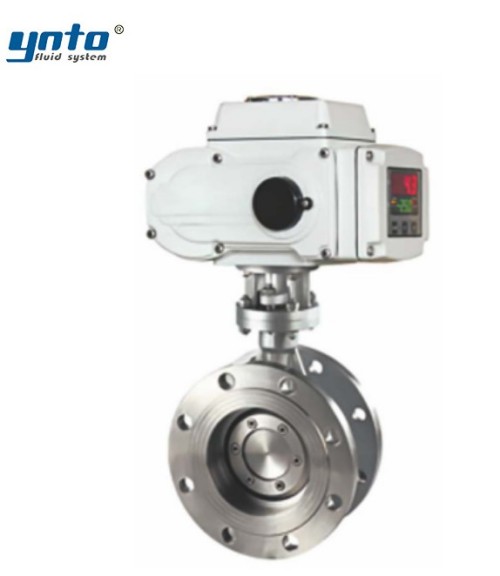
For hot air, steam, water, coal dust, or a compatible metallurgical utility, an electric triple-eccentric hard-seal butterfly valve may be evaluated as a compact automated option. Confirm media, temperature, pressure class, cycles, shutoff direction, actuator margin, and seat-test acceptance; a published temperature ceiling does not establish slurry suitability.
Common Mistakes to Avoid
The first mistake is sizing by pipe diameter. An oversized control valve lives near closed, where velocity and instability are greatest; an undersized isolation valve wastes pumping energy and accelerates wear. The second is treating pressure class as complete suitability. Class or PN is a rating framework, not resistance to pitting, acid, cavitation, or abrasion.
Another mistake is writing “zero leakage,” “bidirectional,” or “mining duty” without an acceptance method. State pressure side, differential, test fluid, duration, and leakage criterion. Verify dimensions, flange drilling, bore, actuator enclosure, electrical classification, coating, spares, and documents. A valve can pass its shell test and still be wrong for the process.
Do not treat valve maintenance services as an afterthought. Remote mines need sensible spares, replaceable wear parts, lifting provisions, safe access, and technicians who can read torque and leakage trends. Maintenance-light is realistic. Maintenance-free is not. Higher purchase cost can be justified when it reduces outage time and repair exposure.
Innovations in Valve Technologies
Advances in Valve Manufacturing
Modern valve manufacturing improves reliability through controlled casting, forging, machining, welding, heat treatment, coatings, and traceability. Coordinate measurement reveals seat or stem misalignment before assembly, while positive material identification limits alloy mix-ups. Recorded torque signatures and pressure tests give site teams a baseline.
Severe-service design increasingly places expensive materials where damage occurs. Replaceable hardened trim, ceramic inserts, sleeves, and hardfacing can extend life without making the whole body exotic. Additive manufacturing may enable complex anti-cavitation passages, but new geometry still needs qualification, repeatable production, examination, and pressure testing. Innovation does not remove the burden of evidence.
Operating feedback matters. One-sided seat erosion may reveal a nearby elbow, poor alignment, or prolonged operation at a damaging opening. Metallography can separate corrosion, impact wear, and heat-treatment problems. That evidence is better than fitting a harder part and waiting for the pattern to repeat.
The Role of Valve Automation
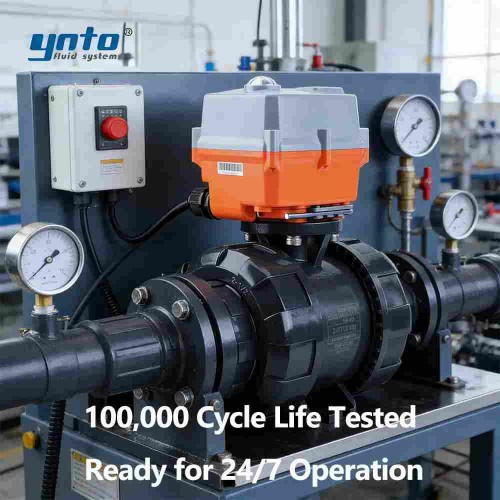
Valve automation moves operators away from hazards and makes response repeatable. Electric and pneumatic actuators can provide feedback, controlled stroke time, load monitoring, and defined fail behavior. On a slurry pipeline, motor-current trends may expose packing friction or deposits before the valve stalls. Rising torque is a maintenance signal, not a reason to keep raising the limit.
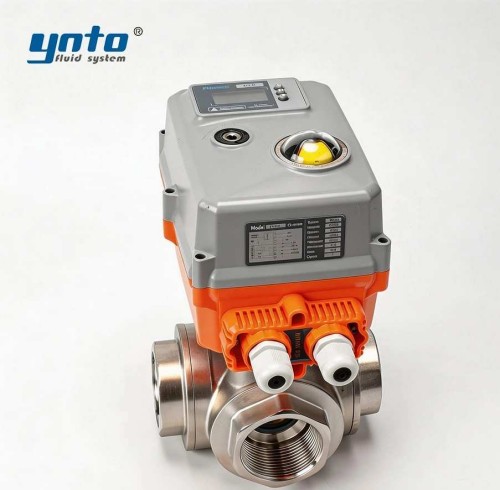
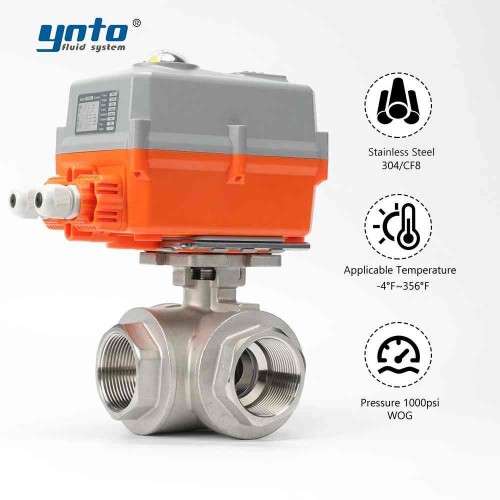
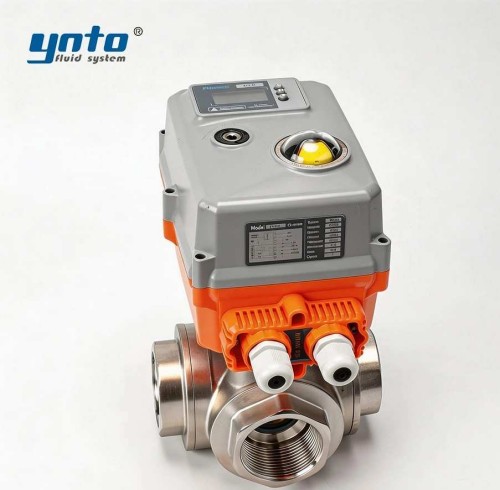
For a smaller compatible utility or reagent diversion line, an RS485-capable electric three-way ball valve can support remote routing after pressure, temperature, materials, port arrangement, and area requirements are checked. Abrasive main lines need a different package. A communication protocol does not make a mechanical valve suitable for solids.
Good valve automation anticipates failure. The control narrative should cover power, air, or signal loss, blocked movement, and disagreeing switches. Closing speed needs surge review: fast closure can create a pressure wave, overload the seat and supports, and cause leakage. Local override, interlocks, emergency-stop behavior, cybersecurity, and proof testing belong in design review.
Conclusion
Summary of Key Insights
Metallurgical and mining valve solutions work when the valve type, materials, trim, actuator, and tests match the process mechanism. Slurry isolation needs a different design philosophy from hydraulic oil control, corrosive reagent handling, hot metallurgical utilities, or pressure regulation. Field clues—pressure fluctuation, vibration, torque growth, sticking, and minor leakage—should be treated as early engineering data.
For a useful quotation, send the supplier the medium and chemistry, solids size and percentage, flow range, pressures, temperature, pipe and connection data, operating frequency, required function, fail position, leakage criterion, standards, and documentation package. That information lets YNTO assess an electric valve, pneumatic valve, ball valve, butterfly valve, diaphragm valve, control valve, or actuator without relying on a broad “mining valve” label.
Future Directions in Valve Solutions
The next gains will combine wear-aware design with useful diagnostics. Position, pressure, vibration, and actuator-load data can support condition-based maintenance, while digital records improve traceability from valve manufacturing to repair. Good systems flag a changing pattern early and leave the final decision with an engineer who understands the process.
Materials and coatings will improve, yet selection discipline remains decisive. A sensor cannot correct incompatible elastomer, an actuator cannot repair eroded trim, and automation cannot make an isolation valve a precision regulator. Projects that define the duty, demand scope-appropriate testing, and plan safe maintenance will achieve longer service intervals and more dependable mining operations.
- 2026-09-14 15:59:43

- 2026-09-11 16:48:37
- 2026-09-09 09:50:27