

Nitrogen Blanketing Valve Replacement: Setpoints and Cost
- 2026-10-26 15:05:21
- admin
- NO COMMENTS
The transfer pump starts pulling solvent from a storage tank, and the pressure trace begins to wander. At the nitrogen skid, the regulator hisses between strokes. Then the tank vent puffs even though the tank is being emptied. The blanketing valve and vent may be competing, or the sensing line may be reporting the wrong headspace pressure.
The symptoms are small until they are not. A worn seat can admit nitrogen continuously, making the vent handle a flow it should rarely see. A restricted impulse line can delay the valve during pump-out; headspace pressure then falls, air enters through a vacuum device, and the intended inert atmosphere is diluted. Replacing a nitrogen blanketing valve is therefore a tank-system decision, with three figures to check together: the pressure band, the tank's pressure and vacuum limits, and the actual nitrogen bill.
Replacing a Nitrogen Blanketing Valve: Setpoints, Tank Protection, and Nitrogen Cost
Overview of Nitrogen Blanketing in Chemical Storage Solutions
What Is Nitrogen Blanketing?
Blanketing holds a controlled nitrogen atmosphere above a stored liquid. As liquid leaves, the growing vapor space needs make-up gas. When liquid enters or the headspace warms, gas must leave through a properly designed route. A self-acting blanketing regulator senses tank pressure and admits nitrogen when it falls below its opening range. It then shuts as pressure recovers. The objective is a stable operating envelope, not continuous flow.
The regulator works alongside supply isolation, upstream pressure regulation, instrumentation, and pressure/vacuum venting. Nitrogen purging equipment serves a different duty: preparing the vessel before operation. A valve sized for a slow purge may be wrong for peak liquid withdrawal.
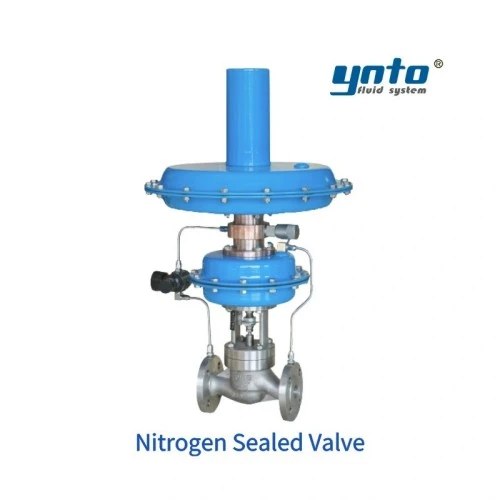
YNTO's nitrogen sealed valve for tank blanketing uses a sensing connection, pilot, spring, actuator, and main valve to respond to tank pressure. When comparing a replacement, ask for the exact model's adjustable setpoint range, inlet-pressure range, rated flow at the available pressure drop, shutoff leakage, and sensing-line arrangement. The catalog description alone cannot establish a tank's protection capacity or the performance of a particular assembled unit.
Importance in Chemical Storage Solutions
For an oxygen-sensitive product, an inert headspace can limit oxidation and moisture uptake. For a flammable vapor, inerting may contribute to explosion prevention only when an engineering assessment defines the required oxygen concentration and verifies it under credible operating and failure conditions. Positive pressure alone does not prove the atmosphere remains below the limiting oxygen concentration.
Chemical storage solutions must also account for the route taken by displaced vapor. A tank connected to vapor recovery, a scrubber, or permitted venting needs those systems sized and maintained. Continuous nitrogen leakage can drive additional vapor through them. The cost appears in gas consumption, emissions handling, and extra wear on pressure relief valves—not simply in the regulator purchase order.
Factors Influencing Valve Replacement
Cost-Effectiveness of Replacement vs. Repair
Trend tank pressure against pump rate, supply pressure, and nitrogen flow over several cycles. If a static tank still consumes nitrogen, check seat leakage, bypasses, instrument leaks, and a vent held slightly open. If pressure falls during rapid withdrawal, compare required make-up capacity with the valve's flow data and loaded inlet pressure.
A diaphragm and seat kit may restore a sound valve. Replacement makes more sense if trim is corroded, the adjustment range misses the operating band, spares are unavailable, or testing finds unstable response. Measure face-to-face length, flange drilling, flow direction, sensing connections, and maintenance clearance before calling it a direct fit.
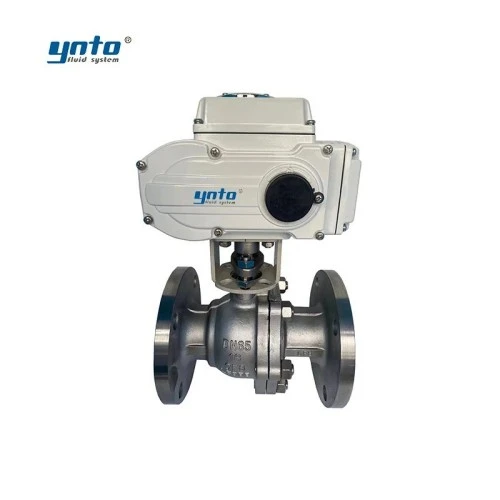
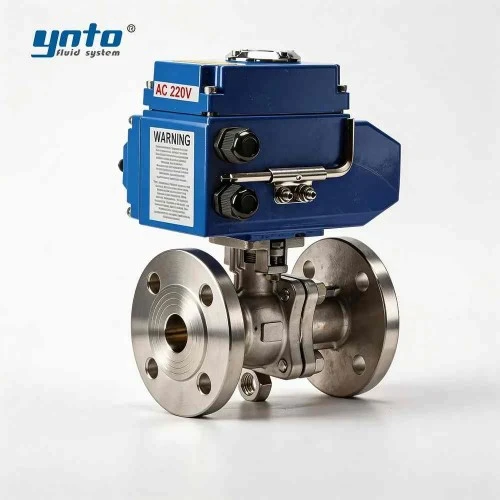
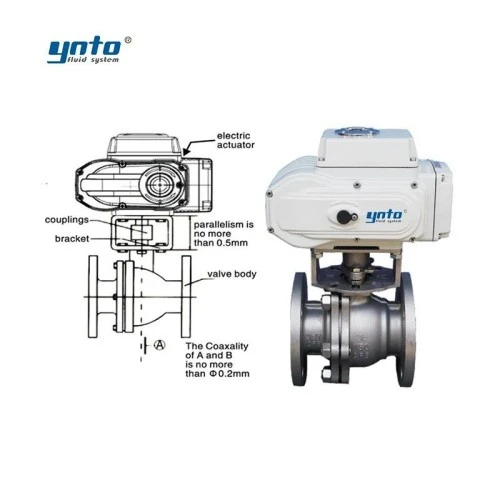
In many field operations, a leaking isolation valve turns an otherwise straightforward repair into a prolonged outage. An appropriately specified ANSI/ASME flanged ball valve may provide upstream manual isolation on the nitrogen header. Verify its gas suitability, seat leakage, pressure class, connection standard, and lockout arrangement. It does not regulate tank pressure, and a closed handle alone is not sufficient proof of zero energy during maintenance.
Calculate total ownership cost from the replacement assembly, adapters, instrumentation changes, labor, shutdown time, commissioning, spares, and metered nitrogen. For perspective, compare gas usage during steady storage with periods of active transfer. Legitimate withdrawal and thermal inbreathing consume nitrogen; a persistent flow with neither event points toward leakage, a poorly spaced setpoint, or an unnecessary purge.
Compliance with Environmental Regulations
Environmental compliance depends on the chemical, tank design, site permit, and jurisdiction. The blanketing system may reduce air ingress while simultaneously increasing vapor recovery load if it continuously bleeds nitrogen. Record where vented gas goes and whether a pressure/vacuum vent discharges to atmosphere, a recovery header, or treatment. Do not assume an inert gas blanket eliminates volatile-organic-compound controls.
Process safety management calls for a change review when the replacement alters setpoints, vent loading, maximum nitrogen supply pressure, piping, or instrument logic. Preserve the as-built pressure diagram, tank design limits, relief calculations, test records, and operator instructions. Nitrogen can displace oxygen around a confined tank farm or inside a vessel. Sampling, entry permits, isolation, and atmospheric monitoring are therefore as important as preventing chemical vapor release.
Setpoints for Optimal Tank Protection
Calculating Optimal Pressure Setpoints
Begin with documented allowable positive pressure and vacuum, not a nearby tank's setpoints. Establish the operating range from withdrawal and fill rates, thermal breathing, nitrogen supply variation, and pipe losses. Use consistent gauge units; a header gauge is not a headspace gauge.
The make-up regulator should begin supplying before routine withdrawal drives the tank toward its allowable vacuum. Its closed or lock-up pressure must remain below the normal pressure vent's opening region with allowance for tolerance and overshoot. The pressure vent must have enough capacity for credible normal outbreathing, while emergency relief and vacuum protection address their separately defined scenarios. There is no safe universal spacing in millibar: tank strength, instrument accuracy, vapor recovery backpressure, and transient response determine it.
Estimate peak inbreathing from liquid withdrawal and thermal effects, then check manufacturer capacity at the minimum credible inlet pressure and available tank differential. Include line losses. At high supply pressure and low demand, check whether it closes without lock-up creep. A valve that flows well at nominal pressure can starve a tank on a cold, fast drawdown.
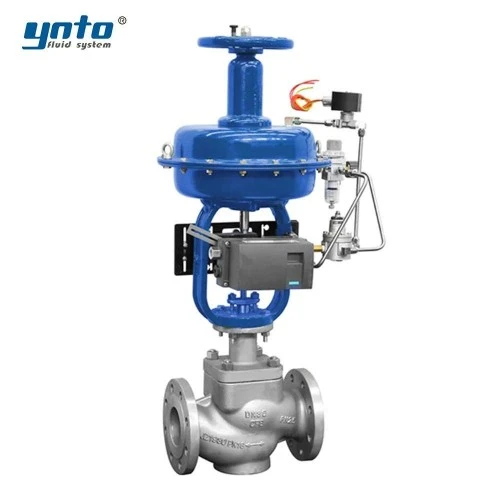
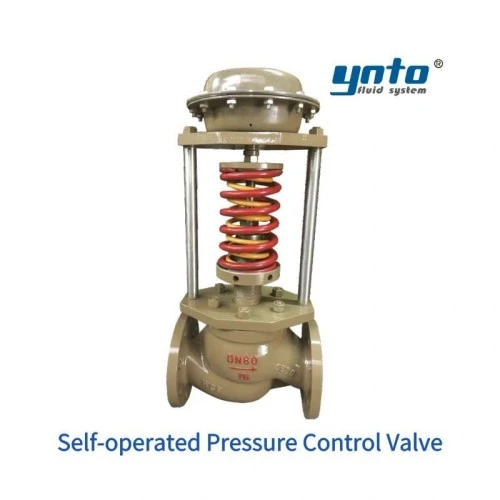
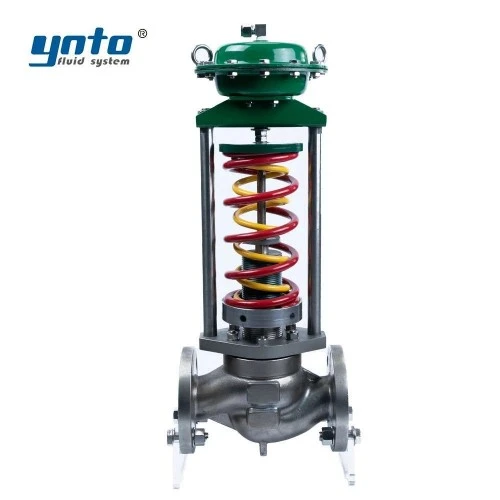
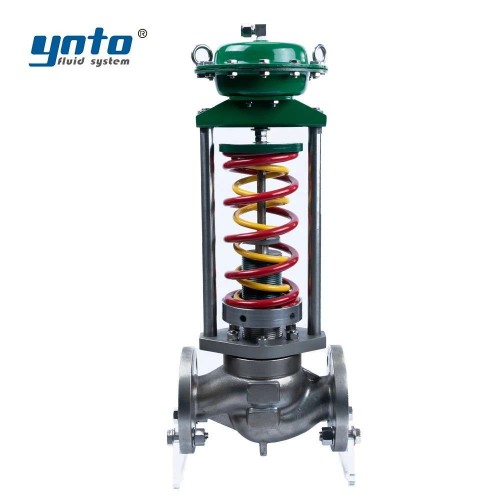
YNTO also lists a self-operated pressure control valve for general gas-pressure regulation. It may be considered for an upstream nitrogen-conditioning duty after engineering review, but its published pressure-adjustment range begins at a level that may be far above a low-pressure tank's blanketing band. Specify a dedicated low-pressure, tank-sensing blanketing valve at the vessel if that is what the duty requires. A pressure-rated body on the supply side does not raise the tank's allowable pressure.
Effects of Improper Setpoints on Safety
When the blanketing valve closes too near the vent's opening pressure, each minor pressure rise sends purchased nitrogen into the vent or vapor-control equipment. The vent recloses, pressure falls, and the regulator opens again. This short cycle can wear seating surfaces, obscure a genuine fault, and make monthly nitrogen cost rise without any change in production. Pressure traces and a supply-flow trend usually reveal the pattern.
Set the regulator too low, or let condensate plug its sensing tube, and the opposite chain begins. During pump-out, tank pressure falls faster than nitrogen can enter; the vacuum vent opens or the shell sees excessive differential pressure; air may enter the vapor space. Where inerting is a safety function, investigate that ingress even if the tank is undamaged.
Choosing the Right Valve for Replacement
Features to Consider in Pressure Relief Valves
A blanketing regulator admits gas; pressure relief valves and vacuum vents protect against defined pressure excursions. They are not interchangeable. For atmospheric and low-pressure storage tanks within its scope, API 2000 addresses normal and emergency venting; ISO 28300 covers related tank-venting requirements for petroleum and petrochemical applications. A chemical tank outside those scopes still needs the applicable code, tank design basis, and engineering assessment. Never credit a blanketing regulator as the sole emergency relief path.
Check a proposed vent's performance at calculated relieving flow and vapor-header backpressure. Review opening characteristics, leakage, materials, access, and blockage or freezing risks. A relief function advertised with a control package needs documented capacity and an independence review before it can be credited as protection.
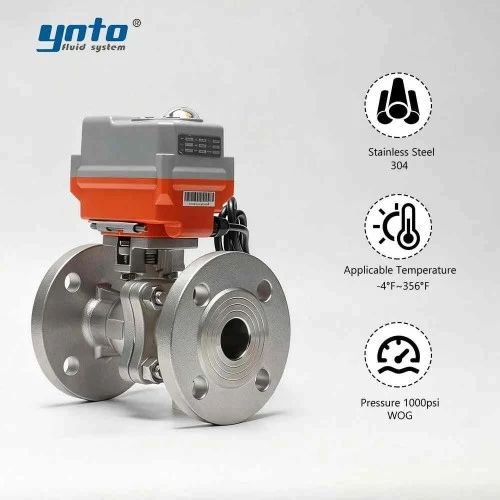
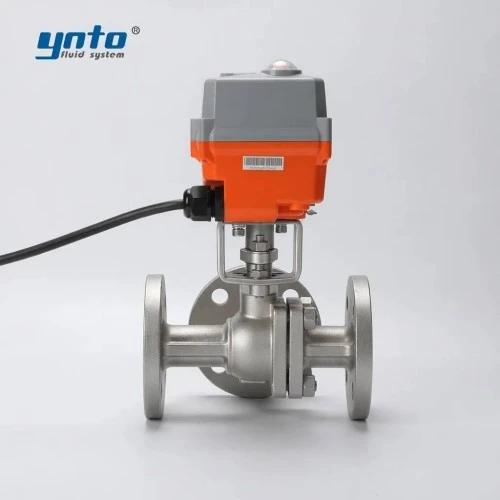
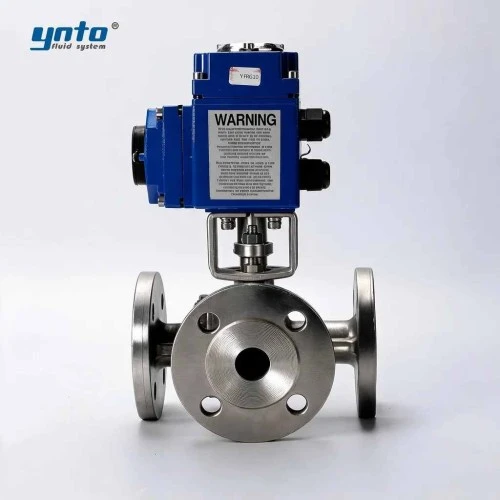
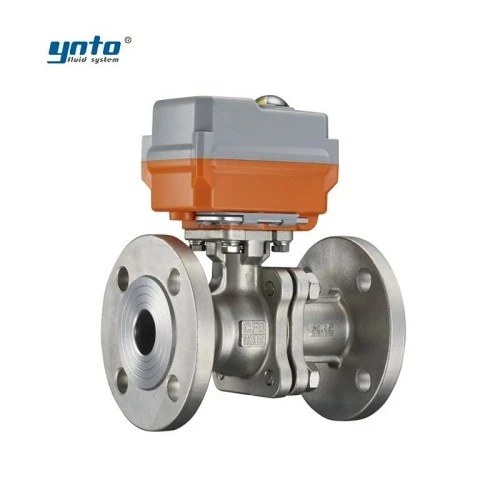
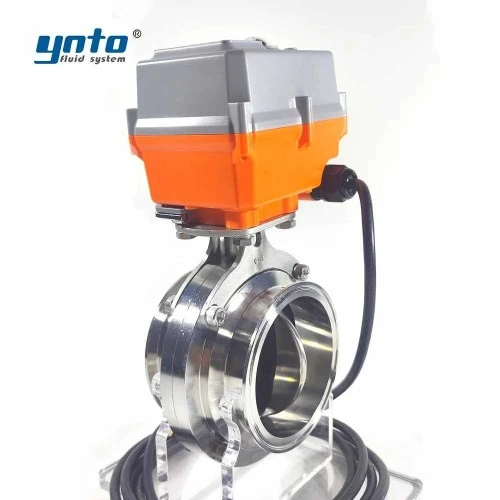
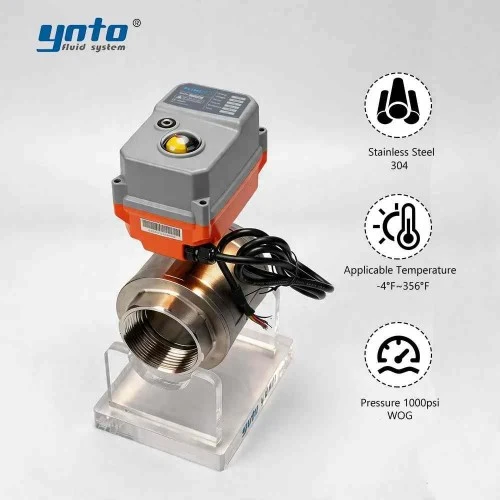
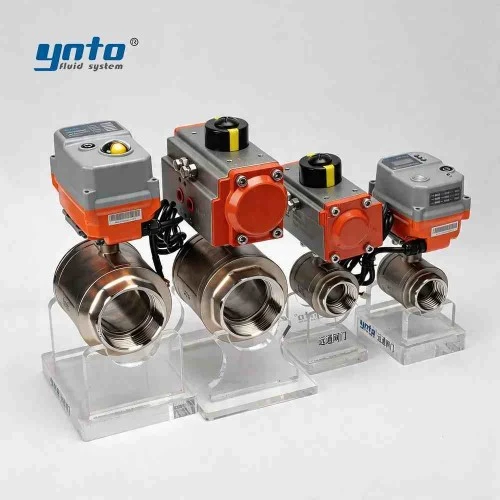
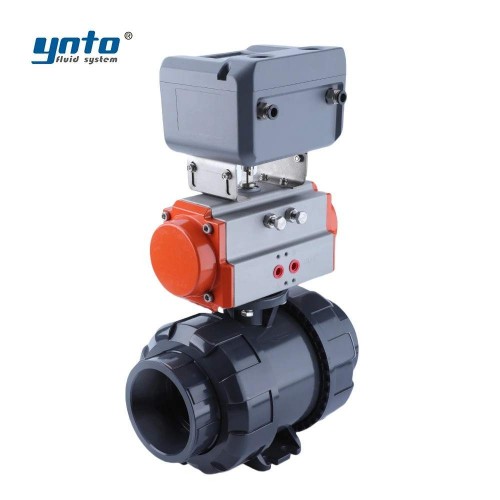
If remote isolation is part of the project, a two-piece stainless steel electric ball valve can be evaluated on the nitrogen supply branch. Define its fail position, power-loss behavior, gas-seat leakage, actuator rating, and hazardous-area suitability for the actual ordered configuration. An electrically operated ball valve is a shutoff element; it cannot substitute for continuous low-pressure regulation or tank pressure/vacuum protection.
Evaluating Compatibility with Chemical Processing Equipment
Examine the gas side and the tank-vapor side separately. Dry nitrogen may appear benign, yet the sensing line or diaphragm can see solvent vapor and corrosive condensate. A 316L wetted surface can be useful for many services, while chloride-rich or more aggressive environments may call for Duplex, Super Duplex, or another verified alloy. Carbon or alloy steel can be economical on an appropriate dry, noncorrosive header, with external FBE protection where the environment warrants it. A coating does not fix an incompatible wetted trim.
For seals, PTFE can suit many chemical vapors, but temperature, compression behavior, and permeation still need checking. EPDM often fits water-related service but may be wrong for hydrocarbon vapor; FKM may suit selected solvents and oils but has its own chemical and low-temperature limits. Request a materials list for the pilot, main seat, diaphragm, packing, and impulse tubing, then check compatibility at the highest credible temperature and concentration. High inlet pressure and a low-pressure tank make an incorrect pressure boundary especially consequential.
Name connection standards in the purchase specification. ANSI/ASME B16.34 covers ratings and tests of applicable metallic valves; ASME B16.5 governs relevant steel flanges, and DIN EN 1092-1 specifies PN-designated steel flanges. Matching diameter does not ensure compatible drilling, facing, gasket, and class. API 598 inspection of an isolation valve cannot replace blanketing and vent performance tests.
Installation and Testing Procedures
Steps for Safe Installation
Before breaking a connection, stop transfers, plan temporary tank protection, lock out the nitrogen supply, and depressurize trapped gas and vapor to a safe location. Follow permits for hazardous atmospheres and hot work; control oxygen-deficiency hazards before entering a nitrogen-exposed space.
Confirm flow arrow, pressure range, vent route, flange alignment, gasket, and impulse-line position. Avoid a sensing tap beside a turbulent inlet or a condensate pocket. Support the pipe rather than loading the pilot assembly or tank nozzle.
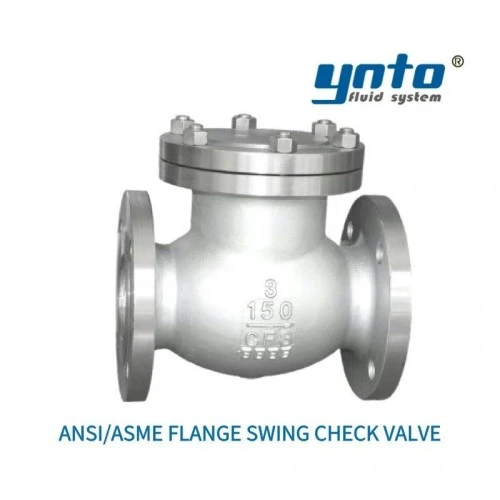
Backflow protection, if the nitrogen header design requires it, must be chosen for gas service and the available low differential pressure. YNTO's flanged swing check valve illustrates a reverse-flow device, but its opening behavior, orientation, leakage, and pressure drop must be checked before using it in this circuit. A swing check is not a substitute for positive isolation, a blanketing regulator, or a pressure/vacuum vent. Many low-flow gas duties call for a different check design.
Testing for Efficiency and Safety
Commission from the tank outward. Verify instrument calibration and a leak-tight sensing path; confirm the nitrogen supply remains within the regulator's inlet rating; then introduce gas gradually. Observe tank pressure, regulator opening and lock-up, meter flow, and vent status during a controlled pump-out and fill. Record the as-found and as-left setpoints in the same units, at the same sensing location. Test protective vents and alarms under approved procedures without exceeding vessel limits.
Use a measured baseline for nitrogen cost: metered standardized gas volume over a defined operating period, corrected for the amount of liquid withdrawn and plausible thermal breathing. A fall in consumption is useful only if tank pressure remains within the approved band and the required inert atmosphere is independently verified where relevant. Check seat leakage at no-flow conditions, inspect for vent cycling, and repeat after the first temperature swing. Keep the test record with the tank's process safety file.
A good replacement does more than fit the old flanges. It holds a defend-able pressure band while transfer rates change, leaves independent protection available, and makes nitrogen use explainable. Send YNTO the tank pressure and vacuum limits, fluid and vapor data, normal and peak withdrawal rates, nitrogen supply range, connections, material requirements, and required test evidence when requesting a quotation. Those details turn a catalog selection into a review-able design.
- 2026-10-26 15:05:21
- 2026-10-23 10:30:14
- 2026-10-21 10:41:51