

How Power Plant Special Valves Enhance Safety and Reliability
- 2026-04-08 10:33:38
- admin
- NO COMMENTS
Introduction to Power Plant Valve Applications
On a brisk morning shift in a coal-fired power station, technicians witness the giant boiler drums ramping up pressure steadily. In those critical moments, valves guard the process: the main steam stop valve throttles flow to the turbine, and safety valves on the steam drum stand ready. Engineers often notice the tiniest irregularity in this environment. For instance, during startup they might hear a brief chatter from a pressure-relief valve before it fully cracks open, or they might feel unexpected kickback in the wiring if a solenoid doesn’t actuate smoothly. These are not isolated incidents – they reflect real-world plant issues. Pressure differentials (ΔP) fluctuate when valves stick, creating noise and vibration. Even a valve that is only slightly slow to open can cause a momentary overpressure wave. Another common scene is an isolation valve showing increased torque on its actuator every few months, a sign of seal aging or galling surfaces. Such signs – delays around 50% travel, tinges of leakage from old packing – look small on the dashboard but hint at underlying problems. As one veteran operator put it, “During commissioning, engineers often observe that a valve hesitates briefly around 40–50% opening before completing its stroke.” This one sentence sums up the puzzle: slight sticking (cause) leads to small pressure surges (result) and thus unexpected process instability (impact).
Overview of Valve Types in Power Generation
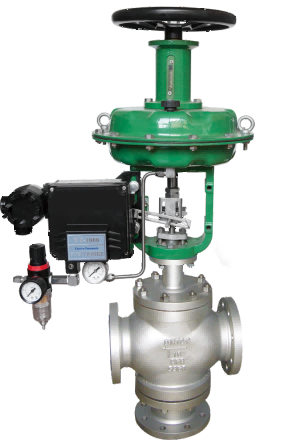
Power plants use a variety of valves, each with a distinct role in safety and control. Among these:
· Safety Relief Valves (SRVs): Spring-loaded valves that vent boiler or generator pressure if it exceeds safe limits.
· Pressure Regulating Valves: Control downstream pressure, e.g. maintaining stable feedwater or seal oil pressure.
· Control Valves: On/off or throttling valves, often with actuators, used to adjust flow rates of steam, water, and fuel.
· High-Pressure Valves: Designed for the highest pressure circuits (like superheater loops).
· Process Control Valves: Include specialized throttling valves in critical loops (humidity control, oil lubrication).
· Steam Service Valves: Including large globe or gate valves on steam pipes, often welded for leak safety.
· Engineered Specialty Valves: Such as vacuum breakers, metering valves, and ultra-high-precision actuators with positioners.
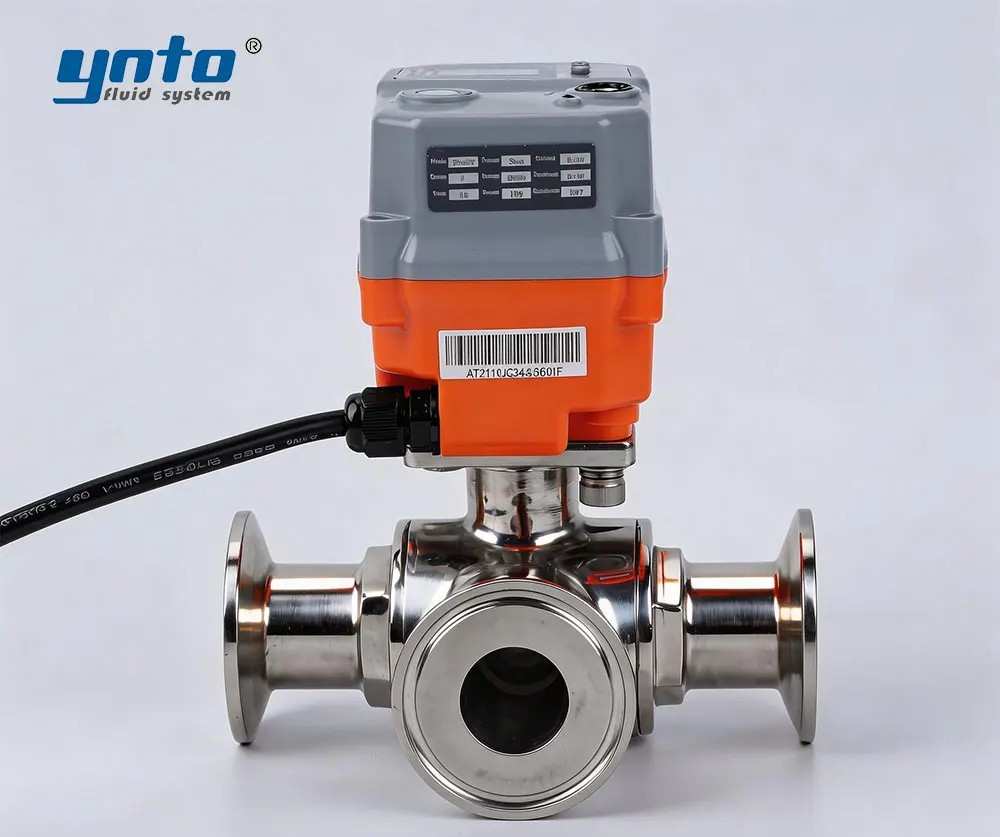
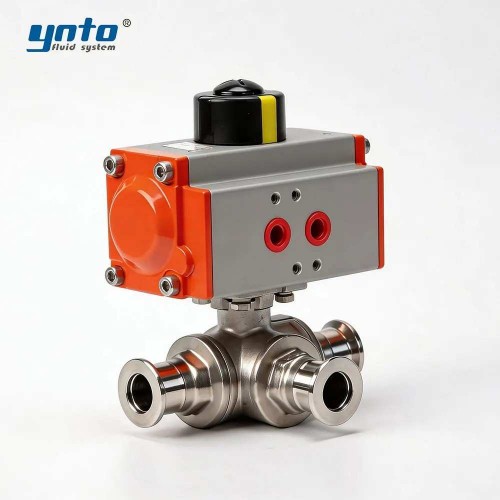
Familiar types include ball valves for quick shutoff, butterfly valves for large flows, and diaphragm valves for slurries. Each is selected for durability: for example, 316L stainless steel ball valves resist boiler water corrosion, while lined butterfly valves handle flue gas byproducts. When sourcing an electric ball valve for the emergency fuel line, or an electric butterfly valve on the main steam header, engineers check the specs carefully. Internal anchor text example: engineers frequently choose an electric ball valve for tight shutoff under steam conditions, or an electric butterfly valve for fast isolation of condensate return lines.
Safety Relief Valves
Safety relief valves are the ultimate guardrails. In boilers, SRVs lift open if steam pressure exceeds design limits (often ≥120% of operating pressure) to prevent explosions. The telltale hiss and rush of steam from a lifting SRV means the system is protected. If these valves fail to open fully because of corrosion or build-up (think high-temperature scaling or salt deposits), pressure can climb dangerously. Engineers describe a chain: “High pressure → valve seat carbon-fouling → partial lift → ringing oscillations”, culminating in wear to the valve internals (Causal Chain 1). Modern solutions use pilot-operated relief valves with corrosion-resistant trims to mitigate this.
Pressure Regulating Valves
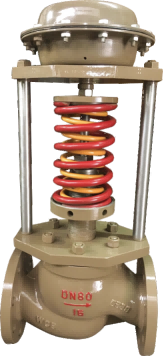
Pressure regulating or reducing valves keep pressures in check. For example, superheated steam often needs pressure reduction before feeding auxiliary equipment. A regulator that vibrates can cause pressure spikes. Consider a boiler feed pump ramp-up: if the regulator’s diaphragm is weakened, it might flutter (low-voltage state → diaphragm flutter → pressure oscillation). Maintenance includes checking these valves’ springs and diaphragms for fatigue. Today’s designs often incorporate flanged controllers and sturdier diaphragms to prevent those oscillations.
The Significance of Safety in Power Plants
Risks Associated with Valve Failures
The stakes are high: a failed valve in a power plant can compromise safety and uptime. A stuck valve (say, a steam stop valve not fully seating) can let steam flow unintended, over-speeding turbines or blowing seals. Slow-acting valves can delay emergency shutdown, risking boiler tube failure or fire. Engineers remember that even a micro-leak under supercritical steam conditions can erode pipes. One documented chain: high-cycle fatigue (cause) → seal crack (result) → steam leak into casing (impact). We mitigate these risks by using fail-safe actuators and rigorous diagnostics on every safety valve, and by installing redundancies (parallel valves).
Safety Relief Valves as a Mitigation Strategy
Relief valves recurred as the primary defense against overpressure. In power plants, by code (ASME Section I for boilers, ASME Section VIII for pressure vessels), each high-pressure vessel must have relief valves sized to handle potential worst-case pressure. For example, if a pump discharge check valve fails, the relief can dump flow safely. Modern relief valves often include remote solenoid triggers for testing. Importantly, these valves are tested (per ASME or API 520 standards) at intervals, ensuring that at 150% set pressure they open properly. This disciplined approach closes the loop on safety: even if system pressure jumps due to a fault, the relief valve will vent and keep equipment intact.
High-Pressure Control Valves: Addressing Extreme Conditions
Key Attributes
High-pressure control valves in plants (e.g. on feedwater heaters or turbine drains) must withstand brutal conditions. Their features include thick-walled bodies, hardened trimming, and tight sealing. Many use alloy steel or Duplex stainless steel bodies to resist corrosion and high temperature. These valves often meet stringent standards like ANSI 1500 or API 602, meaning they’re rated far above typical operating pressures. Their packing and seats are specially designed – for instance, a bellows seal or PTFE backup to eliminate fugitive emissions even at high ΔP. If an older valve with carbon steel internals were used, we’d see an immediate chain: high-temperature steam → thermal stress on carbon steel → premature cracking → dangerous leak (hence choose high-grade alloys).
Operational Applications
In operation, these valves handle flows like steam extraction or emergency bypass. For instance, a turbine bypass line uses a high-pressure control valve to modulate exhaust steam quickly. Because any lag can cause a pressure surge, these valves often have pneumatic actuators or quick-opening electric actuators sized for fast duty. Engineers have seen older butterfly valves replaced by high-performance ball valves in these service because the latter provide bubble-tight shutoff even if the pressure rating is exceeded briefly. The principle is to always use a valve proven for the worst scenario: if 2,000 psig can hit, a Class 2500 rated valve is safer. In practice, this means emergency procedure dictates fully opening multiple valves rather than straining one, distributing load and reducing any single point’s failure risk.
Process Control Valves for Enhanced Reliability
Design Features
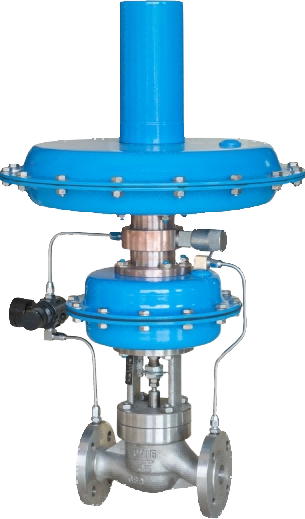
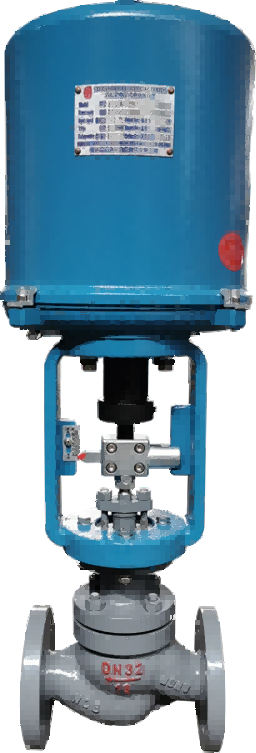
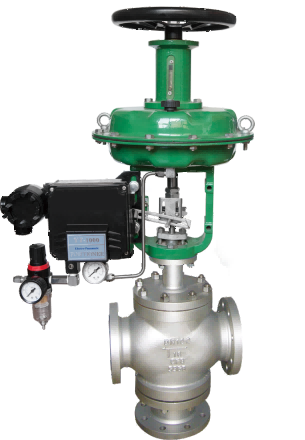
Process control valves – the throttling valves in control loops – must provide precise modulation. Their design typically includes positioners, actuators, and low-stiction trims. For example, a balanced globe valve or hydraulically-sealed control valve is often used in boiler feedwater control because it handles varying flow with minimal hysteresis. Many of these valves now use electric actuators and digital positioners like the YT1000 electro-pneumatic positioner, enabling smart control via 4–20mA signals or Modbus. The valves are often fitted with limit switches or feedback transmitters so the control system always knows the valve’s exact state. Choosing a high-quality control valve eliminates problems like uneven flow or chatter at low openings, since the actuator provides enough torque to overcome stiction and the trim geometry avoids cavitation in partial load conditions.
Benefits to Power Generation Efficiency
By improving flow control, these valves directly enhance plant efficiency. Precise fuel-to-air ratio control in burners, stable steam-to-feedwater ratio for turbine governors, and accurate water level control in drums all rely on good valves. When valves have sluggish response or leak slightly, we see effects like generator trips from steam imbalances or reduced boiler efficiency from carryover. For instance, replacing a worn gate valve on an oil line with a properly sized electric butterfly valve enabled much finer tuning of flow, cutting fuel waste. Likewise, a diaphragm valve installed on a condensate line prevented maintenance shut-offs that used to happen every few months, because its corrosion-resistant seat did not erode like the old ones. Overall, better valves mean tighter control of temperatures and pressures, translating to fewer forced outages and more power delivered per fuel input.
Integrating Steam Service Valves
Importance in Energy Production
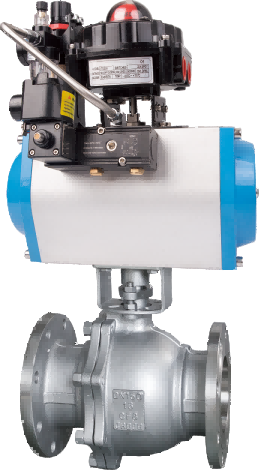
Steam service valves (stop valves, regulating stations, etc.) are crucial in routing and isolating steam flow. In a large generator output line, for example, dual shutoff valves must close in concert to stop turbine flow. If these valves fail (e.g., a crack in the valve body or a broken stem thread), the consequences can be severe – turbine overspeed or blade damage. Therefore, such valves often have redundant seals and temperature monitoring. Using stainless or high-nickel alloys (316L or Super Duplex) in these valves is common to resist the scalding steam and environmental corrosion. An engineer inspecting a steam line will check for minute leaks at the joints, because even a minor seal bleed (perhaps from old FKM packing) can indicate impending failure. In practice, our plants require major steam isolation valves to be metal-seated (not PTFE) so they can handle the heat and last for thousands of cycles.
Maintenance Best Practices
Maintenance of steam valves requires discipline. We schedule regular torque checks on electric actuators and yearly gasket replacements for critical gate valves. In dead headers, we often fit vacuum breakers or jockey valves to prevent vacuum collapse when shutting down – a protection required by safety codes (avoiding damage from tank implosion). Materials such as PTFE or EPDM in steam piping are avoided (they could deform under heat); instead, graphite packing and coil springs with silicone adjustment are used. Valve trim is inspected using endoscopic cameras when possible to spot erosion. We also strictly follow standards: API 598 (valve inspection and test) and API 607 (fire safety test) to ensure valves meet performance even after stress. In the field, these practices ensure that steam valves do not become a source of unplanned release or inefficiency.
Choosing the Right Industrial Valve Solutions
Factors to Consider
Selecting valves for power plants involves many factors. Pressure class and temperature ratings must meet or exceed system requirements (as per ANSI/ASME B16.34 for flanges and API 602 for cast valves). We ensure flow coefficients (Cv) align with expected process flows to avoid operating a valve near its extremes. Material compatibility is vital: handling high-pressure steam or corrosive boiler water often means stainless steel or duplex components, whereas air/gas lines may use carbon steel with protective coatings like Halar. For critical valves, certifications like ANSI/ASME, API 6A/6D or ISO 10434 (welding) give confidence in quality. We also factor in actuation method: pneumatic, electric, or hydraulic – each must fit the plant’s utilities. For example, in a plant without reliable instrument air, an electric actuator valve is preferred to avoid downtime due to air leaks.
Case Studies in Power Plants
Numerous plants have improved safety and reliability by updating valves. One hydro plant, plagued by aging needle valves controlling governor oil, replaced them with digital electro-mechanical regulators, eliminating oscillation in turbine speed. In a combined-cycle plant, a midstream upgrade involved installing self-operated regulators on all exchanger drains, solving chronic clogging issues and aligning with OSHA safety codes. Another example: a waste-to-energy plant added diaphragm valves on its ash handling system, successfully preventing flow blockage from slurry buildup. These cases show that tailored valve solutions – often with anchor products like electric actuators or high-performance control valves – directly translate into safer, more efficient operation.
Conclusion: Ensuring Safety through Valve Innovation
Throughout power generation, valves are the silent guardians of safety and reliability. From the boiler drum to the cooling towers, the right valve technology solves the problems of seizing stems and leaking seals. By breaking cause-effect chains early, we avoid failures: pressure spikes → robust regulator design prevents overshoot → system steadiness (Causal Chain 1), or corrosive steam → high-nickel valve material prevents pitting → long service life (Causal Chain 2). We have learned that mixing long-term experience with modern valve tech – electric control valves, actuators, and advanced positioners – makes the difference. Embedding smart feedback (e.g. limit switches, digital position transmitters, or an YT1000 electro-pneumatic positioner) into each valve brings predictive diagnostics into daily operation.
In closing, the synergy of high-quality valve selection, proper materials (316L, Duplex, PTFE, FKM, etc.), and adherence to standards (ANSI/ASME, API, ISO, DIN) creates resilient power plant systems. Engineers on site, armed with observational insights and cutting-edge solutions from industrial valve solutions, can ensure that valves enhance both safety and output. This comprehensive approach keeps turbines spinning, boilers pumping, and communities powered without interruption.
.png?imageMogr2/format/webp)
- 2026-09-30 08:25:23
- 2026-09-28 10:28:43
- 2026-09-21 15:23:44