

Enhancing Environmental Compliance with Low-Emission Valve Solutions
- 2026-05-25 13:56:58
- admin
- NO COMMENTS
In a modern refinery or chemical plant, engineers often walk past rows of process piping and notice the faint hiss of air or the slight odor of hydrocarbons around valves. These small signs – a pressure relief valve briefly venting during startup, or a manual valve’s packing gland dripping under pressure – hint at fugitive emissions. Pressure fluctuations and temperature cycling can wear seals and packing over time → packing fatigue and shrinkage → resulting in minute leaks (invisible release of hydrocarbons). On-site, this looks like a barely detectable vapor cloud or a spike in local VOC (volatile organic compound) readings. Over days and weeks, such micro-leaks can accumulate, causing non-compliance issues and lost product.
For example, an engineer in a gas processing plant might observe that a frequently cycled control valve starts to “stick” or require higher torque to operate. This is often a symptom of stem-packing wear or seal degradation – a classic cause-and-effect chain: cycling friction → packing wear → seal gaps → fugitive emission. In many field operations, valves are the largest source of unplanned emissions. According to industry sources, valves can account for 50–60% of a refinery’s fugitive methane emissions, and 80% of those leaks originate at the valve stem. Left unaddressed, these small leaks not only raise environmental compliance risks but also inflate operating costs and endanger worker safety.
From an engineer’s perspective, these issues are not just abstract regulatory problems – they are practical maintenance headaches. During commissioning, a common sign is that a newly installed valve begins “weeping” at the bonnet or packing gland when pressure is ramped up. Similarly, in high-cycle or corrosive service, a sealed valve may gradually lose its tight shutoff or require frequent repacking. A situation may unfold like this: aggressive chemical exposure → PTFE or graphite packing softened and torn → unexpected micro-leaks → costly shutdown for repacking. Alternatively, cycle-to-cycle thermal expansion → packing extrusion → sudden leak spike at stem. Each chain (cause → effect → impact) translates into unplanned downtime and compliance headaches.
Understanding Low-Emission Valves
What are Low-Emission Valves?
Low-emission (or “Low-E”) valves are specially engineered to minimize fugitive emissions – the unintended release of process gases from valve interfaces. Unlike conventional valves with standard packings, Low-E valves use advanced sealing systems such as live-loaded packing, metal bellows seals, or engineered gland designs. The goal is to meet rigorous standards (API 641, ISO 15848-1, etc.) for leak-tight performance after millions of cycles. For example, Swagelok’s Low-E certified general-purpose valves have passed API 624 and API 641 fugitive emissions tests with no leak above 100 ppm of methane. In practical terms, these designs typically reduce fugitive emissions by over 90% compared to standard valves. Schlumberger notes Low-E valve packing can achieve up to 96% reduction in emissions relative to conventional packing.
Such performance is critical given regulatory trends: the EPA reports that valves and fittings contribute the majority of volatile organic emissions in refineries. In 2016, one industry report noted that valve leaks account for about 60% of VOC emissions in a plant, and innovative Low-E valves with special sealing (like Bonney Forge’s Eco-Seal) can cut emissions by up to 95% compared to conventional packing. That’s an enormous improvement – the equivalent of turning off almost all leak “taps.” In a process control context, valve suppliers now quote low-emission certification as a mark of quality and compliance confidence. When engineers specify Low-E valves (e.g., valves certified to ISO 15848-1 or API 624/641), they’re choosing equipment that will help meet strict fugitive emission standards and prevent production losses.
Importance of Low Fugitive Emission Valves
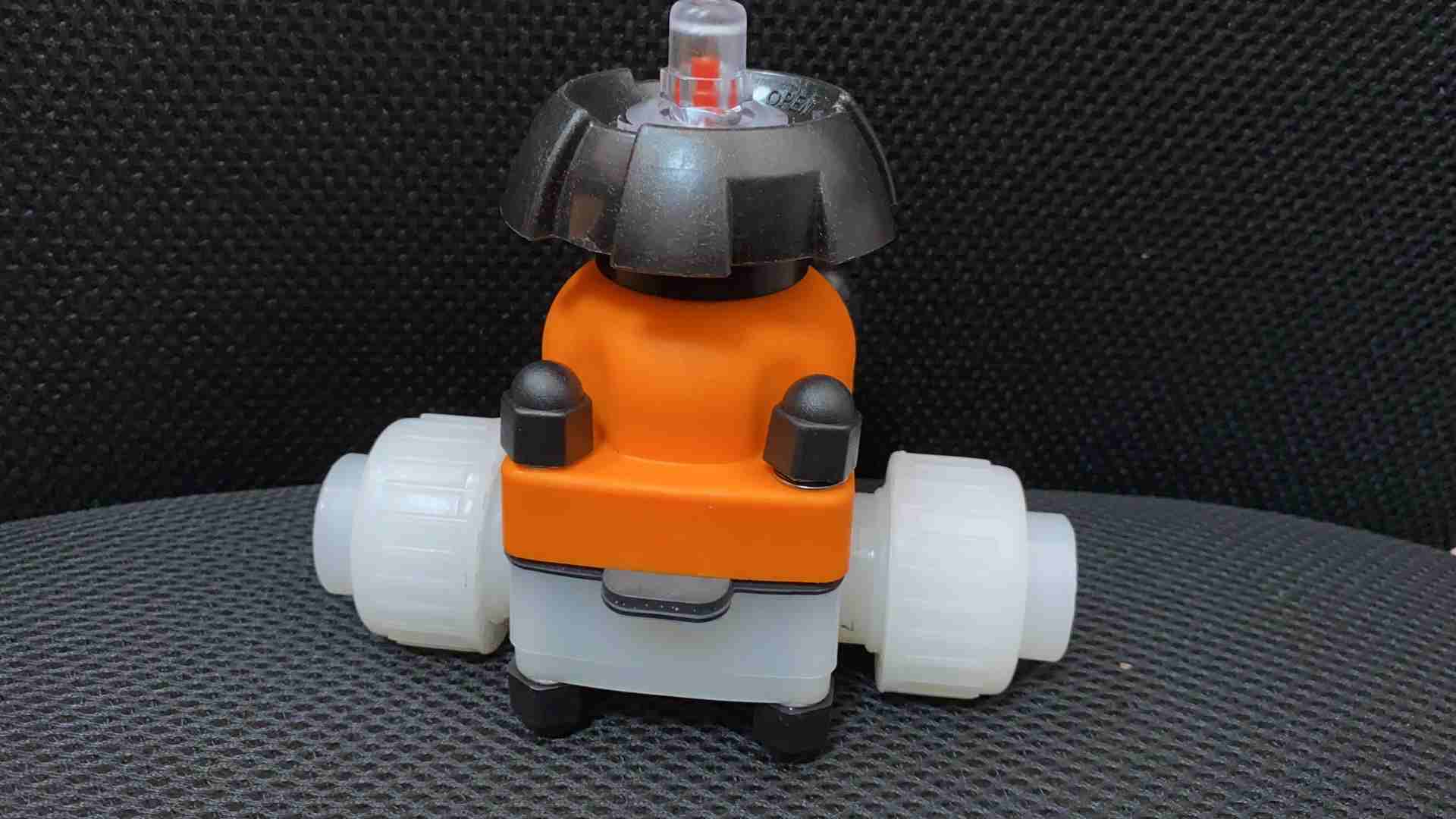
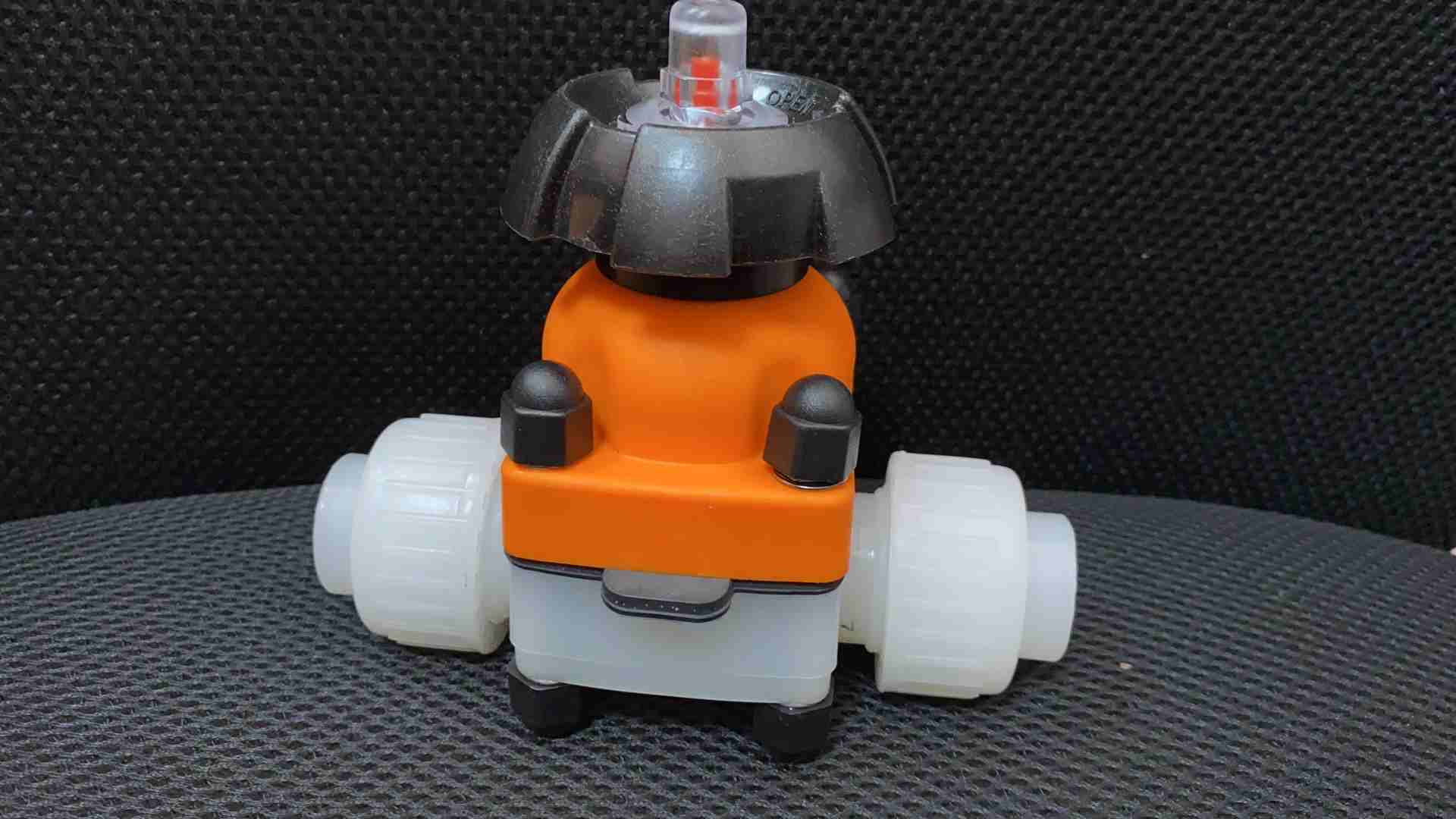
For plant managers and procurement teams, the key is trust in valve reliability. A valve that continuously leaks not only violates environmental rules but also slowly wastes product. For instance, a minor leak of a light hydrocarbon could add up to kilograms of lost gas per year – translating to big financial losses and potential regulatory fines. By contrast, Low-E valves like API- or ISO-certified models virtually eliminate these slow leaks. A diaphragm valve – which uses a flexible membrane instead of a stem seal – inherently provides a hermetic barrier against leaks. As one valve expert explains, diaphragm valves have “no conventional stem penetrating the valve body… so no packing is required… as long as the diaphragm remains intact, the chance of fugitive emissions or external fluid leakage is essentially zero”.
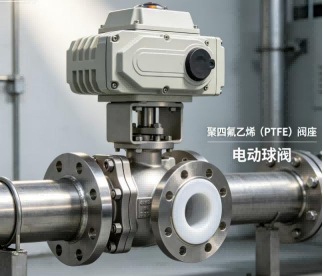
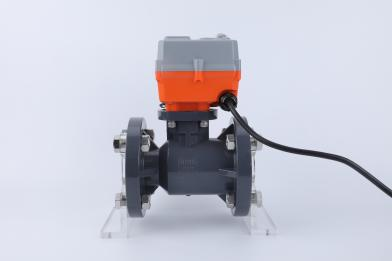
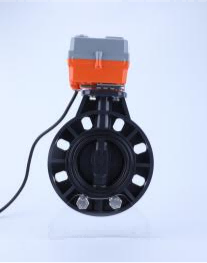
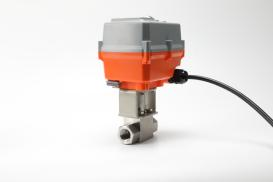
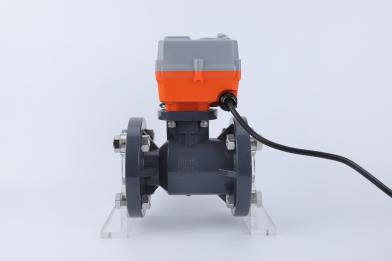
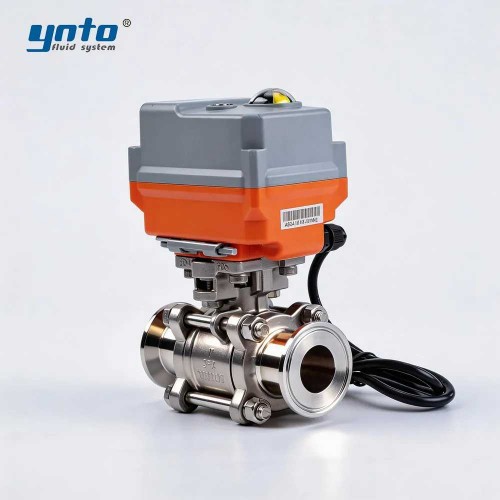
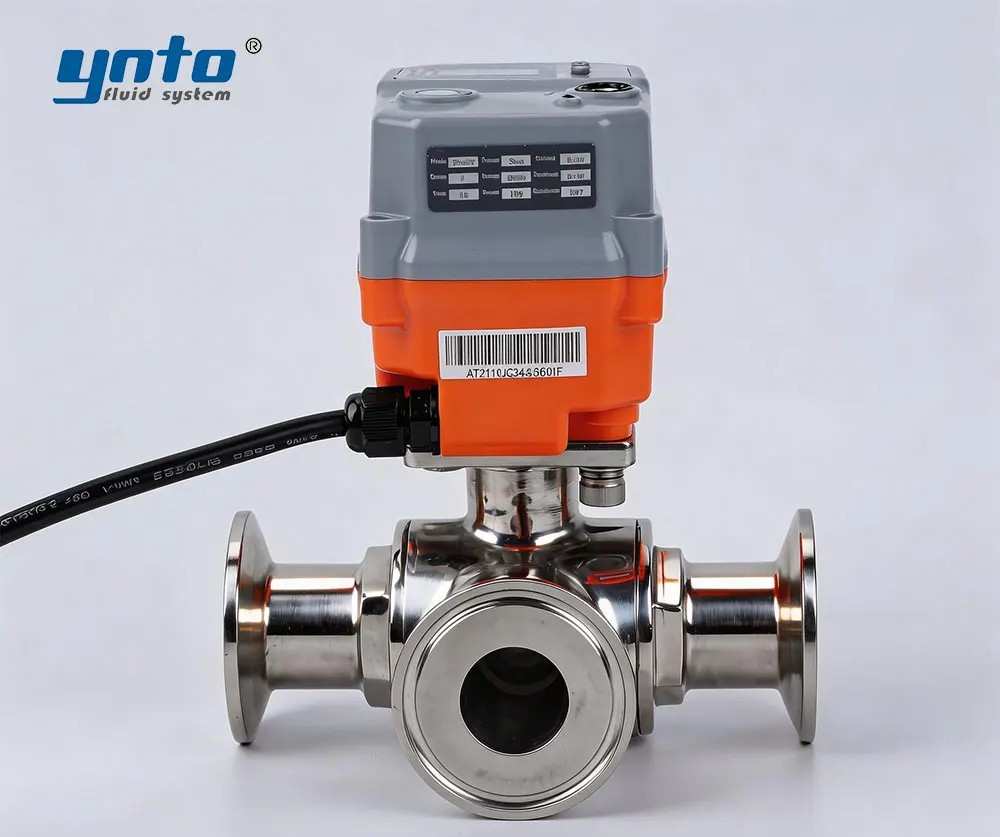
In practice, engineers often retrofit or specify Low-E designs in critical areas: for example, using diaphragm valves in chemical dosing or corrosive lines, or electric ball valves with enhanced packing for isolating hydrocarbon lines. Products on our site like the electric ball valve or electric butterfly valve combine automated actuation with tight shutoff. In cryogenic, LNG, and hydrogen service, Low-E valves engineered for high pressure and temperature can also meet new clean-air regulations. Schlumberger’s line of Low-E valves, for instance, is fully qualified for methane, hydrogen, CO₂, and other gases, so a plant upgrading to these valves can reduce greenhouse gas leaks across multiple system.
The Role of Emission Control Technology
Types of Emission Control Technologies
Emission control in valves relies on both hardware and monitoring. Hardware advances include:
· Bellows-Sealed Valves: Metal bellows isolate the stem completely, eliminating any packing gland leak path. The metal folds flex as the stem moves, maintaining a seal. This design is common in severe-service valves and directly addresses stem leakage at the source.
· Live-Loaded Packing: By preloading spring cartridges against the gland packing, the seal stays tight over thousands of cycles and varying conditions.
· Dual-Packing Systems: Some valves use a double-packed stem (with monitored between-packing purge) to capture and quantify minor leaks.
· Diaphragm and Exotic Stem Designs: As mentioned, diaphragm valves eliminate stem seals altogether. Other new valves incorporate self-adjusting or spring-energized seals for constant compression.
In addition, plants adopt emissions monitoring systems (PID detectors, LDAR programs, etc.) so any minute valve leak is found and fixed. But crucially, the first line of defense is the valve itself – using designs tested to TA-Luft, API 622/624/641, ISO 15848-1 standards. Valve World commentary notes that valve manufacturers now build Low-E valves to meet the U.S. Clean Air Act requirements for fugitive emissions. This often means using helium or methane leak testing and passing 500+ thermal/mechanical cycles in qualification.
Integration in Industrial Processes
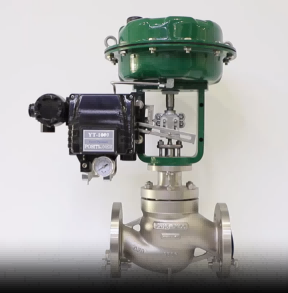
Integrating Low-E valves is part of broader compliance strategy. In practice, during new facility design or upgrade projects, engineers ensure that all critical control and isolation valves have fugitive emission ratings. For example, an automated petroleum feed line may use a series of diaphragm valves in its injection skids to avoid stem leakage, supplemented by electric control valves that meet ISO 15848. On offshore platforms, where volatile fuel handling is constant, using bellows-sealed valves and live-loaded packings is standard practice. Similarly, even simple manual valves (like Y-type strainers or gate valves) are now offered with emission-certified stem designs.
When integrating these valves, engineers typically follow factory maintenance steps: testing each valve in-situ for leaks, ensuring packing nuts remain properly torqued, and educating maintenance crews. For instance, one case study notes that after replacing legacy globe valves with Low-E globe valves, a chemical plant cut its survey leaks by 50% while improving control stability – because the valves responded more consistently without gradual leaks under the bonnet.
Advanced Sealing Technology: Key to Low-Emission Performance
Innovations in Sealing Technology
New materials and designs have greatly improved valve sealing. High-performance materials like 316L stainless steel, Duplex/Super Duplex alloys, and coated alloys resist corrosion and abrasion – ensuring seals don’t degrade under harsh fluids. In packing and seats, polymers like PTFE, EPDM, FKM (Viton) are chosen for chemical compatibility, while advanced layered or thermal plastic elastomers can withstand high-cycle fatigue. For example, a control valve in a phenol line may use a bellows of 316L SS and a PTFE-graphite packing engineered for phenol’s solvent properties. Another solution is Cnynto’s FBE (fusion-bonded epoxy) or Halar coatings on valve bodies, preventing galvanic corrosion that could undermine seals in HVAC or power plants.
Cnynto Valve also offers products built to strict standards. We engineer valves to ANSI/ASME B16.34 pressure classes and ISO 15848 emission classes. By meeting API and ISO standards, our Low-E valves fit into global compliance frameworks. For instance, an API 607 or ISO 15848 packing test means the valve’s stem leak rates are measured to “Class B” or better, corresponding to <100 ppm (parts per million) of methane. We might specify an ANSI 600 globe valve with live-loaded design for a steam line, knowing it meets both the pressure/temperature spec and the leak spec.
Case Studies of Effective Applications
Several real-world examples highlight the impact of these technologies. In one midstream gas station retrofit, operators replaced old gate valves with Cnynto’s steel-bellows-encased globe valves. The results: virtually zero detected leaks over a year of operation, and a certified reduction of lost gas (ROI under one year). At a pharmaceutical plant, switching to diaphragm valves in solvent lines eliminated the need for frequent packing inspections. In a food & beverage CIP loop, Cnynto’s PTFE-lined actuated butterfly valve (with EPDM liner) provides both hygienic compliance and no stem leakage.
Another success story: a petrochemical manufacturer faced tightened VOC limits. They installed Cnynto’s Low-E-actuated valves on critical reactors and found that plant-wide fugitive emissions dropped dramatically. The advanced sealing prevented the diffuse oil mists previously venting from unloading valves, so the company avoided hefty EPA fines and even qualified for a “green credit.” These experiences illustrate that investing in emission-rated valves is not just regulatory cover – it also improves overall system efficiency (less product loss, more stable control) and reputation (demonstrating a commitment to sustainability).
Impact on Environmental Compliance
Reducing Carbon Footprint
By cutting fugitive leaks, Low-E valves directly reduce greenhouse and volatile emissions. Consider a valve certified for 96% emissions reduction – applying that across a facility yields a measurable carbon footprint decrease. For regulated industries, every molecule of hydrocarbon kept in the pipe instead of leaking out is a win. For example, the LNG industry is moving toward carbon-neutral operations; part of that puzzle is ensuring valves do not quietly vent methane. If a plant replaces 100 leaking valves with certified Low-E valves, the annual emission reduction can reach the equivalent of removing dozens of cars from the road.
Our product offerings reflect this need. Many Cnynto valves are used in emission-critical systems. For instance, in a refinery’s loading rack, our stainless steel actuated ball valves have PTFE packing and metal-encapsulated stems to ensure no leaks even in cryogenic gasoline transfer. In hydrogen service (new fuel trends), we supply valves tested with helium per ISO 15848, safe for hydrogen because helium test gas is a conservative stand-in.
Meeting Regulatory Standards
Regulatory bodies worldwide have set increasingly strict fugitive emission limits. EPA and ECHA are enforcing LDAR (Leak Detection and Repair) programs, and some jurisdictions require ISO 15848 certification for valves in certain applications. Using certified Low-E valves simplifies compliance: facilities can document that their equipment inherently meets tight leak rates. Standards like ANSI/ISA S84 or API 94 also come into play in refinery safety, and valves are part of pressure relief/vent systems covered by ASME codes. For example, a safety relief valve used for emergency venting now often has a low-emission path in its design to avoid accidental leaks outside setpoint events.
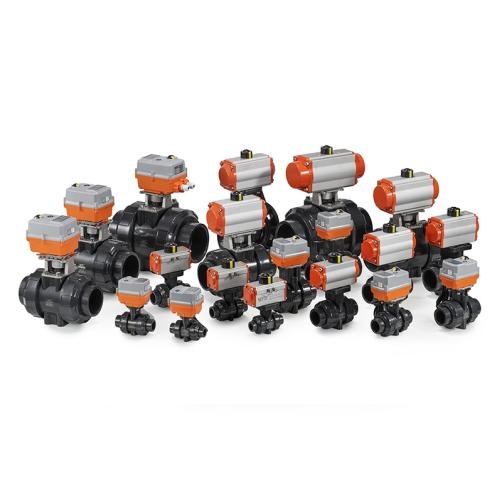
Adhering to these norms is easier with proper valve selection. Products on cnynto.com – such as our electric and pneumatic control valves – often come with certifications (CE, ISO 15848-1) built-in. We maintain strict factory testing: every emission-rated valve is verified for tightness, pressure class, and seat leakage. This means customers can install them and pass plant audits without extra modifications. Over years, such valves need less packing adjustment or repacking, aligning with the idea that safety and reliability come from good design.
Looking Ahead: The Future of Low-Emission Valves
Emerging Technologies and Materials
The future trend is clear: valves will become smarter and even tighter. Ongoing R&D includes self-monitoring valves that detect seal wear, integration of sensors, and use of exotic materials like graphene-infused packings. Companies are developing completely “maintenance-free” valve designs, such as all-metal bellows without any elastomers. On the materials front, Duplex stainless steels and super-alloys will enable valves to handle corrosive extremes (like chlor-alkali or high-salinity water) without compromise. Meanwhile, coatings like advanced PTFE composites are improving seat longevity under abrasion.
Automation also enhances emission control. For example, linking a valve’s positioner to a plant DCS allows logging of valve condition and early warning of seal degradation. Cnynto’s electric actuator and positioners can be part of such a digital system, ensuring valves move precisely and any drift is flagged for maintenance.
Predictions for Future Regulations
Experts predict global fugitive emission standards will only tighten. We may see mandatory third-party certification of all critical valves in future building codes or climate accords. Zero-leakage targets (as some hydrogen roadmap documents suggest) imply that truly fugitive-free valves will become the norm. Our company actively follows these developments, ensuring our valve lines, from electric ball valves to diaphragm valves and safety relief devices, exceed anticipated requirements. In practice, this means designing for worst-case scenarios (e.g., hydrogen embrittlement, H₂S corrosion) and testing well beyond today’s standards. In short, valves will be judged not just by flow capacity or pressure rating, but by how they protect the planet.
Conclusion
Maintaining system integrity in the face of environmental regulations demands valves that are as responsible as they are reliable. By adopting advanced sealing technologies and Low-E certified products, industries can prevent leaks at the source rather than merely “control” them. For engineers and safety teams, that translates to fewer compliance headaches, lower operating costs, and a safer workplace.
Whether it’s a diaphragm valve in a corrosive stream or an electric control valve with high-performance packing, choosing the right valve solution means embracing the future of low-emission, high-efficiency operations. At Cnynto Valve, we offer a complete line of fugitive-emissions-ready valves – from electric ball and butterfly valves to rugged control valves – all built to meet standards and help you meet yours.
Innovations like live-loaded packing and metal bellows are just the beginning. By staying ahead of industry standards (ISO, API, ANSI/ISA, etc.) and continuously improving our materials (316L SS, Duplex, PTFE, FKM, etc.), we ensure your valves perform without compromise. After all, when it comes to emissions, an ounce of prevention is worth a ton of cure.
- 2026-10-09 14:26:55
.png?imageMogr2/format/webp)
- 2026-09-30 08:25:23
- 2026-09-28 10:28:43