

Troubleshooting Common Issues with HVAC Zone Shut-Off Valves
- 2026-07-01 17:13:28
- admin
- NO COMMENTS
Functionality in Climate Control Systems
Imagine a mid-sized office building on a hot summer afternoon. The chiller runs steadily, but one zone’s thermostat stubbornly reads too warm. In many field operations, engineers notice the same subtle clues: a zone shut-off valve’s actuator buzzes and hesitates at partial stroke, and the pressure gauge in that branch line fluctuates with each attempt to close. These symptoms, while small at first, often point to valve problems. HVAC zoning systems rely on these valves to direct chilled or heated water (or air) to specific areas. When everything works, temperature regulation across zones is smooth. When a zone valve starts to stick or leak, one room stays warm, another goes cold, and the building control system starts cycling pumps and boilers more frequently to compensate.
Types of Zone Shut-Off Valves
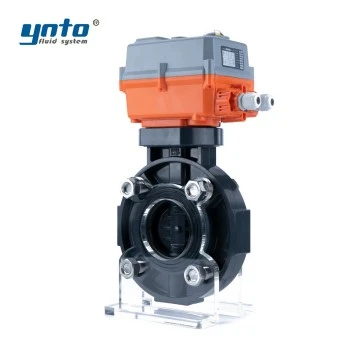
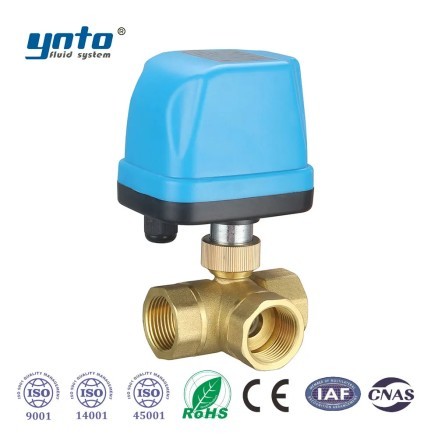
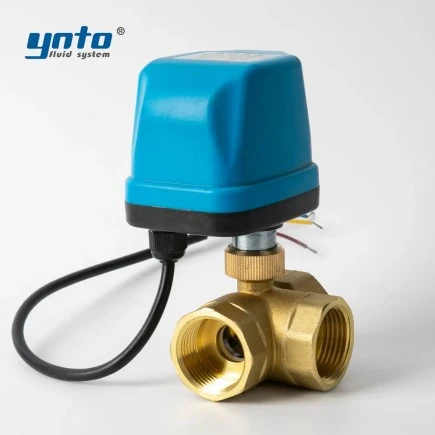
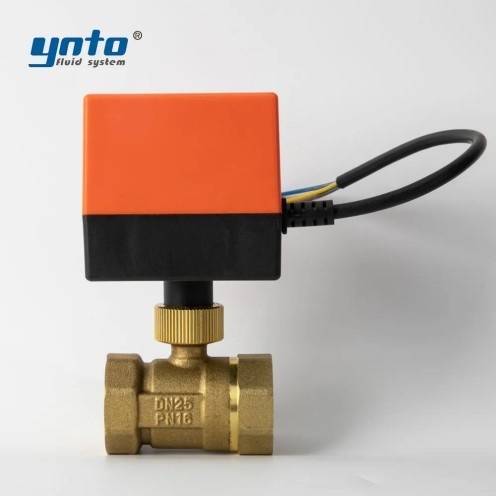
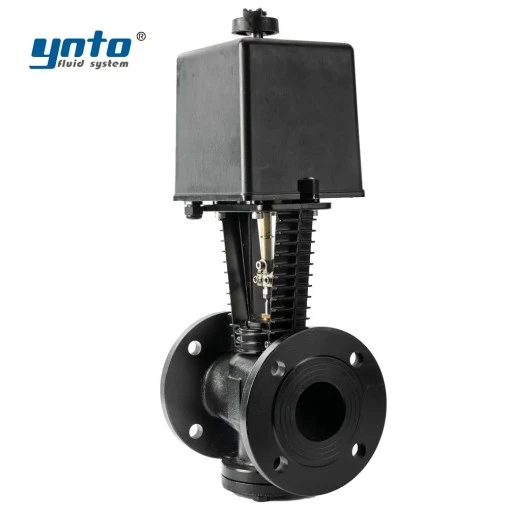
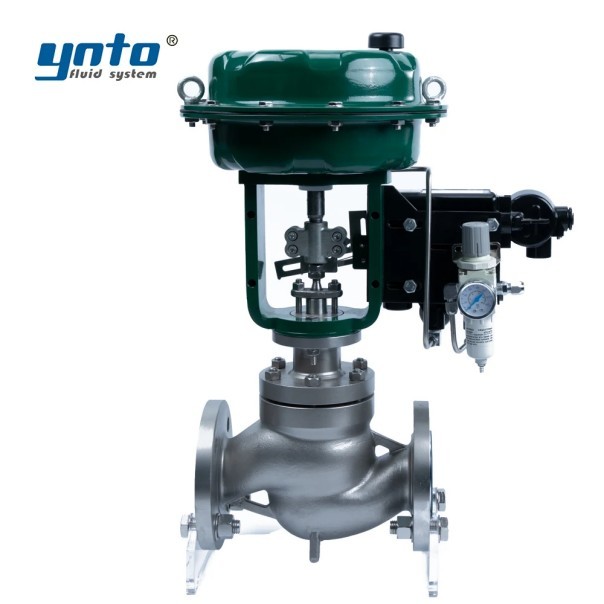
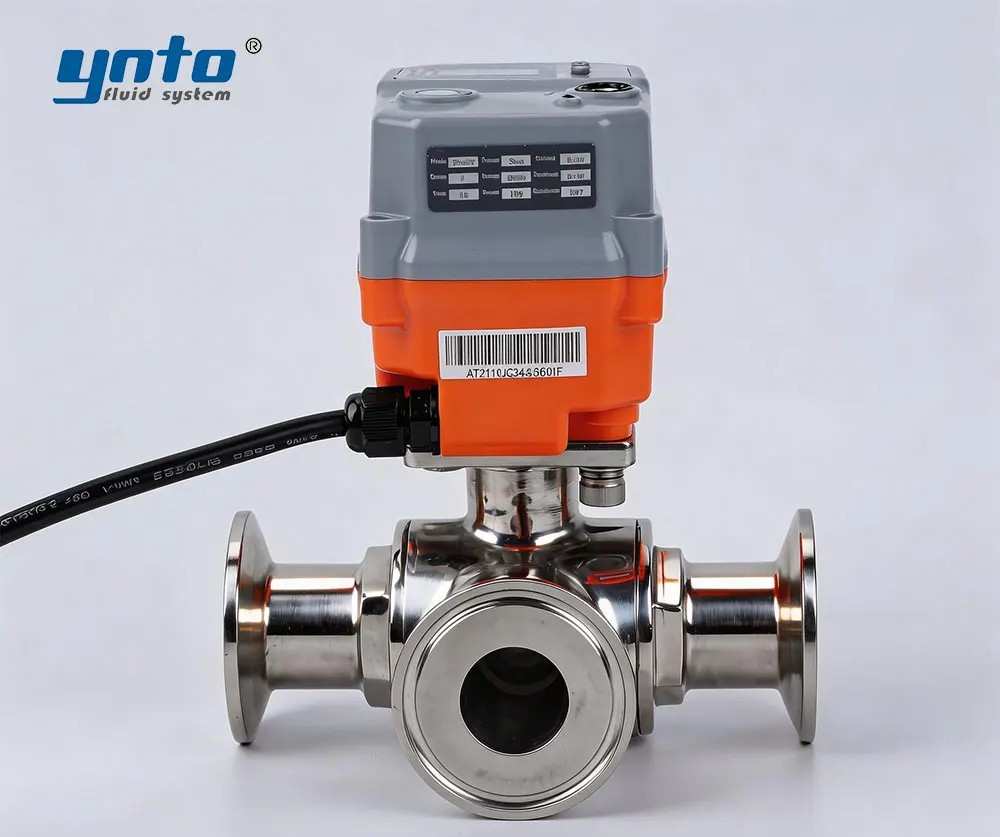
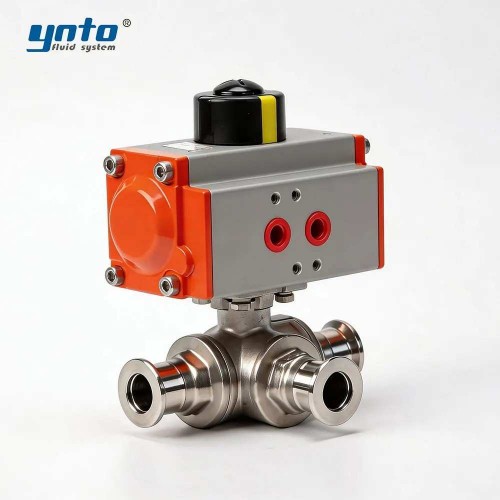
HVAC zone valves come in various designs. In a typical hydronic loop, ball valves and butterfly valves dominate for their low pressure drop and tight shutoff. For example, a YNTO electric ball valve with a stainless-steel body offers reliable isolation on a small chilled-water branch, while a electric butterfly valve may be chosen for a large chilled-water header to save space and cost. In other cases, a control valve (globe-type) with a positioner regulates flow for finer temperature adjustment. Actuation methods vary too: many modern zones use electric actuators for precise control, while pneumatic actuators still appear in older systems. The valve’s material (316L, carbon steel, brass) and seals (EPDM, FKM, PTFE) are matched to the HVAC media (glycol mix, potable water) and temperature. A mismatched material can lead to corrosion or leakage under high water temperatures, so engineers always check compatibility with ANSI/ASME and ISO flange and pressure standards.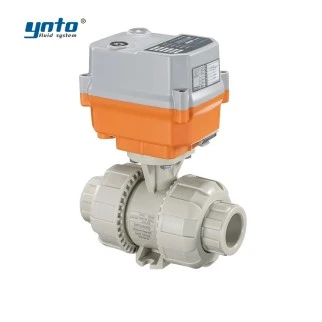
Symptoms of a Failing Zone Valve
Inconsistent Temperature Readings
One of the first clues of a zone valve issue is a room temperature that never settles. For example, during system commissioning an engineer might notice that a valve “catches” around 50% open whenever the thermostat calls for cooling, causing the room to hover a few degrees off the setpoint. This typically happens when the valve’s seal has begun to fatigue. A common cause-and-effect chain is: cycling hot/cold water through the coil → seal material fatigue (especially if PTFE or rubber seals age unevenly) → minor leakage past the partially closed valve → zone temperature fluctuates unpredictably. Over time, this instability forces the system to short-cycle pumps and compressors, wasting energy.
Other subtle signs include thermostat readings that don’t track well with manual overrides. If closing a manual bleed valve causes the zone to gradually warm instead of holding steady, the shut-off valve might be dribbling flow. The key observation is always about flow and pressure: an engineer in the field will comment, “At 10% opening the pressure swings noticeably each cycle, as if the valve is hunting for a seal.”
Unusual Noises or Sounds
Acoustic clues can reveal lurking issues. A clicking or snapping sound when the valve actuator runs often means water hammer, caused by a valve slamming shut or opening suddenly under high differential pressure. A low whistle or hissing noise is usually fluid escaping through a gap – an obvious sign of leakage. Sometimes the actuator itself emits a faint buzz or hum that wasn’t there before; this can indicate that the valve spindle is stuck, causing the motor to strain. In one retrofit job, for example, technicians found that a badly out-of-balance pumped glycol loop caused a 3–5 psi pressure dip every 30 seconds. That pulsation translated into a continuous small vibration at a ball valve’s seat. Over months, the seat softened on one side and developed a tiny gap; the result was a slow dribble of hot water into a chilled zone, which showed up as a perpetually warm conference room. In short, pressure pulsations lead to uneven wear, which leads to leaks and noise.
Detailed Troubleshooting Steps
Checking Valve Actuators
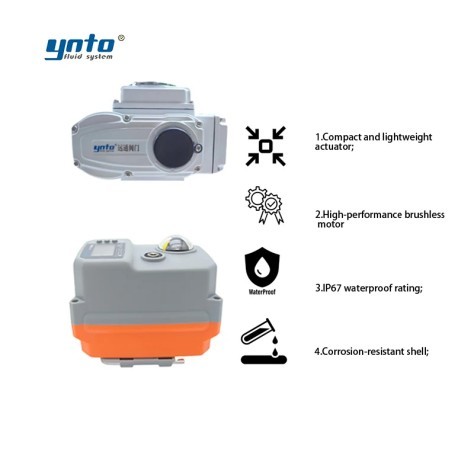
Whenever a zone has temperature drama, engineers first inspect the actuator. It’s the interface between electrical control and mechanical motion. A good test is to time the stroke: a ball valve with a high-quality electric actuator should reach full travel in a consistent interval (typically a few seconds for on/off units). If one actuator is sluggish or takes longer than factory spec, it could be drawing higher current or slipping on its gears. This often means increased torque due to friction. The cause chain is: dirt/debris in water or scale in the valve → stem binding → actuator works harder → slower or incomplete closing → reduced sealing.
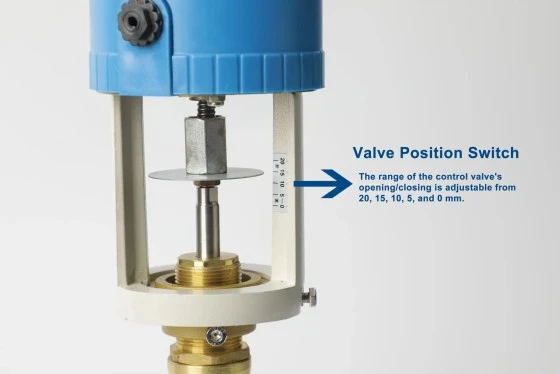
Another check is the actuator’s feedback or limit switches. Modern HVAC systems often use actuators with signal feedback to the BAS (Building Automation System). If the controller says “valve 50% open” but the actual flow doesn’t match, the discrepancy suggests either an actuator miscalibration or a slipping linkage. Ensuring the actuator’s power supply (voltage and polarity) is stable can avoid false readings. Loose wiring or corroded terminals can also mimic valve faults; an engineer might note that jostling the wiring caused the valve to briefly open or close, revealing a poor electrical connection.
Electrical Connection Checks
Power and control wiring should be taken seriously. Many zone valve failures are simply miswired thermostats or burnt-out actuators. During maintenance, check that the thermostat’s C-wire and control signal (often a 24VAC switching line) actually reach the actuator. Moisture in conduit can cause intermittent shorts or opens. In one office building, we saw that a humid damper room shorted a thermostat wire and caused a valve to never fully close, tricking the zone into thinking it was always calling for heat.
Using a multimeter, an engineer will verify the input command voltage and the actuator coil draw. A weak transformer or relay sometimes causes the valve to chatter instead of smoothly opening. Ensuring all connections follow safety codes (grounding, insulation) not only prevents nuisance trips but also aligns with OSHA and NFPA factory safety protocols. In circuits carrying chilled water, the risk of condensation means all wiring must be UL-rated for damp locations. Documenting these checks is part of proper HVAC maintenance tips.
Manual Operation Tests
If electrical checks look fine, we isolate the valve and try it by hand. After lockout/tagout and depressurizing the circuit (safety first!), the technician rotates the handle or crank. A healthy valve should move smoothly with consistent resistance. If it feels gritty or locks up at certain angles, the valve likely has internal corrosion or debris. In that case, the seat and disc may need cleaning or replacement. We recall a case where a zone valve had sat partially closed for a year; lime scale had built up on the seat, so the disc physically stuck at 30% position. After cleaning, the valve operated normally.
Sometimes swapping the actuator temporarily (if a spare is available) can isolate the issue. If a different actuator solves the problem instantly, the original actuator had failed internally (broken gear, failed spring). For critical zones, having a spare on hand and a quick-change mounting system (e.g. ISO 5211 flange) is best practice.
Assessing System Leaks
Finally, test for leaks. Visually inspect all flanges and gaskets near the valve. Put paper or absorbent paper towels around the valve seat and joints; even a tiny pinhole leak will wet the paper over time. For internal leakage, one trick is to shut the valve and measure downstream pressure drop: if pressure continues to bleed off slowly, the valve is not sealing.
Material compatibility can also be at fault: for example, if the HVAC fluid is a glycol mix but the valve used NBR seals, swelling or shrinking could have compromised the seal. An engineer notes, “In HVAC zones with frequent blowdown or chemical dosing, we prefer PTFE or FKM seals instead of EPDM, which can swell with certain inhibitors.” In high-temperature zones (steam reheat coils), where pressures are higher, make sure valve body pressure ratings meet or exceed ASME Class requirements and that gasket materials are rated for the steam temperature. Any leak is a red flag both for efficiency and safety (hot fluid leaks can damage insulation and electronics, and may violate EPA refrigerant/pressure safety regs if steam is involved).
Enhancing Temperature Regulation
Calibration of Thermostats
Zoning valves work best when the control signal itself is accurate. A common hidden problem is a miscalibrated thermostat. If the thermostat is offset by even 1–2°F, the valve will never reach true setpoint. It’s analogous to your engine running rough because the throttle is slightly misadjusted. We instruct maintenance teams to periodically calibrate or swap thermostats as part of HVAC maintenance. Proper sensor location is critical too – a sensor near a drafty window may constantly mislead the valve about true room temperature.
With programmable thermostats and digital controls, ensure the HVAC zoning system’s PID or on/off logic is configured correctly. A too-aggressive control loop can make valves hunt (open/close repeatedly), causing wear. In many field cases, simply slowing the control loop update (adding a slight delay or deadband) stabilized the zone without any hardware changes. That’s an engineer’s trick to balance energy efficiency with valve response.
Balancing Airflow Across Zones
Sometimes a zone valve can’t fix a problem by itself – you need to look at the whole loop. If one branch is starving for flow, other valves may need adjusting. For example, if one zone gets much higher static pressure (due to pump overspeed or clogged filters), its valve could be hammered shut by back-pressure. Installing a self-operated pressure control valve on each branch can maintain a set downstream pressure, preventing overload. Though more common in process piping, we see this trick in critical buildings where comfort is paramount.
Balancing dampers on the air side is also important for combination air-water systems. An air handler that pushes too much airflow to one damper can mask a chilled-water valve leak. During commissioning and seasonal checks, engineers systematically measure flow or pressure in each zone to ensure one valve isn’t doing double duty. This comprehensive approach is part of professional maintenance – and it often reveals that the “faulty valve” problem was actually a system imbalance.
Implementing Commercial HVAC Solutions
Choosing the Right Equipment
When it’s time to replace or upgrade valves in a commercial HVAC setting, picking the right product matters. For quiet, low-leakage isolation in chilled- or hot-water loops, ball valves with blown-out seats are excellent. YNTO offers electric ball valves in stainless steel for corrosion resistance. These valves give bubble-tight shutoff and low torque (meaning smaller actuators work fine). For larger lines where weight and space are concerns, electric butterfly valves with resilient seats seal both directions and require compact actuators.
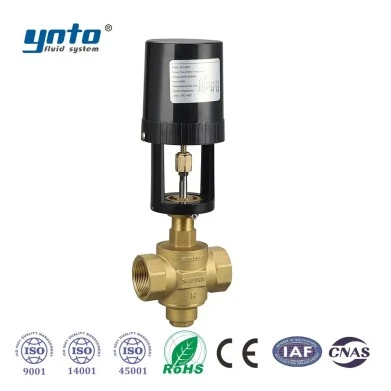
In zones needing precise modulation, a control valve is better. YNTO’s electric control valves come with high-throttling stems and digital positioners to regulate flow continuously. For chemical feed or water treatment zones, diaphragm valves are often used: the isolating diaphragm ensures the actuator never touches the fluid, reducing contamination and simplifying cleaning. YNTO’s diaphragm valves feature PTFE diaphragms for broad chemical compatibility.
Actuation technology should match the application. Electric actuators provide precise control and are easier to retrofit in digital buildings, while pneumatic actuators might still be used where compressed air is already in place. Always check that actuators meet safety standards (e.g. UL, CE) and fail-safes if needed (springs to close on power loss). The goal is valves that match the original cause-and-effect: if you fix the hardware (good seals, proper materials, suitable actuation), the symptoms (temperature swings, noise) disappear.

Professional Maintenance Options
Finally, do not underestimate maintenance. Once correct valves and actuators are installed, schedule regular inspections. This includes cycling each valve fully open/closed at least annually (to prevent sticking), checking torque draw trends, and replacing worn seals or gaskets before they fail. For critical HVAC zoning systems in commercial buildings, many facility managers now include valve maintenance in their preventative programs.
Working with a professional valve supplier like YNTO can simplify this. They can pre-certify valves to standards (ANSI/ASME flanges, API 598 leakage tests, ISO quality) so you know the valve will hold up to rated pressures. Many suppliers also offer on-site training: for instance, teaching maintenance staff how to calibrate an actuator or test a valve seat. In one large hospital case, that training cut future valve problems in half because engineers learned to spot pressure-drop symptoms before the occupants felt them.
In summary, fixing HVAC zone valve issues is about observation, analysis, and the right hardware. Engineers on site often say, “A valve problem is rarely just a valve problem.” By understanding the chain (pressure swings, seal wear, delayed shutoff → temperature instability) and addressing it with proper troubleshooting and equipment, facility managers can restore both comfort and energy efficiency.

.png?imageMogr2/format/webp)
- 2026-09-30 08:25:23
- 2026-09-28 10:28:43
- 2026-09-21 15:23:44