

Understanding the Role of an Ultrapure Water Valve in Semiconductor Manufacturing
- 2026-06-03 08:40:08
- admin
- NO COMMENTS
At around two in the morning, when the cleanroom itself looks calm, the most telling signs often show up one floor below, in the UPW skid and recirculation loop. Engineers doing a sub-fab walkdown will sometimes notice a control valve chattering slightly at low opening, even though the flow setpoint on the screen looks steady. A few minutes later, a point-of-use conductivity reading drifts just enough to force another check. In semiconductor service, that kind of small deviation is rarely “just a valve issue.” It is usually the first hint that pressure stability, surface finish, or material compatibility is no longer perfectly aligned with the purity target. Semiconductor fabs rely on ultrapure water for wafer rinsing, chemical dilution, CMP, and other high-sensitivity steps, and every one of those steps becomes vulnerable if the valve train introduces particles, ions, dead legs, or response delay.
For engineers working on site, the pattern is familiar. A valve that works acceptably in ordinary DI water can become a contamination source in semiconductor duty. Pressure fluctuation in the loop can lead to micro-vibration at the throttling element, which then creates wear, and wear in turn can shed particles or slow the control response. Meanwhile, repeated hot/cold sanitation or temperature cycling can fatigue a diaphragm or compress a soft seal, which starts as an invisible micro-leak and ends as a bioburden or TOC problem that is far more expensive than the original valve replacement. That is why fabs increasingly treat valve selection as part of water quality control itself, not as a simple piping accessory decision. YNTO already positions dedicated solutions for microelectronics and semiconductor industries, where precise chemical dosing, PCB production, and high-purity fluid handling demand tighter control than general industrial water service.
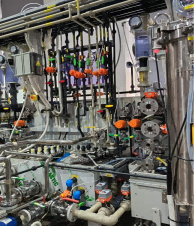
Overview of Semiconductor Manufacturing Process
Importance of Water Quality
In semiconductor manufacturing, water quality is not merely a utility specification; it is a yield variable. After deposition, etching, and polishing steps, wafers are rinsed repeatedly, and the rinse water must leave behind virtually nothing. Industry guidance summarized in semiconductor UPW references shows targets such as resistivity above 18 MΩ·cm, TOC below 1 ppb, extremely low dissolved oxygen, extremely low particle counts, and very low bacterial levels. Processing Magazine also notes that a single 300 mm wafer can require roughly 1,500 gallons of UPW within a broader fabrication water demand of more than 2,000 gallons. At this scale, a tiny contamination event is not isolated—it propagates through tools, product lots, and operating cost.
This is where valve engineering becomes unusually unforgiving. In many field operations, engineers do not first discover a purity problem in the ion exchange bed or the ultrafilter; they discover it at the valve station nearest the tool. A cavity that does not fully drain, a seal that outgasses slightly, or a metal surface that was not properly passivated can all show up as resistivity loss, particulate excursions, or unstable rinse repeatability. The water itself is aggressive because it contains so little ionic material; Processing Magazine notes that UPW actively draws ions from surrounding surfaces, which means that poor material matching leads directly to contamination. In practice, the cause-and-effect chain is straightforward: mismatched wetted material leads to leaching or localized corrosion, that leads to metals and particles in the loop, and the result is lower process stability and potentially lower wafer yield.
Role of Ultra-pure Water
UPW is used across wet benches, chemical dilution systems, CMP rinse stages, photolithography support processes, and critical cleaning sequences. It is also part of the facility logic that keeps the fab running: distribution loops, point-of-use polishing, reclaim sections, and sometimes humidification or cooling support in highly controlled applications. That means the valve is not only opening and closing flow. It is protecting the purity envelope between the polishing system and the process tool. Any unnecessary dead volume, rough surface, trapped lubricant, or unstable modulation can undermine the job that reverse osmosis, UV oxidation, degassing, ion exchange, and ultrafiltration have already done upstream.
Ultra-pure Water System Components
Water Treatment Equipment
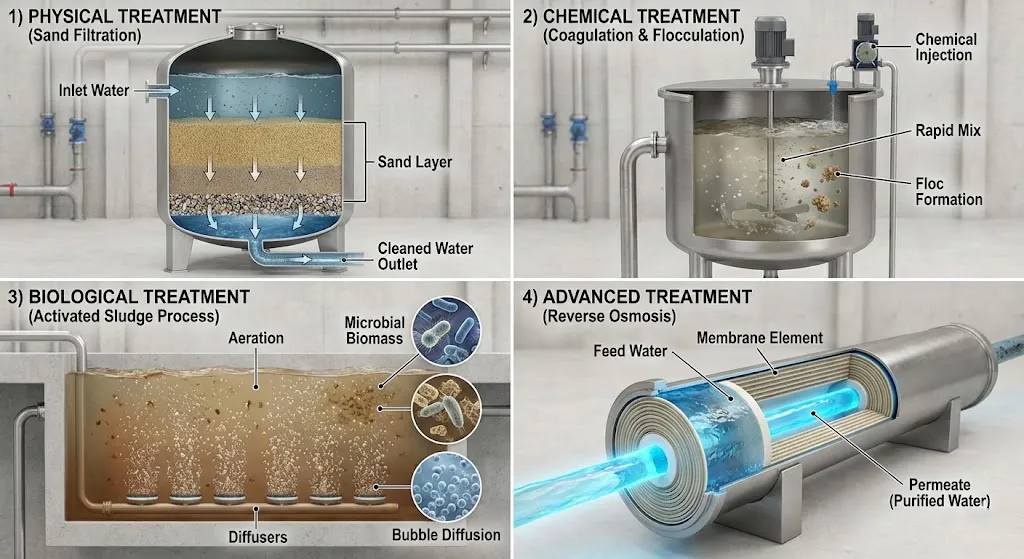
A semiconductor UPW plant is typically built in stages. Pretreatment removes suspended solids and scale-forming substances. Primary treatment often uses reverse osmosis and degassing. Polishing follows with UV, deionization or electrodeionization, and ultra filtration systems before the water enters the distribution loop. This layered design matters because each stage sets the burden for the next. If pretreatment materials release rust, coating fragments, or incompatible ions, the RO stage loads up. If polishing equipment sees unstable hydraulics, the final loop drifts. Engineers know this from commissioning: a “small” upstream materials problem does not stay upstream for long.
Material selection changes across these zones. In the final UPW contact path, polymers such as PVDF, PTFE, PFA, and high-purity PP are favored because extractables, metal ion release, and particulate control dominate the decision. GF states clearly that microelectronics UPW applications depend on high-performance plastic piping, cleanroom manufacturing, particle control, and high-purity handling. Meanwhile, iPolymer describes DI water valves with wetted flow paths free from elastomers, lubricants, and springs, using PVDF, polypropylene, PVC, and virgin PTFE to maximize chemical inertness. For engineers, that distinction is practical: the final contact loop wants the cleanest possible wetted path, while upstream or auxiliary sections can justify other materials if they are outside the critical purity boundary.
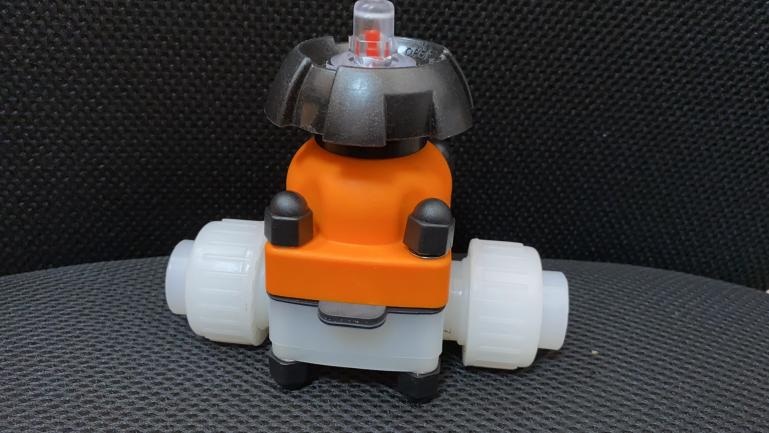
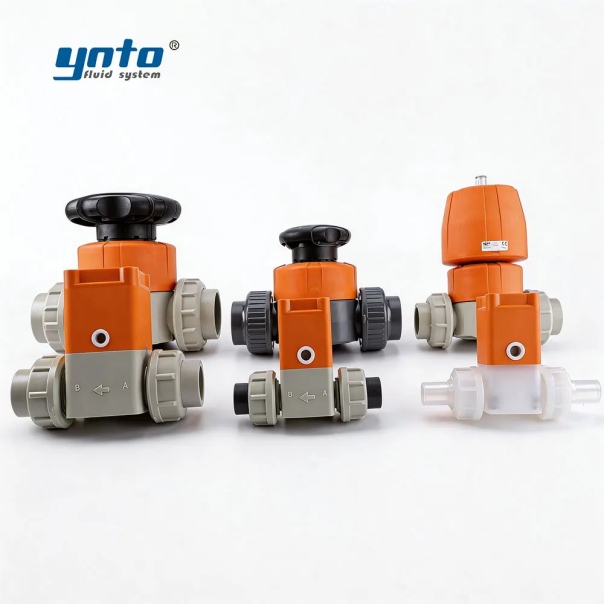
That is also why buyers should never treat “semiconductor valve” as one single category. A point-of-use branch valve near the tool may be best served by a PVDF diaphragm valve, because a diaphragm design isolates the actuator side from the media and keeps the wetted passage simple. YNTO’s PVDF model is explicitly positioned for ultra-high-purity chemical and semiconductor applications, with PVDF construction and semiconductor-use language right on the product page. For broader chemical and water-purity duties, YNTO’s diaphragm valve range also includes PTFE-lined and PP-H options, which is useful when different parts of the facility need different extractables and corrosion profiles.
Water Purification Technologies
The purification train itself also determines how valves should behave. Reverse osmosis likes stable upstream pressure and low particulate burden. UV stages demand materials that do not unpredictably degrade. Deionization systems are sensitive to ionic contamination, and ultrafiltration is only as effective as the cleanliness of the loop feeding it. If a valve upstream of the UF skid hesitates during modulation, operators may see pressure ripple across the membrane train. That ripple then becomes flow instability, which can eventually show up as recovery loss or inconsistent point-of-use quality. Engineers often describe it in even simpler terms: pressure fluctuation leads to trim micro-vibration, micro-vibration becomes wear, and wear becomes slower response and more contamination risk.
Water Deionization Systems
Water deionization systems, whether mixed-bed ion exchange or EDI polishing, are central to reaching the resistivity levels semiconductor fabs demand. EDI, for example, is commonly used as a polishing step after RO and can reach resistivity around 18.2 MΩ·cm. But this part of the plant introduces a different engineering reality: the surrounding systems often include acid and caustic service for regeneration or cleaning, higher electrical sensitivity, and tighter control over trace ions. This is where procurement teams need to think beyond pure UPW contact and evaluate the entire package—final purity loop, regeneration chemical loop, waste neutralization, and reclaim service. In those utility and regeneration sections, 316L stainless steel, Duplex or Super Duplex, alloy steel, or even coated carbon steel may be justified based on chloride level, temperature, and structural duty; FBE or Halar coatings can make economic sense in non-critical raw water or neutralization lines, while they should generally stay out of final UPW contact service. That split is one of the most common places inexperienced buyers get the specification wrong.
Ultra Filtration Systems
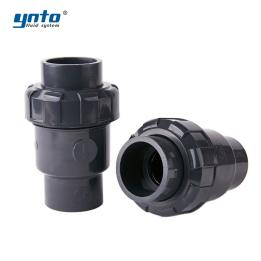
Ultra filtration systems are often the last barrier before distribution or point-of-use delivery, so valve cleanliness around them matters disproportionately. In practical terms, that means minimizing trapped volume, avoiding elastomer-heavy wetted paths when extractables are a concern, and selecting predictable shutoff behavior. A cleanly packaged backflow device can also help where reclaim or auxiliary pumping sections are involved, and YNTO’s check valve portfolio includes ANSI/ASME flange options that fit broader utility-system layouts around the fab. In the critical high-purity zone, though, engineers usually favor simpler, smoother, easier-to-clean internals over generic water-industry hardware.
Functionality of Ultrapure Water Valves
Water Flow Regulators
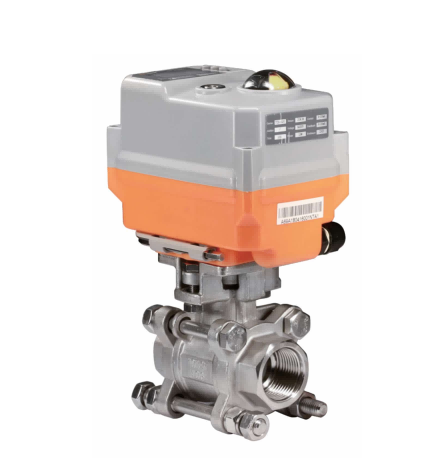
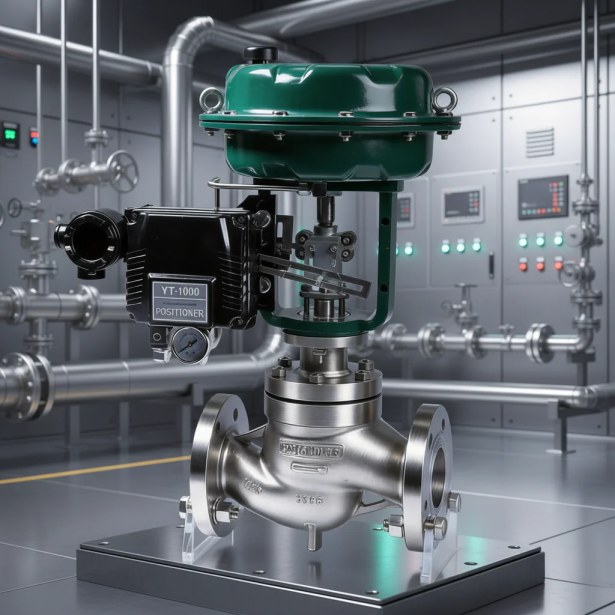
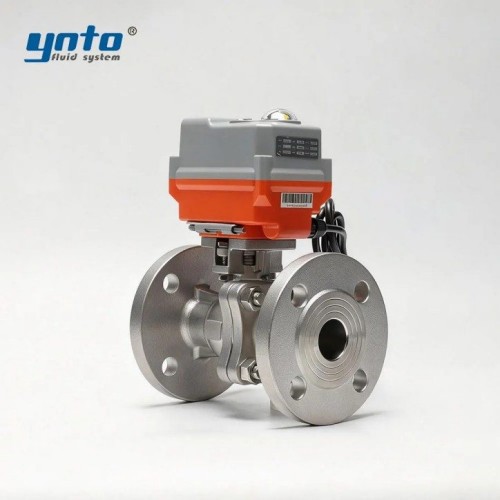
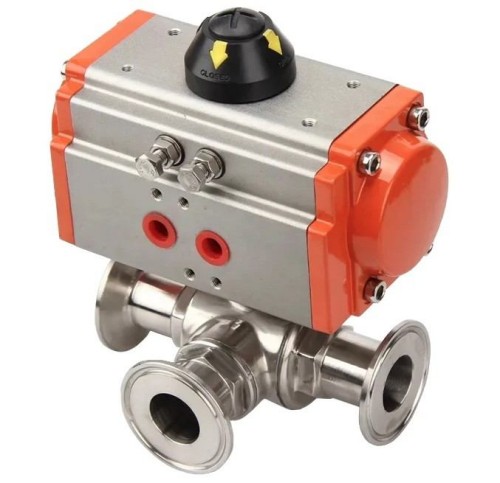
An ultrapure water valve has to do more than pass a hydrotest. It must regulate flow without adding contamination. Processing Magazine highlights the need for special material selection, lubricant-free assembly, careful cleaning, and very smooth wetted surfaces for semiconductor service; it also notes that UPW control valves often require surface roughness of Ra 35 microinches or less and electropolished stainless surfaces to improve cleanability and corrosion resistance. In my experience, this is the point buyers underestimate. They compare Cv and connection size, but they do not ask what happens at 12% opening, or whether the trim will stay stable during low-flow rinse sequences. For that duty, an automated electric control valve is often the right starting point when true modulation is needed. Where the spec allows electropolished stainless and sanitary clamp ends, a 316L electric ball valve can also be effective for high-purity automated shutoff, especially when dead-leg reduction and cleanability matter.
The difference between those two solutions is practical, not theoretical. A modulating control valve is chosen when the line must hold pressure or flow within a narrow band. A ball valve is usually chosen when isolation speed, compactness, and repeatable quarter-turn action matter more than fine throttling. During commissioning, one common sign of bad selection is a valve that hesitates around a narrow opening band and then overshoots. That usually means the valve characteristic does not match the loop dynamics. Another field pattern is rising actuator torque over a few months, often caused by deposits, seal deformation, or misalignment. Left alone, that torque increase leads to slower stroke time, incomplete closure, and eventually unstable flow sequencing at the tool.
Automatic Water Valves and Control Mechanisms
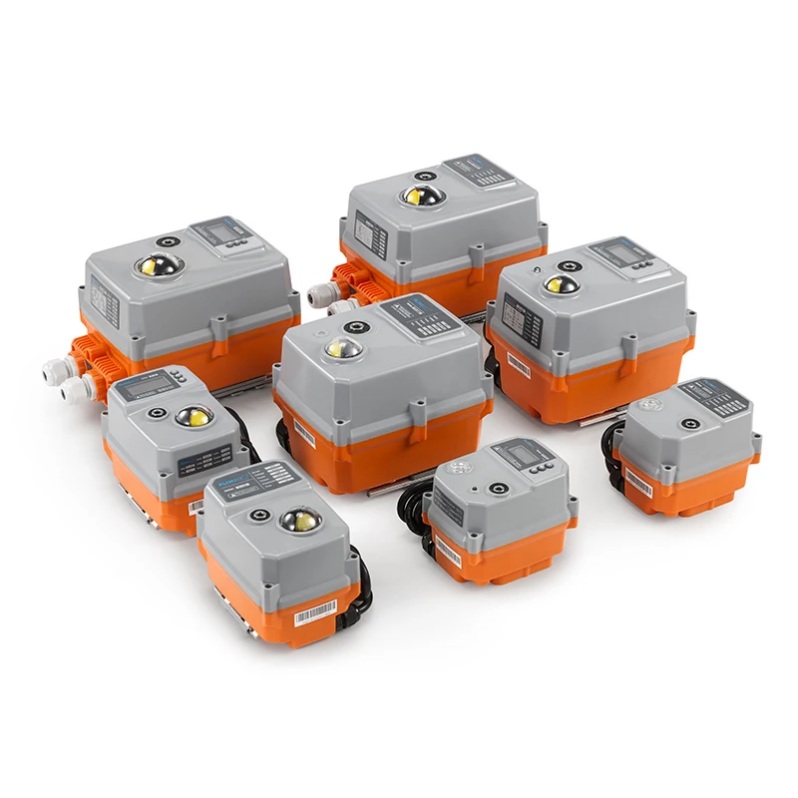
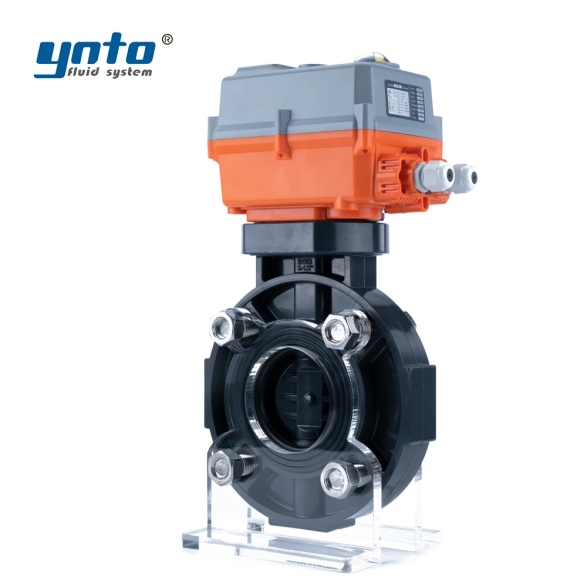
Automatic water valves are essential in fabs because rinse sequencing, tool isolation, polishing bypass, and reclaim routing all depend on repeatable actuation. YNTO’s electric actuator range includes on-off and modulating types for ball and butterfly valves, which matters when the same fab uses different control philosophies in different loops. ISO 5211 actuator-interface standards also matter here from a procurement standpoint, because they reduce integration risk between actuator and valve body and simplify later replacement or upgrade. If the fab standardizes on a control architecture, buyers should specify not only torque and voltage, but also control signal, fail position, enclosure rating, stroke speed, and cleanliness requirements during assembly and packaging.
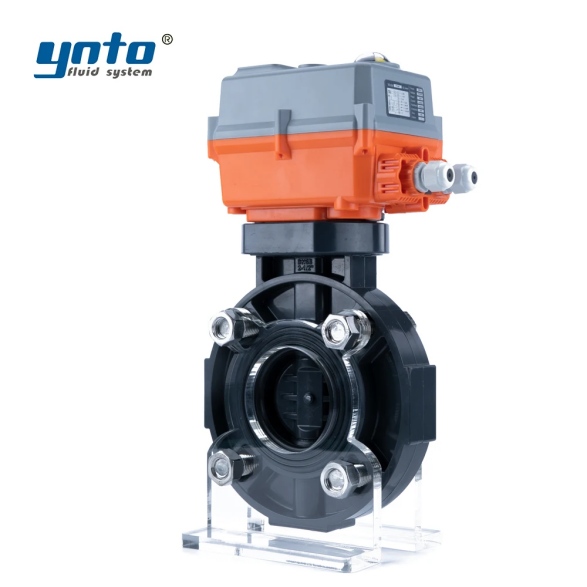
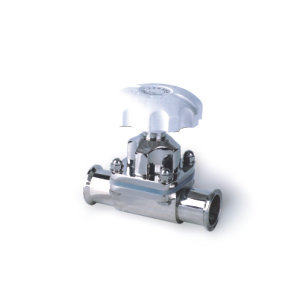
For larger utility headers or pretreatment sections where footprint and fast isolation matter, an electric butterfly valve can be a sensible choice. YNTO’s category includes UPVC, 316 stainless sanitary, PTFE-sealed, and EPDM-sealed butterfly options, which gives engineers flexibility between corrosive chemical utility duty and cleaner service. Meanwhile, where a higher-purity clean utility or hot purified water loop calls for metal construction and validated hygienic finishes, a sanitary diaphragm valve with 316L body material, low surface roughness, and ISO/DIN/BPE/ASME interface language is often the safer specification. This is also where thermal cycling becomes a real reliability issue: repeated hot UPW or SIP-style temperature swings can accelerate diaphragm fatigue or seal compression set, which leads to micro-leakage, then local wetting or stagnant pockets, and then a higher risk of biofilm or purity upset.
Challenges in Maintaining Water Purity
Contamination Sources
Contamination in a UPW loop rarely comes from one dramatic failure. More often, it comes from accumulation: a rough surface that traps residue, an elastomer that is acceptable in normal water service but not in sub-ppb TOC duty, a maintenance intervention that introduces particles, or a valve cavity that never fully flushes. Processing Magazine points out that bacteria can survive and form biofilms in UPW systems, and GF emphasizes particle control, system purity, cleanroom manufacturing, and contamination filtering as core design requirements in microelectronics water systems. iPolymer’s DI valve guidance reinforces the same lesson from the valve side: keeping elastomers, lubricants, and springs out of the wetted flow path can be decisive in high-purity service.
Material selection is therefore one of the biggest trust signals for semiconductor buyers. In the final purity path, PVDF and PTFE-based wetted materials are attractive because they are chemically inert and low-leaching. Where metallic construction is permitted, 316L with electropolish and proper passivation is still valuable, especially in sanitary or utility-adjacent services, because it balances strength, cleanability, and corrosion resistance. YNTO’s 316L sanitary diaphragm valve page, for example, lists 316L body construction, low internal surface roughness, and multiple hygienic interface standards including ISO, DIN, BPE, 3-A, and ASME. EPDM remains useful in some purified-water and moderate-temperature duties; FKM can be justified for selected high-temperature or aggressive chemical services; PTFE remains a strong choice for seats and diaphragms where inertness is critical. Duplex or Super Duplex alloys, along with alloy steel or coated carbon steel, are better reserved for more aggressive upstream services than for the final UPW contact loop itself.
Strategies for Water Quality Control
The most effective strategy is not a single “best valve,” but a specification method. Start with the purity boundary: decide which valves directly contact final UPW, which belong to hot UPW or clean utility, which handle regeneration chemicals, and which sit in raw-water pretreatment or wastewater reclaim. Then define the pressure and control requirement, the allowable extractables profile, the target surface finish, the seal package, the actuator interface, and the cleaning/packaging protocol. Semiconductor buyers should also ask vendors for documentation that maps to recognized frameworks: SEMI F63 and ASTM D5127 for UPW quality expectations, ASTM A380/A967 for stainless cleaning and passivation in relevant metallic service, ANSI/ASME pressure-class and design language for pressure boundaries, ISO 5211 for actuator mounting, and DIN or bioprocess-style interface conventions where hygienic connections are used. Even where API-style standards sit more naturally in the vendor’s broader industrial portfolio than in the final UPW loop, they still signal maturity in pressure design, inspection culture, and traceable quality documentation.
From a practical sourcing perspective, this is where YNTO becomes relevant. The company’s site shows dedicated semiconductor and microelectronics application support, UHP PVDF diaphragm valves for semiconductor applications, 316L sanitary diaphragm valves with ISO/DIN/BPE/ASME references, sanitary 316L electric ball valves for high-purity media, and automation hardware for on-off or modulating control. That combination matters to procurement teams because it reduces vendor fragmentation: the same supplier can support thermoplastic high-purity branches, stainless hygienic utility lines, isolation duty, and actuator integration. In a fab, fewer handoff gaps usually mean faster FAT/SAT, clearer spare-parts planning, and less risk during maintenance shutdowns.
Conclusion
Innovations in Ultrapure Water Valve Technology
The future of ultrapure water valve technology in semiconductor manufacturing is moving in a very clear direction: smoother wetted surfaces, cleaner packaging, fewer extractables, smarter actuation, better diagnostics, and more precise separation between final UPW materials and utility-side materials. As chip geometries continue shrinking, the tolerance for “almost clean enough” hardware will keep disappearing. That trend favors valve designs that combine high-purity polymers such as PVDF and PTFE in the most sensitive contact paths with disciplined 316L electropolished metal solutions where structural or sanitary performance makes them appropriate. It also favors vendors that understand both purity control and automation rather than treating them as separate conversations.
For buyers and engineers, the takeaway is simple but important: an ultrapure water valve is not just a shutoff device in a semiconductor fab. It is part of the contamination-control strategy, part of the pressure-control strategy, and part of the yield-protection strategy. If you specify it like ordinary plant water hardware, it will eventually behave like ordinary plant water hardware. If you specify it the way semiconductor service actually demands—with cleanroom handling, correct wetted materials, validated actuation, and the right standards language—you get cleaner loops, steadier flow, lower maintenance risk, and more confidence at procurement stage. That is exactly where a portfolio combining PVDF diaphragm valves, electric control valves, 316L electric ball valves, and electric actuators can make a measurable difference.
- 2026-10-15 14:23:43
- 2026-10-12 15:56:29

- 2025-11-10 12:00:00