

24V DC Electric Ball Valve Replacement: Cost & Controls
- 2026-10-12 15:56:29
- admin
- NO COMMENTS
A maintenance engineer opens a utility cabinet and hears the actuator motor running, but the downstream flow does not change as expected. The position indicator says the valve has reached fully open; the pressure gauge tells a different story. On another line, the same type of 24V DC electric ball valve closes normally when cold but begins to hesitate after several hours of operation. Torque has increased, the closing time is longer, and a slight seep appears around a connection that was dry during commissioning.
These are common signs that replacement deserves more attention than simply ordering another valve with the same port size. A successful replacement has to match the mechanical connection, pressure and temperature conditions, actuator voltage, wiring logic, control signal, fail position, material compatibility, and available installation space. Miss one of them and a technically new valve can create an old problem in a different form.
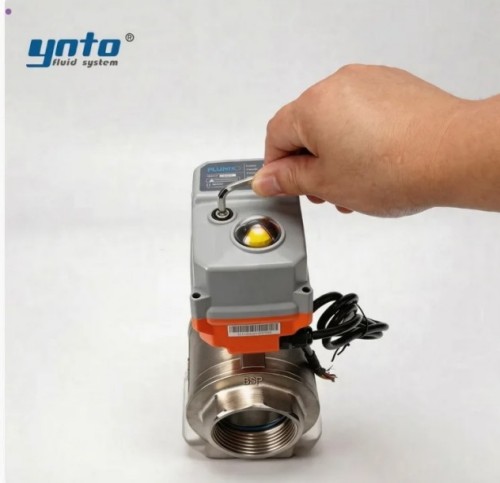
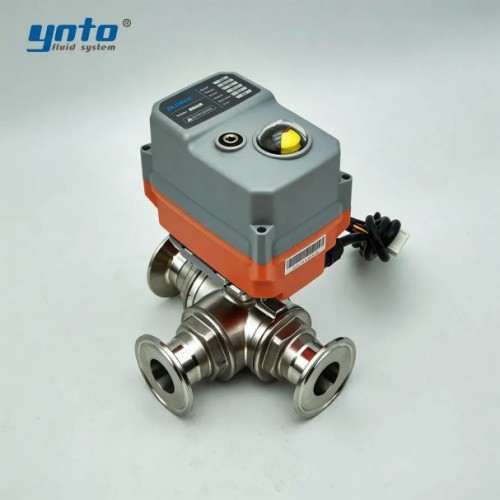
What You Need to Know About 24V DC Electric Ball Valve Replacement
The Role of Electric Ball Valves in Modern Plumbing
In automated water systems, process skids, chemical dosing equipment, HVAC installations, cooling loops, and industrial machinery, electric ball valves are often selected because a quarter-turn ball offers low flow resistance and relatively straightforward shutoff.
A 24V DC supply is particularly useful where control panels, PLC systems, batteries, or low-voltage automation already operate at DC voltage. Instead of requiring compressed air, the actuator converts electrical power directly into rotary movement.
When engineers inspect an aging installation, they commonly find that the actuator itself is not the only issue. Repeated thermal cycling can gradually harden or fatigue seals. Seat friction then rises, the actuator works closer to its torque limit, and closing becomes slower. What first appears to be an electrical problem may actually originate inside the valve body.
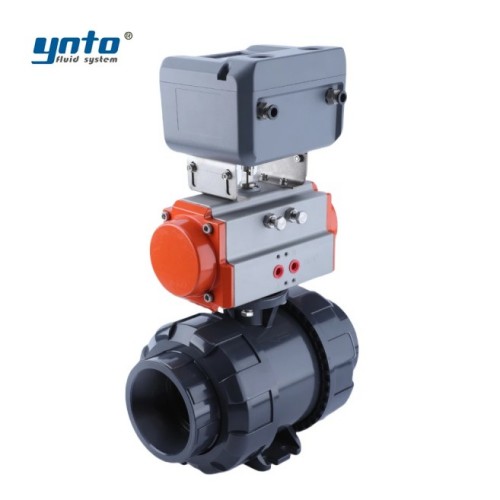
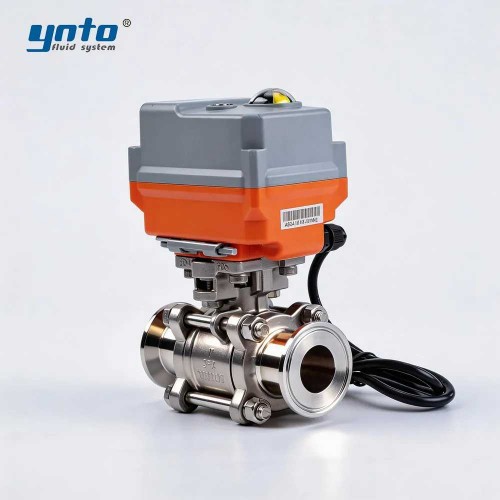
For replacement projects involving water, chemicals, HVAC or machine automation, YNTO's electric ball valve solutions provide different body materials, connection arrangements and actuator configurations that can be evaluated against the existing installation rather than selecting by pipe diameter alone.
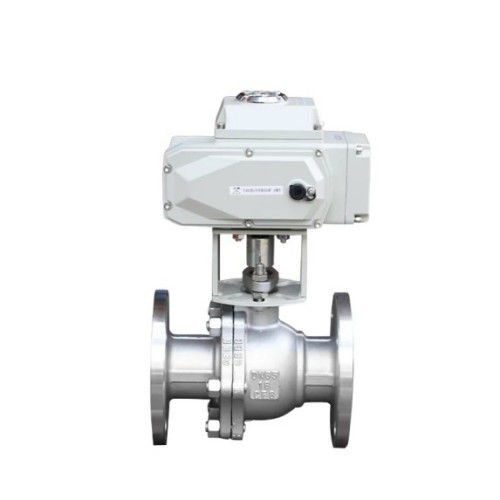
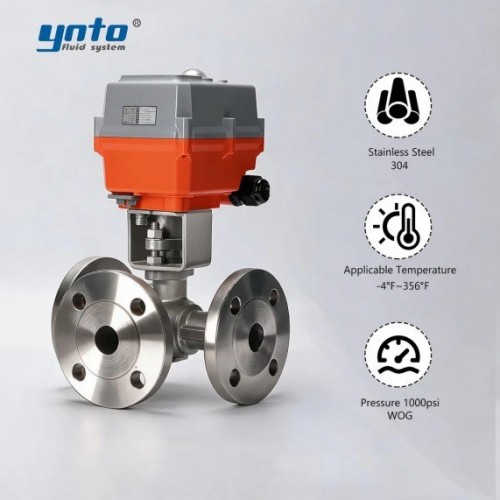
Overview of Flow Control Valve Functionality
A ball valve used purely for isolation spends most of its life fully open or fully closed. A flow control valve has a more demanding job because intermediate positioning can expose the ball and seat to higher local velocity, pressure drop and vibration.
During commissioning, one warning sign is unstable movement at small openings. High differential pressure can create concentrated velocity through the restricted passage. That produces force on the closure element, encourages vibration and, over time, accelerates wear. The result may be greater operating torque and poorer repeatability.
Before replacing a valve, determine whether the original application is really ON/OFF isolation or whether the process now expects proportional regulation. That distinction affects both valve geometry and actuator control.
Selecting the Best Replacement Valve
Types of Electric Ball Valves
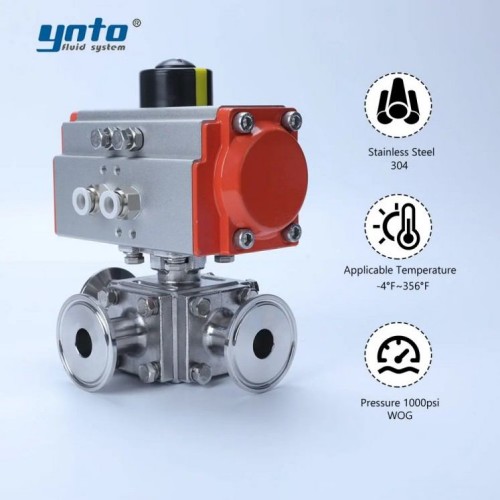
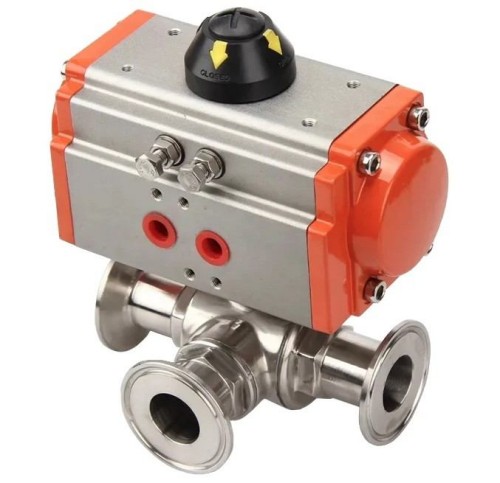
Replacement starts with the process connection. Threaded ball valves suit compact piping and equipment assemblies. Flanged valves are common where larger diameters, higher loads, or easier line removal are important. True-union plastic designs simplify maintenance in corrosive chemical and water-treatment systems, while three-way valves can divert or mix flows without using two separate isolation valves.
Materials matter just as much. 316 or 316L stainless steel is widely considered where improved corrosion resistance is required. PTFE is common for ball-valve seats because of its chemical resistance and low friction. EPDM or FKM seals may be selected according to the actual fluid and temperature range. For aggressive chemicals, polymer options such as PVDF, UPVC or PPH can sometimes be more suitable than a conventional metal body.
Material selection should always be based on media concentration, operating temperature and pressure rather than material name alone.
Comparing Plumbing Ball Valves and Solenoid Valve Alternatives
A motorized ball valve and a solenoid valve can both provide automatic shutoff, but their operating behavior is different.
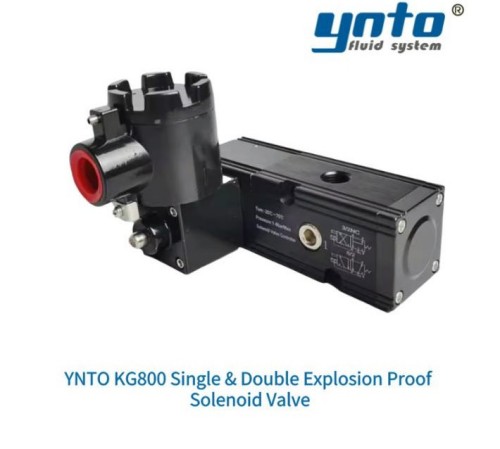
Solenoid valves are attractive where very fast switching and high cycle frequency are required, particularly in smaller lines. They depend on electromagnetic actuation and some designs are sensitive to differential pressure or contamination.
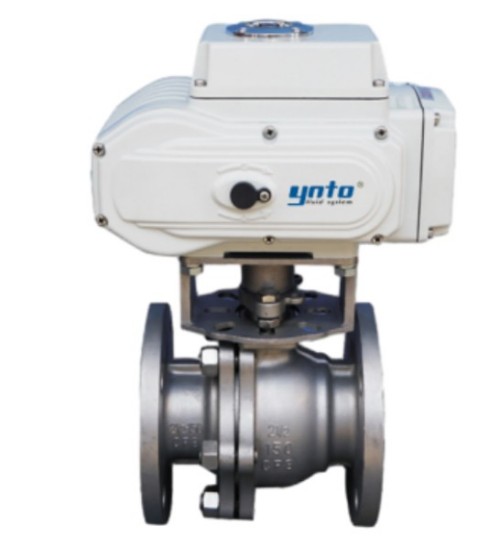
Motorized plumbing ball valves generally use a geared actuator to rotate the ball through 90 degrees. They usually operate more slowly but provide a relatively unrestricted flow path when fully open and can suit larger passages or applications where continuous coil energization is undesirable.
YNTO also supplies industrial solenoid valves, allowing engineers to compare both technologies before assuming that the existing valve type must be retained.
Understanding Valve Specifications
The label “24V DC electric ball valve” is only the beginning of a replacement specification.
Verify nominal diameter, pressure rating, end connection, body and seat materials, allowable temperature, full-port or reduced-port construction, actuator torque, operating time, enclosure protection, wiring configuration and control mode. Check whether the actuator requires simple ON/OFF commands, three-wire control, feedback contacts, or an analog signal such as 4–20 mA.
YNTO, for example, lists a 24VDC 4–20 mA electric ball valve for applications where electrical actuation is combined with industrial flow-control requirements.
Standards should also be written into the purchase specification when applicable. ANSI/ASME requirements may affect pressure class and piping interfaces; API requirements can influence valve design or testing for specific industrial services; ISO requirements may cover actuator mounting, testing or management systems; and DIN dimensions remain common in European piping installations. The applicable standard and edition should be specified rather than relying on a generic “standard valve” description.
Installation Checklist
Preparing for Replacement
A replacement job should begin before the tools come out. Record the existing wiring, valve orientation, actuator position, pipe connection, flow direction and available clearance. Photograph terminal locations if the installation is complex.
Confirm that the replacement valve is compatible with actual operating pressure and temperature. A valve suitable for ordinary water service cannot automatically be assumed suitable for steam, concentrated chemicals, abrasive slurry or high-temperature oil.
Required Tools and Materials
Typical work may require electrical test equipment, suitable spanners or torque tools, approved sealing materials, wiring terminals, pipe adapters and replacement gaskets. Thread sealant must be compatible with both the media and connection material.
Do not use the actuator housing as leverage when tightening threaded plumbing ball valves. The mechanical load should be applied to the appropriate valve-body flats.
Safety Precautions
Isolation comes first. The line must be depressurized, drained or purged as required, and electrical power isolated according to plant procedures. In chemical, high-temperature or high-pressure service, residual fluid trapped between isolation points can remain hazardous even after the pump has stopped.
This is particularly important when an old automatic shutoff valve has been leaking internally. A “closed” indication does not prove zero pressure downstream.
Step-by-Step Replacement Instructions
Removing Existing Valves
After confirming zero hazardous energy, disconnect the actuator wiring and identify each conductor. Support the surrounding piping before loosening the valve so external pipe load is not transferred into the replacement.
Once removed, inspect the old valve. Seat damage, corrosion, scale, crystallization or unusual ball wear can reveal why it failed. That information should influence the replacement specification.
Installing the New Valve
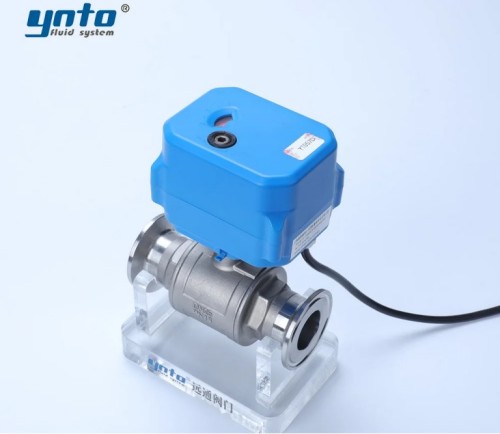
Check the valve position and flow configuration before installation. Align the piping without forcing the valve into position. For threaded valves, avoid excessive tightening; for flanged assemblies, tighten the bolts evenly according to the required procedure.
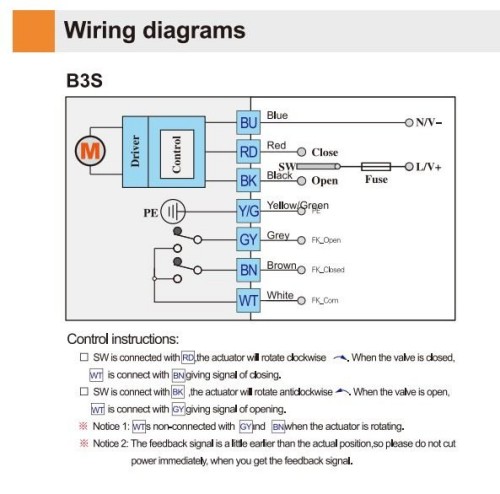
Electrical wiring should follow the actuator's actual diagram rather than the wiring arrangement remembered from the previous unit. Two 24V DC actuators can use different control logic even when their external appearance is similar.
Checking Connections and Functionality
Before returning the line to normal operation, test local opening and closing at safe conditions. Confirm that the mechanical position agrees with the electrical feedback. Then pressurize gradually and inspect the body, seats and connections for leakage.
A final functional test should include the real valve control system, not only manual operation.
Advanced Control Options
Exploring Remote Control Ball Valves
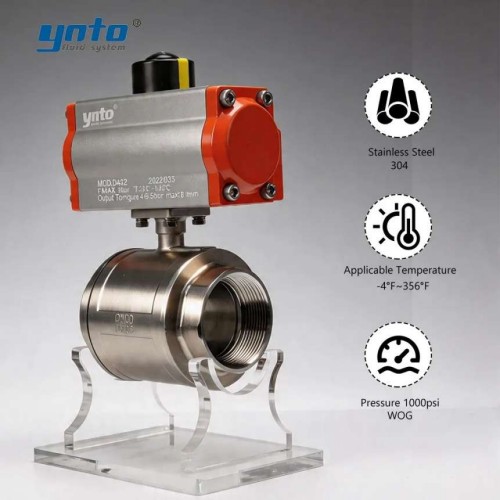
A remote control ball valve can eliminate unnecessary manual access to roof systems, cooling loops, underground equipment, chemical areas or distributed utility lines.
Remote operation becomes considerably more valuable when position feedback is included. The operator needs to know not simply that an OPEN command was sent, but whether the valve actually reached the commanded position.
For applications moving beyond basic ON/OFF operation, YNTO's broader electric valve portfolio includes electric ball valves, electric butterfly valves and actuator-based automation options for different fluid systems.
Integrating with Valve Control Systems
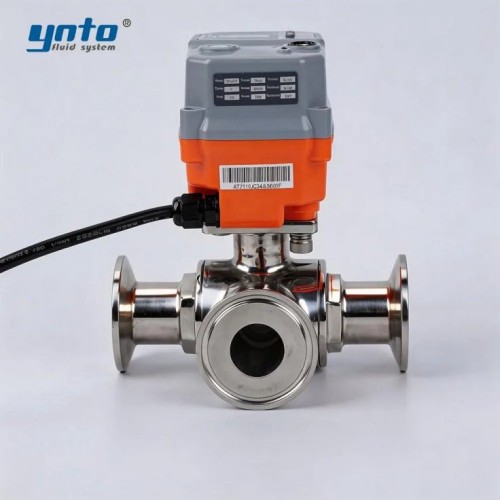
Modern installations may connect valves to PLC, DCS, building-management or equipment-control systems. Depending on the actuator, the interface may use dry contacts, 4–20 mA, 0–10 V, RS485/Modbus or another communication method.
One detail engineers sometimes overlook during retrofit work is signal compatibility. A 24V DC power supply does not automatically mean the control signal is 24V DC. Power, command and feedback should be verified separately.
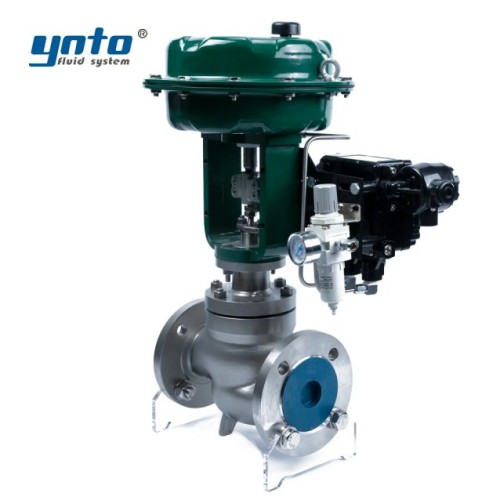
For processes requiring genuine modulation rather than simple isolation, industrial control valve solutions should also be considered because the correct answer may be a purpose-designed regulating valve rather than repeatedly positioning a conventional isolation ball valve.
Automation Features and Benefits
Useful automation features can include position feedback, manual override, adjustable operating direction, overload protection, fail-safe action and integration with remote monitoring.
The value depends on the application. A leak-detection system may need an automatic shutoff valve that closes when a sensor signals an abnormal condition. A cooling system may need proportional control. An unattended water-treatment installation may prioritize remote status feedback.
More functionality is not automatically better. The best control package is the simplest one that safely satisfies the process requirement.
Financial Considerations
Costs of Purchasing and Installing Replacement Valves
Purchase price is only one part of installed cost.
The practical total includes the valve and actuator, reducers or adapters, flanges or fittings, electrical modifications, control-panel work, installation labor, testing, commissioning and production downtime. A low-priced valve that requires pipe modification or incompatible wiring can cost more to install than a better-matched replacement.
This is why providing the supplier with the existing valve data sheet, photographs, dimensions, wiring diagram and process conditions can reduce quotation errors.
Evaluating Long-Term Investment in Electric Valves
Long-term value comes from fewer leaks, predictable actuation, appropriate corrosion resistance, reduced maintenance time and easier integration with the control system.
If corrosive media attack an unsuitable body material, localized corrosion develops, sealing surfaces deteriorate and operating torque rises. Replacing the actuator alone does not solve that chain of failure. Likewise, if temperature cycling repeatedly damages the sealing material, using the same seal specification simply resets the clock.
For engineers working on site, the best replacement is therefore rarely the cheapest valve on the quotation sheet. It is the valve that fits the existing system with the fewest compromises and continues to operate after the commissioning team has left.
Conclusion: Making the Right Choice
Replacing a 24V DC electric ball valve should be treated as a small engineering project rather than a component swap. Confirm why the old valve failed, identify the real process duty, match the mechanical and electrical interfaces, and verify the new valve under operating conditions.
For straightforward isolation, a properly selected motorized ball valve remains a practical industrial valve solution. Where faster switching, precise modulation, corrosive media or remote automation changes the operating requirement, compare the available valve technologies before purchasing.
The few minutes spent checking pressure, temperature, materials, torque, wiring and control signals can prevent months of repeat maintenance.
- 2026-10-12 15:56:29
- 2026-10-09 14:26:55
.png?imageMogr2/format/webp)
- 2026-09-30 08:25:23