

Vacuum Line Negative Pressure Maintaining Valve for Etching
- 2026-10-09 14:26:55
- admin
- NO COMMENTS
The wafer is ready, the gas sequence has started, and the pressure trace still refuses to settle. Behind the etching tool, an actuator makes another small correction. The chamber briefly reaches its target, drifts away, and delays the next process step. There is no dramatic equipment failure, just a few lost seconds that keep returning throughout the shift.
During commissioning, engineers often notice this pattern alongside increasing valve resistance or a longer pump-down after maintenance. A vacuum line negative pressure maintaining valve can help when pressure regulation is the underlying problem. The useful question is which pressure it must maintain, where it belongs, and whether its response matches the process.
Maximize Your Etching Machine’s Output with a Vacuum Line Negative Pressure Maintaining Valve
Overview of Etching Machines and Semiconductor Manufacturing Equipment
Key Processes in Semiconductor Fabrication
Dry etching removes selected material from a wafer through controlled gas chemistry and, in many processes, plasma. Pressure affects the environment in which those reactions occur. Unstable conditions can change process repeatability, so semiconductor manufacturing equipment must control gas delivery and evacuation together.
Chemical vapor deposition builds films rather than removing them, but many CVD processes also depend on controlled pressure. The shared engineering problem is maintaining the intended process environment while gases enter, react, and leave. The required base pressure and operating pressure are different specifications; the deepest achievable vacuum is not automatically the correct recipe condition.
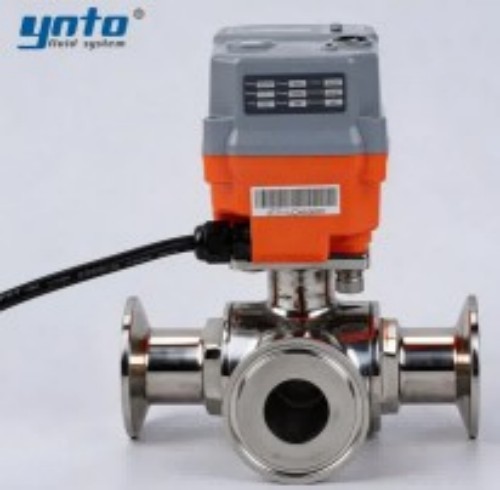
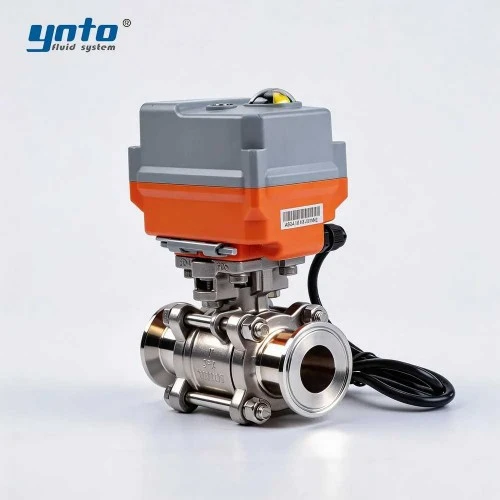
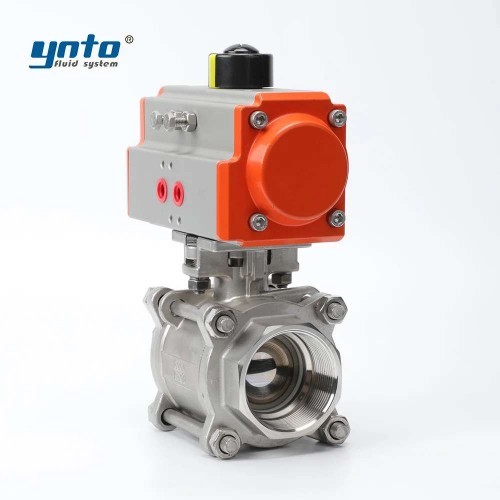
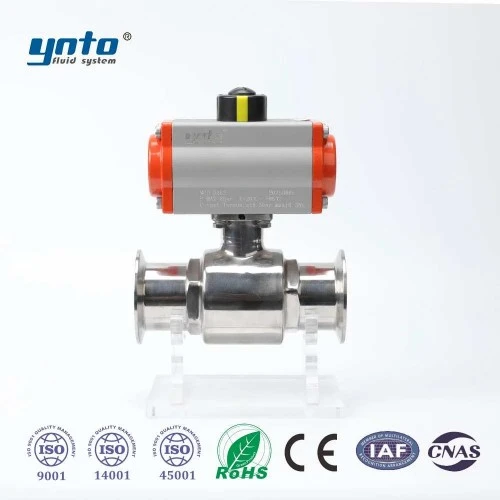
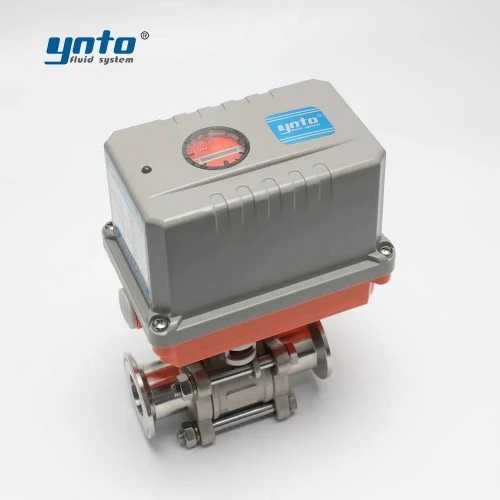
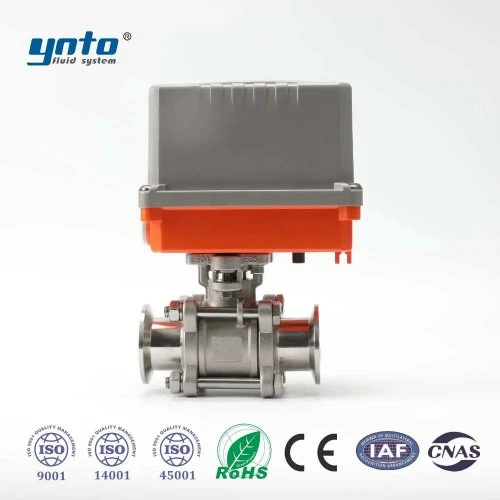
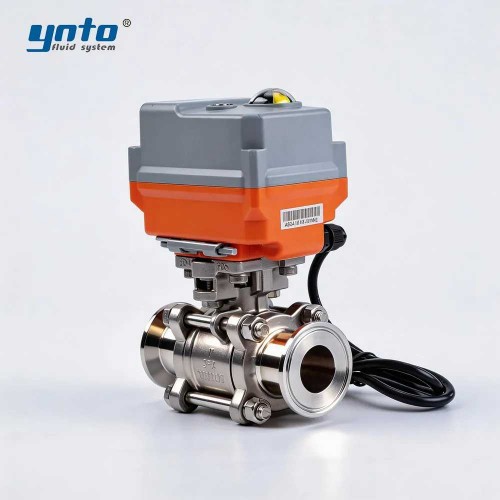
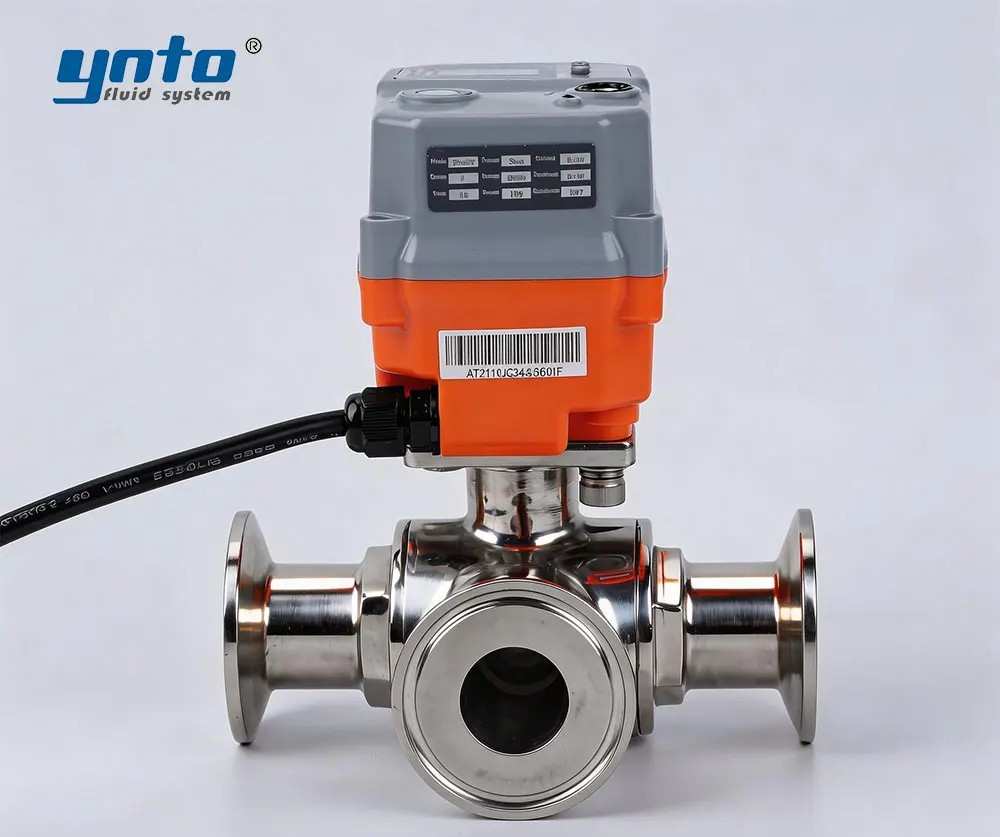
The chamber, pressure gauge, throttle valve, connecting pipework, and pump form an interacting system. Isolation valves perform a separate task: they disconnect defined sections for operating sequences or servicing. YNTO’s pneumatic stainless steel vacuum ball valve offers quick-clamp connections and pneumatic actuation for vacuum applications. Buyers should request the exact leak-test conditions, cleanliness specification, and material details before selecting it for a particular semiconductor installation.
Distinguish leakage across a closed seat from leakage through the body or stem boundary. The first can compromise isolation between sections; the second can admit room air into an evacuated system. Ask which path the quoted leak rate describes, at what differential pressure, and before or after how many operating cycles. A single impressive number without those conditions is difficult to compare with another supplier’s offer.
The Role of Vacuum Line and Pressure Maintenance
Maintaining Negative Pressure Levels
“Negative pressure” means pressure below a reference, usually local atmosphere. Absolute pressure remains positive. A plant suction header controlled relative to atmosphere therefore presents a different measurement problem from a low-pressure etch chamber controlled in pascals or millitorr absolute.
For illustration, a chamber changing from 10 Pa to 20 Pa absolute has doubled its pressure, although both readings look close to full vacuum on a coarse atmospheric-reference gauge. The purchasing specification should therefore identify the pressure reference explicitly. This prevents a supplier from sizing a general suction regulator against a chamber-control requirement that demands much finer measurement.
The phrase “negative pressure maintaining valve” describes a function rather than one universal valve design. A pressure-control arrangement may combine a sensor, controller, and modulating valve. A vacuum breaker admits gas to limit excessive vacuum; an isolation valve closes a flow path. Neither automatically provides continuous chamber-pressure regulation.
In a common downstream-throttling arrangement, the control valve changes conductance between the chamber and pumping system. With gas input otherwise unchanged, opening the passage generally increases effective pumping speed and lowers chamber pressure. Restricting it raises pressure. The controller uses measured pressure to determine how much movement is needed.
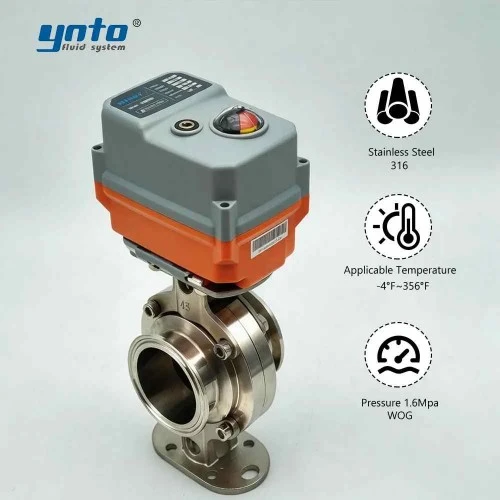
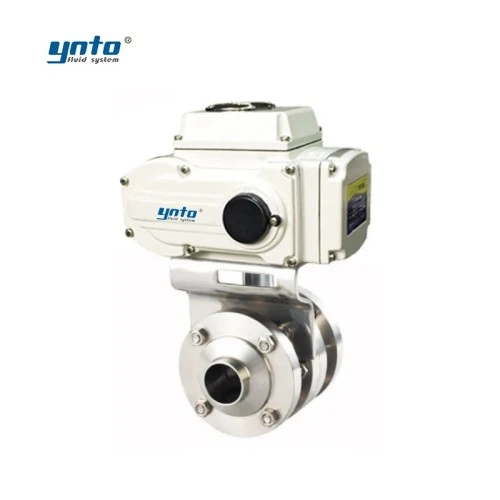
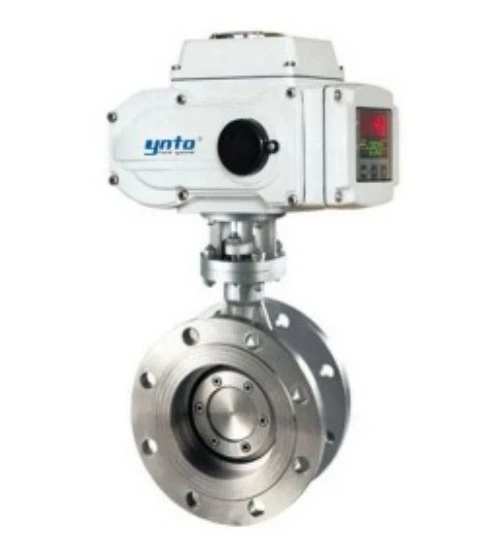
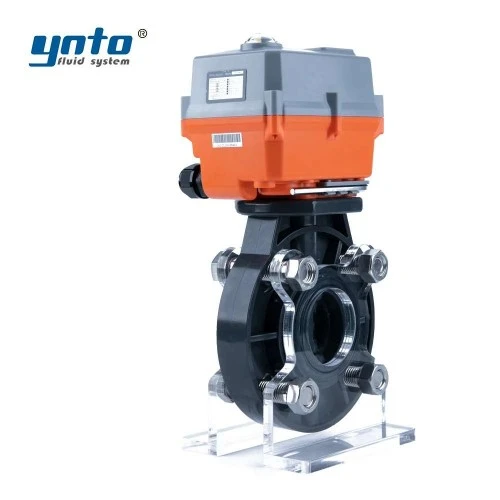
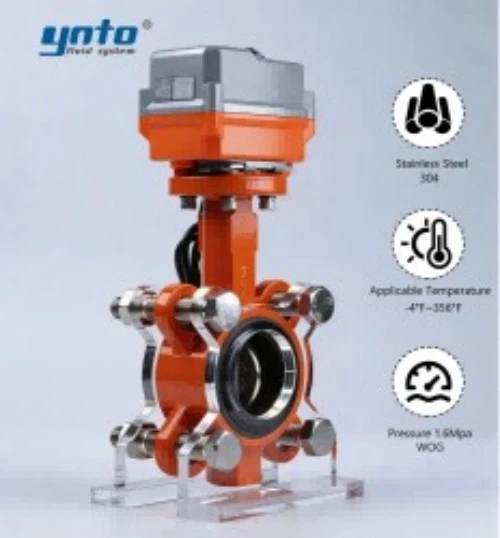
For suitable industrial suction or auxiliary gas lines, YNTO’s electric vacuum butterfly valve provides gas-flow regulation or shutoff. Its published application includes industrial vacuum and low-pressure service. Direct chamber use requires additional evidence for the actual vacuum range, particle generation, leakage, and process chemistry; a general vacuum designation cannot establish that suitability alone.
Benefits of Effective Pressure Control
Stable pressure can shorten the wait between a gas-flow change and the next qualified process step. It also helps make behavior repeatable from wafer to wafer. The production benefit comes from reducing unnecessary settling time and avoiding pressure-related interruptions while maintaining the required etch result.
Measure that benefit carefully. Compare pressure settling, aborted cycles, usable wafer output, and maintenance time under equivalent recipes. A faster valve that creates overshoot or disturbs process uniformity can reduce manufacturing process efficiency despite looking better on a response-time specification.
Define settling time as entry into an agreed pressure band that is then maintained for the required duration. Merely crossing the setpoint is not enough. A trace that repeatedly passes through target can appear fast while delaying every subsequent step. Use the same gas sequence, chamber condition, and acceptance band when comparing the original valve with a proposed replacement.
Integrating Valve Automation Systems
Enhancing Control Over Production Flow
Valve automation systems work best when the control objective is explicit. Mass flow controllers typically establish incoming process-gas delivery, while the pressure loop adjusts evacuation. Independent loops still interact through the chamber, so changing one setting can alter the other loop’s apparent behavior.
At low openings, a small movement may produce a disproportionately large conductance change. An oversized valve can therefore become difficult to regulate near the bottom of its travel. Selecting the useful conductance range is more informative than matching the valve diameter to the pipe and assuming the control problem is solved.
Record the reference conditions for gas-flow units. Standard volumetric flow and actual volume moving through an evacuated line are different quantities. Confusing them can distort initial valve sizing and make otherwise reasonable supplier quotations appear inconsistent with each other.
The controller must also know what constitutes a fault. A command that changes while measured position remains stationary suggests a different investigation from a valve that moves normally while pressure drifts. Recording command, position, gas flow, and pressure on a common timeline makes these distinctions much easier to see.
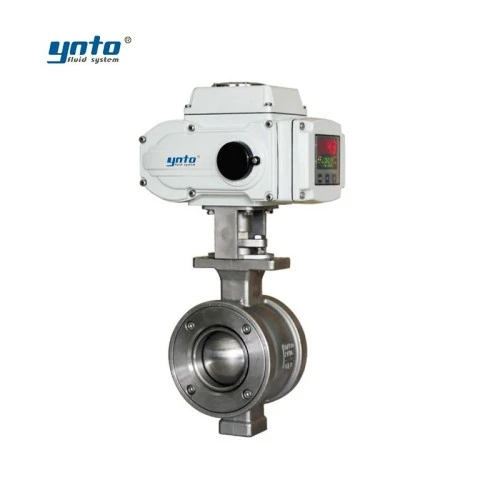
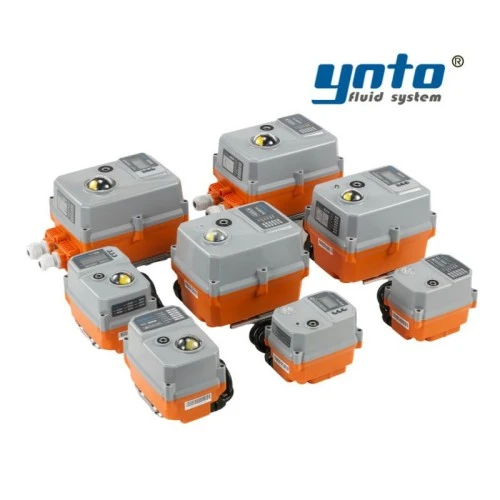
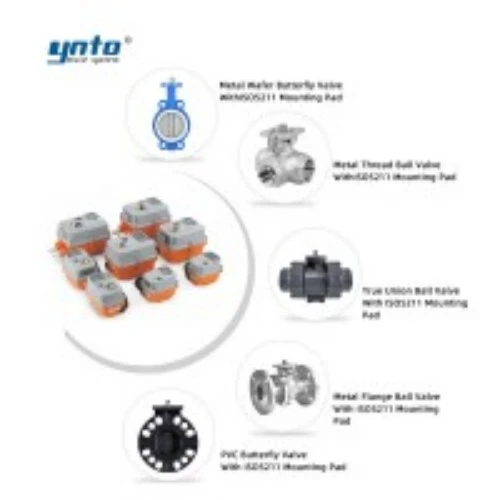
For compatible auxiliary modulating valves, YNTO’s electric actuator with modulating control options includes versions accepting analog commands and providing position feedback. Match the selected model’s resolution, operating time, torque, and duty cycle to the application. Actuator position accuracy does not translate directly into an identical chamber-pressure accuracy.
Comparison of Manual vs. Automated Valves
Manual valves remain useful for approved service isolation and infrequent adjustments. Their simplicity can be valuable on supporting utilities. They become less suitable when successive process steps require repeatable pressure corrections or when several connected users change the demand on a shared header.
Automation adds controlled movement, feedback, and coordinated sequencing. It also introduces power, instrument-air, wiring, and configuration requirements. Select the failure behavior through the equipment’s safety review: closing every valve is not necessarily safe if it interrupts required exhaust, purge, or abatement functions.
Incorporation of Differential Pressure Sensors
Monitoring Performance and Efficiency
Differential pressure sensors measure the difference between two pressure points. They can help monitor an approved trap, filter, or facility exhaust section, provided the expected flow and pressure conditions are understood. Rising differential pressure at comparable throughput may indicate increasing restriction; it does not independently prove the location or cause.
For low-pressure chamber control, an appropriately ranged absolute capacitance manometer is commonly the better measurement approach. A broad-range sensor referenced to atmosphere may not resolve small changes in chamber absolute pressure adequately. The primary control gauge and auxiliary differential measurements should therefore have clearly defined, complementary jobs.
Choosing the Right Sensors for Your System
Start with the actual operating range, required resolution, allowable drift, and response time. Gas-independent capacitance measurement can be useful where process mixtures change. Wetted materials, sensor temperature, and contamination resistance are equally important when corrosive or condensable by-products reach the measurement port.
A long or restricted sensing connection can delay the pressure signal. Deposits can make that delay progressively worse, causing the controller to act on outdated information. Review port placement and any approved heating or protection arrangement with the equipment supplier. Confirm pressure units and references throughout the controller, display, and data historian before tuning the loop.
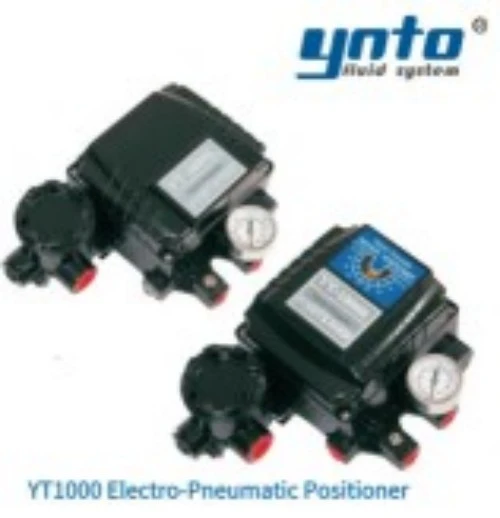
Position control provides another useful layer. On a compatible pneumatic regulating assembly, YNTO’s YT1000 electro-pneumatic positioner operates rotary actuators from a 4–20 mA controller signal. Its mechanical feedback helps the actuator reach the requested position. The pressure sensor still measures the process; the positioner manages valve travel. Verify the complete assembly’s response before assigning it a precision vacuum-control duty.
Challenges in Vacuum System Management
Common Issues and Resolutions
Deposits often reveal themselves through changing behavior before a valve stops moving. Reaction by-products accumulate along the exhaust path, reduce conductance, and increase resistance around moving parts. The controller demands more travel, pressure takes longer to settle, and cycle delays gradually become routine. Cleaning the approved components and correcting the deposition conditions addresses the cause; increasing actuator force alone can conceal it.
Leaks create a different problem. A pump may compensate sufficiently to hold the displayed pressure while unwanted air still enters the chamber. Pressure stability therefore does not prove process purity. Review seals disturbed during maintenance, trapped volumes, and outgassing using the tool manufacturer’s diagnostic procedure and appropriate leak-testing equipment.
Material selection should reflect both clean gases and possible condensates. 316L can suit many vacuum components, but resistance to a particular etch chemistry must be checked. PTFE offers useful chemical resistance in suitable seats or linings, while FKM compounds require review for temperature, gas compatibility, permeation, and outgassing. Repeated temperature changes can reduce an unsuitable seal’s resilience, allowing air ingress that increases gas load and disrupts process consistency.
Commissioning records should include the condition after cleaning as well as behavior near the planned maintenance point. A valve may regulate well when clean but lose useful travel as deposits accumulate. That comparison helps determine whether the process needs a different conductance range, more suitable thermal management, or an earlier service interval.
How to Maximize Efficiency
Review vacuum system components as an installed assembly. Excessive pipe length, restrictive fittings, contaminated traps, and mismatched valves can limit effective pumping performance even when the pump itself is healthy. Flow rate control and pressure regulation should be assessed across the actual recipe range, including transitions and recovery after servicing.
Standards help turn a quotation into measurable requirements. ANSI/ASME B16.34 addresses applicable industrial metal-valve ratings, materials, and testing; API 598 addresses valve inspection and testing. DIN EN 558 concerns dimensions for flanged metal valves. ISO 27895 provides vacuum-valve leak-test methods. Industrial pressure-test compliance does not establish semiconductor cleanliness or vacuum leak performance. Specify the applicable standard, tracer gas, pressure differential, temperature, leakage limit, and acceptance conditions.
Mechanical safety also needs both pressure directions considered. Positive-pressure capability does not automatically establish resistance to external pressure under vacuum. Compressed purge supplies, hot forelines, corrosive deposits, and possible trapped pressure require equipment-specific safeguards. Before maintenance, follow the approved isolation, purge, decontamination, and lockout procedures, and preserve the required exhaust and abatement functions.
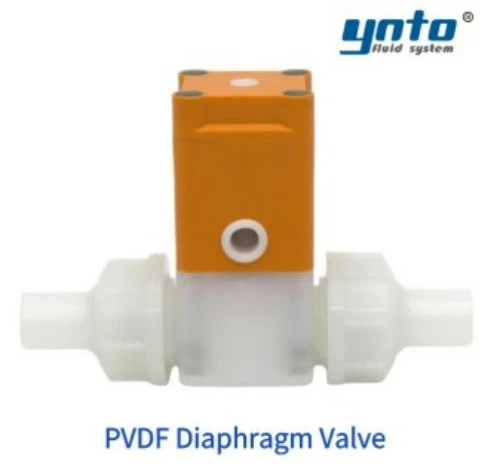
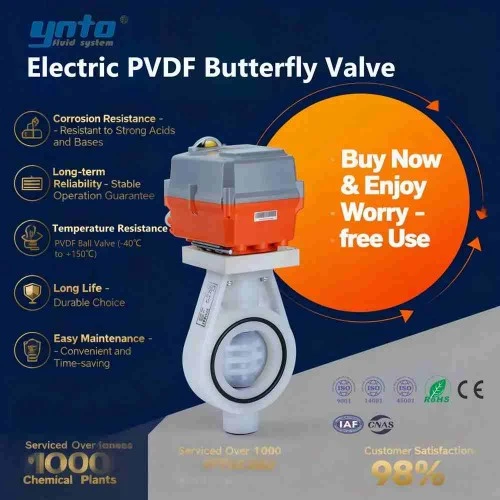
Separate wet-chemical utilities need their own solution. YNTO’s PVDF diaphragm valve is relevant to compatible chemical-transfer and water-treatment branches around semiconductor equipment. Its diaphragm separates the fluid from the operating mechanism. Confirm chemical concentration, temperature derating, and diaphragm compatibility; this supporting application should not be confused with the chamber’s gas-throttling function.
Finally, validate the improvement against the same process acceptance criteria used in production. Shorter settling time is useful only when wafer quality remains acceptable. Record the baseline, make controlled changes, and compare results after sufficient representative operation. This provides a defensible basis for purchasing additional valves or changing the maintenance interval.
Conclusion
A vacuum line negative pressure maintaining valve improves etching-machine output when its regulating function, measurement system, and operating range match the real process. Reliable performance depends on conductance, clean and compatible sealing surfaces, suitable actuation, and pressure feedback that represents the controlled volume accurately.
For a useful YNTO quotation, provide the line’s function, absolute operating pressure, maximum differential pressure, gas chemistry, temperature, connection size, required leakage limit, control signal, and cycle frequency. Ask for the exact model specification and acceptance-test proposal. Those details help identify a suitable vacuum isolation, auxiliary regulation, actuation, or chemical-service package and establish what further qualification the etching application requires.
- 2026-10-09 14:26:55
.png?imageMogr2/format/webp)
- 2026-09-30 08:25:23
- 2026-09-28 10:28:43