

Biomethane Injection Valves: Materials & Shutoff
- 2026-11-27 09:54
- admin
- NO COMMENTS
At the injection skid, the compressor settles into its normal rhythm, but the pressure trace keeps stepping up and down. An operator notices that the isolation valve takes longer to close after a cold restart. During a later shutoff check, pressure slowly rebuilds in the supposedly isolated section. The actuator’s closed signal is present; the gas barrier is not performing as expected.
Ordering the same nominal size may reproduce the problem. Condensate, unsuitable seals, excess differential pressure, or an incorrect actuator stop can each affect shutoff. Biomethane grid injection needs a valve selected for the actual gas and its failure conditions, with evidence that the complete assembly fits, closes, and stays tight.
Understanding Biomethane
Definition and Benefits
Biomethane is upgraded biogas, with carbon dioxide and contaminants reduced to meet the intended use. Grid injection requires the receiving network’s acceptance specification, rather than a universal methane percentage. Water content, sulfur compounds, oxygen, carbon dioxide, heating value, and other constituents may influence acceptance and equipment selection.
The distinction between raw and upgraded gas is essential when specifying biogas processing equipment. A valve beside a wet gas-treatment vessel may encounter a different corrosion envelope from one after drying and compression. Include startup, cleaning, and treatment-upset conditions in the service datasheet; a normal-operation sample cannot describe every exposure.
Role in Clean Energy
Biomethane can recover energy from suitable organic residues and use existing gas infrastructure where quality and capacity permit. Its environmental benefit still depends on feedstock, processing energy, and methane loss. A small continuous stem leak or repeated unnecessary venting undermines the purpose of upgrading the gas.
Valve procurement therefore affects more than availability. External sealing limits methane escape; internal shutoff limits unintended transfer. Evaluate these separately. A valve can hold pressure across its seat while leaking at a stem seal, or remain externally dry while passing gas into an isolated downstream section.
Ball Valve Specifications
Types of Ball Valves
Floating-ball designs use differential pressure to load the ball against a seat. Trunnion-supported designs restrain the ball and use a different seat-loading arrangement. Neither mechanism automatically establishes bidirectional isolation, cavity relief behavior, or double-block-and-bleed performance. Specify those functions explicitly where the station design requires them.
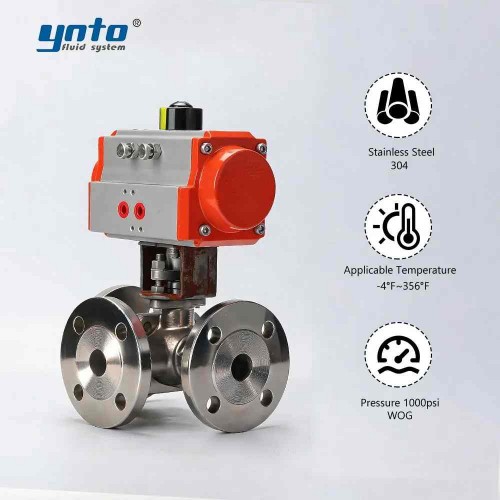
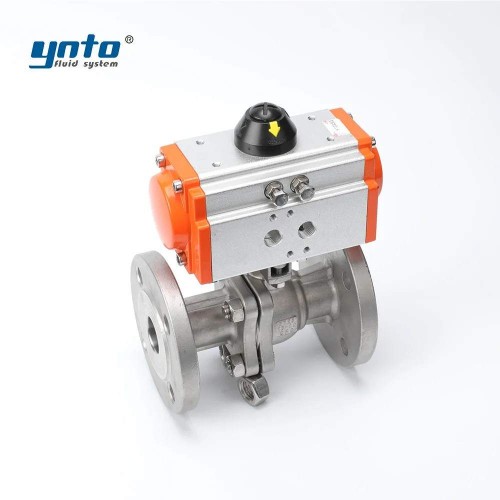
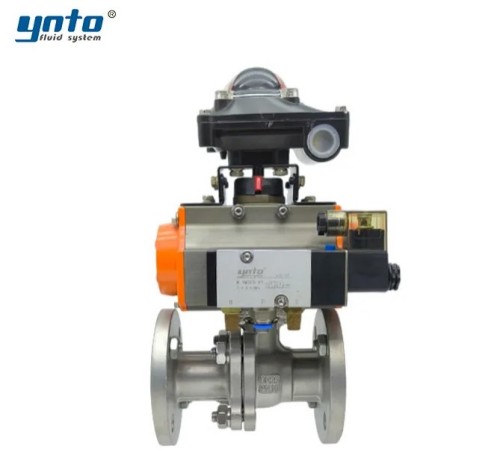
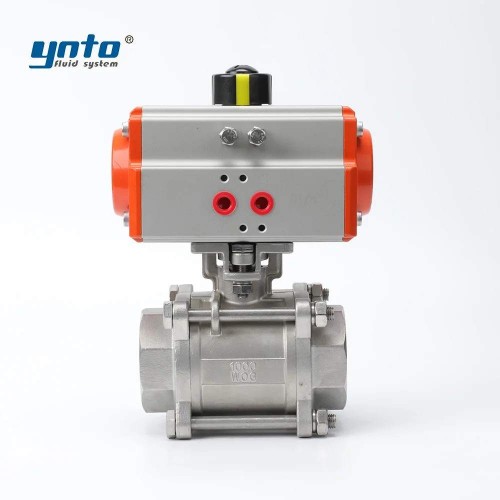
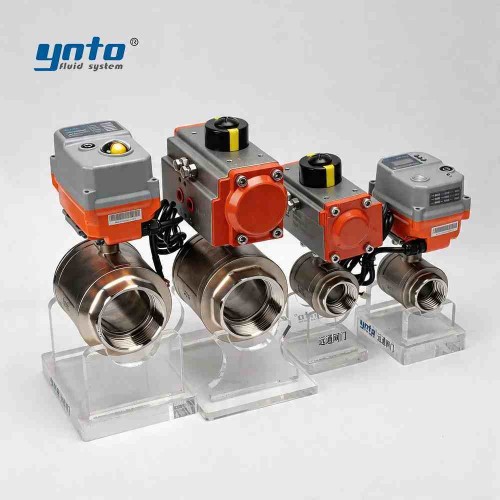
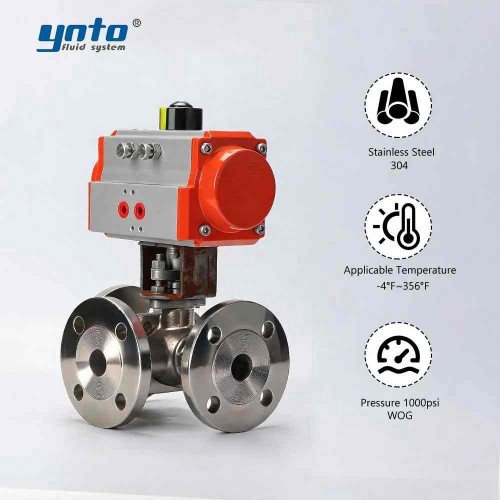
YNTO’s pneumatic flanged quarter-turn ball valve is a starting point for comparing an automated isolation assembly. Its page describes gas service and selectable metallic bodies and seats. Obtain a configuration-specific datasheet, gas-tightness test, torque calculation, and applicable certificates before proposing it for the grid-entry boundary. General gas-service wording does not establish network approval.
Full-bore construction may reduce pressure loss, but bore size is only one part of ball valve specifications. Check minimum and maximum flow, upstream pressure, grid pressure, temperature, and allowed pressure drop. A standard isolation ball valve should not be held barely open to substitute for a properly sized regulating valve.
Define the flow reference conditions before requesting capacity calculations. A rate expressed in normal or standard cubic meters per hour is not the same volume passing through the valve at line pressure. State the reference temperature and pressure, gas composition, and required operating range so competing quotations use the same basis. Check minimum temperature after pressure reduction alongside maximum compressor-discharge temperature; the seal and body must tolerate both credible extremes.
Material Considerations for Durability
Carbon steel may be suitable for conditioned dry gas within its specified corrosion and temperature envelope. Wet carbon dioxide or sulfur-bearing condensate changes that assessment. Corrosion can roughen the stem or seat support; subsequent movement damages the sealing interface, increases resistance, and eventually produces leakage. Fixing the drying fault may be as important as changing the valve alloy.
316L can improve resistance in selected wet-process conditions, but it is not universally immune to chlorides or sulfur-related damage. If the exposure qualifies as sour service within an applicable specification, review material condition, hardness, and the relevant ISO 15156 requirements with the materials engineer. Do not impose or claim sour-service qualification solely because the plant handles biogas.
PTFE seats offer broad chemical resistance, yet pressure loading, cold flow, and temperature remain design limits. Elastomer selection needs the complete gas composition: a gas-qualified FKM, NBR, or HNBR compound may be appropriate, but generic polymer names do not establish permeation or rapid-gas-decompression resistance. Include compressor-oil carryover and cleaning agents in the compatibility review.
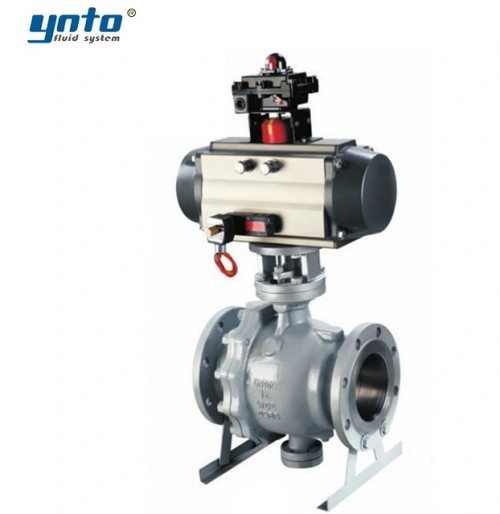
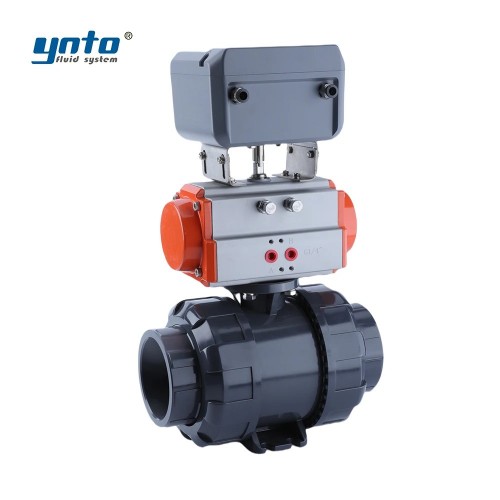
For a larger supported-ball arrangement, YNTO’s pneumatic fixed ball valve offers another family to assess. The published construction includes several seat, gasket, and actuator options. Confirm the actual metallic grade, seat design, cavity pressure management, end dimensions, and required project standards; catalogue variants are not interchangeable evidence of suitability.
Energy Transition Technologies
How Biomethane Fits into the Energy Matrix
Among energy transition technologies, biomethane offers a route from local feedstock to distributed gas demand. Injection availability nevertheless depends on network pressure and consumption. When demand falls, the producer may need to reduce output, store gas, or use an approved alternative destination. Opening the valve further cannot overcome a network’s acceptance or capacity limit.
This operating variability affects valve duty. A station originally designed for infrequent isolation may later cycle more often as production and network demand change. Review cycle frequency, packing endurance, actuator duty, and spare-parts provision during industrial valve replacement rather than carrying the original assumptions into the new assembly.
Innovations in Gas Flow Control
Useful gas flow control systems compare commands with independent position, pressure, and flow measurements. Rising actuator demand with delayed movement suggests friction or insufficient driving force. Normal travel with continued pressure rise in the isolated volume points instead toward seat leakage, a bypass, or another feed path.
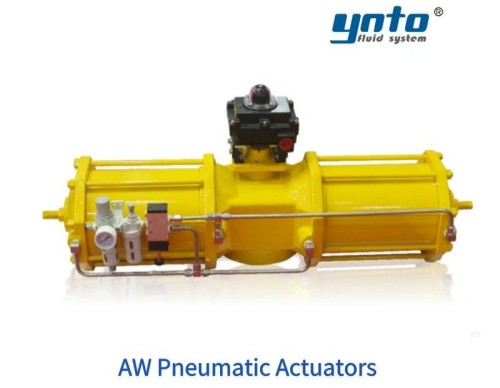
YNTO’s AW pneumatic actuator includes single-acting spring-return and double-acting versions. Select the required failure action and verify available torque throughout the stroke at minimum air supply and worst specified differential pressure. A double-acting unit has no guaranteed safe return merely because it is pneumatic. Assess hazardous-area suitability for the completed actuator, pilot, switches, and installation.
For protective closure, test the whole chain. Gas-sample transport, analyzer processing, logic, pilot response, and valve movement all consume time. The station design must account for how far unacceptable gas can travel during that interval. A rapid actuator cannot compensate for an analyzer sample point that detects the problem too late.
Pipeline Integrity Management
Importance in Biogas Applications
Pipeline integrity management should connect the valve history with gas-quality and pressure records. Condensate appearing after a cold restart, repeated compressor trips, or a rising dew point can explain a new leakage pattern. Replacing damaged seats without correcting liquid carryover may simply restart the same deterioration process.
Separate internal leakage checks from external leak surveys. Define the test medium, differential pressure, direction, duration, and acceptance rate. Where reverse grid pressure is credible, verify the required reverse-pressure shutoff performance. A water-based shell test does not demonstrate every low-pressure gas-seat condition or the emission performance of stem packing.
Also account for trapped gas. Closing an injection valve stops further feed only if the seat holds and alternate paths are controlled. Pressurized inventory remains in the pipe. Depressurization and any recovery, flare, or vent arrangement need an engineered destination; an actuator’s closed indication does not authorize opening a flange.
Regulatory Requirements
Requirements depend on jurisdiction, station scope, and the network-entry agreement. DIN EN 16723-1 concerns biomethane quality at entry to applicable natural gas networks. It is not a valve product certificate. Confirm local gas-quality, pressure-protection, metering, odorization, and operating responsibilities with the receiving operator.
For applicable metallic valves, ANSI/ASME B16.34 defines construction and pressure-temperature requirements. Where specified, API 6D and ISO 14313 address pipeline-valve design, manufacture, testing, and documentation; ISO 14313:2025 supplements API 6D rather than serving as an unrelated equivalent. Identify the contracted editions and the supplied valve’s exact compliance basis.
Fugitive-emissions qualification under ISO 15848-1 addresses external leakage performance within its defined test scope. Fire-test evidence, hazardous-area electrical approval, and functional-safety documentation answer other questions. None substitutes for the others. If the valve forms part of a safety function, obtain the evidence required by that function’s assessment and proof-test plan.
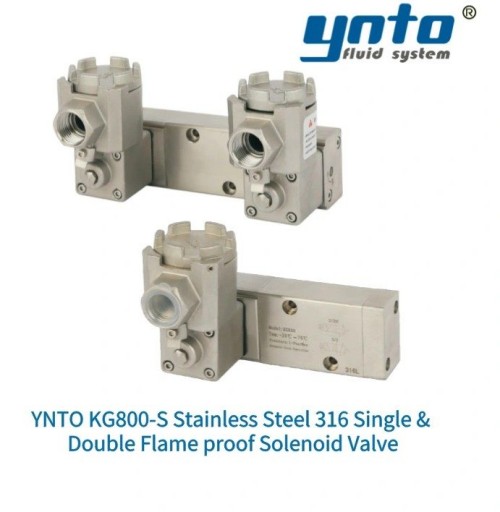
For a pneumatic pilot circuit, YNTO’s KG800-S flameproof solenoid valve provides a NAMUR-mounted option to evaluate. It controls actuator air, not the biomethane process stream. Confirm porting, coil voltage, de-energized action, minimum pilot pressure, and the actual hazardous-area certificate.
Gas Distribution Systems
Overview of Challenges in Distribution
Gas distribution systems expose the injection station to changing downstream pressure and possible reverse differential pressure. A regulator, non-return device, protective shutoff, and maintenance isolation can have distinct jobs. Combining their names under “gas valve” creates gaps in the replacement specification.
At low production rates, an oversized regulating element may hunt. Pressure oscillation repeatedly moves the trim; wear grows; stable control becomes harder. A larger actuator does not improve an unsuitable flow characteristic. Review compressible-flow capacity and the installed control range before selecting the regulating assembly.
Solutions for Effective Integration
Keep routine regulation separate from the independent protection required by the approved station design. Document the response to unacceptable gas quality, excessive pressure, loss of instrument air, power failure, and invalid instrument signals. Include compressor unloading or shutdown and upstream gas routing so protective valve closure does not create another overpressure condition.
During commissioning, test from the initiating fault to verified shutoff. Correlate valve feedback with flow and pressure; retain the slowest valid response under specified conditions. A partial-stroke diagnostic can reveal some movement faults but does not replace a required full closure or seat-leakage test. Restart should require the approved reset authority and restored gas quality.
Replacement Procedures
Step-by-Step Replacement Guide
First, obtain the station operator’s approved work plan and confirm which boundary is being replaced. Review drawings, design conditions, gas analysis, failure history, and required protective functions. Establish the shutdown window and the effect on upstream production and the connected network.
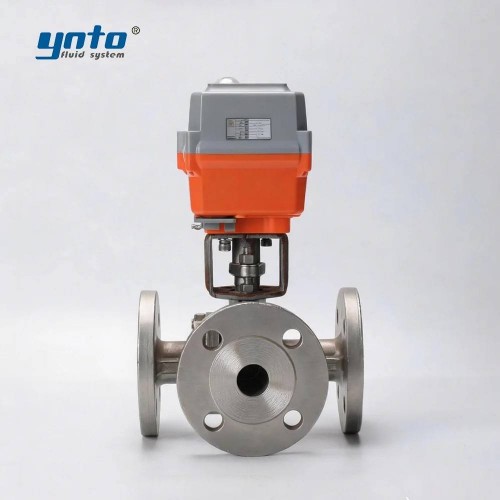
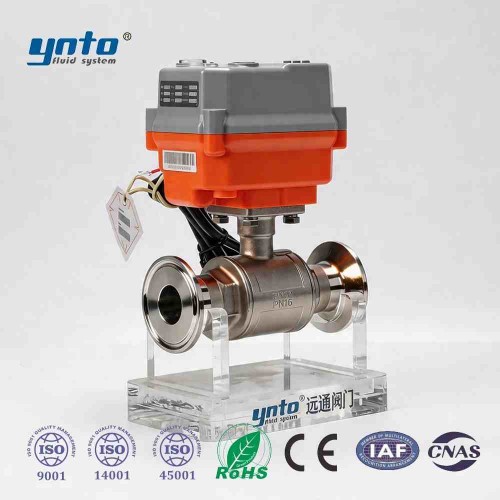
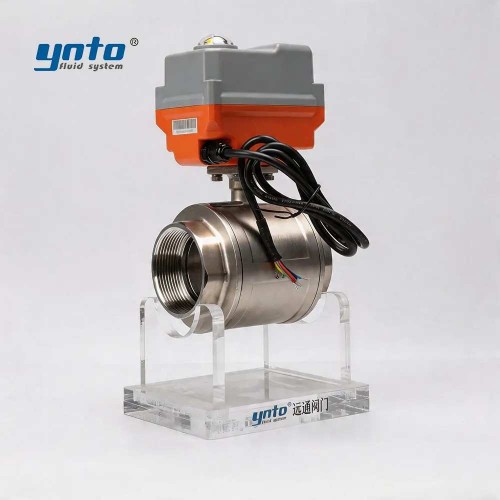
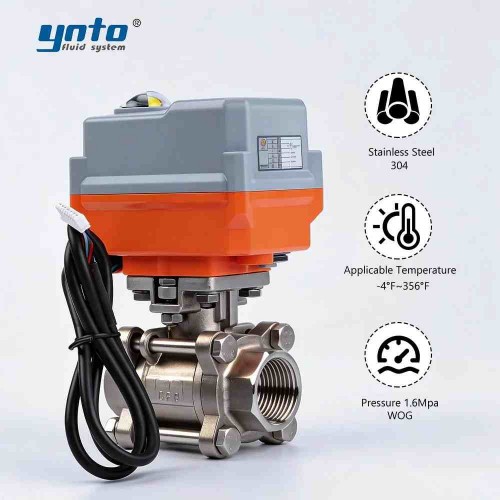
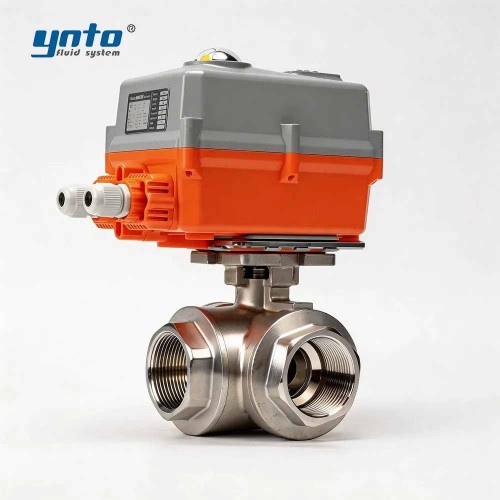
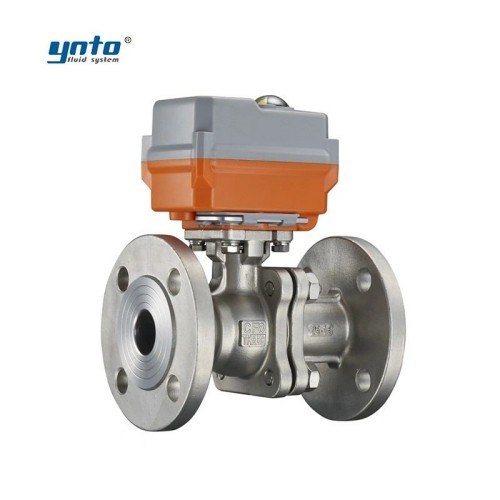
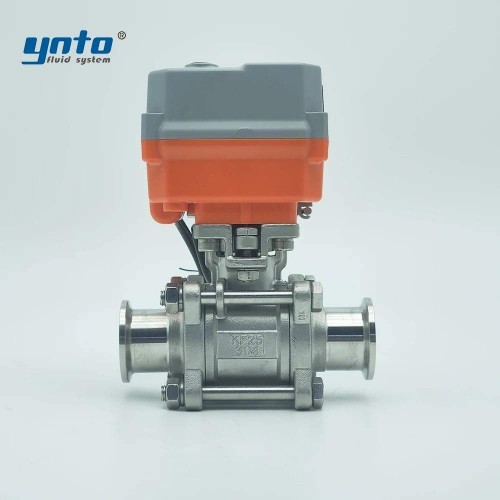
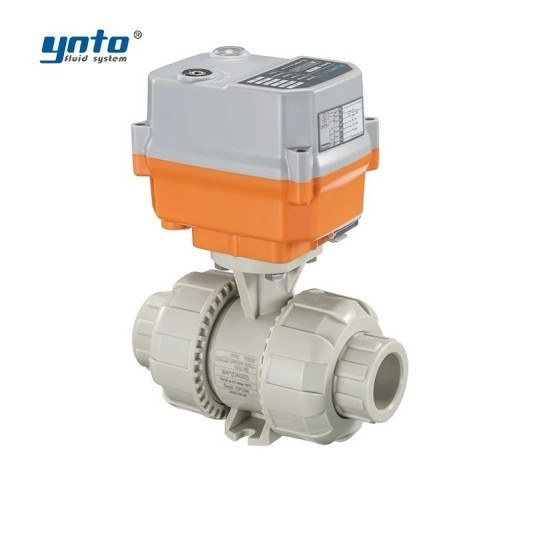
YNTO’s two-piece flanged stainless steel electric ball valve offers an electric-actuation family for technical comparison where the project permits it. Specify hazardous-area execution, required stored-energy or other return capability, loaded closing time, seat tightness, and compatible materials. An ordinary electric package is not automatically an emergency shutoff assembly.
Next, qualified personnel should isolate and lock out relevant energy sources, verify the isolation, and depressurize or recover gas through the approved system. Follow the site’s purging, atmospheric testing, ventilation, and ignition-control procedures. Nitrogen introduces an asphyxiation hazard; residual hydrogen sulfide may require additional controls even when normal product gas is compliant.
After safe access is established, inspect the removed seat, stem, and cavity for corrosion, deposits, or damage. Compare the replacement’s face-to-face length, bore, flange facing, bolt pattern, support loads, and actuator clearance with verified dimensions. Fit without pulling misaligned pipe into position. Retain material traceability and follow the specified bolting or welding procedure.
Finally, complete the approved pressure, external leakage, seat, and functional tests. Reconnect controls, verify failure action, and prove the gas-quality trip and restart sequence before authorization to resume injection. Record the actual configuration and results as the new maintenance baseline.
Choosing the Right Replacement Valve
Send YNTO the gas composition and upset envelope, operating and design pressures and temperatures, forward and reverse differential pressure, required flow, drawing, utilities, leakage limit, and operator specifications. Request a deviation list with the quotation. That makes a customized replacement reviewable and reveals whether an apparent dimensional match meets the station’s functional requirements.
The purchasing decision should follow demonstrated compatibility, shutoff, and documentation. A valve that fits the spool but lacks the required gas-seat evidence or protective action is not a complete replacement. The useful outcome is a station that controls normal injection and reliably isolates when its approved protection logic demands it.
- 2026-11-27 09:54
- 2026-11-25 09:02
- 2026-11-23 09:31