

PPH Ball Valve Replacement for Semiconductor Water Reuse
- 2026-11-23 09:31
- admin
- NO COMMENTS
The reclaim-water skid has been running all morning when an operator notices a drip beneath a union nut. The pressure trace is uneven, and the electric valve takes longer to close after filter backwash. Conductivity remains within the reuse-water limit, yet a failed isolation point could send water to the wrong tank.
Ordering by nominal size skips the useful questions. Has oxidant exposure changed the seat? Is a mismatched pipe end pulling the body out of line? Does the branch carry reclaimed utility water, feed a polishing train, or supply final ultrapure water (UPW)? In semiconductor manufacturing, those duties have different evidence requirements. Connection, chemistry, pressure, and cleanliness must match the actual stream.
Understanding PPH Ball Valves in Semiconductor Applications
Role of Ball Valves in Fluid Control Systems
Industrial ball valves provide quarter-turn isolation for pumps, filter bypass, and treatment-chemical transfer in fluid control systems. The closed valve keeps backwash out of a recovery loop; the open valve must pass design flow without excessive pressure loss. Access matters too: can a failed seat be inspected without cutting pipe?
During commissioning, a “closed” indication with rising tank level warrants checking bypass and instruments before blaming the seat. Repeated pressure reversals can fret the ball-seat contact; the sealing surface wears, torque grows, and leakage may contaminate a segregated stream.
Specific Characteristics of PPH for Semiconductor Use
PPH, or polypropylene homopolymer, resists many aqueous acids and alkalis and can avoid exposed metallic wetted surfaces. It is light and can join a compatible thermoplastic line. Those properties suit some chemical resistant valves on segregated reclaim or pretreatment duty.
Compatibility depends on concentration, temperature, contaminants, and exposure time. Hot oxidants or solvents can change the answer. Plastic strength falls with temperature, so check the pressure-temperature curve, surge allowance, seals, and joints rather than carrying a room-temperature PN rating into hot service.
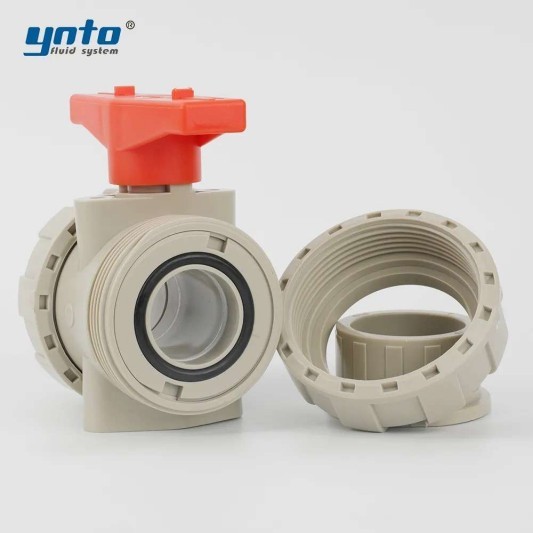
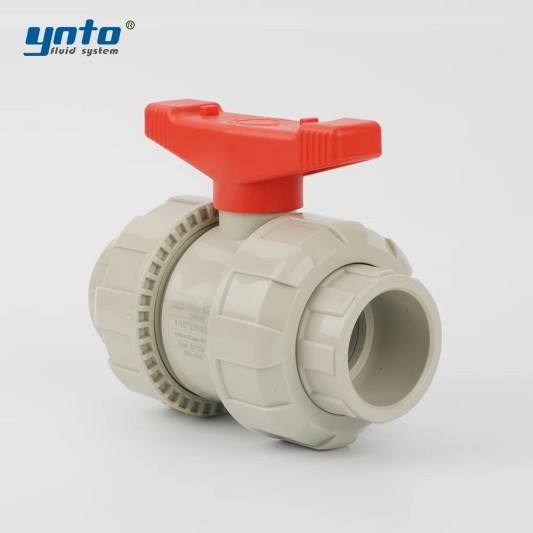
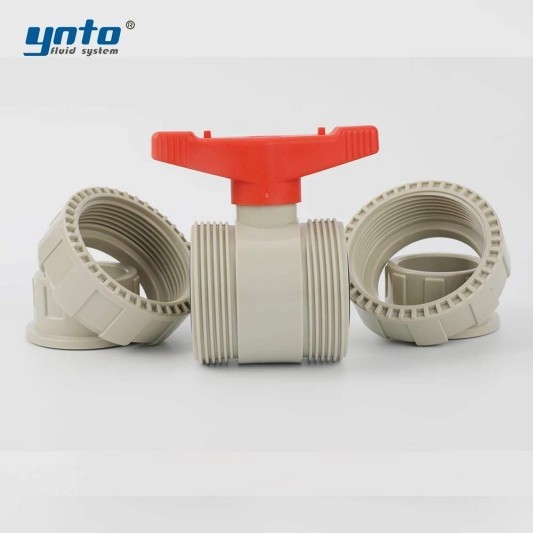
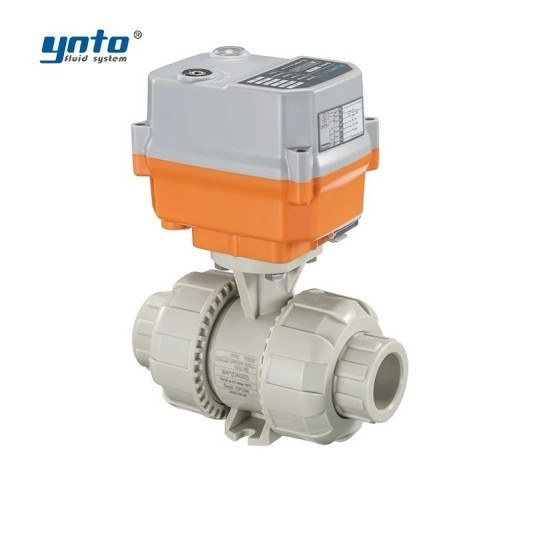
For a manually isolated reclaim branch, YNTO's PPH-capable true-union ball valve is worth comparing. A removable union simplifies service only if the ends truly match. Specify the PP-H version and verify its seat, seals, dimensions, and derated pressure. The listing is not a UPW qualification certificate.
Cleanliness is quieter. A pressure test does not quantify metal ions, particles, or organic extractables from resin, seats, assembly, or packaging. A corrosion-resistant PPH valve is not automatically suitable for final UPW or wafer-rinse points. Those need the fab's high purity water systems specification and qualification evidence.
Challenges in Water Reuse Systems
Importance of High Purity in Semiconductor Manufacturing
Water reuse has distinct quality grades. Treated water may feed cooling or scrubbers; another stream enters the UPW plant for further polishing. Selecting the same valve for every branch can blur those boundaries.
Map source, contaminants, treatment stage, destination, and fail position. Conductivity alone misses organics, silica, metals, particles, microbes, and process-specific chemicals. Put sampling and alarms where a cross-connection would matter.
Impact of Valve Material on Water Quality
Residual oxidant or acid can pit an unsuitable metal part. Corrosion products load downstream filters; pressure drop and backwash frequency rise, lowering reuse availability. A compatible thermoplastic can interrupt that chain if seals and joints also pass review.
PPH is not the only choice. PVDF or qualified fluoropolymers may suit a tougher purity or chemistry envelope; 316L may suit other streams. PTFE, EPDM, and FKM seals differ in chemical resistance. Even a compatible polymer can shed particles or extractables if grade, machining, cleaning, or packaging is wrong.
Common Failures in Existing Valve Systems
A sticky electric valve may have a sound motor but a distorted body. A shifted support loads the connection sideways; thermal cycling tightens the seat, and torque rises until the actuator hesitates. A stronger actuator can worsen body or stem damage.
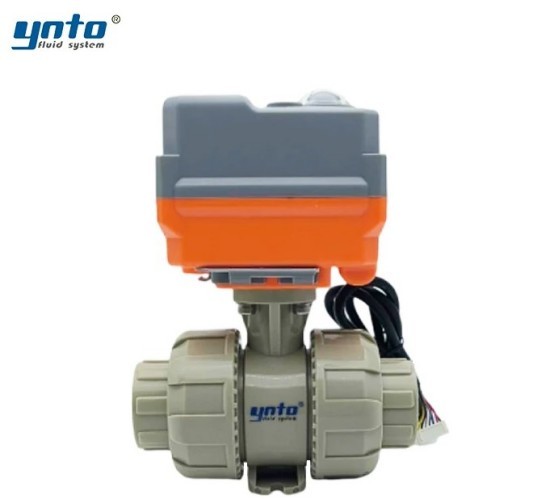
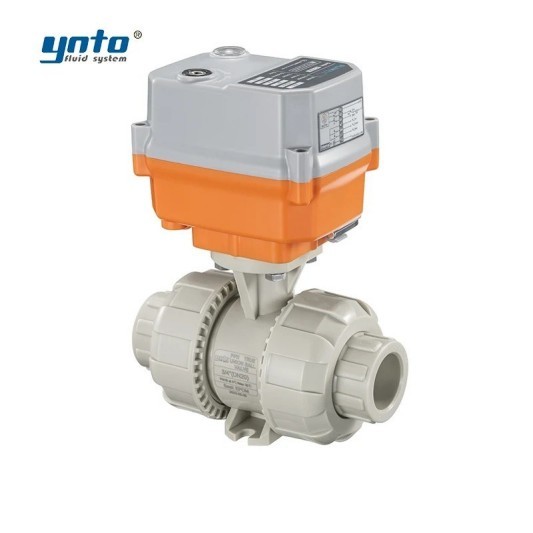
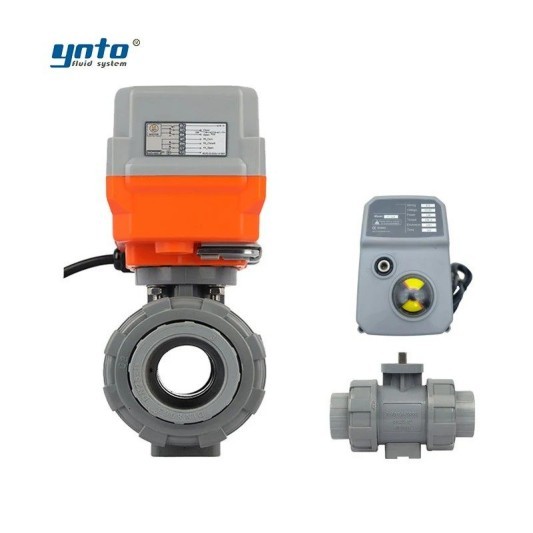
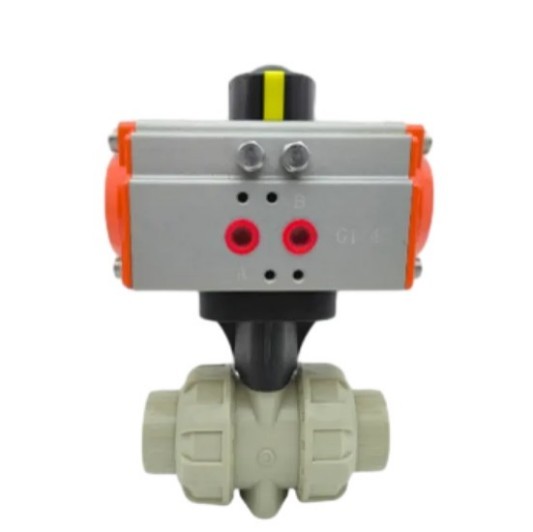
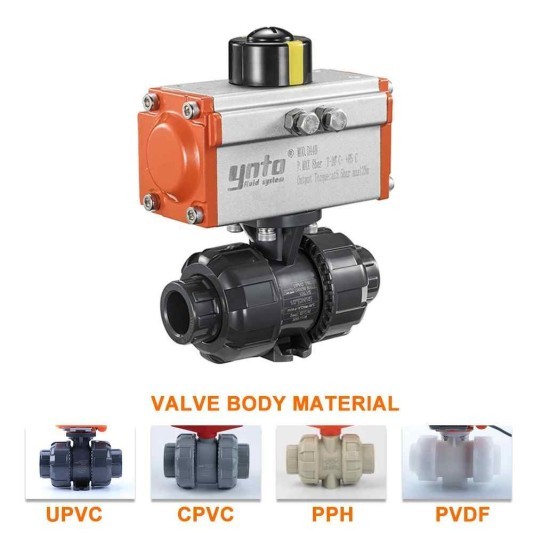
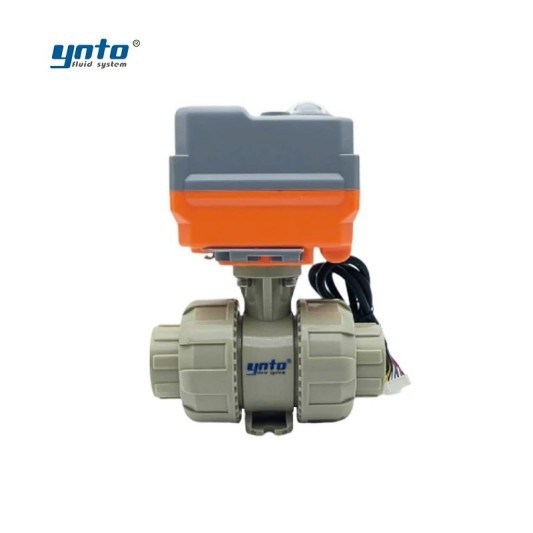
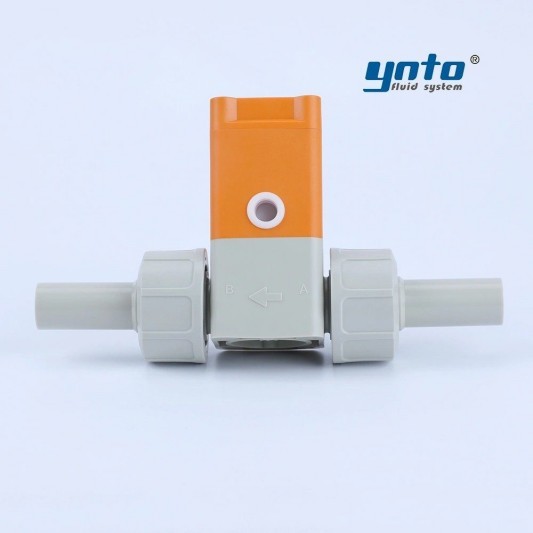
On a treatment skid needing remote cycling, YNTO's pneumatic PPH double-union ball valve is a candidate for review. Its page includes PPH among body choices and an AT-series actuator. Ask for a configuration-specific materials list, rating, union dimensions, seat test, and actual fail action.
A seal that tolerates reclaim water may swell in concentrated regeneration solution. The ball drags across it, sheds debris, then leaks after closure. Compare cleaning and upset chemistry with seal compatibility data before reordering.
Before loosening a union, lock out the pump, isolate both sides, drain, and verify zero pressure. Liquid trapped between the ball and another closure may discharge suddenly. Follow plant chemical-handling procedures; hot or corrosive carryover is hazardous even on a “water” line.
PPH Ball Valve Replacement Process
Evaluating Existing Systems for Retrofitting
Walk the line with its tag and drawing. Record pressure, temperature, flow, cleaning chemistry, and reuse destination. Measure pipe outside diameter, face-to-face length, bolt circle, actuator clearance, and support location. “DN50” does not prove the ends fit.
Before shutdown, trend differential pressure, current or torque, stroke time, tank level, and water-quality indicators. A rising pressure drop may come from the upstream filter. A long stroke with steady voltage points toward friction or controls.
Criteria for Choosing PPH Ball Valves
Specify manual isolation, electric on-off service, or controlled sequencing. A standard ball barely open can create a fast jet and erode its seat. For precise regulation, consider a designed control valve or diaphragm valve.
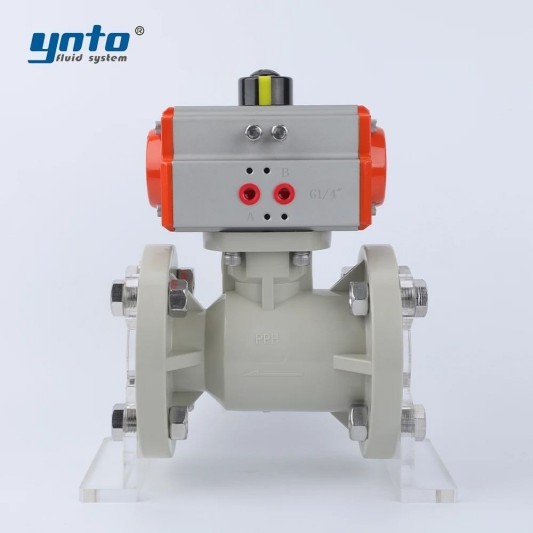
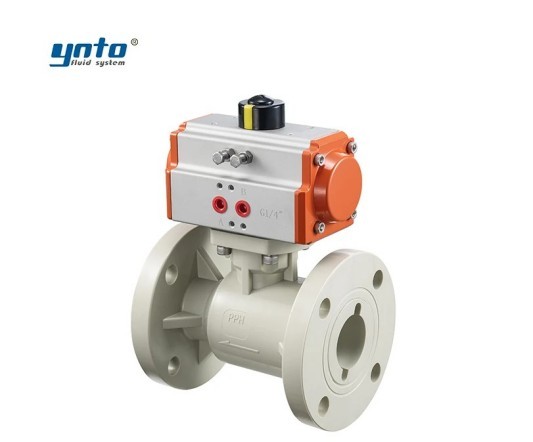
For a flanged skid, compare the old drawing with YNTO's PPH flanged electric ball valve. Its page lists PP-H among body options, but some displayed specifications mix valve and actuator details. Request a confirmed PPH configuration, dimensions, seals, voltage, and fail position. Check actual flange geometry and gasket compression against the ANSI/ASME or DIN pattern.
For a higher-purity duty, seek test evidence for wetted materials and the finished assembly. SEMI F57 addresses contributions from high-purity polymer materials and components. The product descriptions reviewed here do not establish F57 conformance for an ordered YNTO PPH assembly. Keep it on an approved reuse duty unless the fab qualifies a higher-purity application.
Installation Best Practices
Before cutting or unbolting, verify the fluid identity, isolate and depressurize, drain trapped cavities, and protect nearby instruments. A temporary bypass can maintain noncritical water service during replacement only if its cross-connections and pressure boundary are approved. Mark flow paths clearly; an incorrectly aligned bypass can defeat the site's segregation plan.
Fit the new body without using the valve as a pipe support. For a union, verify the end connectors, seal groove, nut thread, and allowed tightening method. For a flange, use the specified gasket and bolting sequence and avoid overtightening the plastic body. For a thermoplastic weld or socket joint, follow qualified joining and cleanliness procedures; dust or machining chips left inside a line can contaminate the next treatment stage.
On an electric replacement, commission the actual power-loss behavior rather than relying on a “fail-safe” label. Verify actuator torque, feedback, enclosure suitability, and interlocks against the control philosophy.
Flush and sample the completed branch before returning it to service. Record pressure and seat-leakage tests under the specified medium, pressure, duration, and direction; then establish a new baseline for valve stroke and relevant water-quality indicators. A successful pressure test cannot substitute for an acceptance test of particles or extractables where the receiving system requires one.
Environmental Impact of Valve Replacement
How PPH Valves Contribute to Sustainable Practices
The valve enables reuse by keeping streams in their intended routes. A tighter seal may reduce cross-contamination that sends reclaim water to drain. A correctly sized full-port valve can reduce avoidable head loss, though pumping benefit depends on the system curve.
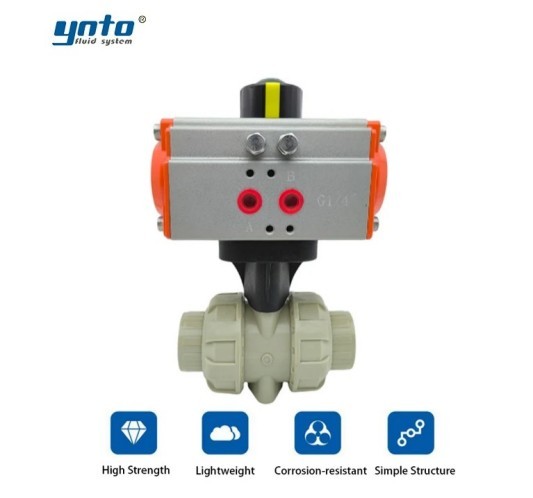
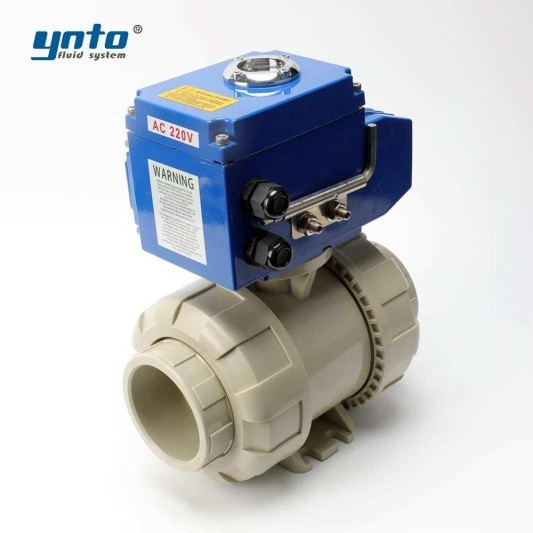
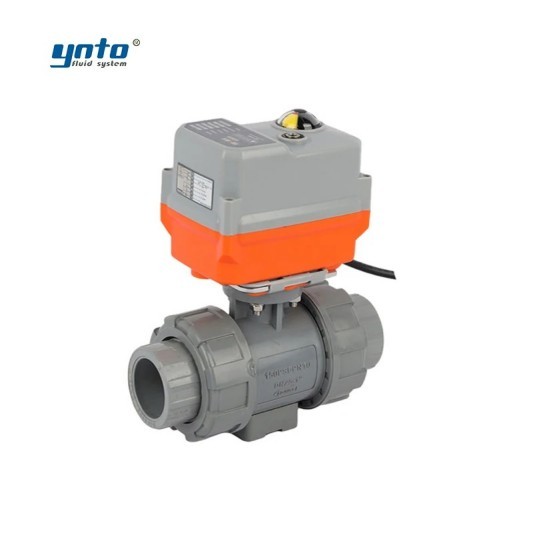
For automated segregation, YNTO's electric PPH double-union ball valve with a metal actuator describes power-off reset. Confirm that the quoted configuration includes the feature, its final position, and transition time. A suitable fail action matters when keeping a reclaim stream out of another tank.
For environmental impact reduction, compare metered intake, reclaimed volume delivered to each approved use, reject volume, chemical consumption, and maintenance-related losses before and after retrofit. A lower leak count is useful evidence, but it is not a percentage of water saved. The effect depends on the stream, operating hours, and whether treatment capacity can accept the recovered flow.
Case Studies on Environmental Impact Reduction
Consider two illustrative engineering scenarios, rather than claimed site results. On a cooling-water reuse branch, a corroded valve leaks past its seat during backwash. Replacing it with a compatible PPH assembly and correcting the differential-pressure sequence could keep treated water from entering the drain branch. The plant would verify the outcome by comparing tank balance and valve leakage under the same operating conditions.
On a second branch, reclaim water feeds the front end of the UPW plant. The old valve's seal sheds particles after oxidant cleaning. A replacement PPH body might solve corrosion but still fail the fab's extractables or particle limits. Here, the environmental improvement comes from selecting and qualifying a suitable component for the purity boundary, then avoiding rejected water or repeated flushes. Neither scenario is a substitute for a documented material and process test.
The Role of Industry Standards
Standards answer different questions. ISO 16135 and its DIN EN ISO adoption cover thermoplastic ball-valve design, ratings, functional characteristics, and tests. ISO 15494 addresses industrial PP piping components and systems. ISO 5211 defines part-turn actuator attachments, not actuator sizing or water purity. For an applicable metallic mating flange, ANSI/ASME B16.5 helps define its geometry and pressure-temperature rating; it does not certify a plastic valve body.
API 598 can define inspection and pressure testing when appropriately specified, but it is not a semiconductor purity test and should not be claimed as certification for every PPH valve. SEMI F98 addresses reuse-water treatment; SEMI F63 and F75 guide UPW quality and monitoring, while F57 concerns high-purity polymer components. State which requirement applies to which line and request actual test reports for the ordered configuration.
Future Directions for PPH Ball Valves in Water Reuse
Innovations in Valve Design for Semiconductor Uses
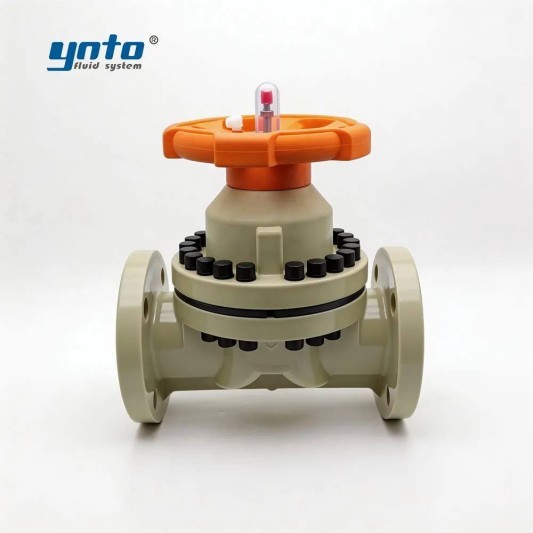
Where a branch contains aggressive chemicals or demands another wetted-path geometry, YNTO's PPH plastic diaphragm valve provides a different architecture to evaluate. A diaphragm separates the actuator mechanism from the fluid; its membrane still needs chemistry, fatigue, and cleanliness review. It is a comparison for a chemical-feed or treatment branch, not an automatic replacement for a ball valve.
Future improvements will be judged by measurable outcomes: lower particle shedding, traceable resin lots, cleaner assembly, easier seat replacement, and reliable position feedback. Increasing stroke time can prompt inspection; it cannot prove suitability for final UPW.
Potential Market Trends and Growth Areas
As fabs expand water reuse, procurement specifications can become more granular. One site may need economical corrosion-resistant isolation on a cooling loop, documented extraction performance before a polishing stage, and highly qualified components at point of use. That segmentation helps buyers avoid both over-specifying every utility valve and under-specifying a critical purity boundary.
Remote monitoring will make maintenance more targeted when pressure, position, cycle count, and quality data are interpreted together. It should also make supplier conversations more specific. Instead of asking for a “semiconductor-grade PPH valve,” send the medium composition, concentration, temperature, pressure, connection drawing, duty cycle, cleaning process, target water quality, and required test evidence.
Final Thoughts on Best Practices
A good retrofit leaves the fab with a valve that fits, isolates, survives the chemical envelope, and can be removed without exposing technicians to trapped pressure. It also leaves a record: configuration drawings, wetted-material traceability, seat-test results, installation checks, and water-quality acceptance where needed. Ask YNTO to quote the exact PPH configuration against those documents. The decision to place it in a reclaim, pretreatment, or high-purity branch should follow measured requirements, not a broad material claim.
- 2026-11-23 09:31
- 2026-11-20 08:39
- 2026-11-18 08:56