

Mastering Bypass Valve Maintenance Without Shutting Down the Machine
- 2026-06-12 11:43:45
- admin
- NO COMMENTS
Introduction to Bypass Valve Maintenance
Why Bypass Valves Are Essential for Continuous Operations
At two in the morning, a running production line sounds different when a bypass loop starts to age. On site, engineers usually do not see a catastrophic failure first. They hear a faint chatter near the bypass branch, notice that the actuator pauses for a second around mid-stroke, or spot a light film of process fluid near the stem packing after several heat-up and cool-down cycles. In a plant that cannot stop—a chemical dosing skid, a steam utility station, a paper machine, or a cooling-water loop—that small hesitation matters.
During commissioning and later during routine rounds, one pattern appears again and again. Pressure swings across a partially opened bypass valve create trim micro-vibration; micro-vibration becomes seat wear; seat wear turns into response delay when the system needs a clean switchover. A second chain is just as common: repeated thermal cycling hardens packing or elastomer seals, friction rises, actuator torque climbs, and the valve no longer reaches full travel with the same confidence. The machine is still running, but the margin is shrinking.

A bypass arrangement exists precisely because continuous service matters. Rangeline’s current guidance on live pipeline work explains the core principle well: bypass piping reroutes flow around the work area so the isolated section can be depressurized and drained while the overall system keeps moving. In parallel, OSHA’s hazardous-energy rule makes an important distinction—work on pressurized systems without shutdown is only acceptable in tightly defined cases such as hot taps, where continuity is essential, shutdown is impractical, and documented procedures plus special equipment provide proven protection. In other words, “maintenance without shutdown” does not mean dismantling a live valve body at will; it means designing the valve arrangement so maintenance can happen safely while production continues.
Overview of Process Efficiency Importance
For engineers working on site, process efficiency is rarely an abstract KPI. It is the difference between cleaning a standby branch in one shift and losing a full day of output because a control point cannot be isolated. Eaton makes the same argument in a different sector: a maintenance-bypass path increases system reliability because the load can be switched away from the primary device during servicing without shutting everything down. The logic is identical in fluid systems. If the bypass line, isolation valves, and actuators have been selected properly, the machine keeps running while the affected branch is inspected, repaired, or upgraded.
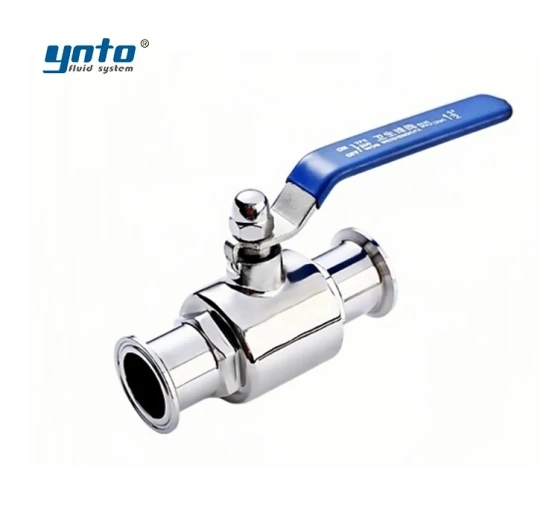
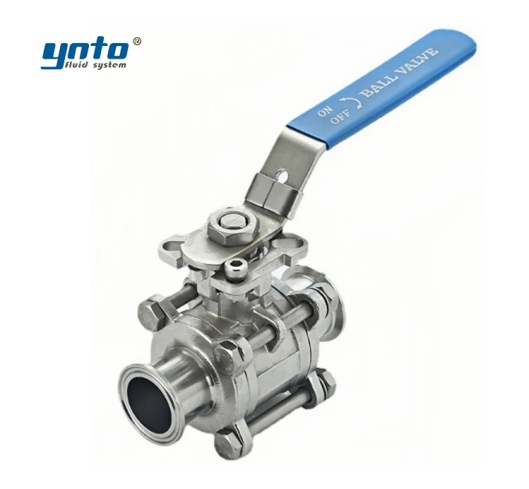
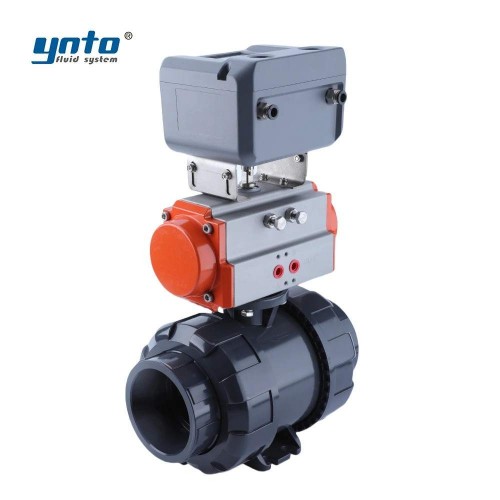
That is where valve selection becomes practical rather than theoretical. A full-port manual ball valve is often the first choice when operators need dependable shutoff around a bypass branch, while an automated electric ball valve can shorten switchover time on skids where the control philosophy already sits in a PLC or DCS layer. YNTO’s product range shows why these combinations work in continuous operations: the company offers ANSI/ASME flanged ball valves, chemical-resistant plastic union ball valves, and electric ball valves with stainless or plastic constructions for different media and maintenance strategies.

Best Practices for Effective Bypass Valve Maintenance
Scheduled Preventive Maintenance Strategies
Good bypass valve maintenance starts before anyone touches a wrench. The most effective preventive maintenance strategies are built around signals that engineers can see while the unit is online: actuator current, stroke time, travel deviation, differential pressure across the bypass, and passing leakage when an isolation valve is supposed to be seated. If the valve begins to hesitate at small openings, do not treat it as a nuisance. Recent machine-learning work on industrial control valves shows that stiction is a common fault that drives instability, equipment wear, and higher maintenance cost; more importantly, it can be detected from routine process data before a hard failure occurs.
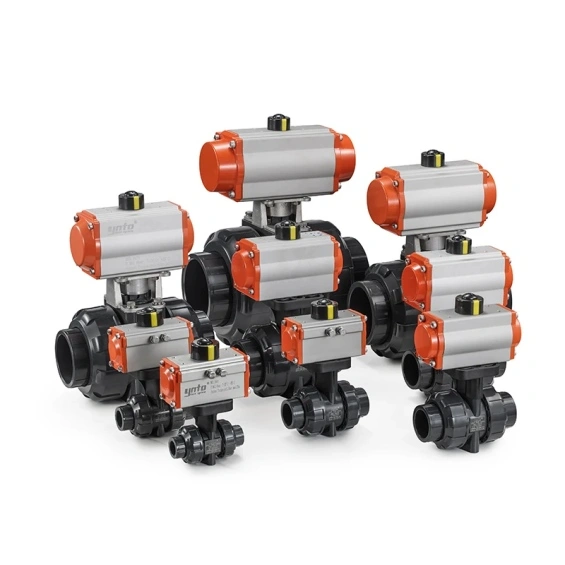
That is also why actuator selection matters so much. A remote branch that is hard to access during operation benefits from a configurable electric actuator or a properly sized pneumatic actuator, rather than a bare manual valve that no one exercises until the day it is urgently needed. YNTO states that its electric actuators are available in on/off, regulating, and intelligent versions, support 4–20 mA or 0–10 V signals for PLC integration, offer manual override, and can be supplied with IP65, IP67, IP68, and explosion-proof protection classes. That combination is valuable during live maintenance because the team can diagnose, stroke-test, and if necessary manually position the valve without dismantling the automation package.

Conducting System Integrity Checks Regularly
System integrity checks are the part many plants rush, and that is usually where risk enters. HSE’s safe-isolation guidance is blunt on three points that matter here: control or choke valves are generally not suitable for isolation, leak tightness should be proven every time a valve is used for isolation, and valve/trim selection must match the process fluid conditions. It also notes that proven isolation becomes more complicated during long outages, where periodic re-verification of the upstream barrier may be required.
This is where procurement standards start to influence maintenance performance. ASME B16.34 governs pressure-temperature ratings, dimensions, tolerances, materials, examination, testing, and marking for many industrial valves, and ASME describes it as a standard used not just by manufacturers, but by buyers, owners, maintenance teams, and safety users. ASME B31.3, meanwhile, covers materials, design, assembly, erection, examination, inspection, and testing of process piping across refineries, chemical plants, semiconductor facilities, power generation, and similar process industries. In real purchase specifications, these foundations are often paired with ANSI/ASME flange classes, API leakage or fire-test requirements, ISO actuator-interface requirements, and DIN/EN dimensional expectations. YNTO’s own site reflects that buyer reality, referencing ASME B16.34, ASME B31.3, API 6D, and ISO-anchored product certifications across different markets and applications.
Steps for Performing Maintenance While in Operation
Using Isolation Valves Effectively
If the machine must remain online, the safe sequence is simple in concept and unforgiving in execution: confirm bypass readiness, transfer flow, isolate the work section, prove zero energy or safe residual energy, then perform only the maintenance activities allowed by the procedure. In many field operations, engineers prefer dedicated isolation devices for this reason. HSE rates ball valves highly for sealing ability when body and trim materials are compatible, while also noting that butterfly and globe valves may lose sealing certainty over time because their sealing surfaces stay exposed to flow and erosion. That is exactly why a throttling electric control valve should manage flow, but a separate isolation valve should usually provide the hard barrier.

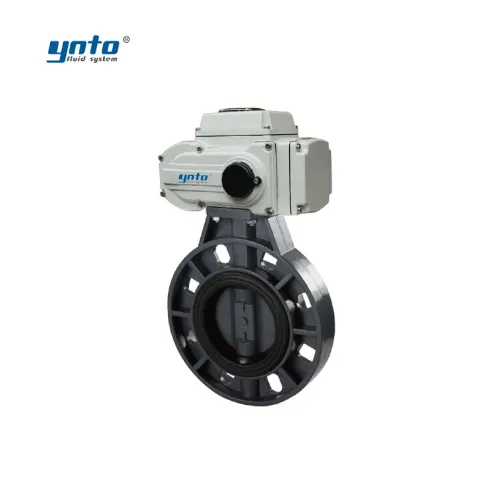
A properly placed check valve also deserves more respect than it usually gets. When the main line and bypass line are switching positions, reverse flow can create pressure shocks, false readings, and unstable control behavior. YNTO offers clamp, JIS, GB, and ANSI/ASME flange swing check valves, which makes it easier for procurement teams to keep one backflow-prevention philosophy across regions and plant standards. The same logic applies on larger branches where a compact electric butterfly valve can reduce space demand while still offering EPDM- or PTFE-sealed options, sanitary stainless versions, and hard-seal constructions for more difficult services.

Techniques for Minimizing Downtime
The phrase “without shutting down the machine” needs discipline. OSHA still requires an energy-control program, periodic inspection of that procedure, and training in hazard recognition and isolation methods. The narrow hot-tap exception exists only when continuity of service is essential, shutdown is impractical, and documented procedures with special equipment provide effective protection. So the practical rule is this: online tasks may include stroke testing, position verification, actuator replacement on a safely isolated branch, packing adjustment where the manufacturer allows it, indicator repair, and diagnostics. What they do not include is opening an unproven, pressurized valve body because the schedule is tight.
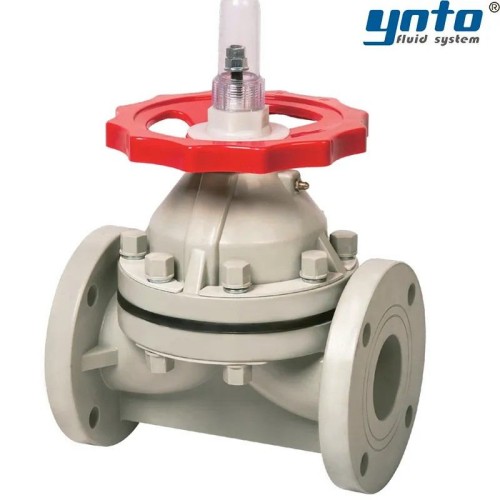
This is one reason automated switchover hardware pays for itself. YNTO notes that its electric valve packages include manual override, visual position indication, fast actuation options down to roughly one second, and versions that can return to a defined position under power-failure conditions when specified with the right storage-assisted arrangement. In real maintenance planning, that means the team can move a standby path into service quickly, verify position locally, and reduce the time exposed to awkward manual intervention. For corrosive washdown, plating, or chemical service, a diaphragm valve is often a smarter choice than a conventional packed-stem design because it separates the operating mechanism from the process media more cleanly.
Impact on Equipment Reliability and Longevity
Relationship Between Maintenance and Equipment Performance
Equipment reliability is not only about whether a valve opens and closes today. It is about whether the valve will still isolate cleanly after thousands of thermal and pressure cycles. HSE specifically points out that trim compatibility with process conditions is a deciding factor in whether a valve will seal on demand. That is why material selection is not a purchasing afterthought. In cleaner water, food, or utility loops, 316L stainless steel and PTFE are common because they resist corrosion and maintain sealing integrity. YNTO’s diaphragm line shows 316L sanitary versions, PTFE-lined chemical versions, PVDF ultra-high-purity options, and PP-H models carrying ISO 15874 and NSF/ANSI 61 references. In larger bypasses, its butterfly range includes EPDM- and PTFE-sealed constructions and 316 stainless variants. For more aggressive chloride or sour services, engineers often step beyond 316L toward Duplex or Super Duplex, and in outdoor utility infrastructure they may also specify alloy-steel bodies with FBE or Halar-type protective coatings. For hydrocarbon-rich services, FKM is commonly preferred over EPDM at the seal layer.

Case Studies Demonstrating Maintenance Success
The simplest proof is usually operational. Rangeline describes bypass piping as a temporary detour that lets operators isolate, depressurize, and drain a specific section while overall line flow continues. Eaton describes the same continuity benefit in maintenance-bypass power systems, where the load can be moved away from the primary device so service work happens without a full shutdown. Different industries, same engineering principle: build an alternate path first, then maintain the protected asset.
For buyers comparing suppliers, the question then becomes whether the valve partner can support that maintenance philosophy across materials, actuation, and standards. YNTO states that it has 25 years of automation-valve experience, serves customers in 159+ countries and regions, and supports over 4,000 companies and factories. Its site also reflects a broad application mix—from chemical processing and energy to semiconductor and environmental systems—which matters when one plant needs corrosive plastic diaphragm valves and another needs metal-seated automated shutoff hardware.
Innovations in Bypass Valve Maintenance
Advances in Technology for Enhanced Maintenance
What is changing fastest now is not the valve body. It is the maintenance data around it. Recent research shows that solenoid faults such as spool sticking, spring failure, and undervoltage can be monitored in real time, while newer studies on control valve stiction show meaningful early prediction from existing routine signals. That is a major shift for plant maintenance optimization because it moves the team from scheduled guesswork to condition-based intervention. Instead of waiting for a bypass valve to fail during a switchover, engineers can flag rising friction or abnormal response while the machine is still stable.
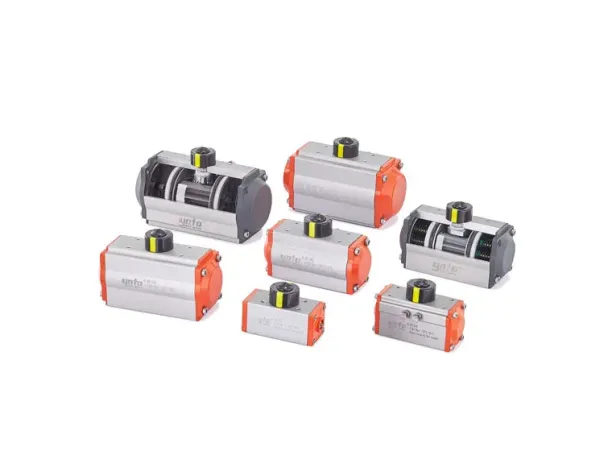
The hardware side is evolving as well. YNTO highlights brushless motor technology, wide-voltage capability, and IP67 protection as practical ways to improve reliability in harsh projects, especially where uptime and environmental exposure make unplanned maintenance expensive. Pair those features with a modern electric actuator or pneumatic actuator, and the bypass line becomes easier to test remotely, verify locally, and integrate into plant alarms. That is where maintenance best practices are heading—fewer blind inspections, more signal-driven action.

Future Trends in Plant Maintenance Optimization
Looking ahead, the strongest plants will treat bypass valves as strategic assets, not backup hardware. That means standardizing valve data in the DCS, trending torque and travel, specifying actuator interfaces early, and buying valves that match both the media and the maintenance method. It also means thinking harder about where permanent control points should be added. Rangeline’s current view on insertion valves and bypass alternatives shows how more operators are choosing solutions that create future maintenance access instead of repeating the same temporary workaround every outage.
Summary and Final Thoughts
A bypass valve is only “for emergencies” right up until the day the plant needs it for planned work. Then it becomes the single device standing between orderly maintenance and forced downtime. The safest approach is straightforward: use dedicated isolation hardware, prove the isolation every time, match trim and seal materials to the process, and automate the branch where online service windows are tight. If your application needs a compact automated path, an electric butterfly valve or electric ball valve can make switchover faster. If the service is corrosive or cleanliness matters, a diaphragm valve is often the better long-term answer. And if the aim is to balance process efficiency with equipment reliability, YNTO’s range of automated valves, isolation options, and actuator packages is aligned with exactly that kind of continuous-operation maintenance strategy.

- 2026-10-23 10:30:14
- 2026-10-21 10:41:51
- 2026-10-19 08:49:57