

Why Every Power Generation System Needs Reliable Steam Traps
- 2026-07-27 09:20:56
- admin
- NO COMMENTS
In a busy power plant, steam traps quietly do heavy lifting. Steam is the workhorse of power generation—but once it condenses, it must be removed, or efficiency plummets. A steam trap is essentially an automatic valve that filters out condensate and non-condensable gases (like air) without letting live steam escape. During start-up and load swings, engineers on site often notice subtle symptoms of trap problems: fluctuating header pressure, faint rattling as condensate lingers, or a trap lever that sticks and requires extra force (increased “torque”) to reset. At very low condensate loads, a misbehaving trap may never fully settle, causing unstable vibrations. Perhaps most insidious is a tiny seal leak: after many thermal cycles, even PTFE or FKM seals can fatigue and allow a slow steam leak. Each of these issues—pressure oscillation, vibration, and small leaks—points to a trap beginning to fail. An engineer might observe that sudden steam temperature drops or heat exchangers not reaching setpoints often trace back to condensate not being purged efficiently.
In many field operations, these failures form clear chains of cause and effect. For example, severe thermal cycling (the rapid injection of cold condensate into a hot trap) leads to seal fatigue, producing microscopic steam leaks over time. Such leaks waste energy: in Emerson’s words, every leaking trap initiates “a link in a direct energy loss chain” forcing the boiler to burn more fuel. Similarly, pressure spikes in distribution lines can induce a trap’s disc or float to chatter, causing abrasive wear on the seat. The result is slower valve response on the next cycle, risking water hammer or condensate accumulation. Corrosive carryover in steam can be even worse: if a trap’s internals aren’t made of compatible materials, localized pitting can develop, drastically shortening its life. In short, ignoring a faulty trap is like ignoring a hole in a fuel line—the problem seems minor at first, but it rapidly multiplies.

Introduction: Steam Traps as Essential Components
Steam traps are indispensable for efficient steam systems. They ensure that steam reaches every boiler turbine and heat exchanger dry and at full pressure. A working trap discards condensate and air so steam can fill the pipes uniformly. If condensate is left behind, steam cannot fully transfer its heat and may even flow into pump or turbine lines, causing damage. By continuously ejecting condensate, steam traps improve energy conservation and process optimization—preventing heat losses that otherwise undermine thermal efficiency. For example, a trap that fails open will leak steam, making the boiler work harder to maintain pressure; Emerson reports such leaks can dramatically raise fuel consumption and emissions. Conversely, a failed-closed trap blocks flow and starves downstream equipment. Either scenario degrades safety and efficiency.
Defining Steam Traps in Power Systems
In power generation, a steam trap is an automatic valve tailored to steam service. Unlike a manual valve, it needs no external input: it senses its own inlet conditions. The key function is straightforward—discharge condensate and gases, and hold back steam. By definition, steam traps “filter out condensate and non-condensable gases… without letting steam escape.” The trap’s internals might be a float, a disc, or a temperature-sensitive element, but the goal is always the same. During normal operation, steam reaches the end of a piping run, does its work (for example, heating water or driving a turbine), then condenses. The trap opens automatically when the condensate or air reaches it, clearing the line, then closes to stop steam. In this way, steam traps protect downstream turbines and pumps from “flooding” and keep heat exchangers running at full capacity.
Neglecting steam traps can have severe consequences. Without reliable condensate removal, even short runs of steam pipe behave poorly. Imagine a large heat exchanger: if its trap fails, condensate will collect and create a thermal barrier, as Emerson notes—steam cannot flow… condensate backed into the heat exchanger reduces the working exchange surface area,” so the process fluid isn’t heated sufficiently. Plant-wide, multiple traps out of service can double or triple boiler load, forcing extra fuel consumption. A famous case study showed that each 1% of trapped condensate returned to the boiler saves a significant fraction of energy. In practice, operators have found that fixing just a few leaking traps often leads to measurable drops in natural gas usage. Beyond efficiency, safety suffers too: a hydropneumatic hammer caused by condensate slugging can damage valves and piping, and back-pressure on boilers can trip safety reliefs.
Mechanisms of Action
How Steam Traps Work
In principle, steam traps work like automatic one-way valves. They must open when liquid or air is present and close when steam is present. One common design is the float trap: as condensate fills the trap body, a float rises and mechanically opens a valve at the bottom. Once the water drains out, the float falls and the valve closes tightly under steam pressure. Another is the thermostatic trap: it contains a temperature-sensitive element (often a bi-metal spring) that deflects when cooler condensate arrives, opening the valve; when hot steam returns, the element snaps closed. A third type is the thermodynamic (disc) trap: it uses the higher kinetic energy of steam. When steam at high velocity strikes a flat disc, it lifts and seals the orifice; when condensate with lower momentum flows, it pushes the disc open to expel the water. In all cases, the engineer’s aim is the same: quickly purge water, block steam.
Steam traps accomplish the phase separation automatically. As TLV explains, each trap design takes advantage of specific property differences between steam and water. Mechanical traps (like float or bucket traps) utilize the density difference: steam (a gas) is much lighter than liquid water, so buoyancy or gravity moves a float to open or close a valve. Thermodynamic traps exploit kinetic energy: fast-flowing steam creates a force that keeps a valve shut, whereas slow-moving condensate can’t maintain that force and lets the valve open. A thermostatic trap instead senses temperature: as long as the element is at near-steam temperature, it stays closed, but when subcooled condensate arrives, the element changes shape to open the drain. Each mechanism has its place, but they all act without manual intervention, making them ideal for continuous steam service.
Types of Steam Traps Used in Power Generation
In power plants, the two most common trap types are thermodynamic (disc) traps and mechanical (float/bucket) traps, each chosen for the right duty.
Thermodynamic Traps
Thermodynamic traps are compact and rugged. A typical design is a stainless steel or alloy disc over a valve seat. During operation, high-velocity steam flowing past the disc actually holds it closed by creating a low-pressure zone. When condensate enters, its lower velocity can push the disc open, allowing discharge. These traps can handle high pressure drops without adjustment, which is why you often find them on turbine drains or superheated steam lines. They have no moving mechanical parts (besides the disc), which means reliability and a fast cycle rate. In many of our installations, simple thermodynamic traps are used for drainage of turbine extraction lines because they stand up to pressure shocks. The trade-off is that under very low load, these traps may “chatter” (rapidly cycle), losing a tiny fraction of steam, so instrumentation is sometimes added to monitor their performance.
Mechanical Traps
Mechanical traps include float-and-hopper or inverted-bucket designs. In a float trap, condensate enters a chamber and lifts a float ball or lever. Once enough water accumulates, the float lifts to open the drain port. After drainage, steam enters and pushes the float down to reseal the trap. In an inverted bucket trap, a hollow bucket inverts in steam, rising to close the valve, and sinks when filled with water to open it. These traps act on density differences. A well-designed float trap is very efficient at discharging all condensate immediately, even in drip legs or start-up conditions. In fact, one study notes that float traps allow steam to contact all heat transfer surfaces and maintain a water seal that prevents any steam leakage. This continuous seal makes them highly energy-efficient: there’s no wasted live steam because the orifice is always covered by condensate until it dumps.
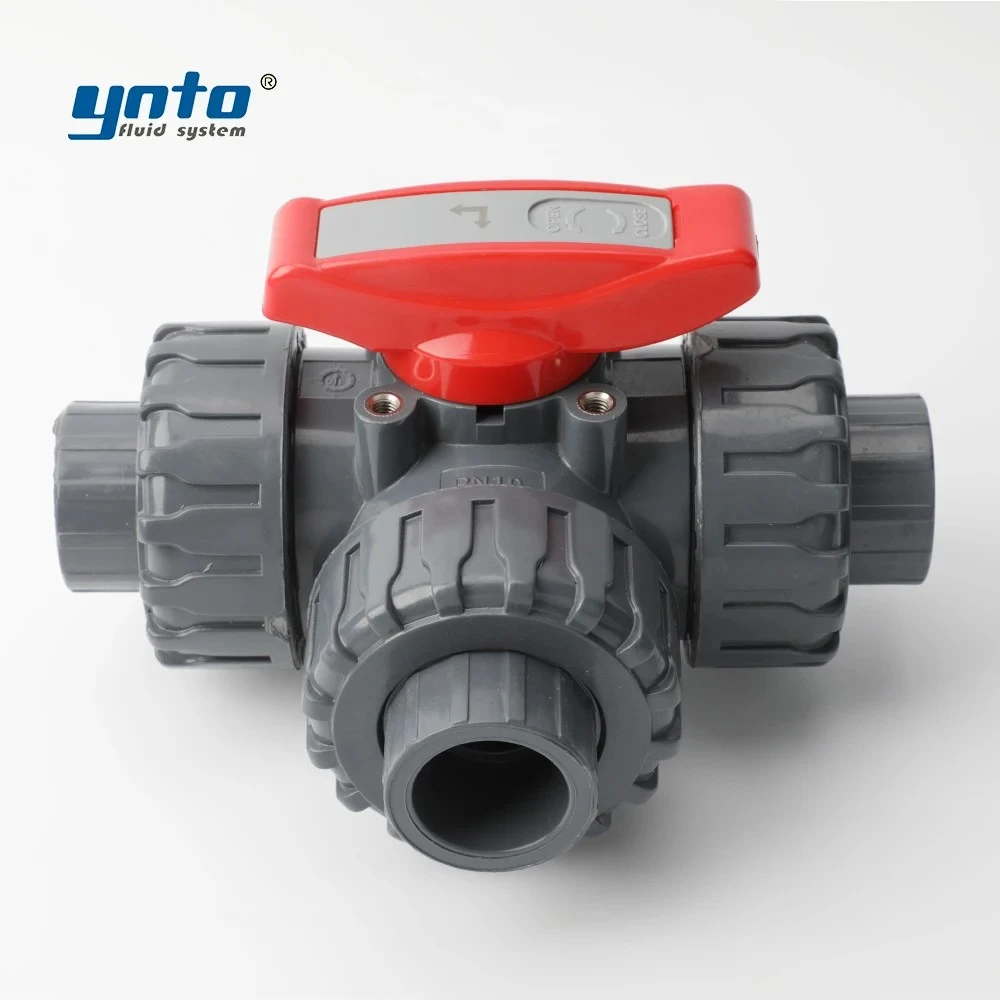
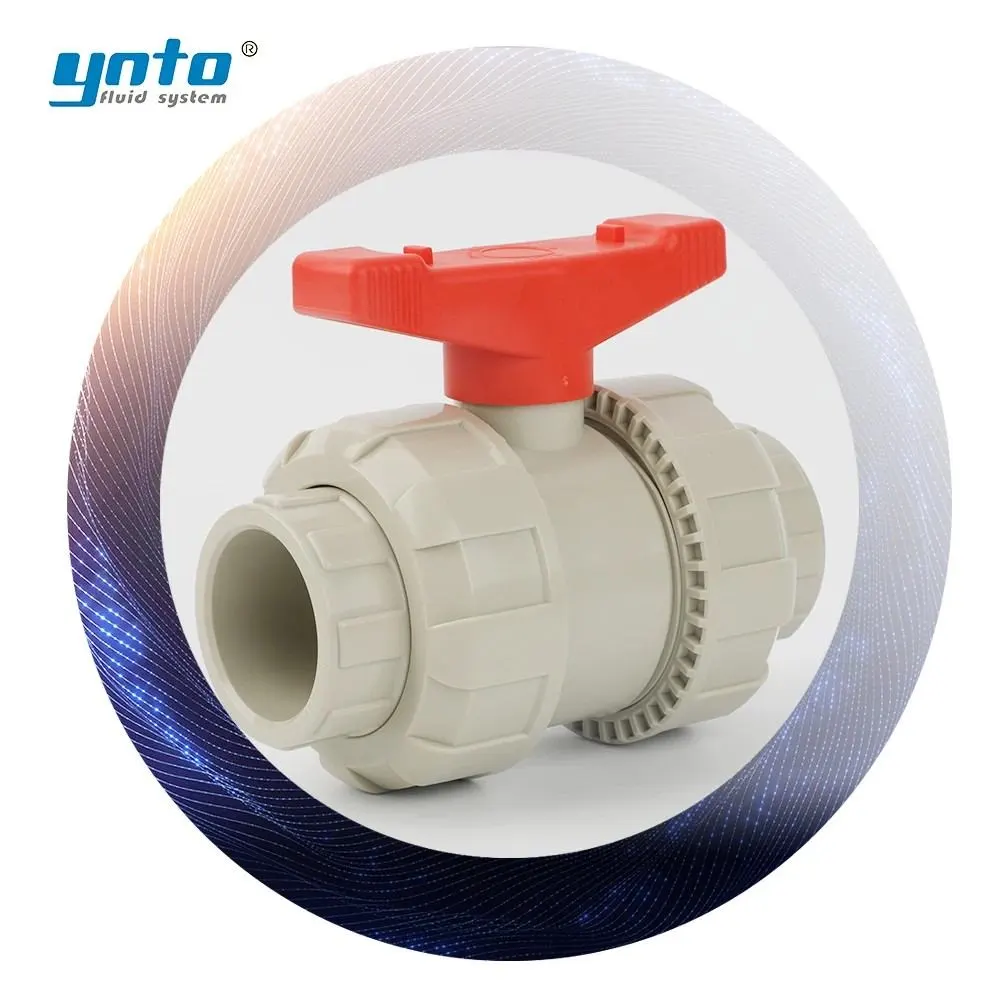
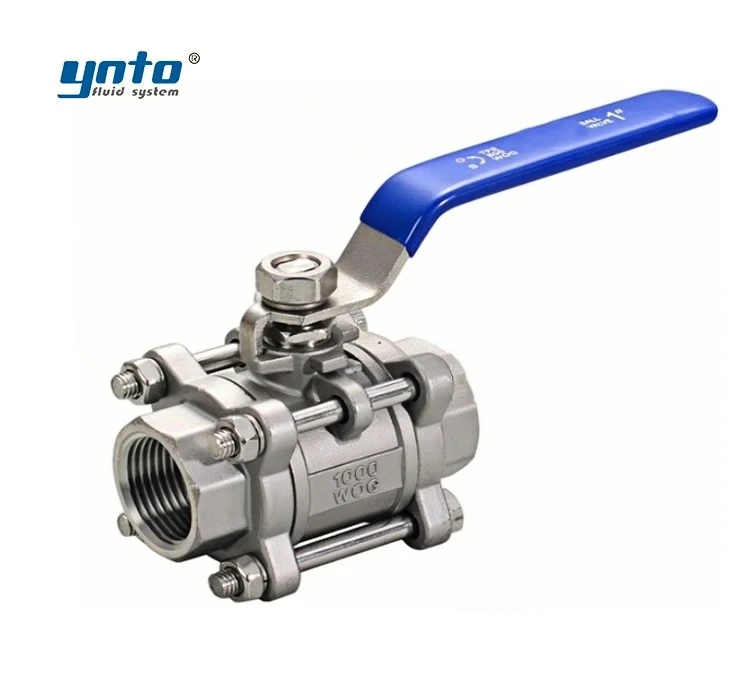
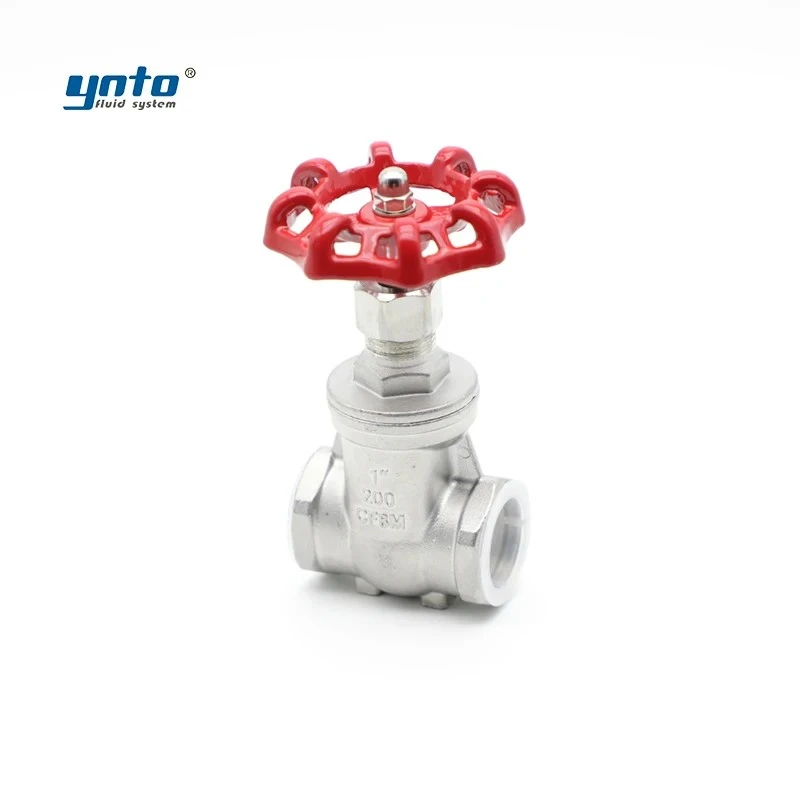
In practical terms, we often use free-float traps on heater drains and steam main drip legs. They quickly eliminate condensate, avoiding the risk of water hammer. We then pair them with a manual ball valve upstream so maintenance crews can isolate the trap if needed. One common configuration is a Y-strainer and a valve in front of each float trap. The Y-strainer catches debris (protecting the float), and the manual ball valve lets technicians blow down or service the trap on-the-fly. For automated systems, the trap might instead use an electric actuator to open on a schedule or signal, but typically an engineer keeps it manual for reliability.
Energy Recovery Strategies
Given the value of steam, a key strategy is to reclaim any recoverable energy. Rather than dumping trap output into a drain, plants feed it back to the system. One approach is a steam trap flash tank or flash steam header: the high-pressure condensate from traps is throttled into a lower-pressure vessel, causing some of it to flash into steam. That flash steam is routed to feedwater heaters or other preheat exchangers, while the remaining hot water is pumped back as boiler feedwater. In effect, all the latent heat in the trap discharge is reused. Many plants aggregate multiple trap outputs into a condensate recovery network. With proper design, returning condensate saves large amounts of fuel.
Emerson Automation notes that if a trap fails open and leaks steam, “the boiler must work harder to compensate for the loss”. Capturing trap condensate directly breaks that chain. For example, if 100 kg/h of steam were leaking, the flash recovery might recapture 80 kg/h of steam back into the cycle, meaning the boiler doesn’t have to generate that extra steam (and burn the extra fuel) at all. Besides energy savings, returning condensate cuts make-up water requirements and reduces boiler blowdown. The condensate already has boiler water treatment (phosphate, etc.), so recycling it keeps boiler feedwater chemical levels optimal. In one case, simply repairing a few leaking traps and restoring condensate return improved our plant’s thermal efficiency by several percentage points and reduced CO₂ output.
Capturing Lost Energy Through Steam Traps
To capture lost energy, engineers install systems that integrate traps with heat recovery. For instance, steam trap discharge can be plumbed through a shell-and-tube heat exchanger: the hot condensate heats city water or process water before returning to the feedwater tank. More commonly, a flash tank approach is used: high-pressure condensate flashes to steam that is piped back to low-pressure headers. In all cases, the point is the same—reclaim the trap’s BTUs. Since each condensate droplet still contains substantial heat, even a partially closed trap represents waste. As Emerson highlights, a small steam leak is “a link in a direct energy loss chain.” Recovering that energy adds up; modern plants routinely account for the BTU content of returned condensate in their heat balance calculations.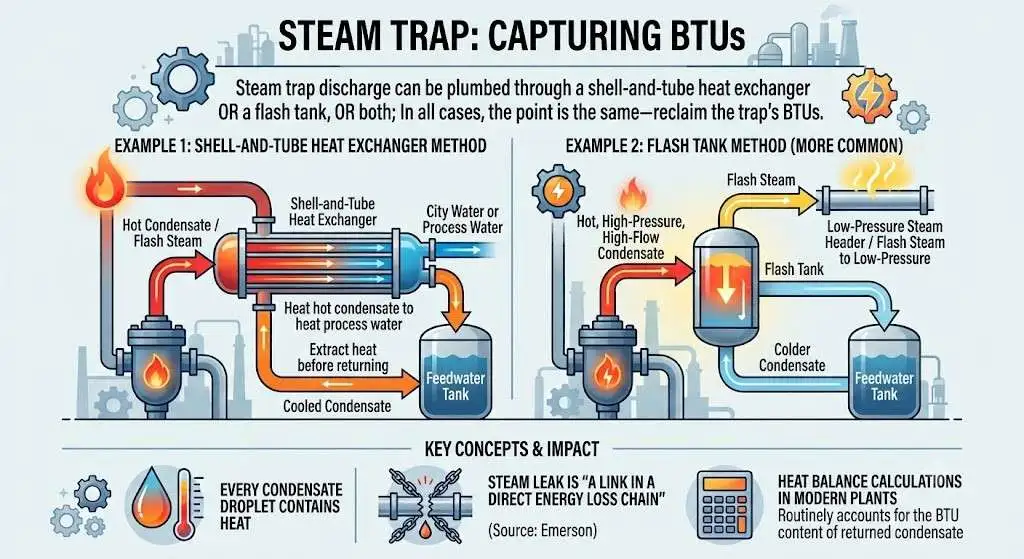
Benefits of Implementing Steam Recovery Systems
The payoff from steam trap recovery is both environmental and economic. Captured steam reduces fuel consumption and emissions. It also lowers operational costs: we’ve seen plants cut make-up water costs by reusing hot condensate. Recovered energy means less heat duty on boilers, so operators may even downsize burners or postpone firing auxiliary boilers. In one project, capturing trap condensate allowed the plant to shut off an extra economizer, saving electricity. Moreover, a well-monitored trap/recovery system acts as an early warning: a sudden drop in returned condensate could signal a trap failure, prompting maintenance. Overall, reclaiming trap output supports process optimization—the system runs leaner, cleaner, and more predictably.
Enhancing Thermal Efficiency with Proper Design
Designing Effective Steam Systems
A thoughtful steam system design makes traps work better. This means proper pipe sizing, slope, and trap placement. For example, every steam-consuming unit should have a trap on its outlet; stray condensate in a coil or nozzle wastes heat and can cause flow instability. We always design steam lines with a slight pitch toward the trap or drip leg, so gravity helps carry condensate to the trap. Control strategies also play a part: modulating flow valves (often electric control valves or pneumatic valves) maintain steady pressure and prevent surges that could overwork traps. In large networks, engineers might divide the system into zones, each with its own traps and vents, to avoid pressure imbalances.
Material choices are critical too. All traps and valves in steam service are typically ANSI or ASME rated. Bodies are often 316L stainless steel or alloy steel to resist steam corrosion, and trim materials like FKM or PTFE handle the high temperatures. For example, a stainless steel cage (CF8M or A182 F316) is common on steam traps, ensuring it withstands 200°C+ steam without galling. Industry standards (ANSI B16.34 for valves, API 602 for compact valves, etc.) dictate testing and pressure classes. In practice, that means a trap and its associated valves must tolerate the system’s maximum pressure, so safety margins are maintained. We also add pressure safety: many traps sit downstream of a pressure regulator, and drain lines often have relief valves to prevent back-pressure.
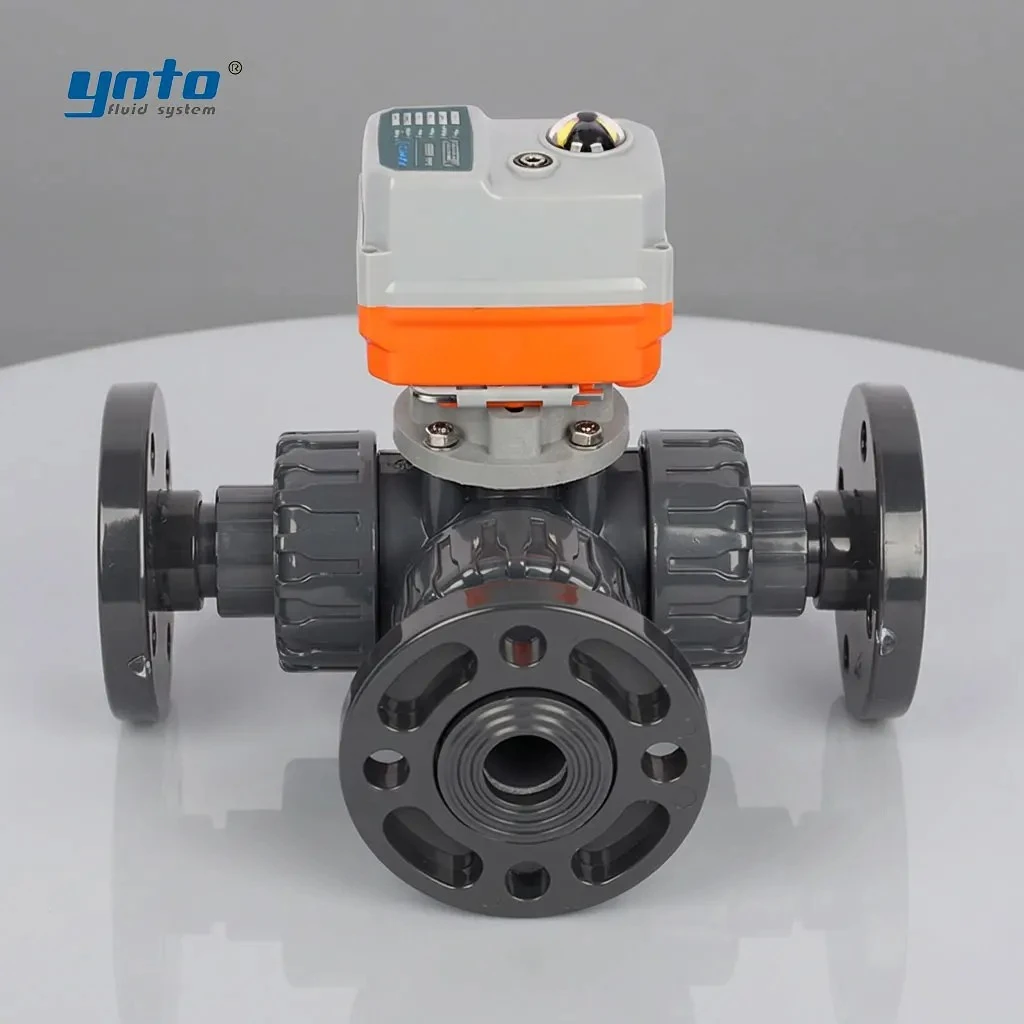
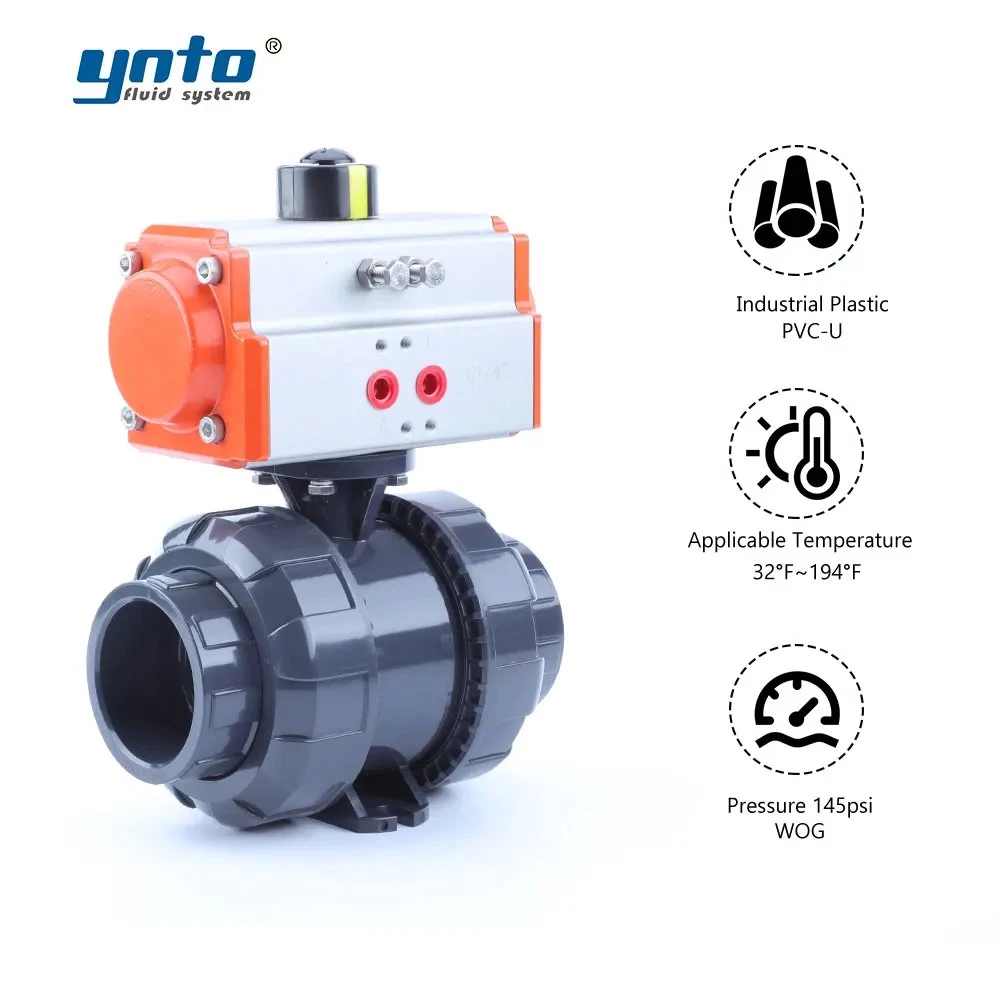
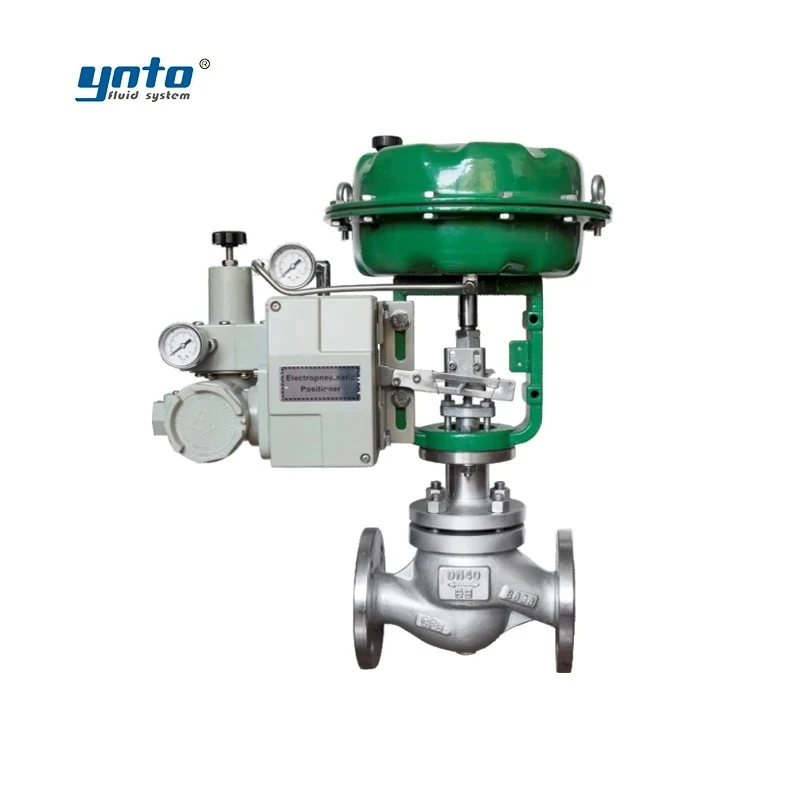
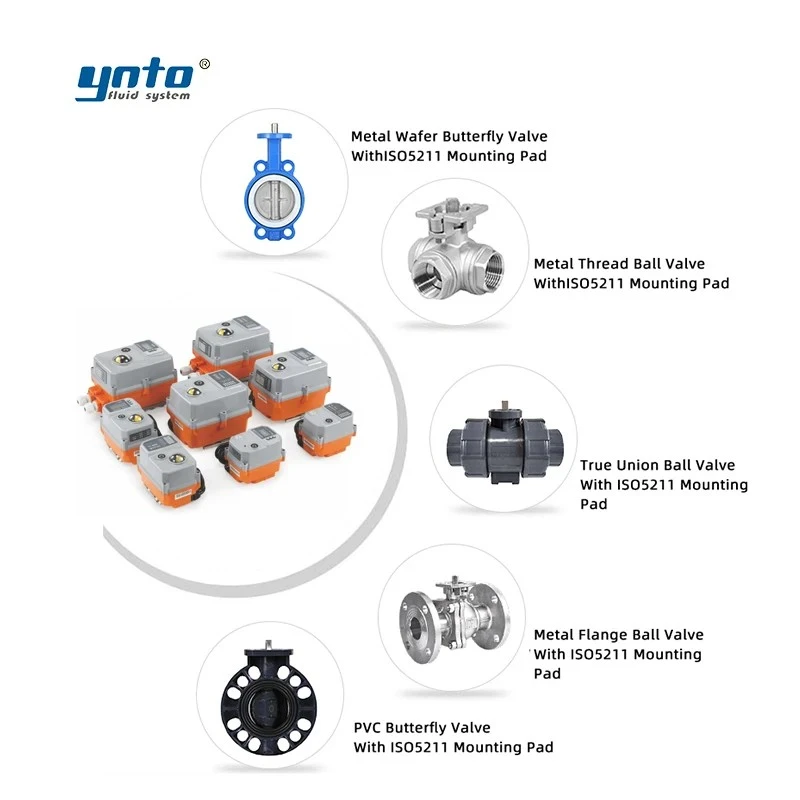
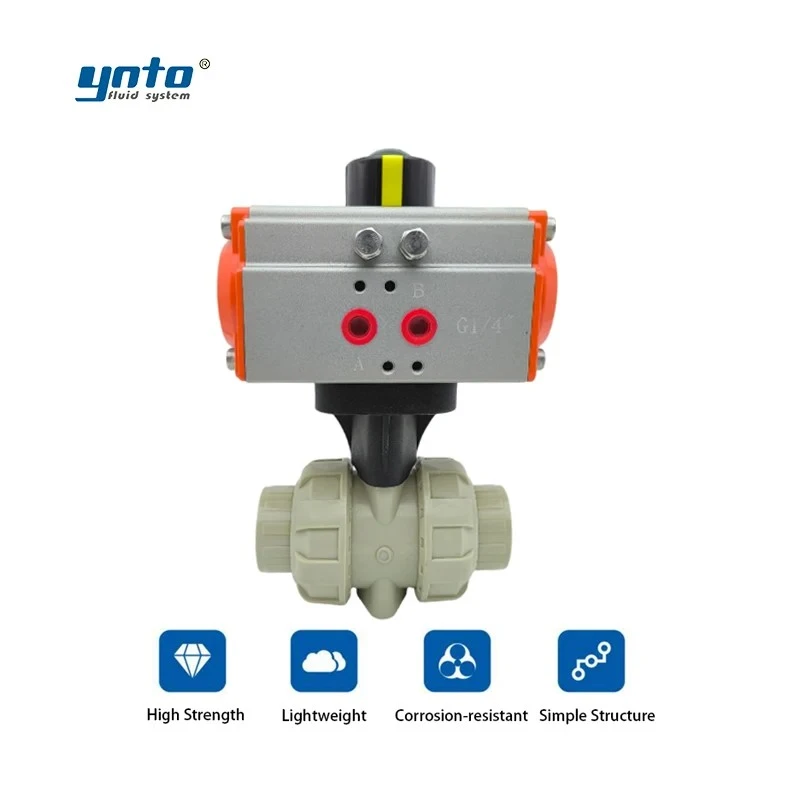
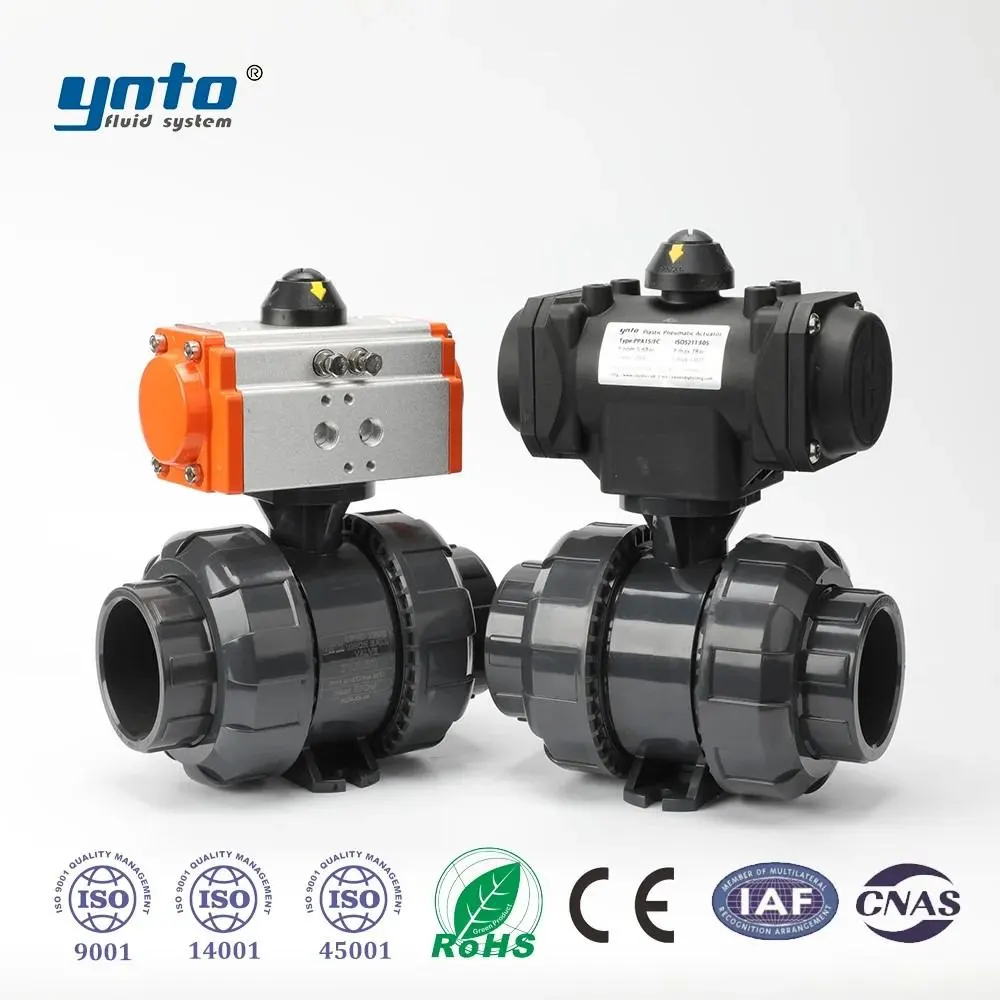
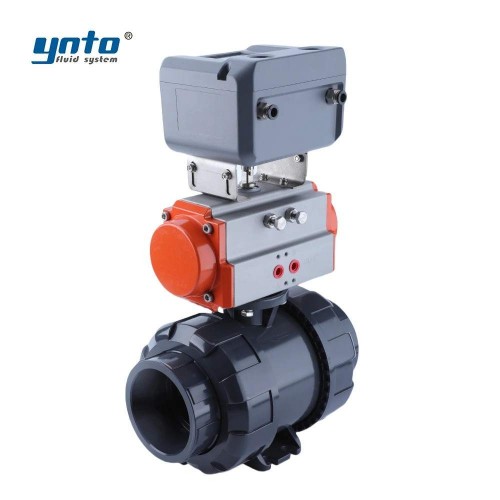
In real-world plants, it’s normal to pair a trap with auxiliary valves for control. For instance, operators might fit an electric ball valve on the trap’s inlet to allow remote shutoff. The CYNTO catalog includes many such electric and pneumatic ball valves designed for steam service. These valves can isolate parts of the system during maintenance or modulate flow in an automated control loop. For example, a pneumatic ball valve upstream of a trap can respond quickly to emergency shutdown signals. Using actuated valves with positioners also lets us create logic sequences: if one trap opens too often (indicating a problem), the PLC can switch the flow through an alternate path. Such advanced configurations are becoming common in modern plants pursuing energy conservation.
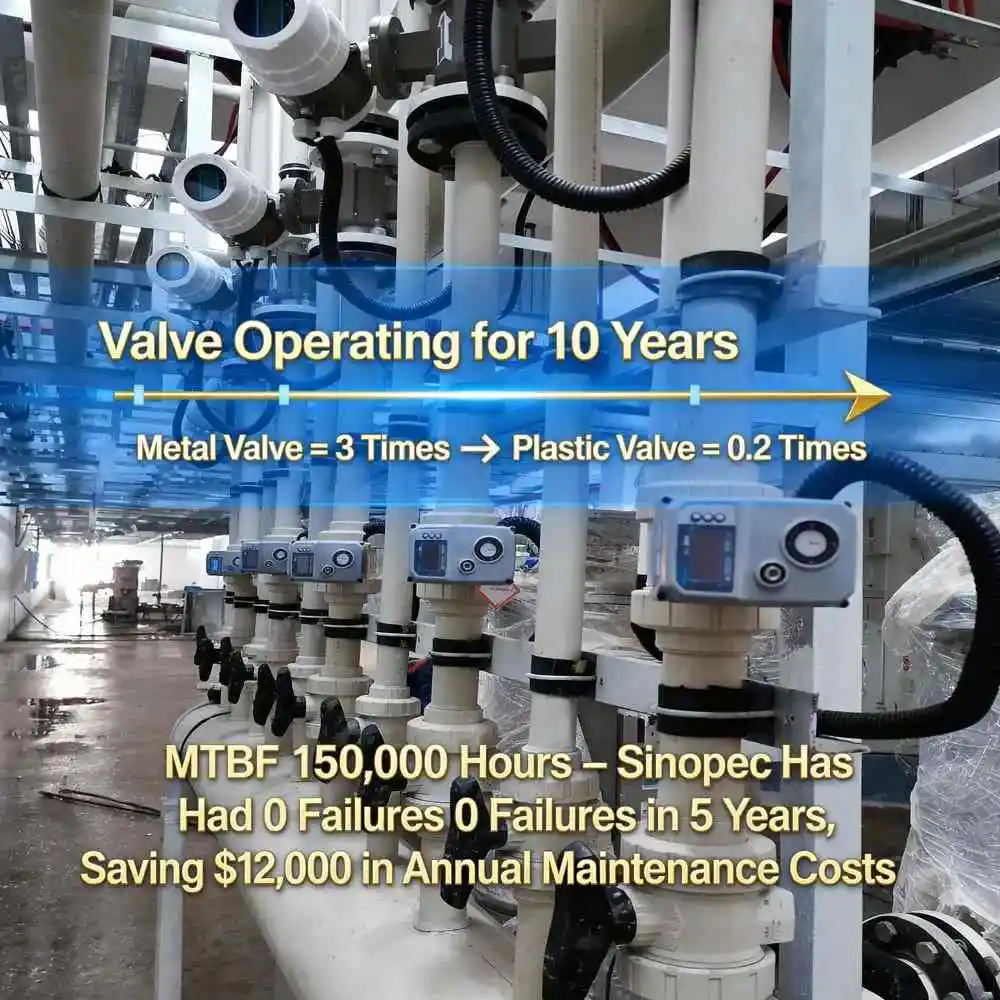
Role of Heat Exchangers in Efficiency
Heat exchangers are prime beneficiaries of well-functioning steam traps. When delivering steam to an exchanger, it is crucial that only pure vapor enters—condensate must go out through a trap. If even a small pocket of water remains, it blankets part of the exchanger and cuts heat transfer. Emerson’s analysis confirms this: a trap that fails to clear condensate from a heat exchanger effectively reduces the available surface area, mimicking fouling. In response, designers ensure a trap is placed at the exchanger’s outlet header. This way, the exchanger sees only dry steam on its inlet side, and all condensate is immediately drawn off.
Another example is indirect steam heating of feedwater: plate or coil heat exchangers are very sensitive to condensate. In our projects, we often run a condensate return loop under slight vacuum on the exchanger’s outlet so the trap has a clear path to discharge. We also inspect traps frequently, because even a partially plugged exchanger (due to poor trap performance) can lead to process upsets. In sum, an efficient heat exchanger needs a reliable trap to be efficient—without it, the system gains only a fraction of the expected output, hurting both energy recovery and temperature control.
Conclusion
Key Takeaways on the Importance of Reliable Steam Traps
Steam traps are the unsung gatekeepers of power-plant efficiency. They clear condensate so turbines and boilers see only live steam—a small component, but one that has an outsized impact. Modern engineering studies confirm that even minor trap failures can ripple into major losses: suboptimal traps “lead to significant energy losses” and force boilers to burn more fuel. Good trap maintenance and system design turn this around. Using the right trap (mechanical, thermodynamic, or thermostatic) in each service, with compatible materials (316L, FKM, etc.) and proper pressure ratings (ANSI/ASME), virtually eliminates steam bypass. As TLV points out, a float trap with a constant water seal “prevents steam from leaking,” which directly saves energy.
In practice, we also integrate valves and actuators to complement traps. A trap is often paired with a manual or motorized ball valve for shutdown and an actuator for control. For example, installing an electric actuator on a trap allows for automated blowdown or alarm feedback. All these measures—material upgrades, standards compliance, and smart controls—converge on one goal: optimizing the thermodynamic cycle. When done right, a plant runs at peak thermal efficiency, with minimal wasted steam and lower emissions.
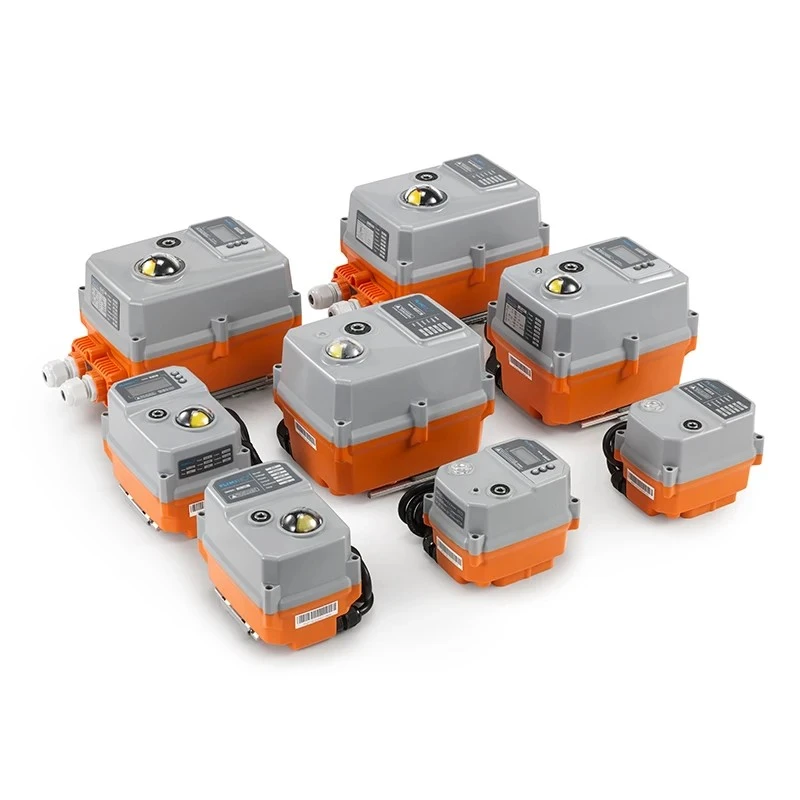
Future Trends in Steam Trap Technology
Looking ahead, steam traps will become smarter. Wireless sensors and analytics are already emerging to monitor trap health in real time. For example, acoustic and temperature sensors (like Emerson’s Plantweb Insight) can detect a failed trap within minutes, instead of leaving it undetected for weeks. We expect this digital trend to grow: imagine a cloud-based system that learns each trap’s normal cycle and flags anomalies. On the hardware side, new alloys and seal technologies will improve longevity, while compact designs (for example, cartridge traps with rapid failure isolation) will appear. Valves will also advance: expect more pneumatic and electric control valves with integrated diagnostics, and ball valves with proportional control for delicate steam metering.
Regulatory and economic pressures will drive further innovation. Energy recovery will tighten—zero-leak plants might become the norm as carbon pricing rises. Standards like ISO and API will be updated to cover smart trapping systems. In short, while the basic physics of steam and condensate stay the same, the way we manage them will evolve. The future plant will use high-tech valves and traps in concert, all networked into a digital control system, ensuring every watt of steam contributes to production. As one industry paper notes, leveraging these tools “optimizes heat transfer processes” and reduces waste. By embracing these trends, power systems can squeeze every drop of energy from their steam—the core mission of a reliable steam trap in sustainable power generation.
- 2026-10-23 10:30:14
- 2026-10-21 10:41:51
- 2026-10-19 08:49:57