Custom Valve Sizes for Greater System Efficiency
- 2026-09-21 15:23:44
- admin
- NO COMMENTS
The new process skid is already piped when the commissioning team notices two problems. The DN80 control valve fits between the flanges, but at normal flow it remains barely open. Its positioner makes constant corrections, the downstream gauge trembles, and vibration reaches the impulse line. Across the aisle, a larger butterfly valve strokes smoothly until its actuator housing nearly touches a handrail omitted from the valve drawing.
Neither issue is solved by ordering “the same valve in another size.” One is a hydraulic mismatch; the other is an installation-envelope failure. Engineers working on site soon learn that valve size affects more than the pipe opening. Flow coefficient, pressure recovery, seat velocity, torque, flange geometry, weight, access, materials, and control behavior all change with size. Effective customization brings those details into one design before manufacturing begins.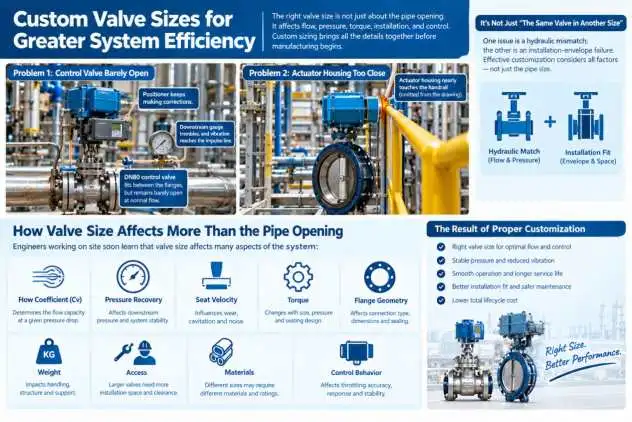
Exploring the Importance of Customization of Valves in Various Sizes for Efficiency
The Role of Customization in Valve Manufacturing
Why Customize?
A nominal valve size identifies a connection family, not guaranteed system performance. Two DN100 valves can have different port diameters, Cv or Kv values, face-to-face lengths, pressure losses, torque curves, and installed envelopes. One may suit isolation; the other may have characterized trim for control. Treating them as interchangeable because their flanges look similar is where specifications go wrong.
Customization is justified when a standard configuration cannot meet the duty. The change might be a full port, special face-to-face length, extended stem, alternative drilling, lined body, V-port ball, low-emission packing, fail-safe actuator, or plant-compatible control signal. It does not always require a new body casting.
An oversized control valve operates close to its seat. Small movements then create disproportionate flow changes, so the controller hunts; continuous micro-motion wears the trim and packing, and response becomes slower when stable low-flow control is most important. Correct sizing removes that cause rather than hiding it through tuning.
Industries Benefiting from Custom Valves
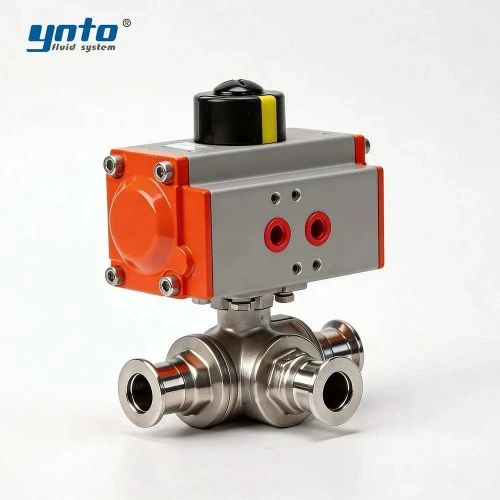
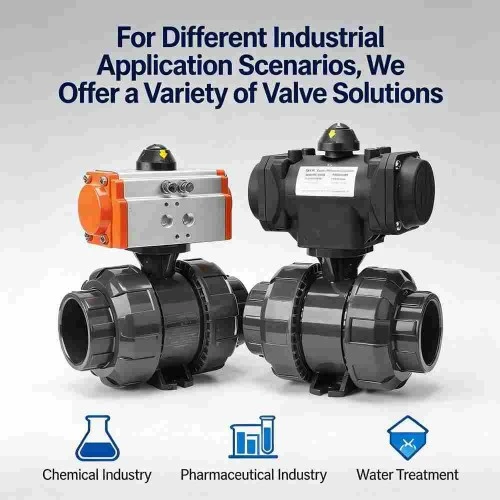
Water plants often need large, low-loss isolation valves but have limited gallery clearance. Chemical skids may require compact nonmetallic valves in small lines, while mining circuits must account for slurry velocity and erosion. Food and pharmaceutical systems add drainability and cleanability. Steam, oil, and gas services bring pressure-temperature ratings, fire risk, and fugitive-emission concerns.
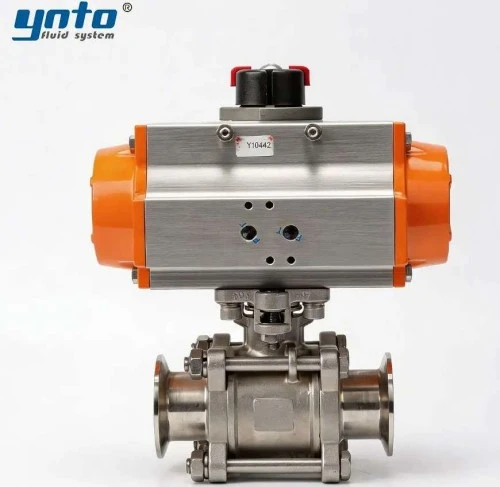
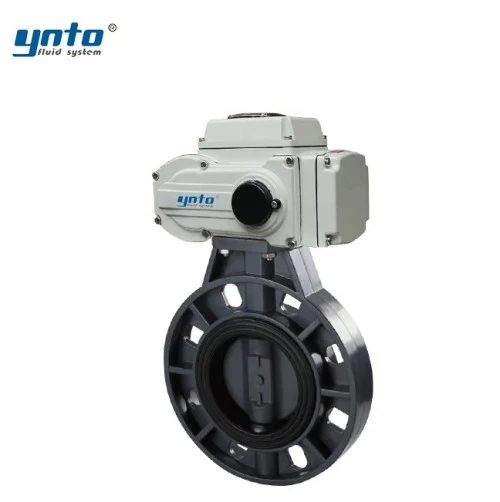
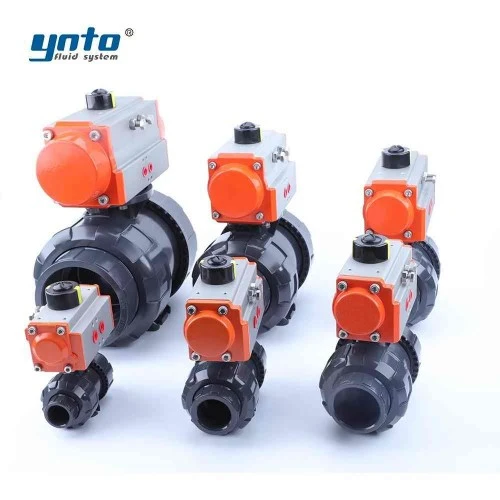
For larger water, utility, or compatible process lines, a custom-size pneumatic wafer butterfly valve offers several body, disc, stem, and seat choices. Selection still requires confirmation of pressure, temperature, medium, flow direction, leakage criterion, minimum air supply, and torque. Bidirectional shutoff should be accepted only for the tested configuration and differential pressure.
Custom valve solutions matter most where failure stops production or exposes personnel. An electric valve can isolate a remote branch without an air line. A diaphragm valve separates its mechanism from corrosive fluid. A ball valve reduces pressure loss in clean shutoff service, while a purpose-designed control valve manages changing flow. Function comes first; automation follows.
Key Considerations in Custom Valve Design
Sizing and Dimensions
Sizing begins with maximum, normal, and minimum flow—not pipe diameter alone. Engineers review upstream and downstream pressure, density, vapor pressure, viscosity, temperature, solids, and upset conditions. A control valve needs usable travel across the operating range without unacceptable noise, cavitation, flashing, or choked flow. IEC 60534 equations apply to conventional compressible and incompressible control-valve sizing, but their stated limits matter for slurries, non-Newtonian fluids, and multiphase service.
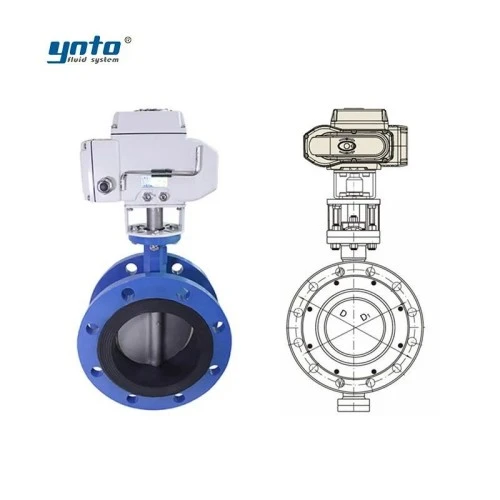
Isolation valves require a different review. A full bore may reduce permanent loss, but its larger ball, stem, and actuator increase weight and cost. A butterfly valve saves space in a large line, yet its open disc projects into the pipe and can conflict with a reducer or instrument. Unexpectedly high torque after flange tightening often points to misalignment or insufficient disc clearance—not an undersized actuator.
Dimensional data should include DN or NPS, pipe schedule and bore, connection, pressure class, flange standard, bolt drilling, face-to-face length, stem height, actuator orientation, total envelope, weight, and removal space. Certified drawings should show the assembled package because the actuator model and overall dimensions can change with size, seat, medium, and differential pressure.
Material Options
Material selection is also size-sensitive. As diameter and pressure rise, body wall, disc stiffness, stem diameter, and flange loads change. Carbon steel or alloy steel can provide economical containment in noncorrosive duty, while 316L suits many moderately corrosive or hygienic applications. Warm chlorides may justify Duplex or Super Duplex after compatibility and fabrication review.
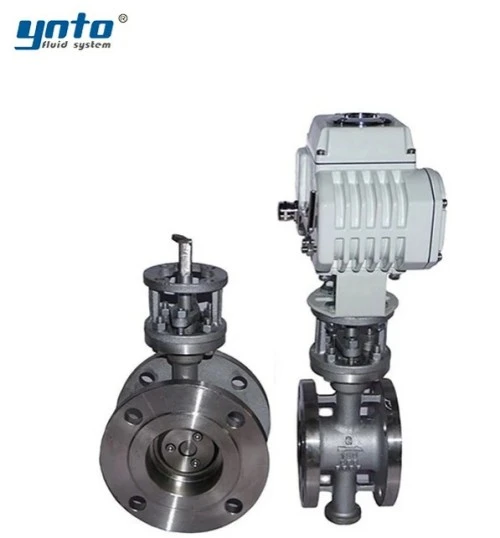
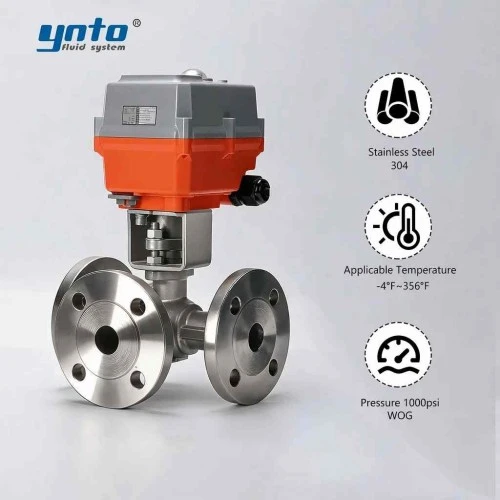
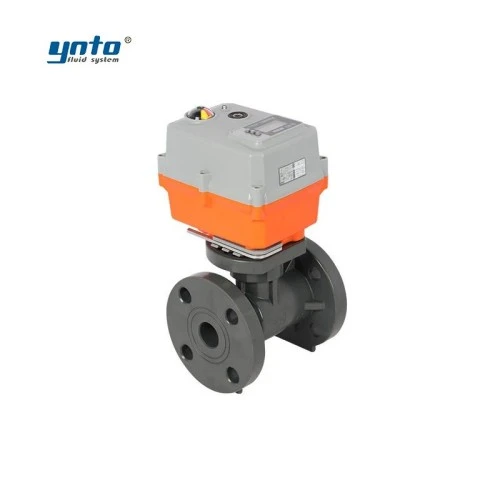
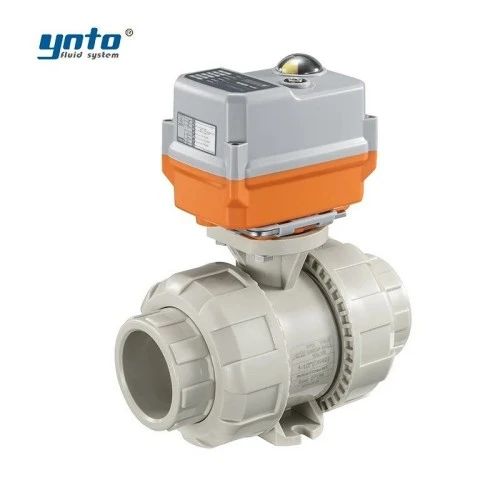
A configurable DN15–DN200 stainless steel electric flanged ball valve illustrates why body grade, port, pressure class, seat, and actuator must be reviewed together. Published temperature capability varies with PTFE, high-temperature polymer, or metal seating, and actual actuator sizing depends on valve torque and medium.
Soft materials often set the operating limit. PTFE resists many chemicals but can creep under sustained load. EPDM suits many water duties but not many hydrocarbons; FKM works with numerous oils and chemicals yet is not universal. FBE or Halar coatings can protect selected substrates when surface preparation, edge coverage, cure, thickness, and holiday testing are controlled. External brackets, couplings, bolts, and enclosures need the same environmental review as wetted components.
Performance Metrics
Useful performance metrics are measurable. For isolation, specify test medium, differential pressure, direction, duration, and permitted seat leakage. For control, define required Cv or Kv, rangeability, travel characteristic, dead band, hysteresis, response time, and acceptable noise. Automation data should include breakaway, running, and seating torque; minimum supply; stroke time; fail position; duty cycle; ingress protection; and feedback accuracy.
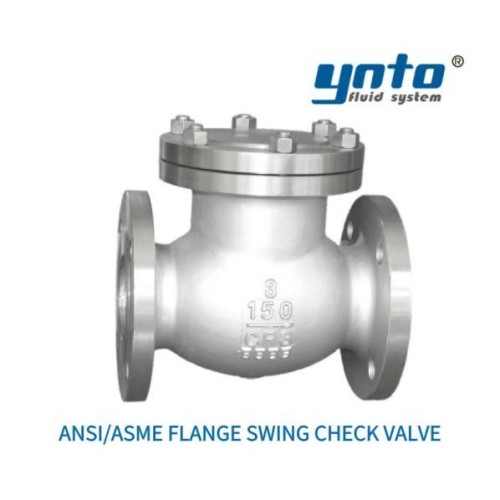
ANSI/ASME specifications may reference ASME B16.34 for applicable metal-valve ratings, materials, examination, testing, and marking. API 598 and ISO 5208 provide inspection and pressure-test frameworks when invoked by the product standard or purchase order. A shell test does not demonstrate chemical compatibility, control accuracy, cycle life, or suitability for every pressure direction.
High-temperature, high-pressure, toxic, or corrosive media may require remote actuation, guarded vents, cavity relief, fire-safe features, or emissions-qualified packing. Plant isolation, lockout, depressurization, draining, and gas testing remain necessary even after a successful factory test.
Exploring Bespoke Valves
Definition and Characteristics
Bespoke valves are configurations engineered around a defined operating and installation envelope. Customization may be dimensional: a special face-to-face length, compact wafer body, extended neck, unusual end connection, or constrained actuator orientation. It may instead alter the flow path through a reduced bore, V-shaped port, lining, purge connection, cavity vent, or low-shear geometry.
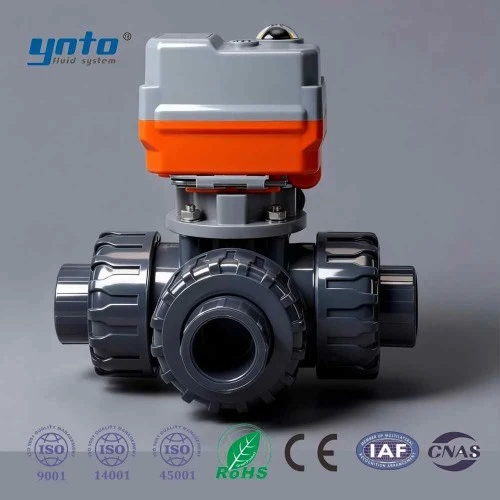
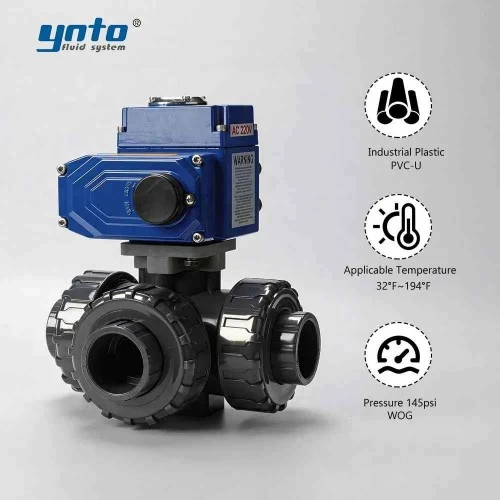
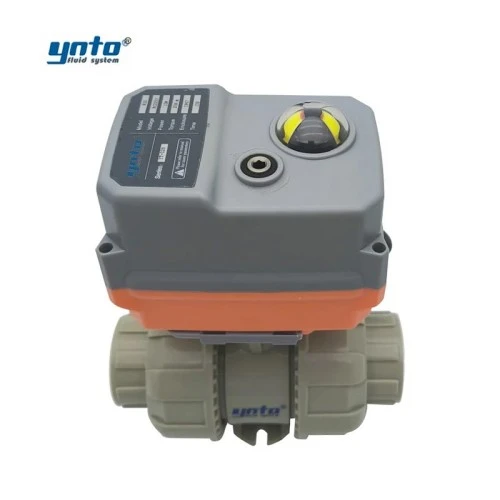
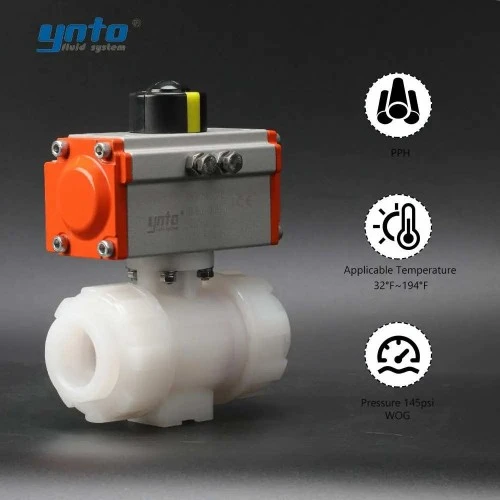
For a corrosive duty within the verified pressure-temperature range, a DN15–DN100 PPH electric ball valve can combine nonmetallic body options, selected elastomers, automation, and different connection standards. Procurement should confirm the exact polymer, seal compound, flange or weld arrangement, derated pressure, fail action, and dimension table. “Plastic valve” is no more specific than “metal valve.”
Automation adds power supply, 4–20 mA positioning, RS485/Modbus, limit switches, local override, and fail action. The actuator must be selected from worst credible torque, including deposits, temperature, differential pressure, packing load, seat aging, and minimum supply. A bespoke-valve file should preserve the approved drawing, bill of materials, operating envelope, flow data, actuator calculation, inspection plan, and spare-parts list.
Custom vs. Standard Valves
A standard valve is often better when its published envelope meets the service. It normally offers shorter delivery, established spares, familiar maintenance, and easier interchangeability. Customization should solve a documented constraint, not create novelty. Changing face-to-face dimensions merely to accommodate avoidable piping error can increase lifecycle risk.
Compare installed and operating cost. A standard valve requiring two reducers, a long bracket, and modified supports may cost more than a correctly configured unit. Conversely, a unique casting for a marginal benefit can make replacement difficult. Experienced engineers seek the smallest justified departure from a proven platform.
Design freeze matters. Late changes in actuator, stem extension, handwheel, solenoid, or terminal box create clashes after piping fabrication. Certified general-arrangement drawings should mark the maintainable envelope, not only body dimensions. A valve fits only when it can be installed, stroked, wired, calibrated, insulated, and removed safely.
Enhancing Valve Performance Optimization
Techniques for Performance Improvement
Valve performance optimization aligns the valve function with its operating window. Throttling service may need characterized trim or a V-port ball that provides usable gain over expected travel. Isolation may prioritize low pressure loss, dependable seat loading, short stroke time, and verified shutoff. One design should not perform both duties unless its data support both.
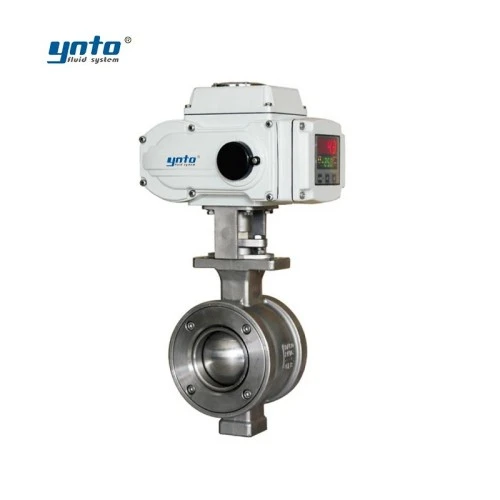
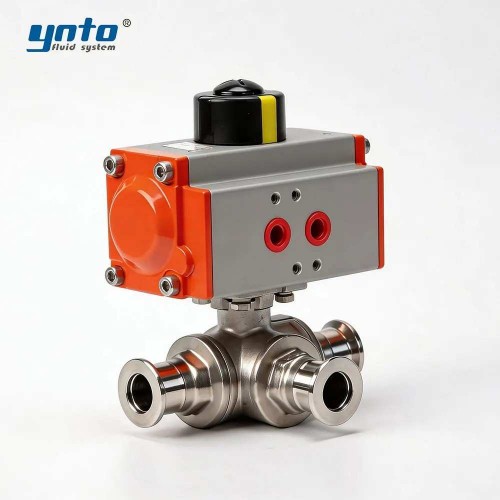
A pneumatic V-port control ball valve can be evaluated for modulating flow with fine suspended material. Nominal size must be checked against calculated capacity, minimum controllable flow, velocity, erosion, differential pressure, seat, and actuator air pressure. Its shearing action may help with suitable fibrous media, but it does not make every slurry application safe.
Closing speed is another design variable. Rapid closure in a long liquid line produces water hammer; the surge loads seats and supports, loosens joints, and shortens instrument life. Adjustable speed, staged closing, or surge analysis can be more effective than simply increasing the pressure class.
Real-World Examples of Optimized Valves
Consider a representative water header where a large butterfly valve opens against high differential pressure. The actuator stalls during wet operation although it passed a dry workshop stroke. Reviewing hydrodynamic torque, minimum air pressure, seat friction, and opening sequence produces a more reliable package. Better duty data—not merely a larger cylinder—solves the problem.
On a small acid-dosing line, corrosive fluid attacks a mismatched body. Deposits collect at the seat, torque rises, and the actuator stops short of closure; leakage then reaches the drain. A compatible plastic or lined valve, verified elastomers, and lower dead volume interrupt that chain. Size follows dose flow and controllability rather than the pipe label.
Temperature cycling creates another pattern. The body expands and contracts, an unsuitable soft seat takes compression set, and leakage appears after cooldown. Repeated tightening hides the symptom while stem torque increases. Compatible sealing, controlled loading, and actuator sizing for hot and cold conditions address the cause. These are engineering patterns, not universal product guarantees.
Solutions for Effective Valve Fitting
Assessing Fitting Needs
Valve fitting solutions begin at the interfaces. Confirm nominal size, class or PN rating, sealing face, gasket, bolt drilling, bore, and allowable pipe loads. ASME B16.5 addresses many pipe-flange ratings and dimensions; ASME B16.10 covers dimensional interchangeability for specified valves. DIN EN 558 and ISO 5752 provide face-to-face series for many flanged metal valves. State the applicable edition rather than mixing standards casually.
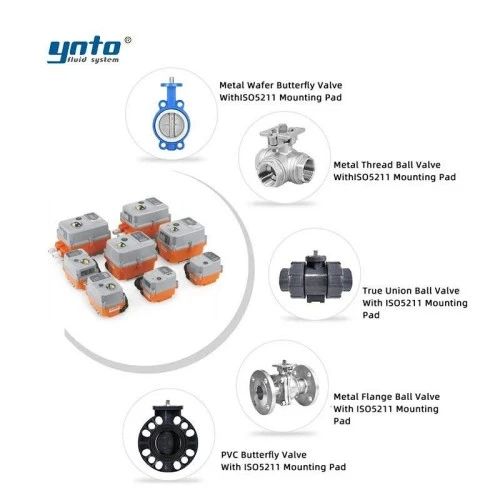
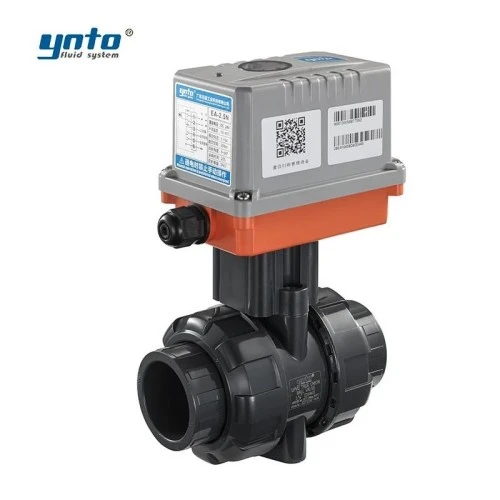
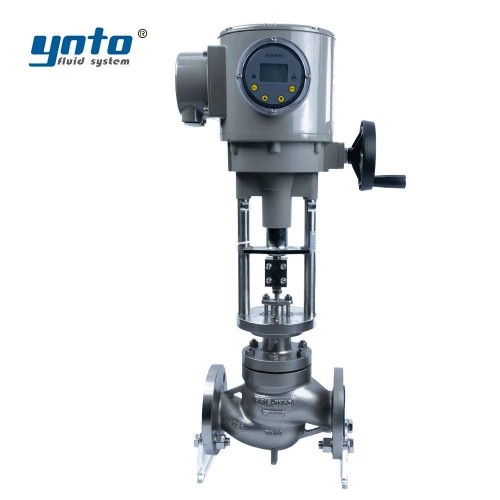
ISO 5211:2026 defines dimensions and reference torque values for part-turn actuator attachments, but valve breakaway torque, coupling strength, key engagement, bracket stiffness, and alignment still require calculation. A configurable YNTO YT-series electric valve actuator may support on-off, modulating, bus, timing, or wireless functions; the chosen unit must match torque, travel, supply, duty cycle, environment, control logic, and clearance.
Layout review should include stem height, insulation, cable bend radius, solenoid access, manual override, lifting points, weight, center of gravity, and removal path. Pipe supports must carry piping loads without using the valve body as an alignment tool.
Ensuring Proper Installation and Functionality
Installation begins with clean, aligned piping. Flanges should meet without being pulled together by bolts. Gaskets must match the face and process, and fasteners need a controlled tightening sequence. Wafer-valve discs require clearance through adjacent pipe and fittings. Weld-end valves need approved procedures and protection for heat-sensitive seats.
Before operation, technicians should confirm flow direction where relevant, actuator rotation, stops, feedback, fail action, interlocks, and manual override. Flush the line without driving construction debris through vulnerable trim. Hydrostatic or pneumatic testing must follow an approved procedure, with personnel outside the hazard zone and stored pressure released before adjustment.
Commissioning records should capture as-left torque or current, stroke time, calibration, seat leakage, pressures, and control response at minimum, normal, and maximum flow. These values form a maintenance baseline. Later changes in vibration, pressure drift, or travel time can then be investigated with evidence.
The most efficient custom valve is not necessarily the smallest, largest, or most automated. Its capacity, dimensions, materials, seals, actuator, interfaces, tests, and maintenance access agree with the real system. Send YNTO the medium, concentration, solids, flow range, pressure, temperature, size and connections, installation drawing, control signal, fail position, leakage criterion, and governing standards. That information turns customization into verifiable engineering.
- 2026-09-21 15:23:44
- 2026-09-18 09:42:46