The Ultimate Comparison: Diaphragm Valves vs. Conventional Valves
- 2026-03-25 14:12:38
- admin
- NO COMMENTS
Introduction
Selecting the right valve type is a critical decision that impacts the safety, efficiency, and longevity of industrial systems. As a senior valve systems engineer, I’ve seen how an improper valve choice can lead to chronic leaks, contamination issues, or costly downtime. Diaphragm valves and conventional valves (such as gate, globe, ball, or butterfly valves) each offer unique benefits and drawbacks. Diaphragm valves use a flexible membrane to control flow, completely isolating the process fluid from the actuating mechanism. Conventional valves, on the other hand, employ solid moving parts (discs, gates, balls, etc.) attached to a stem with seals and packings to contain pressure. This article provides an in-depth comparison of their operating mechanisms, advantages, limitations, and use-case suitability. We will explore how each type contributes to system-level efficiency and reliability, and offer guidance to engineers, project managers, and procurement specialists on making the best selection. The goal is to ensure your valve choice optimizes flow control, maintains seal integrity, meets industry standards, and delivers the best long-term value for your operation.
Mechanisms of Operation
How Diaphragm Valves Work
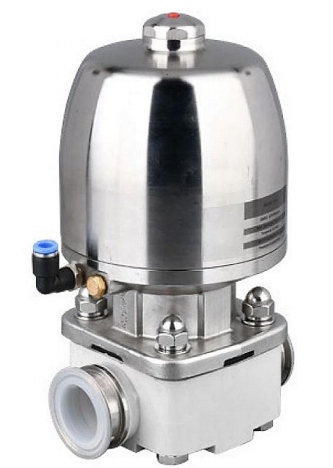
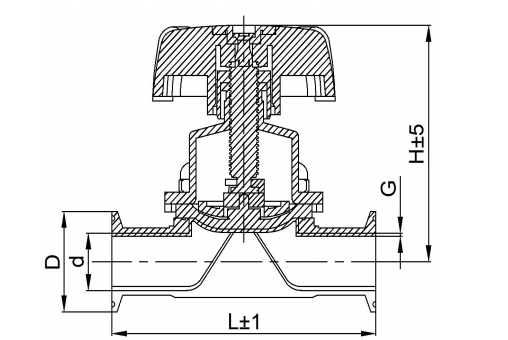
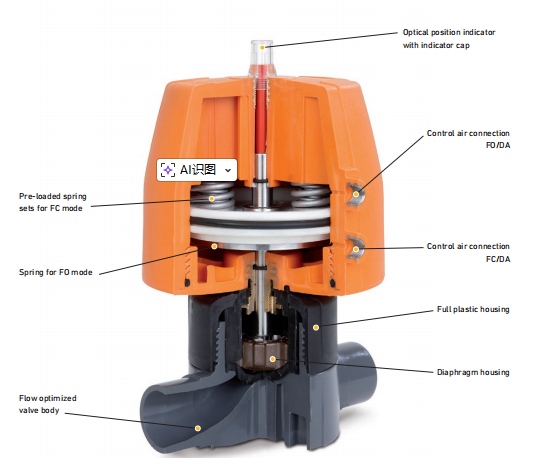
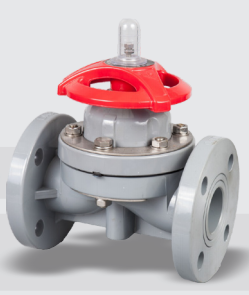
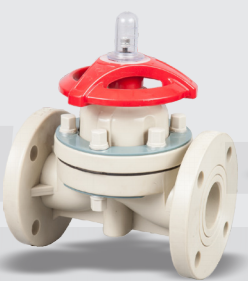
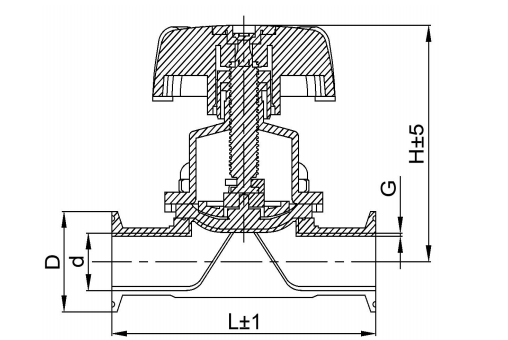
A diaphragm valve regulates flow using a flexible diaphragm (often an elastomer like EPDM or a PTFE-lined membrane) that presses down on a seat or raised weir to shut off fluid, and lifts to open the flow path. The diaphragm itself acts as both the closing element and the seal, creating a barrier between the process fluid and any moving parts. When the actuator (manual handwheel, pneumatic piston, or electric drive) applies force, the diaphragm deforms and seals against the seat, stopping the flow. Releasing the force allows the diaphragm to spring back, permitting flow to resume. Because there is no sliding stem penetrating into the fluid, the process media never contacts the actuator or stem, eliminating the need for a traditional packing gland. This design inherently prevents external leakage past a stem – a key differentiator from most other valve types. Diaphragm valves typically come in two body patterns: a weir (saddle) type for throttling (the diaphragm closes on a raised lip) and a straight-through type for lower pressure drop in slurries and viscous fluids. In both cases, the simplicity of having one moving part (the diaphragm) means fewer points of failure. There is no rotary motion or complex mechanical linkage during operation, which reduces wear and contributes to reliable sealing over many cycles. The diaphragm material itself can be selected from a range of options (rubber, thermoplastics like PTFE, or layered composites) to suit the fluid’s chemical compatibility and temperature. Overall, the diaphragm valve’s mechanism prioritizes isolation and simplicity: the fluid is contained by a flexible membrane that responds to actuator force, ensuring a clean shut-off and safeguarding the actuator from the process media.
Working Principles of Conventional Valves
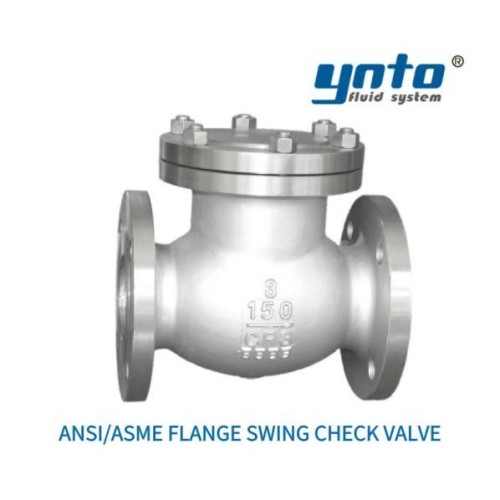
"Conventional valves" is a broad term encompassing traditional designs such as gate valves, globe valves, ball valves, butterfly valves, and others. Despite their differences in construction, these valves share a common principle: a solid obstructing element is moved into or out of the flow path to control fluid passage. For example, a gate valve slides a flat or wedge-shaped disc vertically down to block flow and retracts it to open, yielding an almost unobstructed bore when fully open. A globe valve uses a plug-like disc that moves toward or away from a seat, allowing fine throttling control due to the proportional relationship between disc travel and opening size. Ball valves rotate a perforated sphere 90° to start or stop flow, offering quick operation and a tight seal when closed. In all these designs, a rigid stem connects the handle or actuator to the internal blocking element. The stem passes through the valve bonnet and must be sealed to prevent fluid from escaping along it. This is typically achieved with a packing – a compressible gasket (often PTFE, graphite, or another material) wrapped around the stem. As a result, conventional valves inherently have a potential leak path at the stem/packing interface and through bonnet gaskets. Proper maintenance involves periodically adjusting or replacing packing to maintain a tight seal, especially in valves that cycle frequently or handle hazardous fluids. The sealing surfaces in conventional valves (the disc against its seat, or the ball against its seat rings, etc.) are usually metal-to-metal or incorporate soft inserts, requiring precise machining and adequate force to achieve shut-off. Because these valves rely on solid metal components, they can be built to withstand high pressures and temperatures beyond the limits of polymer diaphragms (for instance, steel gate valves in steam service or high-pressure oil lines). However, the trade-off is more complex geometry and often a larger number of parts: stem seals, bushings, and, in some cases, multiple sealing interfaces. Each conventional valve type has its own characteristic flow profile and performance: gate valves excel at on/off isolation with minimal pressure drop when open, globe valves provide precise flow regulation, ball and butterfly valves offer compact design and quick operation, etc. All conventional valves share the need for robust construction to contain pressure and the use of engineered sealing systems (packing, O-rings, bellows, etc.) to prevent leaks. Modern designs mitigate leakage and maintenance issues by adding features like live-loaded packings or bellows seals, but these add complexity and cost. In summary, conventional valves operate by mechanically obstructing flow with solid components, requiring careful sealing of moving parts and offering a wide range of designs tailored to specific pressure-flow conditions.
Advantages of Diaphragm Valves
Leak Prevention
One of the most significant advantages of diaphragm valves is their superior leak-tightness, especially in terms of external leakage prevention. By design, the diaphragm acts as a hermetic seal between the fluid and the environment. There is no conventional stem penetrating the valve body, so no stem packing is required. The process medium is completely isolated from the upper valve works and atmosphere by the flexible diaphragm itself. This means that as long as the diaphragm remains intact, the chance of fugitive emissions or external fluid leakage is essentially zero. In applications dealing with toxic, volatile, or high-purity fluids, this isolation is a critical safety and environmental benefit. For example, in a chemical processing line handling corrosive acid, a diaphragm valve ensures that no acid can seep out along a stem or bonnet joint – a common leakage point on a packed-valve design. The seal integrity of diaphragm valves is also excellent for internal leakage (shut-off) because the diaphragm can deform slightly to mate with the seat, often achieving a bubble-tight shut-off. Since the diaphragm typically makes broad surface contact with the seat (often a weir), it can accommodate minor particulate or surface irregularities better than a narrow metal seal in a conventional valve. Furthermore, the absence of sliding motion across the seat (the diaphragm presses straight down) avoids the kind of scratching or scoring that can plague ball or gate valve seals over time. In an engineering sense, the cause-and-effect chain here is straightforward: because the diaphragm eliminates a dynamic stem seal, the effect is fewer potential leak paths and less routine maintenance to keep the valve tight. This advantage is why diaphragm valves are heavily favored in ultra-clean services (like pharmaceuticals) and hazardous media containment. They inherently comply with stringent fugitive emission standards without needing special stem sealing accessories. By preventing leaks at the source, diaphragm valves enhance both safety and reliability in operation, giving engineers and plant managers peace of mind that the fluid stays where it’s supposed to be.
Ease of Maintenance
Diaphragm valves are renowned for their simple design and the resultant ease of maintenance. Most diaphragm valves consist of three primary parts: the body, the diaphragm, and the bonnet/actuator assembly. With such a minimalist construction, there are fewer components that can wear out or require adjustment. Maintenance personnel do not have to worry about packing adjustment, lubrication of moving metal parts, or complex disassembly procedures. In many designs, accessing the internals is as easy as loosening a few bolts to remove the bonnet and then lifting out the diaphragm. The diaphragm element is usually the only wearable part under normal conditions. When it eventually degrades (due to fatigue or chemical attack), replacing it is a straightforward on-site task that can be completed rapidly, greatly reducing downtime. For instance, in an industrial water treatment facility, if a diaphragm valve begins to leak internally after years of service, a technician can swap in a new diaphragm in minutes without removing the valve body from the pipeline. Because the body stays in place, there’s no need for line cutting or extensive re-flanging work – a stark contrast to some conventional valves that might need full removal for seat or seal servicing. The ease of diaphragm replacement minimizes process interruption, and spare diaphragms are relatively low-cost parts to stock. This simplicity also means fewer failure modes; there are no small springs, multiple seals, or intricate linkages internally – just the diaphragm and seat. The lack of a stem seal means maintenance is primarily preventative: checking diaphragm condition during planned shutdowns and ensuring the bolts are torqued properly on reassembly. As an added benefit, because diaphragm valves don’t trap fluid in cavities (when open, the flow path is smooth and when closed the diaphragm isolates fluid in the body), cleaning and sterilization are easier. CIP (clean-in-place) procedures in biopharma, for example, can reliably flush out a diaphragm valve with no dead spots. In summary, because diaphragm valves have a simple, packing-free construction, the effect is a reduced maintenance burden. Technicians can quickly service them, and routine upkeep often just involves periodic diaphragm inspection or replacement. This ease of maintenance translates to lower lifetime costs and higher uptime for systems employing diaphragm valves.
Versatility in Applications
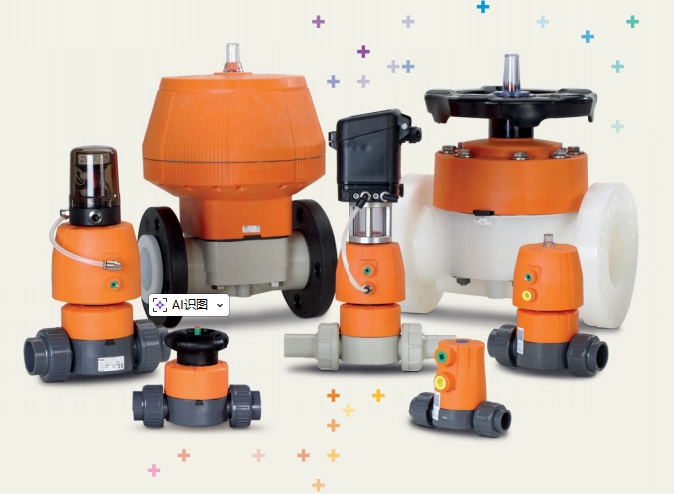
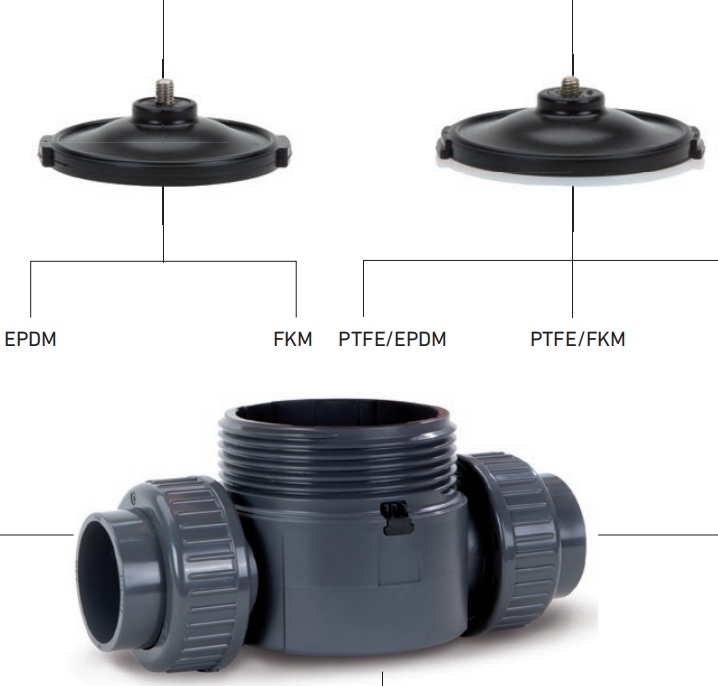
Diaphragm valves are exceptionally versatile, capable of handling a wide range of fluids and service conditions by virtue of material selection and design variations. A major advantage is that only two parts – the diaphragm and the valve body/lining – typically contact the process fluid. By choosing appropriate materials for those parts, engineers can adapt a diaphragm valve to many uses. For example, the body can be made of cast iron, carbon steel, stainless steel, or high-nickel alloys, and it may be lined with corrosion-resistant coatings like rubber, glass, or fluoropolymers (PTFE/Teflon) for highly aggressive chemicals. The diaphragm itself is available in various elastomers (such as EPDM, FKM/Viton, NBR) for water, air, and mild chemicals, or in PTFE and other engineered plastics for strong acids, solvents, and high-purity media. These combinations allow diaphragm valves to be tailored to handle everything from ultra-pure deionized water to abrasive slurries. In corrosive services, a PTFE-lined body with a PTFE diaphragm provides an all-PTFE wetted surface, essentially giving the durability of exotic alloys at a fraction of the cost. In sanitary applications, polished stainless steel bodies with food-grade EPDM diaphragms meet standards like 3-A, FDA, and USP Class VI for bioprocessing (indeed, many sanitary diaphragm valves use 316L SS and are certified to ASME BPE and EHEDG). The flexibility of material choice is matched by flexibility in operation: diaphragm valves can be manually operated for simple on/off tasks, or fitted with pneumatic actuators for automated control valve duties in process systems. They respond well to modulating service (especially weir-type diaphragms) because the flow can be finely throttled by partially deforming the diaphragm against the weir. Additionally, diaphragm valves perform reliably with fluids that would foul or damage other valves. For example, they excel with slurries and viscous fluids – a straight-through diaphragm valve can pass sludges or fibrous liquids without clogging, since there's no narrow flow port or crevice for material to jam (unlike the small clearances in globe or ball valves). This makes them ideal for wastewater treatment and mining slurries. They also handle delicate fluids like cell cultures or food products gently, since the flow path is smooth and there's no sudden obstruction; this gentle handling prevents shear or damage to the fluid content. From an industry standards perspective, diaphragm valves are manufactured in compliance with norms such as ISO, DIN, and API specifications, so they can be drop-in replacements or components in any globally engineered system. In short, the diaphragm valve’s adaptability comes from its modular material and design options: engineers can configure body and diaphragm materials to suit nearly any medium and operating condition. Few other valve types offer such a breadth of application — from sterile pharmaceutical lines to gritty irrigation systems — with only minor changes in construction. This versatility means a single valve platform can be deployed across multiple process areas, simplifying procurement and spares inventory for large facilities.
Downsides of Diaphragm Valves
Limitations in High-Pressure Scenarios
No valve is without its limitations, and diaphragm valves do have a distinct Achilles’ heel: they are generally not suited for very high-pressure or high-temperature services. The primary constraint comes from the diaphragm material itself. Most diaphragms are made of polymers or soft elastomers which can only withstand so much pressure force and heat before deforming or deteriorating. In practical terms, standard industrial diaphragm valves are usually limited to around 16 bar (1.6 MPa) of pressure and temperatures below ~150 °C. Beyond these conditions, the diaphragm may lose its elasticity, develop cracks, or even suffer a sudden rupture. For instance, if one attempted to use a diaphragm valve on a steam line at 250 °C and 40 bar, the elastomeric diaphragm (even a PTFE one) would rapidly degrade or creep, leading to failure. In contrast, a conventional valve made of steel with a metal seat would handle that service easily. Size is another factor: due to the difficulty of manufacturing large, uniformly elastic diaphragms and the enormous forces on them at high pressure, diaphragm valves are rarely made above about DN 200 (8 inches) in diameter. This means they are not an option for very large flow pipelines – you won’t find a 24″ diaphragm valve on a main steam header or a big cooling water intake; a butterfly or gate valve would be used instead in those cases. There’s also the issue of mechanical strain and fatigue. The very flexibility that gives diaphragms their sealing ability also means they experience repetitive flexing under pressure. High-pressure differentials accelerate this flex fatigue. Each time the valve cycles or even holds against a significant pressure, the diaphragm is stressed. Over time, especially under rapid cycling or pulsating pressures, the diaphragm can fatigue and fail without much warning. When a diaphragm ruptures, it effectively removes the barrier between the process fluid and the environment – a potentially catastrophic failure if the fluid is hazardous. Because of this, diaphragm valves typically include warnings in their specifications about not exceeding design pressure or using them in pressure pulsation environments. Engineers mitigate some of these issues by using fabric-reinforced diaphragms or composite multilayer designs (sometimes with a thin metal backing). These improvements can push pressure ratings higher (specialized small diaphragm valves for instrumentation can reach 250–350 bar in stainless steel bodies), but those are niche products not commonly used for bulk fluid control. In broad industrial use, the reality is that diaphragm valves are chosen for moderate pressure ranges – for example, a water treatment skid might use them at 8 bar, but not at 80 bar. When pressures climb into the dozens of bar or higher, engineers nearly always turn to conventional valves (or introduce additional safety measures if a diaphragm valve is absolutely required, such as pressure relief valves or frequent diaphragm replacement schedules). High temperature is similarly problematic: above roughly 120–150 °C, many elastomers (EPDM, NBR) are at their thermal limits, and even PTFE starts to creep. Thus diaphragm valves are uncommon in hot oil, steam, or thermal fluid lines. They also cannot be used in vacuum/high-pressure cycling service as reliably – deep vacuum can cause some diaphragm materials to blister or the fabric reinforcement to delaminate over time. In summary, because diaphragm valves are constrained by the physical properties of their soft components, the effect is a restricted operating envelope. They excel in low to medium pressure duties but are out of their element in the high-pressure, high-temperature realm where metal-seated conventional valves thrive. When evaluating a diaphragm valve for your project, it’s imperative to consult its pressure-temperature rating curves and consider a generous safety margin. Pushing these valves to do more than they are designed for can lead to sudden leaks or bursts, undermining the safety and reliability advantages that make diaphragm valves attractive in the first place.
Conventional Valves Pros and Cons
Benefits in Certain Applications
Conventional valves – including well-known types like gate, globe, ball, and butterfly valves – continue to be the workhorses of many industrial systems for good reason. Their design and material construction make them suitable for applications that push the limits where diaphragm valves cannot operate. A key benefit is their capability to handle high pressures and temperatures. Most conventional valve bodies are made from metals (steel, stainless steel, alloys) with robust geometry. They are available in standardized pressure classes (ANSI/ASME ratings like Class 150, 300, 600 up to 2500, etc.), which correspond to very high pressure capacities – e.g., Class 600 valves are rated around 100 bar, and Class 2500 valves around 420 bar at room temperature. This means for applications such as high-pressure steam networks, refinery feed lines, or hydraulic systems, one can select a conventional valve that is engineered and certified to contain the stress. For instance, an alloy steel gate valve can reliably seal superheated steam at 500 °C and 50 bar, where no polymer-based valve could survive. Manufacturers like KOSEN offer valves in exotic materials (duplex stainless, Hastelloy, Monel) and large diameters (up to 40 inches) with pressure ratings to Class 2500, to serve extreme service needs. This variety in size and material gives conventional valves a versatility of a different kind – scale and strength. If you need a 48″ diameter isolation valve for a penstock or a high-temperature catalyst feed valve in a petrochemical plant, you will be looking at a metal gate, ball, or butterfly valve, not a diaphragm valve. Along with high pressure capability comes generally higher mechanical durability. Conventional valves have solid components that can often tolerate some abuse – e.g., a metal-seated globe valve might continue to function even with some scoring on the seat, whereas a damaged diaphragm in a valve immediately means failure. Another benefit is flow capacity: designs like gate and ball valves are full-bore, meaning when open they offer an almost unobstructed flow path (high Cv, low pressure drop). If energy efficiency or minimizing pumping losses is critical (such as in long pipeline systems or gravity-fed water distribution), a full-port ball or gate valve is advantageous over a weir-type diaphragm valve that always presents an obstruction in the flow. Moreover, conventional valves can be optimized for specific control tasks. For example, a globe valve can be fitted with contoured trim or multi-stage pressure letdown trims to handle severe pressure drops without cavitation – capabilities well beyond a diaphragm valve’s simple design. Automation and control integration is another area of strength. It’s common to see large conventional valves outfitted with powerful actuators (electric motor actuators or high-pressure hydraulic cylinders) for remote operation. These electric actuator valve assemblies allow, say, a 24″ pipeline valve to be opened or closed by a control system, even against high differential pressure. While diaphragm valves can also be automated (usually with pneumatic actuators), conventional valves offer a broader range of actuation options and are often easier to fit with standardized actuators (ISO 5211 flange patterns on ball and butterfly valves, for instance). In certain applications – like emergency shutdown (ESD) valves on oil & gas lines – a metal gate or ball valve with a fail-safe actuator is the trusted solution due to its fast operation and proven performance under fire-safe conditions (many conventional valves can meet API fire test standards). Finally, conventional valves enjoy the benefit of industry familiarity and availability. They have been around for over a century in some cases, so suppliers and spare parts are widespread. An industrial buyer can source an ANSI 300# flange 6″ globe valve or a DIN-standard PN40 ball valve from numerous manufacturers, often off-the-shelf, which can be a procurement advantage. In summary, the pros of conventional valves lie in their muscle and variety: they can be built big, strong, and specialized. They shine in demanding environments – handling high pressures, high temperatures, large flows, and specialized control duties – where diaphragm valves simply aren’t an option. This makes them indispensable in power generation, oil & gas infrastructure, heavy chemical processing, and other challenging sectors.
Disadvantages Compared to Diaphragm Valves
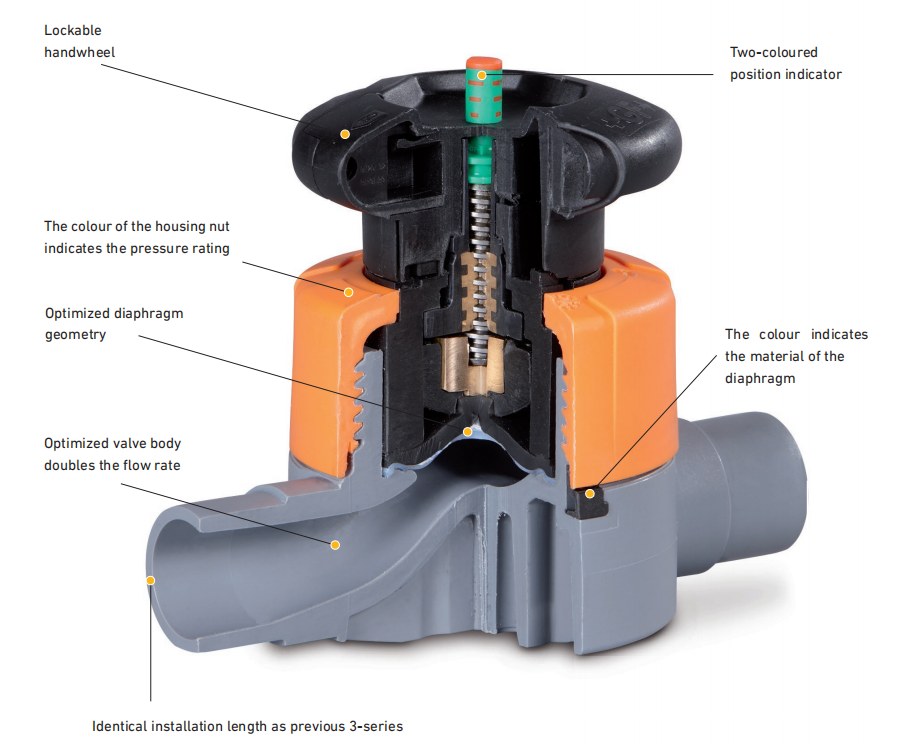
Despite their strengths, conventional valves have several disadvantages, especially when contrasted with diaphragm valves’ unique benefits. One notable drawback is the potential for leakage through dynamic seals. Conventional designs require a stem that penetrates the valve body, and this stem must be sealed with packing or O-rings. Over time, packing can wear, creep, or dry out, and O-rings can age or get damaged. If not properly maintained, the result is external leakage – drips or emissions of process fluid around the stem area. Even with well-adjusted packing, certain volatile chemicals or gases can still seep out in trace amounts (fugitive emissions), which is problematic under strict environmental regulations. By contrast, a diaphragm valve’s packless design inherently avoids this issue. To achieve comparable tightness, conventional valves sometimes resort to expensive solutions like bellows stem seals or double packing sets with live loading, which add cost and complexity. Another disadvantage is higher maintenance demands. A conventional valve often has multiple components that require periodic attention: the stem packing needs tightening or replacement, the seats may eventually wear and need lapping or swapping, and lubricants might be needed for moving parts (e.g., grease for plug valve taper surfaces or gear operators). Each of these maintenance activities implies downtime and skilled labor. Diaphragm valves, as noted, usually only require diaphragm replacements at intervals. Furthermore, if a conventional valve’s sealing surfaces (seat/disc) get damaged by foreign matter or corrosion, repairing them can be non-trivial – it might involve grinding, machining, or in some cases replacing the entire valve. This is in stark contrast to the quick diaphragm swap that fixes a leaking diaphragm valve. Cleanability and contamination risk present another contrast. Conventional valves have internal cavities, crevices, and sometimes dead legs where fluid can become trapped. For example, the space behind a ball in a ball valve can hold residue that won’t flush out easily, or the bonnet cavity of a globe valve might accumulate sediment. In applications where purity is critical (biotech, food, semiconductor), these trapped fluids can lead to contamination or bacterial growth. Diaphragm valves offer a more crevice-free wetted area and can often be mounted to be self-draining. So, compared to diaphragms, conventional valves are less suitable for ultra-hygienic service unless special cleaning strategies are in place. The handling of slurries and viscous fluids is another challenge. Conventional valves like globe and gate valves have many tight clearances – between disc and seat, gate and guides, etc. Slurries with solids can get stuck in these areas. We see cause and effect here clearly: because a globe valve has interstitial spaces and relies on metal-on-metal sealing, the effect is that particles in the fluid may lodge on the seating surface or scratch it, leading to incomplete closure and leaks. In fact, partially open gate or globe valves in slurry service often suffer severe erosion as the flow forces grit into the sealing surfaces, acting like sandpaper. A diaphragm valve’s design is far more forgiving in such service; it has a broad, non-critical seating surface and no narrow flow passages, so it can pass grit without localized damage. This means in side-by-side service, a diaphragm valve might outlast a wedge gate valve when both are controlling a lime slurry, for example. Conventional valves also typically lack the self-checking visual indication that some diaphragm valves have. With many diaphragm valves, one can often tell by the position of the compressor (the piece pushing the diaphragm) whether the diaphragm might be worn or not sealing (some designs even have tell-tale indicators for diaphragm failure). In a conventional valve, you usually cannot tell if a seat is worn or a packing is about to leak until it actually starts leaking or performance degrades, unless you disassemble or test it. Another disadvantage is the actuation force required for certain conventional valves. A large high-pressure gate valve might require significant torque to open or close against line pressure (hence the use of gearboxes or powered actuators). Diaphragm valves, by virtue of line pressure assisting the seal on the weir and the relatively small area of the diaphragm exposed to line pressure when closed, often require modest actuation force in comparison to achieve tight shut-off. Finally, cost can be a factor: for small sizes and standard materials, diaphragm valves are sometimes more expensive than a simple ball or butterfly valve. But at larger sizes or exotic materials, conventional valves (especially high-alloy or high-class ones) become much more expensive. For example, a 6″ Class 600 duplex stainless steel globe valve is an extremely costly item, whereas a plastic-lined diaphragm valve handling the same corrosive service (but at lower pressure) could be far cheaper. So cost-effectiveness flips depending on the scenario: at high specs, conventional valves can strain the budget, and if those specs aren’t truly needed, a diaphragm solution would be more economical. In summary, conventional valves carry baggage in terms of leakage points and maintenance. They concede purity and simplicity to the diaphragm valve. Engineers and maintenance teams must stay on top of packing adjustments, part replacements, and ensuring no process media is collecting in the valve’s nooks. Where those issues are paramount (e.g., ultra-clean or very corrosive services), the disadvantages of conventional designs become deciding factors against their use. It’s a classic engineering trade-off: the very features that give conventional valves their broad capabilities (hard metal parts, multi-piece construction) introduce vulnerabilities that diaphragm valves neatly avoid.
In-Depth Analysis of Use Cases
Sprinkler Valve Diaphragm Applications
One of the most common real-world uses of diaphragm valves is in landscape and agricultural irrigation systems, specifically in the form of sprinkler control valves. If you’ve ever installed or inspected an automated sprinkler system for a lawn, golf course, or farm, you’ve encountered diaphragm valves (often made of plastic) quietly doing the job of turning water flow on and off reliably. These valves are typically pilot-operated diaphragm valves: a small integrated solenoid valve acts as the pilot control, and the main water flow is controlled by a diaphragm inside the valve body. The operation illustrates a clever cause-and-effect chain that leverages the diaphragm’s strengths. When the irrigation controller sends an electrical signal, the pilot solenoid (a tiny electromagnetic valve) opens and releases pressure from the chamber above the diaphragm. Because the pressure above the diaphragm drops, the effect is that the inlet water pressure below pushes the diaphragm upward, unseating it and allowing water to rush into the sprinkler lines. In essence, a little electrical trigger and a small pressure differential are amplified to open a much larger valve – this is sometimes called a "hydraulic amplifier" effect of diaphragm valves. Once open, the diaphragm’s smooth flow path lets water through with minimal turbulence, and any small particles in the supply (sand, dirt) are typically flushed rather than stuck. When the watering cycle is complete, the solenoid closes, stopping the pilot flow and re-pressurizing the top chamber. The incoming water line pressure combined with a return spring forces the diaphragm back down onto its seat, stopping the flow and isolating the zone. This failsafe design (spring-to-close and pressure-assisted closing) ensures that if power is lost or the solenoid fails, the valve will default to the closed position, preventing continuous water flow. Sprinkler diaphragm valves highlight several advantages in action: they are reliable, handling thousands of cycles per year with minimal maintenance; they are low-power to actuate (a small 24V AC solenoid controls a much larger flow – very energy-efficient compared to needing a motorized valve); and they are inherently leak-tight, which is crucial since many are buried underground and hard to monitor closely. The materials used are usually molded PVC or nylon bodies with rubber (EPDM or nitrile) diaphragms, which resist corrosion from fertilizers or sediments in the water. These valves typically operate in the range of 2–10 bar (30–150 psi) – comfortably within diaphragm valve limits. They also demonstrate the integrated valve solution concept: the valve, actuator (solenoid), and control function are all packaged together for system-level efficiency. From an engineer’s perspective, the success of diaphragm valves in irrigation comes from their simplicity and robustness. There are few moving parts, and those that do move (the diaphragm) are cushioned by water on both sides, which dampens shock and wear. Even in dirty outdoor environments, they rarely jam; any debris that might prevent full closure usually causes a minor leak that’s easy to detect (e.g., one sprinkler head might weep water indicating it’s time to flush or service the valve). And servicing, when needed, is easy: a common scenario is an irrigation valve that no longer fully closes due to a torn diaphragm – a technician can quickly remove the bonnet, pop out the old diaphragm and gasket, and insert a new one, restoring the valve to like-new performance. The ability to replace a diaphragm in the field in minutes (rather than cutting out the entire valve) is a huge advantage in large irrigation networks. In summary, sprinkler system valves showcase diaphragm valves at their best – delivering reliable, leak-free control of water to where it’s needed, using a smart combination of electrical and fluid power. They operate day in and day out to keep landscapes green, a testament to how the diaphragm valve’s design, which isolates the actuation from the water, can excel in even the gritty reality of the outdoors.
Irrigation Valve Diaphragm Replacement Cases
In large-scale irrigation or water distribution systems, maintenance is often a numbers game: with dozens or hundreds of valves in service, even a small failure rate means regular fixes. Diaphragm valves, as used in irrigation, have the advantage that their primary wear component is the diaphragm itself. Over time (measured in years or millions of cycles), an EPDM or rubber diaphragm may stiffen, warp, or develop a small tear due to the repeated flexing and occasional abrasion by particulates. When this happens, the symptoms are typically clear – an irrigation zone valve might start failing to close completely, causing sprinklers to seep or continue dribbling water when they should be off, or conversely, the valve might have trouble opening fully on demand. For maintenance teams, the resolution is straightforward: replace the diaphragm (and usually the cheap spring and seal kit along with it). There is no need to replace the entire valve assembly unless the body is cracked. This is a stark contrast to some conventional valves: for example, if a metal gate valve in a similar buried service were leaking, it could indicate seat damage or packing failure, often requiring removal or significant rebuilding. With diaphragm irrigation valves, the fix is surgical and quick. In practice, technicians keep spare diaphragm kits on hand for the specific models used (common manufacturers supply inexpensive repair kits). A diaphragm replacement might take 10–15 minutes: shut off the water supply, unscrew the valve bonnet, pull out the old diaphragm, clean the housing, and insert the new diaphragm and spring. Because the body and piping remain undisturbed, there’s minimal risk of introducing new leaks or debris. After replacement, the valve is tested and usually returns to tight sealing. This ease of on-site repair means that an irrigation system’s downtime is kept very low – critical for farms where watering windows are tight, or for municipal systems where residents expect quick fixes. It’s worth noting that these replacement operations don’t require highly specialized skills; a well-trained field crew or even a skilled homeowner can handle them, whereas re-packing a conventional valve or lapping a metal seat often demands a higher level of expertise or shop work. From a cost perspective, repairing a diaphragm valve is very economical. The diaphragm part itself is typically just a few dollars, and because the labor is minimal, the total maintenance cost per valve is low. This contributes to a lower total cost of ownership for systems that use such valves, which is part of the procurement value proposition for diaphragm valves in water works. However, one must acknowledge this for what it is: a trade-off in failure modes. Diaphragm valves concentrate their potential failure into one element – the diaphragm – which is easy to fix, whereas conventional valves spread wear across seats, stems, and packings that are harder to service but might individually last longer than a rubber diaphragm. In very dirty water or with heavy sediment, diaphragms might need replacement more frequently (abrasive grit can nick the diaphragm material). It’s thus good practice to have upstream filtration or sediment traps in an irrigation system to prolong valve life. In the context of industrial buyers or project managers overseeing water distribution projects, understanding this maintenance aspect is key. The planning should include spare parts provisioning (diaphragms, springs, solenoids) and training staff in quick changeouts. Fortunately, because of how simple it is, maintenance can often be deferred to scheduled downtimes (winter seasons for landscaping systems, etc.) where crews preemptively swap diaphragms if they are near end-of-life, avoiding inopportune failures during critical operation periods. In summary, the “diaphragm replacement cases” in irrigation highlight how this valve type turns a potential weakness (a wearing part) into a manageable maintenance routine. By excluding complex repairs and focusing on one easily replaceable component, diaphragm valves enable efficient, planned maintenance strategies. For a large farm or a city parks department, this means more predictable budgets and less emergency downtime – an important aspect of system-level efficiency and procurement value that often tips the scales in favor of diaphragm valves for water applications.
Evaluating PCV Valve Diaphragm Use
The term PCV valve can refer to a couple of different things in engineering contexts. In automotive engineering, a "PCV valve" is a Positive Crankcase Ventilation valve – a small emissions control component – but in an industrial fluid context, PCV often stands for Pressure Control Valve. Here, we’ll consider the latter: pressure control valves that utilize diaphragms. These are essentially self-regulating valves (or pilot-operated regulators) found in process plants to maintain a set pressure in a system. Many pressure regulators, relief valves, and backpressure regulators rely on a diaphragm sensing element as the heart of their control mechanism. Evaluating the use of diaphragms in these PCVs reveals both their strengths in control and their limitations in extreme conditions. A typical spring-loaded pressure reducing valve, for example, has a diaphragm that senses downstream pressure. When downstream pressure is below the setpoint, the spring pushes the diaphragm to open the valve wider. As downstream pressure rises to setpoint, that pressure acts on the diaphragm, pushing it against the spring force and causing the valve to throttle closed. This dynamic forms a classic cause-effect feedback loop: because the downstream pressure increases, the effect is the diaphragm moves and reduces flow, which in turn lowers the pressure. The diaphragm in these regulators must be very responsive – often a thin disc of flexible material – to detect small pressure changes and adjust the valve position continuously. Materials like Nitrile (Buna-N), Neoprene, Viton, or even reinforced PTFE are common, depending on the fluid and temperature. The use of diaphragms in PCVs provides extremely sensitive control. They can react to fractions of a psi change, which is ideal for maintaining stable pressures in processes like gas distribution networks, reactor jacket cooling systems, or air supply lines. Compared to a piston-based regulator, a diaphragm has much lower friction (no sliding seals, just flexing motion) and thus less hysteresis. This means the controlled pressure is more accurate and oscillation (hunting) is minimized. From a safety standpoint, pressure control valves are often the guardians of a system – preventing over-pressure conditions. Diaphragms here contribute to safety by ensuring the valve responds promptly to deviations. For instance, in a gas cylinder filling station, a diaphragm-type back-pressure regulator will swiftly open to relieve excess pressure and protect the system if an upstream valve fails. However, using diaphragms in PCVs also necessitates careful consideration of their mechanical limits, much like in on/off diaphragm valves. In high-pressure regulators, the diaphragm sees a lot of force; thus, many regulators use multi-stage arrangements or pitot tubes to balance pressure and reduce the stress on the diaphragm. Still, fatigue is a concern – a pressure control valve may oscillate slightly around its setpoint as it controls, causing constant flexing. Over years, this can lead to a diaphragm rupture. If a regulator’s diaphragm fails, typically the valve fails open (in a reducing regulator, the spring pushes it fully open) – this results in a downstream pressure surge, which can be dangerous. That’s why critical applications will have redundancy or external safety relief valves as backup. Another aspect is material compatibility: diaphragms in PCVs must survive chemical exposure just like those in on/off valves. For example, an EPDM diaphragm in a steam regulator gives excellent flexibility, but at high temperatures the material will age faster. An alloy diaphragm (thin metal sheet) could be used for very high temperatures or where rubber isn’t suitable, but metal diaphragms are less flexible and have lower stroke, which limits the controllable range. In evaluating PCV valves that use diaphragms, engineers consider the trade-offs: the unparalleled control precision versus the limitations in pressure range and longevity. For many scenarios (pressures under, say, 10–20 bar and moderate temperatures), diaphragm-based regulators are the go-to solution due to their simplicity and reliability. They require no external power (self-operated), which is a huge advantage for remote or intrinsically safe installations. When properly sized and set, a diaphragm PCV provides stable downstream pressure and long service life – often only needing occasional calibration and diaphragm replacement during scheduled overhauls. However, when pressures get higher or fluids get more exotic (e.g. pure oxygen service, very high-pressure gas), engineers might opt for piston-sensed regulators or dome-loaded designs to avoid diaphragm issues. Modern designs sometimes integrate positioners or boosters that work in tandem with diaphragms to extend their effective range (for instance, using instrument air on one side of a large diaphragm to control a high-pressure flow on the other side – effectively a pilot system). In conclusion, diaphragms in pressure control valves are a brilliant application of the device’s strengths – sensitivity, simplicity, and reliability – within a certain envelope. They underscore the recurring theme in valve selection: for moderate conditions, simplicity wins; for extreme conditions, more robust (and complex) solutions might be needed. In all cases, safety dictates that the diaphragm’s role in a PCV be backed up by sound engineering – whether through material selection, design features, or redundancy. Industrial buyers evaluating such valves will look at regulatory standards (API, ISO) and performance certifications to ensure that the diaphragm regulator will perform as expected under all normal and upset conditions. Often, the decision to use a diaphragm-type PCV comes down to the required accuracy and the acceptable maintenance interval. If maintaining a ±1% pressure band is crucial, a diaphragm is likely the answer. If handling 300 bar is the priority, a diaphragm might be set aside for a different technology. It’s all about matching the tool to the task, a core principle we see again when contrasting diaphragm valves with their conventional counterparts across the board.
Summary of Findings
In this comprehensive comparison, we’ve examined how diaphragm valves and conventional valves stack up in design, performance, and suitability for various industrial duties. It becomes clear that each valve type excels in different areas, and understanding these nuances is key to optimal selection:
· Mechanism & Design: Diaphragm valves operate with a simple, flexible membrane that isolates the process fluid completely from the actuator, resulting in a packless, leak-tight design. Conventional valves use a solid obturator (gate, globe disc, ball, etc.) attached to a stem, requiring packing seals and robust seats to prevent leaks. This gives conventional valves greater material strength but introduces multiple potential leak points and a more complex flow path.
· Leak Tightness & Cleanliness: Diaphragm valves provide outstanding external sealing – if the diaphragm is intact, external leakage is virtually eliminated, an advantage for hazardous or ultra-clean services. They also have smooth, crevice-free internals (especially in weir-type versions) which allow effective cleaning and prevent fluid entrapment. Conventional valves, while often rated for zero-leakage shutoff internally (with proper metal or soft seats), always have a slight risk of stem or body joint leakage and can trap process fluid in cavities. Fugitive emissions standards (like ISO 15848 or EPA LDAR requirements) are easier met with diaphragm or bellows valves than with packed stem valves.
· Pressure & Temperature Capability: Here conventional valves dominate. A quality conventional valve can handle hundreds of psi/bar and high temperatures (e.g. ANSI Class 1500/2500 valves for steam service, or cryogenic globe valves for LNG at -196 °C), far exceeding typical diaphragm valve limits. Diaphragm valves generally cap out around 10–16 bar and 150 °C in standard form, making them unsuitable for extreme conditions. Specialized diaphragms and designs exist to push these limits, but in practice, high-pressure = conventional valve in most cases. We saw that for sizes above DN200 or pressures above ~20 bar, conventional valves are usually the only choice.
· Flow Control & Cv: Diaphragm valves (especially weir types) can throttle flow relatively well in the lower portion of their stroke, and they offer decent Cv for their size (straight-through types have higher Cv and lower pressure drop among diaphragm valves). However, a fully open diaphragm valve often still has some obstruction (the weir) and a convoluted path, meaning its Cv is lower than an equivalently sized full-bore ball, butterfly, or gate valve. Conventional valves come in varying flow profiles – gate and ball valves have very high Cv (best for on/off, not great for fine control at mid-travel), whereas globe valves have lower Cv but very linear, controllable flow response. Thus, for applications prioritizing minimal pressure loss (e.g., gravity-fed systems or slurry pipelines), conventional valves like butterfly or gate get the nod. For precise flow modulation, a globe-style control valve or a diaphragm valve might be chosen depending on the fluid and pressure drop required.
· Maintenance & Reliability: Diaphragm valves concentrate wear into a single component (the diaphragm), which is easy to replace and inexpensive. They have no stem packing to maintain and generally require little attention between diaphragm changeouts. This makes them very predictable in maintenance – a big plus for operations focusing on reliability and low downtime. Conventional valves distribute wear across seats, seals, and packing. They might run for a long time without issue, but when problems occur (a leaking packing or eroded seat), repairs can be more involved. Preventive maintenance for conventional valves includes packing adjustments, periodic stroke testing, and in some cases, taking the valve out of line to refurbish the internals. In a critical service (like an emergency shutdown valve), conventional valves need regular functional testing and often partial stroking to ensure they haven’t stuck – tasks generally not needed for a simple diaphragm valve. That said, a well-made conventional valve can operate for years with only minor packing tweaks, especially if it’s not frequently cycled, whereas a diaphragm might have a defined lifetime of say 5 years or a certain number of cycles. In terms of failure modes, diaphragm valves tend to fail closed (if the diaphragm ruptures, they usually can’t open properly or they leak; the failure is usually contained) whereas some conventional valve failures (like a stem shear or a wedged gate) can be more unpredictable in impact.
· Safety and Standards: Both valve types are produced to meet rigorous industry standards. Diaphragm valves used in critical applications often conform to API, ANSI/ASME, ISO, and DIN specifications for dimensions and pressure testing. For example, they undergo shell pressure tests and seat leakage tests as per standards like API 598 or ISO 5208, ensuring they hold design pressure with required safety margins. Conventional valves have an even longer history of standardization – e.g. API 600 for gate valves, API 602 for small forged valves, API 608 for ball valves, etc., plus ASME B16.34 for design. In terms of safety, the absence of external leakage in diaphragms is a huge advantage for toxic media. However, if a diaphragm does rupture, it can release process fluid suddenly. Many diaphragm valve designs include a failure indicator or a double-diaphragm design for critical containment (one diaphragm actuates, the other serves as a backup to prevent a leak if the first fails). Conventional valves can be fitted in double block-and-bleed arrangements or with leak-off ports on the packing to manage similar concerns. When it comes to fire safety, conventional metal valves are often required (e.g. API 607 fire-safe design) since a plastic diaphragm would not survive a fire – a consideration for valves on hydrocarbon service.
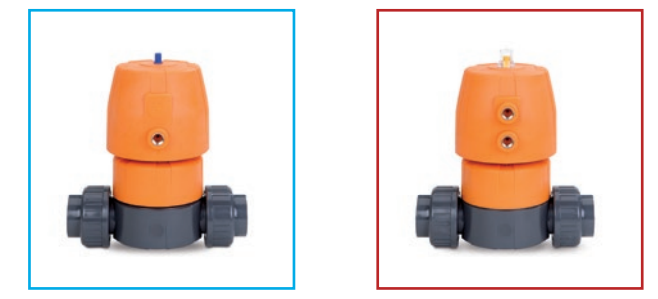
In short, the findings underscore that diaphragm valves are superb for what they are designed for: tight, clean control of moderate pressure fluids, with minimal maintenance and zero external leakage, whereas conventional valves provide the strength, range, and endurance needed for heavy-duty and high-energy services, albeit with a bit more care and feeding. Rather than one being “better” than the other universally, each is a specialist. The wise engineer or project manager will use this comparison to align the valve type with the application’s demands: containment vs. pressure, simplicity vs. strength, precision vs. capacity. This ensures the chosen valve contributes to the overall system’s efficiency, safety, and cost-effectiveness.
Recommendations for Selection
Choosing between a diaphragm valve and a conventional valve (or a mix of both) for your project comes down to evaluating several key factors and requirements. As someone who has overseen valve selection for complex systems, I recommend the following considerations to guide your decision:
1. Define the Process Conditions and Priorities: Start with the basics – pressure, temperature, and medium. If your line pressure is high (generally above 10–16 bar or 150–200 psi) or the fluid is very hot/cold, immediately lean towards a conventional valve unless a specialty diaphragm valve is available and proven for that range. For example, a high-pressure steam line in a power plant should use a steel globe or gate valve that meets ASME pressure class ratings. On the other hand, if the fluid is ultra-pure, highly corrosive, or must remain contaminant-free (pharmaceutical product, RO water, strong acids), a diaphragm valve likely offers better performance by eliminating dead zones and contamination risks. Essentially, match the valve’s core capability to the dominant process demand. If containment of a toxic fluid is priority #1, diaphragm or bellows valves get priority. If handling intense pressure is priority #1, conventional valves rule.
2. Consider Valve Function – Isolation vs. Control: Determine if the valve’s role is simply on/off isolation, modulating control, or pressure regulation. Diaphragm valves excel at isolation with cleanliness – they give a tight shut-off and won’t contaminate the fluid. They can throttle, but their control range is somewhat limited and they don’t have the refined trim options of engineered control valves. If you need fine control over flow (e.g., maintaining a flowrate in a reactor feed within ±2%), a dedicated control valve (often a globe-style valve with an actuator and positioner) is recommended. That control valve could still be diaphragm-actuated (many control valves use a diaphragm actuator on a globe body), but if the question is diaphragm vs. conventional body, a globe control valve is a “conventional” valve in this context. For simple on/off with high frequency (say a CIP cycle valve opening/closing dozens of times a day), diaphragm valves are very suitable due to their high cycle life and easy maintainability. For emergency shut-off or critical isolation, consider fail-safe actuation: diaphragm valves are typically spring-return pneumatic – ensure the spring design fits your failure position needs. Conventional valves can be fitted with spring-diaphragm actuators or mechanical failsafes (like spring-return electric actuators) as well – the key is to choose a fail-safe configuration that suits your scenario. In short, pick diaphragm valves for clean shut-off and moderate control, pick specialized control valves or tuned conventional valves for precise modulation, and ensure fail-safe requirements are met through the right actuator regardless of type (e.g., a spring-return electric actuator valve for a large ball valve can provide fail-closed action on power loss).
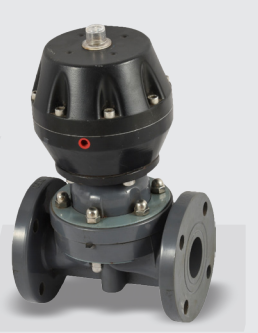
3. Evaluate Material Compatibility: This is a vital step. Check what materials are compatible with your process fluid. Diaphragm valves offer an advantage in corrosive service because you can use non-metallic materials (like a PTFE-lined diaphragm valve for acids, or a PVDF body for ultra-pure water) that would be far cheaper than high-alloy metal valves. For instance, handling 98% sulfuric acid might call for a PFA-lined diaphragm valve with a PTFE diaphragm, whereas a conventional valve would need to be Hastelloy C or another exotic alloy – the cost difference is substantial. Conversely, if the fluid is abrasive or has high solid content, verify that the diaphragm material can handle it (rubber diaphragms can wear quickly if solids are scraping them; sometimes a hard-faced plug valve might outlast in abrasive service). Always consult chemical compatibility charts for elastomers (EPDM, Viton, etc.) and plastics. If the fluid is an organic solvent that attacks EPDM, perhaps a PTFE diaphragm or a different valve type is needed. Don’t forget to consider standards and approvals: for food, pharma, or drinking water, ensure the materials have FDA, NSF/ANSI 61, or other relevant certifications. For valves going into regulated industries (oil & gas, etc.), check if API standards (like API 607 fire-safe, API 598 leakage, API 6D for pipeline valves) must be met – this may dictate a conventional valve selection.
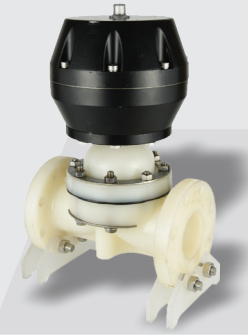
4. Size and Flow Requirements: Evaluate the line size and flow capacity needed. As discussed, diaphragm valves above 8–10″ are uncommon, so large diameters will likely require conventional valves like butterfly, gate, or ball valves. If space is a constraint, note that a diaphragm valve might have a larger footprint (especially weir types with their bonnet) compared to a slim wafer butterfly valve, for example. If weight is a concern (for instance, on a plastic piping system or skid where a heavy valve could stress the pipe), diaphragm valves (often having lightweight plastic bodies in some cases) might be advantageous up to their size limit. For high-flow systems where pressure drop needs to be minimized, look at the Cv values of candidate valves. You might find that a 3″ diaphragm valve has a much lower Cv than a 3″ ball valve. In such cases, you might upsize the diaphragm valve (if feasible) or choose a different type. System-level efficiency can be affected by valve pressure drops – e.g., in pumping systems, a few extra psi of drop across a valve means higher energy use over the plant’s life. So for energy efficiency, choose a valve with adequate capacity or one that can be fully bypassed when open (like a full bore ball valve). Sometimes the solution is to use a mix: a diaphragm valve for low-flow, critical areas, and a bypass line with a bigger conventional valve for high-flow or emergency conditions.
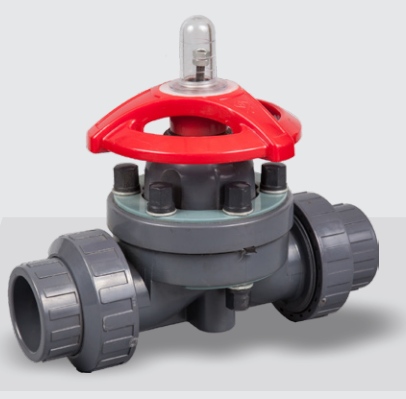
5. Operational and Maintenance Philosophy: Consider how the plant will be operated and maintained. If you have an experienced maintenance crew and a comprehensive preventative maintenance program, they can certainly manage conventional valves (lubricating, repacking, etc.). But if the system will be in a remote location or a smaller facility with limited maintenance staff, a “fit-and-forget” valve like a diaphragm valve or a simple resilient-seated ball valve might be preferred. Also, think about spare parts strategy: Diaphragm valves require keeping spare diaphragms (which are inexpensive, and a single diaphragm type may cover multiple valve sizes for a given model, simplifying inventory). Conventional valves might require spare packing sets, gasket kits, and even spare actuators if they are motor-operated (an electric actuator failure could be the downtime factor rather than the valve itself). If downtime tolerance is near zero for certain lines (say, a continuous chemical reactor feed), you might design redundancy (two valves in parallel) or choose the valve that is quicker to repair. In some cases, users install a spectacle blind or bypass around a conventional valve so it can be serviced – if you find yourself adding lots of extra hardware just to maintain a valve, maybe reconsider if a different valve choice or an improved valve technology (like a top-entry ball valve that can be repaired in-line, or a diaphragm valve that rarely needs touching) is worth it. For plants following ISO 9001 or other quality systems, having fewer types of valves can be beneficial (less training, fewer procedures). Diaphragm valves could potentially cover a range of services (water, CIP chemicals, etc.) all with one basic design, whereas using a mix of gate, globe, etc., means multiple procedures. Align your selection with how you plan to operate: if you prefer to do major maintenance during annual shutdowns only, ensure the valves can run that long without intervention (here diaphragm valves’ known lifespan can be planned around; some high-performance butterfly or ball valves can also go many years without attention if properly specified).
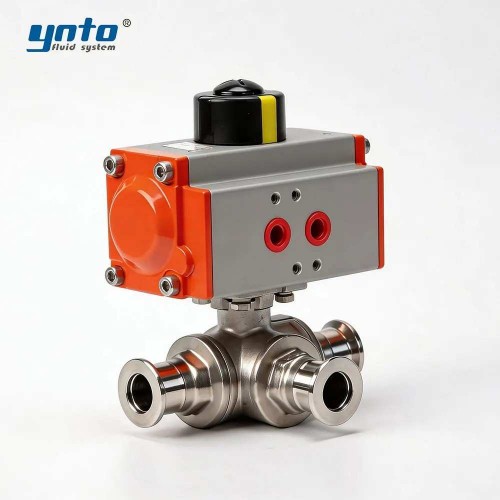
6. Automation and Integration: In the era of Industry 4.0 and smart plants, consider how the valve will integrate with control systems. Both diaphragm and conventional valves can be automated, but the offerings differ. For example, if you need a valve with a smart positioner that can modulate with a 4-20mA signal and give feedback, you’re essentially looking at a control valve package. You could put a diaphragm valve under a pneumatic actuator with a positioner – this is done for certain slurry control or sanitary control applications – but more commonly you’d use a globe or segmented ball control valve for advanced control. On the simpler side, if it’s just on/off via a PLC, both can have solenoid pilots or electric actuators. A note on actuators: Diaphragm valves are often paired with pneumatic actuators (diaphragm or piston type). If your facility lacks an air supply or wants to avoid it, you might lean towards electrically actuated valves in general. Electric actuators can certainly operate diaphragm valves (there are diaphragm valves with electric actuators, typically small motor-operated ones for sanitary service). However, electric actuators more commonly mount on quarter-turn valves (ball, butterfly) or multi-turn (gate, globe with a motor). So, if you envision using a lot of electric butterfly valves or motorized ball valves tied into a SCADA system, and the service conditions allow it, that could sway you towards conventional valve bodies with electric actuators, as they’re a well-proven combination for large-scale automation. In contrast, a pneumatically-actuated diaphragm valve might be ideal for a compact skid where you already have instrument air and need a reliable automated block valve that is simple and trouble-free.
7. Compliance and Industry Standards: Ensure the valves you select either have or don’t require certain certifications. For example, in the pharmaceutical or food industry, documentation and material traceability are paramount. A diaphragm valve from a reputable manufacturer will come with certificates for Ra surface finish, material certificates for 316L stainless steel, and compliance with ASME BPE, 3-A, or EHEDG standards for hygiene. Many conventional valves (even sanitary ball valves) can meet these too, but diaphragm valves are almost the default in these industries because they inherently meet the strict cleanability and leak-tight requirements. In the oil & gas industry, conversely, API certifications (API 6D, API 607, etc.) and ANSI pressure classes are the language of compliance – you will find almost exclusively conventional valves there (ball, gate, plug, etc.) that meet those specs, because diaphragm valves typically are not even made in the high classes needed for refinery or pipeline work. If you’re selecting valves for a boiler room or HVAC system, you might need valves that meet ANSI B16.1/B16.5 flange standards or UL/FM approvals (for fire protection, etc.). There are diaphragm valves for some of these niches (e.g., UL-listed diaphragm valves for firefighting foam systems), but they are rarer. Always cross-check the project specification or regulatory code: sometimes it explicitly states valve types allowed or disallowed. For example, certain pipeline codes might forbid “non-metallic seating elements” above a certain temperature – effectively ruling out diaphragm valves.
8. Total Cost and Procurement Value: Finally, consider the total cost of ownership (TCO), not just the initial procurement cost. Diaphragm valves might cost a bit more upfront than a commodity ball valve for small sizes, but if they save you from having to replace corroded metal valves or from production losses due to leaks, they pay off. For larger sizes or higher specs, conventional valves can become very expensive (especially when you go into exotic materials or high pressure classes). Sometimes a creative solution is possible: using a slightly more expensive diaphragm valve in a tough service to avoid buying a super expensive alloy valve. I’ve seen cases where a plastic-lined diaphragm valve was used in a harsh chemical service to avoid buying a titanium valve – the diaphragm valve needed more frequent replacement, but the project saved a fortune in exotic material costs. For procurement, also consider supplier support and system solutions. Some manufacturers (including our company) offer full-system valve packages – meaning you can procure a mix of diaphragm and conventional valves along with actuation, control systems, and even skids as a bundle. This can increase value by simplifying integration and ensuring all valves work together. For example, a supplier might provide a complete automated valve network for a water treatment plant: resilient-seated butterfly valves with electric actuators for main lines, diaphragm valves for dosing lines, and control valves for pressure control – all pre-configured with the SCADA interface. This integrated approach can yield cost savings and better performance than mixing and matching from different vendors. So, discuss with your suppliers or integrators about what combination of valves yields the best package price and support. Internal standardization is another facet: if you standardize on one or two types of valves across the plant, you often get volume discounts and lower training costs.
In summary, the recommendation is to match the valve technology to the application criteria methodically: pressure/temperature (first filter), media and material compatibility (second filter), function (third filter), then consider lifecycle factors like maintenance, automation, compliance, and cost. Often, the result is not a binary choice but a hybrid strategy: using diaphragm valves where they make sense (for instance, all CIP lines, all chemical dosing lines, all high-purity water lines might be diaphragms) and conventional valves elsewhere (all steam lines, all large cooling water headers, etc.). This way you optimize each section of the process for reliability and performance. Always document the rationale for each selection – e.g., “Chosen diaphragm valve for Line X to ensure no external leakage of nitric acid and compliance with ISO cleanliness standard” or “Chosen Class 300 ball valve for Line Y due to 20 bar pressure and need for electric actuation.” This will help everyone from operators to future engineers understand the system design logic. By following these guidelines, you can confidently select valves that enhance system-level efficiency, ensure safety and reliability, and provide the best value over the project life.
Lastly, remember that collaboration with a trusted valve supplier or a systems integrator can provide insights beyond datasheets. They can often run calculations (flow analysis, water hammer checks) or share case studies of similar installations. As an engineer, I often bounce ideas with manufacturer experts – it’s not about them pushing a product, but rather getting a sanity check that my selection will handle all scenarios (startup, shutdown, abnormal conditions). With diaphragm vs. conventional valves, it’s particularly useful to discuss your edge cases (e.g., “What happens if this diaphragm valve sees 2x pressure due to a surge? Will it survive or should I oversize/choose differently?”). Taking that extra step can prevent costly mistakes and ensure your final choice is truly the best fit.
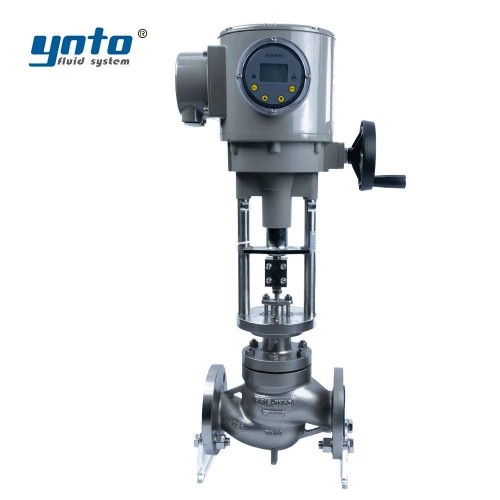
Company Profile & Full-System Solutions: At Guangdong Yuantong Industrial Technology Co., Ltd. (YNTO), we specialize in delivering full-system valve solutions tailored to demanding industrial sectors. As a high-tech enterprise with deep expertise in fluid control, YNTO designs and manufactures a comprehensive range of valves – from diaphragm valves for hygienic and corrosive applications to heavy-duty ball, butterfly, gate, and globe valves for high-pressure and high-temperature services. We provide integrated packages that include smart actuators (pneumatic and electric), control systems, and instrumentation to ensure our valves not only perform individually but elevate the efficiency of the entire system. Our products are built to internationally recognized standards (API, ANSI, ISO, DIN), and we use premium materials like 316L stainless steel, PTFE, EPDM, and Duplex steel to guarantee longevity and compliance with industry regulations. YNTO’s engineering team brings authentic field experience – understanding that in sectors like oil & gas, power generation, chemical processing, and process automation, reliability and safety are paramount. That’s why our valves undergo rigorous testing for pressure containment and seal integrity, and why we offer features like fugitive emission bonnets, fire-safe designs, and high-cycle actuators for critical applications. From offshore platforms to pharmaceutical clean rooms, YNTO delivers end-to-end valve solutions that help our clients achieve operational excellence. We pride ourselves not just on supplying valves, but on partnering with you to create fluid control systems that are efficient, safe, and future-ready, backed by our dedicated service and technical support at every step.
- 2026-09-21 15:23:44
- 2026-09-18 09:42:46