

Zero Dead Leg Butterfly Valves: Efficiency and Hygiene
- 2026-04-27 08:34:25
- admin
- NO COMMENTS
Introduction to Zero Dead Leg Butterfly Valves
Definition and Key Features
In a sterile processing plant, I once watched a maintenance technician struggle to flush a sampling port on a conventional butterfly valve. No matter how long he ran the CIP cycle, the conductivity meter still showed traces of the previous batch. The issue wasn’t obvious at first—there were no visible leaks, no erratic torque spikes, just a slow degradation of product quality. Upon closer inspection, we found a dead leg in the valve body where fluid had become trapped, creating a breeding ground for bacteria and leading to biofilm formation. Engineers often notice subtle signs like pressure drops during cleaning or a valve disc that doesn’t fully clear the flow path; these clues point to pockets of stagnant fluid that normal flushing cannot reach.
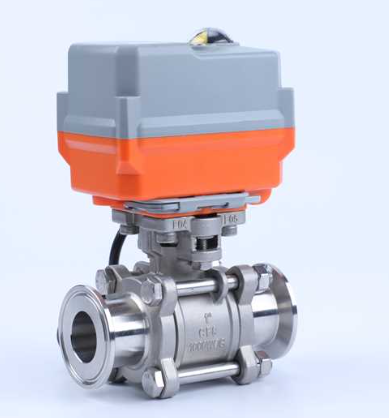
Zero dead leg butterfly valves are designed precisely to eliminate these stagnant zones. As Sanipure Water Systems explains, their design ensures the internal configuration aligns with the pipeline when fully open, leaving no space for fluid to become trapped. Typically made from high‑grade stainless steel such as 316L, these valves offer exceptional corrosion resistance and a mirror‑like finish that reduces surface roughness. The polished surfaces facilitate Cleaning‑in‑Place (CIP) and Sterilisation‑in‑Place (SIP), allowing complete cleaning without disassembly. By aligning the flow path and eliminating pockets, zero dead leg butterfly valves maintain sterile conditions and support high product integrity.
Importance in Sanitary Applications
Industries such as pharmaceuticals, biotechnology, food and beverage, and personal care demand valves that minimize contamination. Sanipure notes that zero dead leg valves are used across these sectors because they prevent fluid stagnation, which can lead to microbial growth and spoilage. Regulatory bodies like the FDA and EMA require equipment to meet strict hygienic standards; dead legs jeopardize compliance and can trigger costly product recalls. By eliminating dead spaces, zero dead leg butterfly valves enhance safety and reduce risk. Moreover, their construction from 316L stainless steel with electropolished internals ensures resistance to acids and cleaning agents, while options like EPDM seats or PTFE liners address specific chemical compatibility needs.
Benefits of Zero Dead Leg Design
Improved Flow Rates
Butterfly valves are prized for their compact construction and low weight relative to gate or globe valves. In the made‑in‑china product description, a zero dead leg sanitary butterfly valve features a lightweight and compact design, saving installation space and making support easier. When fully open, the disc retracts into the body to create a nearly straight‑through flow path, resulting in low flow resistance and minimal pressure drop. This streamlined geometry not only increases throughput but also reduces pump energy consumption. In contrast, conventional valves with dead legs force fluid to navigate around pockets and corners, causing turbulence and energy losses. A cause‑effect chain emerges: smooth radii and dead leg‑free connections → minimal turbulence → lower differential pressure → reduced pumping energy.
Reduction of Stagnant Areas
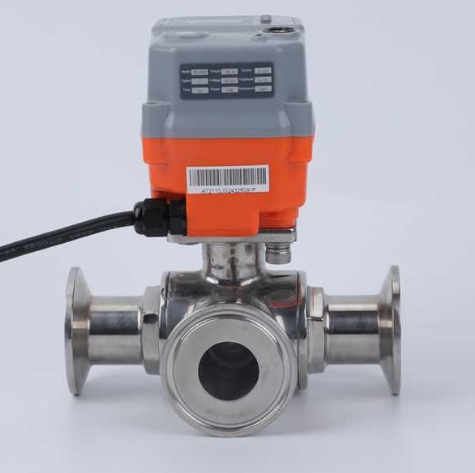
The hallmark of zero dead leg design is the elimination of pockets where fluid can stagnate. The made‑in‑china listing describes how smooth radii between the seat, body, stem and seals ensure a completely clear fluid path for thorough cleaning and sterilization. By preventing accumulation, these valves mitigate the risk of microbial growth, biofilm formation and endotoxin development—problems highlighted in discussions about dead legs in purified water systems. Stagnant zones can also trap cleaning chemicals, leading to cross‑contamination when switching between batches. Eliminating dead legs thus breaks the chain of stagnant fluid → microbial proliferation → contamination → product spoilage. Engineers in sanitary facilities appreciate that zero dead leg butterfly valves minimize flush times and simplify validation, improving overall process reliability.
Corrosion Resistance and Material Selection
Common Materials Used
Zero dead leg butterfly valves are usually fabricated from corrosion‑resistant alloys. Sanipure’s article notes that 316L stainless steel is the material of choice because it offers exceptional resistance to corrosion, chemical attack and pitting. The Valworx specification sheet further details that sanitary butterfly valves use 316L for the body, disc and stem, with a mirror finish to minimize flow turbulence and facilitate cleaning. EPDM is often used as the seat material for its compliance with FDA and USDA requirements, while alternatives like PTFE or FKM seats cater to different chemical compatibilities. In corrosive environments such as CIP acid washes or caustic cleaning cycles, selecting the right seat and liner material prevents degradation and ensures long service life.
How Corrosion Affects Performance
When valves are exposed to aggressive media or high temperatures, corrosion can quickly compromise performance. In stainless steel butterfly valves, pitting or crevice corrosion on the disc or stem increases surface roughness, causing turbulence and promoting deposits. A typical cause‑effect chain is: chloride‑rich cleaning solution → localized corrosion of 316 stainless steel → roughened surface → increased energy consumption and potential leakage. Choosing duplex or super duplex stainless steel for higher chloride resistance or applying Halar® coatings can mitigate these effects. Similarly, using Alloy C-276 discs offers improved resistance to oxidizing acids. For elastomers, EPDM may degrade in hot water over time, so FKM (Viton®) or PTFE seats provide higher temperature and chemical resistance. Proper material selection based on fluid properties, operating temperature and cleaning regimes is paramount to maintaining valve integrity and minimizing maintenance.
Energy Efficiency in Applications
Reducing Energy Consumption
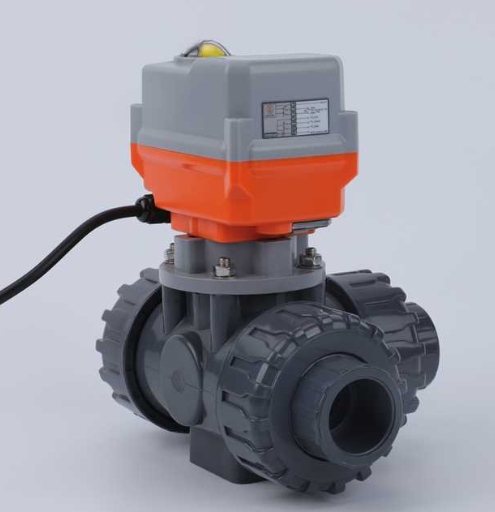
Flow dynamics directly influence energy consumption. The compact, streamlined design of zero dead leg butterfly valves leads to low pressure drop, enabling pumps to operate at lower head pressures. When process flows are stable, energy savings compound over thousands of operating hours. Conversely, a valve with dead pockets or rough surfaces can cause pressure fluctuations that require higher pump speeds to maintain flow. In practice, engineers monitor differential pressure across valves; a rise in ΔP during CIP cycles often signals fouling or corrosion. By choosing valves with mirror‑finished internals and seamless integration, facilities reduce friction losses and achieve better energy efficiency. Additionally, the lightweight construction reduces actuating torque, meaning smaller actuators and reduced pneumatic or electric power consumption.
Financial Implications for Industries
Energy savings translate into tangible cost reductions. Reduced pump load lowers electricity usage, while shorter cleaning cycles decrease the volume of cleaning chemicals and water used. The long‑term cost benefits of zero dead leg valves mirror those of sanitary valves described by Sanipure: although the initial investment is higher, reduced contamination risk and improved operational efficiency deliver long‑term cost savings. Fewer product recalls, less downtime and extended seal life add further economic value. In high‑throughput breweries or biotech plants, switching to zero dead leg valves can pay for itself in a matter of months by decreasing waste and optimizing throughput.
Role in Industrial Automation
Integration with Smart Systems
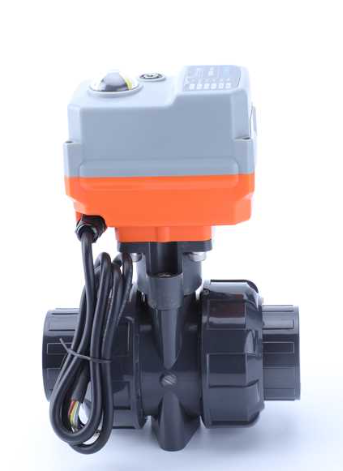
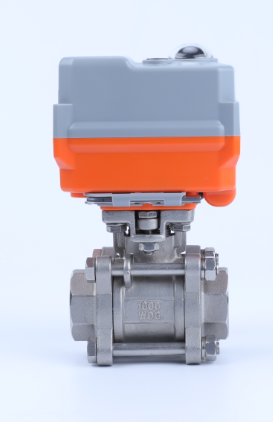
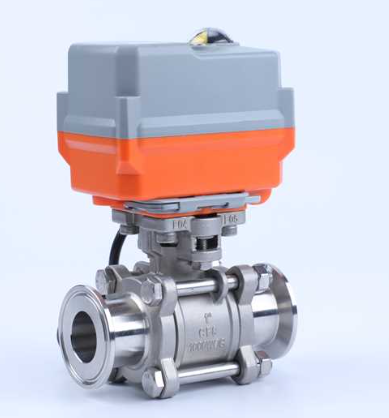
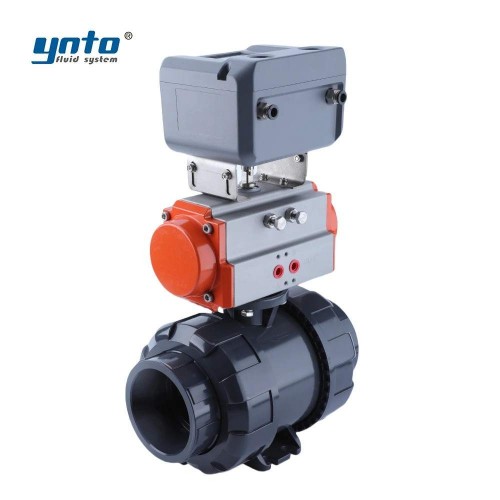
Modern process control relies heavily on industrial automation. Zero dead leg butterfly valves can be fitted with electric or pneumatic actuators and integrated into distributed control systems (DCS). Valworx notes that sanitary butterfly valves are available with air or electric actuators, allowing remote operation and feedback. When paired with positioners and sensors, these valves can feed real‑time data into supervisory control algorithms. Pressure and flow sensors upstream and downstream of the valve provide data that can trigger valve position adjustments, ensuring stable flow and pressure. In multi‑route manifolds, smart valve networks can reroute flows during cleaning cycles to maintain production. Integration with advanced fluid handling systems enables predictive maintenance: vibration or torque sensors can detect early signs of seal wear or corrosion, prompting scheduled maintenance before failure.
Enhancing Process Reliability
Automation also enhances reliability by eliminating human error. In manual systems, operators may under‑rotate a butterfly valve, leaving the disc partially exposed and creating a dead pocket. Automated actuators ensure precise quarter‑turn operation every time, fully retracting the disc and aligning the flow path. Combined with a dead leg‑free design, this prevents turbulence and ensures consistent flow. Additionally, actuators with fail‑safe functions can close valves during power loss, protecting equipment and personnel. When connected to a plant’s industrial automation network, the valves can respond instantly to process changes—closing to isolate a contaminated batch or opening to relieve excess pressure. For engineers working on site, seeing stable pressure readings and consistent CIP performance provides confidence that the system is operating as designed.
Conclusion
Recap of Advantages
Zero dead leg butterfly valves address a fundamental challenge in sanitary processing: eliminating stagnant areas that harbor contaminants. By aligning the internal flow path with the pipeline and using polished, corrosion‑resistant materials like 316L stainless steel, these valves provide improved flow rates and minimize pressure drop. They support efficient cleaning and sterilization, reduce energy consumption, and ensure compliance with strict regulatory standards. The adoption of high‑quality materials and optimized geometry prevents corrosion and extends service life. When coupled with smart actuators, zero dead leg butterfly valves enhance automation and reliability, safeguarding product quality and reducing operational costs.
Final Thoughts on Sanitary Systems
For industries where sterility and efficiency are paramount, zero dead leg butterfly valves represent an essential investment. The cost of contamination—lost batches, regulatory fines and reputational damage—far outweighs the price of a well‑designed valve. By eliminating dead legs, these valves cut the cause‑effect chain of stagnant fluid → microbial growth → contamination → waste, ensuring that every ounce of product meets quality standards. They also contribute to energy efficiency through low pressure drops and lightweight design, aligning with sustainability goals. In an era of industrial automation, integrating smart, zero dead leg valves into your process equipment not only improves reliability but also prepares your facility for future advancements. To learn more about our range of sanitary valves, including zero dead leg butterfly valves, or explore solutions for corrosion resistance, energy efficiency and industrial automation, visit our site. We also offer guidance on fluid dynamics for optimizing process flows. Investing in zero dead leg butterfly valves today is a proactive step toward safer, cleaner and more profitable operations.
- 2026-10-26 15:05:21
- 2026-10-23 10:30:14
- 2026-10-21 10:41:51