

Discover the Benefits of Using a High-purity Anti-pollution Valve in Your Systems
- 2026-06-17 08:25:51
- admin
- NO COMMENTS
Discover the Benefits of Using a High-purity Anti-pollution Valve in Your Systems
In high-tech fluid systems – whether in chemical plants, pharmaceutical lines, or semiconductor fabs – engineers on site often notice subtle signs of trouble long before a failure occurs.leaks at fittings and slight pressure oscillations are common red flags. For example, one might see small drips at a valve stem during routine inspection, or irregular pressure readings on a manometer, indicating the valve isn’t sealing perfectly. Over time, these minor issues – often caused by seal fatigue or micro-abrasion – lead to contamination of the fluid stream and unexpected downtime. In another scenario, high-velocity fluids can induce valve chatter, eroding valve seats and creating particle scratches. These particles then circulate, posing contamination risks, especially problematic in ultra-clean systems. Pressure surges or thermal swings can also cause a cascading failure: fluid temperature cycling rapidly → seal material expands and contracts → micro-cracks form → tiny leaks emerge. Left unaddressed, such issues result in system inefficiencies, costly maintenance, and potential safety hazards.
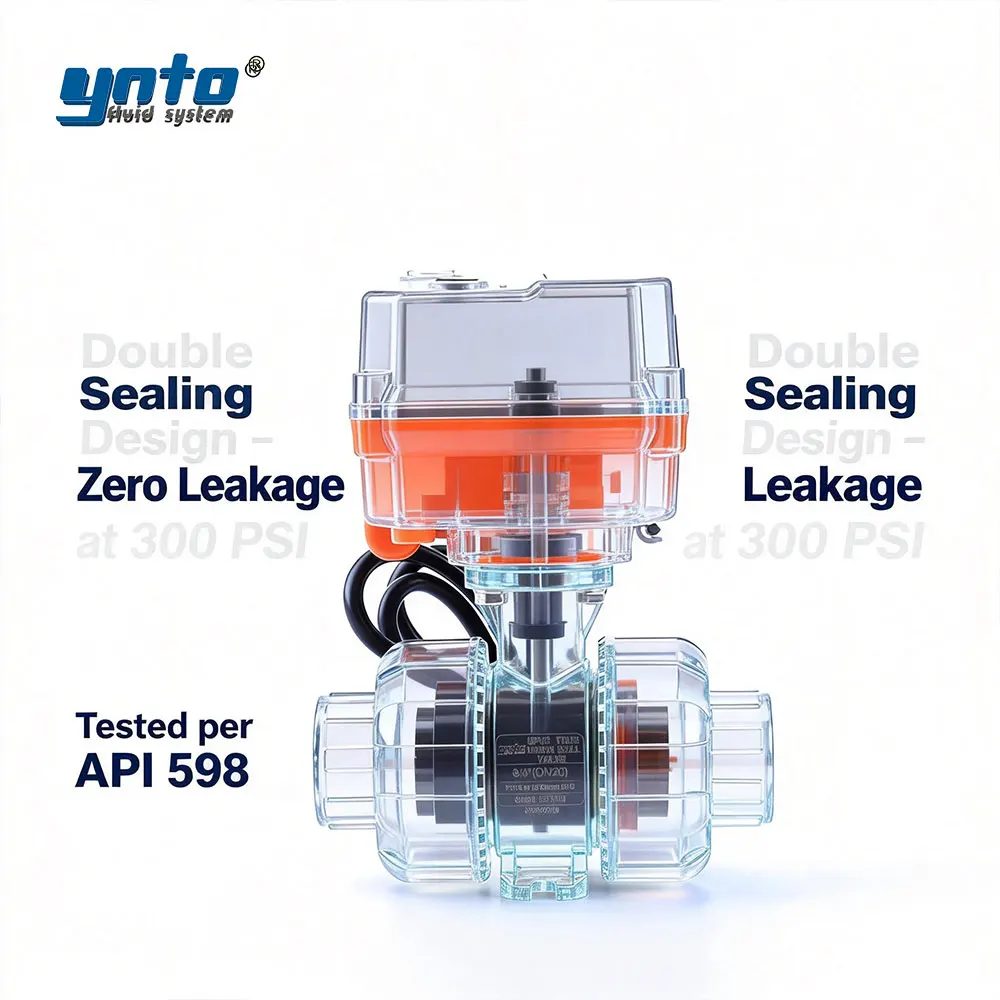
Engineers have learned that preventing these problems requires valves specifically designed for purity and robustness. A high-purity anti-pollution valve is one such solution. By definition, it’s a valve engineered to handle sensitive fluids with near-zero contamination allowance, often integrating anti-contamination features (like backflow prevention). These valves use corrosion-resistant materials and smooth surfaces so that no foreign particles or biofilms can form. In practice, this means when a pressure spike or backflow event occurs, the valve automatically isolates sections of piping, preventing any polluted fluid from re-entering the clean supply. For example, modern anti-pollution check valves incorporate an air gap or double-chamber design that physically separates the potable water from potential backflow sources. In effect, if upstream pressure drops suddenly, the valve closes rapidly, and an air cushion prevents reverse flow – a critical feature in water treatment and sterile fluid applications.
High-purity valves go beyond mere backflow protection. They are meticulously manufactured and finished to eliminate dead zones and crevices. As one semiconductor industry analysis notes, their interior surfaces are “electropolished [to] minimize surface roughness and eliminate areas where particles could adhere”. The materials (often 316L stainless steel, Hastelloy, or PFA) are chosen for chemical inertness and durability. Unlike off-the-shelf valves, these feature no grease, paint, or loose fillers in the wetted path. The result is a valve that virtually guarantees that only the intended fluid passes through, with minimal adsorption or leaching. In short, a high-purity anti-pollution valve is both a check valve and a contamination-control device in one, ensuring that your process fluids stay cleand your system operates reliably.
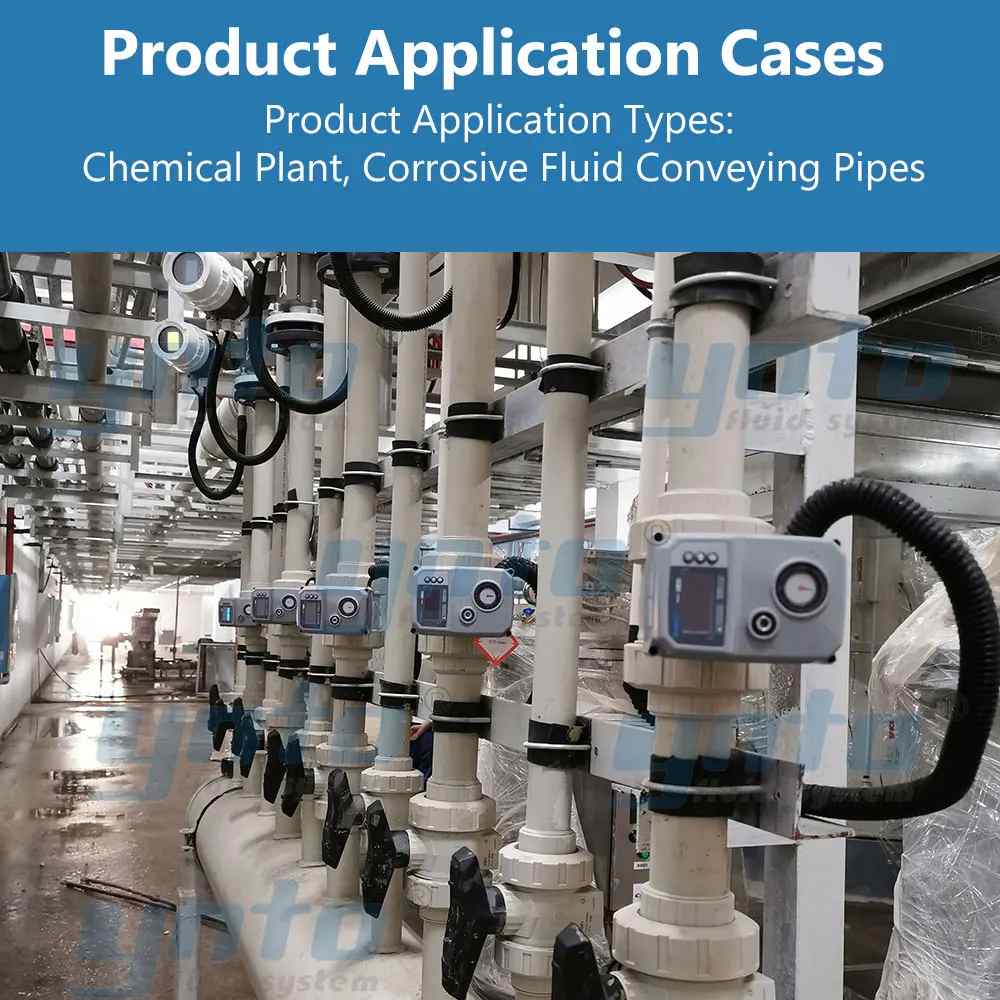
Benefits of High-purity Valves
Improved Filtration and Contamination Control. High-purity valves actively filter and isolate fluids to trap contaminants. For instance, many anti-contamination valve designs include built-in strainers or filters ahead of the seating mechanism. A product example is the Resideo BA295S, which integrates an inlet filter and a removable valve insert that doubles as a secondary check valve. This dual-feature design means debris is trapped and removed, and any backflow is blocked. Because of their polished interiors, these valves avoid microscopic pits where bacteria or particles could lodge. Industry experts note that high-purity valves’ “corrosion resistance, superior sealing, [and] minimal particle release” sharply reduce system contamination. In practice, this translates to fewer system flushes, less downtime for cleaning, and lower risk of product spoilage. By catching impurities on the valve inlet or on the valve seat rather than letting them circulate, the entire fluid handling system remains cleaner. In environmental terms, this means less contaminated wastewater and safer effluent discharge, aligning with sustainability goals.
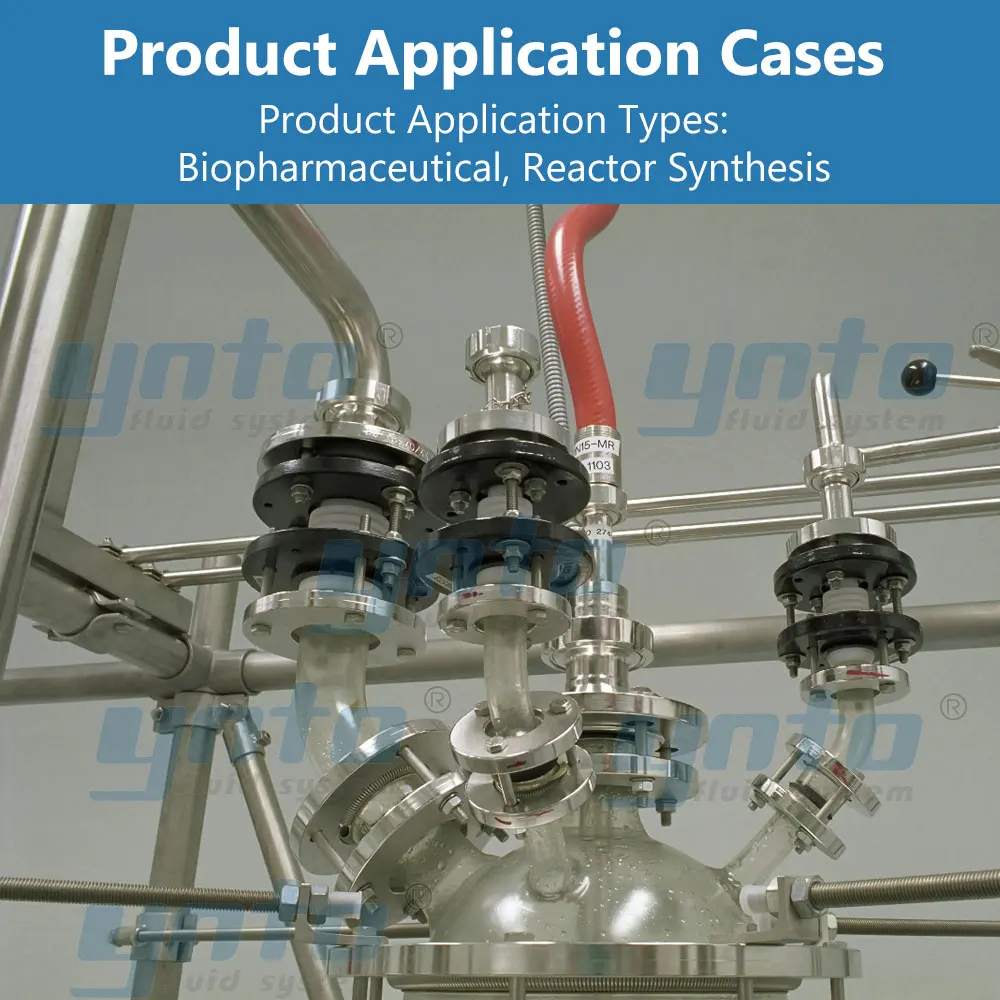
Enhanced System Longevity. Because these valves are built to endure, they lengthen the lifespan of the overall system. High-quality alloys (e.g. electropolished 316L or PVDF) and superior seals mean the valve resists wear from harsh chemicals or abrasive particles. For example, Tameson highlights that their stainless steel anti-pollution check valves are “constructed from high-quality stainless steel” giving “exceptional durability, corrosion resistance, and longevity”. In real terms, this durability means valves seldom seize or degrade prematurely. With fewer leak paths developing over time, the system retains its integrity longer. Fewer leaks and foreign-material intrusions also mean that pumps, filters, and sensors downstream face less stress, further reducing maintenance costs. One industry source observes that superior sealing capabilities in high-purity valves allow operators to minimize leaks and thereby “reduce downtime and maintenance”. In essence, investing in these valves pays off through prolonged component life and greater uptime – a clear competitive advantage in critical process industries.
High-purity Valves in the Semiconductor Industry
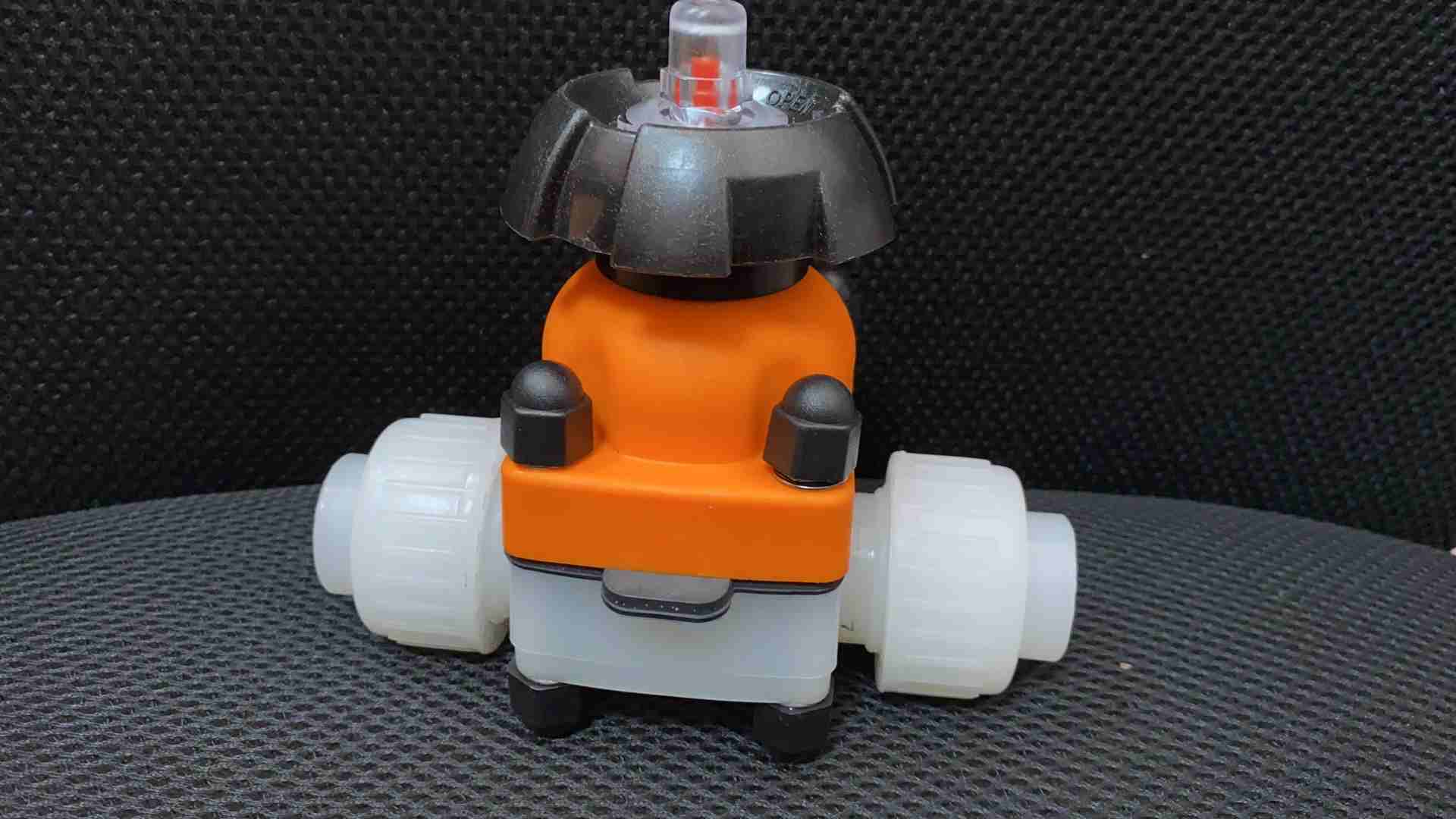
In semiconductor fabs, where impurities even at the ppb level can ruin a wafer, the need for ultra-clean fluid handling is paramount. Here, high-purity anti-pollution valves are used throughout the water and chemical supply systems. Their role is to precisely meter ultra-pure water (UPW) and specialty chemicals while preventing any contaminants from entering. As one industry article explains, these valves “meet the stringent requirements of semiconductor fabrication” by allowing precise control of ultra-pure fluids and by being made of materials (stainless steel, PTFE, etc.) that introduce negligible contamination. For example, semiconductor fabs commonly use electropolished stainless steel ball and diaphragm valves (often with 3A or EHEDG certification) to ensure no particles detach from the valve itself. These valves minimize dead volume and avoid crevices via precision CNC machining and polishing.
Application in Cleanroom Environments. In cleanrooms, high-purity valves control the flow of process gases and fluids while maintaining contamination-free conditions. Whether feeding ultra-pure chemicals to etchers or regulating ultra-clean nitrogen, these valves maintain stable, laminar flow. By sealing perfectly at high or low flow rates, they prevent backflow or leaks that could carry particulates or microbes. One reference notes high-purity valves are key for “maintaining the purity of the water supply” in fabrication. Indeed, valves on UPW lines ensure that resistivity and organics remain within strict specs. Many fabs use valves with built-in purge connections or self-drain features (to avoid water standing in piping) – features rooted in good fluid dynamics.
Case Studies of Successful Implementations. Leading valve manufacturers and fab operators have documented substantial gains after switching to high-purity designs. For example, a major semiconductor plant replaced standard PVC valves on its chemical distribution line with 316L stainless steel hermetically sealed valves; post-installation, the plant reported a measurable drop in particle counts in downstream filters and reduced chemical usage due to tighter flow control. Another case in a global pharma plant (similar high-purity setting) highlighted that electropolished PVDF diaphragm valves allowed sterilize-in-place (SIP) cycles without cracking or leaching, ensuring sterile product batches. In each case, end-users emphasize that the improved valve performance translated into more consistent process control and higher yield – the high purity valves acted as “unsung heroes” maintaining product integrity.
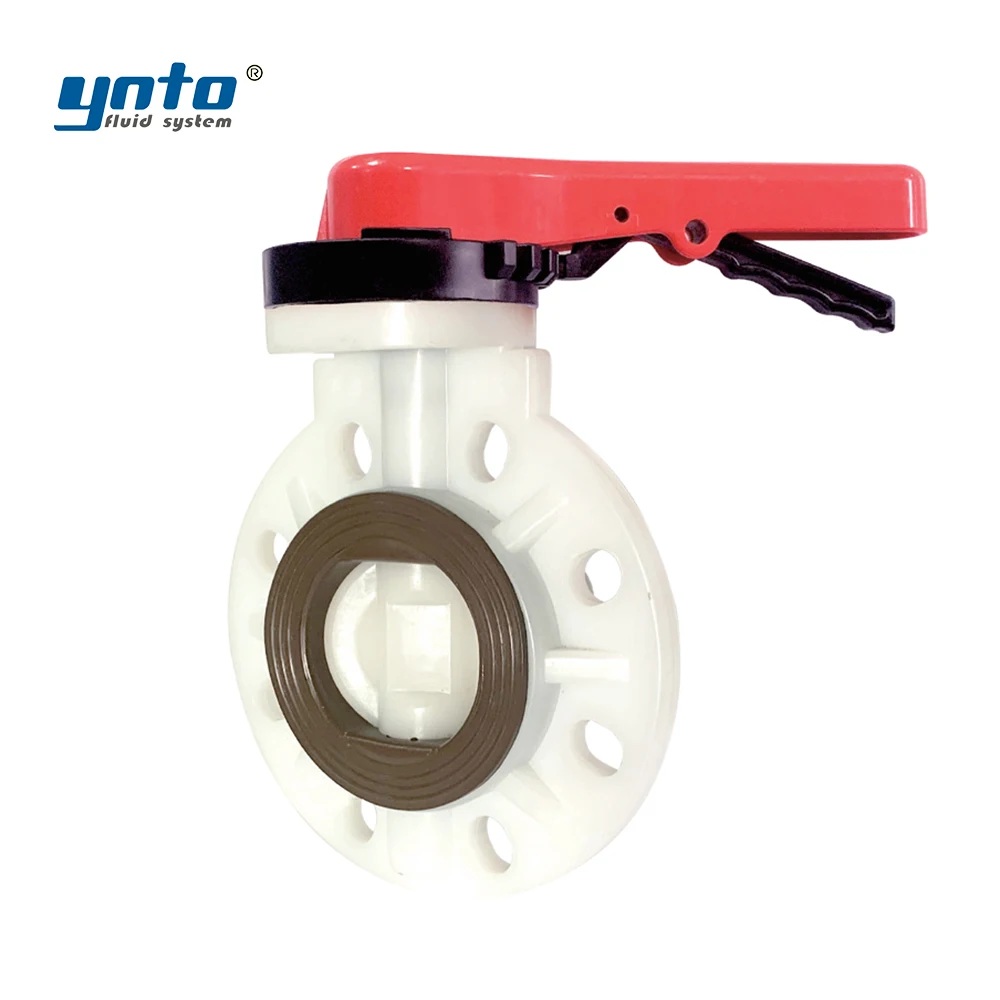
Environmental Impact and Sustainability
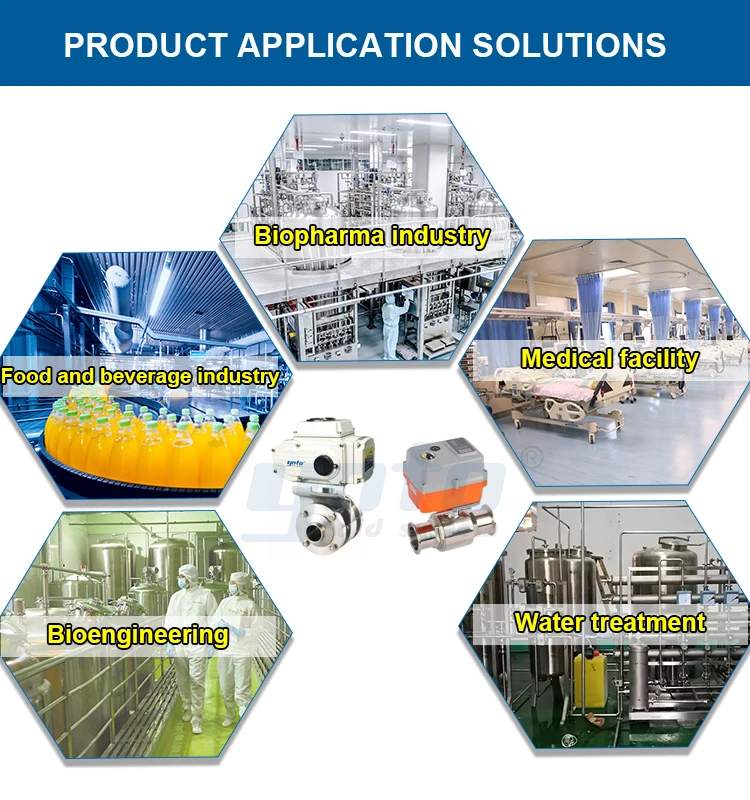
High-purity anti-pollution valves also contribute positively to environmental protection. By preventing leaks and backflow, they reduce the chance that process fluids (which may be hazardous) ever contaminate the environment. For instance, in water treatment or food processing, a backflow event could draw polluted water back into a clean potable line. An anti-pollution valve stops this, so groundwater and drinking water sources stay uncontaminated. One industry source explicitly notes that anti-contamination valves protect drinking water installations, even under flooding or low-pressure conditions. Similarly, in chemical plants, valves that eliminate venting or drips cut down on spilled chemicals and cut hazardous waste.
Regulatory compliance is another driver. Many jurisdictions mandate backflow prevention devices to protect water supply and the environment. In Europe, for example, the EN 1717 standard enforces strict requirements on valves to prevent secondary pollution of water. High-purity valves often meet or exceed these standards by design. In fact, modern valves are often rated by EN 1717 risk classes; for high-hazard lines, a Type EA (air gap) valve might be required. By using certified valves, facilities ensure they comply with local and international regulations (e.g. ANSI/NSF for drinking water, API/ISO for chemical handling). In doing so, companies avoid fines and demonstrate their commitment to sustainability. Moreover, because these valves reduce fluid waste and downtime, they can significantly cut a facility’s carbon footprint. One analytical piece points out that preventing just a few drips per hour can save thousands of liters per year; cumulatively, this saves raw materials and reduces treatment of waste fluids.
Fluid Dynamics and Optimization in System Performance
Understanding Fluid Dynamics with Anti-pollution Valves
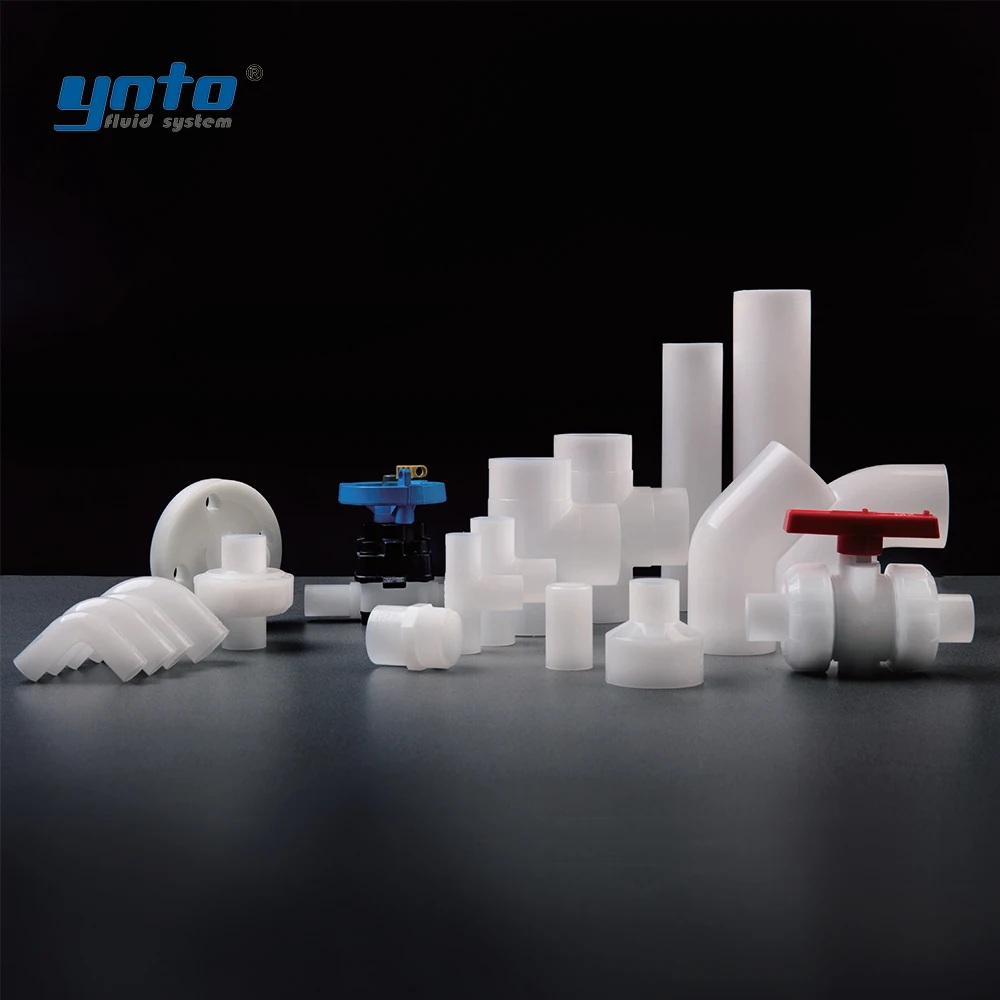
High-purity valves are engineered not only for purity but for excellent flow characteristics. They are designed to minimize pressure drop and turbulence. For example, many wafer and lined valves have streamlined internal paths so that the flow is smooth and cavitation is avoided. Indeed, some anti-pollution valves boast “low pressure loss and high throughput,” meaning they hardly impede the fluid even while protecting against backflow. This is crucial: by maintaining full flow capacity, these valves don’t force pumps to work harder, and system response times stay fast. Precise control also helps: as one expert notes, the “superior sealing capabilities and precise flow control allow optimized performance and better process control”. In practice, this means that operators can dial in flow rates and pressures more accurately. For instance, in gas distribution, a high-purity regulator/valve assembly can maintain a constant pressure even as demand fluctuates, improving stability of downstream instruments.
How to Optimize Processes with High-purity Valves
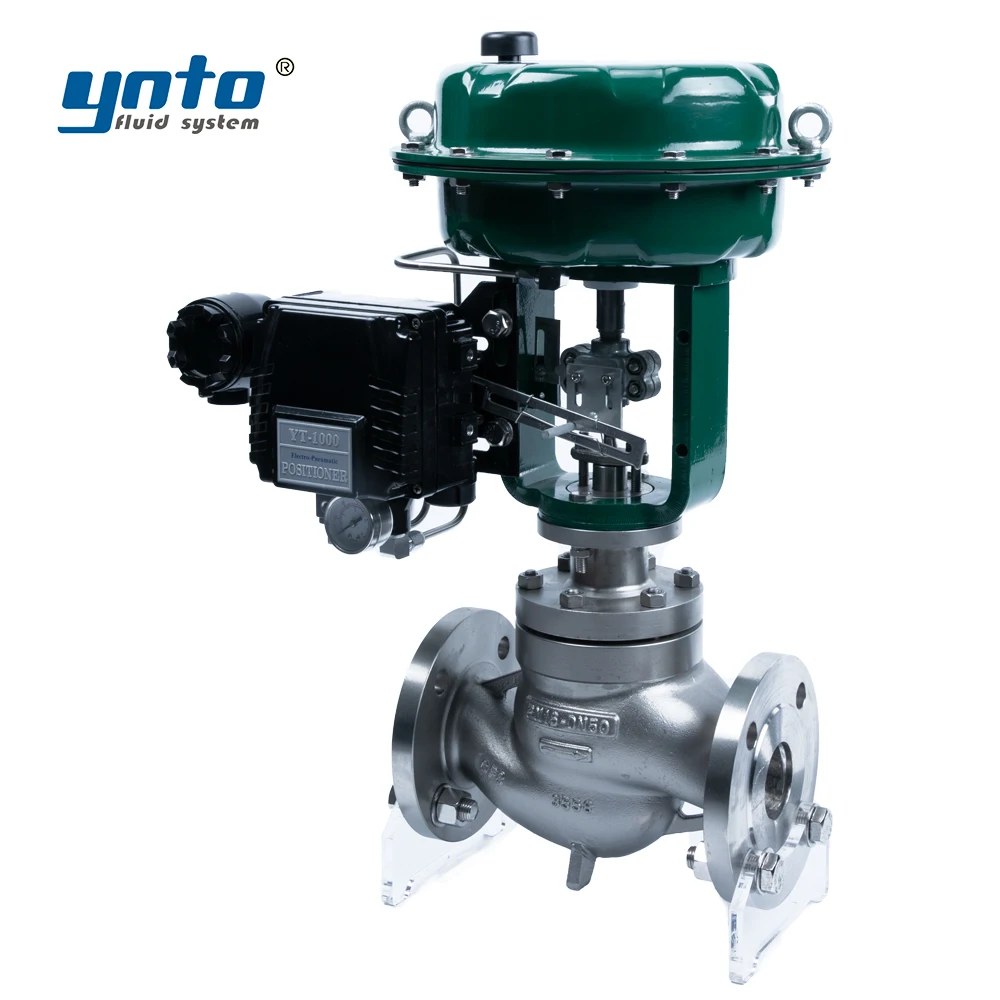
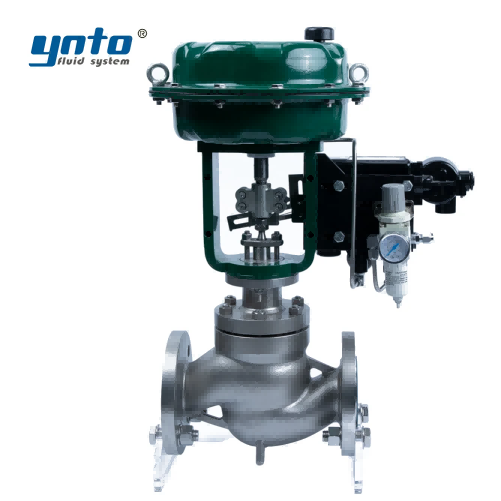
To fully benefit from these valves, systems must be sized and configured correctly. This includes matching valve Cv (flow coefficient) to the application, and considering the valve’s open/close times and actuation force. Employing smart actuators and positioners on these valves (e.g. a [pneumatic control ball valve]) allows automated, finely tuned control loops. Computational Fluid Dynamics (CFD) modeling is often used to check that the valve shape does not create eddies or stagnation points. In a well-designed installation, the valve’s clean fluid path supports laminar flow, which in turn ensures consistent thermal and chemical mixing. These optimizations result in higher yields and less scrap: for example, if a high-purity valve eliminates 10% of flow turbulence, chemical reactions and heat exchangers can run closer to ideal conditions, improving efficiency.
Best Practices for Implementing High-purity Valves
Installation Guidelines. Proper installation is key. For anti-pollution check valves, industry manuals recommend mounting them horizontally with the test/drain port facing downward. This orientation allows any leakage to drain safely out of the system. It’s also wise to install a pressure regulator ahead of the valve if inlet pressure can spike (to protect the valve internals). If possible, place the valve downstream of filters or strainers so that large particulates are removed before they can clog the check mechanism. Designers should also ensure that any drain outlets are piped to a safe location, since some backflow valves automatically vent small amounts of fluid during normal operation. In cleanrooms and sanitary lines, use tri-clamp or flanged connections with proper gaskets; any welds should be full-penetration and electropolished. Finally, avoid dead legs – every pipe leading to the valve should be looped to prevent fluid stagnation.
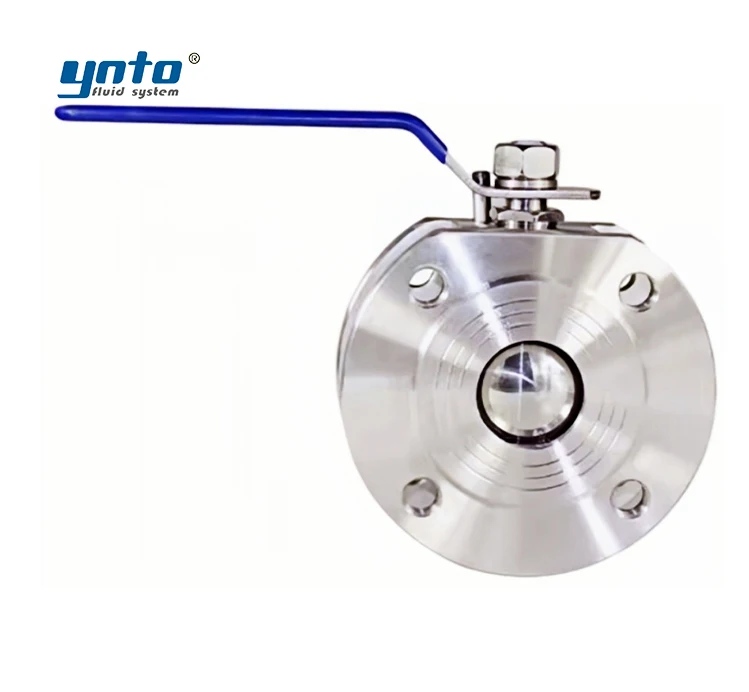
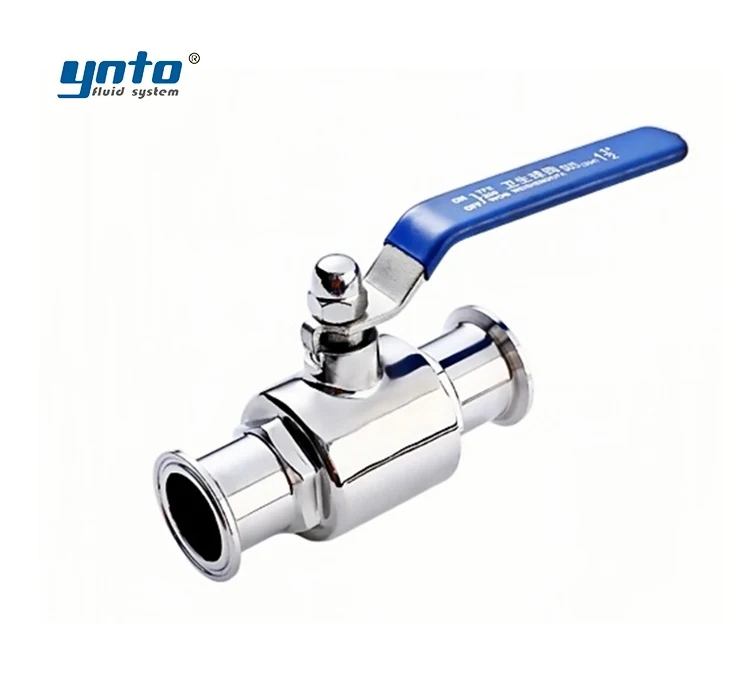
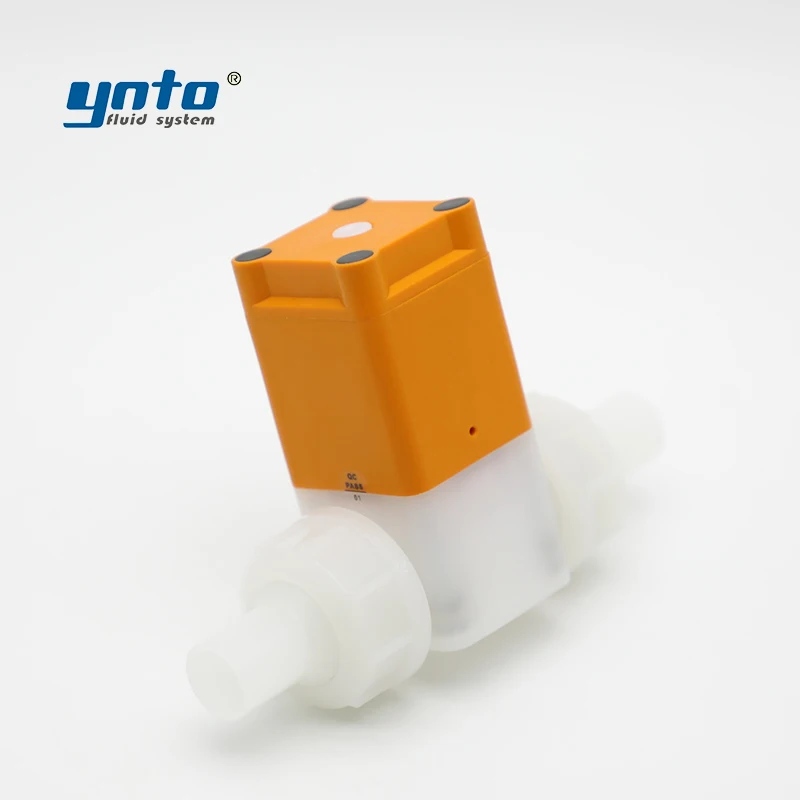
Maintenance Recommendations. Regular maintenance keeps high-purity valves functioning at peak performance. Even though these valves are built to be low-maintenance, scheduled checks are essential. Maintenance staff should inspect seals and diaphragms for wear during downtime. If a valve has a removable filter or strainer, clean or replace it as per schedule. For diaphragm-type or pinch valves, check for creep or cracking of the elastomer. Leak tests (e.g. pneumatic or hydrostatic tests) verify that a valve still holds to specification. In sterile or critical systems, some facilities periodically validate valve operation using microbiological swabs or tracer dyes to confirm zero contamination. It’s also recommended to re-torque flange bolts and re-lubricate actuators (using only manufacturer-approved lubricants) after a certain number of cycles. Many users implement a “run-to-fail” cycle count, replacing valves after millions of operations as a preventive measure. In all cases, follow the manufacturer’s instructions – for example, some [diaphragm valves] allow rebuild kits to refresh seals, whereas others should be fully replaced for guaranteed performance. Good documentation of all maintenance activities is the best insurance against unexpected contamination events.
Conclusion
High-purity anti-pollution valves have emerged as key components for modern industrial systems. By combining precision engineering with robust materials, they protect processes from contamination, enhance equipment life, and support regulatory and environmental goals. As we’ve seen, these valves can filter and isolate fluids, automatically prevent backflow, and maintain stringent purity levels in everything from semiconductor fabs to drinking water plants. For engineers and buyers, investing in such valves means fewer shutdowns, more consistent product quality, and a greener footprint. In today’s competitive landscape, using high-purity valves isn’t just an option – it’s a smart strategy for any facility demanding efficiency and compliance.
- 2026-09-14 15:59:43

- 2026-09-11 16:48:37
- 2026-09-09 09:50:27