

PVDF Ball Valves in Semiconductor Manufacturing
- 2026-04-15 12:00:00
- admin
- NO COMMENTS
In a semiconductor wet bench, an engineer might notice something odd during wafer rinses: a PVDF ball valve’s actuator humming and the pressure differential fluctuating slightly. These observations are red flags. For example, after multiple etch cycles, the valve may need extra torque to open, and at low flows it might chatter (small-flow instability). An engineer on site often sees such symptoms: pressure surges around the valve, or a faint drip at the stem, signaling seat wear or trapped bubbles. In one case, an acid rinse system showed erratic pressure gauge swings because a valve seal was corroding. This cause–effect sequence is familiar: if fast chemical cycles stress the seal (temperature swings or corrosive media → seal fatigue → micro-leakage), then downstream flow becomes unstable. Or if particulates accumulate on the ball, torque increases (debris build-up → valve roughness → higher friction). These kinds of issues – pressure spikes, sticking, increasing torque – signal that the fluid control element needs upgrading.
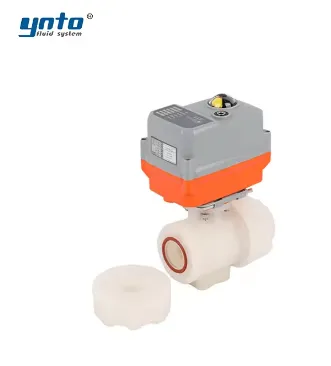
Overview
What is PVDF?
Polyvinylidene fluoride (PVDF) is a high-performance fluoropolymer valued in semiconductor tools. Its most notable properties are exceptional chemical inertness and high purity compatibility. PVDF resists the strongest acids, bases, and solvents, unlike many plastics. In practice, this means PVDF ball valves can handle hot HCl, HF, or peroxide cleaning solutions without degrading. The material also maintains integrity over a wide temperature range (roughly –40°C to +140°C), covering all typical fab processes. Crucially, PVDF is used in “ultra-pure applications”, so it does not leach ions into ultrapure water (UPW) or chemicals. In fact, manufacturers like YNTO build their valves to SEMI F57 purity standards and FDA regulations, ensuring no contaminants. In short, PVDF provides the environmental stability needed for semiconductor fluid systems.
Importance of Ball Valves in Semiconductor Processes
Ball valves are fundamental fluid control components in fabs. Their quarter-turn action allows rapid open/close of chemical lines. For semiconductor manufacturing, ball valves often isolate or dose corrosive liquids and rinses. Their design enables bubble-tight shutoff (ANSI Class VI), preventing any leak when closed. In semiconductor liquid handling systems, this precision is vital; even a tiny leak can damage wafers or contaminate clean water. Ball valves are also easy to automate. For instance, YNTO’s electric ball valves can be integrated with PLC control (4–20mA or Modbus), connecting directly to fab automation. Because of this, fabs can precisely time and sequence chemical delivery. However, traditional ball valves in stainless steel could react in these environments. Replacing them with PVDF ball valves eliminates that risk. In summary, ball valves provide speed and tight control, and when made of PVDF, they add purity and resistance required in semiconductor fabrication equipment.
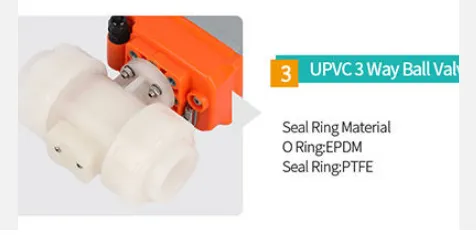
Advantages of PVDF Ball Valves
Chemical Resistance
PVDF’s standout advantage is its chemical resistance. Compared to polypropylene or PVC, PVDF withstands much harsher media. The YNTO product page points out that PVDF is “corrosion-resistant” even in ultra-pure or aggressive chemical flows. For example, fluoropolymers like PVDF do not swell or pit with hydrofluoric acid or hot sulfuric acid – chemicals commonly used in wafer etching and cleaning. This means PVDF ball valves can have PTFE seats that remain intact under heavy chemical attack, achieving a zero-leak seal. With stainless valves, on the other hand, corrosion can produce ions or flake deposits, which is unacceptable in a fab. PVDF’s inertness also means it doesn’t catalyze chemical reactions, preserving the purity of ultra-pure water and solvents. In practical terms, one outcome is reduced maintenance: a PVDF valve will not require frequent seat replacements or passivation like steel valves do. This directly translates into uptime gains for critical liquid handling systems.
Temperature Stability
Semiconductor processes involve thermal excursions (hot chemicals, chilled rinses), and PVDF performs well across these. Its thermal stability ensures that a valve will not warp or crack under process temperature swings. For instance, a PVDF ball valve can safely handle rinse water at 80°C and then cryogenic coolants at -40°C without losing seal integrity. In technical terms, PVDF retains strength at the process temperatures typical in chipmaking. This prevents issues like thermal expansion causing leaks. Consider a cause-effect chain: repeated thermal cycling (e.g., hot DI water followed by cold purge gas) can stress the valve stem packing → packing begins to creep → tiny seepage appears at the stem. With PVDF’s high melt point, that packing is much less likely to degrade. The result is stable valve performance: when engineers calibrate the actuation torque at, say, 25°C, it remains valid at 90°C as well. In summary, PVDF ball valves maintain consistent operation across the fab’s temperature range, avoiding the long-term fatigue problems seen in lesser materials.
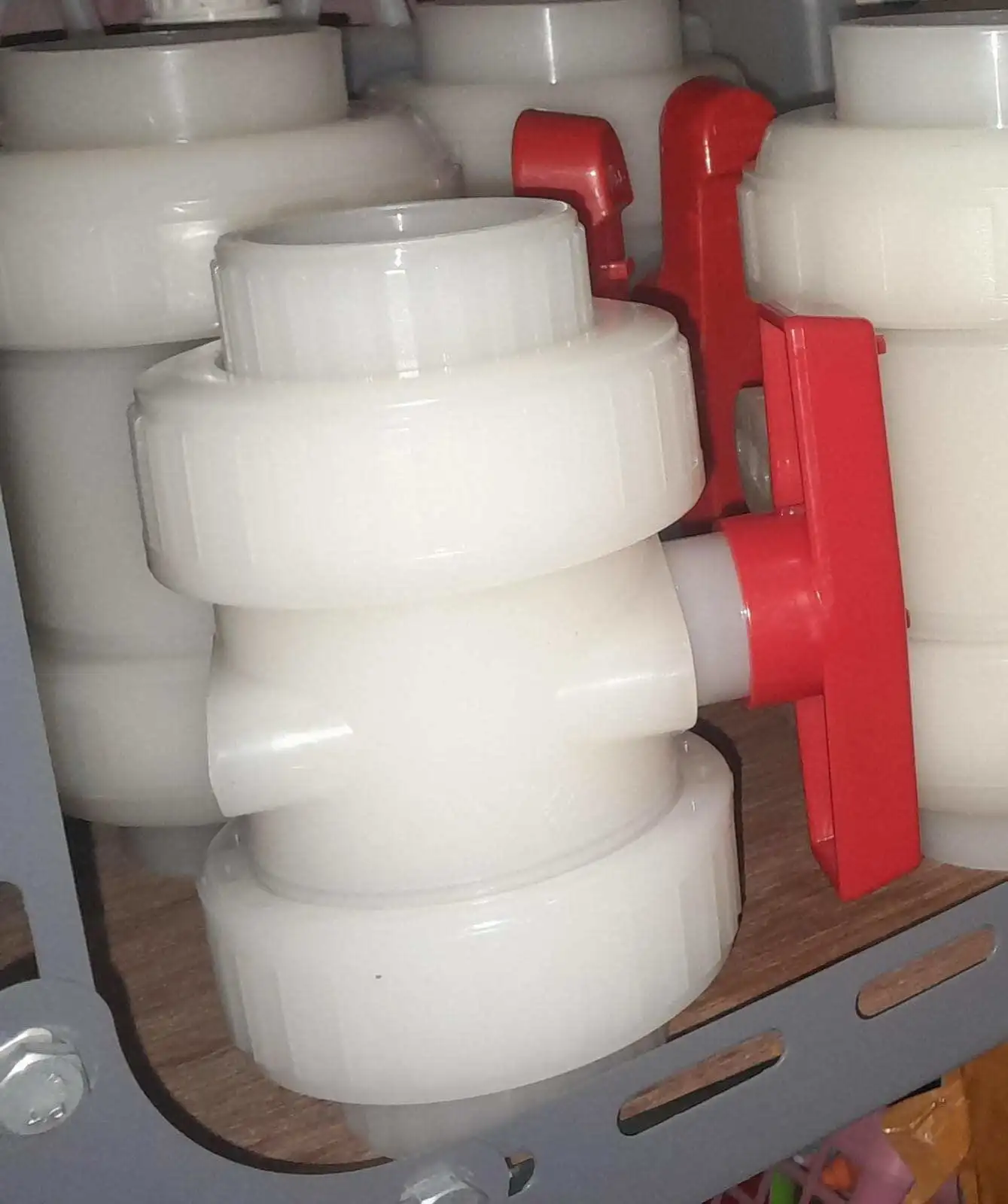
Applications in Semiconductor Manufacturing
Fluid Transfer in Liquid Handling Systems
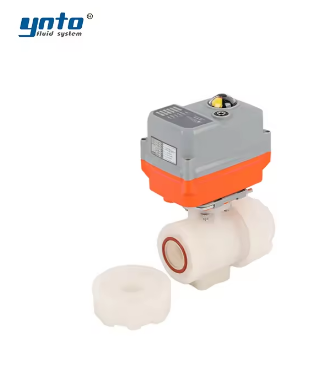
PVDF ball valves are used throughout liquid handling loops. In chemical distribution panels, one often finds PVDF valves controlling acids, bases, or deionized water to etch and clean baths. For example, during a Piranha clean (H₂SO₄ + H₂O₂), each chemical line typically has a PVDF ball valve for on/off control. The valve’s inertness ensures the reactive mix is contained safely. Slurry mixing stations for CMP may also use PVDF ball valves to meter slurry chemicals into the mix tanks without metal contact. In these settings, engineers rely on the valves to be durable and non-contaminating. YNTO’s PVDF valves even come with direct mounting pads for actuators, facilitating installation in compact chemical skids. Customers report that replacing stainless valves with PVDF versions eliminated pump cavitation issues caused by corrosion particles, improving process stability.
Uses in Purified Water Systems
Ultra-pure water systems (UPW) in fabs also benefit from PVDF ball valves. DI water used for wafer rinse must be 18.2 MΩ·cm; PVDF’s inert surface keeps this purity. PVDF valves are found on recirculation loops, ion exchange bypass, and final distribution headers. Since PVDF passes SEMI F57 purity tests, fab engineers use these valves anywhere even trace metals cannot enter the flow. For instance, in a point-of-use panel feeding a critical lithography tool, a PVDF ball valve might isolate the UPW feed line. Its bubble-tight seal is essential: any leakage of high-purity water into effluent streams or back into process would degrade cleanliness. In addition, PVDF’s smooth bore design resists scale formation, an asset in water systems. Ultimately, installing PVDF ball valves helps achieve the “cleanroom-level” liquid conditions needed for advanced chips, with valves acting as maintenance-free, leak-free valves in the purified water infrastructure.
Integration with Automation Solutions
Enhancing Industrial Automation
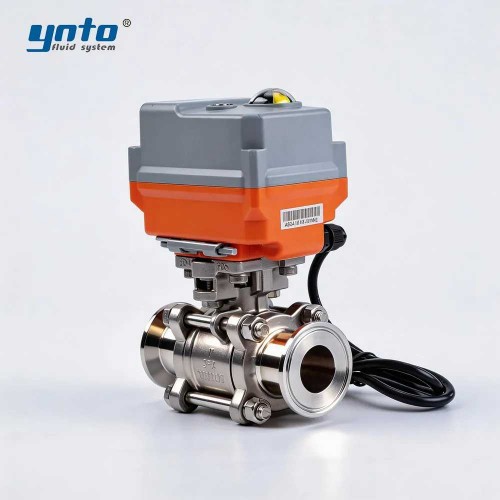
PVDF ball valves seamlessly integrate with modern automation. Many PVDF valves are actuated electrically or pneumatically and come with smart positioners. For example, YNTO’s PVDF ball valves can be fitted with electro-pneumatic positioners (like their HeliX positioner) that accept 4–20mA signals. This allows the fab’s control system to modulate flow precisely (say, gradually opening a valve to meet a target chemical feed rate). Feedback on valve position or torque is fed back to PLCs, enabling closed-loop control. In many field operations, such automation dramatically improves repeatability: the valve goes exactly to the commanded setpoint every time. By contrast, a manual valve would be prone to human error. Safety interlocks are also tied to these actuators, ensuring a valve automatically shuts off in an emergency. In short, PVDF ball valves with modern actuators become active components in the fab’s Industry 4.0 network.
Valves in Semiconductor Fabrication Equipment
Within fabs, semiconductor fabrication equipment itself often contains PVDF valves. For instance, a wet bench tool may embed PVDF ball valves in its chemical delivery manifolds. These valves are often part of the OEM’s design; indeed, many tool builders require valves that meet SEMI and ISO standards. PVDF meets these via its certifications (e.g., ISO 9001, ASTM). The valves’ compatibility with fast clean-in-place (CIP) cycles means equipment can be flushed regularly. Additionally, PVDF is non-conductive, so these valves do not interfere with electric fields or sensors inside tools (an important subtlety). The small volume of a ball valve is also advantageous: it limits fluid holdup and enables rapid cycle changes. Essentially, within each piece of fabrication equipment, PVDF ball valves ensure precise isolation and dispensing of process liquids, reducing cross-talk between process steps. Many semiconductor companies report that after swapping a critical UV-ozone stripper’s metal valves for PVDF ones, they saw more consistent outcome and easier maintenance, validating this material’s role.
Conclusion
Key Takeaways
PVDF ball valves are key enablers for precise, contamination-free fluid control in semiconductor manufacturing. Their inherent chemical resistance and temperature stability mean they outlast and outperform metal or lesser-plastic valves under fab conditions. The use of PTFE/EPDM seals and bubble-tight design yields zero leakage (ANSI VI), maintaining ultra-pure water and chemical integrity. These valves easily integrate into automated systems via electric actuators and positioners, providing remote control and diagnostics. Importantly, PVDF’s non-leaching nature preserves environmental stability of production, avoiding the ionic contamination that can ruin chips. In terms of safety, PVDF valves satisfy semiconductor industry standards (e.g. SEMI F57, ISO 9001), giving engineers confidence in their pressure and purity ratings.
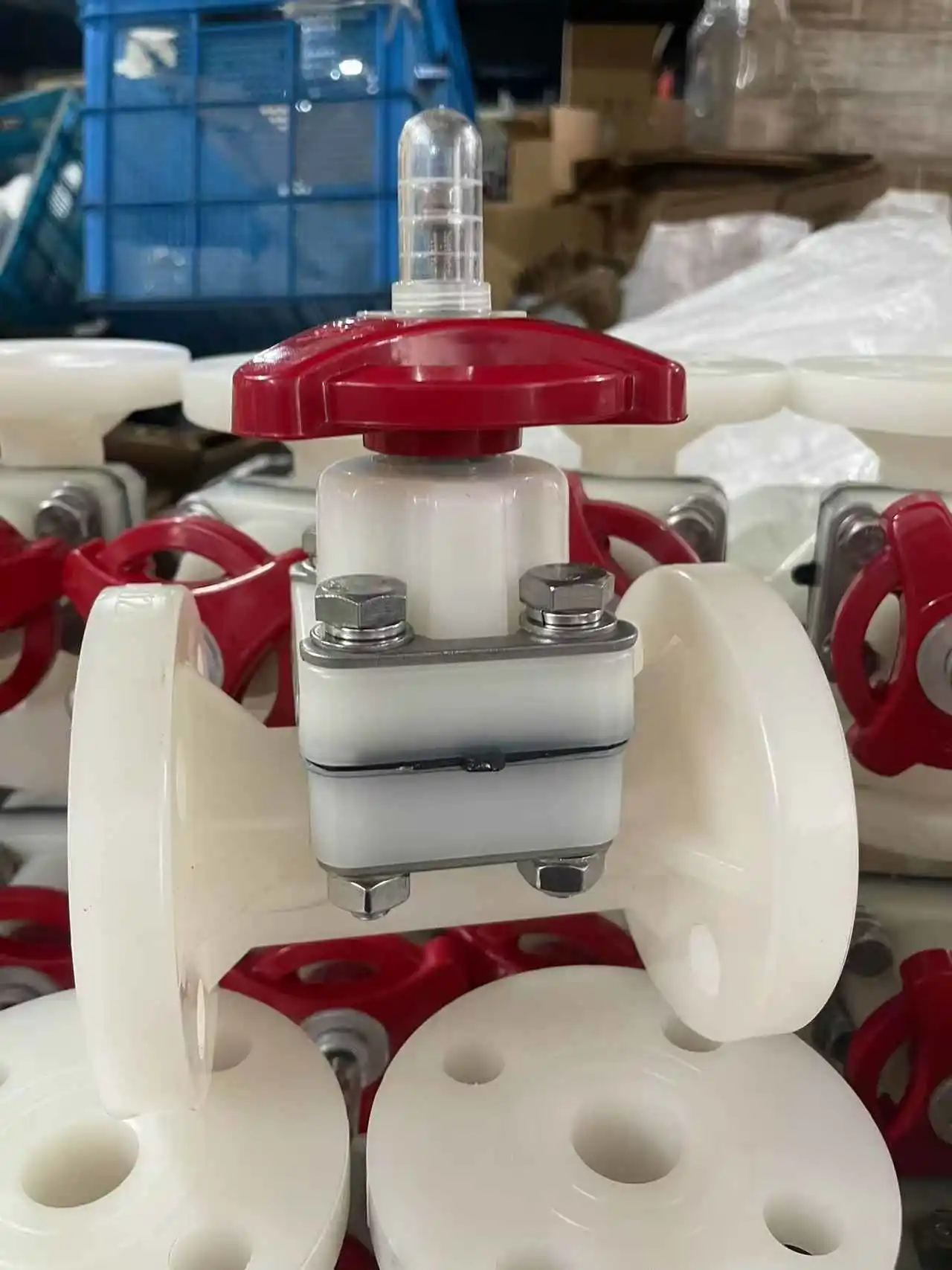
Future Outlook
As fabs scale to 3nm and beyond, fluid control requirements tighten further. PVDF ball valve technology will evolve with them. Expect more customizable valve assemblies (YNTO’s ODM/OEM services) that fit specialized tools, and valves with built-in sensors for predictive maintenance. The industry is also moving toward greener processes; PVDF’s durability aligns with sustainability by extending valve lifetime. In summary, specifying PVDF ball valves (and related electric ball valves, pneumatic ball valves, diaphragm valves, butterfly valves, check valves) is a best practice for semiconductor liquid handling. These components, combined with actuators and positioners, bring the desired accuracy, safety, and efficiency to chipmaking’s fluid systems.
- 2026-10-12 15:56:29
- 2026-10-09 14:26:55
.png?imageMogr2/format/webp)
- 2026-09-30 08:25:23