

What to Look for in a Quick-drain Valve for Changing Liquid in Tanks: Expert Tips
- 2026-06-05 14:07:43
- admin
- NO COMMENTS
At the bottom cone of a mixing tank, problems rarely announce themselves with a dramatic failure. More often, they show up as something subtle. During changeover, the first surge of liquid looks normal, then the flow hesitates. A few seconds later, product starts pulsing again, and the operator notices residue still sitting in the sump area. On the next batch, the valve handle feels heavier than it did last month, or the actuator takes half a second longer to respond. Engineers working on site learn to pay attention to these small warnings because they usually mean wear has already started.
In many field operations, the recurring trouble is not the valve opening or closing in a binary sense. It is what happens in between. Sediment or crystals collect at the low point of the tank, then score the seat during opening; seat damage leads to light seepage; seepage turns into contamination risk or wasted cleaning time. In another common chain, repeated hot-cold cycling hardens seals, the seal loses elasticity, and the valve that looked fine during shutdown begins to sweat during the next transfer. When a plant changes liquids frequently, the “right” quick-drain valve is not a convenience part. It becomes a reliability part.
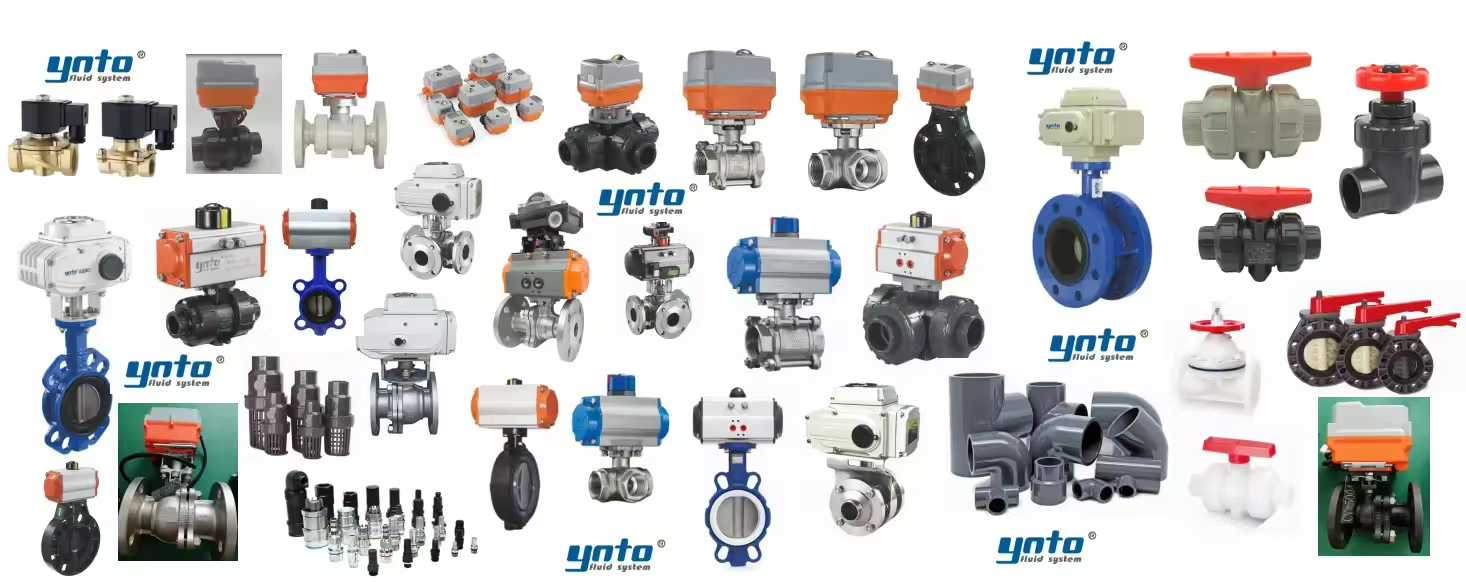
Overview of Quick-drain Valves
Definition and Function
A quick-drain valve is designed to empty a tank or vessel quickly, cleanly, and with as little retained liquid as possible. In practical terms, buyers are looking for three things at once: fast discharge, dependable shutoff, and a geometry that does not trap leftover media at the end of the cycle. A useful reference point is ValvoMax’s quick-twist drain design, which combines a protected drain path, safety cap, check-ball release, multiple backup leak-prevention features, 304 stainless construction, and FKM/Viton O-rings to make draining faster and cleaner while reducing hot-fluid exposure. The underlying lesson applies well beyond oil service: quick-drain performance is really a combination of flow path design, seal design, and operator safety.
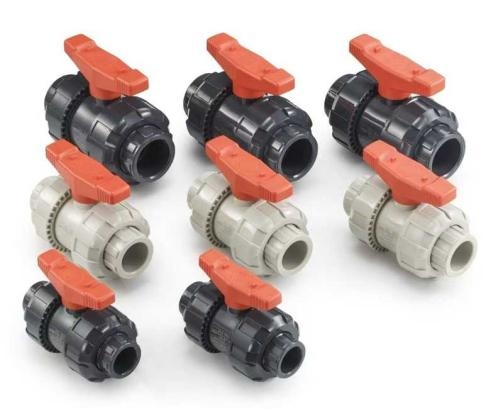
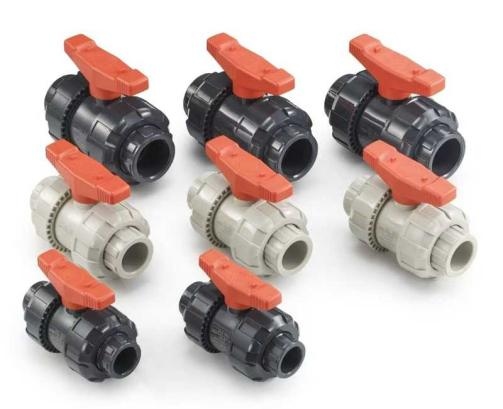
For tank duty, I usually start by asking whether the outlet needs a straight-through, full-port path or whether a compact throttling geometry is acceptable. If the goal is rapid changeover with minimal hold-up, a full-port manual ball valve is often the first option worth evaluating. YNTO’s manual ball valve range includes true-union chemical-resistant models in UPVC, CPVC, and PPH for corrosive fluid handling systems, which is useful when the tank is draining treatment chemicals, plating solutions, or utility liquids rather than just water.
Importance in Fluid Management Solutions
The value of a quick-drain valve becomes obvious when tanks are part of a wider cleaning or batch-change process. Clean-in-place systems are widely used because they let plants clean tanks, pipes, filters, and related equipment without major disassembly, improving repeatability and reducing labor and chemical exposure. In hygienic or high-purity service, ASME BPE is specifically aimed at fluid-processing equipment where purity and bioburden control matter, including filtration and intermediate storage systems. That means drainability is not just a nice feature; it is a design requirement tied to product quality.
This is where procurement teams should think beyond the valve body alone. The drain valve sits inside a larger set of fluid management solutions that includes tank cleaning equipment, automation, piping layout, and verification standards. If the valve leaves a heel of liquid behind, cleaning time goes up. If operators must crack it open slowly because the drain path is unstable, changeover time goes up. If the wrong elastomer is specified, seal swelling or hardening follows, and the result is usually the same: unplanned rework.
Selection Criteria
Assessing Drainage Technology
The first thing to look for is drainage geometry. For frequent liquid changes, the best designs reduce dead space, shorten the discharge path, and avoid narrow restrictions where solids can bridge. During commissioning, one common sign of a poor choice is unstable flow at low opening: the line starts draining, pressure shifts, the internals micro-vibrate, and over time that vibration wears the sealing edges. The sequence is familiar: pressure fluctuation → trim or ball micro-movement → seat wear → slower shutoff and post-drain dripping.
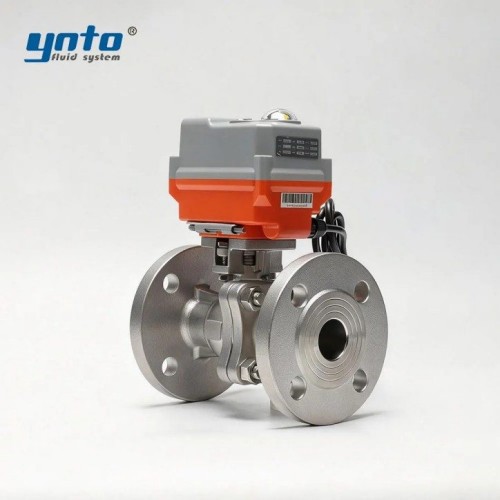
Where fast evacuation matters, a full-port electric ball valve is often more effective than a throttling-style valve. YNTO’s electric ball valve range includes quick-connect stainless models, flange and G-thread versions, PPH and UPVC union styles, and even 1/2"–8" PVDF true-union options, which tells a buyer something important: the end connection and material should match the cleaning method, chemical load, and maintenance routine, not just the pipe size.
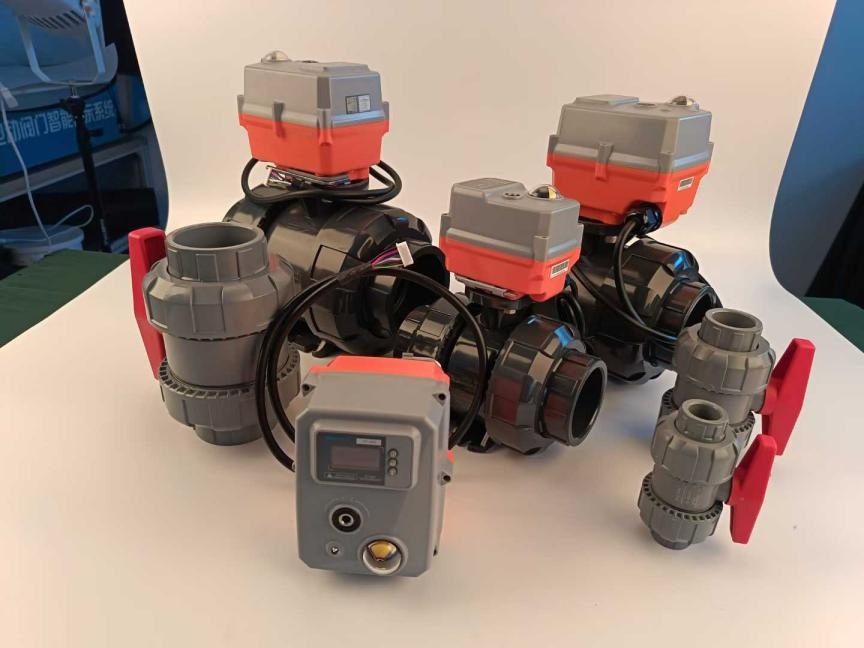
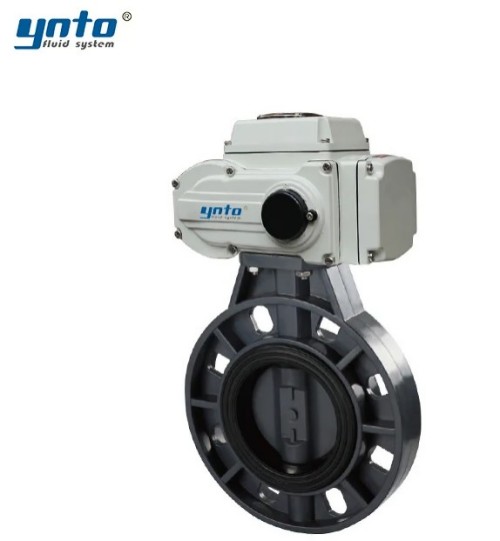
For larger tank outlets, especially where space and actuator torque matter, an electric butterfly valve can be attractive. YNTO lists EPDM-sealed flanged options, PTFE-sealed lug wafer types, and 316 stainless sanitary clamp quick-connect styles. In practice, butterfly valves are excellent when the media is relatively clean and the line size is large, but if the service is sticky or crystal-forming, engineers often pay closer attention to disc hold-up and cleanability before making the final call.
Evaluating Valve Automation Features
A good quick-drain valve selection should also consider how the plant wants to operate. If operators still stand at the tank during every liquid change, a manual valve may be enough. But in automated skids, batching systems, and hazardous areas, actuation matters. YNTO highlights brushless motor technology, wide-voltage operation, and IP67-protected electric valve technology as practical advantages for reliable control in industrial environments. The company also states that its electric actuators have obtained SIL 3 certification to IEC 61508 and are designed to move to a preset safe position when control signal loss is detected. For buyers, that is not just a spec-sheet detail; it directly affects what happens when a tank drain command fails or a panel loses power mid-cycle.
If the drain sequence must be interlocked with level sensors, pump permissives, or cleaning recipes, pairing the valve with an electric actuator makes sense. If the plant wants controlled emptying rather than simple open-close dumping, an electric control valve may be added elsewhere in the skid to stabilize flow and prevent shock in downstream industrial fluid systems. YNTO’s catalog includes electric sleeve and single-seat control valves, which is useful when a project requires both rapid emptying and controlled downstream flow behavior.
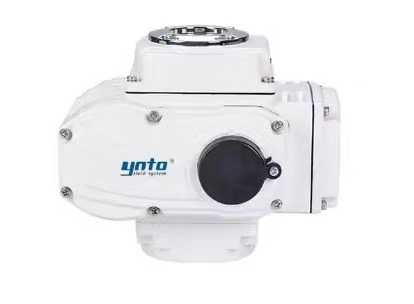
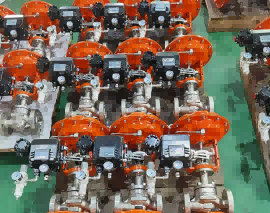
Actuator compatibility also needs to be checked at the standard level. ISO 5211 is the recognized interface standard for part-turn actuator attachments, and DIN-based mounting conventions are widely referenced for actuator integration and interchangeability. That matters when procurement teams want future replacement flexibility rather than a custom one-off mounting arrangement.
Understanding Industrial Fluid Systems Compatibility
Material choice is where many quick-drain valve projects either become reliable or become expensive. For washdown, sanitary water, and many mild chemicals, 316L stainless remains a strong option because it balances corrosion resistance, cleanability, and mechanical strength. In more aggressive chemical duty, thermoplastics such as UPVC, CPVC, PPH, and PVDF can be a better fit. YNTO’s catalog reflects exactly that split: corrosion-resistant plastic union ball valves for chemical service, sanitary 316L diaphragm designs for clean-process duty, and PTFE-lined diaphragm options for semiconductor-grade and chemical applications.
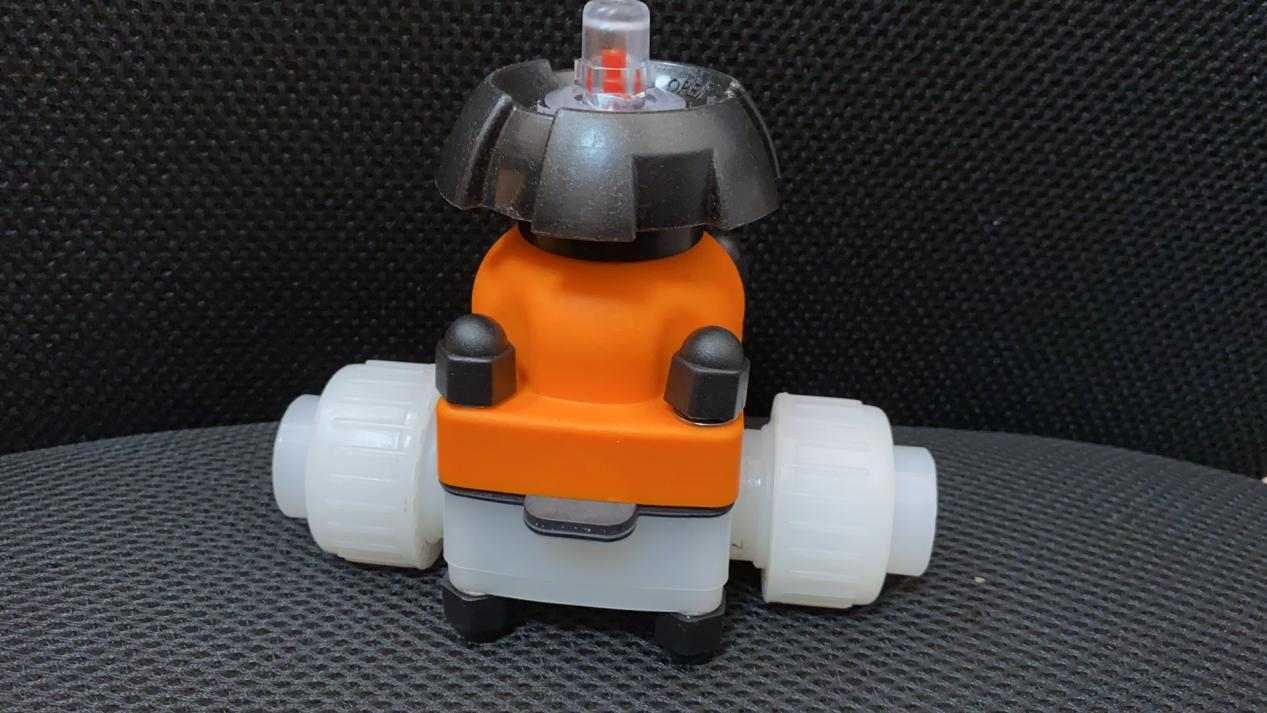
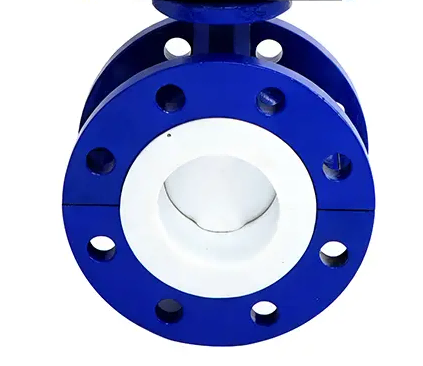
Seal selection should never be treated as a footnote. EPDM works well in many water-based services, while FKM is often chosen where temperature and chemical resistance must be higher. PTFE is valuable where low friction and broad chemical resistance are needed. The failure chain here is simple and expensive: incompatible media or aggressive temperature cycling → seal hardening or swelling → small leakage during standby → contamination, safety risk, or longer turnaround. If the duty is corrosive and particulate, a diaphragm valve is often the safer recommendation because the sealing element isolates the working parts from the fluid more effectively than many standard shutoff designs. YNTO’s diaphragm range includes seal-less PPH, industrial corrosion-resistant flange models, sanitary 316L valves, and PTFE-lined pneumatic versions.
Benefits of Quick-drain Valves
Streamlined Tank Cleaning Equipment
A properly chosen quick-drain valve shortens one of the least glamorous but most expensive parts of plant operation: the wait between batches. If the valve truly clears the low point, the tank cleaning equipment does not have to work around pooled residue. That means less rinse volume, fewer repeat cycles, and more predictable CIP performance. In plants changing flavorings, surface-treatment chemicals, or formulation liquids several times per shift, this is where efficient drainage turns into measurable capacity gain.
Efficient Drainage Processes
The other benefit is consistency. A valve that empties the same way every time is easier to time, easier to automate, and easier to validate. ValvoMax emphasizes speed, cleaner handling, reduced tool dependence, and leak prevention in its quick-drain concept, while YNTO’s product mix shows that buyers can choose between manual, electric, sanitary, and corrosion-resistant formats depending on service. In other words, efficient drainage is not one product type; it is the result of matching valve style to liquid behavior, cleaning routine, and plant automation level.
Installation Best Practices
Pre-installation Considerations
Before installation, engineers should confirm whether the tank is atmospheric or pressure-rated. That changes everything from nozzle load expectations to pressure class and test procedure. ASME’s Boiler and Pressure Vessel Code is the core framework for the design, fabrication, inspection, and testing of pressure vessels, while ASME/ANSI flange conventions define common pressure classes and connection standards used with valves and piping. In practice, this means the drain valve is not chosen in isolation; it has to fit the tank code, nozzle reinforcement, piping class, and plant safety file.
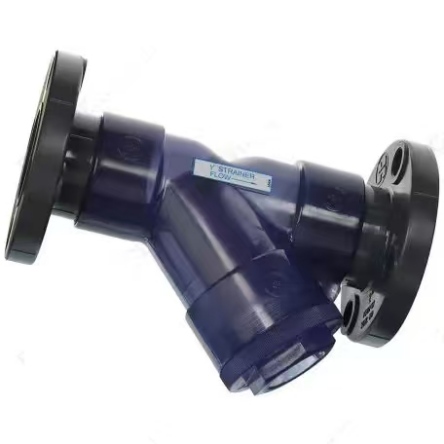
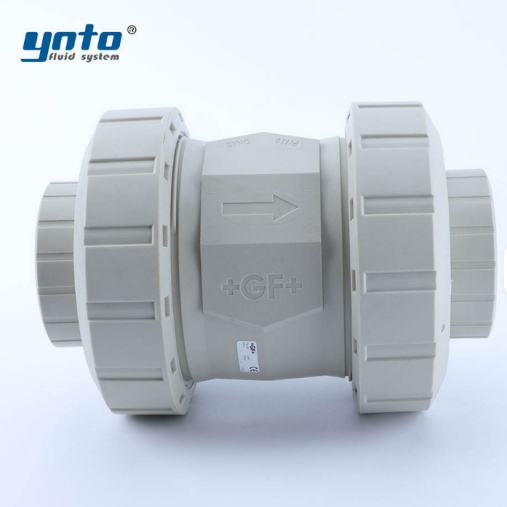
Buyers should also think about what protects the valve. If sediment, rust, or crystallized product can reach the seat, upstream debris management is worth the small added cost. A Y type filter can reduce particulate damage in the line, and a check valve can help prevent backflow or unintended reverse contamination in shared drainage manifolds. YNTO’s catalog includes ANSI/ASME flange swing check valves and standard Y-type filters for precisely this kind of supporting duty.
Step-by-step Installation Guide
In the field, the best installations are usually the simplest. Put the valve at the true low point of the tank, keep the dead leg short, and avoid a downstream spool piece that is longer than the drain itself needs. If the valve is automated, support the actuator so the tank nozzle is not carrying unnecessary mass or misalignment. Then perform a cold leak test, followed by a timed drain trial with clean water before the process liquid is introduced.
One mistake I still see is choosing a valve that is mechanically correct but operationally wrong. The valve may fit the flange, pass the pressure test, and still perform poorly because the drain line runs uphill for a short section, or because operators routinely crack it open to “control” flow and end up wearing the seats. For a quick-drain application, full-open operation is usually healthier for the internals than prolonged half-open service.
Conclusion
If you are sourcing a quick-drain valve for changing liquid in tanks, do not buy on size and price alone. Look at retention volume, drain path geometry, seal-material compatibility, actuator logic, and the standards expected by your project. Procurement files in serious industries routinely reference ANSI, ASME, API, ISO, and DIN-driven expectations, and YNTO explicitly positions its products around those kinds of specification environments. The company states that it has more than 25 years of automation-valve experience, has served customers in more than 159 countries and regions, and supports more than 4,000 companies and factories.
For buyers who need one supplier across multiple tank-drain scenarios, that breadth matters. YNTO’s range covers chemical-resistant union ball valves, sanitary 316L diaphragm valves, quick-connect electric stainless ball valves, PTFE- and EPDM-sealed butterfly valves, SIL 3 electric actuators, and supporting line components. That makes it easier to standardize fluid handling equipment instead of mixing incompatible parts from five different catalogs.
Common Misconceptions
A common misconception is that any bottom valve is automatically a quick-drain valve. It is not. Some valves shut off well but still leave too much product in the outlet zone. Another misconception is that automation always improves the system. In reality, automation only helps when the actuator torque, fail-safe behavior, ingress protection, and mounting interface are correctly matched to the process. Buyers also sometimes assume that stainless steel solves every corrosion issue; it does not. In chemical service, a plastic true-union ball valve or PTFE-lined diaphragm valve can outperform a stainless option simply because the media compatibility is better.
The smartest purchasing decision is usually the least glamorous one: choose the valve that will still drain cleanly after the five-hundredth cycle, not just the first.
- 2026-10-19 08:49:57
- 2026-10-16 10:48:59
- 2026-10-15 14:23:43