

Quick Connector Valves: Revolutionizing System Connections
- 2026-07-20 09:35:21
- admin
- NO COMMENTS
Quick Connector Valves: Revolutionizing System Connections
In many field operations, engineers working on site often notice subtle but recurring issues with quick-connector valves. For example, during routine maintenance on a large irrigation network, a technician might spot a few drops of water seeping from a newly reconnected hose, or hear a faint chirp as a coupling sleeve snaps into place. These symptoms do not appear overnight. Instead, they emerge gradually: a previously smooth connector may begin to stick when actuating, or require extra force to engage even though the system is not fully pressurized.
The root causes of these problems usually involve a familiar chain of events. Pressure spikes from pump startup create tiny vibrations in the connector internals, and over time, those micro-movements abrade the O-ring and sealing surfaces. The sequence is familiar: pressure fluctuation → internal micro-vibration → seal abrasion → slow shut-off or dripping. Similarly, if a line alternates between hot and cold fluids, thermal cycling accelerates seal fatigue (hot expansion followed by cold contraction of the seal material), causing microscopic cracks that lead to leaks on the next cycle.
Overview of Quick Connector Valves
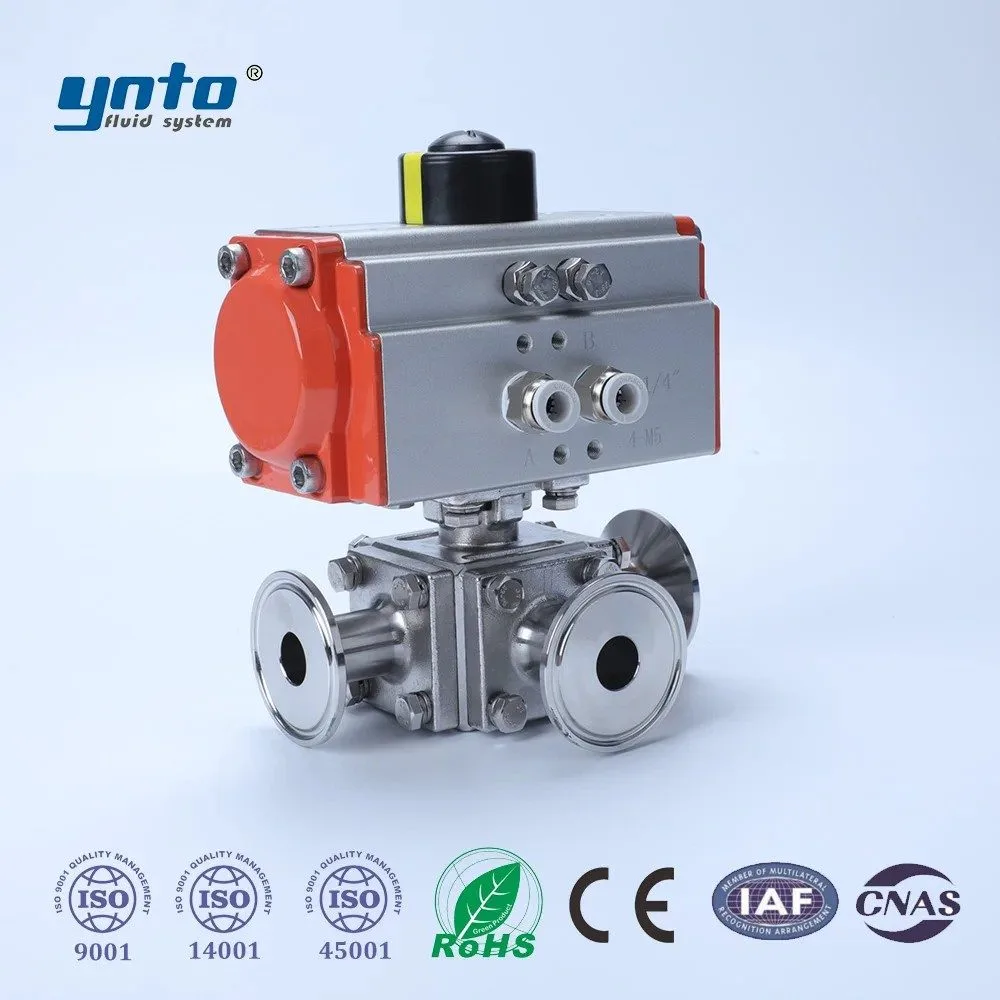
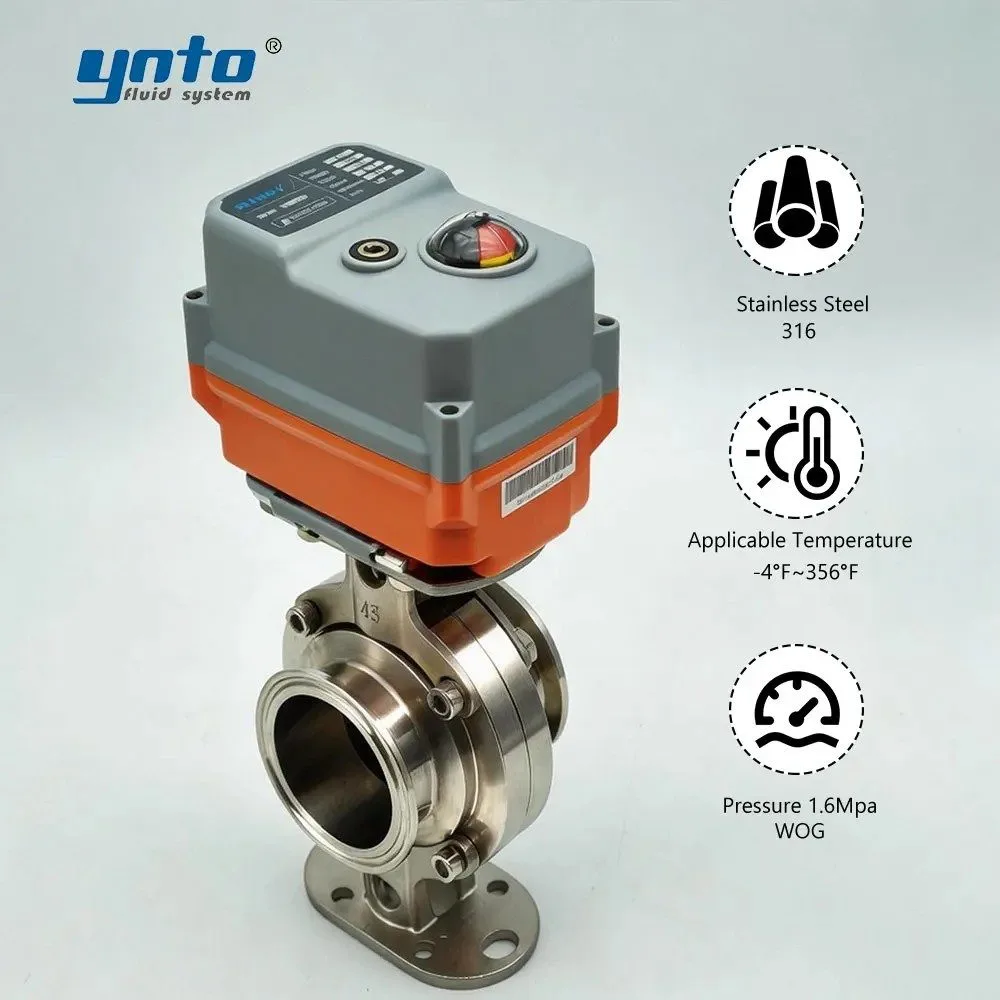
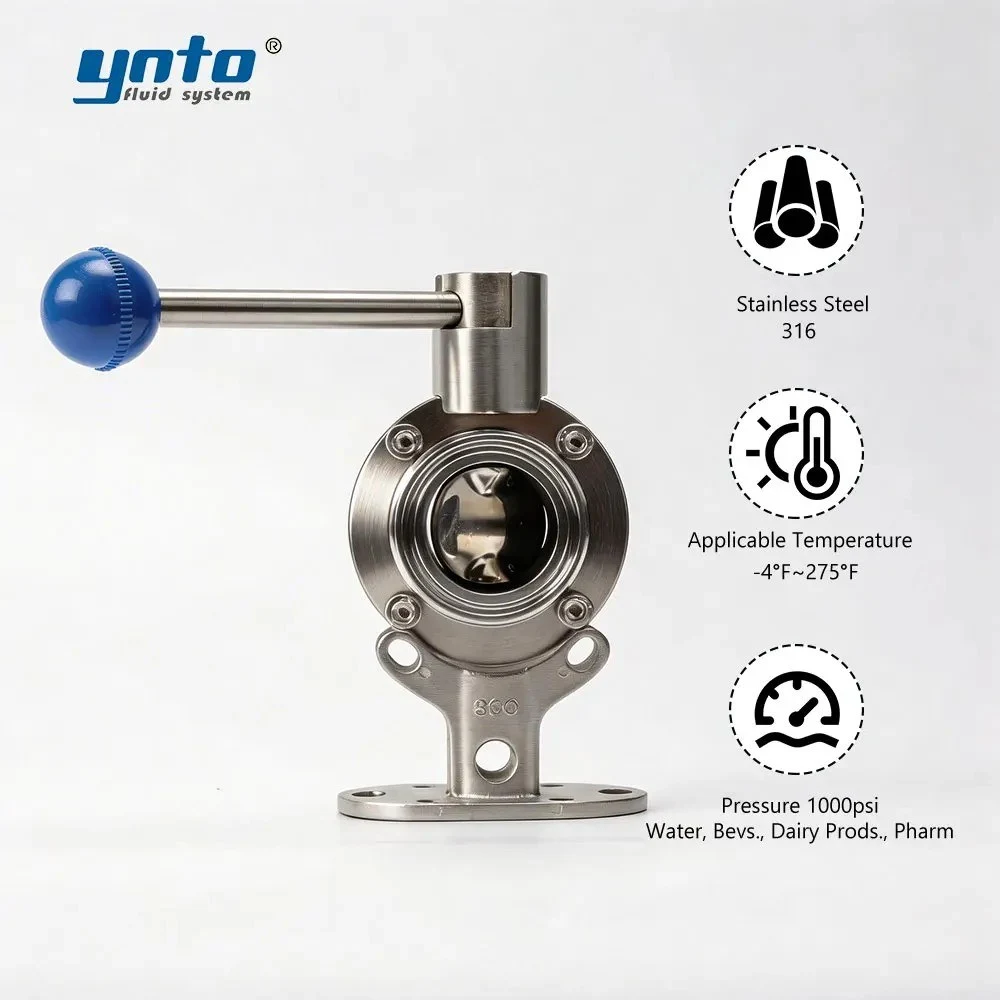
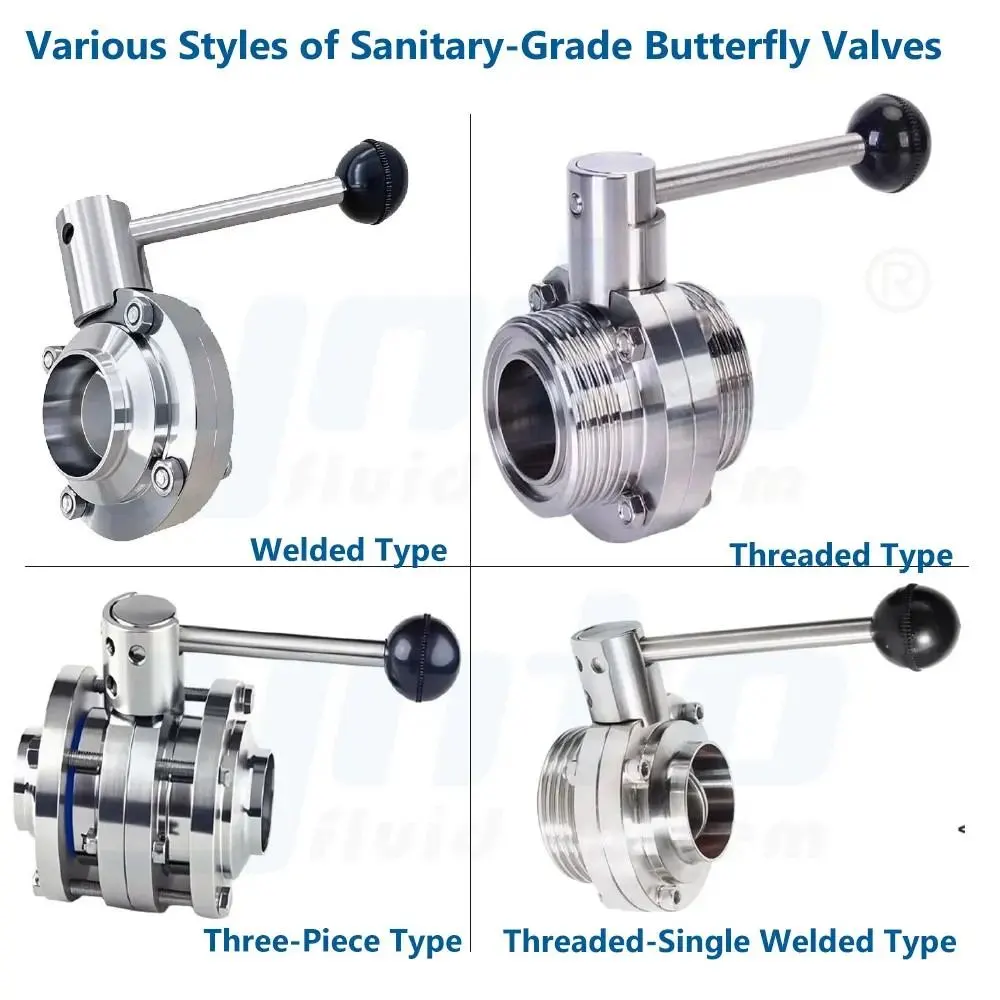
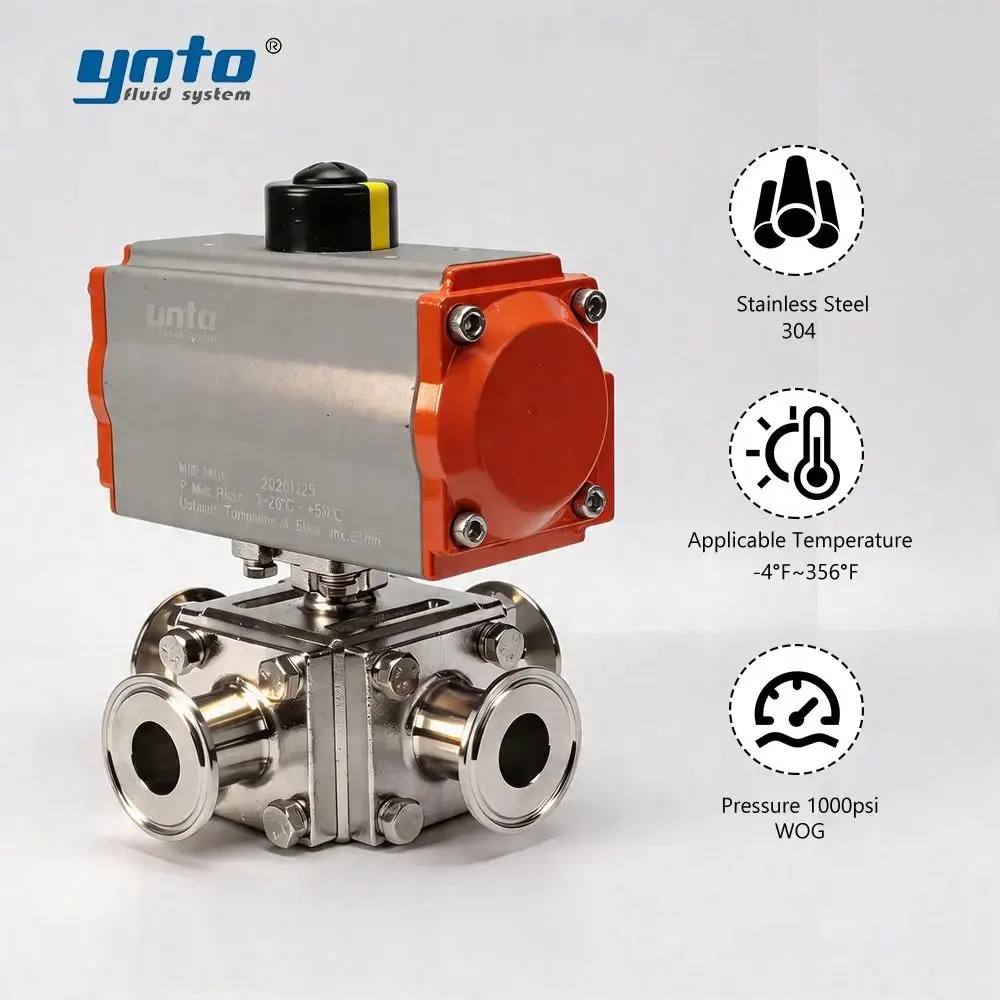
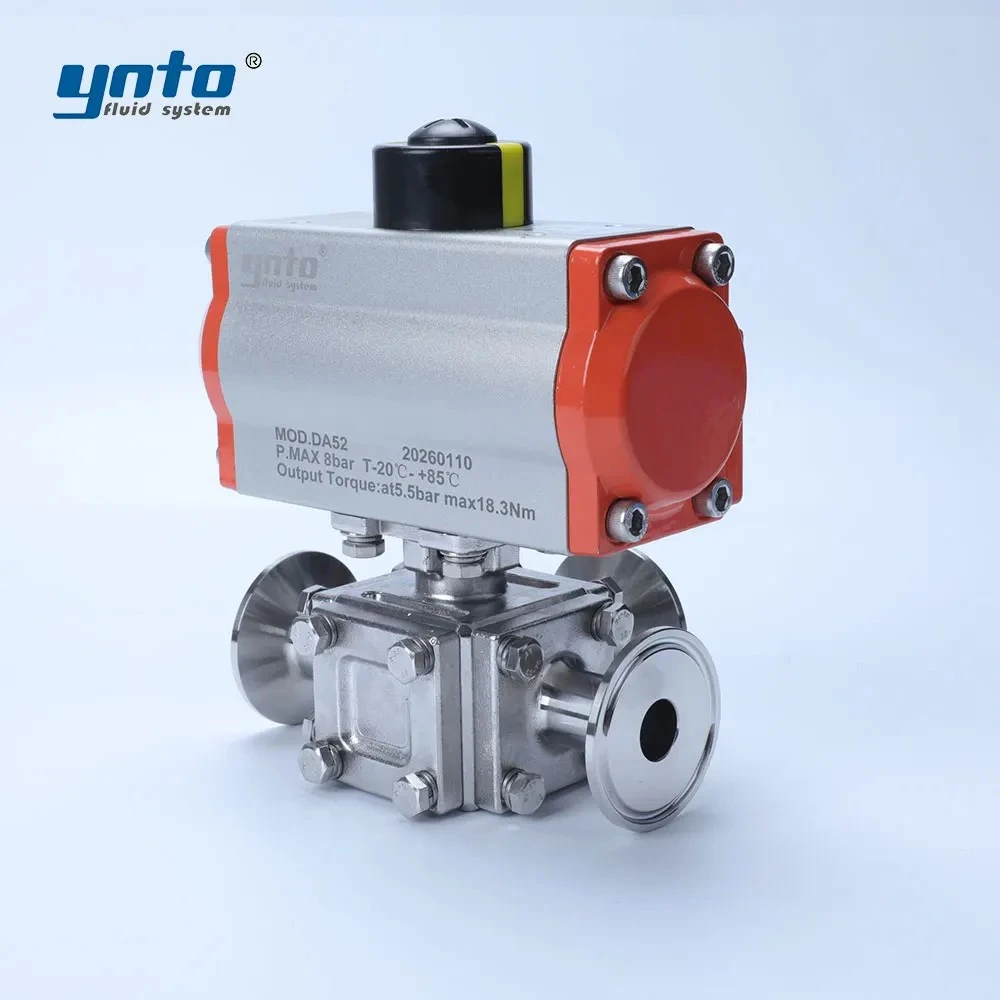
A quick connector valve is essentially a coupling that lets sections of pipe or hose be joined or separated by hand without tools. These valves typically include an internal shut-off mechanism (ball, poppet, or diaphragm) so that when the connector is disconnected, flow automatically stops. This provides a tight seal during connection and prevents spills during disconnection. High-end quick connectors often meet sanitary requirements—for example, YNTO notes that its clamp-type quick-release design “brings unparalleled convenience to installation, disassembly, and maintenance” while ensuring a tight, leak-free seal. The design also eliminates dead-ends, making it easy to clean and sanitize the valve during routine servicing.
These features make quick connector valves indispensable in many settings. In agriculture and water treatment, operators can change irrigation lines or sampling connections quickly. In manufacturing, technicians swap tools or fluid modules on machinery without stopping the entire process. Even in healthcare, specialized quick-switch stopcocks (with ENFit connectors) enable fast rerouting of feeding lines. Wherever uptime and cleanliness are priorities, quick connectors help streamline operations and reduce waste from downtime.
Detailed Analysis of Key Products
Quick Release Hose Connector
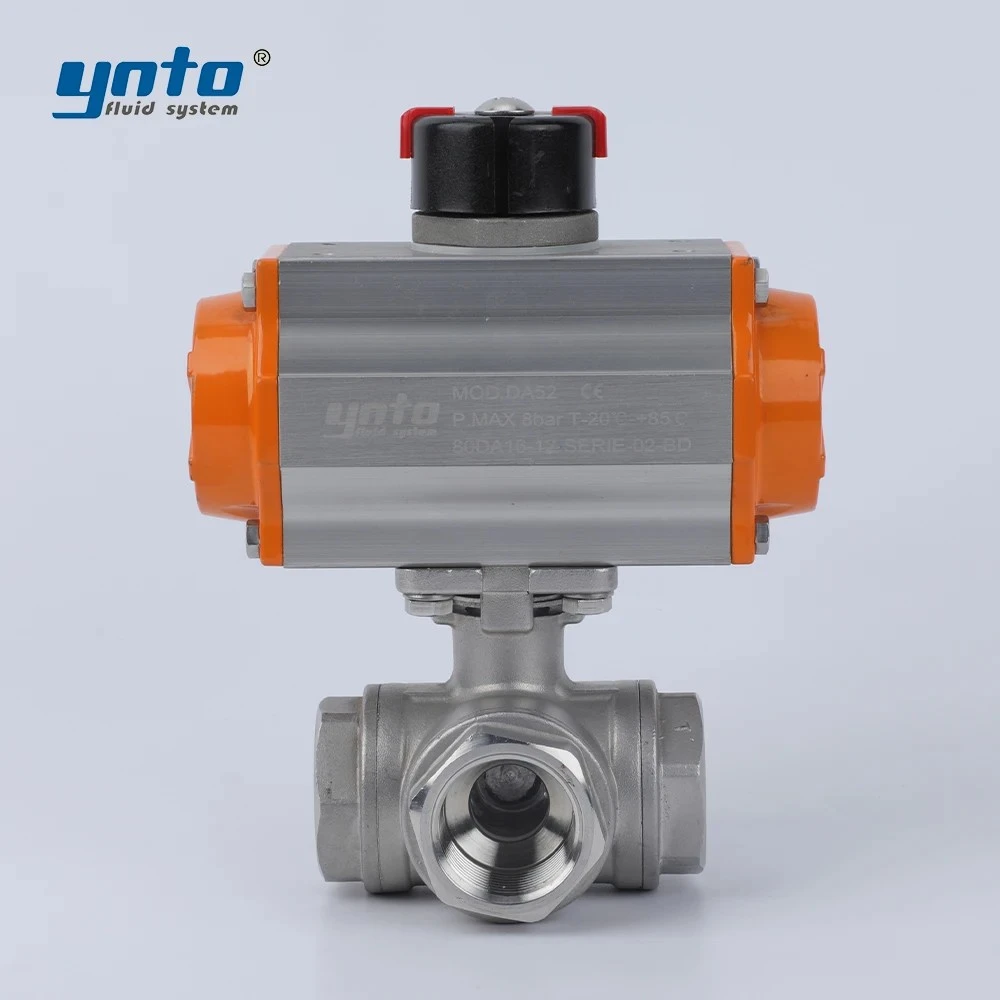
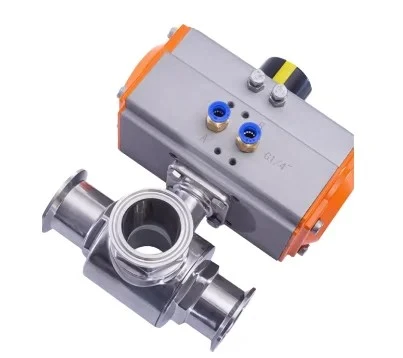
Quick-release hose connectors are commonly used in irrigation and utility systems. They consist of a male/female pair that snap together by hand. The mechanism usually involves a spring-loaded collar or push-to-connect sleeve, and an internal check valve that automatically closes when the halves separate. Consumer-grade models (like popular garden-hose fittings) often use brass or plastic bodies and a simple lever release. Industrial versions are usually stainless steel for durability, with precision-engineered O-rings to handle higher pressure and corrosive fluids.
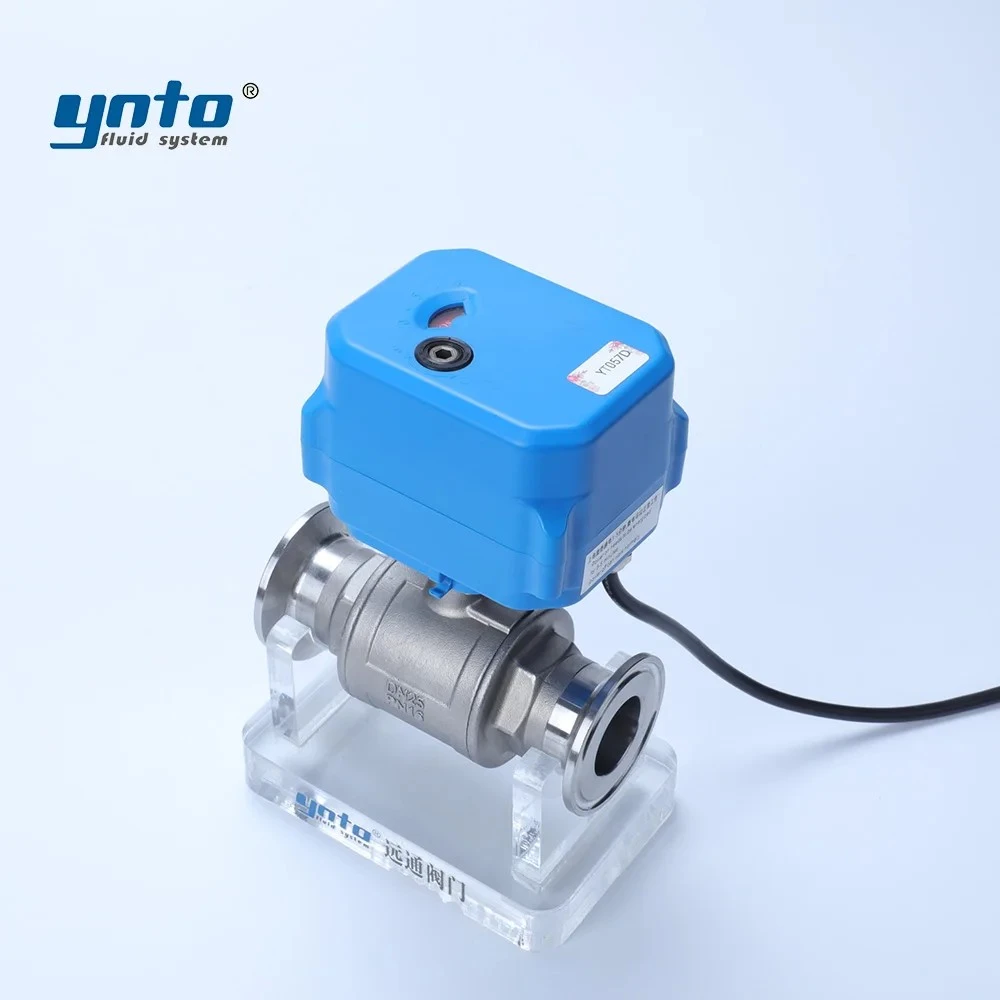
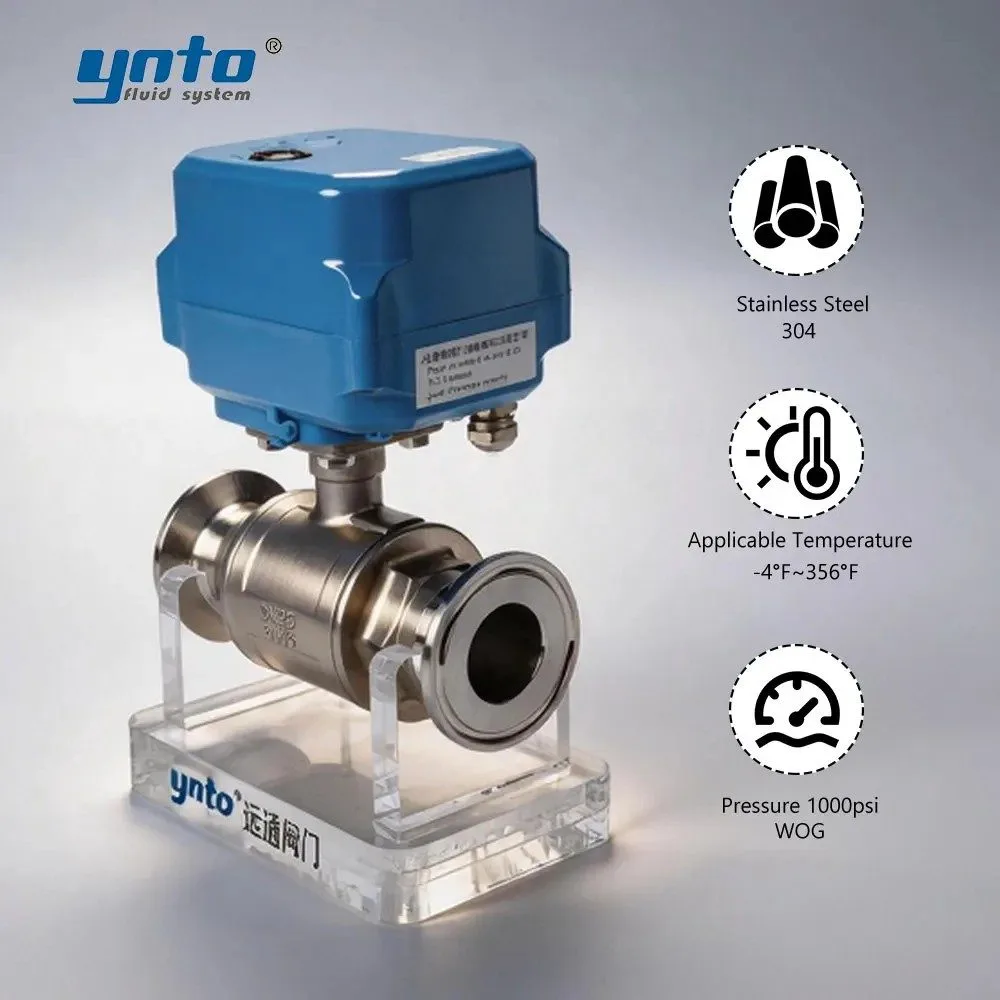
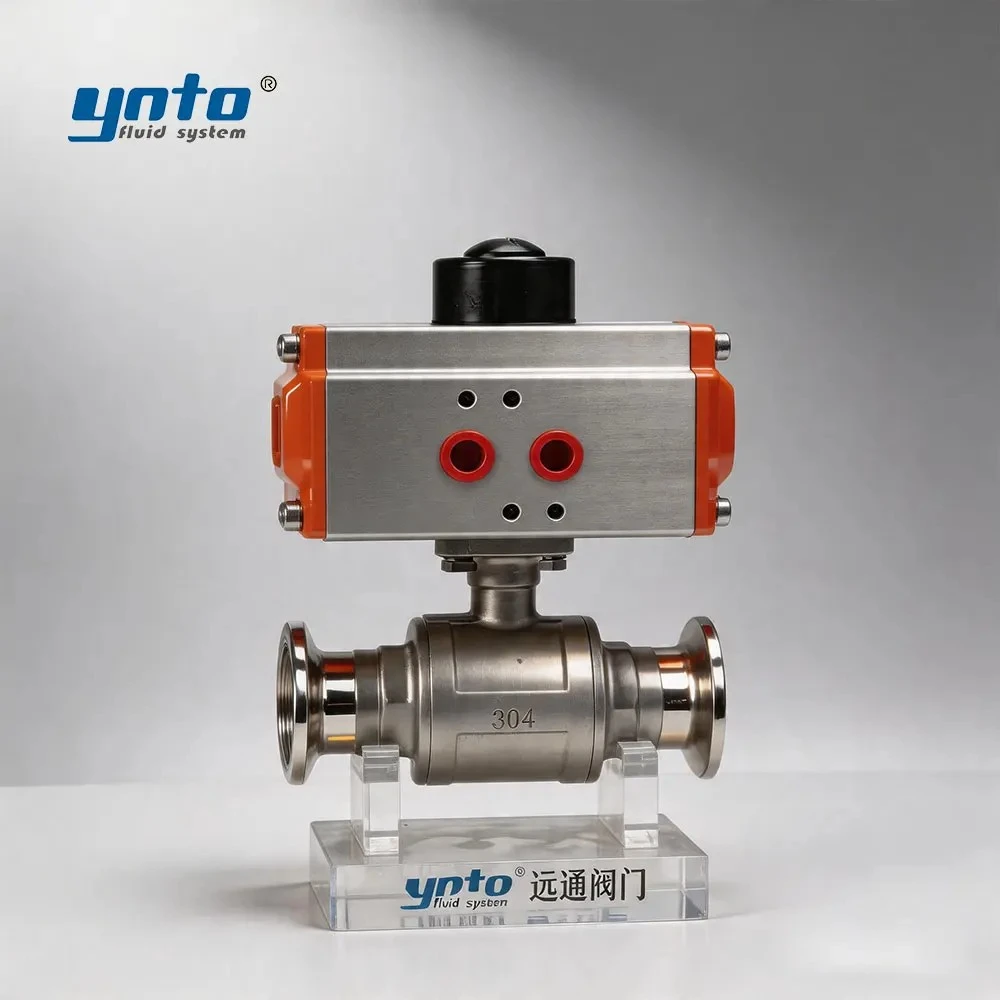
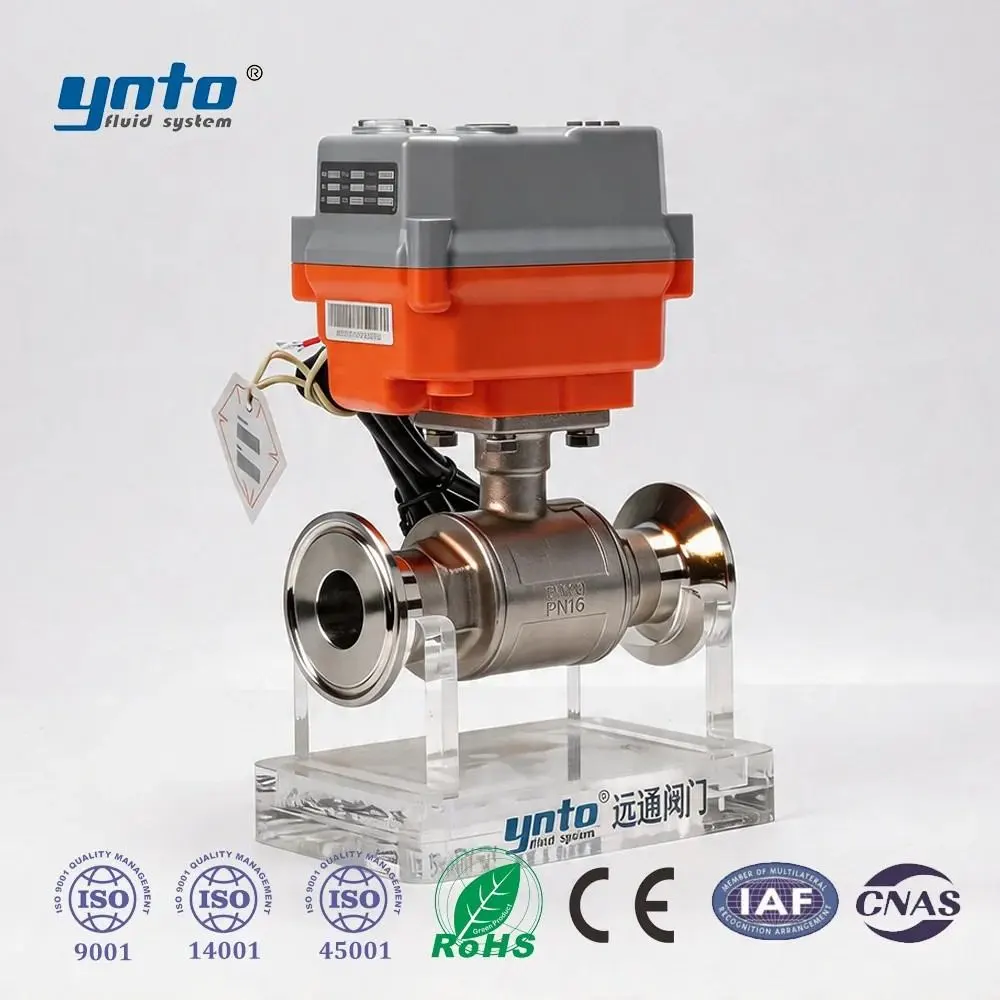
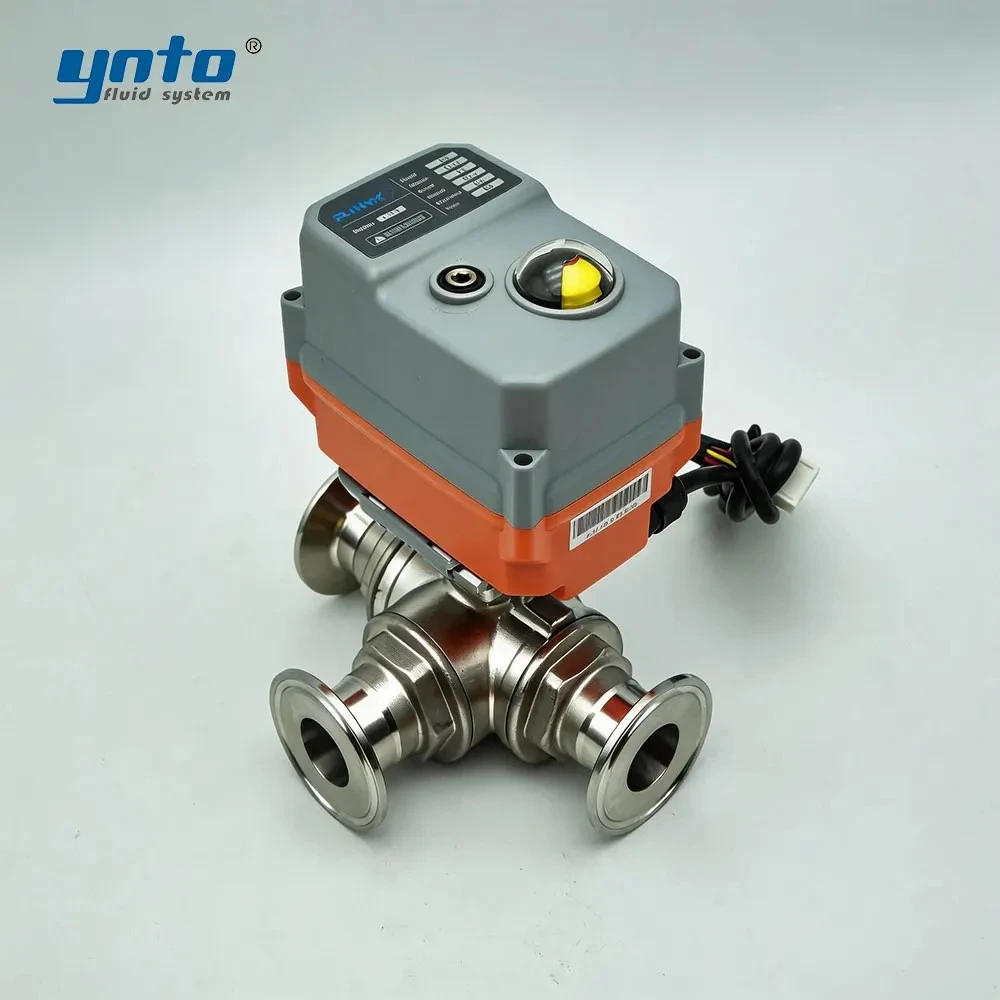
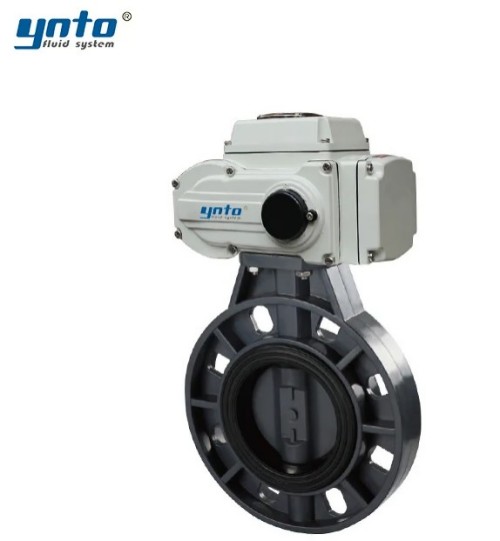
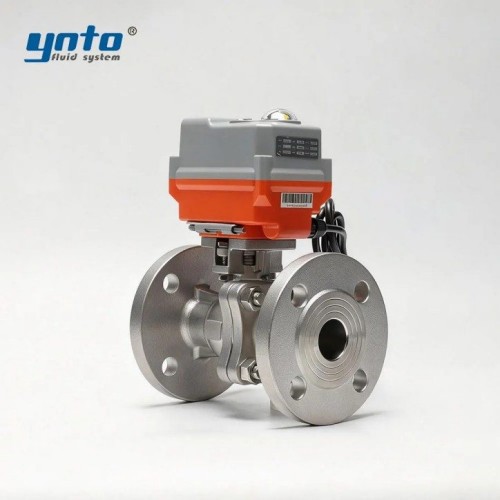
For larger or higher-pressure lines, engineers might choose a full-port [electric ball valve] with quick-release union ends instead. Such valves provide a similar tool-free maintenance advantage at larger scales. In fact, YNTO’s electric ball valve range includes quick-connect stainless models precisely for this purpose. These valves act like large-capacity couplers: they offer minimal flow restriction and can be rapidly removed for service. Likewise, for very large pipes, an [electric butterfly valve] with a clamp-type quick-connect end can serve as a fast shutoff, combining quick assembly with a wide-open flow path.
Tire Valve Quick Connector
A tire valve quick connector (also called a quick air chuck) is a specialized coupler used for inflating vehicle tires. It clamps onto the standard Schrader valve with a lever-lock or spring-loaded mechanism. Many designs include an automatic shutoff that stops airflow when a preset pressure is reached, and a quick-release button to disconnect without air loss. The advantage is hands-free operation: a mechanic can attach the fitting to a tire, and it will latch on securely while inflating at high flow.
Because automotive environments can be dirty and hot, tire quick connectors are typically made of plated steel or durable brass. The small rubber valve or O-ring inside is a wear item: if grit from the tire tread enters the chuck, it can degrade the seal and cause leaks. In practice, shops often keep spare chucks and test gauges on hand. As with other quick couplings, operators should clean and cap these connectors when not in use to prolong seal life.
Quick Switch Valve with ENFit Connector
In medical and healthcare settings, a “Quick Switch Valve with ENFit Connector” is a 3-way stopcock designed for enteral feeding. It allows staff to control the flow of nutrition or medication between containers and feeding tubes without spilling. The ENFit connector is a locking luer standard that prevents mismatches with IV lines. These valves are typically made of medical-grade plastics and have a lever to direct flow between ports.
Though not part of industrial catalogs, this example illustrates how quick connectors serve fluid control in critical settings. In a hospital feeding line, such a valve lets caregivers rapidly swap syringes or bags without losing fluid. Materials are chosen to be biocompatible (often polymers with EPDM seals) since any leak could be dangerous. Nurses are trained to flush and inspect these valves often to prevent contamination between uses.
Installation and Maintenance
Steps for Installation
Proper installation of a quick connector valve begins with safety. Always depressurize the line and drain fluids before connecting or disconnecting. Inspect both halves of the connector: even a small scratch or crack on the sealing surface can become a leak path. For example, one manufacturer advises visual inspection for surface damage on couplings. Clean the mating faces with a lint-free cloth or flush with clean fluid to remove debris.
Next, align the connectors squarely and bring them together. For sleeve-type couplings, pull back the collar and insert the male end fully, then release so the locking balls engage. For clamp styles (tri-clamp fittings), seat the gasket evenly and tighten the clamp bolts uniformly. After connecting, perform a leak test: slowly pressurize the system and check around the coupling for any seepage. Verify any built-in shutoff: for instance, if the connector has an automatic check valve, make sure it snaps shut when you disengage the coupling.
When actuators or automation are involved, ensure proper mounting. Many valves use the ISO 5211 standard interface, allowing an electric actuator to bolt directly to the valve gearbox. Make sure the actuator’s coupling is securely fastened. Follow the manufacturer’s torque specs for any screws or clamps. Once installed, cycle the actuation a few times and re-check for leaks or misalignment.
Regular Maintenance Tips
Regular maintenance is key to keeping quick connectors reliable. Schedule frequent inspections based on usage cycles. Even a simple visual check can catch early wear: look for softened or cracked O-rings, bent sleeves, or corrosion on metal parts. As one source notes, periodic maintenance “avoids experiencing fluid leaks [and] extends their lifetime.”
Always use dust caps or plugs when connectors are idle. Protecting both halves of a coupling with caps blocks dirt and moisture. Clean the connector faces thoroughly before any new connection—contamination is a leading cause of seal failure. In fact, debris in the fluid often damages the O-ring as soon as the connector is pressurized. As a precaution, lubricate O-rings with a fluid-compatible grease during reassembly to reduce friction.
If any leakage is detected during operation, address it immediately. Often, the solution is to replace the worn seal or O-ring; as Faster Couplings advises, it’s far easier to swap out a seal than to repair a badly damaged coupler. Keep a maintenance kit of spare seals on hand. Also, test the coupling’s mechanism: make sure any springs or check valves still return to their closed positions properly. Any sign of corrosion or wear should prompt a full replacement of the coupling.
Comparison with Traditional Valves
Performance
Quick connector valves offer on/off performance similar to other shut-off valves, but with much faster operation. In ideal conditions, a new quick coupler can provide nearly full-port flow, matching a similarly sized [ball valve] in pressure drop. However, as seals wear, a small leakage path can develop around the latch before full closure—something you would not see with a rigid flanged valve. Traditional flanged or union valves have static PTFE or EPDM seats that typically maintain a leak-tight seal under high pressure.
Quick connectors are usually used in applications where speed matters more than precision flow control. For precise regulation, they are paired with control elements. For example, if a quick drain-coupler must not dump its entire contents suddenly, engineers might add an [electric control valve] downstream to ramp the flow smoothly. This ensures the quick connector can open fully for speed, while the control valve manages any pressure spikes.
Cost-Efficiency
Quick connectors tend to cost more upfront than a basic flange or valve. The complex internal mechanism and better seals increase the price. Despite that, many plants find this cost justifiable. The downtime and labor saved by not having to unbolt flanges can quickly offset the extra expense. For example, replacing a flanged valve can take hours and require significant draining, whereas swapping a quick coupler can take minutes. In effect, investing in quality quick couplings yields a high return by reducing maintenance time.
These couplings also simplify inventory. Instead of stocking wrenches and custom fittings for each valve size, a facility can use a set of standard quick couplers and seals. In the long run, only small parts (O-rings, springs) need replacing, rather than entire pipe sections. Maintenance budgets should include these consumables, but the savings in labor and downtime are usually much greater.
Durability
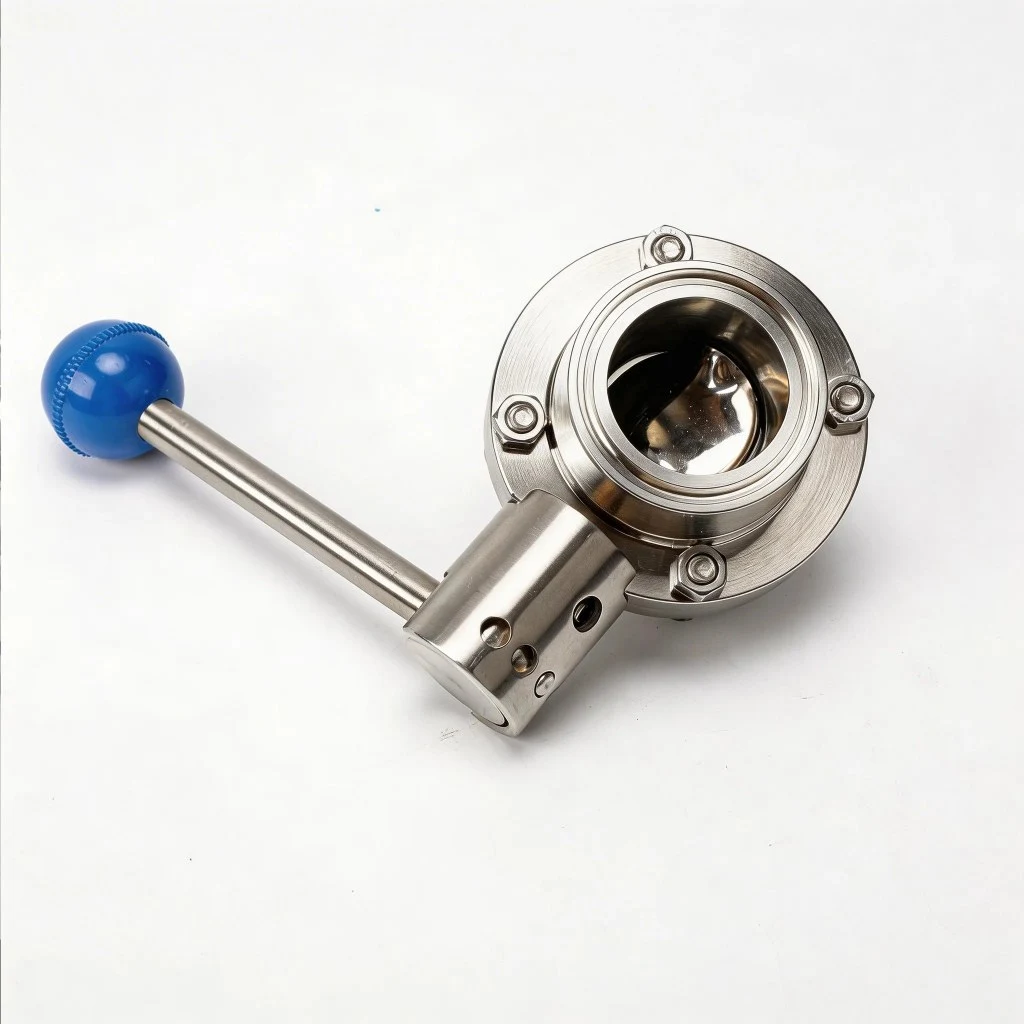
On pure longevity, traditional valves have the edge: a sturdy [electric ball valve] or [electric butterfly valve] can often last decades in moderate service. A quick connector, however, involves more moving parts and wear points. The press-and-lock mechanism, the spring, and the poppet or balls are all subject to fatigue. High-cycle use will eventually require part replacement.
Material choice makes a big difference. Many couplings use 316L stainless steel for wetted parts, because 316L balances corrosion resistance and strength. In more aggressive chemical service, specialty alloys or coatings are used. The seals themselves must match the media: EPDM is fine for water, FKM (Viton) for oils, and PTFE for strong acids or high temperatures. For example, a PTFE poppet or diaphragm can handle chemicals that would corrode rubber seals.
If an application truly cannot tolerate any leakage, engineers may avoid couplers altogether. In such cases, a [diaphragm valve] is often used instead. The diaphragm isolates the fluid path completely, so there is no poppet or spring to wear. In high-purity or abrasive environments (pharma, mining, etc.), a diaphragm valve provides a more robust seal. But for general industrial use, a well-made quick connector—especially with stainless bodies and proper seals—will provide many years of reliable service.
Conclusion
Quick connector valves dramatically simplify the connect/disconnect process in fluid systems. They cut downtime, streamline operations, and meet the demands of high-throughput applications. The trade-off is that they demand close attention to installation and upkeep: seal wear and contamination are their main failure modes. By selecting robust materials (for example, 316L stainless steel and compatible elastomers) and following strict maintenance practices, engineers can leverage these valves with confidence.
When chosen and used wisely, quick connector valves become an indispensable part of an engineer’s toolkit. Combining them with automation (such as adding an electric actuator for remote operation) and adherence to industry standards (ANSI/ASME pressure classes, ISO mounting interfaces) maximizes safety and reliability. To explore quick connector solutions, see YNTO’s product range of high-performance valves and actuators designed for fast connect/disconnect applications.

- 2026-10-19 08:49:57
- 2026-10-16 10:48:59
- 2026-10-15 14:23:43