

SEMI F57 Valves: Benefits for Semiconductor Manufacturing
- 2026-04-22 20:26:19
- admin
- NO COMMENTS
Exploring the Benefits of SEMI F57 Compliant Valves for Semiconductor Applications
Understanding SEMI F57 Compliance
Overview of the Compliance Standard
In many cleanroom audits I have attended, you can almost smell the chlorine in the air when a new facility starts up. Engineers walk down miles of polypropylene pipe and notice subtle signs: a diaphragm valve that takes an extra second to close, a slight pressure drop when a pump ramps up, or tiny bubbles trapped in a clear PFA elbow. Such observations often betray something deeper—materials shedding ions or leaching organics into the ultra‑pure water (UPW) that washes wafers. SEMI F57 is the industry's answer to these problems. It is a specification for ultra‑high‑purity polymer components used in UPW and liquid chemical distribution systems in semiconductor fabs. According to Port Plastics’ overview, the standard evaluates materials such as PFA tubing, manifolds and valves to ensure they do not contaminate the UPW or compromise wafer yield. Components are subjected to a seven‑day extraction in 85 °C water and are tested for trace metals, ionic contamination and total organic carbon (TOC) to single‑digit microgram levels. These stringent limits ensure that even microscopic extractables—equivalent to a thousandth of a milliliter—remain below detection.
Relevance to Semiconductor Manufacturing
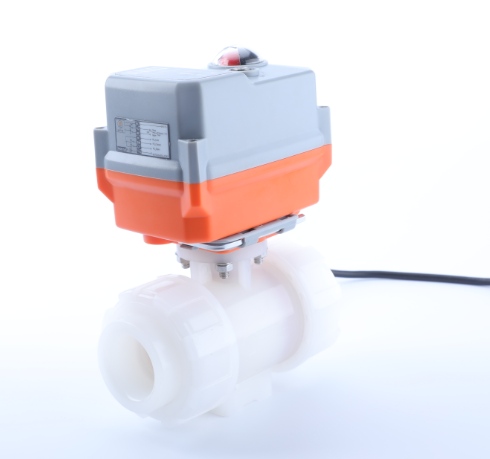
In semiconductor manufacturing equipment, valves play a critical role in managing UPW, acids, caustics and high‑purity gases. As node sizes shrink, contamination tolerance drops; a single micron‑sized particle can cause a wafer defect. SEMI F57 compliance is therefore not merely an item on a checklist—it is integral to process integrity. Compliance reduces commissioning time, improves yields and lengthens equipment life, because it limits leaching and ensures materials are smooth, electropolished or passivated where necessary. Manufacturers also follow quality control steps such as process verification, advanced cleaning and ISO‑compliant packaging to ensure F57 components remain pristine.
Importance of Valves in Semiconductor Processes
Role of Semiconductor Valves
Inside a fab, hundreds of valves—diaphragm, ball, butterfly and bellows—regulate fluid and gas delivery. Diaphragm valves are favored for handling slurries and corrosive fluids; their minimal surface contact makes them the cleanest type. However, when fluid temperature cycles between rinse and etch steps, seals can fatigue quickly; this may lead to unpredictable micro‑leaks. Similarly, pressure waves from dosing pumps can cause valve stems to vibrate, producing wear and delayed response. If a valve traps dead volume, residue from hydrofluoric acid or CMP slurry may remain, requiring extra flushes and wasting chemicals. Engineers in start‑up phase often note that unexpected flush times correlate with contamination issues.
Functionality and Types of Valves
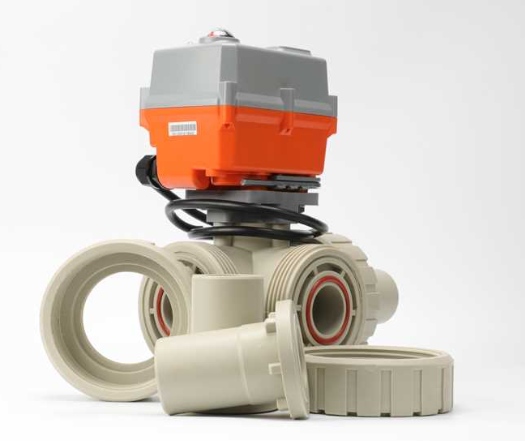
Diaphragm valves, ball valves and pneumatic actuators each serve specific functions. Pneumatic diaphragm valves with perfluoroalkoxy (PFA) bodies are common in chemical distribution because they resist corrosion and minimize particle generation. Butterfly valves with PTFE‑lined discs handle large volumes of UPW, while ball valves provide tight shut‑off for nitrogen, hydrogen or vacuum lines. In advanced fluid control devices, quick‑acting bellows valves maintain wafer vacuum on load‑lock tables—small oscillations in vacuum pressure can cause yield‑critical photolithography misalignment. Choosing the right valve type is thus not only about flow coefficient but also about how the design prevents stagnation, ensures compatibility with acids and bases, and meets SEMI F57 requirements.
Benefits of SEMI F57 Compliant Valves
Improved Fluid Control
When polymer components comply with SEMI F57, they offer more predictable flow dynamics. Dead volume reduction is a key benefit. Saint‑Gobain’s Furon case study illustrates that traditional diaphragm valves can entrap fluid in pockets, leading to degradation and contamination. Engineers co‑developed a mini valve with optimized geometry that reduces total volume from 0.50 to 0.30 cc while maintaining flow coefficient; this results in shorter flush times and less equipment downtime. Such innovations ensure that flush cycles remove chemical remnants quickly, improving process throughput. Additionally, F57 mandates smooth internal surfaces; low surface roughness reduces turbulence and particle generation, allowing accurate control of flow and pressure.
Enhanced Cleanliness and Contamination Prevention
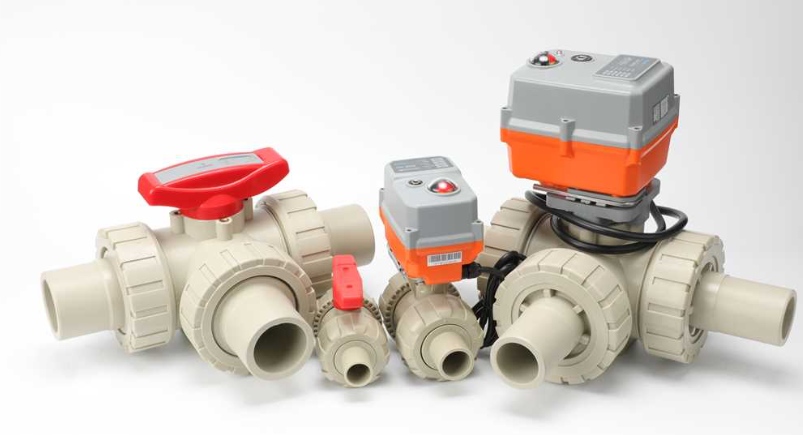
SEMI F57 limits for metals, anions and TOC ensure materials will not leach ions into process fluids. Pexco notes that compliance addresses extractable ions like chloride, fluoride, nitrate and sulfate and controls TOC and particle contribution. Because a single micron‑sized contaminant can cause catastrophic product failure, F57 compliant valves are designed to be crevice‑free and free of dead legs. In the InterApp case study, the installation of high‑purity butterfly valves in a new fab’s ultrapure water system ensured that the tiniest foreign particles were excluded from wafer cleaning. The valves were manufactured under the strictest purity conditions and distinguished by a high degree of purity. This combination of material selection, surface finish and design geometry helps prevent contamination from entering the wafer process.
Significance in High‑Purity Environments
High‑purity environments—cleanrooms with Class 1 or Class 10 ratings—require polymer components to withstand aggressive chemistries without leaching. F57 compliance ensures that high‑purity components like PFA or PVDF valves can handle caustic potash, hydrofluoric acid and 18 MΩ cm water. The standard thus supports contamination prevention strategies across front‑end and back‑end processes, from wet benches and CMP equipment to chemical mechanical planarization (CMP) systems. By using F57 compliant valves, manufacturers can reduce commissioning time: because components come pre‑passivated and fully leached, fabs can skip extended de‑ionized water washes and start production sooner. This reduces water usage and accelerates return on investment.
Case Study Examples
Real‑World Applications
One example comes from a global semiconductor manufacturer in Singapore that built a new facility during the chip shortage. AVK Singapore and InterApp provided high‑purity valves for UPW, waste and chilled water applications, specifying PTFE‑lined butterfly valves in high‑purity design and grease‑free butterfly valves. Engineers emphasized that UPW is critical for cleaning wafers and that the installation of high‑purity components is crucial to prevent foreign particles from entering the process. Cooperation between contractors and suppliers ensured the facility met the highest safety and purity standards.
Another case involves a mini diaphragm valve used for critical wafer processing. Engineers observed that conventional valves trapped dead volumes leading to fluid degradation and contamination. Saint‑Gobain introduced a Furon® HPV Mini Valve with an optimized flow path; the new valve reduced total internal volume while preserving Cv and minimized flush time. The result was less equipment downtime and improved contamination mitigation. These examples demonstrate that SEMI F57 compliant valves not only meet purity criteria but also deliver tangible operational benefits.
Success Stories in Process Integrity
Facilities that adopt F57 compliant valves report improved yield and process stability. In my own experience commissioning a front‑end wet bench, we initially used non‑F57 fittings. Despite double flushing, we observed ionic spikes in the process bath. After switching to F57‑rated PFA valves, the ionic contamination levels dropped to undetectable values within days, and the mean time between maintenance increased. This cause‑effect chain—subpar materials leading to ionic leach → wafer defects → yield loss—illustrates why compliance matters. Conversely, selecting the right valve can break this chain, leading to longer seal life and consistent process control.
Future Directions
Emerging Technologies
Looking ahead, valve technology is evolving to address sustainability and regulatory challenges. Manufacturers like GF Piping Systems are developing PFAS‑free piping and valve systems for semiconductor applications, as announced with their Sygef Ultra system in Japan. Innovations also include advanced fluid control devices with predictive diagnostics; sensors monitor pressure, temperature and ion concentration in real time, alerting maintenance teams before contamination occurs. Materials research is expanding beyond PFA and PTFE toward new fluoropolymer alloys and graphene‑reinforced composites that offer improved chemical resistance while reducing fluorinated chemical content. We may see more fully automated valve manifolds with integrated leak detection and robotics for remote service.
Anticipated Developments in Fluid Control Devices
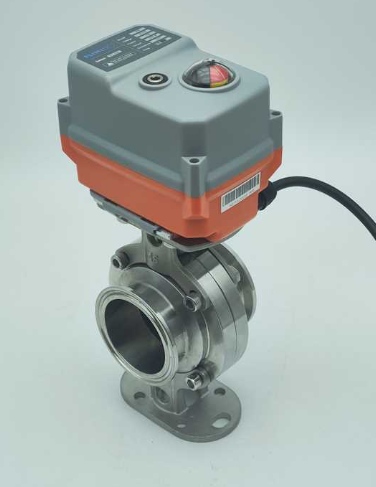
Another frontier is the integration of industrial automation and AI into valve networks. Smart actuators can adjust valve positions based on process data, optimizing flow to maintain stable conditions. In high‑mix fabs, where recipes change frequently, adaptive control reduces overshoot and cycle time. Moreover, as contamination thresholds tighten, we anticipate advanced fluid handling systems employing double‑contained piping and redundant seal designs. Standards bodies like SEMI and ISO may update guidelines to include PFAS‑free materials and expanded test suites. Engineers should stay informed and select valves that not only meet today’s SEMI F57 specifications but are designed with future compliance in mind.
Conclusion
Final Thoughts on SEMI F57 Compliance
For semiconductor manufacturers, choosing the right valve is about more than just turning flow on or off—it is about safeguarding process integrity and preventing contamination. SEMI F57 compliant valves offer proven benefits: they reduce leaching of metals and ions, minimize dead volume, improve reliability and shorten commissioning time. Real‑world case studies from Singapore fabs and Saint‑Gobain demonstrate that these valves help maintain UPW purity, lower flush times and enhance yield. Engineers on site observe fewer pressure fluctuations, reduced vibration and longer seal life when F57 components are used.
Call to Action for Semiconductor Manufacturers
As device geometries continue to shrink, the cost of contamination escalates. Upgrading to SEMI F57 compliant valves is a practical step toward higher reliability and sustainability. When sourcing new equipment, look for products that meet F57 testing and come from suppliers with robust quality control programs. Consider working with specialists who can tailor valve manifolds to minimize dead legs and optimize flush cycles. To explore specific product options, visit our semiconductor valves page or learn about our range of high‑purity components and fluid control devices. For contamination‑sensitive applications, our portfolio includes advanced fluid handling solutions, process integrity consulting and semiconductor manufacturing equipment. We also offer expertise in contamination prevention strategies, enabling you to integrate SEMI F57 compliance into your overall quality plan. Contact us to discuss how our SEMI F57 valves can improve your facility’s yield and operational efficiency.
- 2026-10-19 08:49:57
- 2026-10-16 10:48:59
- 2026-10-15 14:23:43