

The Future of Manufacturing: UHP Plastic Valve Innovations Introduction
- 2026-04-17 12:00:00
- admin
- NO COMMENTS
The Future of Manufacturing: UHP Plastic Valve Innovations
Introduction
Defining Ultra High Purity Plastic Valves
During a semiconductor start‑up, pressure gauges jittered because a stainless‑steel check valve corroded and shed oxide flakes. Those particles lodged between the seat and poppet, causing reverse flow and pressure oscillations that forced operators to retune the loop. UHP plastic valves solve this problem by replacing metal wetted parts with fluoropolymer bodies and diaphragms that are smooth, non‑porous and chemically inert. Swagelok notes that semiconductor gas valves must minimize fine particles and resist corrosion, and PFA‑lined designs eliminate crevices where deposits accumulate.
Significance in Today's Industry
The UHP valve market is forecast to grow from about USD 615 million in 2025 to over USD 1.15 billion by 2035, reflecting demand for contamination‑free fluid handling and innovations that boost durability. Engineers are responding by integrating industrial automation and smart sensors that monitor valve health and schedule maintenance proactively.
Industrial Automation and Control
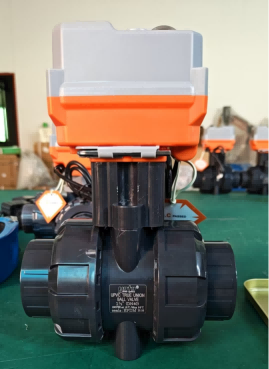
Automated skids for ultrapure water and chemical blending rely on valves that remain stable under varying flow rates; when metal seats corrode they generate particles and hysteresis, so designers switch to PFA‑lined, spring‑assisted check valves with robust lined steel bodies that handle corrosive chemicals up to 392 °F, stabilizing fluid control systems.
Innovations in Sterile Processing
In pharmaceutical and food operations, PFA‑lined valves support clean‑in‑place cycles and resist high‑pH cleaning. Replacing corroded steel valves with fluoropolymer models has eliminated pressure swings and contamination in sterile processing and sanitary valves applications.
Material Science Breakthroughs
Fluoropolymers like PFA and PTFE provide universal chemical resistance and low extractables, while perfluoroelastomers (FFKM) deliver seal flexibility and high‑alloy steels add strength. PFA moulded linings ensure compatibility with corrosive chemicals and allow operation at elevated temperatures. High purity materials guides help engineers match materials to processes.
Challenges and Solutions
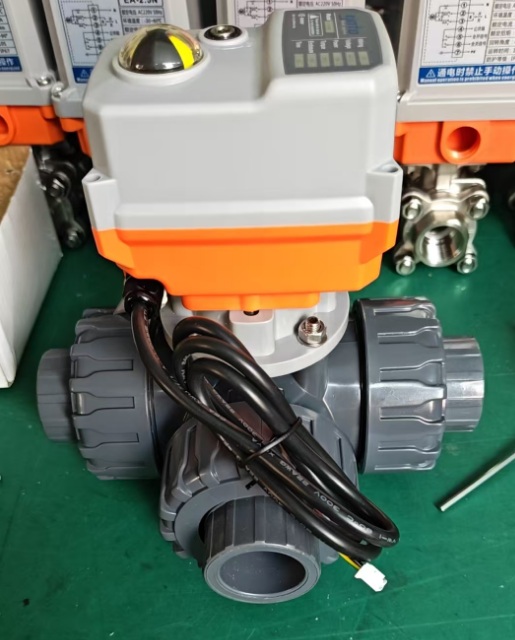
Rapid valve actuation or water hammer can cause micro‑vibrations that abrade seals and release particles, so engineers select spring‑assisted closures, control ramp rates and adopt contamination prevention measures. Compliance with ANSI/ASME, API and ISO standards ensures pressure containment and material purity in cleanroom equipment.
Conclusion
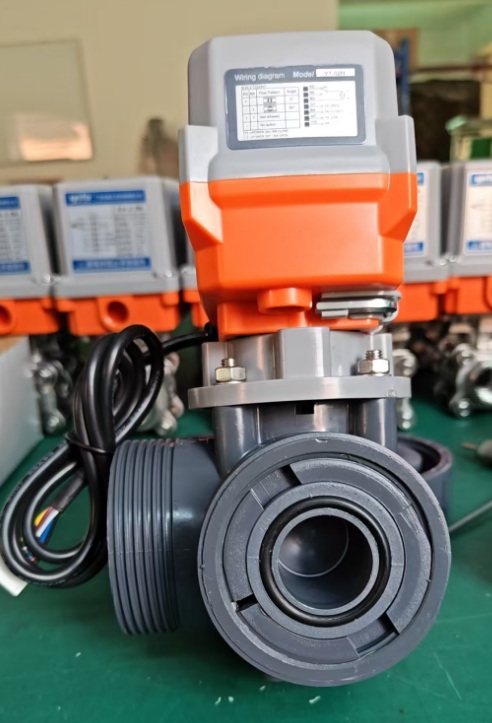
UHP plastic valves will continue to evolve with embedded sensors, diagnostic algorithms and recyclable materials. Machine‑learning tools will analyze actuator data to predict wear and adjust seals automatically. Modular designs will allow repair instead of replacement, supporting sustainability. As industrial automation advances, these innovations will enable cleaner, more efficient manufacturing while reducing waste and resource consumption.
- 2026-10-15 14:23:43
- 2026-10-12 15:56:29

- 2025-11-10 12:00:00