

Semiconductor Manufacturing Valves: Key Roles and Types
- 2026-04-10 11:37:45
- admin
- NO COMMENTS
In a modern chip fabrication plant, engineers routinely walk the cleanroom’s fluid distribution systems, looking for anomalies. For example, during a maintenance round an engineer might observe a slight pressure oscillation in a gas delivery line or a pump inlet, a classic sign that a valve is hesitating under low flow. In another section, a subtle hiss of a leak in the ultra-pure water (UPW) system signals a failing seal. These glimpses into the working environment make clear that valves in semiconductor fabs face extreme demands: ultrapure chemicals, vacuum conditions, rapid pressure changes and aggressive process gases. In practice, common issues include pressure drop fluctuations, valves sticking at startup, increased actuator torque, and minute leaks from aged seals. These phenomena often occur together: for example, a rapidly cycling process can cause tiny vibrations in a valve stem (pressure swings → valve chatter), leading over time to seat wear and slower response. Similarly, cyclic thermal stresses (due to heating/cooling wafers) can fatigue valve materials (temperature cycling → metal fatigue) and precipitate unexpected leakage or contamination.
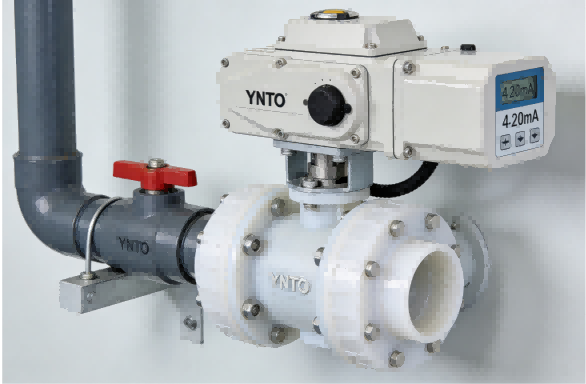
From an engineer’s perspective, diagnosing such problems requires attention to cause-and-effect. For instance, corrosive media (like HF or HCl gases) attacking valve internals can cause pitting on wetted surfaces (chemical attack → surface erosion → seal failure), leading to unpredictable drifts in flow or even system contamination. Likewise, operating valves near their minimum flow can induce unstable oscillations (low-flow turbulence → micro-vibration of the valve plug → accelerated wear), which over time delays actuator response. In lab tests of a semiconductor etch system, we often see that when the supply pressure pulses, the control valve’s actuator torque spikes (“hard-on” torque increases), an early warning of stiction. These on-site observations reinforce why valve selection is crucial: the right valve design must handle pressure transients, high cycle counts, and ultra-clean media while remaining reliable.
Importance of Valves in Semiconductor Manufacturing
Overview of Semiconductor Technologies
Semiconductor fabrication involves steps like photolithography, etching, chemical vapor deposition (CVD), and cleaning – each requiring precise fluid control. For example, atomic layer deposition (ALD) tools use exotic precursor gases with extremely low vapor pressures. These gases must be delivered by ultrahigh-purity (UHP) valves that avoid contamination or leaking. Other processes use ultrapure water, aggressive acids, or inert gases in closed-loop systems. In all cases, valves are the gatekeepers: they start/stop flows and regulate pressure to meet tight process specs. Without properly chosen valves, even minor leaks or drifts can ruin a batch of wafers.
Role in Ensuring System Efficiency
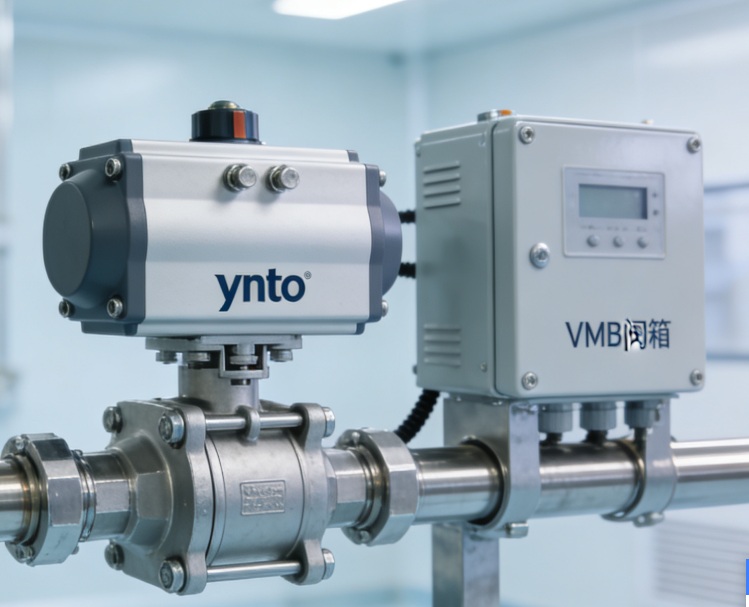
Valves directly impact process efficiency and yield. In a gas mixing panel, for instance, pressure regulators and control valves must maintain constant flow. A drifting regulator can starve a deposition chamber, causing uneven films or reducing throughput. High-quality pressure control valves – like self-powered regulators – can stabilize line pressure without external power, ensuring repeatable chemical delivery. In fact, advanced UHP valves can boost throughput: Swagelok’s latest ALD20 valve doubles the flow coefficient in the same footprint, allowing higher precursor flow without retooling equipment. In wastewater recycling or CMP slurry delivery, similarly, control valves with quick response prevent surges and waste. Overall, reliable valves shorten setup time, minimize scrap, and improve uptime. As one industry source puts it, fluid system components (valves, regulators, filters) must ensure a “clean, leak-free, and controlled process” to keep fabs productive.
Key Types of Valves Used in Semiconductor Manufacturing
Pneumatic Valves and Their Applications
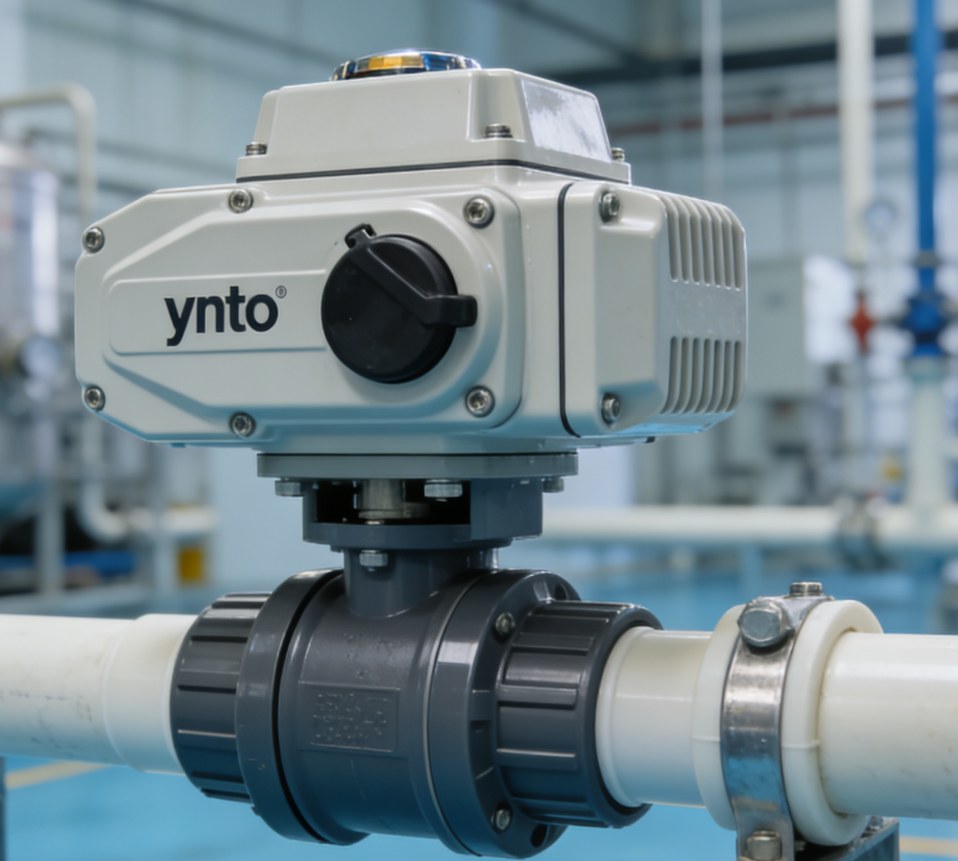
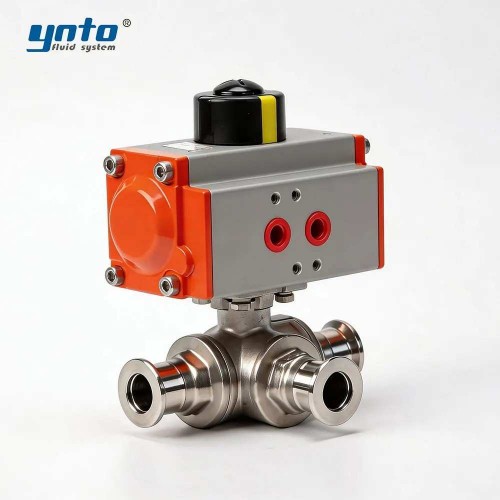
Pneumatic valves are workhorses in fabs, offering fast actuation and safety in gas handling. Pneumatic on/off valves (ball, gate, butterfly, or globe) are commonly used to isolate chemical cylinders, purge lines, or switch vacuum pumps. For example, a pneumatic ball valve is often used as a main shutoff on a chemical distribution panel. Our pneumatic ball valves and pneumatic butterfly valves are built in 316L stainless steel with smooth flow paths to avoid particle traps. Their bellows-sealed stems and inert seat materials resist corrosive etchants. When air-driven, these valves deliver quick response with simple compressed-air actuators. In addition, specialty pneumatic valves like gate valves are used for isolation in large-diameter UPW or waste lines, offering low-leakage shutoff. By linking pneumatic valves to control systems (via an electro-pneumatic positioner on the actuator), fabs achieve precise flow control while maintaining explosion-proof safety in hazardous gas areas.
Pressure Control Valves for Critical Operations
Precise pressure control is vital in many steps – for instance, in CVD chambers or gas purifier systems. Self-operated pressure regulators use the media’s own pressure to drive a control spool. Our Self-operated Pressure Control Valve exemplifies this: it uses inlet gas pressure as an energy source to position its plug, keeping upstream pressure constant without external power. This valve’s sensitive action and tight sealing minimize set-point error, making it ideal for maintaining constant deposition pressure in a gas panel. For higher flow or digital control, pneumatic control valves with servo-actuators (like our pneumatic sleeve control valves) provide excellent performance. The sleeve valve design offers a streamlined flow path with minimal pressure drop and broad Cv capacity, crucial when large volumes of process gas need regulation. Combining such valves with pressure transmitters and PID controllers helps prevent pressure spikes and ensures consistent tool throughput.
Vacuum Valves for Clean Processes
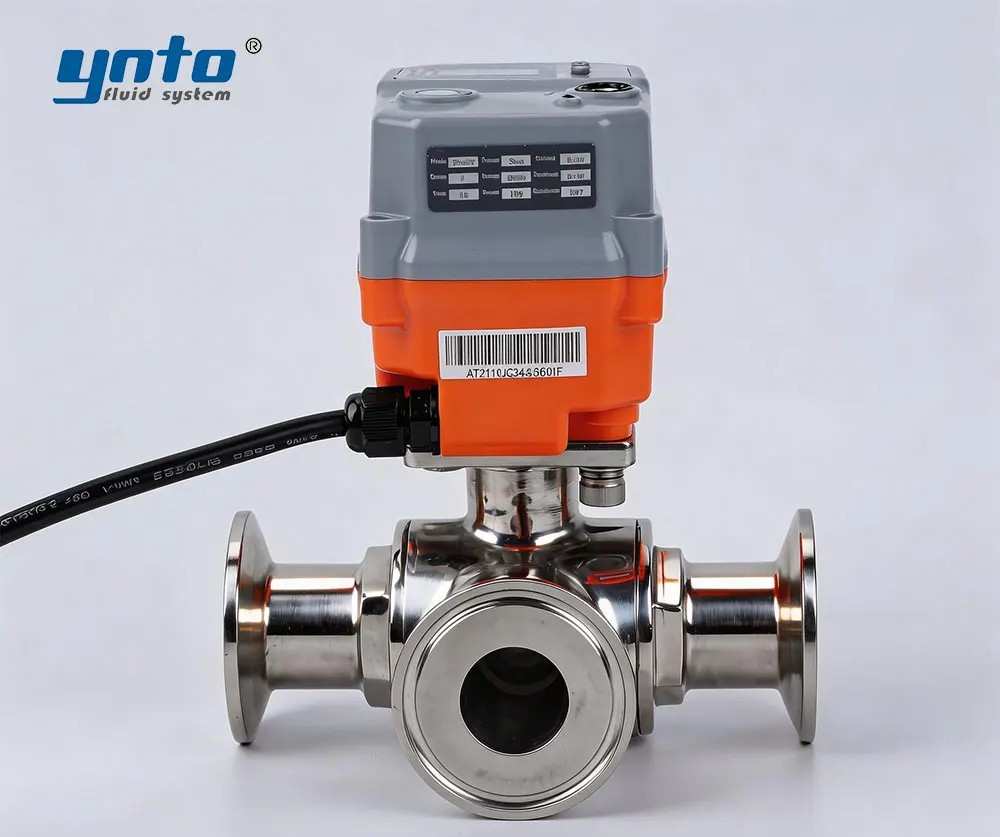
Vacuum environments are ubiquitous in semicon – from etchers to lithography chamber purges. Vacuum valves (often butterfly or gate types) isolate pumps or vent chambers. They must seal tightly to maintain ultra-high vacuum levels. For example, YNTO’s vacuum systems use valves that “control the inflow and outflow of gases, maintaining the desired vacuum level”. In practice, if a vacuum valve fails to seat properly, chamber pressure rises and process uniformity suffers. Therefore, vacuum valves are designed for media ranging from dry, dusty air to cryogenic fluids. Special vacuum-rated butterfly valves with metal-lined seats ensure zero outgassing. In addition, purge valves equipped with nitrogen seals prevent air ingress. Our electric vacuum butterfly valve (stainless body with a high-temp electric actuator) can handle dusty or hot gas lines, typical of pump exhausts.
High Purity Valves: Why They Matter
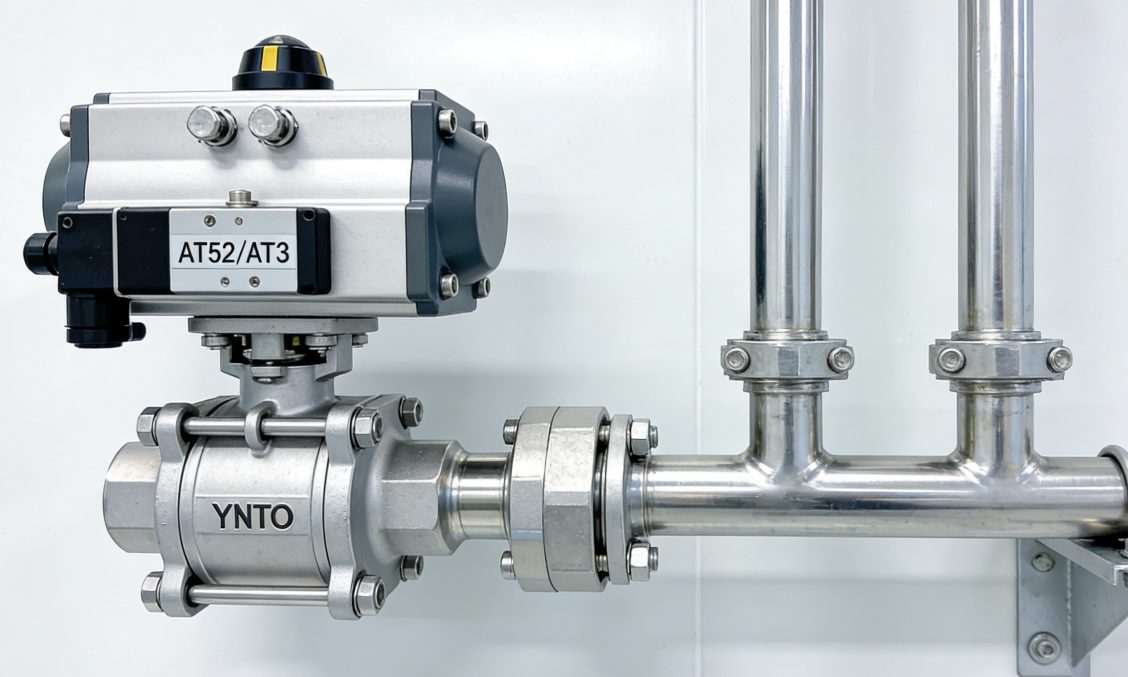
Perhaps the most critical valves in fabs are those handling ultrapure fluids. High-purity (UHP) valves minimize contamination risks by using inert materials and polished internals. They are often made from 316L stainless steel, PTFE, PFA, or other contaminant-free polymers. For example, PVDF diaphragm valves are widely used in chemical and UPW delivery. A PVDF Diaphragm Valve resists almost all semiconductor chemicals and is FDA-compliant, making it perfect for ultrapure water loops. Industry references note that high-purity valves are “engineered to meet stringent requirements”, constructed from stainless steel or PTFE with electropolished surfaces to avoid particle generation. These valves see use in chemical delivery systems, gas distribution, and ultrapure water management. By precisely dispensing chemicals and preventing any back-mixing, high-purity valves help maintain wafer yield. In sum, they are the unsung heroes of the fab: “precisely control the flow of ultra-pure fluids, making them a cornerstone of semiconductor manufacturing.”
Fluid Control Systems in Semiconductor Facilities
Design Considerations
A fab’s fluid control system is a network of valves, sensors, and pipes that must meet cleanroom and safety standards. Design-wise, engineers specify low-dead-volume fittings and valves to prevent particle traps. Materials like duplex stainless, Hastelloy, or coated carbon steel (FBE/Halar) are chosen based on chemical compatibility and cost. For example, strong HF lines often use PTFE-lined or PVDF valves, while inert gas lines use stainless steel. Seals and diaphragms are often PTFE or FKM/EPDM, selected for resistance to the specific chemicals. All wetted parts are electropolished to Ra <10 μin to avoid nucleation sites. Engineers also integrate instrumentation: pressure transducers and flow meters feed back to the control room. Valve automation (electric or electro-pneumatic actuators with positioners) is common to achieve remote operation and precise setpoints.
Integration of Various Valve Types
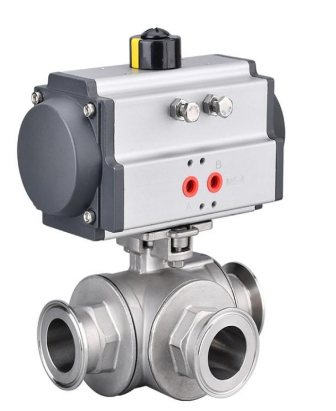
In practice, a single gas or liquid supply line may include multiple valve types in series. For instance, an acid delivery panel might feature a manual block valve (for isolation), a back-pressure regulator (for pressure control), a fail-safe dump valve, and a check valve to prevent backflow. The check valve is critical: it ensures tight sealing against reverse flow, protecting pumps and preventing contamination from mixing streams. Our catalog offers ANSI/ASME swing check valves that automatically close on reverse flow, guarding against water hammer and backflow in UPW systems. By combining ball, globe or diaphragm valves (for flow shutoff and control) with regulators, filters, and sensors, fabs create fluid control loops that maintain stable operation. In sum, integrated valve systems – complete with pressure relief safety valves and leak detectors – form the backbone of reliable semiconductor processing.
Regulatory Standards and Compliance
Ensuring Safety and Quality
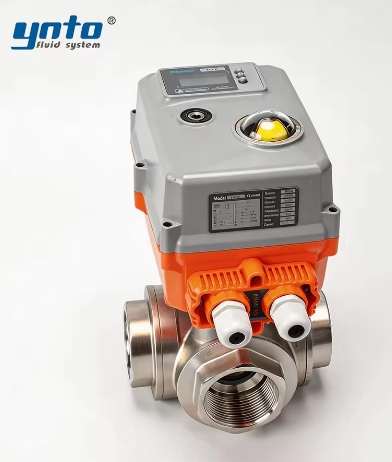
Valves in fabs must meet stringent safety and purity standards. Equipment often follows SEMI, ISO, API and ANSI/ASME guidelines. For example, semiconductor gas delivery hardware may require SEMI F20 certification (for UHP gas purity) and API 622 for low-leak containment. Any valve that handles flammable or toxic gases must also comply with NFPA and ATEX directives. ANSI B16.34 covers pressure ratings for valves, and ISO 15848 pertains to fugitive emissions (important in a clean fab). Quality certifications (ISO 9001/14001) ensure consistent manufacturing. In practice, this means YNTO valves are tested to ANSI/ASME and API standards and often used in CE- or UL-certified systems. For example, our nitrogen-blanket valves prevent oxygen ingress (meeting SEMI F20 purity) and avoid uncontrolled emissions, supporting fab compliance.
Impact on Manufacturing Processes
Meeting these standards is not just bureaucratic: it directly impacts yield and safety. A valve built to SEMI and API specs guarantees correct pressure ratings and leak-tight performance, which translates into consistent processes. Conversely, noncompliant valves can cause excursions: a minute leak of HF gas could shut down a lot, or a stuck valve in the HF scrubber line could trigger an emergency. Thus, careful valve selection is part of a plant’s environmental and safety plan. Maintenance routines (e.g. helium leak tests on gas lines) often revolve around valve integrity. Overall, valves designed and certified for semiconductor use help engineers focus on production rather than firefighting.
Conclusion
Summarizing the Importance of Valves
Valves are the unsung heroes of semiconductor manufacturing. From pneumatic valves that isolate gas lines to pressure control valves that stabilize chamber flows, each valve contributes to process stability. High-purity valves and diaphragms ensure that only clean media touch critical equipment. Check valves and regulators prevent damaging backflows and pressure spikes. In short, carefully engineered fluid control solutions – blending the right valve types with modern actuators and sensors – underpin fab efficiency, yield, and safety.
Future Outlook for Valve Innovations
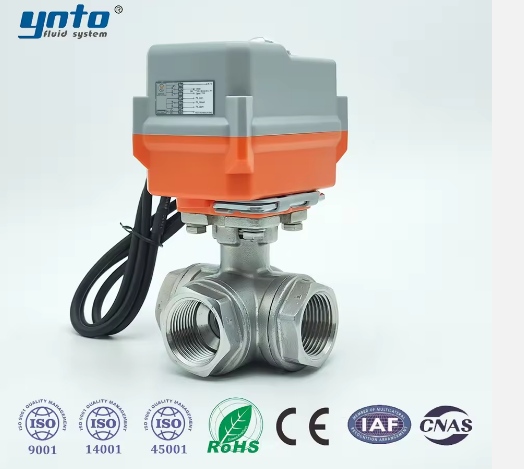
The semiconductor industry continues to push boundaries (e.g. EUV lithography, advanced materials), and valve technology must advance too. We expect innovations like intelligent valves with built-in leak detection and zero-waste fluid management. Trends include more electric actuators for precise digital control and smart position feedback. Material science advances (new alloys, coated polymers) will enable valves to handle even harsher chemistries. Ultimately, as fabs demand higher throughput and tighter control, valve designers will provide the next generation of solutions – from miniature integrated valve manifolds to AI-driven flow control – to keep chips flowing off the line with maximum quality.
.png?imageMogr2/format/webp)
- 2026-09-30 08:25:23
- 2026-09-28 10:28:43
- 2026-09-21 15:23:44