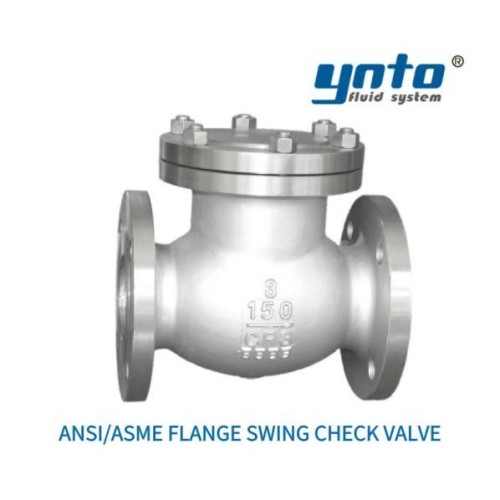
Valve Manufacturers in China: A US Buyer’s Guide
- 2026-03-27 08:28:48
- admin
- NO COMMENTS
Introduction
The Global Valve Market Landscape
In the middle of a chilled processing hall where stainless‑steel pipes twist above polished concrete, I once watched a technician in a US dairy plant wrestle with a leaky gate valve while milk splashed onto the floor. This scene is not unique. Across power plants, chemical dosing systems, beverage lines and irrigation networks, engineers face everyday challenges such as pressure fluctuations, sticky valve stems and ageing seals. Meanwhile, procurement managers grapple with supply chain disruptions and rising costs. In recent years, many US buyers have turned to Chinese manufacturers not just for cost savings but for access to a wider range of valve types and customization options that match modern automation requirements.
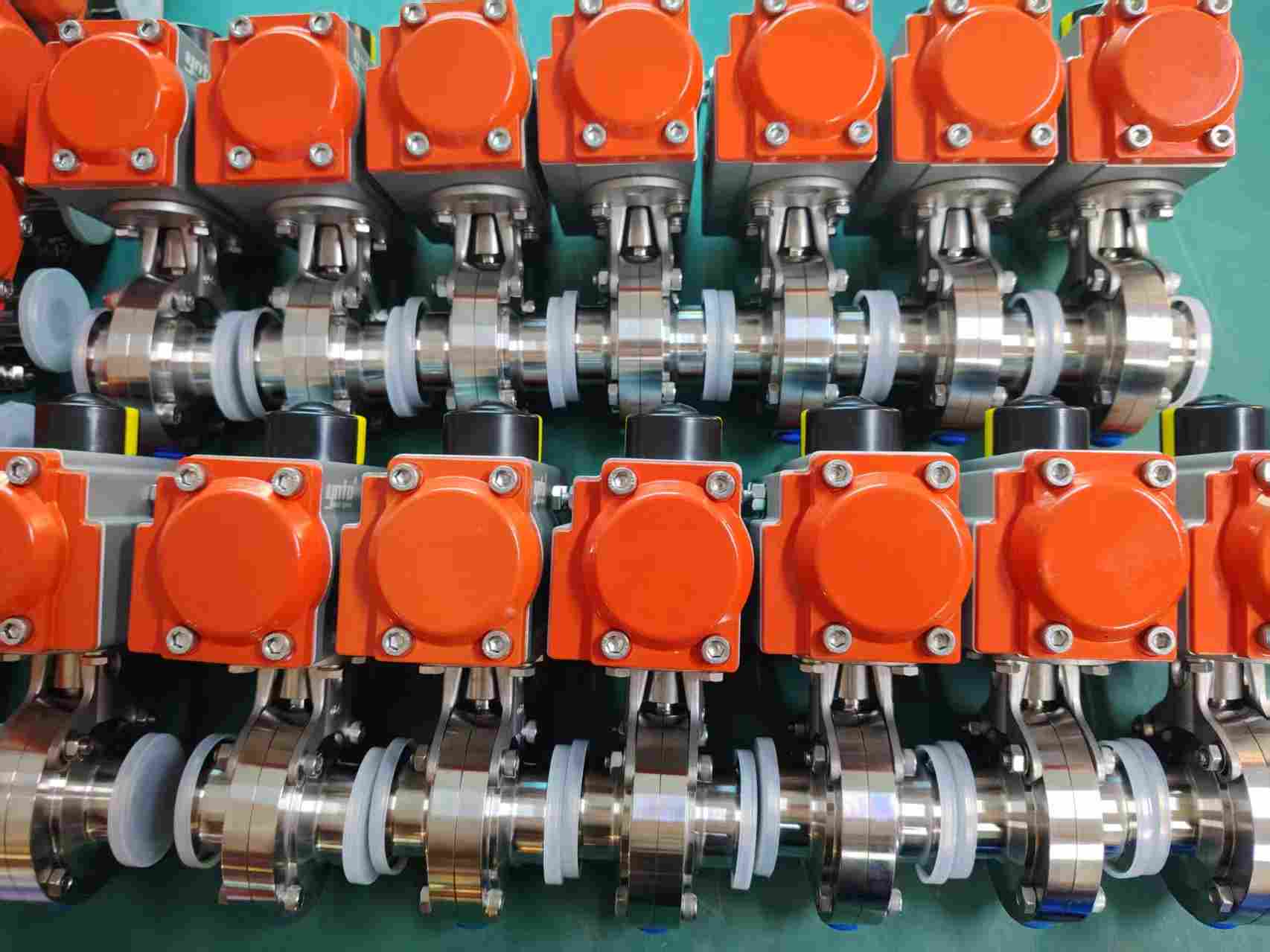
The global industrial valve market has grown into a highly competitive ecosystem. American companies lead in high‑end control valve technologies, European firms set standards for specialty materials, and Chinese manufacturers have emerged as agile suppliers capable of producing everything from commodity ball valves to sophisticated actuators. For engineers working on site, the performance of a valve matters more than its passport. When a minor pressure ripple at low opening causes the valve plug to vibrate, that vibration can accelerate seat wear, which in turn delays response time—a classic cause chain familiar to maintenance teams. If corrosion from a process medium attacks a PTFE seat, the resulting leakage increases risk and reduces system reliability. These problems require robust solutions rather than cheap parts, and the best Chinese suppliers have stepped up to deliver those solutions.
Key Drivers for US Buyers to Source from China
Why do US procurement managers and engineering leaders look toward Chinese valve manufacturers? Cost advantages are certainly part of the equation, but the conversation has evolved beyond simple unit pricing. Many Chinese suppliers have invested heavily in 316L stainless steel machining, duplex and super duplex casting, advanced polymer sealing such as FKM and EPDM, and specialty coatings like FBE and Halar. This investment means that valves sourced from reputable Chinese firms can meet the same ANSI, ASME, API, ISO and DIN standards demanded of US or European products. By sourcing internationally, buyers gain access to a wide portfolio including ball valves, butterfly valves, diaphragm valves, electric actuators and complete automation solutions, often with shorter lead times due to high manufacturing capacity. Over time, relationships with trusted factories can also support joint development projects where unique process requirements are addressed through custom designs.
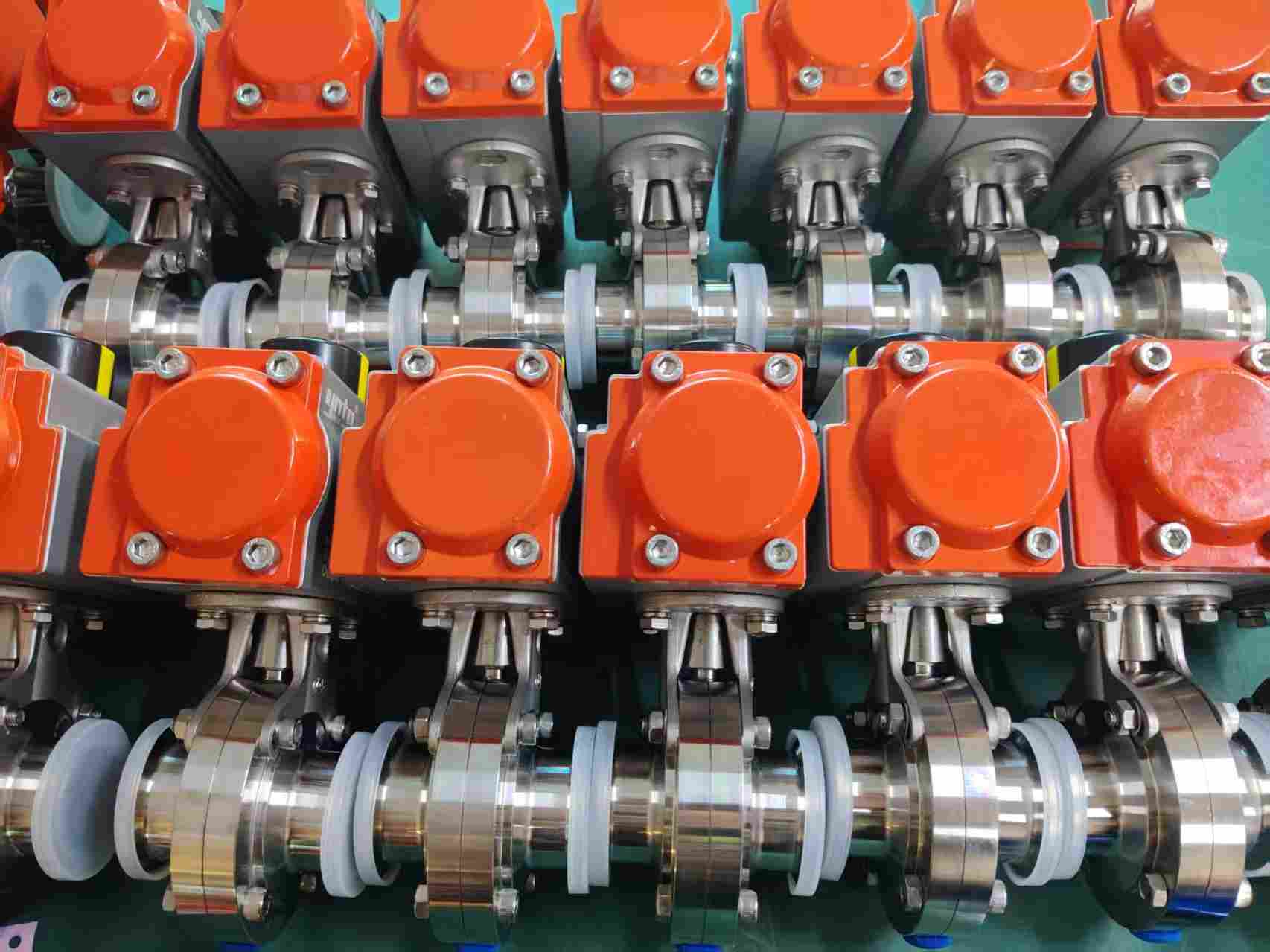
Types of Valves Available
Ball Valves
Ball valves use a rotating spherical element with a through‑bore to control flow. In many field operations, the simplicity of this design translates into quick actuation and minimal pressure drop. However, the engineer in me has seen ball valves seize when torque increases because debris wedges between the ball and seats. During commissioning, I have also observed micro‑leaks around the stem that were caused by seal ageing after temperature cycling. Selecting high‑quality ball valve designs from experienced manufacturers mitigates these risks. Procurement teams should look for precision machining, reinforced PTFE seats, and proper stem sealing. Top manufacturers also offer options such as fire‑safe designs, cavity pressure relief and anti‑static devices, enhancing safety and reliability.
For buyers evaluating suppliers, it helps to visit technical pages and case studies from reputable brands. Companies positioned as a ball valve manufacturer in China often showcase their machining capabilities, materials expertise and testing procedures. Some US procurement managers also look at broader comparisons to understand how different brands stack up against each other. Guides on the ball valve manufacturers in China provide insight into how threaded designs perform in various industries. These resources allow engineers to benchmark performance and verify whether suppliers meet specific process demands.
Market Leaders and Their Unique Selling Points
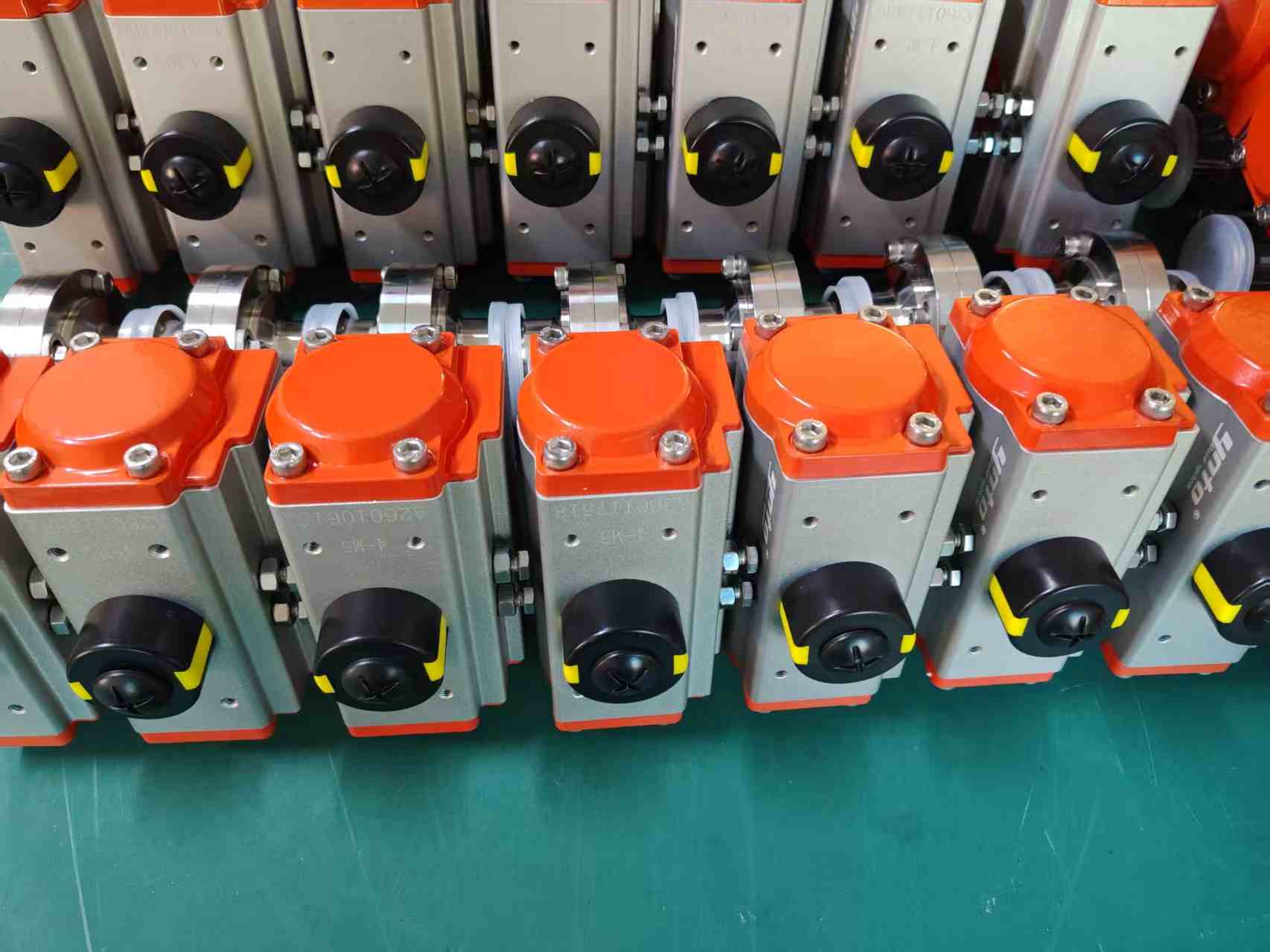
China hosts a diversity of valve producers, from large state‑owned enterprises that deliver thousands of valves per month to specialist workshops that hand‑craft bespoke designs. Leading companies such as Vervo, JSC, LYV, Kosen and Tianyu have gained recognition for different reasons. Vervo focuses on forged steel ball valves with high pressure ratings and NACE compliance. JSC is known for its investment in automated machining centers and quality management systems compliant with ISO 9001 and API 6D. LYV and Kosen offer full product lines, including floating ball valves, trunnion‑mounted designs, gate valves, globe valves and check valves, giving buyers one‑stop sourcing convenience. Tianyu emphasizes thermoplastic and lined valves for corrosive applications, drawing on materials like PTFE, PVDF and PFA. Buyers should evaluate these unique selling points in the context of their process conditions and long‑term maintenance strategy.
Brass Ball Valves
Brass ball valves offer another option for certain process conditions. In sprinkler systems and low‑pressure water lines, brass provides sufficient corrosion resistance at an attractive price point. Meanwhile, the malleability of brass allows manufacturers to produce complex shapes with precision. Over time, however, engineers have observed dezincification in certain brass alloys when exposed to aggressive water chemistries. This phenomenon, where zinc leaches out and leaves behind a porous copper structure, can lead to leakage. To prevent this, reputable manufacturers select dezincification‑resistant alloys or apply protective coatings. When correctly specified, brass ball valves can deliver decades of reliable service in low‑pressure applications. For US buyers, Chinese suppliers offer a range of sizes, connection standards and actuation options, including electric and pneumatic operators.
Many suppliers highlight their brass expertise in articles and case studies. A page discussing threaded valves for plumbing systems, for example, may serve as a reference for buyers searching for a brass ball valve manufacturer in China. These resources often demonstrate how threads are machined, how seals are integrated and how body alloys are chosen. By evaluating such documentation, procurement managers can gain confidence that the supplier understands metallurgical nuances and delivers a complete solution rather than just a component.
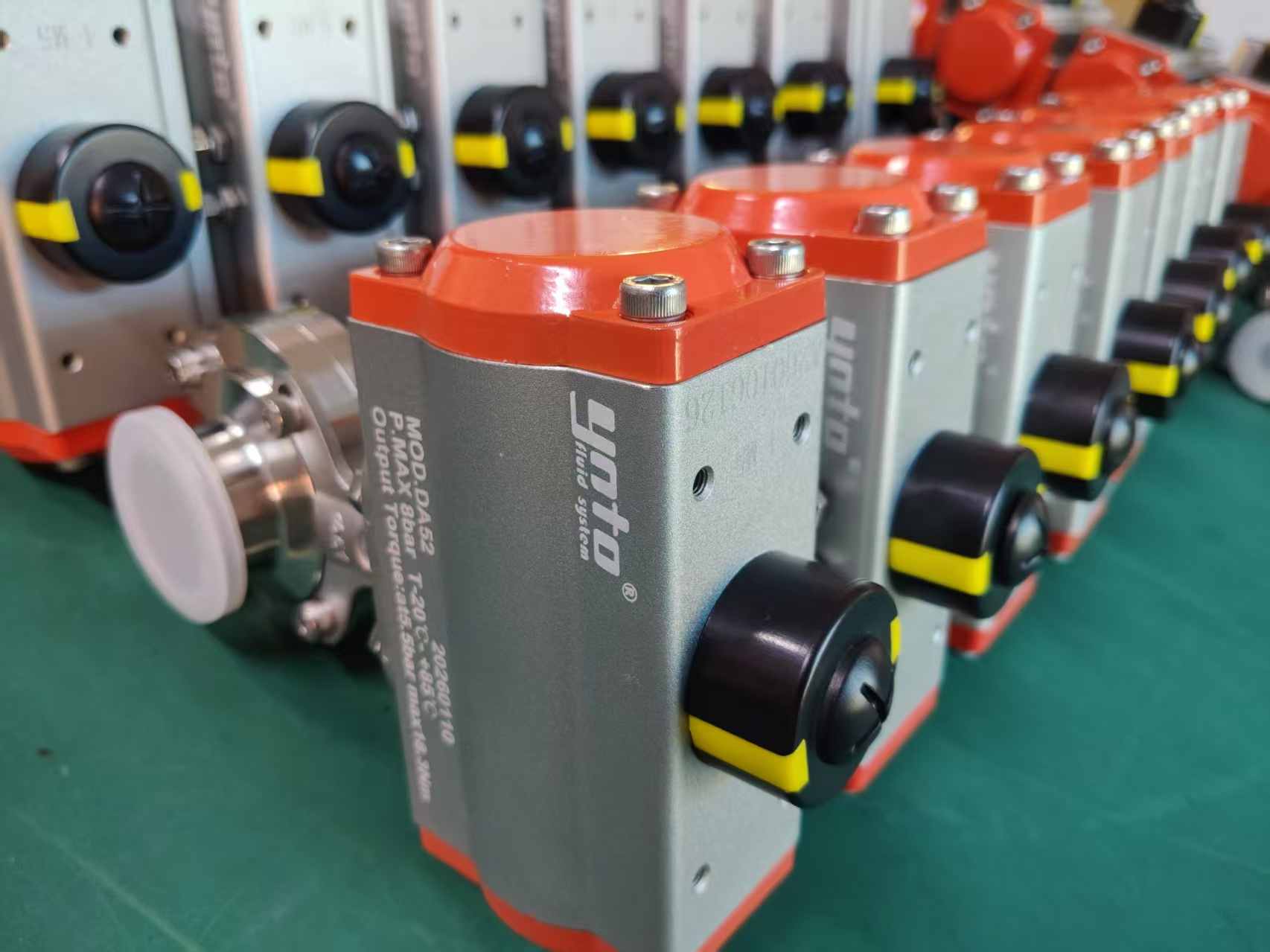
Benefits of Brass in Valve Manufacturing
Brass provides an excellent balance between cost, machinability and moderate corrosion resistance. The high copper content offers natural antimicrobial properties and good thermal conductivity, while alloying elements like zinc and small amounts of lead improve casting characteristics. In addition, brass can be polished to a smooth finish, which reduces friction and improves sealing performance. Manufacturers can mass‑produce brass valve bodies using die casting, which ensures consistent wall thickness and reduces porosity. From an engineering perspective, brass valves are well suited to indoor utility services, HVAC systems, and potable water lines. In applications involving aggressive chemicals or high temperatures, however, stainless steel or polymer‑lined valves will outperform brass.
Butterfly Valves
Butterfly valves employ a rotating disc to modulate flow. Because the disc remains within the flow path, they generate less head loss than globe valves but more than ball valves. In many irrigation systems and cooling water circuits, the compact size and quick quarter‑turn actuation of butterfly valves make them desirable. However, my experience tells me that poorly machined discs can create turbulent zones downstream, causing vibration and accelerated wear on downstream components. During commissioning, I have seen small amplitudes of oscillation at 20‑50% open, which eventually lead to elastomer seat deformation. Choosing high‑precision discs, proper seat design and materials such as EPDM or PTFE reduces these problems. In more demanding environments, double‑offset and triple‑offset butterfly valves provide better sealing and reduced wear.
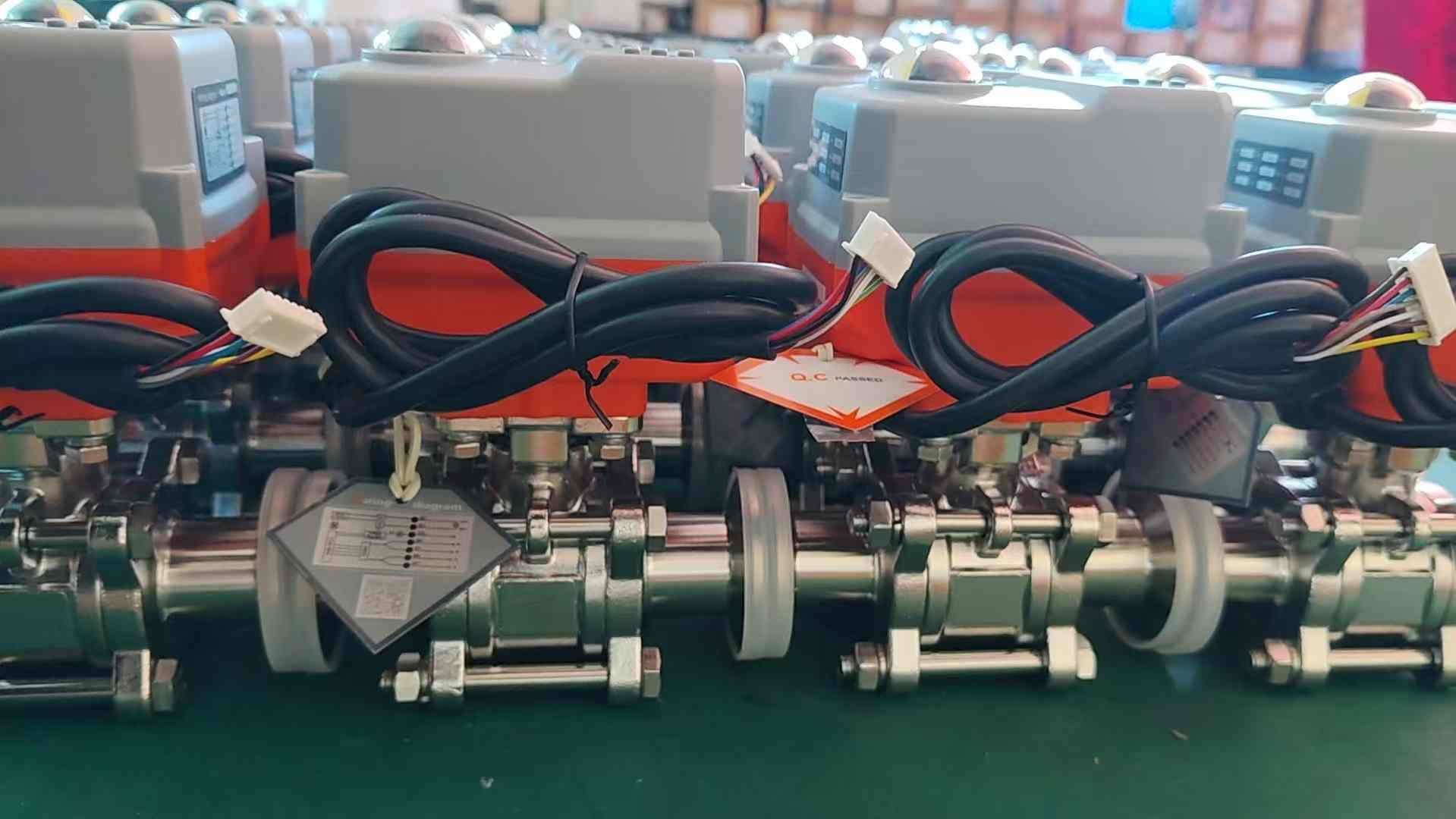
To explore the range of butterfly solutions offered by the Chinese market, buyers often consult guides from butterfly valve manufacturers in China. These references show typical dimensions, material specifications and actuation options. They also outline how manufacturers address seat wear and leakage through reinforced sealing systems or combination metal‑rubber seats. Such transparency helps engineers match product design to application demands.
Applications and Leading Manufacturers
Butterfly valves excel in large diameter water transmission, fire protection systems and HVAC networks. Leading Chinese manufacturers such as Tianyu and Kosen produce wafer, lug and flanged bodies in iron, stainless steel and plastic. They also design specialized products like electric regulating butterfly valves with position feedback suitable for automated control loops. In the US, these valves have been adopted in municipal water upgrades and industrial plant retrofits due to their ease of maintenance and cost effectiveness. When selecting a supplier, buyers should examine the quality of the disc‑shaft connection, the seat compression, and the surface treatment of the body. A high‑quality epoxy or Halar coating can improve corrosion resistance and extend service life, especially in seawater and chemical applications.
Finding the Right Manufacturer
Factors to Consider When Choosing a Manufacturer
Selecting the right manufacturing partner requires balancing technical, logistical and commercial factors. First, evaluate the manufacturer’s experience with the valve type you require. Review their material certifications and ask for references or case studies in similar industries. Second, check compliance with standards such as ISO 9001 for quality management, API 6D for pipeline valves, CE marking for European conformity and local ANSI/ASME codes. Third, assess the supplier’s testing facilities: do they perform hydrostatic and pneumatic tests on every valve? Do they offer fugitive emission testing or fire testing on request? Fourth, consider the provider’s ability to customize. Modern process plants may need special face‑to‑face dimensions, unique actuation interfaces or specific materials like duplex or super duplex stainless steel. Finally, look at communication and after‑sales support. Clear documentation, timely responses and technical guidance are essential for long‑term partnerships.
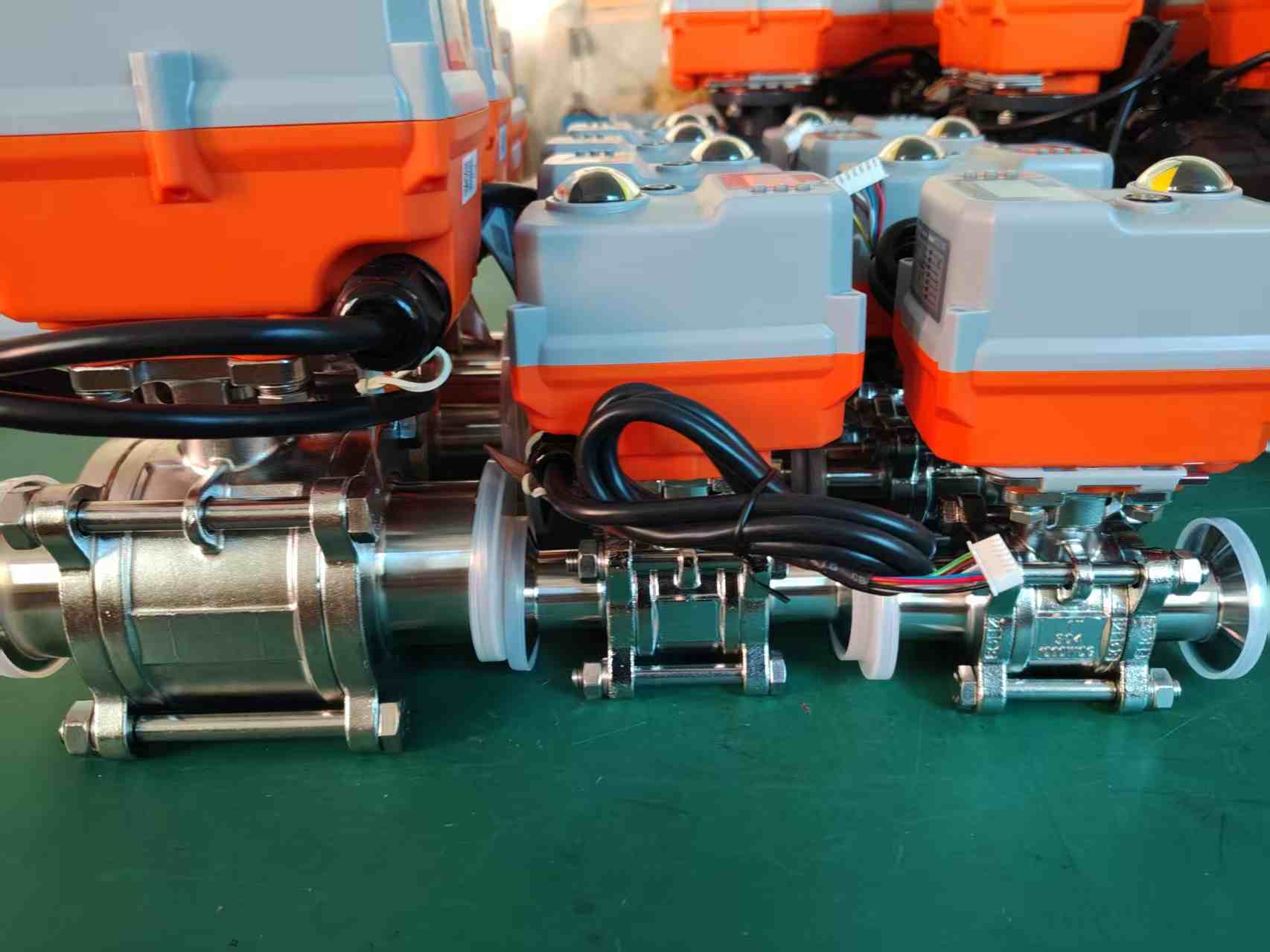
Suggested Manufacturers for Each Type of Valve
Based on the categories discussed, here are suggestions for US buyers seeking reliable Chinese suppliers. For ball valves, companies like Vervo and JSC supply forged and cast designs with full compliance to API and ANSI standards. Their offerings include floating and trunnion designs with sizes ranging from ½ inch to 48 inches. For brass ball valves, consider specialized producers such as those highlighted on threaded valve application pages; they often provide UL and FM approved valves for fire protection and plumbing. For butterfly valves, Tianyu and Kosen are strong candidates, offering a range from standard wafer bodies to high‑performance triple‑offset designs. For diaphragm valves (not covered in detail here but crucial in corrosive and hygienic services), look for manufacturers that use PTFE and EPDM diaphragms and comply with standards such as EN ISO 15761. Each of these companies has exported to North America and understands the documentation and packaging requirements for US customs.
Quality Control and Assurance
Certification Standards: ISO, API, CE
Certification is the backbone of trust when sourcing internationally. The ISO 9001 standard ensures a manufacturer has a robust quality management system covering design, production and inspection. API standards such as API 6D and API 608 define dimensional and testing requirements for pipeline valves, including minimum pressure tests, seat leakage criteria and allowable materials. CE marking is required for products sold into the European Economic Area and indicates compliance with essential health and safety requirements. American buyers can also refer to ASME B16.34 for pressure‑temperature ratings and material specifications, as well as ANSI Class designations for flanged end valves. Chinese manufacturers that maintain these certifications and provide traceable test reports reduce the risk associated with offshore sourcing.
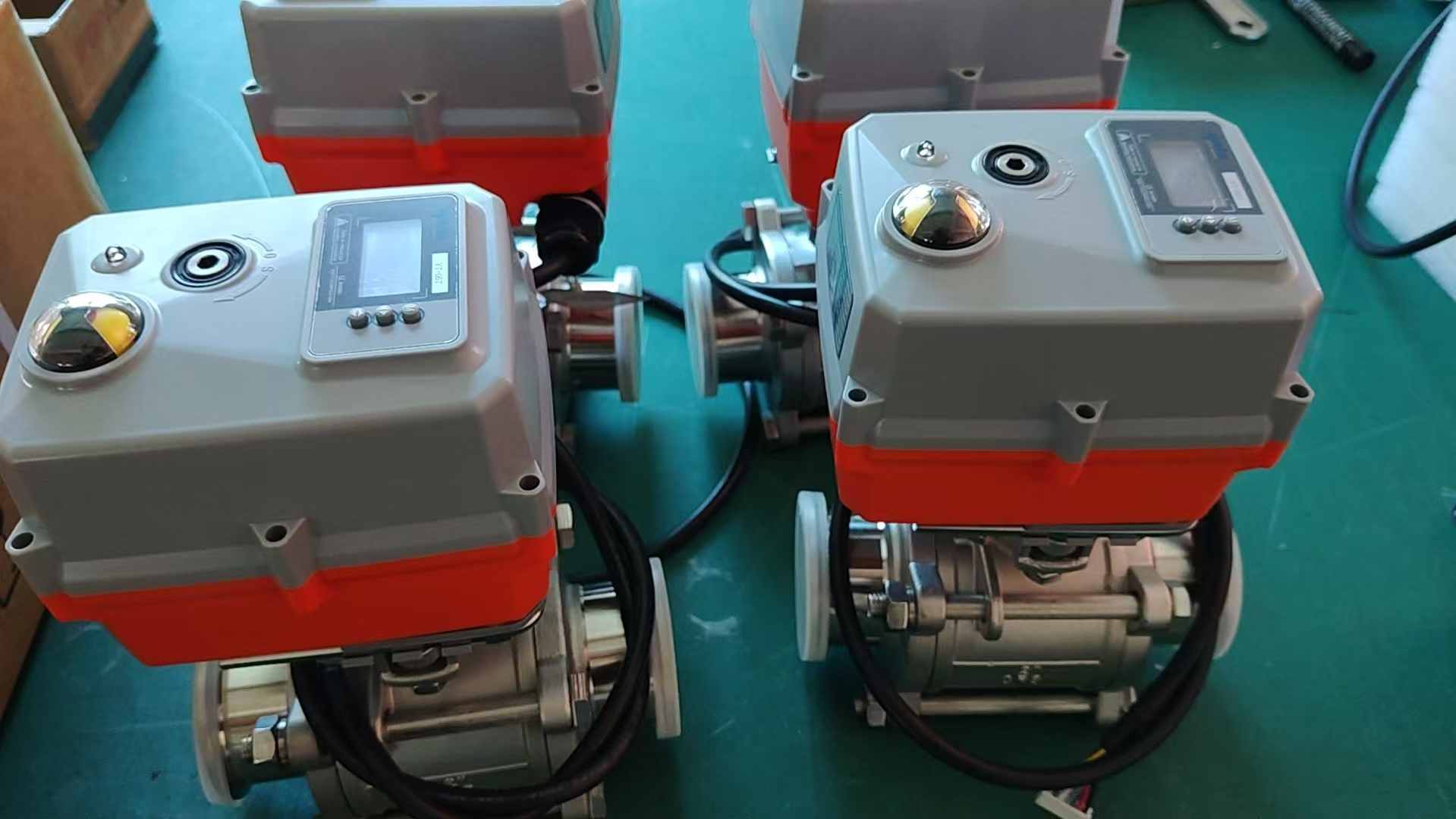
Inspection Processes Before Shipment
Beyond certification, thorough inspection processes are critical. Reputable suppliers perform hydrostatic testing at pressures higher than the valve’s rated pressure to verify body integrity and seat tightness. For instance, a valve rated at 150 psi may be hydrotested at 225 psi and seat tested at 165 psi. Non‑destructive examination such as radiography of cast bodies, magnetic particle inspection of forgings and dye penetrant inspection of welds reveal hidden defects. Dimensional checks ensure face‑to‑face lengths, flange drilling and bore diameters meet international standards. Smart manufacturers invite third‑party inspectors from agencies like SGS or Lloyd’s to witness testing and seal valves after acceptance. Prior to shipment, valves are cleaned, dried, coated with rust inhibitors and packaged to prevent contamination. These steps ensure that when the valve arrives at a US facility it is ready for installation without rework.
Case Studies
Successful US Companies Sourcing from China
Consider a mid‑sized US beverage producer that struggled with recurring valve failures in its syrup dosing lines. Pressure spikes caused by pump pulsation led to stem leaks and sticky seats in the original valves. After visiting several Chinese factories, the company partnered with a supplier that specialized in sanitary ball valves with PTFE‑encapsulated seals and polished 316L stainless steel bodies. The supplier offered customized face‑to‑face lengths and actuator brackets compatible with the plant’s existing control system. Within months, the beverage producer reported a significant reduction in downtime and maintenance costs. Another example involves an energy company upgrading cooling water systems at a gas turbine plant. They required large diameter butterfly valves with epoxy coatings and precision gear operators. A Chinese manufacturer delivered the valves, along with detailed installation instructions and alignment tools. After installation, the plant recorded smoother ramp‑up behaviour and lower pressure drops.
Challenges Faced and Solutions Implemented
Not every sourcing journey is straightforward. One US distributor reported receiving a batch of valves with mismatched flange drilling. Investigation revealed a communication gap in the drawing review process. To avoid such issues, buyers should insist on finalizing drawings and specifications before production and require sample approval if possible. Language barriers may also lead to misunderstanding of technical terms. Using clearly marked engineering drawings, international specifications and professional translation services helps mitigate this risk. Another challenge is logistics; transit times can be longer than expected due to customs delays or weather. To address this, some companies build a safety stock of critical valves or work with logistics providers experienced in international freight. Finally, evaluate payment terms and currency fluctuations. Arranging letters of credit or secure payment methods protects both parties and establishes trust.
Conclusion
Key Insights for Successful Sourcing
Sourcing valves from China offers US buyers access to a broad portfolio of products, competitive pricing and customization possibilities. To succeed, focus on selecting the right type of valve for your application, ensure that your supplier adheres to recognized international standards and maintains rigorous testing procedures, and invest time in building a relationship that encourages transparency and continuous improvement. Remember that quality does not happen by accident; it requires engineering expertise, process control and open communication between buyer and manufacturer. With careful vendor qualification and ongoing collaboration, you can obtain valves that perform reliably, reduce maintenance costs and enhance process efficiency.
Steps for Initiating Supplier Relationships
Begin your sourcing journey by identifying a shortlist of manufacturers that produce the valve types you need and hold the necessary certifications. Send detailed technical specifications and ask for product data sheets, test reports and references. Conduct factory audits, either in person or via third‑party agents, to verify quality systems and production capabilities. When negotiating, discuss not only price but also delivery times, payment terms, and options for customization. Once you place a trial order, monitor the production and inspection process closely and provide feedback. Building a long‑term partnership requires trust, respect and a shared commitment to quality. Many successful companies assign dedicated engineers to work directly with suppliers, creating a joint team that resolves technical challenges and develops new solutions.
About Our Valve Solutions
As an integrated valve solutions provider with more than 15 years of industrial engineering experience, our company does not simply sell parts. We design and manufacture complete valve systems, from electric actuators and control valves to turnkey automation solutions. Our products are manufactured to the highest standards with materials like 316L stainless steel, duplex alloys, PTFE and EPDM seals and advanced coatings. We work closely with customers to analyse process conditions, identify pain points, and deliver customized solutions that improve safety, efficiency and reliability. Whether you need a resilient butterfly valve for irrigation or a high‑precision ball valve for a critical chemical process, our engineering team is ready to help. Contact us today to discuss your project and learn how our solutions can support your operational goals.
For more information about the range of products and services we offer, you can explore the comprehensive resources from valves manufacturers in China. These pages illustrate how complete solutions, not just components, can transform your operations. We look forward to partnering with you on your next project.
- 2026-09-21 15:23:44
- 2026-09-18 09:42:46