

How to Identify the Best Electric Valve Manufacturer in China for Your Needs
- 2026-03-09 14:39:30
- admin
- NO COMMENTS
In many field operations, the first warning sign isn’t a leak—it’s behavior. You’re commissioning a water skid, asking for a steady 30–40% opening, and the ΔP trace won’t sit still. The actuator “ticks” forward, pauses, then jumps again. A week later the same valve shows rising torque, then stiction, and someone starts blaming the PLC. Meanwhile, at low flow you may hear a faint vibration at the valve body that only appears below a certain Reynolds range—exactly where cheap trim geometry and loose tolerances get exposed.
If you’re trying to identify the best electric valve manufacturer in China, treat those symptoms as a sourcing checklist. A good factory doesn’t just sell a valve; it sells predictable motion, repeatable sealing, and test evidence that the pressure boundary is trustworthy.
Introduction to Electric Valves
Importance of Electric Valves in Industry
Electric valves are the “hands” of automation. If the actuator can’t position reliably, your loop will hunt, wear accelerates, and the plant ends up running slower than it should. That’s why most buyers comparing an actuator electric valve manufacturer in China should start with the actuator platform first: torque range, enclosure protection, modulating capability, and feedback options. See the electric valve actuators range for typical on/off and modulating selections.

Overview of Valve Types in the Market
In practice, you’ll source three families most often: quarter‑turn isolation (ball/butterfly), modulating control valves, and accessories that close the automation loop. The fastest way to check whether a supplier is “one‑product deep” or a real system builder is to review its full electric valve range
Spotlight on Top Electric Valve Manufacturers in China
Notable manufacturers of electric ball valves (china electric ball valve manufacturer)
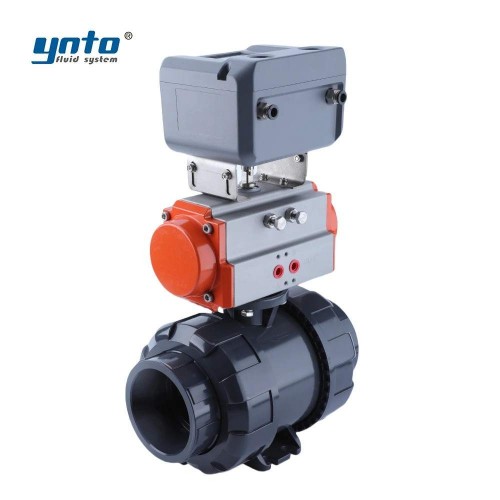
When buyers search “china electric actuated ball valve manufacturer,” they’re usually buying for sealing and repeatable isolation, not just flow. A credible supplier will show multiple materials and connection styles, plus actuator matching. Start with a catalog like electric ball valves and ask for the matching actuator torque curve and cycle-life assumptions.
Leaders in electric butterfly valves for agriculture (china electric butterfly valve for agricultural irrigation manufacturer)
Agriculture punishes enclosures: dust, sunlight, fertilizer splash, and wet pits. IP-rated actuator protection becomes an economic decision, not a feature. CNYNTO’s IP67 guidance is a good benchmark for what buyers should demand when valves live outdoors. For product selection, review electric butterfly valves.
Premier actuator electric valve manufacturers (china actuator electric valve manufacturer)
Competitors often position themselves as “one-stop” actuator + valve suppliers—examples include Tianjin Freya and DELCO’s automation-oriented lines. Use those claims as prompts for your audit questions, not as proof. For a concrete actuator example in a buyer-friendly format, see the YT‑01 electric actuator page.

Analyzing Manufacturing Capabilities
Manufacturing Standards and Compliance
Don’t accept “tested” without naming the test standard. ASME B16.34 defines valve design expectations including pressure–temperature ratings, materials, NDE requirements, testing, and marking. ISO 5208 specifies examinations and tests to verify pressure-boundary integrity and closure tightness. API 598 is widely used to structure factory inspection and pressure testing for common valve types; ask for traceable test procedures and records. DIN/EN projects often reference EN 12266‑1 for production pressure testing requirements and acceptance criteria.
Technology and Innovation in Production
If your plant uses PLC/DCS networks, actuator communications can reduce wiring and speed troubleshooting. A practical example is Modbus-based actuation; see this Modbus electric actuator guide and confirm the supplier can support feedback mapping and diagnostics, not just basic open/close.
Customization and Design Flexibility
Good manufacturers speak “materials and duty cycle.” That means clear options for 316L/duplex stainless, carbon/alloy steel bodies, compatible seals (PTFE/EPDM/FKM), and protective coatings (e.g., FBE/Halar) where corrosion risk is real—plus drawings and lead-time discipline. Kosen’s overview of materials breadth is a useful reference for what “serious” looks like.
Selecting a Manufacturer: Key Criteria
Assessing Product Range and Specializations
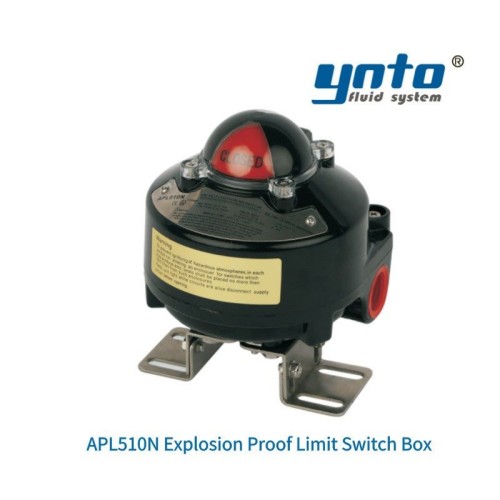
A supplier that can bundle valves, actuators, and accessories reduces integration risk. Practical add-ons include limit switch boxes for position proof and solenoid valves for pilot duties.

Evaluating Pricing Structures
Compare pricing as a package: valve + actuator + feedback + standards-based test records. Cheap catalogs become expensive outages.
Importance of After-Sales Service
Ask for wiring diagrams, spare-parts lists, and a defined response process. DELCO’s positioning around certifications and custom support shows what many buyers expect at minimum.
Recommendations for Successful Partnerships
Building Long-Term Relationships
The best partnerships are built on repeatable documentation: consistent drawings, BOM control, and stable testing outputs (ISO 5208/API 598/EN 12266‑1).
Navigating Import Regulations and Logistics
Lock down Incoterms, packing method, and the document set shipped with each batch (test certificate, inspection sheets, compliance statements). It prevents surprises at customs.
Conclusion
Steps to Finalize Your Selection
Shortlist two or three suppliers, request standards-based test evidence, then validate actuator performance under your real conditions (ΔP range, low-flow stability, environment). That’s how you choose a china electric ball valve manufacturer or china actuator electric valve manufacturer that performs in the field—not just on paper.

- 2026-10-23 10:30:14
- 2026-10-21 10:41:51
- 2026-10-19 08:49:57