

PVDF Diaphragm Valves for Acid Dosing Skids: Fit Guide
- 2026-10-21 10:41:51
- admin
- NO COMMENTS
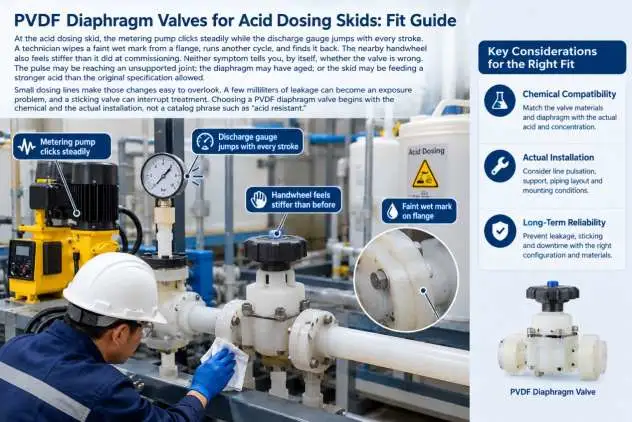
At the acid dosing skid, the metering pump clicks steadily while the discharge gauge jumps with every stroke. A technician wipes a faint wet mark from a flange, runs another cycle, and finds it back. The nearby handwheel also feels stiffer than it did at commissioning. Neither symptom tells you, by itself, whether the valve is wrong. The pulse may be reaching an unsupported joint; the diaphragm may have aged; or the skid may be feeding a stronger acid than the original specification allowed.
Small dosing lines make those changes easy to overlook. A few milliliters of leakage can become an exposure problem, and a sticking valve can interrupt treatment. Choosing a PVDF diaphragm valve begins with the chemical and the actual installation, not a catalog phrase such as “acid resistant.”
Introduction: PVDF Diaphragm Valves on Acid Dosing Skids
Understanding Acid Dosing Skids
An acid skid often has a day tank, chemical dosing pumps, a discharge pulsation dampener, a relief path, pressure indication, and an injection assembly. Isolation valves make that equipment serviceable. The pump sets the dosing rate; an isolation valve does not replace a relief valve, back-pressure device, or injection check valve.
Start at the pump discharge when investigating a “bad valve.” A blocked injection point can raise pressure quickly. If the relief path is blocked or routed unsafely, a stronger valve body cannot make the skid safe. Trace every place acid can be trapped before specifying a replacement.
Overview of PVDF Diaphragm Valves
The diaphragm presses against a weir or seat to shut the passage. Liquid stays below it, separated from the stem and operating mechanism. That removes a dynamic stem-packing leak path, though the diaphragm edge, connections, and body still require inspection.
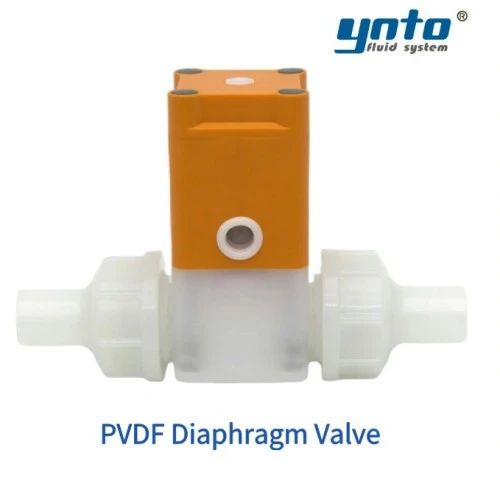
YNTO lists a PVDF diaphragm valve for corrosive-fluid service. Treat its product page as a starting point for a drawing and project-specific datasheet: confirm the exact body grade, wetted diaphragm, end style, pressure-versus-temperature rating, and seat-leakage test for the offered size. A generic page pressure figure should never be carried straight into a hot, pulsing acid line.
The weir shape also raises a partial-stroke question. Occasional adjustment may be suitable within the rated range, but fine metering against a pulsing pump can fatigue the diaphragm. Ask for the permitted operating mode and replacement parts. For a direct swap, obtain the old installation drawing and failure history.
Fluid Control Systems: What Must Fit the Skid
Core Components of Fluid Control Systems
Fit means more than nominal diameter. The replacement must match pipe outside diameter or flange drilling, face-to-face length, and handwheel or actuator clearance. A DN25 label cannot tell you whether a union tailpiece or bolt circle will mate. Compare drawings with field measurements; correct misaligned pipe rather than pulling it together with a plastic body.
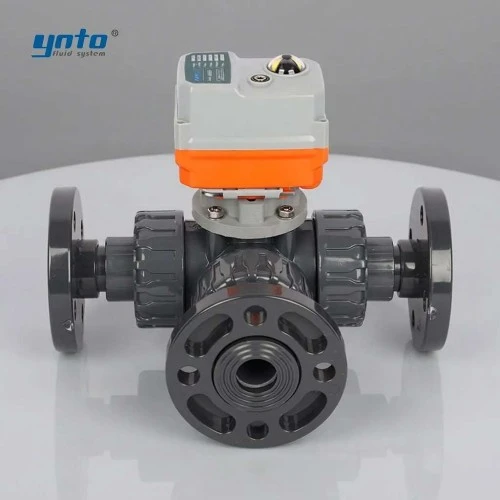
The surrounding fluid management systems matter just as much. A pulsation dampener can reduce pressure swings at joints if its bladder and precharge suit the process. A relief valve must protect the downstream pressure boundary if the injection point blocks. Sensors need compatible wetted isolators; 316L is not automatically safe because it is stainless. A small ball valve may provide quick upstream isolation, but neither it nor a diaphragm valve meters the dose.
Importance in Chemical Processing
In chemical processing equipment, the fluid is rarely described adequately by “acid.” It may leave the tank warm and encounter rinse chemicals during maintenance. Low average pump flow can still impose short peaks above the displayed steady pressure. Record concentration range, temperature, suction or discharge location, pressure peaks, cycles, and possible vacuum.
On a lightly supported discharge branch, pump pulses flex the pipe, repeatedly bend the end connection, and eventually produce gasket seepage. Changing the seat will not remove that loading. If the body is sound but temperature cycling has hardened the diaphragm, replacing the pump will not restore shutoff.
On the suction side, a restrictive valve can starve the pump head; the apparent dosing problem changes with tank level. Review lift, line losses, and priming before reducing the valve bore. On discharge, compare pressure peaks with each component’s temperature-derated limit.
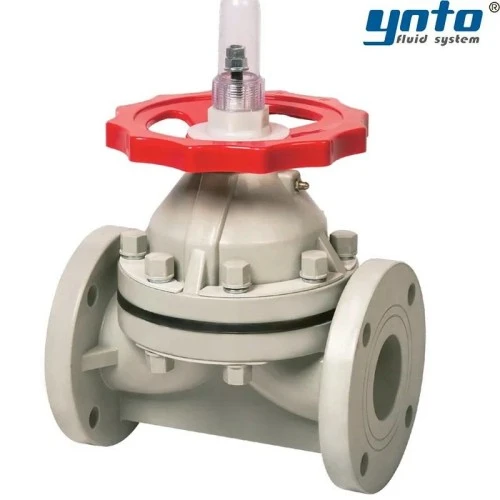
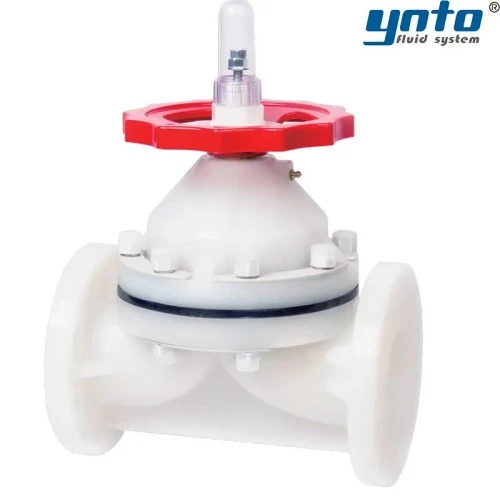
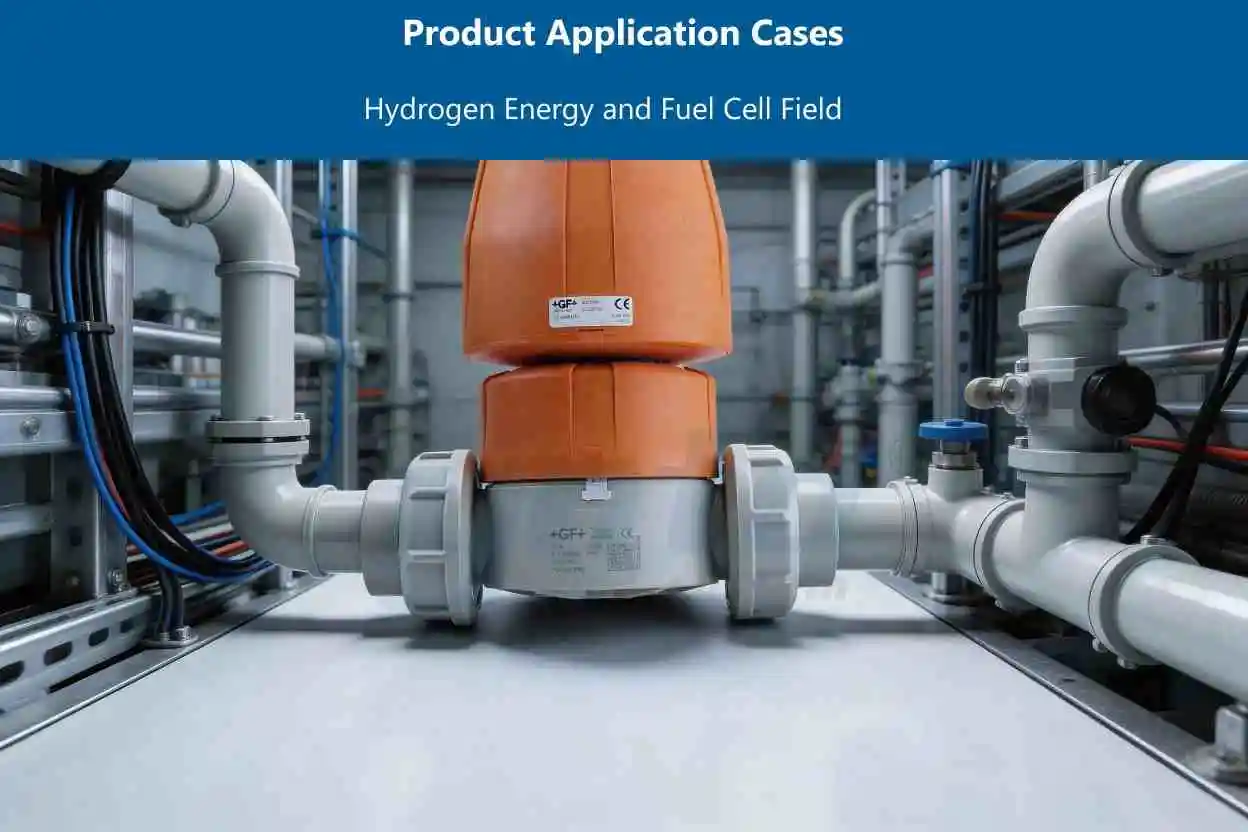
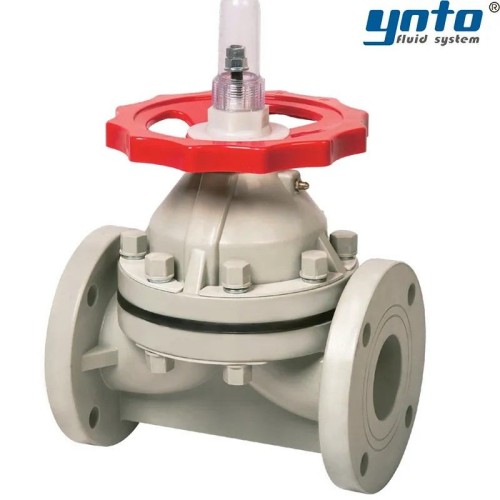
For manual isolation, YNTO shows a flanged diaphragm valve offered with a PVDF body option. Its EPDM or FKM diaphragm options need separate review against the acid and cleaning liquids. Specify flange drilling, dimensions, fastener loading, and wetted construction on the approved submittal.
Valve Automation Systems for Chemical Dosing
Advantages of Automation in Dosing Applications
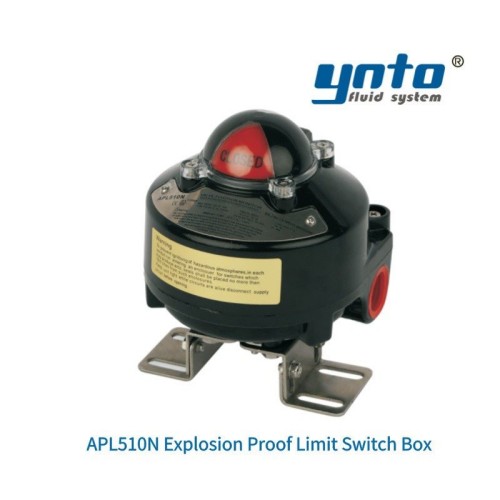
Automation helps isolate acid remotely, change between duty and standby pumps, or stop transfer after a leak. Agree on run permissives, pump trips, and commanded valve positions before ordering the actuator. A limit switch reports travel, not a leak-tight seat. Pressure and containment-leak signals help diagnose a failed dose.
Consider loss of power or instrument air. “Fail closed” sounds attractive until the pump works against a shut discharge. Design the pump trip, relief route, and fail position together. Specify stroke time: fast travel can cause surge, while slow travel may miss an isolation target.
Integration of Automation with PVDF Valves
Ask whether the PVDF model is available as a tested automated assembly and how its thrust and cycle life were qualified. An arbitrary actuator on a manual bonnet can overload the diaphragm or leave the seat partly open. Check air supply, spring return if required, solenoid, feedback, and maintenance access.
Valve automation systems should make faults visible, not hide them behind a green icon. Compare feedback with observed flow and pressure, test the pump interlock, and safely simulate loss of control power. If the position changes but liquid still passes, investigate the seat or a bypass. Pump calibration remains necessary for dosing accuracy.
Confirm voltage, signal, enclosure, cable entry, override, and whether the actuator can be changed without opening the acid boundary. A PLC output for an on/off device may not suit a modulating actuator without power and feedback changes. Include these in the installed price.
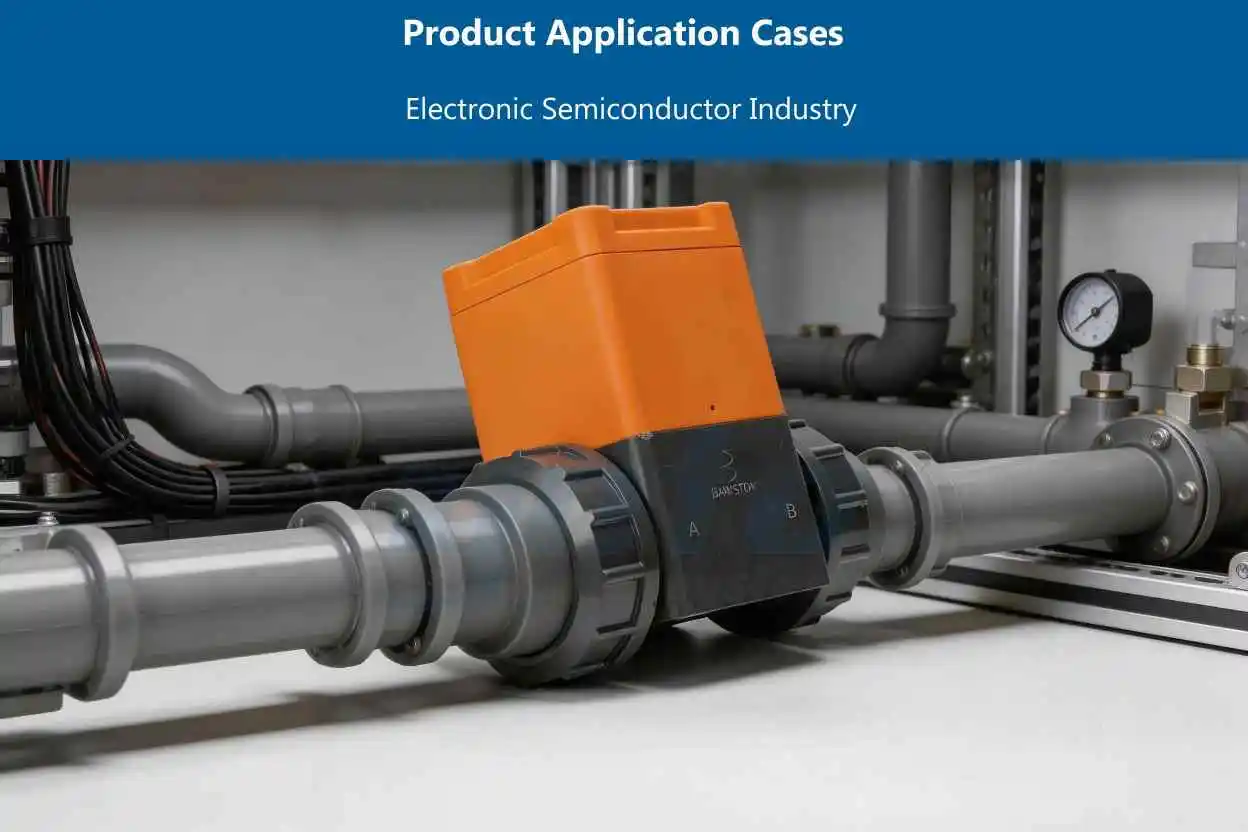
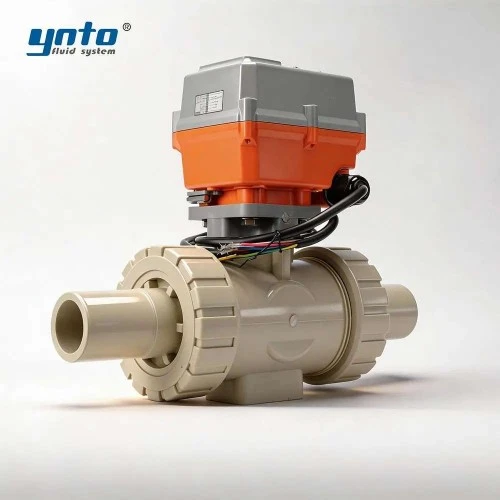
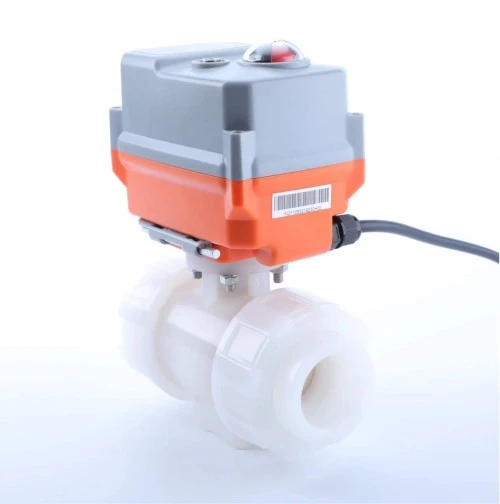
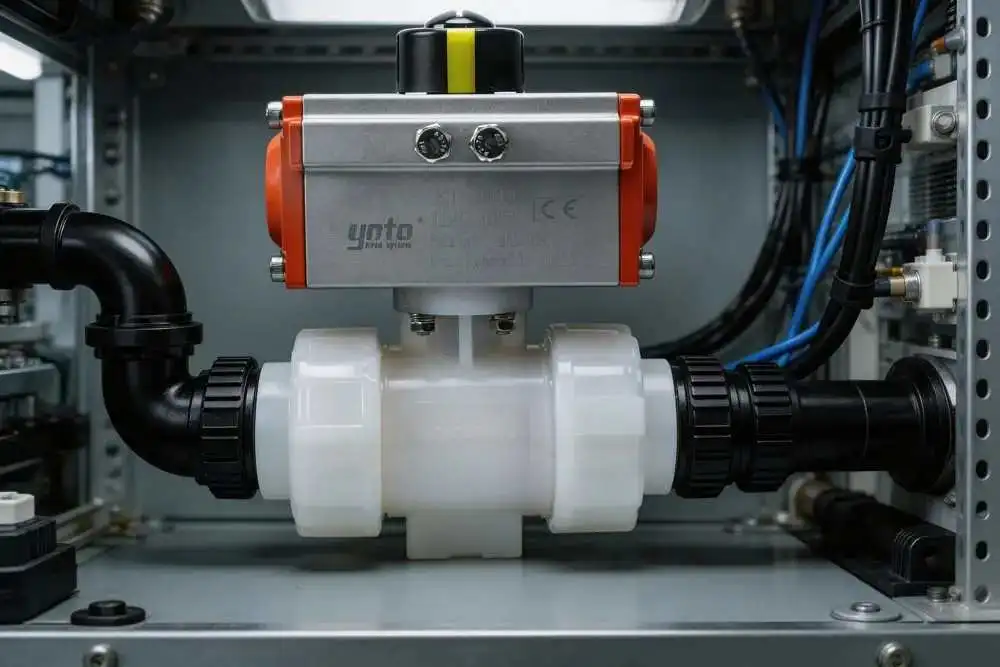
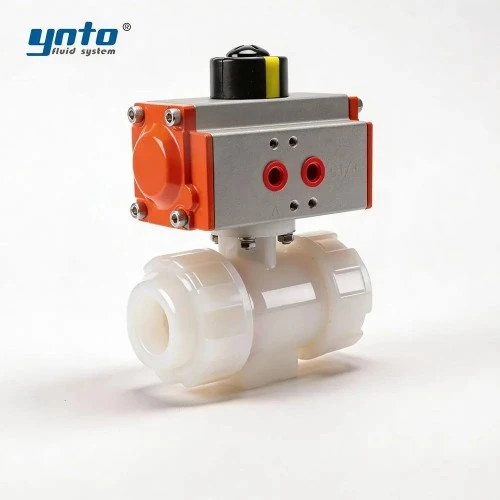
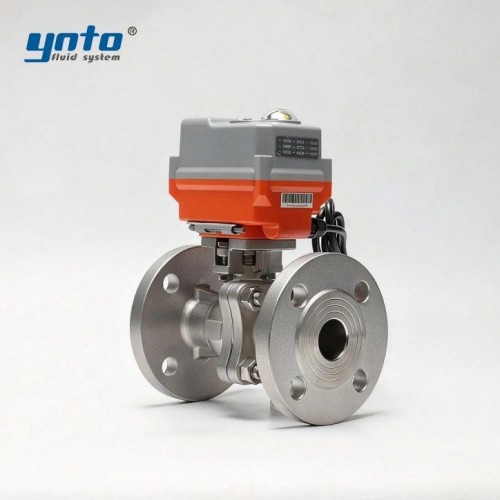
An electric PVDF true-union ball valve is another YNTO option for compatible on/off isolation and remote switching. It is a different architecture: confirm cavity management, seat chemistry, dimensions, and actuator configuration. Do not infer that a standard motorized ball valve fails closed on power loss.
Chemical Compatibility Testing Before Purchase
Standards and Best Practices
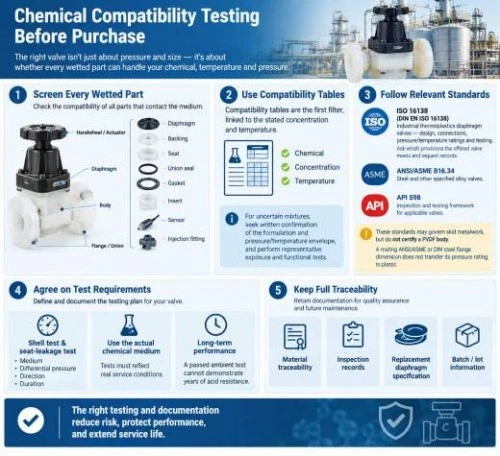
Screen every wetted part: diaphragm, backing, seat, union seal, gasket, insert, sensor, and injection fitting. Compatibility tables are first filters tied to stated concentration and temperature. Seek written confirmation for the formulation and pressure/temperature envelope; use representative exposure and functional tests for uncertain mixtures.
ISO 16138, adopted as DIN EN ISO 16138, addresses design, connections, pressure/temperature ratings, and testing of industrial thermoplastics diaphragm valves. Ask which provisions the offered valve meets and request records. ANSI/ASME B16.34 concerns steel and other specified alloy valves; API 598 supplies an inspection and testing framework for applicable valves. Those may govern skid metalwork, but do not certify a PVDF body. A mating ANSI/ASME or DIN steel flange dimension does not transfer its pressure rating to plastic.
Agree on shell and seat-leakage tests, medium, differential pressure, direction, and duration. A passed ambient test cannot demonstrate years of acid resistance. Retain material traceability, inspection records, and the replacement diaphragm specification.
Common Chemicals and Compatibility with PVDF
Hydrochloric, sulfuric, phosphoric, and nitric acid present different problems as concentration and temperature change. Nitric mixtures can be strongly oxidizing; sulfuric dilution can generate heat. A cleaning solvent may be less compatible than the main acid. Record every transient rather than copying a broad “compatible acids” list.
PVDF can be an attractive body material, but the diaphragm is often limiting. PTFE-faced constructions may suit some formulations; EPDM or FKM may suit others. Check swelling, compression set, flex fatigue, and permeation. Strong alkalis, certain solvents, oxidizing mixtures, and heat deserve scrutiny across the assembly.
For chemical compatibility testing, define the exposure before looking for a pass/fail result. A coupon soaked in fresh acid at ambient temperature does not reproduce a flexible diaphragm cycling under differential pressure, or an elastomer exposed to alternating acid and rinse. Where the consequence of failure is high, ask the manufacturer to review a representative fluid sample and document the basis for material approval. During skid acceptance, cycle the valve at the specified pressure, check external joints, and record seat leakage against a written criterion.
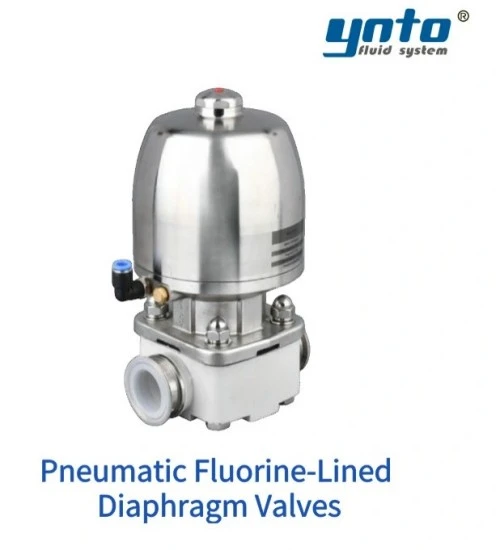
If another construction proves suitable, YNTO lists a pneumatic fluorine-lined diaphragm valve. It is a separate lined option, not a PVDF equivalent. Specify liner continuity, diaphragm stack, substrate, pressure rating, and acid-specific testing; exposed edges or damage undermine a protective lining.
The same caution applies to metals. A 316L fitting may pit in one acid; a coated carbon steel frame is not an acid-wetted component. Seepage can corrode fasteners, reduce clamping load, and enlarge a joint leak. Containment and splash shields reduce the consequence, not the need for compatibility.
Process Efficiency Improvements Without Losing Control
Techniques for Enhancing Performance
Size for pressure drop and behavior, not pipe bore alone. Too small adds losses; too large for throttling can spend its life nearly closed, with poor resolution and local wear. Compare flow characteristic with turndown and pump pulsation. Often the pump controls the dose and the diaphragm valve stays open or shut. If throttling is necessary, verify low-flow stability.
If a gauge jumps with every stroke and the valve chatters at low flow, review dampening and valve position before ordering a stronger actuator. Repeated pressure reversals flex the seal, accelerate fatigue, and slow seating. Stable hydraulics improve dose repeatability.
Leave clearance to lift the bonnet, support heavy actuators, and use the specified gasket and fastener sequence for the plastic flange. Plastic joints can creep as temperature changes; follow the manufacturer’s installation instructions. Label isolation and test points so a technician can verify zero pressure without opening a fitting.
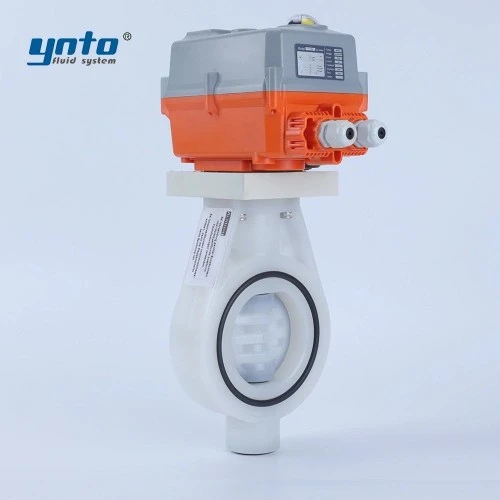
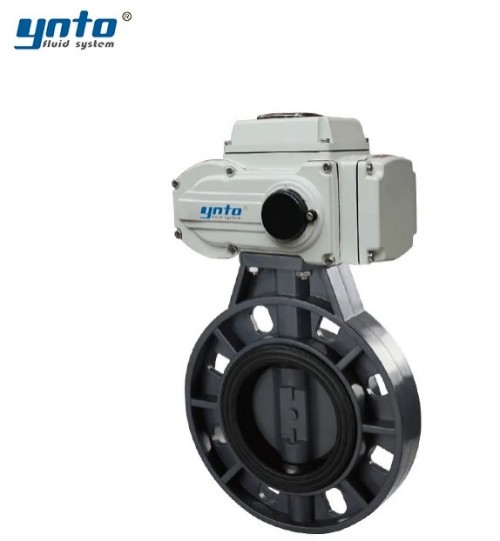
For a larger compatible header feeding several skids, YNTO’s electric PVDF butterfly valve may suit automated isolation. It is not a drop-in small-diaphragm replacement. Check flange, disc and seat, differential pressure, shutoff, and header surge.
Impact on Overall System Efficiency
Measure fewer leaks, stable injection, fewer trips, and shorter safe-maintenance windows. Compare pressure traces, pump calibration, and acid consumption with the treatment target. Lower pressure drop is not a win if isolation suffers.
Inspect plastic stress marks, flange weepage, hardened elastomers, actuator travel time, and corroded hardware. Under vacuum, inward air ingress can disrupt priming and dose. Base diaphragm replacement on cycles and inspection, not a universal calendar promise.
The purchasing comparison should include the cost of matching the existing ends, an approved spare diaphragm, actuator wiring or air supply, and the time required to isolate and service the assembly. A lower unit price may disappear once two transition spools and a modified control cabinet are added. Conversely, a true like-for-like fit that passes the same chemical and pressure review can shorten a planned shutdown without claiming an unverified service-life gain.
Before breaking the line, follow plant lockout: secure the pump, isolate, relieve trapped pressure through a designated path, verify zero energy, and drain into approved containment. Wear acid-specific PPE. Heat or concentration changes alter exposure risk and plastic pressure rating.
Conclusion: Selecting a PVDF Diaphragm Valve That Fits
Recap of the Role of PVDF Valves
A PVDF diaphragm valve can isolate an acid with operating parts separated from liquid, provided body, diaphragm, seals, joints, and pressure/temperature rating are verified. The skid still needs a metering pump, safe relief path, compatible instruments, and containment. Fit can matter as much as material.
Recommendations for Implementation
Send YNTO the acid name and concentration range, impurities, all cleaning chemicals, maximum fluid temperature, steady and peak pressures, pipe material, connection standard, measured face-to-face length, flow range, cycle rate, and required manual or automated fail behavior. Request a configuration-specific drawing, wetted-material list, compatibility assessment, pressure derating, seat-test criteria, and diaphragm spares. For a 1:1 replacement, attach photographs and dimensions of the old assembly and identify any recurring failure. That information lets a supplier quote a valve that actually fits the skid—and gives the engineer a defensible acceptance test before acid is introduced.
- 2026-10-19 08:49:57
- 2026-10-16 10:48:59
- 2026-10-15 14:23:43