Top 5 Applications for BSP Threaded Electric Valves
- 2026-02-06 12:00:00
- admin
- NO COMMENTS
In my years as a valve engineer, I’ve learned that valves on a plant floor are far from silent components – they literally speak through their behavior. For example, during an inspection of a food plant’s CIP (clean-in-place) system, I once saw a stainless steel BSP-threaded ball valve with an electric actuator twitch each time the pump surged. A sudden pressure spike (cause) drove the actuator past its setpoint, triggering oscillations (effect) that stressed the seals. Sure enough, a tiny drop of caustic appeared at the BSP joint – a sign the old PTFE tape was finally giving way under cyclic stress. In another case, an oversized valve on a low-flow line kept fluttering at its crack-open point (cause), causing the actuator to “chatter” open and closed (effect) and wear its gears thin. These real-world examples show how small issues like pressure fluctuation or mis-sized valves (causes) can quickly lead to vibration, slow response or seal fatigue (impacts). Such cause-effect chains – pressure surges leading to leaks, or low flow causing instability – are exactly what engineers look for when troubleshooting a valve. The right solution often comes down to choosing the proper valve type and materials to eliminate those root causes.
Understanding BSP Threaded Electric Valves

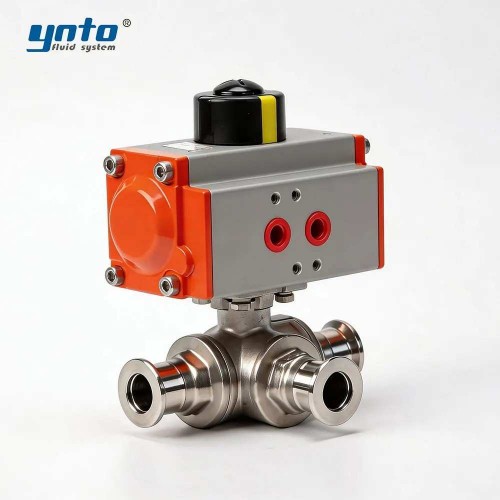
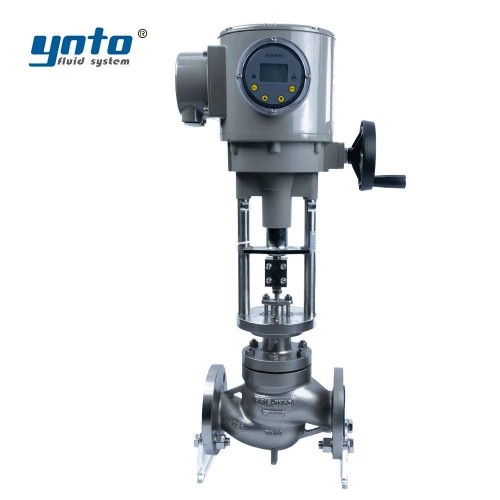
A BSP-threaded electric valve essentially merges a common flow-control valve with a motorized actuator. In practice, the “electric valve” part can be a ball, butterfly or globe-style valve body, and the “electric” part is an actuator motor driving it. This combination lets a controller or PLC adjust flow without manual intervention. In an industrial process, the electric control valve regulates water, steam or other fluids with high precision and repeatability. An electric control valve typically has two main parts: a valve body and an actuator. The valve body contains the flow passage and plug (the valve element), and the actuator is the electric motor and gearbox assembly. As one YNTO product spec notes, a three-way electric ball valve operates on control signals (4–20 mA, 0–10 V, etc.) or mains power – a good example of how modern electrically-actuated valves integrate easily with sensor and control systems. In short, an electric motorized valve behaves like any control valve but offers remote operation, feedback, and programmable control.
Equally important is the BSP threaded connection. BSP (British Standard Pipe) threads are a plumbing standard in Europe and Asia, so valves with BSP ends screw directly into most piping networks or pump ports. This means our valves fit standard plumbing components like copper fittings or forged BSP adapters. Proper BSP threading ensures a tight seal: parallel BSPP threads often use an O-ring or gasket, which provides excellent reseal capability. Tapered BSPT threads (ISO 7/1) seal with PTFE tape. As one industry note states, “Thread compatibility is essential to ensure leak-free performance and system safety”. Using standard BSP threads avoids the headaches of mis-matched thread types and usually requires no welding or flanging – the threads simply screw together for quick assembly. This not only saves installation time but makes future maintenance easier. In short, the BSP standard delivers interoperability and reliability: engineers can swap valves or fittings without custom adaptors.
Application Overview
From household plumbing to heavy industry, BSP-threaded electric valves find work wherever fluid flow needs control with precision and reliability. Their mix of easy installation and motorized operation suits many fields. Below are five key areas where we’ve seen these valves really shine: residential plumbing, agricultural irrigation, chemical/food processing, HVAC systems, and fire protection.
Application 1: Residential Plumbing
In modern plumbing and building services, BSP electric valves bring automation to everyday water systems. For example, in a smart home project I worked on, we replaced a manual mixing valve for a shower with a motorized 1/2″ BSP ball valve. The actuator could be turned by a thermostat or remote panel, ensuring a steady 50 °C output. This eliminated the morning tap adjustments that homeowners often grumble about. In fact, electric ball valves make an excellent retrofit for plumbing: our 316L stainless steel clamp-type ball valve threads onto standard fittings and automates flow without any welding. Installers appreciate that it meets sanitary CIP/SIP standards, meaning it can handle potable water safely.
Role of Valve Automation
For engineers working on site, the most obvious advantage is convenience and control. An electric valve can be wired into a home automation system or central controller, so a building manager can open or close water lines from a control panel instead of crawling under sinks. During system startup, we often see a small telltale – a leaky angle stop or a thermostat that keeps cycling. Swapping in a motorized BSP valve fixes this: the precise actuator movement avoids the pressure spikes that cause banging. For instance, a softly modulating electric valve on a domestic hot-water loop can prevent the water hammer that a manual valve would induce. In one case, installing a 3-second close-time electric ball valve on a basement heater removed the loud knock heard every time the furnace fired, as the slow actuation absorbed the pump surge (effect) and protected the pipes. This kind of smooth actuation enhances comfort and longevity.
Field engineers also use automated valves for safety. For example, leak detectors under a sink can trigger an electric shutoff valve to close instantly, preventing flooding. In older homes we often find a steady drip at a valve union from aged seals. Replacing it with a new BSP electric valve (with PTFE or FKM seats) cures those leaks. We’ve learned: temperature swings (cause) can fatigue even good seal tape (effect) – but a high-quality PTFE seal resists that, averting drips (impact).
Cost Savings and Efficiency

Beyond convenience, electric valves can cut utility costs. By modulating flow precisely, they prevent overuse of water and energy. In a small district-heating circuit, for example, an automated valve holds supply temperature steady, letting the boiler run longer at steady output instead of cycling – that saved one apartment building up to 10% on heating bills. In sprinkler systems for lawns, a timed electric valve avoids daytime watering bans by operating at night, saving water and complying with regulations. Over a year, these savings can pay back the valve investment.
Using automation also reduces labor costs. Plumbing components that require tightening or welding take hours of work, but BSP-threaded valves screw in quickly. Electric actuators can auto-calibrate once installed, sparing technicians from manual balancing. Moreover, because our electric ball valves are made of durable materials (316L and strong seals), maintenance intervals are longer. In summary, the upfront cost of an electric valve is offset by less downtime, lower energy bills, and fewer service calls.
Application 2: Agricultural Irrigation
Water management is critical on farms and in greenhouses, and BSP motorized valves excel at precise irrigation control. In a drip irrigation network, for instance, small valves regulate fertilizer and water in each zone. If a farmer manually shuts off a zone, the water hammer (cause) can damage pump systems (impact). We solve this by using slowly actuating electric valves so that closing is staged, preventing those pressure spikes.
Utilizing Motorized Valves for Precision
On my last irrigation project, we installed electric solenoid and actuator-driven valves to automate fertilization and watering schedules. Sensors in the soil tell the controller when to open a valve. An electric globe valve modulates flow to maintain even pressure along a long lateral line, ensuring each emitter gets its share. Contrast this to a fixed gate valve that would passively spray unevenly. With automation, the system adjusts on the fly: a sudden drop in mainline pressure (cause) no longer translates to dry patches (effect), because the valve throttles to compensate.

Another example: an orchard using solar-powered pumps. In that system, a motorized ball valve on the outlet gradually opens with increasing sunlight and flow. This prevents cavitation or surge (cause) when the pump kicks in – the gentle ramp-up keeps flow stable and protects equipment (impact). Because we use standard BSP fittings, these valves integrate neatly into galvanized steel manifolds and PVC fittings alike.
Advantages of Automated Systems
Farmers especially appreciate automation for its labor savings. Electric valves allow a single worker to monitor dozens of zones with a tablet. If a hose breaks (a sudden pressure drop, cause), the valve can shut itself or alert the operator immediately, avoiding water waste. The right valve materials are important too: chemical fertilizers are often corrosive, so we often specify EPDM or FKM seals and sometimes brass or stainless bodies. For example, our electric control valves can be outfitted with corrosion-resistant trims for acid fertilizers. In the long run, automated irrigation not only saves water, it can boost crop yields by keeping moisture levels optimal, which is a clear cost-benefit for any grower.
Application 3: Process Industries

In chemical plants and food factories, valving must meet strict safety and reliability demands. BSP-threaded electric valves are used throughout these industries because they can handle harsh media and integrate with control systems seamlessly. Many chemical processes involve corrosive or high-purity fluids. To withstand this, we often use valve bodies made of 316L stainless steel or even duplex alloys. A 316L body resists the stress of caustics and sanitization regimes. For example, our clamp-type electric ball valve is precision-cast 316L and explicitly designed for “high-purity, corrosive and sterile media”, making it ideal in a dairy plant or pharma line. The seats and seals are equally important: PTFE or PPL seats (rated up to 150–200 °C) handle hot acids or steam. In one pulp-processing facility, we used BSP-threaded actuated globe valves with PPL seats to meter bleach safely – this choice of material combination prevented pinhole leaks that we had seen in other systems.
Applications in Chemical and Food Industries
Engineers in these sectors love that motorized valves can be integrated into automation and safety systems. For example, a chemical dosing loop may require the valve to modulate in response to a 4–20 mA signal from a flow meter. Our electric three-way ball valves can accept such signals to precisely divert or mix fluids as needed. In food processing, BSP-threaded valves come with sanitary tri-clamp or BSP adapters so they fit existing clean-in-place piping. Because valves on sauce lines or fermentation tanks must be flushed regularly, the BSP threads mean technicians can quickly disconnect and replace parts without welding.
Safety compliance is another key factor. Valves for dangerous chemicals often need additional certification. For instance, an explosion-proof actuator housing (usually flameproof aluminum) can be specified when a valve is on a flammable solvent line. In practice, we’ll match the valve’s ANSI/ASME pressure rating to the process conditions (e.g. ANSI Class 150 or 300) and ensure it passes pressure testing per API or ISO standards. In many projects, engineers ask if our valves meet specific standards: ISO 9001 for quality, API 6D for pipeline ball valves, or FDA/3-A for food contact. The BSP threaded valves often support these codes. For example, our 3-way valve’s datasheet shows it handles PN10–PN25 pressures, so it can be used under ASME ratings up to Class 150–300 depending on the medium.
Ensuring Safety and Reliability

When it comes to hazards, reliability is paramount. A minor valve failure in a chemical plant can cascade into a big accident. That’s why we design actuation circuits with safeguards: limit switches tell the control room exactly whether the valve is open or shut, and interlocks can force a shutdown if a valve doesn’t respond. If a seal does start to leak (perhaps due to corrosive wear, cause), the system often detects a pressure anomaly (effect) and closes downstream valves immediately (impact containment). These valves are built to fail safely – many have spring-return or manual override options so a power loss doesn’t mean stuck-closed in a fire suppression scenario, for example.
Materials also play into longevity. A corrosive medium in a mismatched valve (cause) can lead to local pitting and eventual failure (impact). By selecting 316L or duplex bodies and PTFE/EPDM seals, we extend the service life. This investment prevents unscheduled downtime and dangerous leaks. In short, actuator-driven BSP valves give process plants precise control plus the peace of mind that tough service conditions have been engineered for – backed by standards like API, ISO and ANSI.
Application 4: HVAC Control Systems
Valve automation is widely used in heating, ventilation and air conditioning to save energy and improve comfort. Electric actuators on water or refrigerant lines allow for fine temperature control across a building. For example, an electric butterfly or ball valve on a chilled-water riser can be modulated by a thermostat, keeping a room at setpoint without cycling the chillers on and off. Unlike pneumatic actuators (which use plant air), electric valve actuation requires only an electrical signal and eliminates the need for air compressors.
Benefits of Valve Actuation in Climate Control

From experience, I know how much smoother a system runs with motorized valves. In one HVAC plant, replacing manual balancing valves with electric actuators solved a persistent noise and instability. The old system had a large 3″ BSP ball valve that was throttled manually. Pressure fluctuations (cause) caused the handle to “hunt” and vibrate, making the temperature swing. Swapping it for a 3″ electric ball valve with modulating control eliminated the chatter: the actuator moved proportionally, eliminating the abrupt on/off effect (impact). The result was stable loop pressure and silent operation.
Moreover, actuated valves enable zoning. A commercial building might have dozens of electric valves on branch circuits, each responding to its own control loop. During peak cooling, the Building Management System opens them in sequence to prevent one chiller from overheating. Engineers often see that without electric valves, one zone overshoots setpoint and dumps load on others. With them, each fan coil or VAV box gets exactly the flow it needs.
Energy Efficiency Improvements
Electric valves also contribute directly to energy savings. By throttling instead of cycling on/off, pumps and chillers operate at steadier loads. For instance, if a temperature sensor calls for 70% flow (cause), the electric valve closes to 30% rather than shutting completely. This avoids short cycling of chillers and smoothes power draw. In fact, one retrofit with electric actuated valves cut pump energy by 15% in a large HVAC loop, simply by enabling true variable flow. Less compressor cycling also lowers maintenance and extends equipment life.
In addition, the valve’s tight shutoff prevents leakage. A leaking comfort loop not only wastes water but makes heating units work harder. Many of our electric ball valves boast “zero leakage” off-sealing, which is crucial in HVAC hydronics. By integrating these valves, building operators meet green-building guidelines (like ASHRAE or LEED) on flow control.
Internally, materials matter here too. HVAC fluids are often water-glycol mixtures, so EPDM seats (which handle glycol up to 150 °C) are common. Coatings or paints on actuators resist corrosion. All told, using BSP-threaded electric control valves in climate systems leads to better comfort, less noise, and quantifiable energy savings – a win for both facility managers and occupants.
Application 5: Fire Protection Systems

Valves in fire systems must be unimpeachable – a single valve controls life-and-death flows. Electric actuation in this context often means fail-safe operation. For example, a deluge or pre-action valve might use an electric actuator to hold the valve open; when a fire alarm triggers, power is cut and a spring snap-actuator closes or opens the valve automatically. In such cases, reliability and compliance with fire codes (NFPA, UL/FM) are non-negotiable.
Importance of Reliable Valve Operation
A sprinkler system’s control valve is typically closed and must open instantly on command. A slow or stuck valve can be disastrous. That’s why these actuated valves have position monitoring: limit switches feed back to the fire panel to confirm the valve opened fully. Small anomalies (like a voltage dip or a jammed actuator) are detected immediately (effect), often triggering backup measures. For instance, if the electric actuator fails to open during a test, the panel can sound an alert and a technician will act before an actual fire occurs. Materials here tend to be ductile iron or carbon steel for the valve body (meeting ANSI/ASME pressure classes), with BSP threads allowing direct connection to standard fire mains.
Additionally, safety interlocks are key. During annual testing, engineers often cycle the valve electrically. If a surge (cause) makes the valve oscillate (as seen on other industrial lines), the system alarms. One mitigation is a slow-close function on the actuator to prevent water hammer – the same principle as earlier HVAC example but now protecting a fire pump.
System Integration Challenges
Integrating electric valves into a fire safety system poses challenges. The actuators must often be explosion-proof (IECEx/ATEX rated) because they can be in boiler rooms or near fuel lines. They also need backup power: battery or spring-return ensures the valve still operates during a blackout. Wiring the valve and limit switches correctly into the fire alarm control panel requires familiarity with NFPA13 and NFPA72 standards. Another consideration is physical space: a large multi-turn gate valve might not fit easily, whereas our compact wafer-type electric ball valves can slip between flanges with minimal clearance. We even supply BSP-threaded three-way valves for flushing and bleed configurations.
Finally, performance standards come into play. For example, UL 429 governs solenoid valves used in sprinkler systems. While a solenoid (just an on/off pilot) is different from our main valves, the point is: every component has to be listed or approved. We make sure our electric valves comply with relevant standards (such as CE/ISO certifications), and we can provide test documentation. This diligence ensures that, when the time comes, the valve will operate exactly as needed – because in fire protection, “works most of the time” is not good enough.

Conclusion
Across these five applications, BSP-threaded electric valves prove their worth by solving the specific problems each field presents. In plumbing, they bring home and building water systems into the smart era with precise mixing and leak prevention. In agriculture, they automate irrigation to conserve water and boost yields. In chemical and food plants, they handle corrosive media safely and tie into process controls. HVAC systems benefit from their fine actuation for comfort and energy savings, while fire protection systems rely on their unwavering reliability when it matters most. The common theme is clear: wherever you need durable flow control and automation, a BSP electric valve delivers.
Looking ahead, innovation will push these valves even further. We’re seeing electric actuators with built-in diagnostics and IoT connectivity, so a valve can report its health to a mobile app. Materials science is introducing new corrosion-resistant alloys and self-lubricating seals to extend life under punishing conditions. And in electronics, low-power motors and smart controls will let these valves operate off of solar panels or integrate into building networks seamlessly. As these technologies evolve, BSP-threaded electric valves will remain a backbone – only now with a brighter, smarter future.

- 2026-09-21 15:23:44
- 2026-09-18 09:42:46