

Discover the Benefits of Partnering with a Bulk Electric Valve Supplier
- 2026-02-02 12:00:00
- admin
- NO COMMENTS
Discover the Benefits of Partnering with a Bulk Electric Valve Supplier
In a food processing plant’s CIP (Clean-In-Place) pipeline, engineers on site often see valves exposed to 90–95°C caustic washdowns and rapid temperature swings. For example, during routine inspection an engineer might notice a slight steam leak at a ball valve flange – the consequence of repeated hot-water cycles fatiguing an EPDM seal and increasing torque. Likewise, in a chemical plant’s high-temperature steam line, pressure fluctuations can cause valve chatter at low flows. Over time these dynamics – e.g. fluid-temperature cycling → seal fatigue → micro-leaks, or pressure pulsations → valve stem vibration → accelerated wear – lead to unpredictable behavior and higher maintenance demands. Engineers frequently observe that when process flows drop below certain thresholds, butterfly valves can vibrate or “sing,” indicating turbulent flow at low opening. Meanwhile, aging seal materials in these harsh environments can swell or harden, causing slight drips. These early warning signs (tight turns, small drips, high actuation torque) highlight the need for more robust valve technology and reliable supply chains on site.

Enter the bulk electric valve supplier model. By standardizing on a trusted source for all valves and actuators, plant engineers can avoid “parts bin roulette” and ensure consistent, high-quality equipment. A bulk supplier relationship means you order a range of Electric Ball Valves or Electric Butterfly Valves – and electric actuators – in one package. This consistency translates to cost savings and fewer surprises: a wholesale purchase of matched components reduces unit costs and stockroom complexity while ensuring identical performance across the system. Industry analysis confirms the value of this approach: for instance, one procurement guide notes that buying valves “on a wholesale basis…offers cost efficiency, consistent quality, and supply chain reliability”. By partnering with a bulk supplier, you tap into these economies of scale. You get reliability of supply – the same high-spec Electric Actuator or control valve is available whenever a replacement is needed – and you negotiate better lead times. In many field operations, having a stable supplier relationship means never scrambling for valves during an unplanned shutdown: as one industry review states, “a reliable industrial valve supplier ensures a steady, consistent supply of products…you can count on them to deliver the right valves at the right time”. In effect, bulk sourcing of electric actuators and valves shortens lead times and cuts the risk of downtime. A survey of maintenance managers found that responsive suppliers “prioritize swift delivery” and reduce downtime by ensuring needed parts are on hand. By contrast, juggling multiple small orders from different vendors often leads to delays or mismatched parts.
Overview of Electric Valve Technology
Electric valve systems are increasingly favored because of their precision and flexibility. In essence, an electric control valve combines a valve body (ball, butterfly, globe, etc.) with an electric actuator that opens and closes it. The actuator converts electrical signals (from a control system or PLC) into mechanical movement, allowing very fine control of flow. Engineers appreciate electric actuators for their precise positioning: they can be programmed to open a valve to an exact percentage, which is crucial in processes that require tight flow regulation. For example, modern Electric Actuators are designed with variable-speed control and feedback sensors, enabling smooth ramp-up and stable holding even at very low flows. This is a marked improvement over older pneumatic systems, which can “bounce” or overshoot. Electric actuators also excel in energy efficiency. Unlike air-powered cylinders, they draw power only when moving, and some models incorporate energy-saving drives.

Introduction to Electric Actuators
From an engineer’s viewpoint, electric actuators offer tangible benefits in the field. During commissioning, it’s common to notice that fine-tuning a valve takes less effort when an electric actuator is fitted: low-voltage signals drive the stem incrementally, rather than relying on compressed-air surges. Electric actuators are virtually maintenance-free compared to pneumatic or hydraulic ones, as they have fewer moving parts and no need for compressors or oil. This means no lubrication greases that can harden or contaminate the process. Many plants have reported that upgrading to electric valve actuators cut their shutdowns for actuator rebuilds by over half. In the past, engineers would periodically find a faulty pneumatic actuator (leaking air or sticking valves), but today’s brushless electric actuators can last for years of cycling under tough conditions. They can also be remotely monitored via digital I/O or fieldbus, a huge boon for large facilities: operators can check position and health from the control room instead of climbing to remote valve islands. In summary, electric actuators give precise control, low maintenance, and easier integration with modern automation – all of which address many of the issues seen in hostile process environments.
Role of Actuators in Electric Control Valves
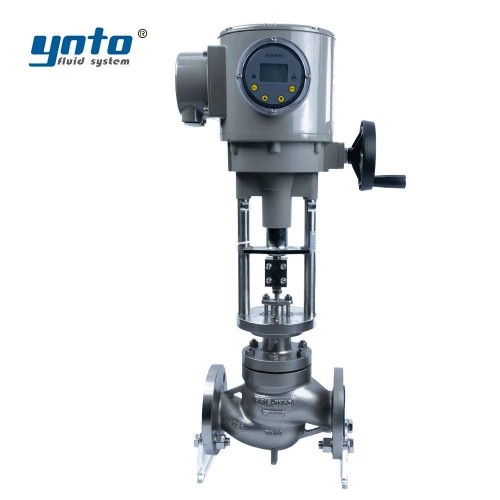
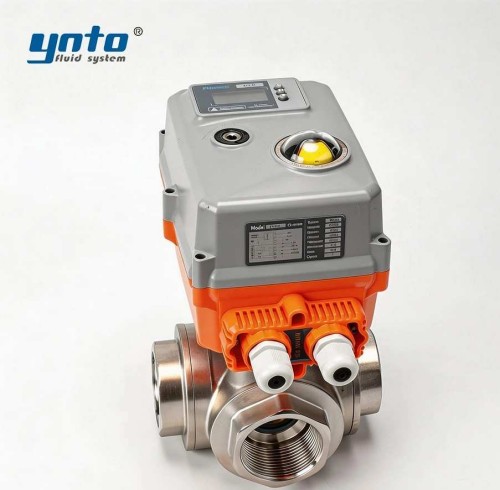
In practice, the actuator is married to a valve body selected for the application. For example, a stainless steel Electric Ball Valve fitted with an electric actuator can provide both tight shutoff and rapid response for isolating steam lines. In a CIP pipeline, one might use a compact Diaphragm valve with an electric actuator to handle hot caustic chemicals safely; the actuator ensures consistent cycling of the diaphragm to prevent accumulation of corrosives. When thinking of electric control valves, remember the actuator controls how the valve opens or closes, but the valve type (ball, butterfly, globe, diaphragm, etc.) determines where it is best used. By standardizing on electric valves for critical services, a plant gains repeatability: each automation routine works the same way on each valve. This uniformity in equipment – procuring all your actuated valves from one quality vendor – simplifies spare parts and support, further enhancing reliability.


Key Benefits of Sourcing in Bulk
Buying valves and actuators in bulk unlocks concrete operational advantages. Beyond the obvious price discounts, the two biggest gains are consistency of inventory and shorter lead times. When an engineer sources all actuated valves (e.g. 50 electric ball valves and 20 control valve actuators) from the same supplier, each unit is built to the same specs. That means if a seal material or trim is updated for one, all are updated – you don’t end up with mismatched valve materials in different parts of the plant. As one procurement analysis notes, you “don’t have to worry about sudden shortages or delays” when you partner with a single reliable source. Put simply, less variation in equipment reduces troubleshooting.

Reliability and Consistency of Supply
In a large project – say upgrading an entire steam header – engineers expect to take delivery of all needed valves on schedule. Bulk orders give priority in production. A reputation for consistency is critical: if a supplier keeps delivering exactly the same Electric Butterfly Valve model each time, long-term testing and tuning remain valid. We often see in practice that a well-managed bulk contract allows pre-scheduled deliveries tied to the project timeline, rather than one-off orders thrown into a backlog. According to industry advice, a reliable supplier also maintains stringent quality checks so “every valve you receive performs optimally and lasts long”. In short, working with a bulk supplier means receiving high-quality valves and actuators regularly without emergency reorder hassles. That consistency, in turn, frees engineers to focus on system performance instead of sourcing logistics.
Reduced Lead Times and Enhanced Delivery
Another concrete benefit of bulk sourcing is speed. When you order a single special valve in a pinch, lead times can stretch to months. But when you commit to a larger contract, the supplier can lock in manufacturing slots or keep inventory. This often leads to shorter lead times for replenishment. Reliability experts stress that quick availability of parts is key to avoiding downtime. In practical terms, if a plant engineer knows their last spare is nearly out, a bulk supplier can expedite a batch delivery of the same Electric Control Valve design. Rapid turnaround is easier when the supplier has all components on hand. Additionally, some suppliers include logistics guarantees (like timed shipments or seasonal stock for hot components), further reducing delays. In modern supply chains, this translates into smoother project schedules and less equipment idle time.
Top Valve Manufacturing Companies
There are several global players and many local firms in the valve industry. To understand your choices for a bulk supplier, it helps to know the landscape. Industry reports list companies like Emerson Electric, Flowserve, Crane Co., KITZ, Velan, and Schlumberger (Cameron) among the market leaders. For example, Emerson (through its Fisher and Keystone brands) and Flowserve are repeatedly cited for wide product lines and innovation. Flowserve is noted as “a global leader in fluid motion and control products” with offerings in oil & gas, chemical, power and more. Crane Co., one of the oldest names, is especially known for valves that handle corrosive or high-pressure services. Other top names include Alfa Laval (geared to sanitary and chemical), Samson (Germany, for control valves), and advanced Chinese manufacturers like Xintai and Velan.

Comparison of Product Offerings
Each major supplier has its specialty. For example, one company might dominate electric control valves with integrated actuators and positioners, while another excels at manual ball/gate valves in bulk construction. When comparing products, look at materials and features. Many top companies offer stainless and alloy options (316L, Duplex, etc.) and certification to API or ANSI standards. Some global leaders now include smart features: as one industry summary notes, valves today often come with built-in sensors and connectivity for real-time monitoring. In practical terms, a bulk supplier should match your needed product range. For example, if your plant uses mostly electric butterfly valves and some globe valves, ensure the supplier stocks both categories. Ultimately, leading valve manufacturers deliver the flow control solutions that match your applications, from high-pressure cryogenic gate valves to electric actuated ball valves for process control.
Evaluating Flow Control Solutions
Selecting the right valves and actuators requires attention to site-specific needs. A key part of this is customization. Standard off-the-shelf valves may not handle every scenario – sometimes a custom trim, seat material or actuator setting is needed. In high-cycle applications, for instance, an engineer might opt for a reinforced valve seat or a specialized actuator torque curve. Or if a line carries corrosive chemicals, the solution could be a PTFE-lined globe valve or a Duplex stainless butterfly valve. The value of such tailored solutions is clear: a valve made to exact specifications will avoid the common pitfalls of mismatched parts (seizure, leaks, noise) and will perform reliably.
Importance of Customization in Valve Solutions
Customized valves can address specific issues we see daily. For example, in environments with rapid thermal cycling, choosing a valve with PTFE or FKM seals (instead of basic rubber) can prevent the seal from sticking or degrading. Similarly, if dust or solids are present, a hardened valve trim (or even a self-cleaning “rotating disc” design) is justified. The piping layout might also demand special flanges or length. When bulk-buying, suppliers often offer custom sub-assemblies: you can specify a control valve with an exact electrical interface or even a pre-mounted panel. This kind of integration was once rare, but now many manufacturers include customization services.

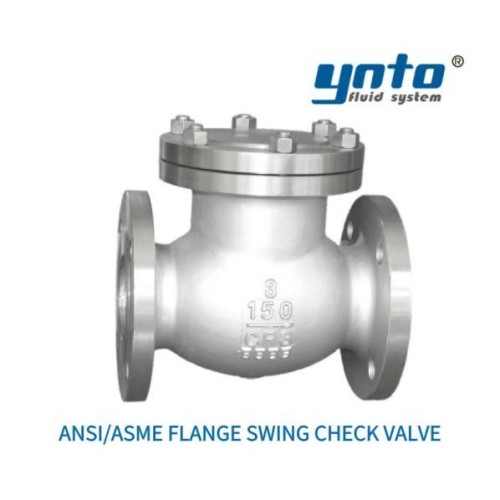
Case Studies: Industry case examples highlight the payoff. A custom solution solved a tricky fuel backflow problem at a forklift facility: engineers teamed with a valve supplier to design a modified check valve (adding a spring-activated disc and durable nickel plating) that eliminated unexpected backflow. This tailored valve cured fuel leaks and “effectively addressed the backflow issues, leading to long-term cost savings”. In another example, a food-packaging company had a stock plastic ball valve that didn’t quite fit their machine. The supplier’s engineers resized the valve outlet to match a ½″ port. The customized valve solution not only met the size requirements but exceeded leak-proof standards – it eliminated the need for extra fittings and saved assembly time. These examples show that careful customization can resolve problems that a generic valve would not.
Case Studies of Successful Applications
Beyond those examples, countless projects have benefited from the right flow control choices. For instance, a pulp mill replaced its aging pneumatic actuators with Electric Actuators driving new globe valves on its steam strippers; the faster response and feedback capability reduced energy use and blowdown frequency. In another case, a municipal water plant switched to full-port Diaphragm Valves in its chemical feed lines, improving reliability in tight shutoff and making routine valve cleaning safer. We have seen that when valves are well-matched to the process – whether through material upgrades like 316L or super-duplex stainless steel, or with special coatings like FBE/Halar – system performance and uptime both rise.
Recommendations for Successful Partnerships
Establishing a strong supplier relationship is as important as selecting the right products. Treat the supplier as a partner: involve them early in design reviews so they understand your plant’s needs (flow, pressure, media, frequency of operation). Communicate your safety requirements clearly. For example, if a valve serves a high-pressure steam line, confirm that it is rated for ANSI/ASME Class 600 or 900 service and can handle rapid overpressure per API 6D standards. Ensure the supplier adheres to relevant industry standards (ANSI/ASME for dimensions and flanges, API for pressure classes, ISO/DIN for quality system controls). The right partner will demonstrate ISO 9001 or API monogram stamps on their valves, showing they follow proper design and testing processes.
Building Strong Supplier Relationships
Good communication is key. Regular technical exchanges – for example, sharing data on expected differential pressures, media pH, or corrosion ratings – help the supplier recommend the optimal valve design. If your plant’s safety protocol requires double-block-and-bleed isolation or failsafe closures, discuss these with the supplier up front. In return, the supplier’s support (technical documentation, certifications, and timely queries) should give you confidence. Ideally, a mature supplier will even offer on-site support or joint commissioning for critical systems.
Criteria for Assessing Supplier Performance
When evaluating a valve supplier’s performance, look at metrics like on-time delivery (especially for reorders), product quality (rate of returns or failures in service), and support responsiveness. Check that the supplier’s product testing covers your needs: do they do a full seat/leak test at rated pressure, a cycle test simulating your operating conditions, etc.? Material traceability is important – in corrosive service, you want to know exactly which lot of 316L or alloy was used. Finally, assess the supplier’s innovation. Are they updating their electric valve line to include modern actuators with feedback controls or integrating IoT monitoring? A future-ready supplier will likely help future-proof your plant.
Conclusion
Partnering with a bulk electric valve supplier brings technical and economic advantages: consistent product performance, lower per-unit costs, and supply reliability. By understanding current valve technologies and standards, engineers can turn valves from a maintenance headache into a dependable part of their flow control solution. As industry trends accelerate – from smart, connected valves to greener designs – working closely with a knowledgeable supplier ensures you stay ahead.
Future Trends in Electric Valve Technology
Looking ahead, the valve industry is embracing digital and sustainable innovations. Analysts note that smart valve actuators with embedded sensors and IoT connectivity are on the rise, enabling predictive maintenance and real-time control. We expect to see more energy-efficient designs and renewable power options for actuators, meeting growing environmental standards. Remote monitoring via cloud platforms will become standard, allowing plant managers to track valve health from anywhere. Customization will remain important: modular actuator/valve assemblies that can be quickly configured for specific applications (sizes, materials, control interfaces) are trending. In short, the valve and actuator market is evolving toward smarter, greener, and more tailor-made solutions – trends that will further enhance reliability and performance for plants that invest in bulk electric valve partnerships today.

- 2026-09-18 09:42:46
- 2026-09-14 15:59:43