

Custom Electric Valve Solution: Tailored Designs for Unique Applications
- 2026-03-16 16:24:48
- admin
- NO COMMENTS
Introduction to Electric Valves
Engineers working on complex process lines know that standard components rarely meet every requirement. In a beverage bottling line, for instance, a simple solenoid valve may react too slowly to changing syrup viscosity, causing overshoot and wasted product. In another case, a generic isolation valve on a laboratory test rig begins to vibrate when flow rates fall, hinting at improper sizing. Pressure oscillations lead to seal wear, and the valve eventually fails. These scenarios illustrate how unique operating conditions can expose the limitations of off-the-shelf valves and highlight the need for customized electric valve solutions.
Overview of Valve Technologies
Electric valves come in many forms — ball valves, butterfly valves, diaphragm valves and solenoid valves — each suited to different tasks. Ball valves provide tight on/off control; butterfly valves are ideal for large pipes where low pressure loss is crucial; solenoid valves offer fast response but limited modulation; diaphragm valves isolate the actuator from the fluid for hygienic service. Regardless of type, an electric actuator converts electrical signals into mechanical motion, enabling remote operation and integration with process automation. When combined with appropriate trim and materials, electric actuators provide precise positioning and feedback for stable control.
The Role of Customization in Modern Industries
Industrial applications rarely fit a standard template. Providers of process valves emphasize that each application is distinct and that engineers must collaborate with clients to deliver tailored valve and regulator solutions. Customization allows designers to match materials, flow coefficients and actuator features to the process. For example, a V-port ball valve with a smart electric actuator can provide near-linear flow control for a chemical reactor. In sanitary food production, a cavity-filled butterfly valve minimizes trapped product. Tailored designs improve reliability and efficiency by addressing the specific challenges of the system.
Advantages of Custom Solutions
Flexibility and Precision Engineering
Custom electric valve assemblies offer flexibility that standard products cannot. Experienced manufacturers work with OEMs to adapt tested designs to unique applications. Smart actuators with adjustable speed and positional feedback allow fine control under varying conditions. This precision is invaluable in high-pressure oil and gas operations and in biotechnology where small flow deviations affect product quality.
Enhanced Performance in Automation
Tailored valves integrate easily into automation systems. Electric actuators can include multiple positions, custom voltages and fail-safe mechanisms. They deliver real-time position feedback and enable predictive maintenance. In a beverage filling line, a custom pressure control valve maintains consistent carbonation. Integration with a plant’s control system simplifies operation and reduces manual adjustments.
Application Areas for Custom Electric Valves
Flow Control in Oil and Gas
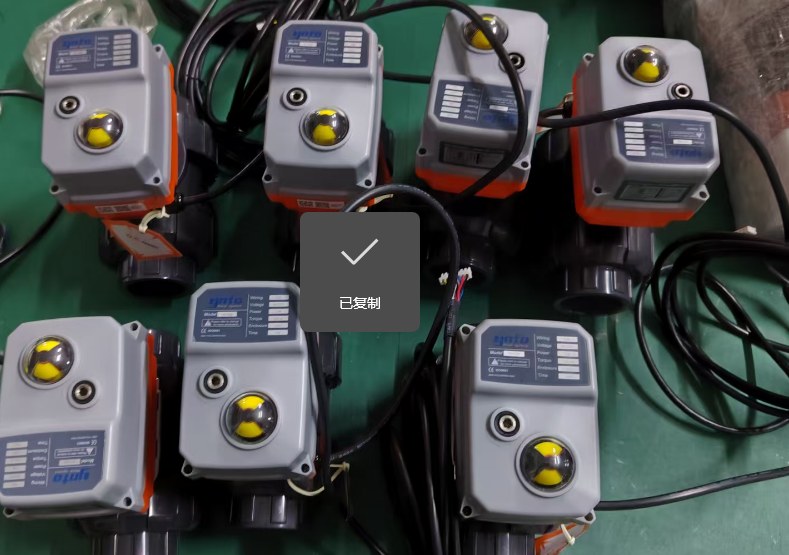
The oil and gas sector demands valves that handle high pressures and corrosive media. Engineers often specify duplex stainless steel electric ball valves paired with high-torque electric actuators. Custom seals resist sour gas and high temperatures. Position feedback from limit switches ensures safe shutdowns, while special trims accommodate three-way or diverter configurations.
Automation in Food Processing
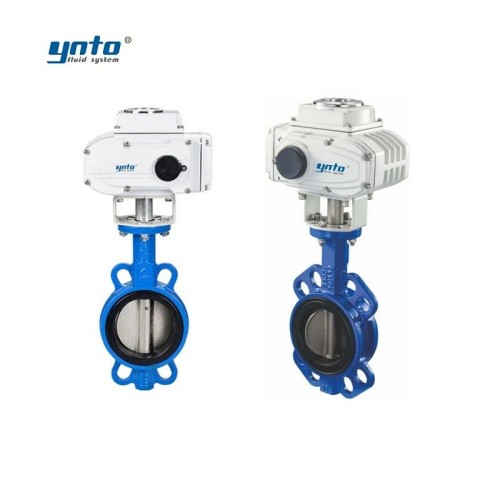
Sanitary piping in food and beverage production requires hygienic, easy-to-clean components. A stainless steel electric butterfly valve outfitted with a cavity filler eliminates crevices where product can accumulate. A diaphragm valve isolates the actuator from the process, meeting strict cleanliness standards. Integration of solenoid valves and electric actuators with the facility’s PLC allows automated cleaning and batching cycles.
Medical Equipment and Life Science
Laboratory instruments and medical devices require miniature valves with very low leakage. Custom solenoid valves can be designed with specific orifice sizes and response times. Rotary switching valves route tiny volumes of fluids through multiple channels. Suppliers specializing in custom valves offer components that meet medical sterility requirements and integrate seamlessly into compact equipment footprints.
The Process of Custom Manufacturing
Consulting with Experts
Custom valve projects start with consultation. Valve specialists gather details on media properties, pressure ranges and control requirements to recommend appropriate materials and designs. Early involvement ensures that the valve and actuator selection will meet both process needs and regulatory standards.
Engineering and Prototyping
After consultation, engineers develop models and prototypes. Complete CAD services let customers review assemblies before committing to production. Prototypes are tested under simulated conditions to verify flow performance, sealing integrity and actuator response. Adjustments are made until the valve meets all specifications.
Production Quality and Delivery
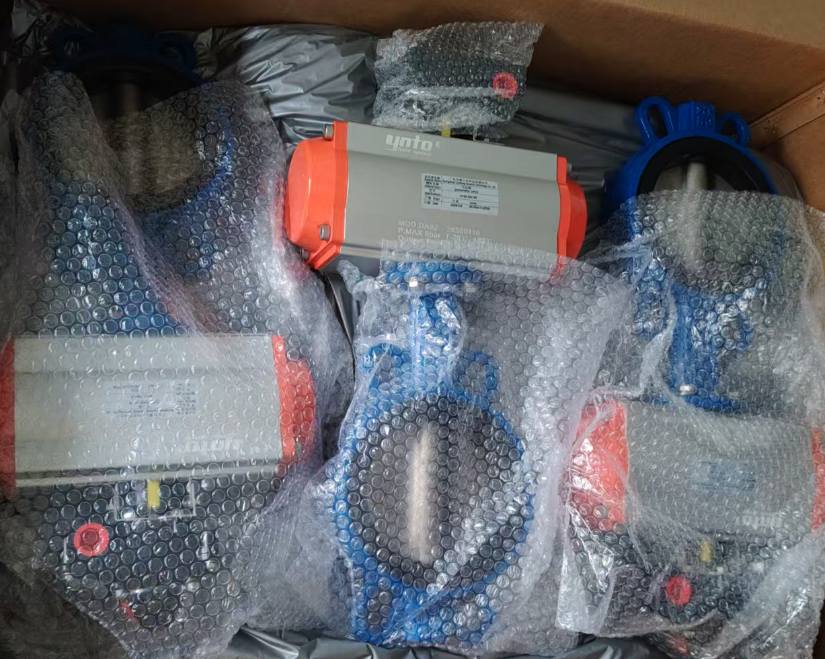
Once approved, the valve assembly moves to production. Experienced shops machine specialty brackets and mount actuators in-house. Quality checks include dimensional inspection, hydrostatic testing and functional verification. Documentation verifies compliance with standards such as ANSI or FDA. Final assemblies are delivered ready for integration, with installation support provided if needed.
Conclusion
Recap of Benefits
Custom electric valve solutions offer tailored performance, improved reliability and seamless automation. By matching valve bodies, trims and actuators to specific process demands, engineers optimize flow control and reduce downtime. Smart actuators with adjustable speeds and position feedback enhance control accuracy. Industries such as oil and gas, food processing and life science benefit from materials and designs that suit their unique requirements.
Next Steps for Interested Customers
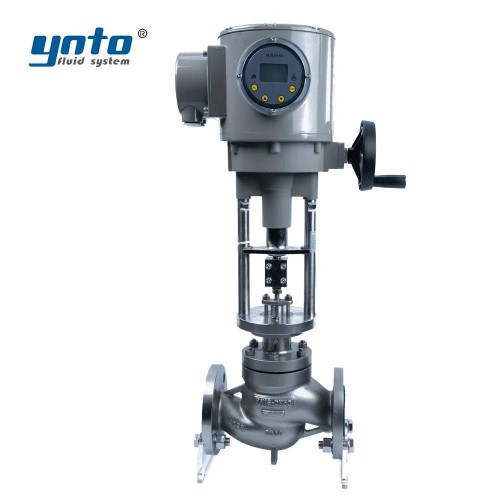
If you face frequent valve maintenance or inconsistent process control, consider a custom solution. Evaluate your process conditions and engage valve specialists early. Whether you need a high-pressure ball valve, a sanitary butterfly valve or a miniature solenoid valve, a tailored approach will maximize performance. Visit a trusted supplier’s website or contact an engineer to discuss your application and begin designing a valve solution that fits your needs. You can explore electric ball valves, pressure control valves and electric actuators as starting points.

- 2026-09-11 16:48:37
- 2026-09-09 09:50:27
- 2026-09-07 09:14:41