

Electric vs. Pneumatic Control Valves: A Guide for Process Engineers
- 2025-11-28 12:00:00
- admin
- NO COMMENTS
The Great Debate: Electric or Pneumatic Actuation for Sanitary Systems?
Walk into any modern food processing plant or vaccine manufacturing facility, and you will hear the hiss of compressed air. But increasingly, you will also hear the quiet hum of electric motors. As Industry 4.0 transforms our factories, the question of how to automate your valves—specifically when choosing Control Valves—is more relevant than ever.

For process engineers, the choice between electric and pneumatic actuation isn't just about preference; it's about performance, hygiene, and infrastructure. Let’s break down the key differences to help you select the right hardware for your specific application.
1. Precision and Control Loops
If your application requires extremely fine modulation of flow—for example, regulating the temperature in a heat exchanger by controlling steam flow—precision is key.
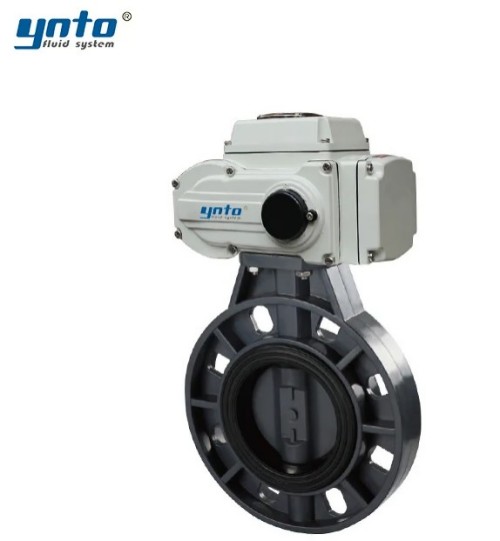
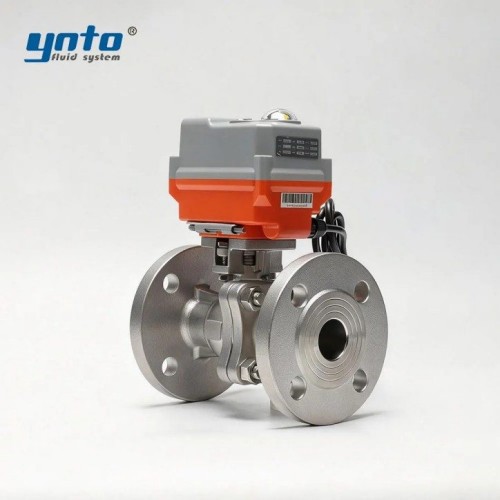
Traditionally, pneumatic valves with smart positioners have been the industry workhorse. They are fast and fail-safe. However, modern Electric Valve solutions have closed the gap. Stepper motors now offer incredible resolution, allowing you to position the valve stem within fractions of a millimeter. If your facility lacks a reliable, clean air supply (which is a common contamination risk), going electric eliminates the need for compressors and air dryers entirely.
2. Hygiene and Cleanroom Suitability
In a Class A or B cleanroom, air exhaust from pneumatic actuators can theoretically disturb laminar flow if not properly piped away. This is why many high-purity labs are switching to electric actuation.
However, the design of the actuator housing is critical. At Ynto, our sanitary actuators are designed with smooth, stainless steel surfaces that shed water during washdowns. Whether you choose a pneumatic version or an electric one, the external geometry must be easy to clean. This is a standard feature across our Diaphragm Valve range, ensuring no external crevices harbor bacteria.


3. Response Time and Torque
Pneumatic systems generally win on speed. If you need a valve to slam shut in under a second during an emergency, air pressure is difficult to beat. Electric actuators generally operate slower due to the gear reduction needed to generate torque.
However, for most mixing and diverting applications, the speed of a modern electric valve is more than sufficient. The benefit of electric torque is consistency—it doesn't fluctuate if your plant’s air pressure drops during peak hours.
4. The "Fail-Safe" Factor
One critical consideration is what happens when the power goes out. Pneumatic valves can easily be configured "Spring Return" (Normally Closed or Normally Open). Electric valves typically fail in their last position unless equipped with a battery backup. For critical safety loops, verify your fail-safe requirements before ordering.

Making the Choice
There is no single "best" valve. It depends on your specific loop.
● Need rapid on/off cycling? Go Pneumatic.
● Need precise positioning without air lines? Go Electric.
● Need a simple isolation solution? Check our Manual Valve options which are cost-effective and reliable.
Still unsure? The engineering team at Ynto can analyze your P&ID and recommend the optimal actuation method. Visit our Products page to view the technical specifications of both electric and pneumatic options.

- 2026-10-19 08:49:57
- 2026-10-16 10:48:59
- 2026-10-15 14:23:43