

Water Distribution PRV Replacement: Fixed or Remote?
- 2026-11-18 08:56
- admin
- NO COMMENTS
The top-floor tap runs strongly at midnight, then weakens during morning showers. At the incoming-water cabinet, the downstream gauge holds steady with fixtures closed but drops sharply under demand. The old pressure reducing valve (PRV) hisses; its strainer has not been cleaned in years. An engineer notices these details before calling the valve “failed.”
In another building, overnight pressure creeps upward and a toilet fill valve weeps. A worn seat can pass water after demand stops, but hot-water thermal expansion may give a similar reading. Identify the source first. Then decide whether a fixed downstream setpoint meets the duty or measured demand justifies remote control.
Water Distribution PRV Replacement: Fixed Setpoint or Remote Control?
Overview of PRVs in Residential Plumbing
“Water distribution” spans two scales. A residential regulator near the service entry protects building fixtures. A utility PRV controls a zone serving many properties, where elevation and demand vary. Flow range and installation authority differ. An industrial control valve is not automatically suitable for household drinking water.
The regulator senses downstream pressure and adjusts its opening toward a target. It is neither positive isolation nor overpressure relief. The setpoint must supply the highest or most distant outlet without excessive pressure at the lowest point. One cabinet gauge cannot describe the entire building.
Before buying, measure upstream pressure at night and peak use and determine the critical fixture's required pressure at design flow. Record pipe size, connections, temperature, and water chemistry. Calculate elevation loss before assuming a larger valve will fix weak upper-floor supply.
At a district station, repeat the exercise across several representative days. Plot pressure against flow at the inlet and at the critical downstream point. A station that performs well at noon may overpressurize the network when demand falls after midnight. Conversely, a pressure zone with steep terrain may need multiple control points, because a single outlet setting that serves its highest address can overload the lowest one.
The Role of PRVs in Plumbing Systems
Ensuring Consistent Water Pressure
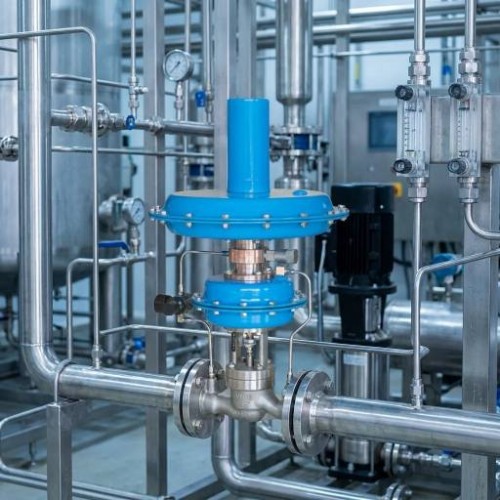
A plumbing pressure regulator reduces high inlet pressure. Compare inlet and outlet at no demand, low flow, and peak flow. If only the outlet collapses, check strainer and valve capacity. If both fall together, investigate upstream supply.
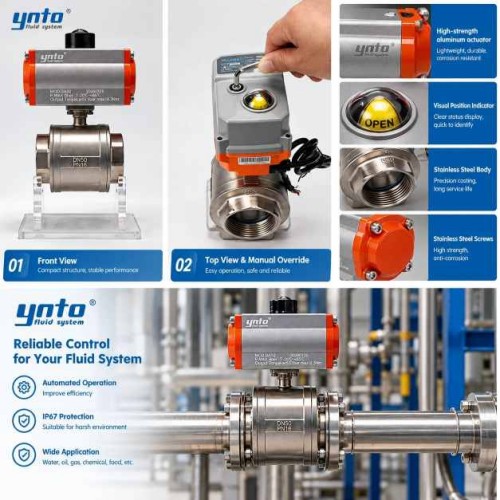
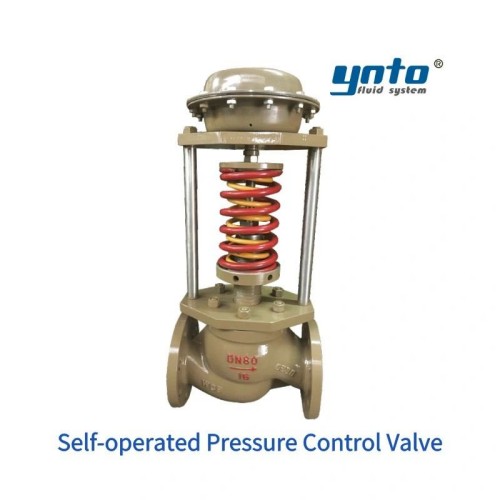
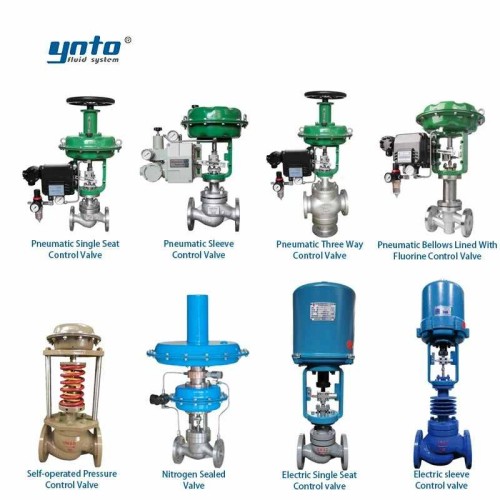
YNTO lists a self-operated pressure control valve with downstream-regulating Type B and upstream-regulating Type K arrangements. Type B is relevant here. Verify hydraulic duty, connections, materials, and potable approval before proposing this industrial product for drinking water.
An oversized valve may cycle near its seat at low flow. Repeated movement wears the sealing surface; leakage then lets outlet pressure creep up after demand stops. Minimum controllable flow matters as much as maximum capacity.
Protecting Your Plumbing Infrastructure
Excess pressure increases leakage and stresses hoses, taps, and joints. Pump stops or fast closure can also produce surge, a transient that may need separate controls. A new PRV is not a universal cure for water hammer.
An outlet setpoint that is too low deprives upper floors during peak use; very low distribution-main pressure can threaten water quality. Specify inlet extremes, downstream minimum, and component ratings. Where failed-open operation could overpressurize a lower-rated system, evaluate separate protection.
Fixed Setpoint vs. Remote Control PRVs
Characteristics of Fixed Setpoint PRVs
A fixed setpoint uses a locally adjusted spring or pilot to target one outlet pressure without communications. It responds to local pressure changes when power is unavailable. For a building with stable supply, fewer sensors and controls simplify upkeep.
“Fixed” does not mean perfectly flat pressure. High-flow droop lowers outlet pressure; a leaking seat causes low-flow creep. Request flow-versus-pressure data, inlet range, minimum flow, and leakage criteria. Correct trim can outperform a large port chosen for future expansion.
Characteristics of Remote Control PRVs
Remote control suits a district or campus with varying demand. A critical-point transmitter feeds a controller that adjusts a pilot setpoint or modulating valve. Day and night targets may differ, but the lower target must preserve required service and fire-flow pressure where applicable.
A remotely adjusted pilot PRV and an electric control valve are distinct architectures. Both need defined responses to sensor, power, and communication failure. Place the transmitter where it represents service pressure, not simply where installation is easiest.
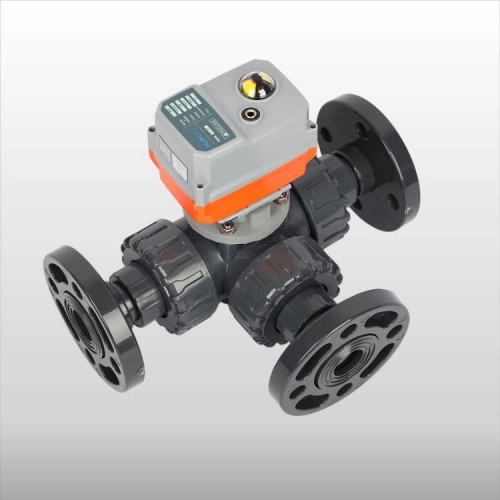
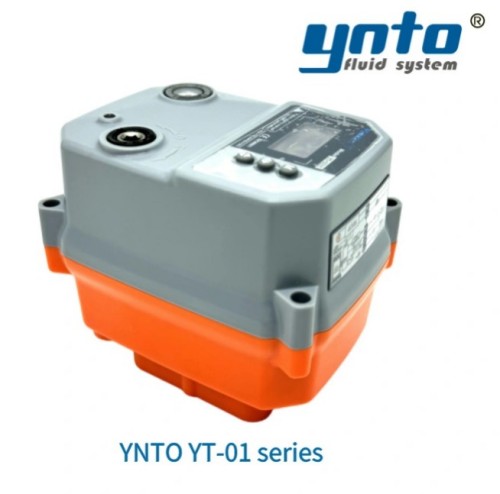
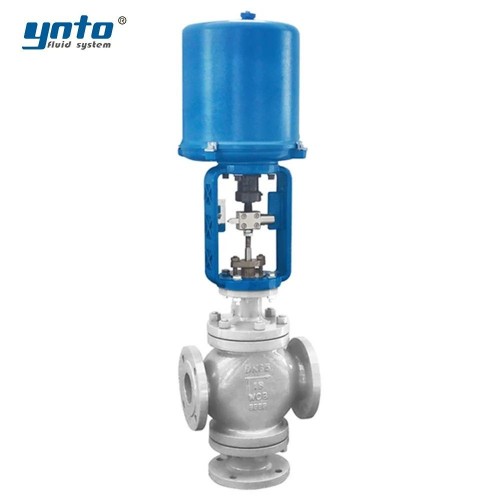
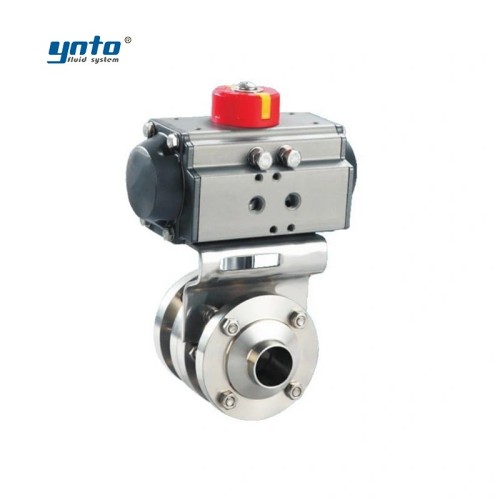
YNTO's YT-01 electric valve actuator offers control variants, including an intelligent PID option with pressure-sensor input. It is an actuator, not a complete PRV. Specify the matching valve, transmitter, fail behavior, and assembly test; an on/off variant cannot continuously regulate pressure.
Pressure reducing valve types also differ in how they respond to a failed sensing connection. A direct-acting unit uses local downstream pressure at its mechanism. A pilot-operated assembly has tubing or internal passages that must remain clear. An electronic loop adds a transmitter and controller. Those distinctions affect fault diagnosis and spares. Remote operation is valuable when the field pressure actually needs to change; a dashboard by itself adds no hydraulic benefit.
Cost Considerations
Installed cost includes isolation, strainer, gauges, labor, and commissioning. Remote control adds transmitters, controller, communications, power, calibration, and training. Plan a supply interruption or approved bypass.
Remote control rarely pays for a modest residence. For a zone with measured night leakage, it may justify its cost. Estimate savings from flow and pressure data; an aggressive setpoint can leave customers short of pressure.
Methods for Detecting Water Pressure Issues
Identifying Symptoms of Faulty PRVs
Listen for hiss, low-flow chatter, or hunting. Note whether pressure rises with fixtures closed, drops at peak use, or tracks the main. Verify suspicious readings with a calibrated gauge; inspect external leaks and pipe strain.
Sediment after a main repair can lodge on the seat, prevent closure, and make outlet pressure climb overnight until fixtures drip. Scale in an upstream strainer raises pressure loss, starving the regulator at peak flow and weakening upper-floor supply. The remedies differ.
When diagnosing water pressure issues, take readings for long enough to see a pump cycle and the morning demand peak. A slowly rising downstream trace with the branch isolated suggests seat leakage, while a rise associated only with water heating may indicate thermal expansion. A sudden inlet dip followed by an outlet dip directs attention upstream. Compare the sequence of events before changing a setpoint; a pressure snapshot can be misleading.
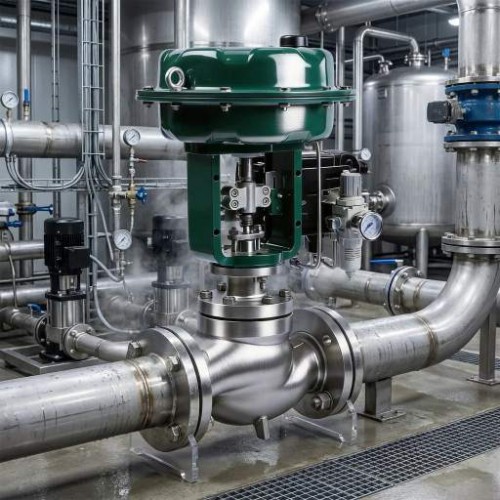
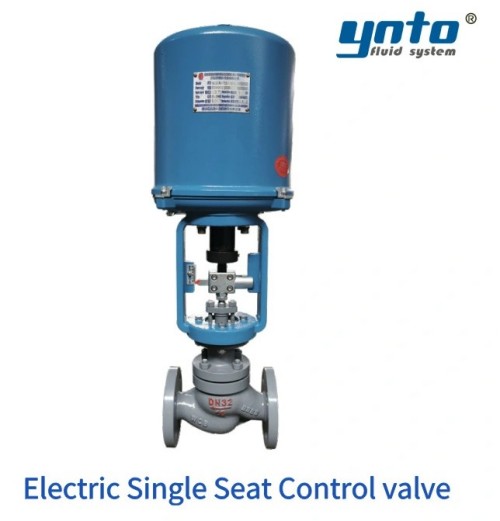
If the data instead show a genuine need for variable setpoints at an industrial station, YNTO's electric single-seat control valve is a modulating candidate if differential pressure, flow, leakage, and signal match. It is not a residential PRV substitute; verify potable approval and full-loop performance.
Regular Maintenance Tips for PRVs
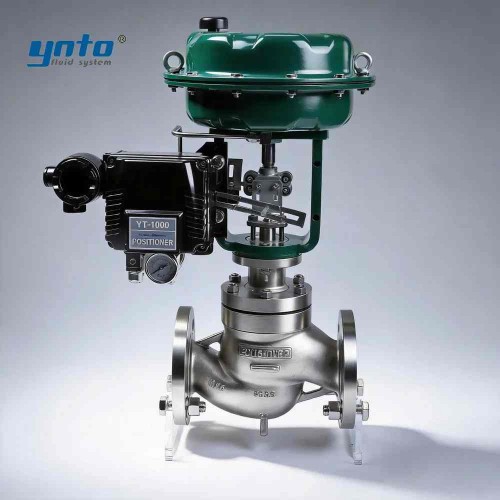
Record inlet and outlet pressure under comparable demand. Clean the strainer safely and inspect any pilot sensing line; blockage can cause erratic control. On automated stations, compare transmitters with a calibrated gauge and review alarms.
Do not raise the spring setting to overcome a dirty screen; pressure may become excessive after cleaning. Trend remote-system night pressure and actuator travel. Constant corrections may reveal bad sensing or sizing.
Replacing Your Pressure Regulating Valve
Step-by-Step Replacement Guide
Identify pipe ownership and authorization. Before shutdown, record inlet pressure, outlet target, minimum and peak flow, pressure class, connections, face-to-face length, flow direction, and maintenance access. Review downstream overpressure protection.
Isolate as approved, release stored pressure, drain, and verify zero pressure before loosening the body. Support the pipe; bolts must not force a mismatch into alignment. Fit gaskets and strainer in the correct direction. Refill slowly, vent air, check leaks, and test at no, low, and peak flow.
For a controlled replacement, also record the as-left spring setting or electronic setpoint and seal the adjustment against unauthorized changes. A downstream gauge that looks right with no flow is not sufficient acceptance. Open a known draw and confirm pressure recovery without hunting; repeat near the design peak. On a remotely controlled station, simulate loss of sensor and communications according to the approved test plan and check the local fallback.
Common Mistakes to Avoid
Do not order by pipe diameter alone. Check controllable flow and peak-demand inlet pressure. DN-to-inch conversion does not establish flange, rating, or face-to-face compatibility. Leave bonnet service clearance.
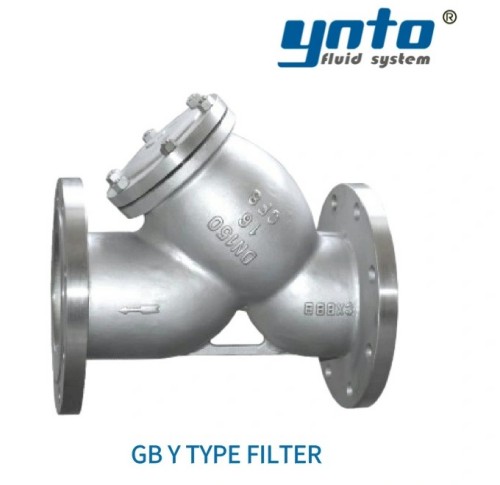
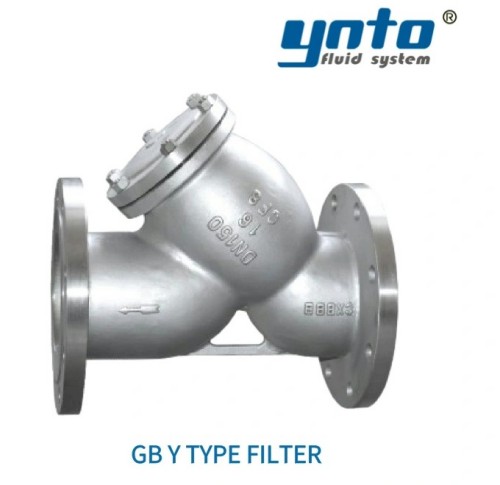
A strainer protects the regulator seat. YNTO's GB Y-type filter is listed as a companion to reducing valves. Check pressure loss, cleanout access, and exact potable approval for drinking-water service. A dirty screen can undo the regulator's benefit.
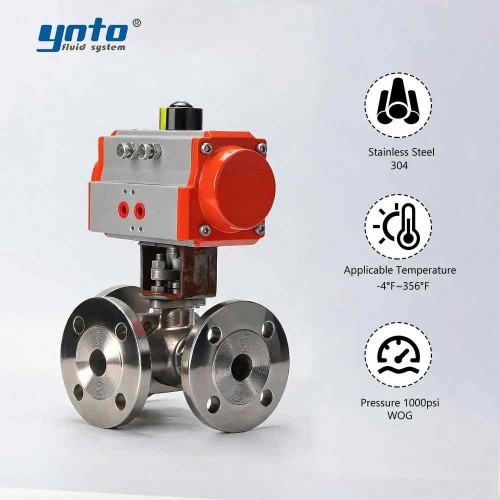
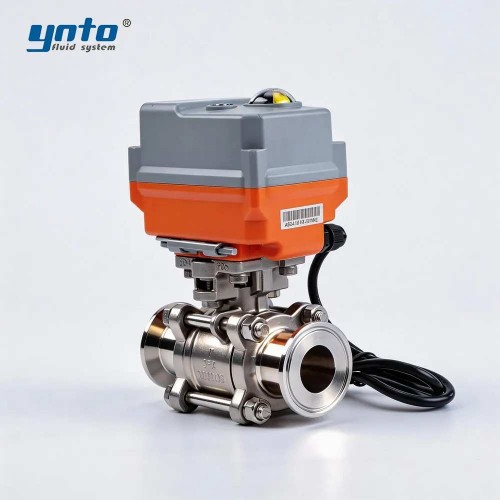
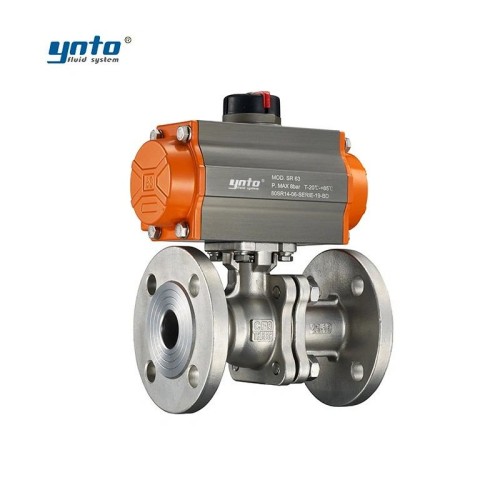
Do not confuse upstream sustaining (Type K) with downstream reduction (Type B). A motorized ball valve is not inherently a modulating PRV. Test sensor errors, power loss, and communication loss on remote systems.
Potable-water approval is an ordering gate. U.S. projects may require ASSE 1003/CSA B356 and NSF/ANSI/CAN 61, plus lead-content compliance under NSF/ANSI/CAN 372. Other jurisdictions may reference DIN EN 1567. Request the exact product listing; company certification and corrosion resistance do not establish potable suitability.
Record whether the existing regulator also serves a fire-protection connection, irrigation branch, or process make-up line. Those demands may govern minimum flow pressure and cross-connection protection. No PRV replaces a backflow preventer. If a lower-rated downstream section depends on the old valve to avoid overpressure, have the designer review the failure case before choosing an alternative control scheme.
Tools Needed for the Replacement
Bring calibrated gauges, flow-measurement equipment, torque tools, isolation and drainage equipment, supports, approved gaskets, and fasteners. Remote stations also need transmitter calibration and control-system access. Follow the site's mandatory test procedure.
Match materials to water chemistry. 316L may resist corrosion in treated water; Duplex may suit more demanding chlorides after review. EPDM or PTFE seals require compatible grades and approval. Carbon steel with external FBE may suit some non-potable infrastructure; coating alone does not qualify a valve for drinking water.
ANSI/ASME flange dimensions and ASME B16.34 ratings apply to specified metallic industrial assemblies; API 598 and ISO 5208 address relevant valve tests. They do not establish potable approval. DIN EN 1567 addresses building PRVs. Specify applicable editions and acceptance criteria.
Water Conservation and Efficiency
How PRV Selection Affects Water Use
Pressure management reduces flow through some leaks but does not repair them. Review meters and survey leaks; compare night flow and pressure under similar demand before and after commissioning.
The benefit depends on where the water goes. Lowering a household's excess pressure can reduce unnecessary flow through some fixtures, but essential uses still need an adequate rate. In a district, leak volume and break frequency may respond to lower or steadier pressure, while customer demand follows its own pattern. Monitor each separately. Promising a percentage saving without a baseline would confuse pressure reduction with repairs, seasonal usage, or meter changes.
Strategies for Effective Water Conservation
Effective water conservation methods start with measuring and repairing leaks. District operators can trial lower off-peak pressure while tracking critical-point service, bursts, complaints, and flow. Building managers should address leaking fixtures and hot-water expansion through plumbing system maintenance.
For a larger district station, YNTO's electric sleeve control valve is an industrial option to evaluate. Published signal information does not guarantee potable approval or low-flow stability. Request minimum/maximum sizing, fail position, cavitation and noise analysis, and commissioning tests.
Conclusion
A fixed setpoint often serves a building with stable inlet conditions. Remote control can address measured district variation if service pressure, failure modes, and upkeep are engineered. Either replacement must cover actual flow, fit the pipe, meet potable requirements, and pass low- and high-demand tests.
For a YNTO quotation, provide inlet extremes, outlet target, flow range, medium, temperature, connection, dimensions, and required approvals. For remote operation, add transmitter position, signals, power-loss response, and control philosophy. This identifies the appropriate pressure regulation valve beyond the old nameplate.
FAQs
What is the average lifespan of a PRV?
There is no universal lifespan. Water quality, pressure cycling, materials, and maintenance determine it. Use pressure trends, leakage, inspections, and manufacturer guidance.
Can I replace a PRV myself, or should I hire a plumber?
For residential plumbing repair, check local licensing and utility rules. A qualified plumber can verify isolation, potable approvals, thermal expansion, and pressure under flow. Utility mains require authorized crews.
How do different PRV types affect water pressure?
Fixed regulators target one local outlet setting, with some flow-dependent variation. Remote systems can adjust their target using endpoint measurements or schedules but need validated fallback logic. Both must serve the furthest user at peak demand.
- 2026-11-18 08:56
- 2026-11-16 08:38
- 2026-11-13 09:36