

Maintenance Tips for High-Pressure Electric Valves in Mining
- 2025-12-30 20:27:28
- admin
- NO COMMENTS
Introduction
At a busy open-pit mine processing plant, engineers monitor high-pressure slurry pipelines and their control valves as daytime heat bakes the equipment. In such harsh environments, it is common to see fluctuating pressure gauges and hear a hesitating valve actuator during sampling. For example, a field engineer might notice small pressure spikes and odd vibrations at low flow – early signs that something is amiss. These symptoms often point to worn seals, debris build-up, or misaligned components on a high-pressure electric valve. If left unchecked, such minor issues can cascade into big problems: plant managers warn that improper valve management “can result in high maintenance costs, production failures and, in a worst-case scenario, personal injuries”. In short, timely maintenance is the key to avoiding shutdowns and accidents in mining operations.

In practice, maintenance staff describe these issues with clear engineering logic rather than jargon. They know that pressure fluctuations across a valve can induce valve‐stem vibration, which (over time) increases wear and delays actuation. Similarly, seal material fatigue often follows aggressive thermal cycling: for instance, rapid temperature swings (cause) can fatigue an elastomer seal (effect), resulting in tiny leaks (impact). Over time, even minor leaks allow contaminants into the fluid, which degrades hydraulic performance. These effects are well documented: one study notes that a small leak doubling a hydraulic cycle time can cut efficiency by 50%, and that fluid contamination causes valves to stick or operate erratically. By contrast, prompt diagnosis and repair of early warning signs prevent such failures. In the following sections, we explore what high-pressure electric valves are and why they are vital in mining, and then dive into maintenance best practices to keep them performing optimally.
Definition of High-Pressure Electric Valves
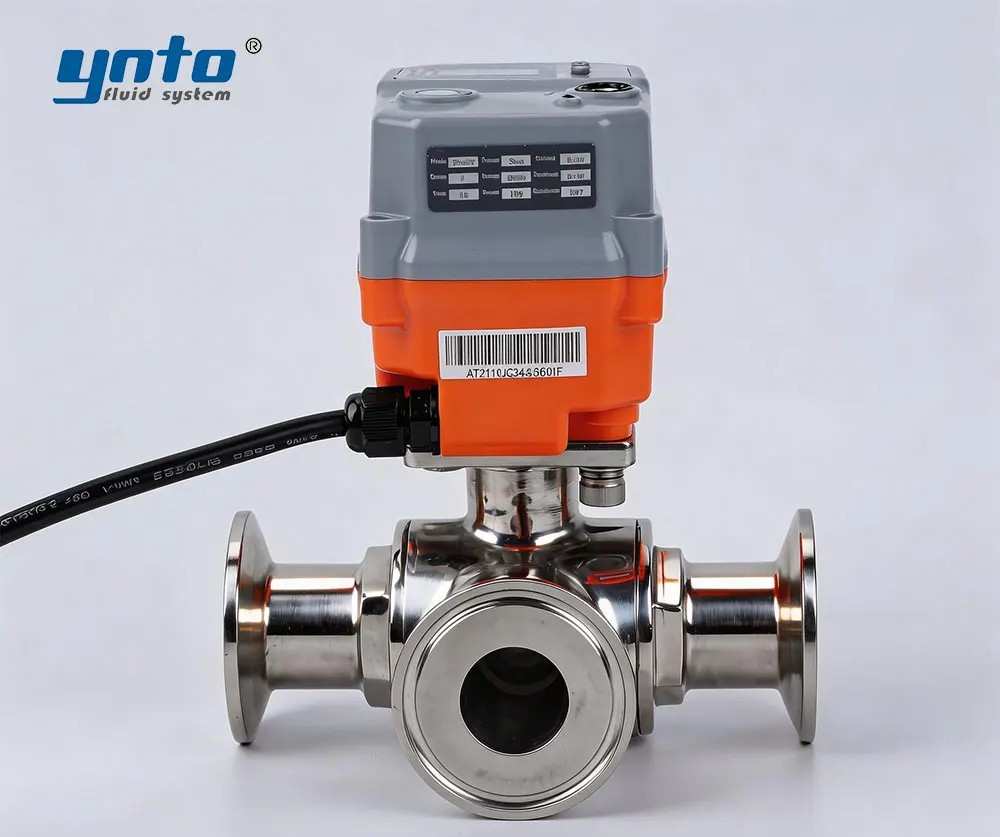
High-pressure electric valves are electromechanically actuated valves designed to control fluids at elevated pressures. These valves typically combine a conventional valve body (ball, gate, diaphragm, etc.) with an electric actuator or solenoid that drives the opening and closing. They are built to handle pressure ranges often from a few tens of bar up to hundreds of bar, depending on the application. For example, general-purpose high-pressure solenoid valves are rated for line pressures up to 40 bar and are used in industries like mining and energy. In mining systems, electric actuators offer the benefit of precise, remote control of flow – an operator can open or close a slurry line valve from a control room, or integrate it into automated process control. The construction of these valves emphasizes durability: their bodies are usually stainless or alloy steels, and internal parts often use PTFE (Teflon), FKM (Viton), EPDM, or other resilient materials for seats and gaskets. These materials resist abrasion and corrosion, making electric valves suitable for harsh mining fluids. In short, a high-pressure electric valve is an electrically powered control valve built ruggedly to handle tough, pressurized fluids while providing automated, reliable service.

Relevance in the Mining Sector
In mining, controlling fluid flow under pressure is a daily necessity. Valves regulate slurry in ore pipelines, water in dewatering pumps, acid or cyanide solutions in leaching circuits, and even steam in flotation and hot-dissolution processes. Mining valves often face viscous, solids-rich or powdery media transported at high pressure, along with heavy abrasion and corrosive chemicals. For example, in copper leaching you might see strong acids at 150°C being fed through pipeline valves, or potash processing where chlorine-based brine flows under pressure. Any leak in these processes can be dangerous: Wey Valve reports that toxic or corrosive leaks would cause “great harm to humans and the environment” and thus “absolute safety and tightness is... a top priority”.
Modern mines often use several types of automated valves (such as ball valves or diaphragm valves) with electric actuators for control. An electric valve’s precision can help stabilize a sensitive process – for instance, a flotation plant requires very precise airflow control, where small valve deviations can upset the process. At the same time, safety regulations require that valves in mining meet high standards (see below). In the next section we review the common valve and actuator types used (hydraulic control valves, pneumatic actuated valves, etc.) and how they fit into a mining plant’s operations, before turning to why maintenance is essential and how it’s done effectively.
Types of Electric Valves
Mining operations use several categories of actuated valves. Two important families are hydraulic control valves and pneumatic actuated valves, often interfaced with electric controls.


Hydraulic Control Valves
Hydraulic control valves are essentially valves operated by hydraulic fluid power. They often appear in the hydraulic circuits of mining machinery – for example, in hydraulic shovels or crushers, flow-control valves regulate the oil that moves pistons and motors. These valves must handle extremely high pressures (sometimes >200 bar) and abrasive fluids containing wear particles. Their bodies are typically forged steel or cast ductile iron, with spool or poppet mechanisms inside. Because of the high pressures, even a small misalignment or seal failure can cause large forces and quick wear. Engineers on site will note that a slight pressure imbalance (cause) can cause a valve spool to oscillate (effect), leading to surging or oscillations in the actuator response (impact).
Maintenance of hydraulic valves involves careful fluid cleanliness and seal upkeep. We’ve mentioned that hydraulic systems need cool, clean oil to prevent leaks. A routine check might measure the actuator’s torque or response time to detect wear. If a hydraulic valve’s flow rate drops unexpectedly, it might signal that the internal spool is scoring or that a shim is worn. In summary, hydraulic control valves are robust components that must be kept aligned, lubricated, and free of contaminants to operate without failure. Their high-pressure environment means that any small failure quickly impacts the machine’s overall reliability.
Pneumatic Actuated Valves
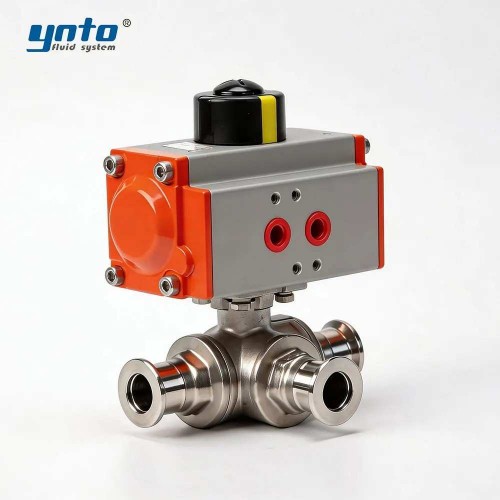
Pneumatic actuated valves use compressed air to drive the valve mechanism, and are widely used in mining systems, especially above ground. A common setup is a control valve with a pneumatic cylinder actuator. Compared to electric motors or hydraulic power, pneumatics are valued for simplicity and safety in explosive or wet conditions (air won’t spark, and moisture is easily removed by air dryers). Mining uses pneumatic actuators to control water supply valves, ventilation dampers, and other systems where a quick open/close is needed and electrical safety is a concern.


A downsides of pneumatic actuators are that they require clean, dry air, so maintenance crews routinely replace air filters and drain moisture traps. A typical maintenance tip: if an actuator seems slow or stuck, check the air supply line for clogging or ice buildup. They may also note cause-effect issues: e.g. “a clogged air filter (cause) increases actuator friction (effect), causing slow valve response or vibration (impact).” When properly maintained – clean air and lubricated seals – pneumatic actuators can cycle a valve very rapidly and reduce the need for electrical components near high-pressure fluids.
In both hydraulic and pneumatic cases, the underlying valves themselves can be of various types (e.g. ball, gate, butterfly). Actuation style is the main difference. What matters for maintenance is knowing the specific requirements of each: hydraulic systems need oil monitoring, while pneumatic systems need air quality control.
Importance of Maintenance
High-pressure valves demand proactive maintenance because the consequences of neglect are severe. In mining, valves are critical system components – failures can stop production. As one industry analysis points out, improper valve management “can result in high maintenance costs, production failures and, in a worst-case scenario, personal injuries”. Imagine a clogged slurry valve leading to a pipeline burst – this is a credibility sink and safety hazard rolled into one.

Consequences of Neglect
When maintenance is ignored, symptoms escalate. For example, a worn seal might start with a barely noticeable drip, but soon that leak grows, contaminates fluid, and accelerates wear on pumps and other valves. The resulting downtime can be extremely costly in mining; unscheduled stops can run to hundreds of thousands of dollars per hour in lost ore processing. Beyond cost, safety becomes compromised: a slowly leaking valve under 100 bar of pressure can act like a pressurized spray nozzle if it fails, and toxic or flammable fluids under pressure can cause injury. In fact, engineering teams note that many plants try to manage risk by keeping spare valves on hand. As one industry blog observes, “many companies replace the whole valve instead of just the broken part so as to avoid risks”. However, this “replace-everything” strategy is itself costly and inefficient.
Benefits of Regular Maintenance
By contrast, a disciplined maintenance program yields many benefits. Regular inspections catch early-stage issues: a slightly noisy actuator might indicate a bearing beginning to fail; a slowly rising pressure might signal a partially blocked flow path. Fixing these early means less downtime. Skilled engineers also emphasize valve and actuator training. For example, Ramén Valves recommends that maintenance managers “make sure your technical staff receive training” on proper valve care. Well-trained technicians will correctly tighten bolts to specified torque, replace seals with compatible materials, and follow correct greasing intervals.
Reliable valves also contribute to mining process optimization. When valves are tight and responsive, the entire plant runs more smoothly – pumps can operate at design efficiency, and control loops remain stable. Some valve manufacturers even offer zero-leakage guarantees on metal-seated valves, recognizing that in mining “valve failures mean expensive shutdowns, lost production, and costly repairs”. Using such high-spec valves – combined with good maintenance – effectively protects assets and ensures smooth operation over time.
In summary, the payoff of maintenance is huge: fewer leaks, fewer stopgaps, and more time producing ore instead of fixing equipment.
Maintenance Strategies
The best maintenance approaches combine routine care, smart repair choices, and material upgrades. Below are key strategies engineers use to keep high-pressure valves in top shape:
Routine Checks and Inspections
Routine inspections are the frontline of valve upkeep. Maintenance teams often have a checklist covering every valve: check seat integrity, actuator function, and no external leaks. For an electric actuator, this might include testing travel time under power to ensure it opens and closes promptly. Engineers also manually check valve operating handles or handwheels for unusual resistance. Pressure gauges installed upstream and downstream can reveal if a valve’s pressure drop is out of spec.
For hydraulic control valves, experts advise correct alignment and fluid management. In hydraulic systems, misalignment of pump motors or cylinder rods can cause side-loading and premature seal wear. Teams also regularly monitor hydraulic fluid temperature (typically keeping it below ~60–65°C) to prevent thermal degradation of seals. Regular oil analysis (for contamination and viscosity) helps catch wear early. Hoses and connections are inspected for cracks or blisters, as these are early signs of hose failure. Importantly, filters are changed on schedule and any debris is flushed; a simple clogged filter (cause) will otherwise raise particulate levels (effect) and can cause valve erratic behavior (impact).
Electrical actuators have their own checks: verifying wiring insulation, tightening electrical connectors, and confirming control signals. If a solenoid valve (like a high-pressure pilot valve) is sluggish, checking the coil voltage and cleaning its pilot filter often solves the problem. Overall, the idea is to spot any component that’s out of spec and fix it before it leads to a leak or stall.
Repair vs. Replacement Decisions
Even with good maintenance, some valves wear out. Engineers must then decide: repair the old valve or replace it? This depends on damage severity and economic trade-offs. In many cases, replacing only the worn parts (like seals, seats, or bearings) is enough to restore tightness. For example, if a ball valve body is sound but the seat is eroded, technicians may simply swap in a new seat ring rather than buying a new valve. This saves cost and time.
However, if damage is extensive, replacement is often safer. For instance, severe pitting in a valve body from cavitation or corrosion might warrant a full valve swap. Some plants keep critical valves ready for immediate replacement to minimize downtime. But as noted earlier, blanket replacement is expensive. The smart practice is condition-based: monitor wear rates and have a plan. If a mining operation finds that some valves are constantly needing repair, it may choose to upgrade that valve line – perhaps installing more robust industrial valve applications designed for the task.


The repair-or-replace decision also ties into material selection: instead of repeatedly repairing a corroding valve, one might replace it with a valve made of a better material (see below). Ultimately, experienced teams balance the cost of spare parts and labor against the cost of lost production. Well-documented maintenance histories help inform these decisions over time.
Utilizing Corrosion-Resistant Materials
One proactive strategy to ease maintenance is to use materials and coatings suited to the process. Mining fluids can be very corrosive: copper leach water is acidic, gold cyanide processes use highly alkaline solutions, and tailings can carry sulfur or chlorides. Using the right material greatly slows degradation.
Common choices include 316L stainless steel for moderately corrosive services (it resists chlorides better than 304 SS). For harsher duties, Duplex or Super Duplex stainless steels are preferred: these alloys have higher nickel and molybdenum content, giving them much greater resistance to pitting and crevice corrosion. For example, Wey Valve notes that some of their mining valve bodies and gates are made of super duplex material for this reason. They also mention using a stellite coating on moving parts (“A stellite coating on the gate… makes the valve harder and more resistant”) and wear rings to protect against abrasion.
For non-metallic components, materials like PTFE (Teflon) and FKM (Viton) are popular for seals and gaskets in mining valves. PTFE has excellent chemical resistance to strong acids and bases, and performs well up to high temperatures. FKM handles most chemicals and high temperatures too, though it is less resistant to steam or ketones than PTFE. EPDM might be used where organic solvents are not present (e.g. water service). In practice, a mine pipeline might use PTFE-lined ball valves for acid feed, and an FKM o-ring seal on a water valve.


Alloy selection isn’t limited to stainless: alloy steels or nickel alloys (like Hastelloy) may be used for extreme cases. Carbon steel valves sometimes get fusion-bonded epoxy (FBE) or Halar (ECTFE) coatings to protect against abrasion and corrosion at a lower cost than exotic alloys. For example, a carbon steel valve sprayed with Halar will resist hot brine much better than plain steel.
In summary, choosing 316L or duplex materials for valve bodies, PTFE/FKM for seals, and applying coatings like FBE can greatly reduce the maintenance burden. The right materials prevent the cause of wear (corrosion or abrasion), which in turn prevents the chain effect of leaks, valve stickiness, and reduced service life.
Mining Safety Standards
Mining valves must meet rigorous safety and compliance standards. National and international codes guide how valves are designed, rated, and tested. In practice, engineers ensure that any valve used in a high-pressure mining circuit meets standards such as ANSI/ASME, API, ISO, or DIN.
For example, ANSI/ASME B16.34 is a cornerstone standard covering pressure-temperature ratings, materials, dimensions, and testing of valves. It specifies how valve pressure classes (150, 300, 600, etc.) relate to allowable pressures at different temperatures. Similarly, API 6D addresses design and pressure testing for pipeline valves, and API 600 and API 602 cover gate and globe valves for refineries (often used analogously in mining). Importantly, API 598 is the standard for valve inspection and testing: it defines shell (body) tests and seat (closure) leakage tests to verify integrity. In mining, valves are typically pressure-tested at or above 1.5× their rated pressure before installation to ensure no leaks.
Standards also enforce traceability and quality. For instance, valves usually come with a material test certificate (EN 10204 3.1/3.2 or equivalent) confirming the composition of the metal. This ensures engineers know exactly what alloy the valve body is, which ties back to material selection for corrosion. Manufacturers often carry ISO 9001 certification to show their production quality meets international norms.

Beyond ASME and API, ISO and DIN standards may apply – e.g. ISO 15848 for fugitive emissions controls or DIN EN 12266 for valve testing procedures. The key point is that these standards provide a common safety and performance baseline. In the field, a mining engineer will check a valve’s data plate or tag to ensure it matches the required pressure class, material, and certificate. Failure to do so is dangerous. For example, as noted by industry experts, installing a valve incorrectly (wrong orientation, bad temperature rating, etc.) can raise the risk of leakage – potentially igniting a flammable stream if it contacts electrical parts.
Role of Valves in Safety Compliance
Valves are also directly used to meet safety requirements. Pressure relief valves (per ASME Boiler and Pressure Vessel Code) protect systems from overpressure. High-pressure shutoff valves serve as emergency stops in hazardous areas. Critical valves are often specified with position indicators or solenoid feedback so that process control systems always know if a valve has fully closed. Many mining safety standards require routine shutoff and venting valves to be locked out during service.
Compliance extends to the materials and external safety: for example, in mines with toxic gas, valves and actuators might need explosion-proof or flameproof ratings under ATEX/IECEx standards. If a valve is in a dust zone, it must be sealed against ingress. All of these requirements underline the fact that proper valve selection and maintenance is not just about longevity, but also about worker safety and environmental protection.
Conclusion
In mining operations, maximizing the performance of high-pressure electric valves hinges on diligent maintenance. By observing valves in context (noting abnormal pressures, torques, or sounds) and understanding the cause → effect → impact chains (e.g. leak → contamination → inefficiency), engineers can intervene early. Routine checks, such as verifying actuator alignment, filter changes, and visual inspections of seals, keep small issues from becoming crises. Repair or replacement decisions should balance downtime costs: simple seal replacements often suffice, but heavily corroded valves may be better off replaced with more suitable ones. Upgrading to valves with corrosion-resistant materials (316L, Duplex, etc.) and protective coatings can prevent many common failures.
Safety and quality standards must guide every step. Mining valves should comply with ANSI/ASME pressure ratings and pass all required leakage tests. Proper documentation (material certs, vendor instructions) ensures the installed valves match the demanding process conditions. Adhering to these standards ensures the system is safe by design, even before the first drop of slurry flows.
Call to Action for Mining Operators
Mining operators should make valve maintenance a routine priority. Train your technicians in valve best practices, and insist on valves specified for your exact pressure, temperature, and chemical conditions. Incorporate hydraulic control valves, pneumatic actuated valves, and other appropriate types into your system as needed, and keep spare parts (seals, diaphragms, etc.) on hand. Implement regular inspection schedules and leverage tools like vibration analysis or thermal imaging to catch hidden problems. Finally, work with valve suppliers to ensure you get equipment that meets all applicable mining safety standards and industrial valve applications requirements.
By taking these steps—keeping valves well-maintained, using the right materials, and following safety codes—mining operations will run more reliably and safely. In practice, this means fewer unplanned shutdowns, lower maintenance costs over the life of the equipment, and above all a safer workplace.

.png?imageMogr2/format/webp)
- 2026-09-30 08:25:23
- 2026-09-28 10:28:43
- 2026-09-21 15:23:44