

Old Valve Replacement: OEM & ODM Valve Solutions
- 2026-09-28 10:28:43
- admin
- NO COMMENTS
A valve rarely announces the end of its service life with one dramatic failure. More often, the warning signs appear during routine operation. A chemical dosing line that once held a steady differential pressure begins to fluctuate. An actuator hesitates near the end of travel. Operators compensate by increasing torque or extending cycle time, and then a technician notices slight leakage after a temperature change.
These are not isolated maintenance annoyances. Thermal cycling can fatigue seals, pressure pulsation can create micro-movement at the trim, and corrosive media can attack materials that were acceptable when the system was first commissioned. Replacing an old valve is therefore more than a like-for-like purchasing task. Done properly, it is an opportunity to correct the original weak point through an OEM or ODM valve solution.
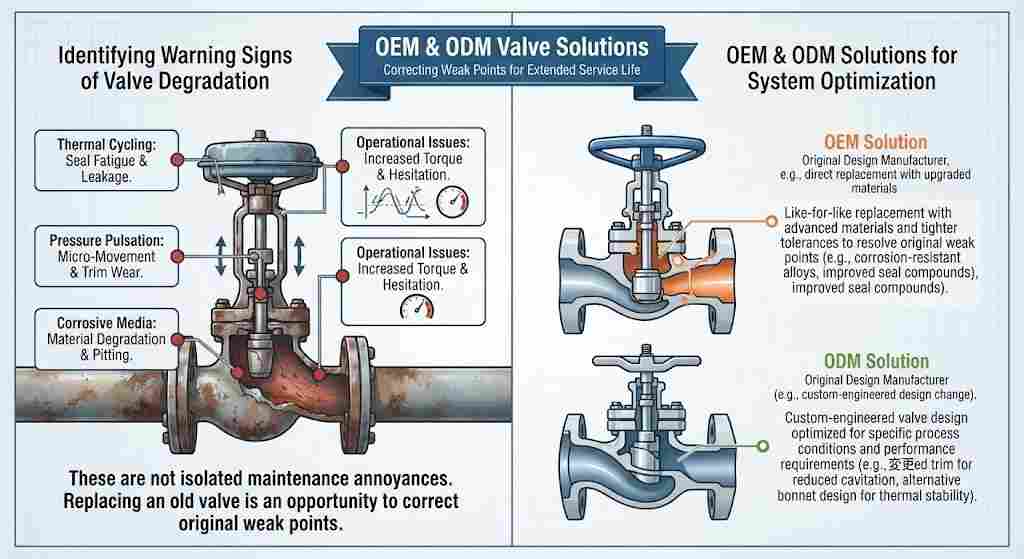
Maximizing Performance with Old Valve Replacement and OEM/ODM Solutions
Understanding the Need for Replacement
Engineers on site usually notice deterioration through behavior before obvious damage appears. Rising operating torque may indicate deposits, seat deformation, stem friction, or corrosion products. Unstable movement at low flow can point to poor sizing, excessive pressure drop, or trim operating too close to the seat for long periods. Small leakage after shutdown may come from a seal that has lost elasticity or a sealing surface worn by repeated cycling.
The causal chain matters. On a hot process line, repeated expansion changes the load on the seat and packing. The seal gradually loses resilience, sealing consistency falls, and intermittent leakage follows. In another system, pressure oscillation makes the plug, ball, or disc move slightly even when the command signal is stable. That micro-vibration wears contact surfaces, increases dead band, and eventually slows response.
A replacement assessment should therefore compare current pressure, temperature, flow range, media chemistry, cycle frequency, actuator torque margin, fail position, connection standard, and control signal against the original specification. When several conditions have changed, installing the same valve can reproduce the same failure.
Overview of OEM Solutions
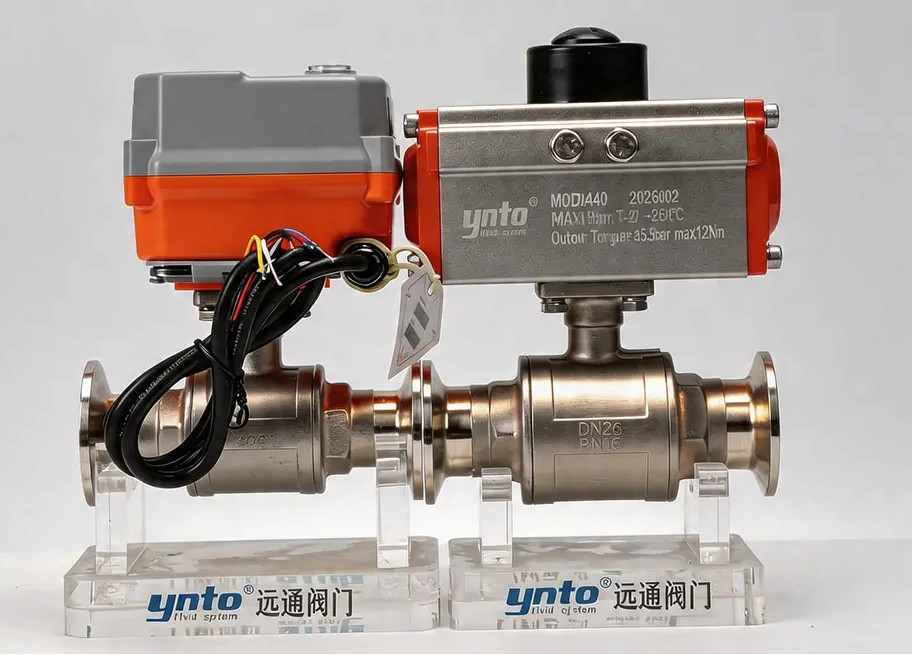
OEM valve replacement is usually the fastest route when the existing design works and the objective is to restore performance with minimal engineering change. The purchaser defines size, pressure class, materials, connection, actuator, supply voltage or air pressure, control mode, and required inspection documents. The supplier manufactures or configures the valve around that established specification.
For brownfield plants, this reduces installation risk because piping, mounting dimensions, wiring logic, and control philosophy can remain familiar.
Benefits of Using OEM Valves
The best OEM projects are built around interchangeability rather than appearance. A valve can look equivalent and still create problems if stem height, flange dimensions, Cv, actuator mounting, torque demand, or fail-safe behavior differs.
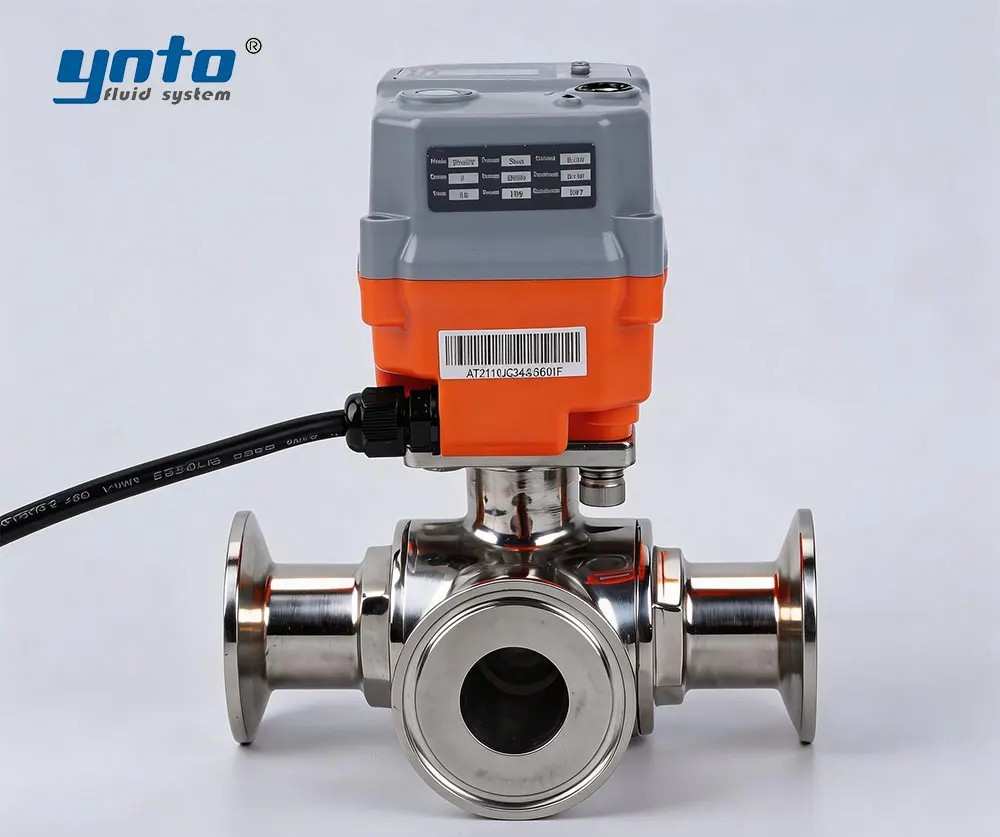
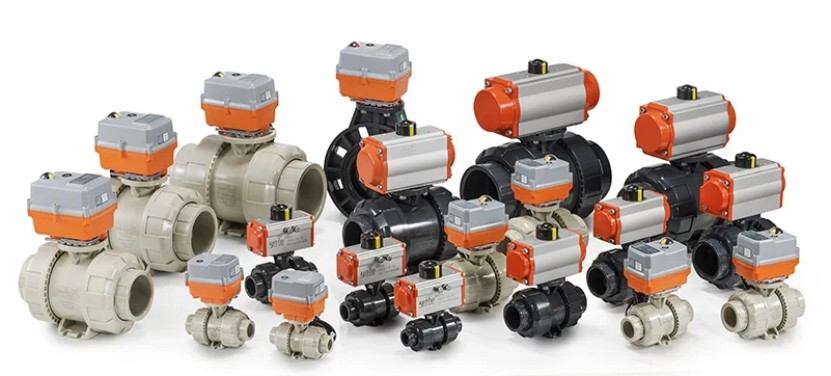
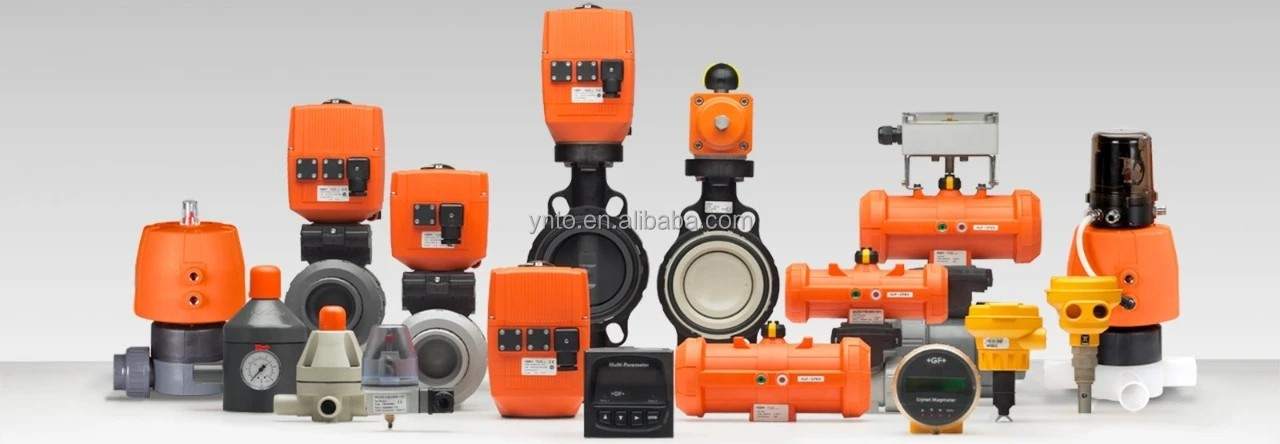
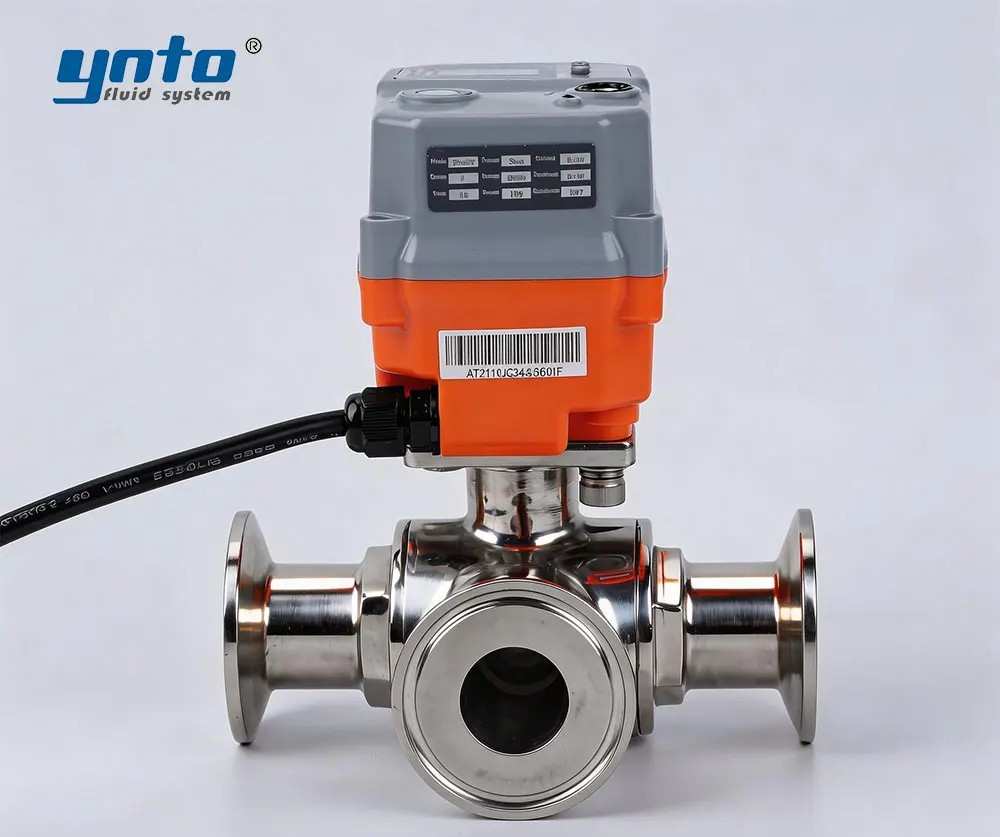
For automated lines, replacement is also a chance to improve actuation without redesigning the piping system. YNTO’s electric valve solutions include electric actuators, ball valves, and butterfly valves for automated flow control, allowing buyers to evaluate valve body and actuator selection as one assembly.
If the actuator is undersized, increasing seat friction can cause incomplete travel or overload. If it is grossly oversized, the stem, seat, or gearbox may see unnecessary load. The target is a practical torque margin across real operating conditions.
Key Features of High-Performance Valves
High-performance valves should be judged by how consistently they handle the process envelope. Reliable shutoff, stable modulation, acceptable pressure drop, corrosion compatibility, predictable response, and maintainable sealing components matter more than a long feature list.
A high-cycle electric valve may benefit from a brushless motor and overload protection, while a corrosive line may require PVDF, PPH, PTFE-lined, or high-alloy wetted parts. In hot service, seat temperature capability may matter more than room-temperature pressure rating. In high-purity service, dead space, surface finish, and cleanability can dominate selection.
This is why valve replacement services should begin with operating data. “DN50 electric ball valve” is not a complete specification.
Exploring ODM Options
OEM replacement works well when the original configuration is fundamentally sound. ODM becomes more valuable when the old valve is failing because the application has outgrown the original design.
Advantages of Custom Valve Design
A custom valve design can address several mismatches at once: unusual media compatibility, restricted space, special end connections, nonstandard actuator control, faster cycling, specific fail-safe behavior, or integration with PLC, Modbus, 4–20 mA, and other plant architectures.
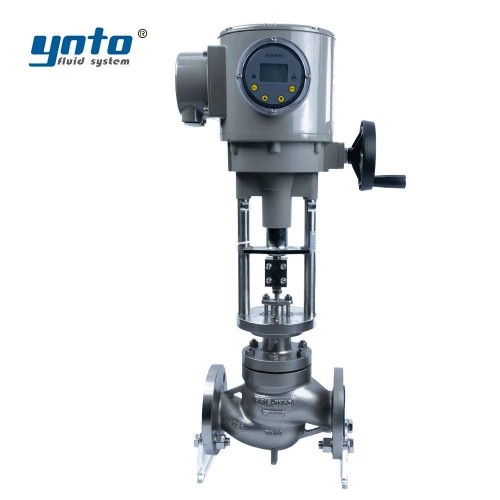
This is especially useful on equipment exported to multiple markets. A machine builder may want one mechanical platform that accepts different power supplies, seals, connections, and control functions. YNTO’s control valve range provides a useful starting point when regulation, actuator behavior, and process response need to be considered together.
Customization should begin with the failure mode, not with a drawing. If low-flow hunting is the problem, review sizing, rangeability, trim geometry, actuator resolution, and control logic. If corrosion is the problem, start with media concentration and temperature because both can change material compatibility.
Case Studies of Successful ODM Applications
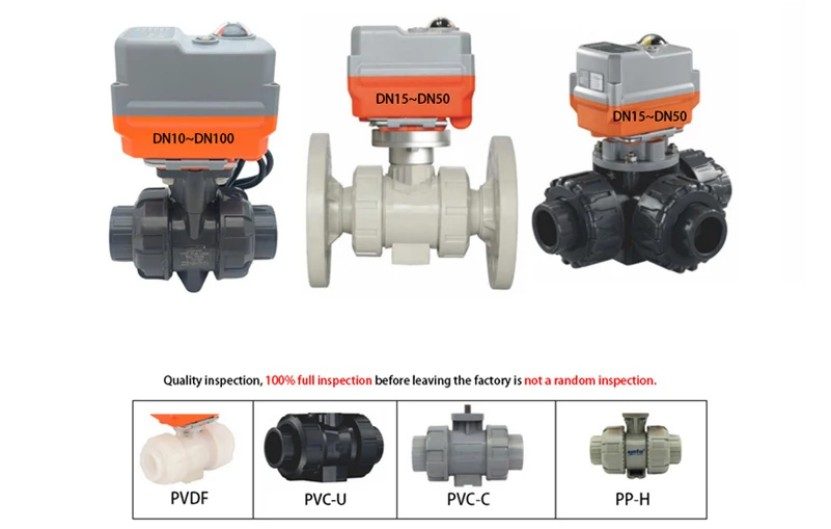
A common ODM retrofit appears in chemical dosing equipment. An older stainless steel ball valve repeatedly develops seat leakage after several months. Inspection shows that the body remains structurally sound, but the process fluid attacks the seat and deposits build near the ball. Replacing it with the same construction only restarts the maintenance clock.
A better solution may combine a more compatible seat, a corrosion-resistant body or liner, revised cavity geometry, and an actuator selected for the breakaway torque expected after long service. The design change is tied to the observed failure rather than customization for its own sake.
Compact machinery creates another challenge. A replacement actuator may interfere with a frame or service panel even when the valve itself performs correctly. A revised mounting orientation or smaller actuator envelope can preserve the required flow path. A broad electric ball valve selection lets engineers compare materials, connections, and actuation options before deciding whether a standard or ODM configuration is justified.
Comparison of Industrial Valve Suppliers
Key Players in the Market
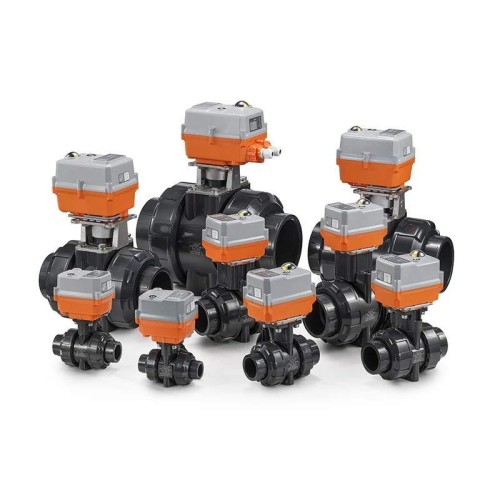
Industrial valve suppliers generally include global brands with standardized product families, specialist manufacturers, automation integrators, and flexible OEM/ODM manufacturers. For a replacement project, the supplier category matters less than its ability to control the complete technical package.
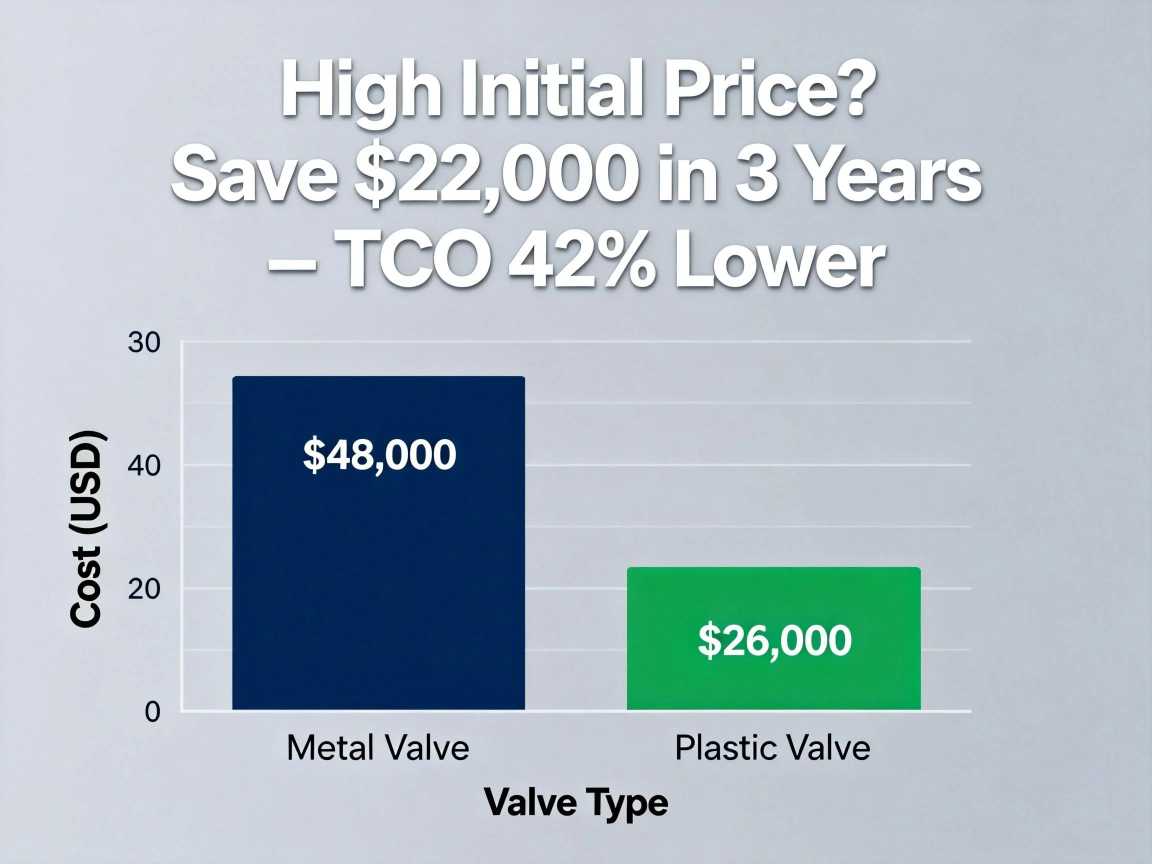
A low-cost valve is not economical if it forces piping modification, changes the fail position, lacks traceable materials, or cannot provide required testing records. Procurement teams should compare engineering responsiveness, manufacturing control, actuator integration, documentation, material traceability, test capability, lead time, and repeat-order support. Lifecycle cost is often more sensitive to shutdown frequency and maintenance labor than to initial purchase price.
Evaluating Supplier Capabilities
A capable supplier should ask questions that expose risk early. What is the actual working pressure? Is the medium clean, abrasive, crystallizing, viscous, or corrosive? Does the valve isolate or throttle? How many cycles occur per day? What happens during power loss? Is the installation exposed to washdown or corrosive vapor?
Those questions are signs of engineering discipline.
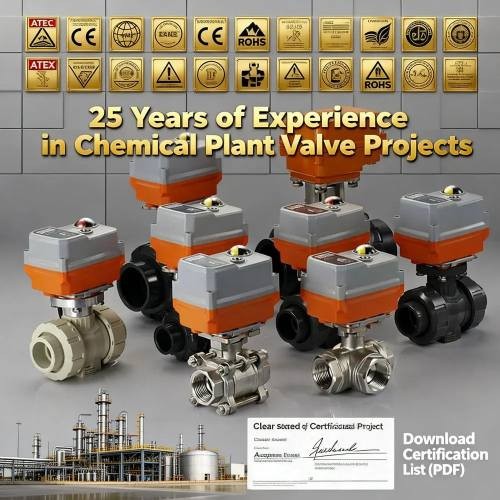
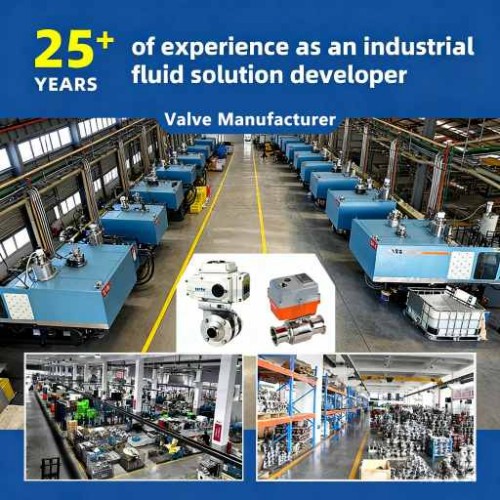
Documentation also matters. YNTO states that its management systems include ISO 9001, ISO 14001, and ISO 45001, together with CE certification at company level. For a specific order, the buyer should still define material certificates, pressure tests, leakage criteria, dimensional inspection, actuator functional testing, and any third-party witness requirements.
Valve Engineering Services Essentials
Importance of Collaboration in Design
Good valve engineering is iterative. Process engineers understand the medium and operating history. Maintenance teams know where access is difficult. Automation engineers understand interlocks and control speed. The valve manufacturer contributes sizing, materials, sealing, actuator selection, and manufacturing constraints.
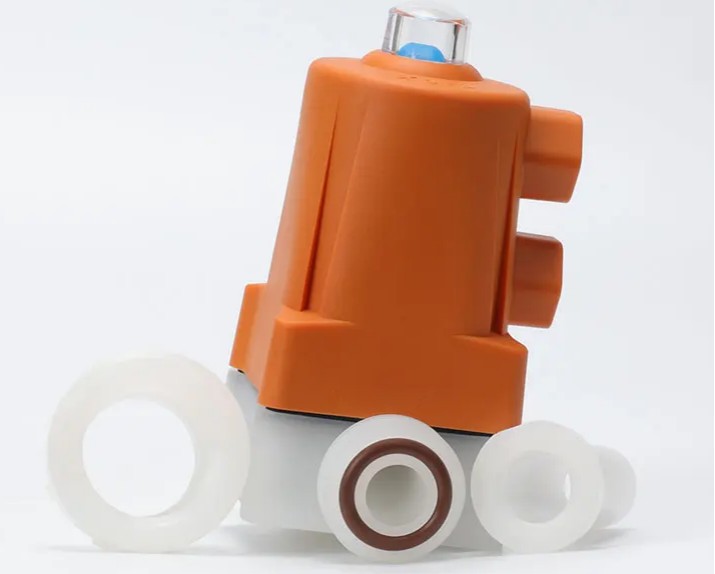
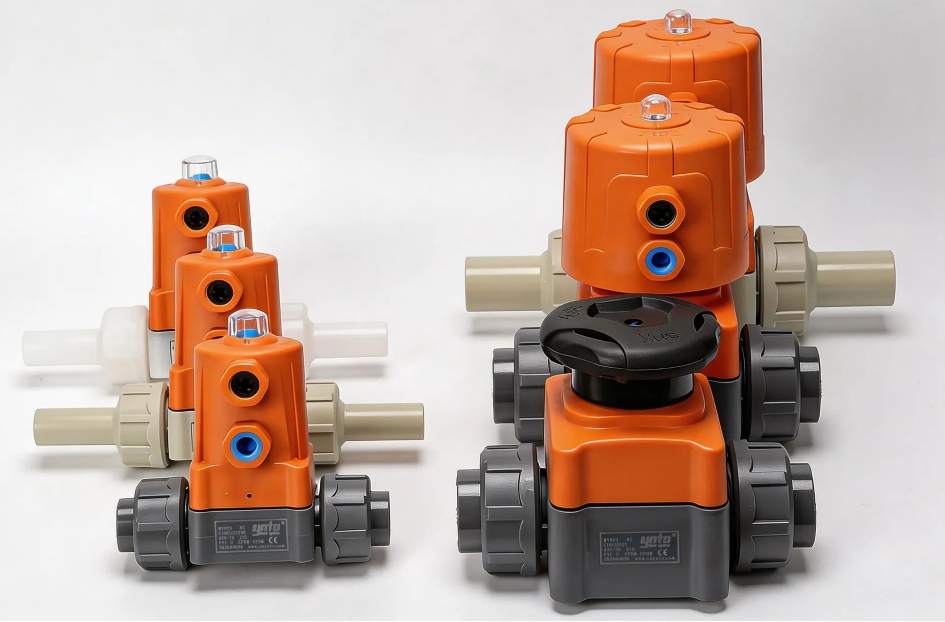
When those groups exchange data early, replacement decisions improve. A diaphragm valve may be more suitable than a ball valve where isolation of the medium, cleanability, or chemical resistance is critical. YNTO’s diaphragm valve range includes options for corrosive and sanitary service, making it relevant when an aging valve is being replaced because of contamination, dead space, or media-compatibility problems.
Collaboration also supports safety. Before replacement, the line should be isolated, depressurized, drained or purged as required, and controlled under the plant’s lockout/tagout and permit procedures. Hot, toxic, flammable, or highly corrosive media demand additional protection even when the valve size is small.
Innovations in Valve Engineering
Modern valve engineering increasingly uses diagnostics, remote control, intelligent positioning, and easier automation integration. Electric actuators can add position feedback, bus communication, local display, overload protection, or power-failure behavior.
These features should be applied selectively. A remote water-treatment valve may benefit from position feedback and diagnostics. A simple isolation valve that cycles twice a year may not. If the old valve failed because of chemical attack, material selection remains the first priority.
Importance of Valve Testing and Certification
Ensuring Quality and Compliance
Valve testing and certification become more important with hazardous media, high pressure, high temperature, critical isolation, or regulated industries. The pressure boundary must contain the process, the seat must meet the specified leakage requirement, and the actuator must reach the required position under defined supply conditions.
The safest procurement approach is to write acceptance criteria into the purchase specification rather than assume that every industrial valve supplier uses the same procedure. YNTO publishes its certification information, while buyers should separately confirm which certificates, records, and standards apply to the exact valve model being ordered.
Types of Tests and Certifications
Depending on service, buyers may specify hydrostatic shell testing, seat leakage testing, pneumatic checks, actuator travel verification, torque checks, material identification, or dimensional inspection. Critical valves may require witnessed testing or additional documentation.
Standards influence these requirements. ANSI/ASME specifications can affect dimensions, pressure classes, and piping interfaces. API standards are often referenced for industrial valve design, testing, fire-safe performance, or fugitive emissions depending on valve type. ISO standards may govern actuator interfaces, testing, quality systems, or sector-specific requirements. DIN standards remain common in European dimensional and connection specifications.
The exact applicable standard and edition should be stated in the purchase order. A generic “API/ISO/DIN/ASME compliant” claim is not enough for engineering acceptance.
Corrosion-Resistant Valves in Industry
Selecting the Right Material
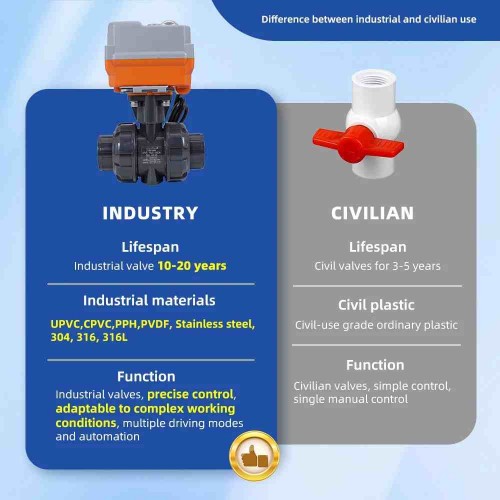
Corrosion-resistant valves are often specified only after a conventional material fails. A better method is to evaluate every wetted component: body, trim, stem, seat, diaphragm, liner, and exposed fasteners.
316L offers useful corrosion resistance and cleanliness in many services, but it is not universal. Duplex or Super Duplex may provide higher strength and better resistance in selected chloride environments. PTFE is widely used for seats, liners, and diaphragms because of broad chemical resistance, while EPDM and FKM serve different chemical and temperature ranges. Carbon steel or alloy steel can remain appropriate in high-pressure services when corrosion allowance, trim selection, and protective systems are engineered correctly.
Polymer materials and coatings also have a place. PVDF, PPH, UPVC, CPVC, FBE, or Halar-type protection may be considered according to medium, temperature, pressure, and mechanical loading.
The failure chain is straightforward: corrosive media attack an unsuitable wetted surface, pitting or roughness develops, deposits accumulate, friction rises, sealing becomes less reliable, and actuator torque increases. Correct material selection interrupts that chain near its source.
Long-Term Performance Considerations
Long-term performance depends on more than corrosion. Thermal cycling, erosion, cavitation, solids, crystallization, water hammer, vibration, and maintenance access all influence reliability.
For engineers on site, a simple failure history is extremely useful: installation date, medium, pressure and temperature range, cycle count if available, leakage observations, actuator alarms, and disassembly findings. Over several replacement cycles, this record becomes more valuable than a generic catalog because it shows how the valve actually behaves in the plant.
The best OEM or ODM solution should reduce intervention frequency, simplify maintenance, and preserve safe operation throughout the service life.
Conclusion and Future Trends
Replacing old valves is one of the most practical ways to improve an existing fluid system. The maintenance trigger may be leakage, increasing torque, slow response, unstable control, or corrosion, but the engineering objective should be broader: identify why the old valve deteriorated and prevent the same mechanism from repeating.
OEM solutions suit proven designs where interchangeability, schedule, and repeatability are priorities. ODM solutions become more valuable when the process has changed, the original design was marginal, or the machine builder needs a tailored combination of materials, geometry, actuation, and control.
Future replacement programs will increasingly combine mechanical reliability with smarter diagnostics and easier integration. Yet the fundamentals remain the same: understand the medium, pressure, temperature, flow behavior, material compatibility, torque, sealing requirement, safety risk, and applicable standards. Get those right first.
- 2026-09-28 10:28:43
- 2026-09-21 15:23:44
- 2026-09-18 09:42:46