

Custom Electric Valve Solutions for Industrial Automation
- 2025-12-25 12:00:00
- admin
- NO COMMENTS
Unlike one-size-fits-all components, electric control valves designed for customization integrate seamlessly into advanced flow control systems. U.S. engineers often encounter scenarios where off-the-shelf valves simply won’t suffice. In such cases, custom solutions bridge the gap between challenging operating conditions and reliable performance. Whether adapting a valve for corrosive chemicals or synchronizing it with a sophisticated PLC, custom electric valves ensure that the control elements match the system’s exact requirements.


Meeting Unique Flow Control Challenges
Real-world industrial scenarios often expose the limits of standard valves. For instance, consider a chemical processing line handling corrosive fluids or abrasive slurries. A regular valve might work initially, but after weeks of exposure, issues emerge: corrosive fluid → standard seal fails → increased friction → actuator torque imbalance → inconsistent performance. Similarly, high-pressure steam in a power plant can cause an ordinary valve’s seals to deform under heat, leading to leaks and unsafe pressure drops. In a recent food industry case, a Clean-in-Place system pumping hot caustic solution faced a valve that indicated "Closed" yet still dribbled fluid – a clear sign that the off-the-shelf valve wasn’t fully sealing. Each of these cases highlights why customization is crucial. Engineers choose to upgrade to specialized valves built for the specific media and conditions, preventing these cascade failures from occurring in the first place.
Custom electric valve solutions address such challenges by altering the fundamentals of the valve to suit the job. Need to handle acid or seawater? Use a valve body and trim made from corrosion-proof alloys or engineered plastics like PVC or PTFE. Frequent on/off cycles under high load? Opt for a reinforced stem and an electric ball valve with a high-torque motor to assure consistent actuation. In one refinery, upgrading to weatherproof, high-IP67-rated actuators prevented a repeat of the sandstorm-induced failure that burned out an exposed unit. By examining the root cause of valve issues (corrosion, temperature, pressure, etc.), engineers can specify custom fixes – essentially engineering out the weaknesses of generic valves.
Actuator Integration and Control Interface
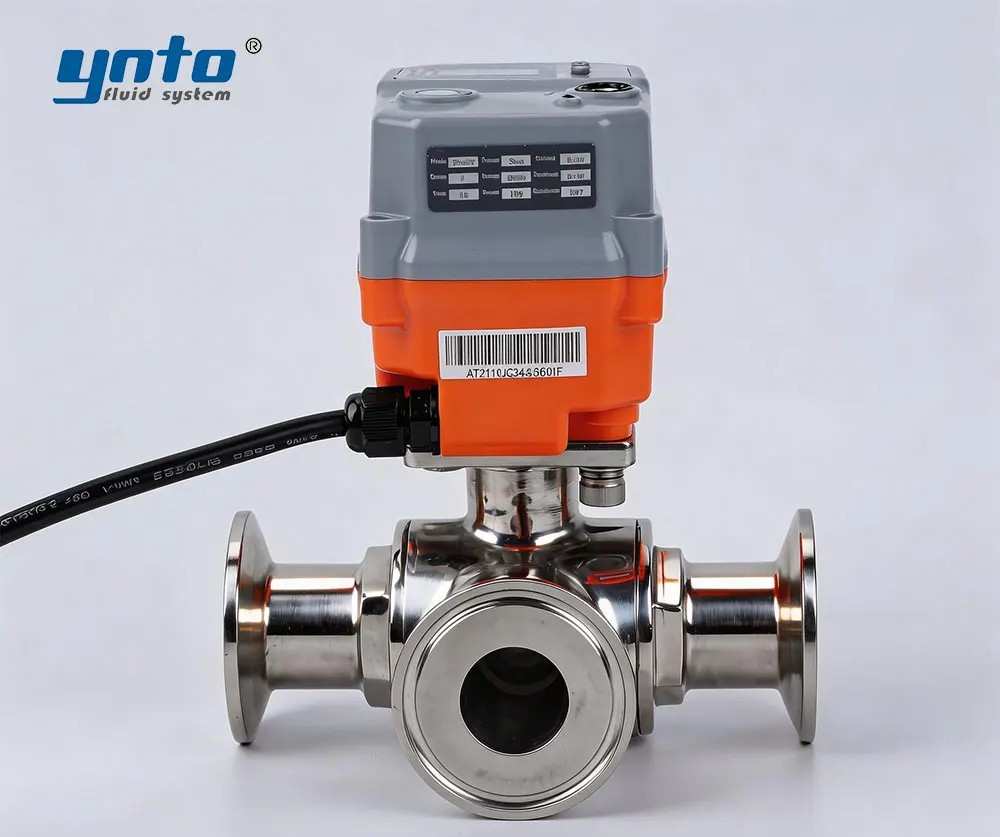
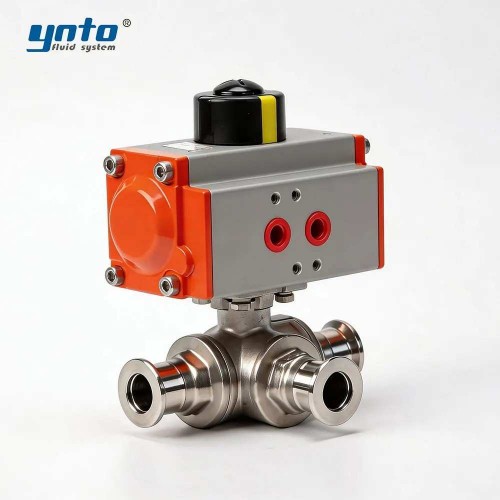
A custom valve solution isn’t just about the valve body – it’s also about selecting the right electric actuator and control interface. The actuator is the muscle of an electric valve, converting electrical signals into mechanical motion. Different applications demand different actuator technology. For example, a fast-acting packaging line might require a quick quarter-turn electric butterfly valve that cycles in under a second, whereas a heavy gate valve on a pipeline may need a multi-turn actuator with high torque. Customization ensures the actuator’s torque, speed, and modulation capabilities are perfectly matched to the process. If an actuator is underpowered or too slow, the result can be underperforming control: insufficient force → valve only partially opens → flow restriction → reduced production throughput.
Equally important is the control interface. Industrial facilities use various control signals and protocols – from simple 4–20 mA analog signals to digital networks like Modbus or PROFIBUS. A tailor-made solution can include specialized positioners and signal converters so the valve assembly talks natively with the plant’s PLC/DCS. This prevents the “mismatched language” issues that sometimes plague retrofits. One common pitfall is retrofitting a modern actuator into an old system without custom adapter boards or software: the signals don’t align and the valve might not move as expected. By designing the actuator integration up front (including feedback sensors and limit switches), custom valves plug-and-play into existing flow control systems without the usual headaches. In essence, the valve becomes a smart unit of the system, often indistinguishable from out-of-the-box smart valve solutions but built exactly to the facility’s specs.


Material Compatibility and Valve Design
Another key pillar of customization is choosing the right construction materials and valve design features for the service conditions. The goal is to make sure the flow control valve itself can withstand whatever the process throws at it. For example, corrosive acids or saltwater will quickly eat away standard steel components, so engineers might select a high-alloy stainless steel or a fully plastic-lined valve. In a custom design, even the gasket and seat materials (EPDM, Viton, PTFE, etc.) are chosen based on chemical compatibility and temperature. This prevents the scenario of incompatible material → seal deterioration → valve leaks → unplanned downtime.
Likewise, if the process fluid contains solids or is slurry-like, a full-bore electric butterfly valve or ball valve with an oversized passage can be customized to avoid clogs and excessive pressure drop.
The physical configuration of the valve is also tailored. Custom mounts and valve dimensions allow integration into tight spaces or existing pipe layouts without forcing redesigns of the plant. Have an old pipeline where a new valve needs to fit? A custom face-to-face length or bespoke flange drilling can make the new unit a drop-in replacement. Need to reduce water hammer in a fast-acting line? Engineers can opt for a valve with a modified disc profile or add a damping mechanism. These design tweaks turn a basic valve into a high-performance component of the system. Many times, performance gains come from such subtle optimizations – a smoother flow path here, a hardened trim there – that together drive valve performance optimization at the system level.
Ensuring Safety and Reliability
Safety considerations are paramount in industries like oil & gas, pharmaceuticals, and power generation. Custom valve solutions often incorporate special features to meet strict safety standards and reliability goals. For example, in hazardous environments with flammable gases, using an explosion-proof actuator enclosure and flameless venting is not optional – it’s mandatory for compliance. A standard actuator might create a spark; a custom unit built to Class I, Div 2 standards will contain any ignition sources. Similarly, when an emergency shutdown is needed, a custom valve can be equipped with a fail-safe mechanism (spring-return or battery backup) to automatically move to a safe position if power or control signal is lost. This way, power failure → standard valve stays put → potential overflow can be avoided, because the custom design ensures power failure → valve goes to predefined safe state.
Reliability also improves with customization. Engineers can specify oversized gears or additional torque margin in the actuator design, so the motor isn’t constantly operating at its limit. They can integrate real-time diagnostics – torque sensors, temperature sensors, and position feedback – enabling predictive maintenance that catches problems early. In essence, a custom valve assembly can be built to be "smart" and resilient: monitoring its own performance and health. These smart valve solutions give maintenance teams advanced warning of any degradation, minimizing unplanned downtime. By designing with safety factors and intelligent monitoring, custom valves help plants meet uptime targets and safety regulations hand-in-hand.


In summary, adopting custom electric valve solutions enables industrial automation professionals to push beyond the limitations of standard hardware. By carefully matching valve construction, actuator capability, material selection, and control integration to the application, engineers can drastically improve process uptime, safety, and control precision. The examples above – from corrosion-proof valves in chemical plants to fail-safe actuators in power stations – illustrate how tailored solutions solve problems that generic products cannot. As the demands on automation systems continue to rise (with higher speeds, harsher environments, and smarter controls), the role of customization only grows. For U.S. engineers aiming to optimize their flow control systems, the message is clear: when the usual valves don’t cut it, a well-engineered custom electric valve solution can be the transformative upgrade that keeps production on track and performance at its peak.

.png?imageMogr2/format/webp)
- 2026-09-30 08:25:23
- 2026-09-28 10:28:43
- 2026-09-21 15:23:44