

Customized Two-Way Sealing Valves: Key Benefits
- 2026-09-02 10:16:58
- admin
- NO COMMENTS
At the end of a commissioning shift, a process line looks stable until the pump stops. The upstream gauge falls, the downstream gauge creeps back, and colored test fluid appears where it should not. On the next cycle, the actuator draws more current near the closed position. The valve is already showing that its seat loading, pressure direction, or materials do not match the duty.
These symptoms appear in systems that reverse flow during cleaning, regeneration, or pump changeover. A catalog valve may seal from its preferred side but pass fluid when differential pressure reverses. Temperature cycling can relax a soft seat, while solids raise torque and cause intermittent leakage. A customized two-way sealing valve addresses those details before they become shutdown work.
Explore the Benefits of a Customized Two-Way Sealing Valve
Understanding Two-Way Sealing Valves in Fluid Control Systems
Overview of Sealing Mechanisms
Procurement teams should remove one ambiguity first. A two-way valve may mean a two-port valve controlling one path. Two-way, or bidirectional, sealing means the closed valve must resist differential pressure from either direction. The descriptions are not interchangeable, and a check valve is deliberately directional.
In a resilient-seated butterfly valve, the disc compresses a liner around its circumference. A ball valve presses a polished ball against seat rings; a metal-seated design relies on machined contact geometry and controlled loading. Stem packing limits external leakage, while the seat controls pipeline leakage. Improving one does not fix the other.
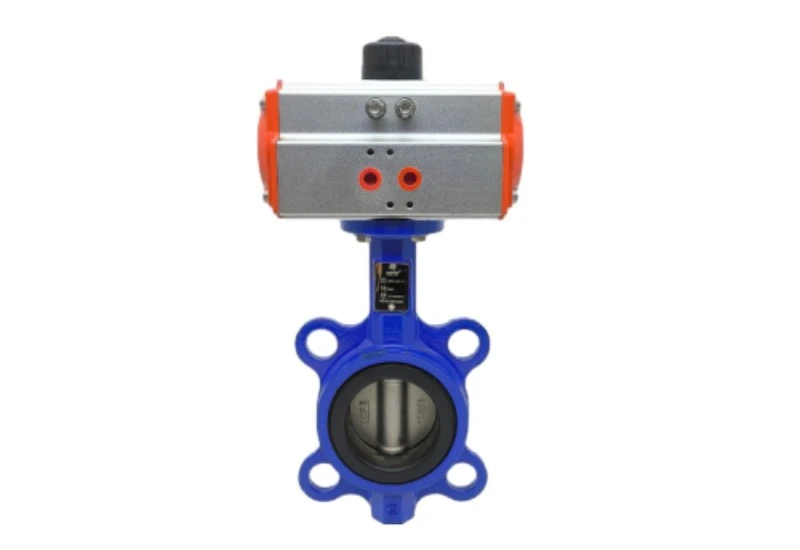
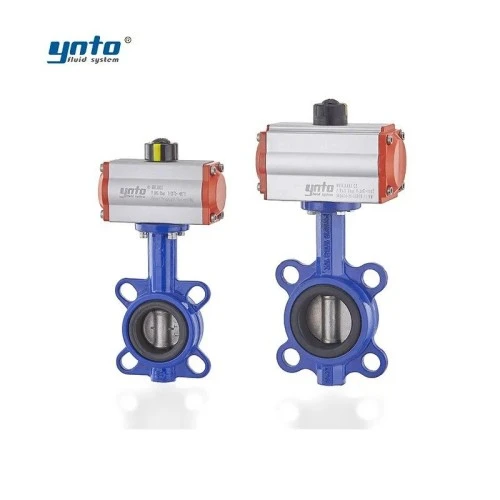
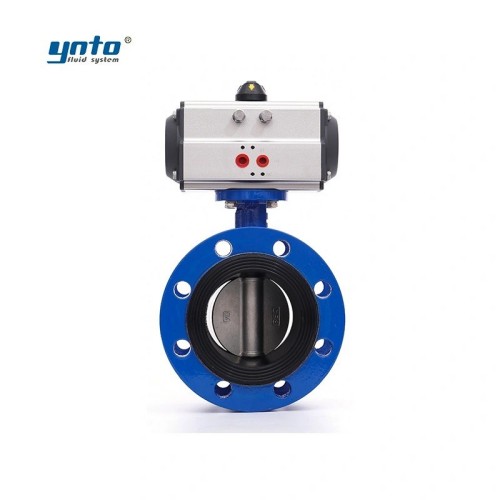
For water and general industrial service, a custom-size bidirectional pneumatic butterfly valve offers several body, disc, stem, and seat options. Its suitability still depends on verified pressure, temperature, media, actuator torque, and leakage requirements.
Role in Hydraulic Control Valves and Process Lines
Bidirectional shutoff matters wherever the pressure source can change. Hydraulic control valves may face pump switchover, accumulator discharge, or a blocked branch. Chemical skids reverse pressure during flushing, and water-treatment lines backwash filters. The valve must remain predictable when the high-pressure side changes.
Engineers often notice a quiet chain of events. Pressure oscillation produces small closure-element movement; that micro-motion frets the seat; the damaged contact band then leaks under reverse pressure. At first, only the gauge drifts. Later, pumps restart more often, batches may cross-contaminate, and closed-position confirmation slows.
Valve performance optimization is therefore a system task. Engineers check differential pressure in both directions, flow range, orientation, cycle frequency, closing time, and water-hammer risk. A fast actuator is not always safer: rapid closure can create a pressure spike that deforms the seat and loads pipe supports.
Customization Options for Two-Way Sealing Valves
Material Selection: Advantages of Stainless Steel Valves
Stainless steel valves provide smooth, corrosion-resistant sealing surfaces. For mildly corrosive water or clean chemical service, 316L offers useful resistance. Duplex or Super Duplex may suit chloride exposure where pressure and strength justify the cost. Material grade alone, though, is not a chemical-compatibility statement.
Seat and packing matter equally. PTFE offers broad chemical resistance, but pressure, temperature, and cold flow require review. EPDM suits many water duties but not many hydrocarbons; FKM handles selected oils and chemicals within defined limits. Carbon or alloy steel may be economical, while specified FBE or Halar coatings can add external protection when thickness and holiday testing are controlled.
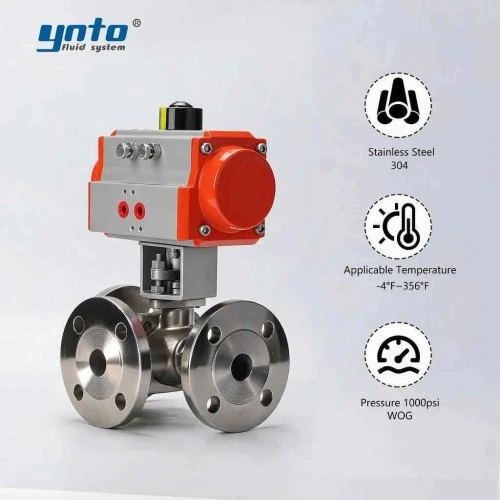
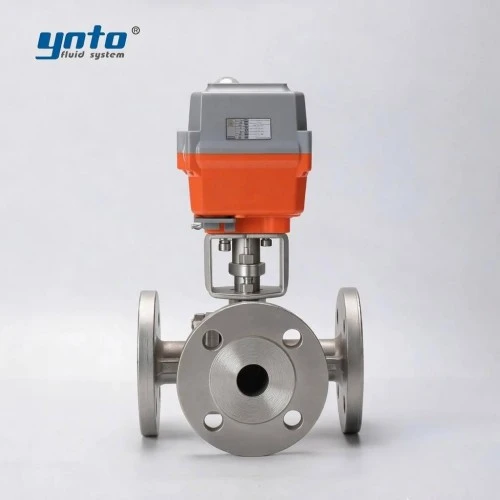
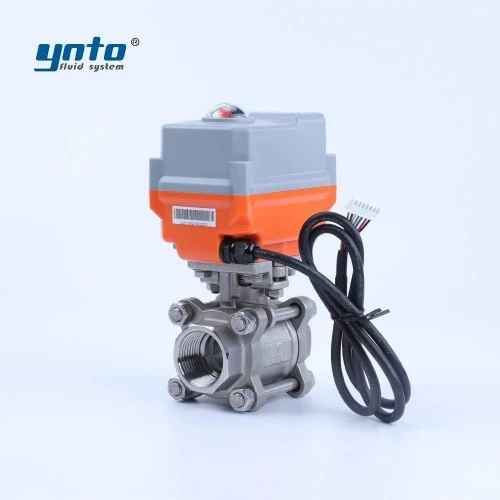
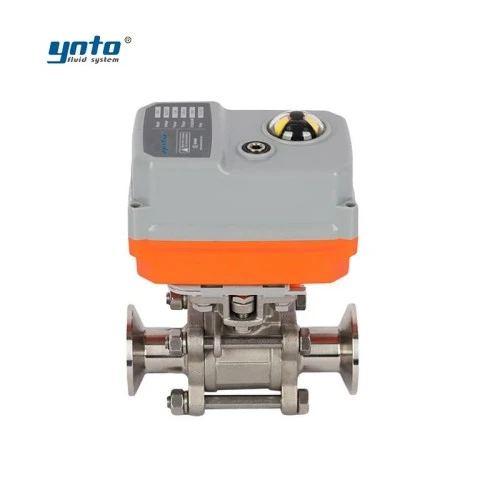
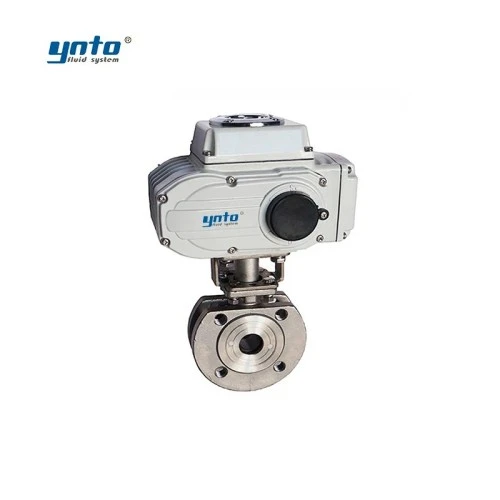
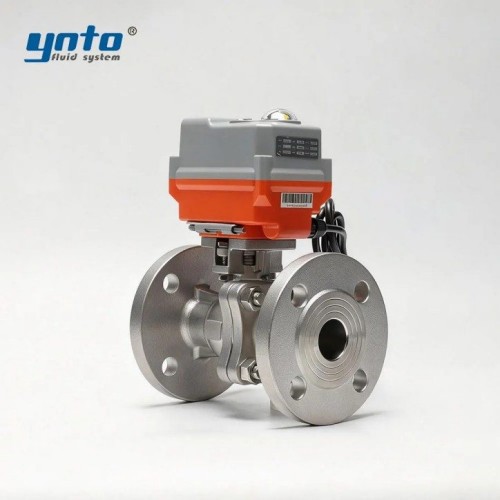
For automated isolation, a two-way three-piece stainless steel electric ball valve provides 304/316 body options, reinforced PTFE or PPL sealing, and several connections. Confirm that the required reverse-pressure leakage test applies to the selected configuration rather than assuming it from “two-way.”
Design Considerations for Specific Project Needs
A useful customization sheet defines normal and upset pressure, design temperature, fluid composition, solids, viscosity, corrosion allowance, and cycle rate. Size should follow the hydraulic calculation, not the pipe alone. An oversized control valve works near its seat, inviting unstable flow; an undersized shutoff valve adds permanent pressure loss.
Seat geometry must match the duty. Soft seats can give tight shutoff at moderate conditions; metal seats tolerate more heat, particles, and thermal cycling. Trapped-liquid service needs safe cavity relief. A bidirectional valve can trap liquid between barriers, and heating may raise cavity pressure until a seal or body component is overstressed.
Electric or pneumatic actuators should be sized from breakaway, running, and closing torque with an agreed safety factor. Supply, fail position, override, feedback, enclosure, and operating time belong in the specification. ISO 5211 defines part-turn attachment requirements, but a matching interface does not prove adequate torque.
High-Performance Sealing and Valve Performance Optimization
How Custom Valves Ensure Optimal Sealing
High-performance sealing begins with measurable acceptance criteria. “Bubble-tight,” “zero leakage,” and “tight shutoff” remain vague unless the quotation identifies the test medium, differential pressure, duration, direction, leakage rate, and standard. A bidirectional requirement calls for seat testing from both sides at the agreed pressure.
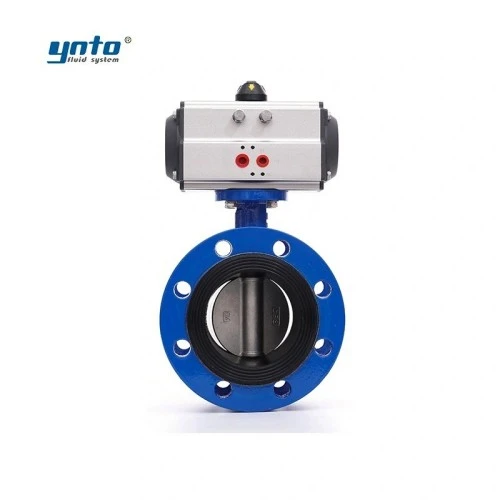
A pneumatic flanged soft-sealed butterfly valve is designed for bidirectional sealing and low torque. The specification must still state seat material, pressure class, test direction, actuator fail mode, and allowable leakage so a general feature is not mistaken for a project guarantee.
Testing exposes machining and assembly quality. Poor concentricity concentrates seat load. Excessive compression lowers initial leakage but raises torque and wear; insufficient compression feels smooth but may fail reverse-pressure testing. Experienced technicians review torque curves and leakage results together.
Comparison with Standard Sealing Solutions
Standard valves remain appropriate when their published envelope matches the process. They are available, familiar, and economical. Customization adds value when flow reverses, space is restricted, media attack ordinary materials, special control signals are needed, or standard testing cannot demonstrate the required shutoff.
Consider a loop cycling from ambient to hot service. Expansion and contraction fatigue an unsuitable elastomer; the seat takes a compression set; torque changes, and reverse leakage appears after cooldown. A larger actuator may force closure temporarily, but it masks seal damage and increases stem loading. A compatible seat, controlled geometry, and correctly sized actuator solve the cause.
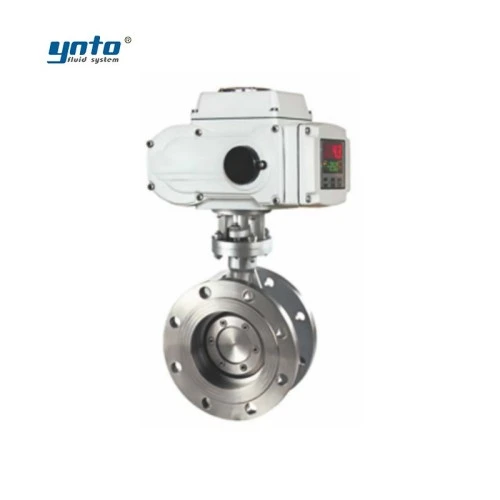
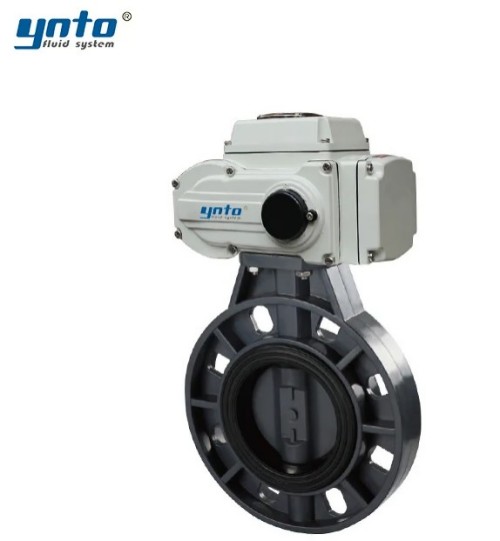
For hotter pipelines, an electric flanged hard-seal butterfly valve may suit applications matching its pressure, materials, tests, and temperature range. Metal seating improves heat tolerance, but permissible leakage must be specified rather than assumed to equal soft-seat performance.
Industrial Applications of Customized Two-Way Valves
Application Examples Highlighting Successful Engineering
In a water-treatment backwash manifold, pressure alternates between service and cleaning. A bidirectional butterfly valve reduces orientation risk, yet engineers must verify minimum actuator-air pressure, wet-seat torque, and closing speed. If surge calculations show risk, slowing the final closure segment protects the seat and piping. In a hot utility loop, an electric flanged hard-seal butterfly valve may be considered when its pressure, materials, tests, and leakage criteria match.
On a chemical skid, a slight odor or damp packing gland can be more revealing than seat leakage. Corrosive media pits a mismatched stem; the rough surface abrades packing during each stroke; leakage then creates personnel exposure. Selecting 316L, Duplex, PTFE, or FKM after reviewing concentration and temperature interrupts that chain.
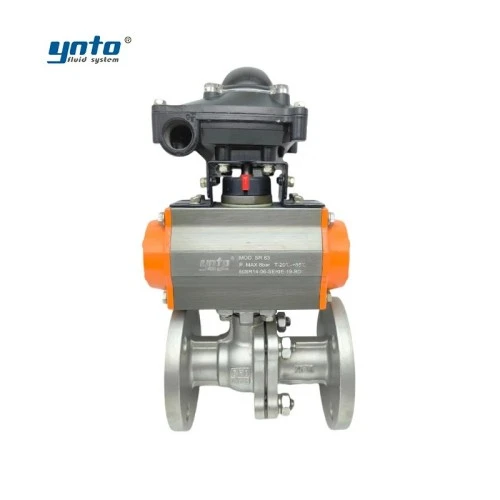
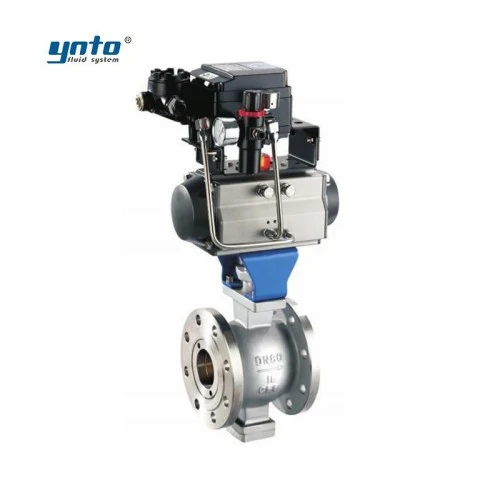
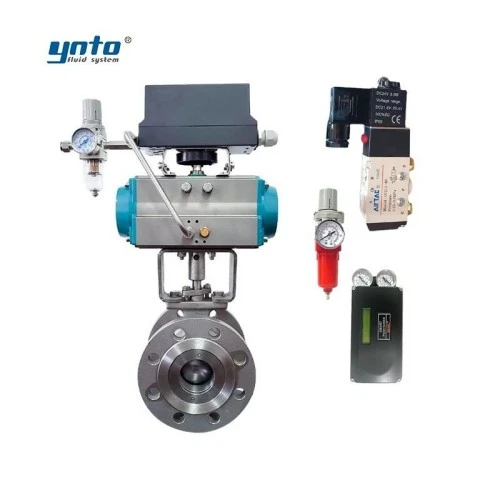
In slurry service, solids collect at the sealing edge, torque rises, and the actuator may stall. A pneumatic V-port control ball valve can provide shearing action and controlled flow for suitable media. Select it when rangeability, erosion resistance, and shutoff class meet the duty—not automatically as a dedicated isolation valve.
Key Sectors Benefiting from Custom Industrial Valve Solutions
Water treatment, chemicals, pulp and paper, food, power, and mining use customized industrial valve solutions for different reasons. Hygienic processes prioritize cleanability; steam lines emphasize pressure and thermal expansion; slurry demands erosion resistance; corrosive systems require material traceability and leakage control.
Safety follows the hazard. Before maintenance, operators must isolate energy, depressurize cavities, drain hazardous media, verify zero pressure, and follow plant lockout rules. Hot, high-pressure, toxic, or corrosive duty may require remote actuation, shielding, and controlled venting. Bidirectional shutoff improves isolation only when piping, bleed points, and procedures work together.
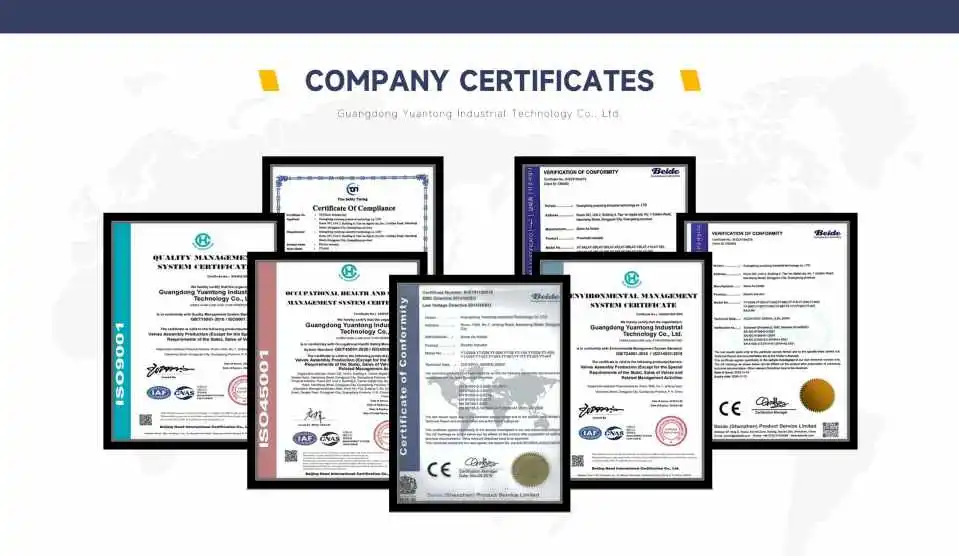
Standards turn expectations into evidence. ANSI/ASME B16.34 may govern ratings, materials, testing, and marking for applicable metal valves. API 598 and ISO 5208 provide inspection and pressure-test frameworks; DIN EN 558 addresses face-to-face dimensions. Purchase orders should identify each standard’s scope, leakage acceptance, certificates, and witnessed tests.
Conclusion
Why Customized Two-Way Sealing Valves Matter
A customized two-way sealing valve is valuable when reverse pressure, chemicals, temperature cycling, solids, automation, or space exceed a catalog selection. Its purpose is to align sealing mechanisms, materials, pressure class, actuator torque, and tests with the process.
Investing in Tailored Industrial Valve Solutions
For a useful quotation, provide medium, concentration, size, connection, pressure, temperature, bidirectional differential, cycle rate, leakage limit, actuator supply, fail position, and standards. Request drawings, material certificates, actuator calculations, and seat-test records in both directions. YNTO can then evaluate a ball, butterfly, diaphragm, or pneumatic V-port control ball valve package without overpromising performance.
- 2026-10-19 08:49:57
- 2026-10-16 10:48:59
- 2026-10-15 14:23:43