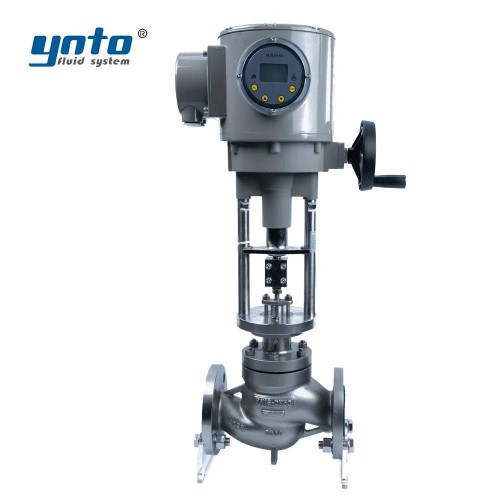
Chemical diaphragm valve
- Customer Success
- Related Products
- Related industry Applications
I. Plant Introduction:
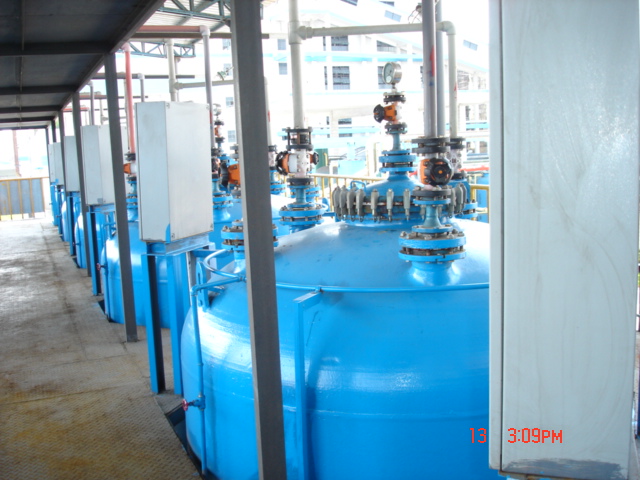
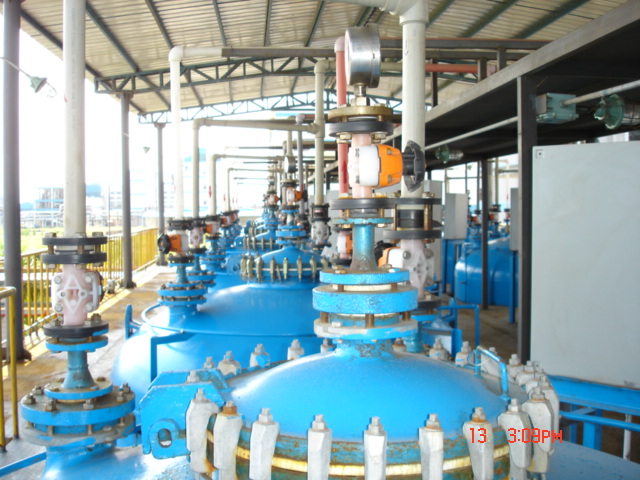
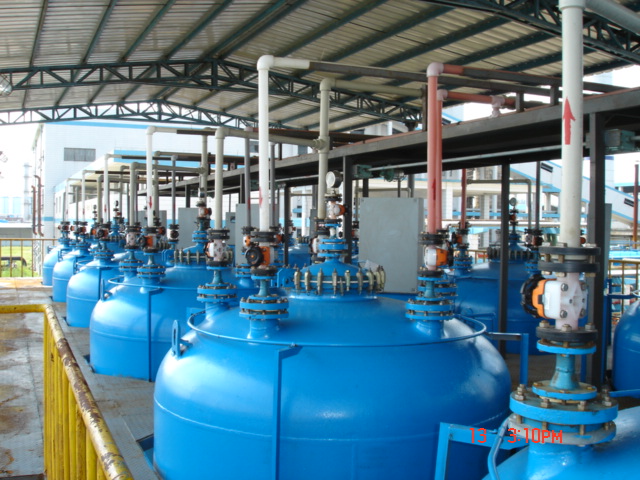
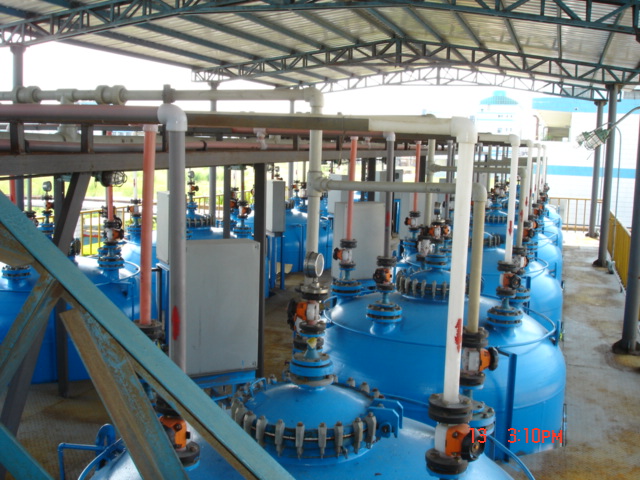
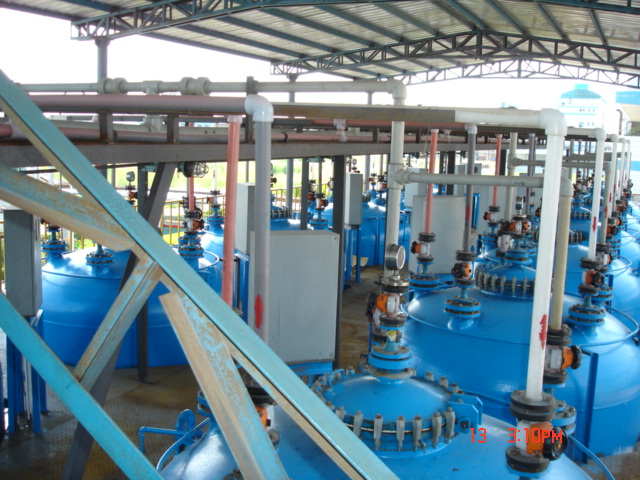
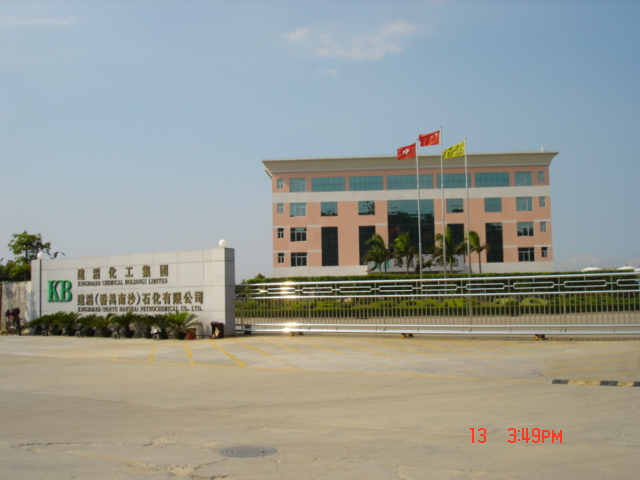
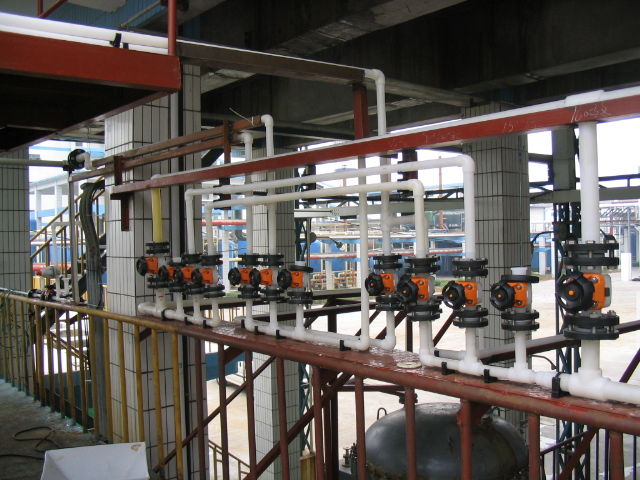
Founded in 2000, Jiantao Panyu Nansha Chemical Plant, a subsidiary of the globally renowned Jiantao Chemical Group, boasts a vast area equipped with advanced production facilities and a skilled technical team. Located in Nansha, Panyu District, Guangzhou, this chemical plant serves as one of the vital production bases for the group. Specializing in organic and inorganic chemicals, the plant manufactures a wide range of products including resins, coatings, electronic chemicals, and more. It operates with state-of-the-art equipment and rigorous production processes. Throughout the production cycles, various industrial valves are utilized, such as ball valves, butterfly valves, diaphragm valves, and globe valves, among which diaphragm valves play a pivotal role, particularly in reactors.
II. Application Scenarios of YNTO Diaphragm Valves in Reactors
Reactors are core equipment in chemical production, facilitating various chemical reactions. The adoption of diaphragm valves in reactors can be observed in the following scenarios:
Reactant Feeding Control:
Before the commencement of chemical reactions, reactants must be precisely fed into the reactor. Diaphragm valves ensure accurate flow control, allowing reactants to enter the reactor at predetermined ratios and speeds, thereby maintaining stable and consistent reaction conditions, which are crucial for enhancing reaction yields and product quality.
Reaction Condition Adjustment:
Parameters like temperature, pressure, and flow rate need to be precisely controlled during chemical reactions. Diaphragm valves effectively regulate the flow of heating or cooling media into the reactor, keeping the reaction temperature within the optimal range. They also control the venting of by-products or gases generated during the reaction, preventing potential safety hazards caused by excessive pressure.
Intermediate Product Sampling:
Regular sampling is necessary to monitor reaction progress and product quality. Diaphragm valves safely and cleanly control the opening and closing of sampling ports, preventing contamination from the outside while ensuring no pollutants enter the reactor and compromise the reaction.
Reactor Cleaning:
Post-reaction, thorough cleaning of the reactor is essential to prevent residues from affecting subsequent reactions. Diaphragm valves manage the inflow and outflow of cleaning fluids, ensuring an efficient and comprehensive cleaning process.
III. Other Application Scenarios
Apart from reactors, diaphragm valves are also widely used in the following scenarios within the Jiantao Panyu Nansha Chemical Plant:
Raw Material Handling and Transportation: In handling and transporting corrosive chemicals, diaphragm valves control the flow, ensuring safety and reliability.
Wastewater Treatment Systems: Their corrosion resistance and tight sealing capabilities ensure zero leakage during wastewater treatment, minimizing environmental risks.
Cooling Systems: Diaphragm valves regulate coolant flow, maintaining equipment temperatures within safe limits to prevent overheating and damage.
Storage Tanks and Pipeline Systems: They control liquid flow in and out of tanks and pipelines, ensuring safe and accurate storage and transportation.
IV. Characteristics and Advantages of Diaphragm Valves
Diaphragm valves utilize a flexible diaphragm to control fluid flow, offering several notable features:
Zero Leakage Design: The diaphragm completely separates the fluid from the valve body and cover, achieving zero leakage, ideal for handling high-purity and highly corrosive chemicals.
Corrosion Resistance: Made from highly corrosion-resistant materials, they excel in transporting acids, alkalis, and other aggressive media.
Easy Maintenance: Their simple structure facilitates easy disassembly, installation, and maintenance, reducing downtime and costs.
Flexible Fluid Control: Diaphragm valves offer precise control over fluid flow and pressure, ensuring process stability.
V. Conclusion
The application of YNTO diaphragm valves in Jiantao Panyu Nansha Chemical Plant, particularly in reactors, provides robust support for safe and efficient production. With their unique design and superior performance, diaphragm valves play an irreplaceable role in various critical processes.

.JPG?imageMogr2/format/webp) 1/2"-8" Electric PVDF True Union Ball Valve
1/2"-8" Electric PVDF True Union Ball Valve
This electric PVDF ball valve is an electrically controlled ball valve made of polyvinylidene fluoride (PVDF), belonging to the category of polymer valves. PVDF material possesses excellent corrosion resistance, chemical stability, and high-temperature resistance, with an operating temperature range typically between -40℃ and 140℃.
This valve opens and closes by rotating the ball 90° via an electric actuator. Nominal diameters range from DN15 to DN200 (corresponding to 1/2 inch to 8 inches), making it suitable for conveying corrosive media and for automated control systems in various industries such as chemical, semiconductor, water treatment, pharmaceutical, and environmental protection. The electric actuator enables remote control, automated integration, and precise flow regulation, meeting the demands of modern industry for intelligent control.
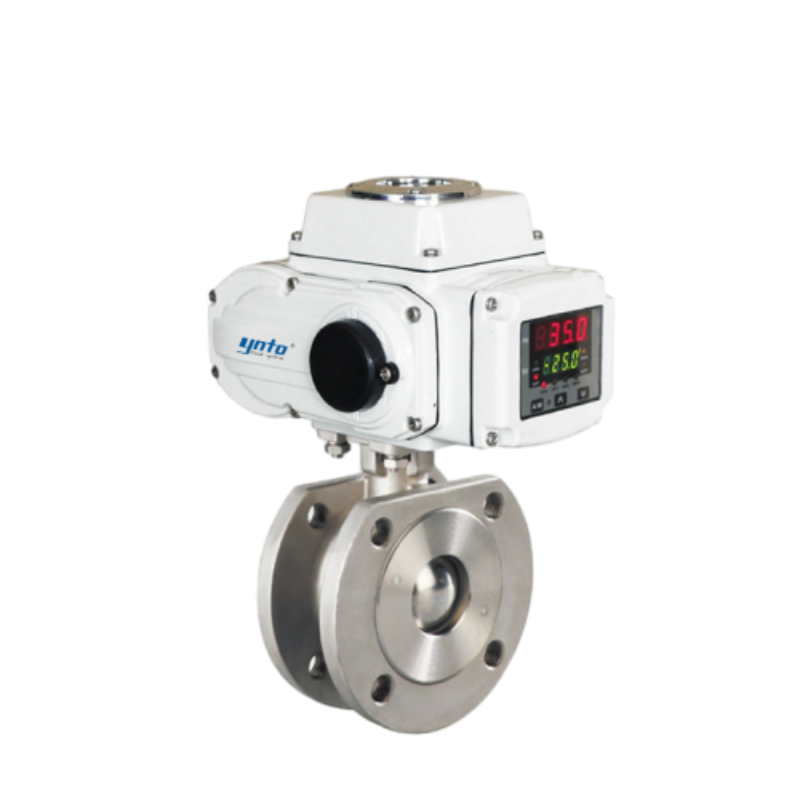 YNTO stainless steel 304SS 316SS wafer Electric thin type 2way ball valve for 24VDC 220VAC 380VAC
The electric thin ball valve is compact, lightweight, and easy to install. Its elastic sealing valve seat ensures reliable sealing and easy operation. Suitable for various media like water, steam, oil, nitric acid, oxidizing media, and urea, it is widely used in paper making, food, petroleum, chemical, metallurgy, power, pharmaceuticals, and wastewater treatment industries.
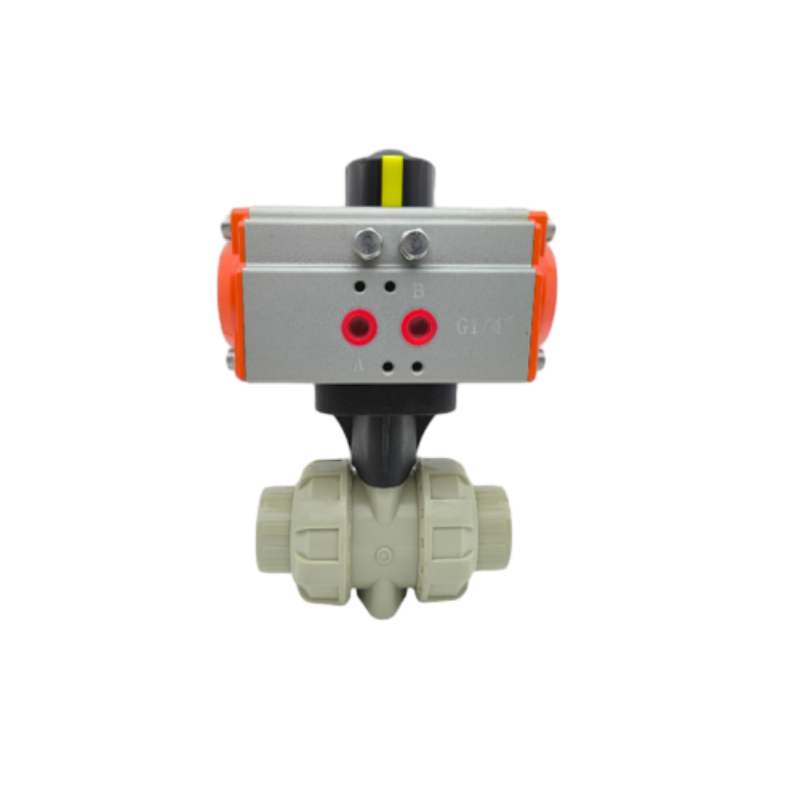 YNTO PPH 25 50mm water Plastic DN10 ~ DN250 Way double union ball valve pvc industrial Pneumatic ball valve
Pneumatic plastic ball valves are lightweight, corrosion-resistant, and have excellent aging resistance. They are widely used in various industries such as environmental protection, water treatment, PCB equipment, electroplating, chemical industry, semiconductor, energy industry, and chlor-alkali chemical industry. The quality has been recognized by a large number of users.
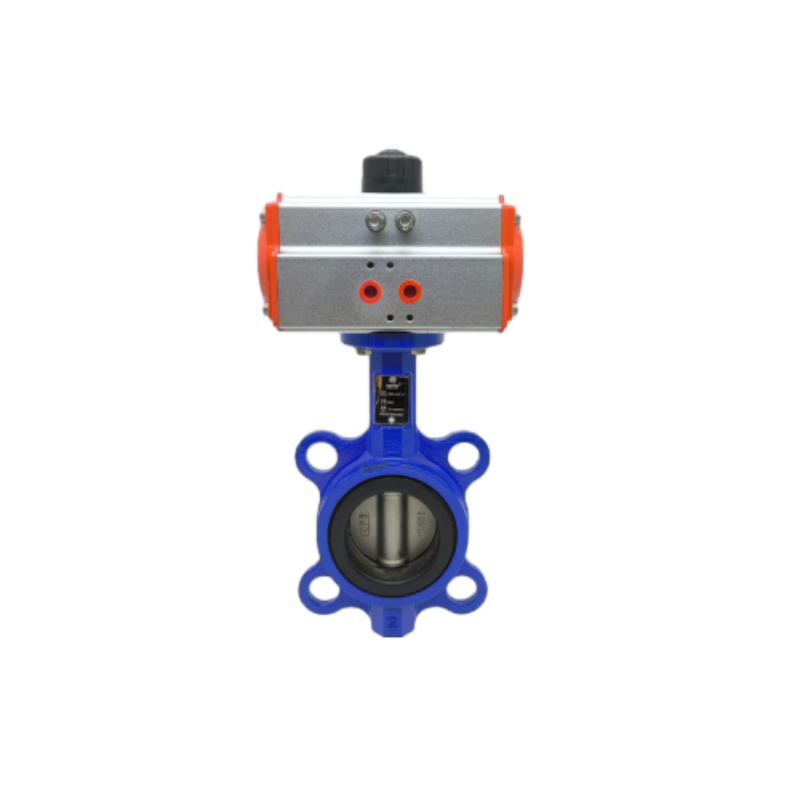 YNTO Industrial Flow Control Ductile Iron Quick cut-off bidirectional seal of Pneumatic SS wafer Butterfly Valve custom size
Pneumatic Wafer Soft Seal Butterfly Valve (D671X) is designed for swift operation, boasting a compact structure and innovative design. With its small size, light weight, and reliable bidirectional sealing, it's ideal for various industrial applications, including food, environmental protection, and water treatment.
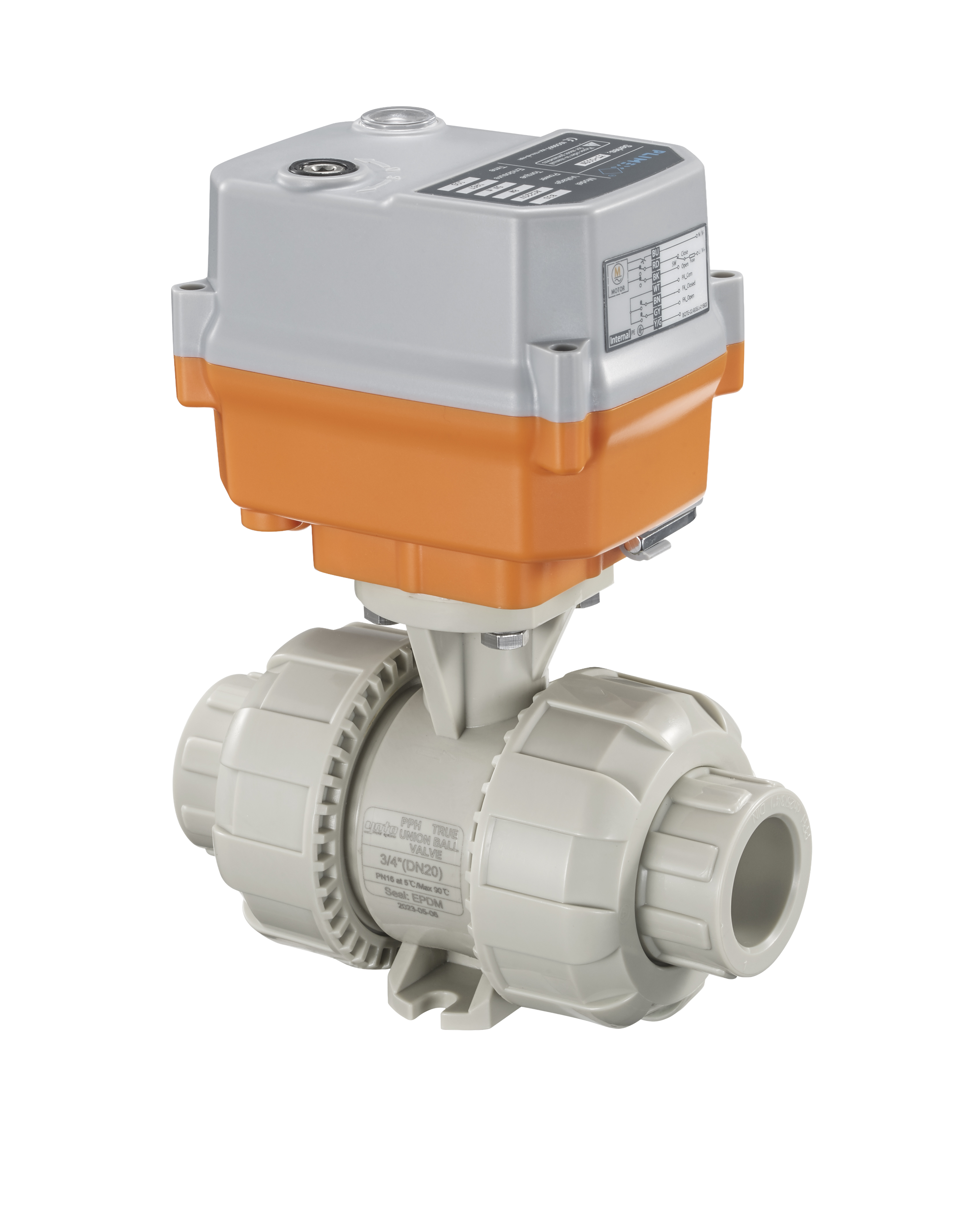 YNTO industrial Electric Actuator pvc PPH 2 Way electric ball valve DN10-DN250 Custom voltage
The double-acting electric plastic ball valve is lightweight, highly corrosion-resistant, and incorporates UV absorbers and antioxidants in its raw materials to enhance product weather resistance and aging resistance. It is applied in various fields, including water treatment, wastewater treatment, electroplating, chemical industry, semiconductor, energy industry, chlor-alkali chemical industry, and others.
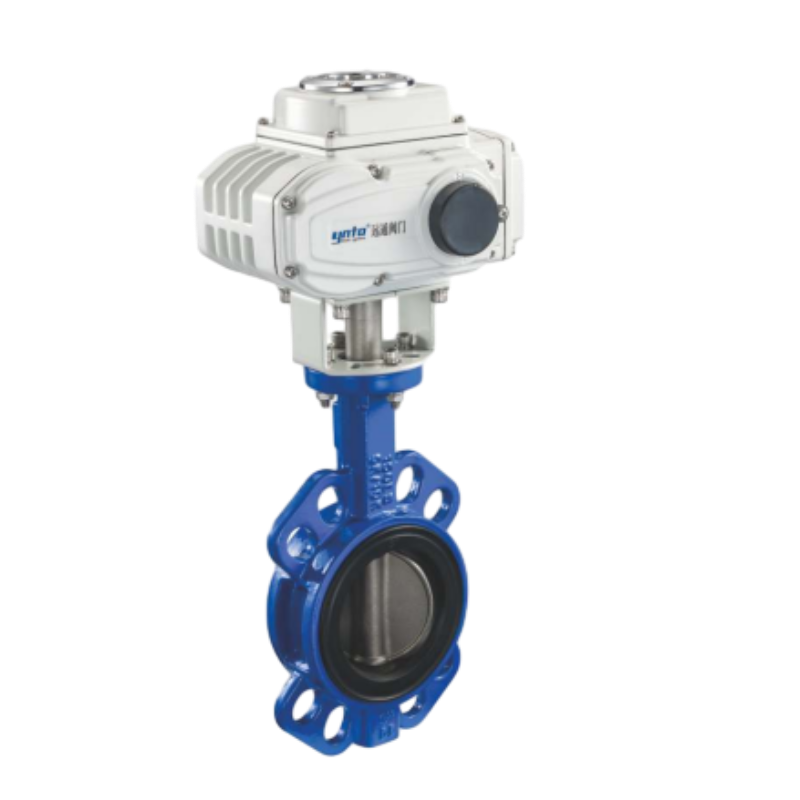 YNTO Electric PTFE soft seal lug type butterfly valve with electric actuator
YNTO Electric PTFE soft seal lug type butterfly valve with electric actuator