Applications in Sapphire Production Process
- Customer Success
- Related Products
- Related industry Applications
1. Precise Cooling Flow Control
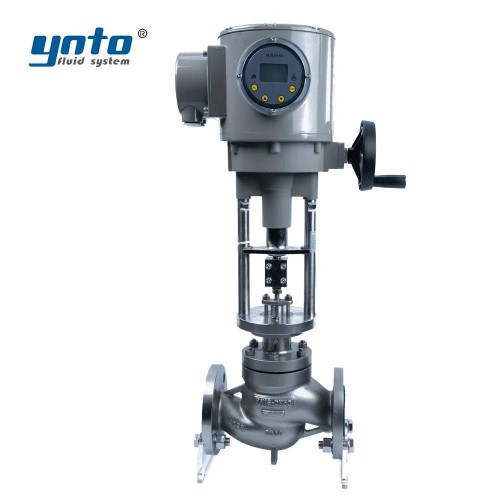
In sapphire production, the cooling system must precisely control the flow of cooling media to ensure uniform temperature throughout the growth and processing of sapphire crystals. YNTO electric valves precisely regulate the flow of cooling media, such as water or cooling fluids, to maintain the desired temperature range in the cooling system. This precise control improves the quality of sapphire glass by preventing defects or stress concentrations caused by uneven cooling.
2. Automated Control and Remote Monitoring
YNTO electric valves are equipped with advanced automation control systems that enable remote monitoring and automated operation. The temperature and flow during production can be monitored in real-time, and the valve opening can be automatically adjusted as needed. This automation enhances operational convenience and responsiveness, making the cooling process more efficient and reliable.
3. High Corrosion Resistance and High-Temperature Performance
During the cooling of sapphire glass, the cooling liquid may contain corrosive substances or be exposed to high temperatures. YNTO electric valves are made from high corrosion-resistant and high-temperature materials, ensuring stable performance in harsh conditions. This durability guarantees the long-term reliability of the valves, reducing maintenance frequency and costs.
4. Accurate Temperature Regulation
YNTO electric valves enable precise temperature regulation by controlling the flow of cooling fluids. Accurate temperature control is crucial for the crystallization quality of sapphire, as it helps prevent defects or internal stresses caused by temperature fluctuations.
5. Reduced Energy Consumption and Improved Efficiency
The efficient control capabilities of YNTO electric valves help optimize the energy use of the cooling system. By precisely adjusting the flow, the system can meet cooling requirements while minimizing energy waste. This optimization reduces production costs and improves overall production efficiency.
Summary
In sapphire glass cooling systems, YNTO electric valves ensure efficient, stable, and reliable cooling processes through precise flow control, automation and remote monitoring, high corrosion and temperature resistance, accurate temperature regulation, and energy efficiency. These features make YNTO electric valves an indispensable component in sapphire glass production. 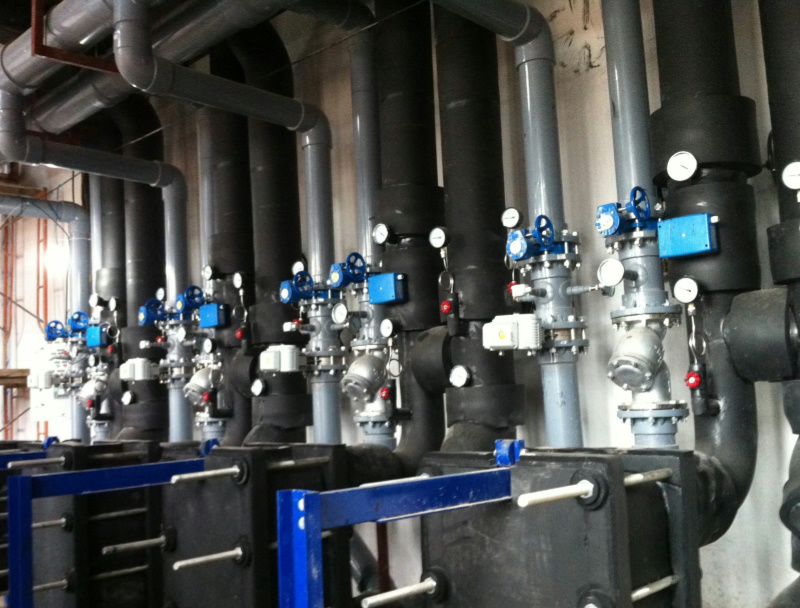

.JPG?imageMogr2/format/webp) 1/2"-8" Electric PVDF True Union Ball Valve
1/2"-8" Electric PVDF True Union Ball Valve
This electric PVDF ball valve is an electrically controlled ball valve made of polyvinylidene fluoride (PVDF), belonging to the category of polymer valves. PVDF material possesses excellent corrosion resistance, chemical stability, and high-temperature resistance, with an operating temperature range typically between -40℃ and 140℃.
This valve opens and closes by rotating the ball 90° via an electric actuator. Nominal diameters range from DN15 to DN200 (corresponding to 1/2 inch to 8 inches), making it suitable for conveying corrosive media and for automated control systems in various industries such as chemical, semiconductor, water treatment, pharmaceutical, and environmental protection. The electric actuator enables remote control, automated integration, and precise flow regulation, meeting the demands of modern industry for intelligent control.
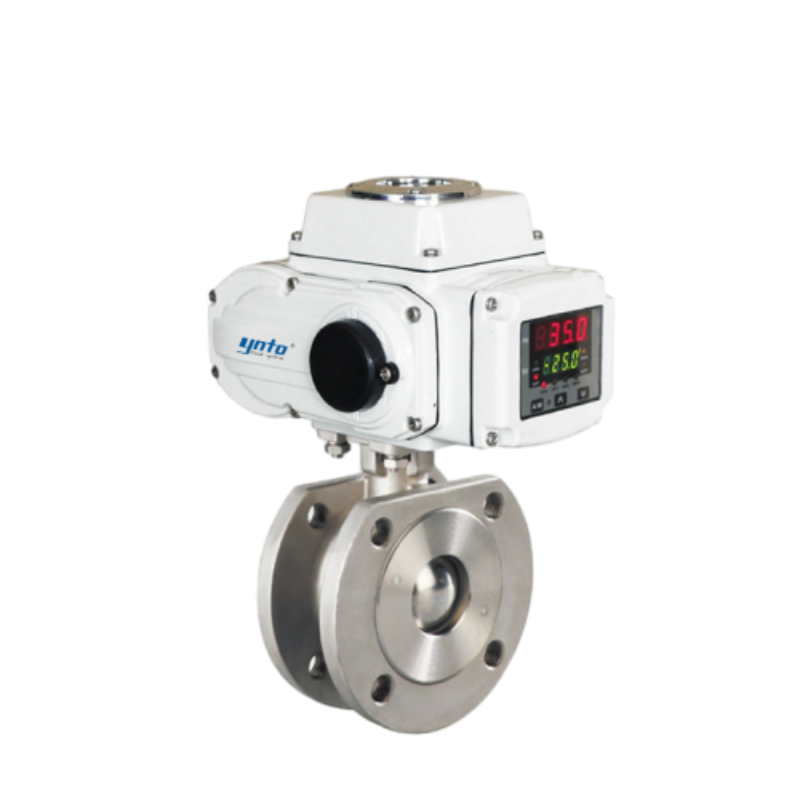 YNTO stainless steel 304SS 316SS wafer Electric thin type 2way ball valve for 24VDC 220VAC 380VAC
The electric thin ball valve is compact, lightweight, and easy to install. Its elastic sealing valve seat ensures reliable sealing and easy operation. Suitable for various media like water, steam, oil, nitric acid, oxidizing media, and urea, it is widely used in paper making, food, petroleum, chemical, metallurgy, power, pharmaceuticals, and wastewater treatment industries.
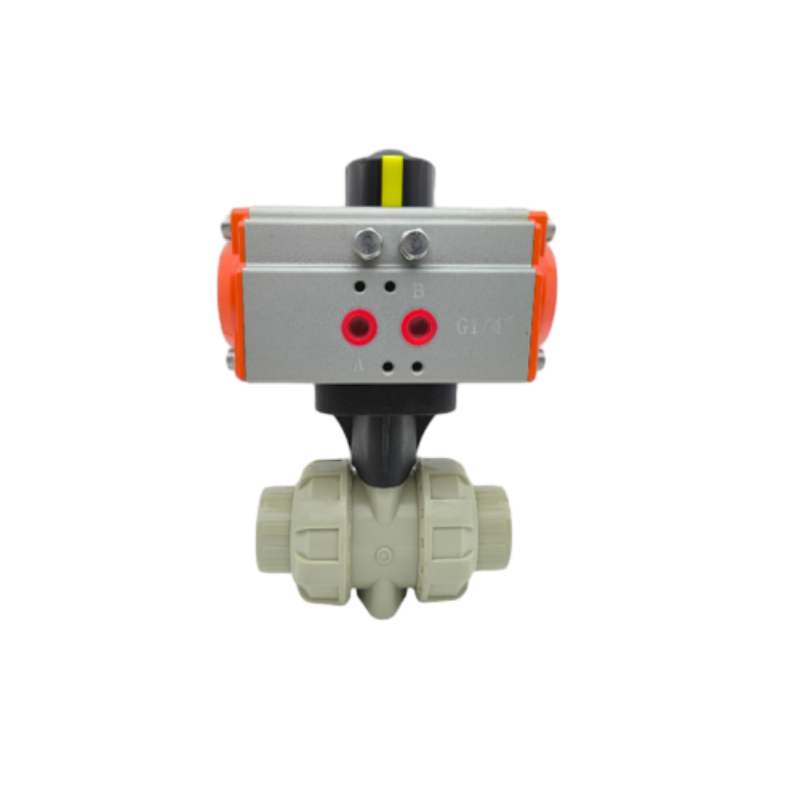 YNTO PPH 25 50mm water Plastic DN10 ~ DN250 Way double union ball valve pvc industrial Pneumatic ball valve
Pneumatic plastic ball valves are lightweight, corrosion-resistant, and have excellent aging resistance. They are widely used in various industries such as environmental protection, water treatment, PCB equipment, electroplating, chemical industry, semiconductor, energy industry, and chlor-alkali chemical industry. The quality has been recognized by a large number of users.
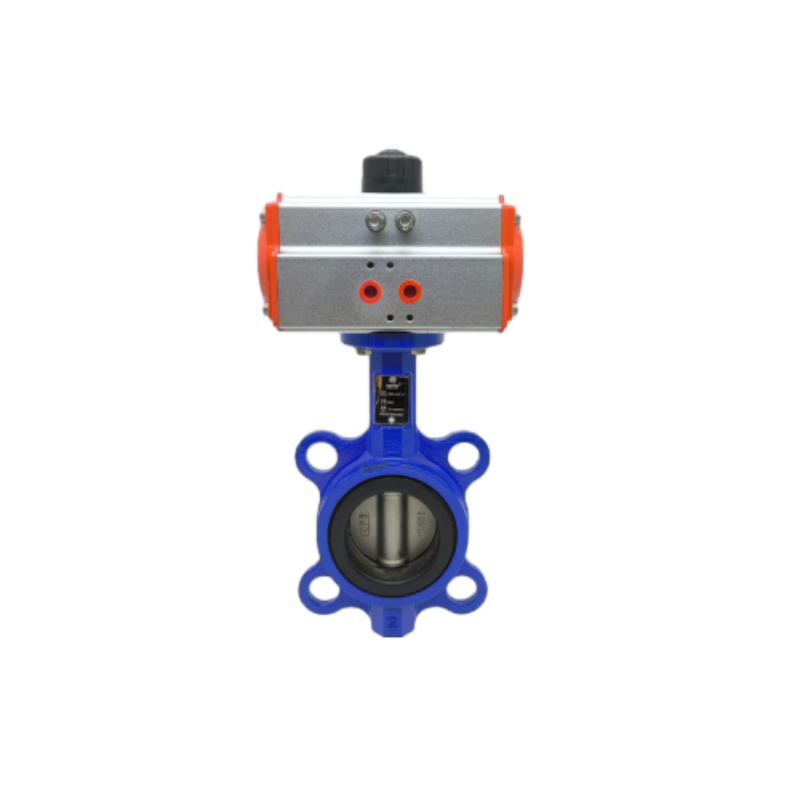 YNTO Industrial Flow Control Ductile Iron Quick cut-off bidirectional seal of Pneumatic SS wafer Butterfly Valve custom size
Pneumatic Wafer Soft Seal Butterfly Valve (D671X) is designed for swift operation, boasting a compact structure and innovative design. With its small size, light weight, and reliable bidirectional sealing, it's ideal for various industrial applications, including food, environmental protection, and water treatment.
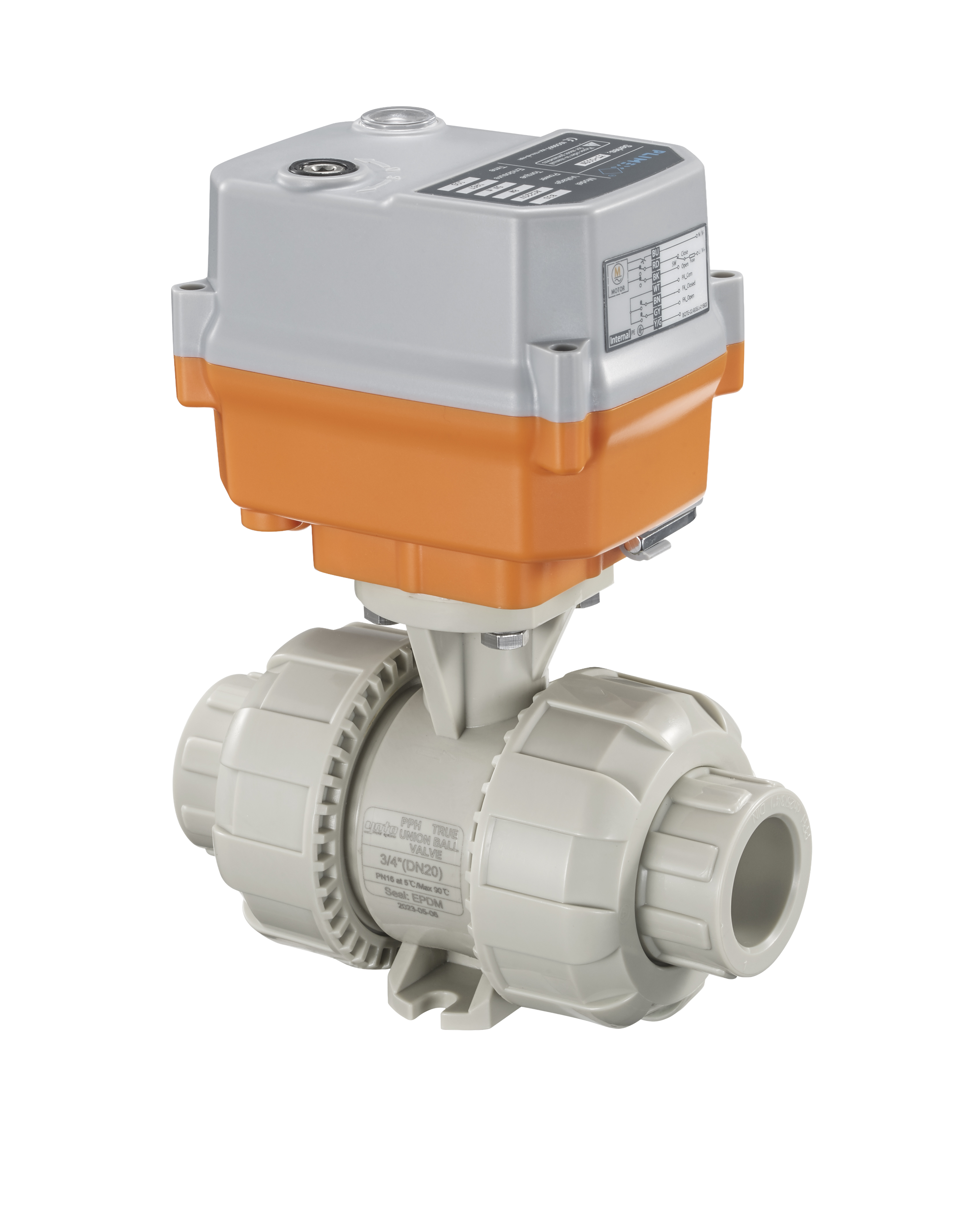 YNTO industrial Electric Actuator pvc PPH 2 Way electric ball valve DN10-DN250 Custom voltage
The double-acting electric plastic ball valve is lightweight, highly corrosion-resistant, and incorporates UV absorbers and antioxidants in its raw materials to enhance product weather resistance and aging resistance. It is applied in various fields, including water treatment, wastewater treatment, electroplating, chemical industry, semiconductor, energy industry, chlor-alkali chemical industry, and others.
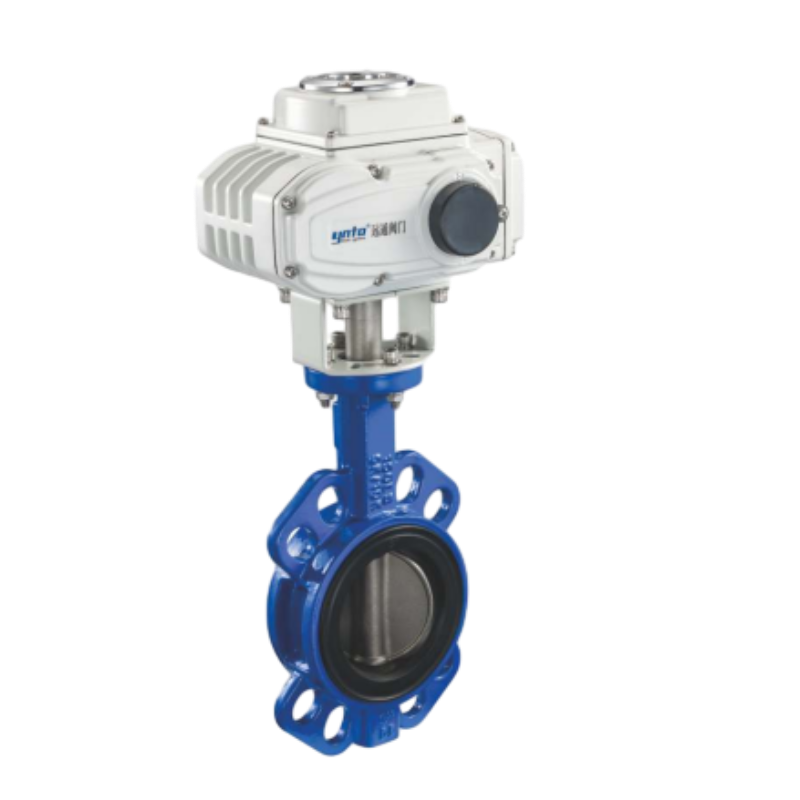 YNTO Electric PTFE soft seal lug type butterfly valve with electric actuator
YNTO Electric PTFE soft seal lug type butterfly valve with electric actuator