PVDF piping system in hydrogen fluoride (HF) delivery applications
- Customer Success
- Related Products
- Related industry Applications
1. Excellent Corrosion Resistance
PVDF Pipes: Polyvinylidene fluoride (PVDF) offers exceptional resistance to HF corrosion, effectively preventing damage or leaks in the pipes caused by HF. The use of PVDF pipes ensures long-term stability and reliability in the delivery system.
PVDF Pneumatic Diaphragm Valves: Similarly, PVDF pneumatic diaphragm valves maintain excellent corrosion resistance in HF environments. The choice of material ensures the valve’s long-term reliability and prevents HF-induced damage, extending the service life of the valve.
2. High Temperature Tolerance
PVDF Pipes: PVDF materials possess excellent thermal stability, capable of withstanding high temperatures encountered in HF delivery processes without deformation or performance degradation. This characteristic ensures stable operation under high-temperature conditions.
PVDF Pneumatic Diaphragm Valves: In high-temperature environments, PVDF pneumatic diaphragm valves maintain structural stability and sealing performance, ensuring precise control and leak-proof operation during HF delivery.
3. Precise Flow Control
PVDF Pneumatic Diaphragm Valves: These valves provide precise flow regulation, with the pneumatic drive system enabling rapid and accurate adjustment of HF flow. This precise control helps meet process requirements and optimize HF usage efficiency.
4. High Purity
PVDF Pipes: The smooth inner surface of PVDF pipes minimizes the buildup of residues and impurities during HF transport, maintaining high purity within the system. This is crucial for the delivery of high-purity chemicals like HF.
PVDF Pneumatic Diaphragm Valves: The design prevents direct contact between HF and internal mechanical components of the valve, further reducing the risk of contamination. The excellent sealing performance ensures the purity of HF and the cleanliness of the delivery system.
5. Long-Term Stability and Low Maintenance
PVDF Pipes: Due to their chemical resistance and thermal stability, PVDF pipes exhibit very low maintenance needs in HF delivery systems. They are less prone to failure during long-term use, reducing downtime and maintenance costs.
PVDF Pneumatic Diaphragm Valves: These valves offer long service life and low maintenance requirements, suitable for continuous operation. Their corrosion and high-temperature resistance ensure stability in harsh environments, lowering maintenance frequency and operational costs.
Summary
PVDF pipes and PVDF pneumatic diaphragm valves demonstrate outstanding performance in chemical HF delivery systems, including excellent corrosion resistance, high temperature tolerance, precise flow control, high purity, and low maintenance needs. These advantages make them ideal for handling highly corrosive chemicals like HF, providing robust technical support for the efficient, safe, and reliable operation of the system. 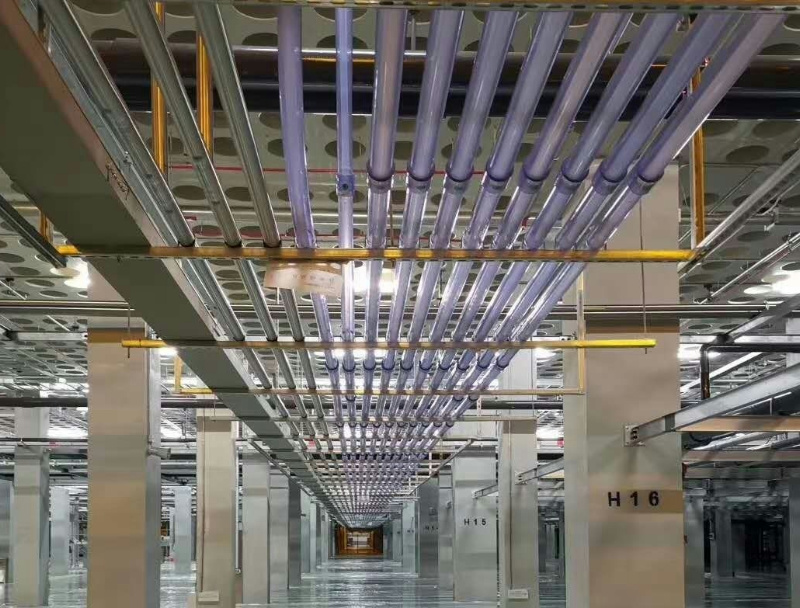

.JPG?imageMogr2/format/webp) 1/2"-8" Electric PVDF True Union Ball Valve
1/2"-8" Electric PVDF True Union Ball Valve
This electric PVDF ball valve is an electrically controlled ball valve made of polyvinylidene fluoride (PVDF), belonging to the category of polymer valves. PVDF material possesses excellent corrosion resistance, chemical stability, and high-temperature resistance, with an operating temperature range typically between -40℃ and 140℃.
This valve opens and closes by rotating the ball 90° via an electric actuator. Nominal diameters range from DN15 to DN200 (corresponding to 1/2 inch to 8 inches), making it suitable for conveying corrosive media and for automated control systems in various industries such as chemical, semiconductor, water treatment, pharmaceutical, and environmental protection. The electric actuator enables remote control, automated integration, and precise flow regulation, meeting the demands of modern industry for intelligent control.
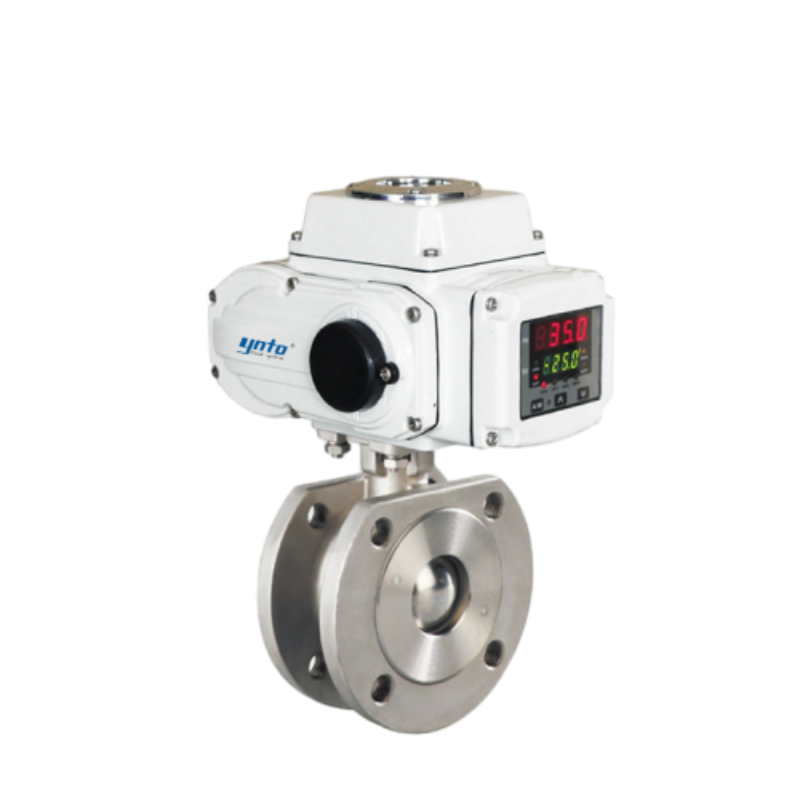 YNTO stainless steel 304SS 316SS wafer Electric thin type 2way ball valve for 24VDC 220VAC 380VAC
The electric thin ball valve is compact, lightweight, and easy to install. Its elastic sealing valve seat ensures reliable sealing and easy operation. Suitable for various media like water, steam, oil, nitric acid, oxidizing media, and urea, it is widely used in paper making, food, petroleum, chemical, metallurgy, power, pharmaceuticals, and wastewater treatment industries.
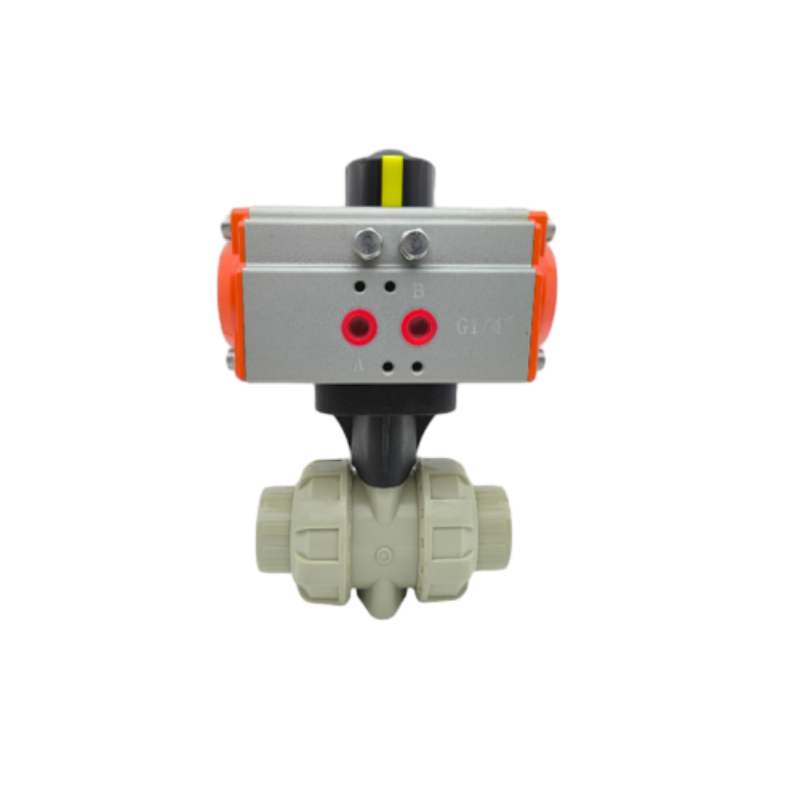 YNTO PPH 25 50mm water Plastic DN10 ~ DN250 Way double union ball valve pvc industrial Pneumatic ball valve
Pneumatic plastic ball valves are lightweight, corrosion-resistant, and have excellent aging resistance. They are widely used in various industries such as environmental protection, water treatment, PCB equipment, electroplating, chemical industry, semiconductor, energy industry, and chlor-alkali chemical industry. The quality has been recognized by a large number of users.
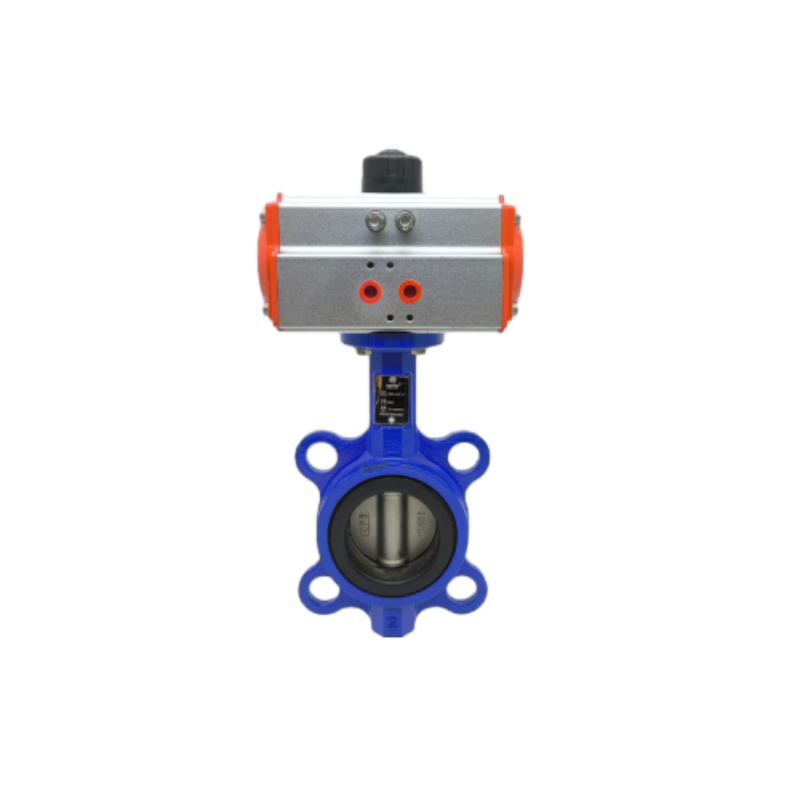 YNTO Industrial Flow Control Ductile Iron Quick cut-off bidirectional seal of Pneumatic SS wafer Butterfly Valve custom size
Pneumatic Wafer Soft Seal Butterfly Valve (D671X) is designed for swift operation, boasting a compact structure and innovative design. With its small size, light weight, and reliable bidirectional sealing, it's ideal for various industrial applications, including food, environmental protection, and water treatment.
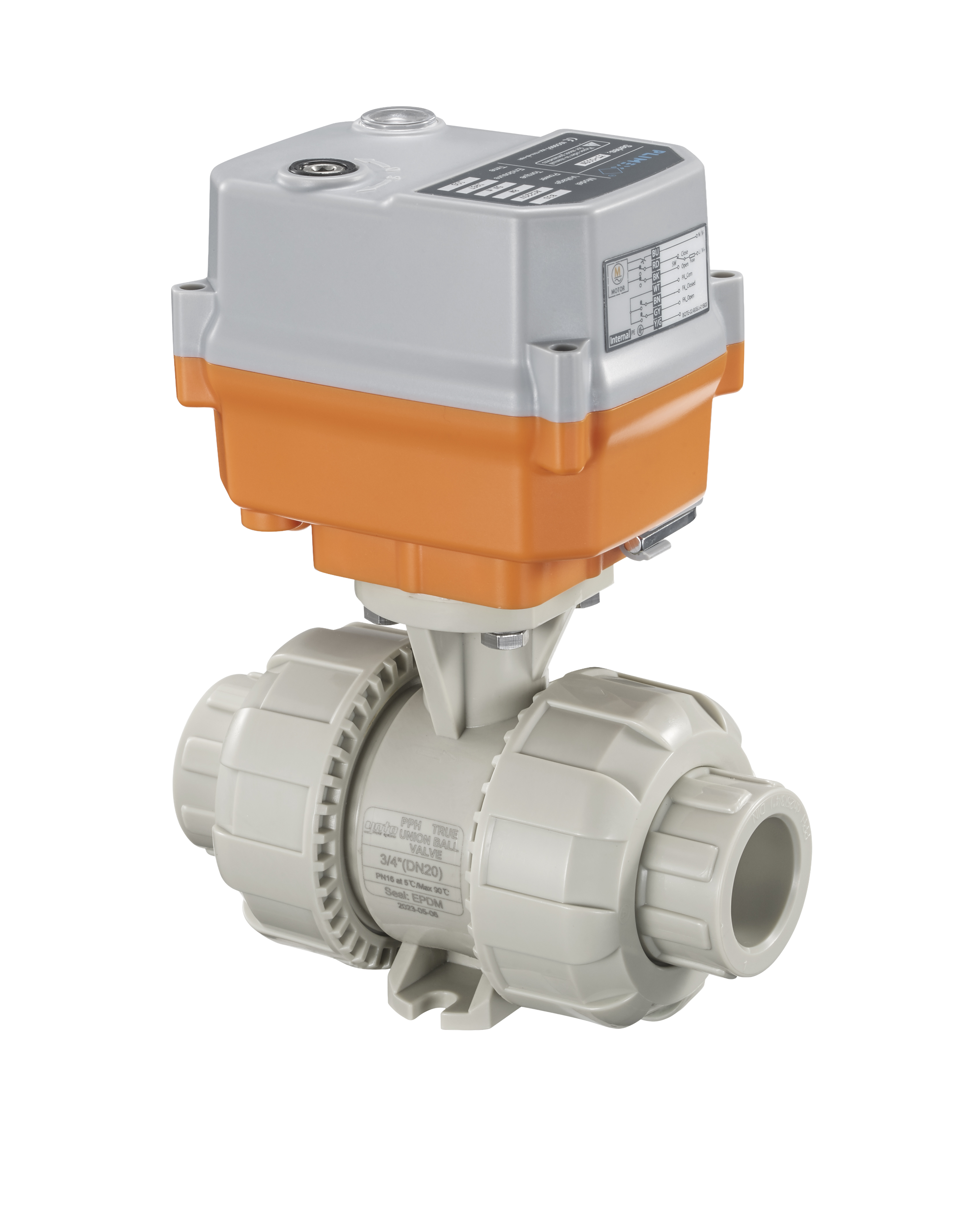 YNTO industrial Electric Actuator pvc PPH 2 Way electric ball valve DN10-DN250 Custom voltage
The double-acting electric plastic ball valve is lightweight, highly corrosion-resistant, and incorporates UV absorbers and antioxidants in its raw materials to enhance product weather resistance and aging resistance. It is applied in various fields, including water treatment, wastewater treatment, electroplating, chemical industry, semiconductor, energy industry, chlor-alkali chemical industry, and others.
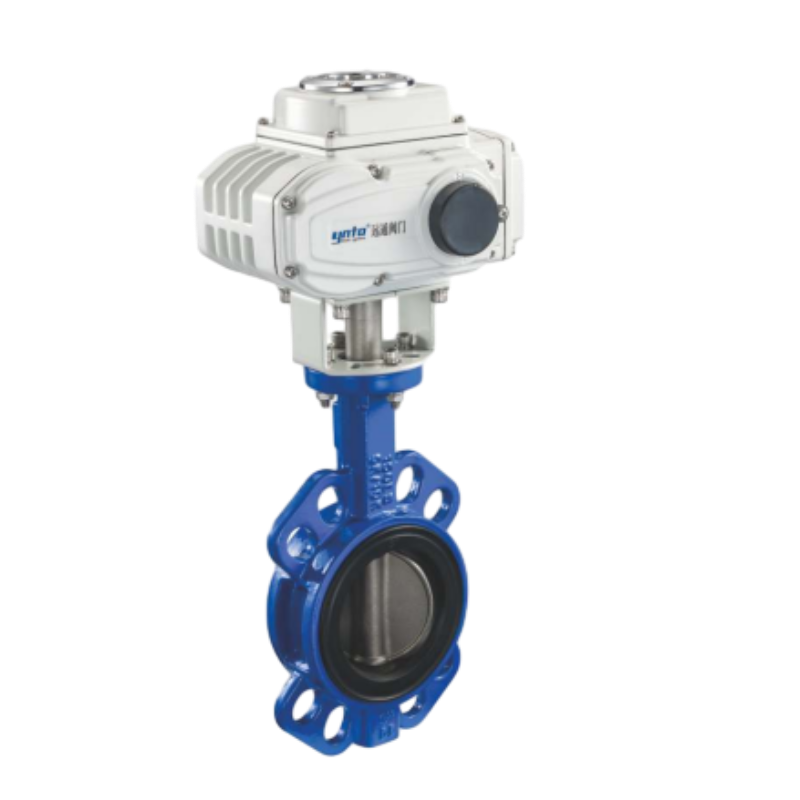 YNTO Electric PTFE soft seal lug type butterfly valve with electric actuator
YNTO Electric PTFE soft seal lug type butterfly valve with electric actuator